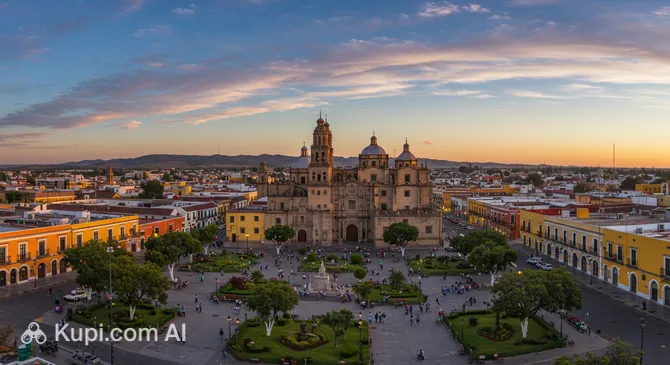
Located in the picturesque state of Veracruz, Córdoba is a city with a deep colonial past and a unique atmosphere. Founded in 1618 as a strategic outpost on the trade route between Mexico City and the port of Veracruz, it still retains the charm of old Mexico. The city is known as the "cradle of liberty," as it was here that the great history of Córdoba unfolded: in 1821, a treaty was signed recognizing the country's independence.
Cordoba. Illustration.
Source: Kupi.com AI
Geographically, Córdoba is situated in the foothills, which provides it with lush vegetation and status as one of the main centers for coffee and sugar cane production. With a population of about 218,000, the city remains cozy and provincial, offering tourists a tranquil pace of life surrounded by historical buildings. There is no hustle and bustle of megacities here, but instead, an abundance of the aroma of freshly roasted beans and the colorful facades of the colonial era.
The main magnets for travelers are the central square, majestic cathedrals, and old estates. Visiting this city is an invitation to touch the origins of Mexican statehood and enjoy the regional gastronomic traditions. Córdoba awaits those who appreciate authentic history and leisurely strolls through shady parks.
Weather Overview
Córdoba is characterized by a humid tropical climate, due to its location in the foothills of the state of Veracruz. Here, you can expect warm summers and mild, pleasant winters. The hottest period is from April to June, when daytime temperatures can reach +26–31°C, while the coolest is December and January, with average figures around +15–16°C.
One of the key features of the region is high humidity and a distinct rainy season, which lasts from June to October. During this time, downpours can be intense, but they are most often short-lived. To make your trip as comfortable as possible, we recommend checking the weather in Córdoba in advance and planning your visit for the period from November to May, when the weather is at its driest and sunniest.
Average monthly temperature
Average monthly precipitation
Interesting Facts
Córdoba holds many amazing stories that make this Mexican city truly special. Here are a few facts to help you get to know the "cradle of liberty" better:
The city earned the proud nickname "The City of Thirty Gentlemen". It was founded in 1618 at the initiative of 30 Spanish families who decided to create a settlement here to protect the trade route.
It was here on August 24, 1821, that the Treaty of Córdoba was signed. This document officially established Mexico's independence from Spain, making the city one of the most significant places in national history.
Córdoba is considered the coffee capital of the region. The local economy has been built on growing sugar cane and coffee for centuries, and today the city is a key hub for the production and roasting of high-quality beans.
The city's central square, 21 de Mayo Park, is named after the heroic battle of 1821, in which local defenders defeated the royalists a few months before the official recognition of independence.
The city is located at an altitude of about 850 meters above sea level, which creates a unique microclimate ideal for the lush gardens and plantations that surround Córdoba on all sides.
How to Get There
Córdoba's accessibility is due to its favorable location on the federal highway connecting the national capital with the major port of Veracruz. Although the city does not have its own airport, getting here is easy thanks to a developed network of intercity buses and proximity to major transport hubs. All the necessary information for planning your route can be found in the section on how to get to Córdoba.
The nearest major air hub is Veracruz International Airport (VER), located about 100 km away. From there, you can reach the city by taxi or regular bus in approximately 1.5–2 hours. Many tourists also arrive from Mexico City on ADO night or day bus services, which are famous for their comfort. The journey from the capital takes about 4–5 hours via the 150D toll highway.
There is no active passenger rail service in the city, so buses remain the primary mode of transport. The central bus station receives routes from all directions in the region. When planning a car trip, keep in mind that the 150D highway can be heavily congested with freight transport, especially during peak hours, which can add an extra 30–60 minutes to your travel time.
Station
Passenger traffic
Distance
Buenavista Station
7
243 km
Buenavista Station
7
243 km
Coatzacoalcos railway station
3
275 km
Main Attractions
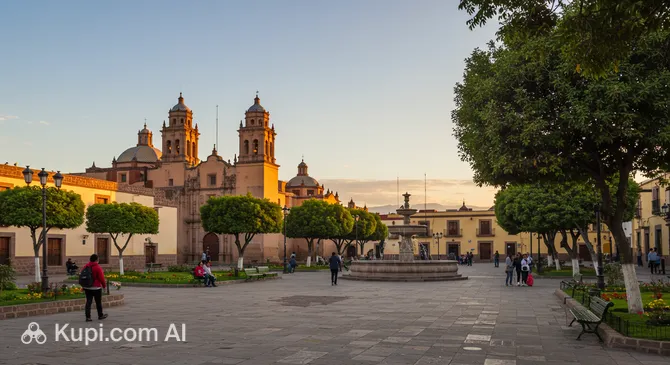
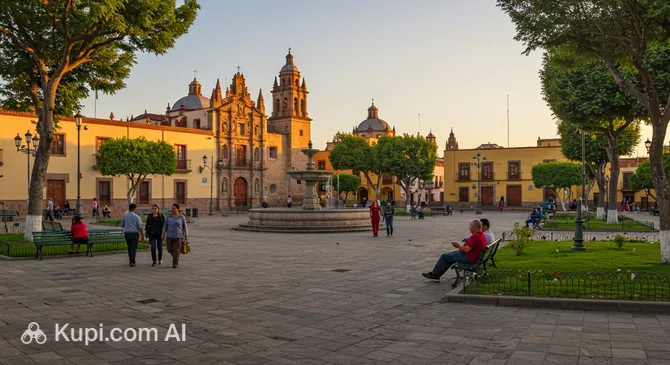
The heart of the city is 21 de Mayo Park. This central square, named after an important historical Mexican victory, has served as the main meeting place since the 16th century. It is surrounded by majestic buildings, including the Municipal Palace and the famous Palace of the Counts of Ceballos, where the Treaty of Córdoba was signed. Live music often plays here in the evenings, and the life of local cafes hums in the shady alleys.
21 de Mayo Park. Illustration.
Source: Kupi.com AI
Traveler photos:
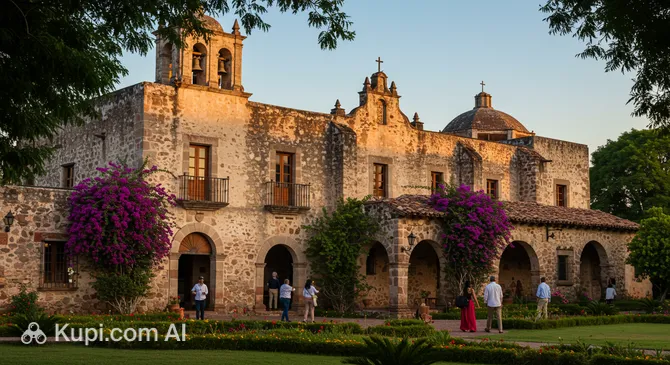
For those who want to dive into the region's agricultural past, a visit to the Ex-Hacienda Toxpan is a must. This old estate is a magnificent example of colonial-era industrial architecture. Formerly one of the largest sugar production sites, the complex has now been converted into a cultural space where you can learn about cane processing traditions and enjoy the silence of the ancient stone walls.
Ex Hacienda de Toxpan. Illustration.
Source: Kupi.com AI
Traveler photos:
Another wonderful place to relax is San José Park. This cozy green area is perfect for a peaceful end to the day. The park attracts visitors with its well-kept grounds and intimate atmosphere, allowing tourists to feel the true spirit of Córdoba away from the busiest tourist paths.
San José Park. Illustration.
Source: Kupi.com AI
Traveler photos:
Local Cuisine
The culinary traditions of Córdoba are a vibrant blend of Veracruz flavors and highland flair. The city's main pride is undoubtedly its coffee. Here, it’s not just a drink, but a cult: be sure to try the local roast in one of the coffee shops near the central square. Additionally, the proximity of sugar cane plantations has fostered a local love for sweets made from unrefined sugar — piloncillo.
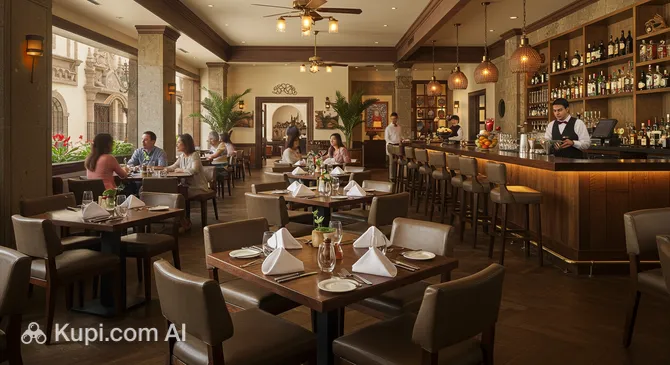
Among the main dishes, enchiladas veracruzanas and various seafood dishes delivered from the nearby port are worth highlighting. For an authentic experience, check out La Engordadera, which serves traditional Mexican snacks. If you're looking for something more substantial with a modern twist, the Madison Grill restaurant offers an excellent selection of meat dishes.
Madison Grill. Illustration.
Source: Kupi.com AI
Traveler photos:
The city's gastro scene is centered around the central park, where exquisite restaurants and street stalls sit side-by-side. Don’t miss the chance to try esquites (a corn snack) or fragrant tamales, which locals often buy for breakfast. Besides coffee, popular drinks include fruit waters (aguas frescas) and local beer, which is perfectly refreshing on a hot afternoon.
Travel Tips
Planning a trip to Córdoba will be easier and more pleasant if you consider a few practical nuances. These tips will help you feel confident and fully enjoy the atmosphere of this historic city.
Clothing and essentials: Córdoba has a tropical climate, so choose light clothing made of natural fabrics. However, due to high humidity and possible rain, be sure to bring a compact umbrella or raincoat. Comfortable shoes are your main ally for walking the cobbled streets of the center.
Transport: It's best to explore the historical heart of the city on foot. For trips to outlying areas, use Uber or official taxis, which can be ordered by phone or found at designated stands (sitios).
Finances: The local currency is the Mexican Peso. Cards are accepted in large hotels and restaurants, but for payments at markets, small coffee shops, and on public transport, be sure to have cash with you. It's best to use ATMs in shopping malls or bank branches.
Health and safety: Drink only bottled water. In the evenings, stick to well-lit central streets and avoid walking through industrial outskirts. Don't forget insect repellent — the humidity encourages insect activity.
Communication: The primary language is Spanish. Basic English may be understood in tourist areas, but knowing a few phrases in Spanish (e.g., “Gracias” or “¿Cuánto cuesta?”) will significantly simplify communication. For connectivity, it's better to buy a local SIM card (e.g., Telcel).
Local etiquette: It is customary to greet people politely upon entering a shop or cafe (“¡Buenos días!” or “¡Buenas tardes!”). Mexicans are very friendly and appreciate politeness in return.
What to avoid: You shouldn't display expensive jewelry or large amounts of money in crowded places. Also, avoid discussing sensitive political topics — it's better to talk to locals about the excellent quality of their coffee.
Best time to visit: Try to visit between November and May. This is the dry season, when the weather is most comfortable for long walks and excursions.
Córdoba is a city with an open soul and a rich heritage. Following these simple recommendations will make your journey as comfortable and memorable as possible!
Entertainment & Nightlife
Evening and nightlife in Córdoba is calm and primarily family-oriented, with 21 de Mayo Park remaining the main center of activity. As the sun sets, the lights come on, cafe terraces open, and the square often hosts fairs, cultural events, and dance performances. It is the best place to feel the rhythm of the city while sipping local coffee or listening to street musicians.
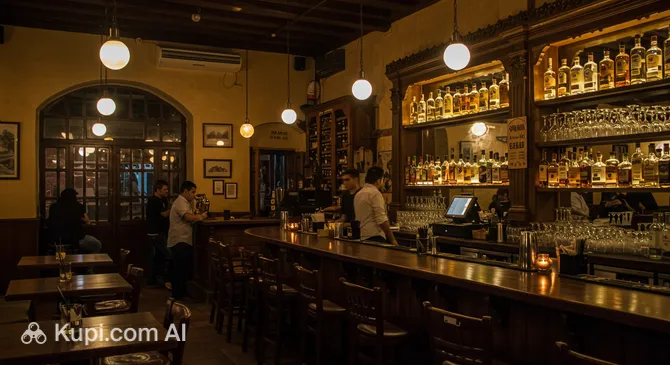
For fans of craft drinks and cozy gatherings, Las Amarguitas Brewery is an excellent choice. Here you can try locally produced beers and enjoy a relaxed atmosphere in the company of locals. Another popular spot with historical context is the Tasca 1821 bar, whose name refers to the year the famous treaty was signed. It serves great drinks and light snacks in an authentic setting.
Tasca 1821. Illustration.
Source: Kupi.com AI
Traveler photos:
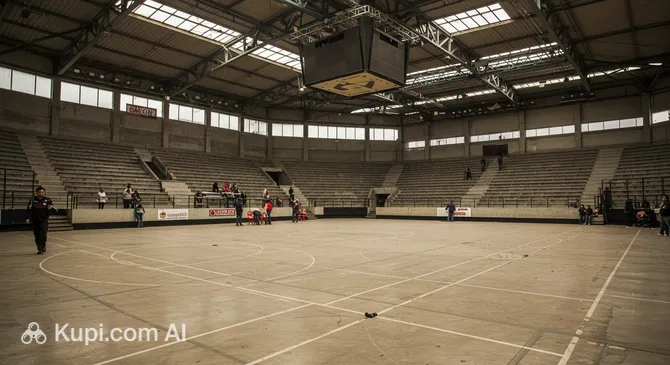
If you're looking for larger events, check out Arena Córdoba, where sports matches and concerts are periodically held. Overall, nighttime leisure in the city is safe within the center, while for louder discos and clubs, young people often head to neighboring Orizaba or Veracruz. For late-night travel, it is recommended to call an official taxi or use ride-hailing apps.
Arena Córdoba. Illustration.
Source: Kupi.com AI
Traveler photos:
Parks & Museums
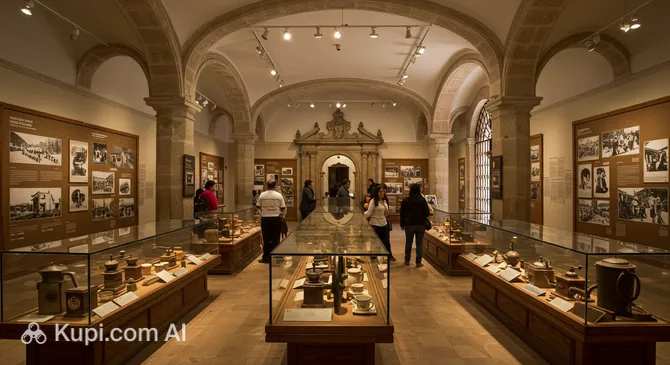
The cultural and natural components of Córdoba are closely intertwined with its "coffee" history. The most important place to understand the soul of the city is the Coffee Museum in Córdoba. Here, visitors can follow the bean's journey from plantation to cup, learn about the intricacies of roasting, and, of course, taste the best local varieties. The museum is located in a beautiful historical building and is a must-visit for all gourmets.
Coffee Museum Córdoba. Illustration.
Source: Kupi.com AI
Traveler photos:
The main place for walks within the city remains 21 de Mayo Park. Although it is more of a classic square, the abundance of greenery, fountains, and well-kept alleys make it a true oasis in the city center. Here you can spend hours observing the life of the townspeople while relaxing in the shade of majestic laurels. Another green corner is San José Park, known for its peaceful atmosphere.
For nature lovers and panoramic views, Cerro del Borrego hill is a great option. At its summit, there are observation decks and a small museum dedicated to the region's military history. Additionally, it’s worth visiting the Poliforum Mier y Pesado cultural complex — a majestic building resembling a castle that hosts exhibitions and public events reflecting the rich heritage of this region.
Getting Around
The public transport system in Córdoba is primarily represented by an extensive network of buses and fixed-route taxis called "colectivos." They connect the city center with the outskirts and neighboring settlements. Fares are inexpensive, and payment is made in cash to the driver upon entry. While buses run frequently, tourists should keep in mind that they can be very crowded during peak hours.
The historical center of the city is quite compact, so most attractions are best explored on foot. This allows you to leisurely enjoy the architecture of colonial buildings and peek into cozy courtyards. For longer distances or late-night trips, it's better to use taxi services. Official services operate in the city, and the Uber app is also available, making travel more transparent and safe.
Cycling infrastructure in the city is poorly developed due to the terrain and heavy traffic on main streets, so renting a bicycle is not a very popular way to get around. If you plan to actively explore the surroundings, you might consider renting a car, but remember the frequent traffic jams on the 150D federal highway that passes near the city.
Accommodation
Accommodation options in Córdoba can satisfy a wide range of tourist needs, even though the city maintains the cozy feel of a provincial center. The most popular choices are boutique hotels located in restored colonial buildings right around the central square. This is an excellent choice for those who want to wake up to the sound of cathedral bells and have all the attractions within walking distance.
For more budget-friendly accommodation, numerous guest houses and mid-range hotels (3–4 stars) are available in the city. Prices for comfortable rooms in the center usually start at 50 USD per night. If you're planning a long stay, it's worth looking at apartments, which are more common in residential areas a bit further from the historical core. Chain hotels are also located in industrial zones and near highway exits, convenient for transit travelers.
It is recommended to book accommodation in advance, especially if your trip coincides with public holidays or local festivals, such as the anniversary of the signing of the Treaty of Córdoba in August. Most hotels are available through popular international booking systems, though communication in Spanish may be required at smaller guest houses.
Nearby Cities
Córdoba serves as an excellent starting point for exploring the picturesque state of Veracruz, offering travelers many interesting destinations within an hour's drive. Neighboring towns and natural areas allow you to trade colonial architecture for lush gardens or industrial landscapes in a single day.
Just a few kilometers away is the charming Fortín de las Flores, famous for its flower greenhouses and magnificent views of the Orizaba volcano. It's also worth visiting the historical Amatlán de los Reyes, where you can get acquainted with the region's traditional way of life. For those willing to drive a bit further, the city of Orizaba, with its famous cable car and waterfalls, is 45 kilometers away.
City
Population
Distance
Amatlan de los Reyes
9 123
4 km
Fortin de las Flores
21 370
8 km
Cuichapa
12 238
14 km
Ixtaczoquitlán
68 823
15 km
Chocaman
21 102
18 km
Traveling around the outskirts of Córdoba is best done by car or local buses, which run between cities very frequently. Each of these destinations will offer you new facets of Mexican culture and nature, making your vacation rich and diverse.
Shopping & Souvenirs
Shopping in Córdoba is primarily an opportunity to purchase unique local products and handicrafts. The main souvenir from this trip will undoubtedly be high-quality coffee. It's best to buy it at specialized shops in the city center or directly from coffee farms in the surrounding area, where beans are roasted in small batches.
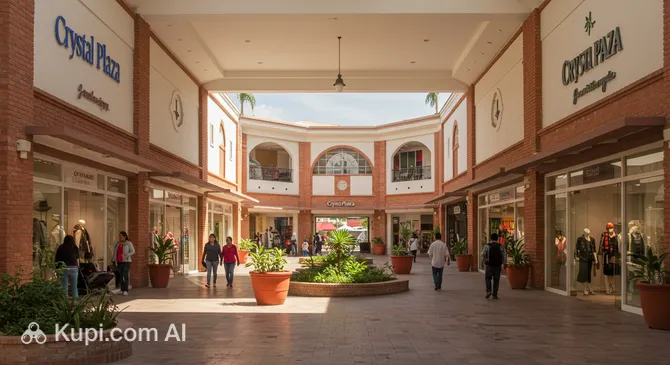
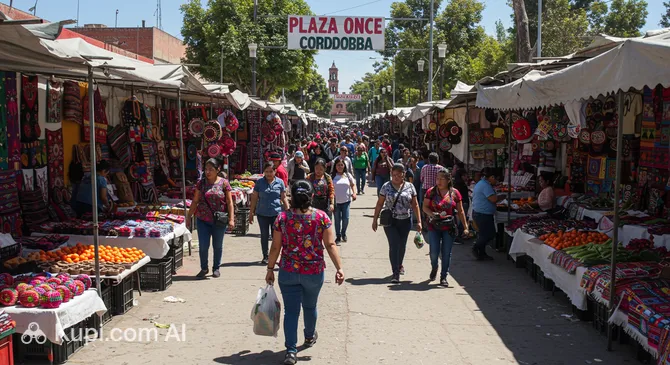
For those who prefer modern shopping venues, major centers like Plaza Cristal Córdoba operate in the city. Here you can find clothing stores, electronics, and familiar chain brands. Another convenient option for shopping is Plaza Once, which also features many retail outlets and relaxation areas.
Crystal Plaza Cordoba. Illustration.
Source: Kupi.com AI
Traveler photos:
If you're looking for something more colorful, head to the local markets in the historical center near 21 de Mayo Park. There you can find leather goods, traditional textiles, and sweets made from cane sugar. Shops usually operate from 9:00 to 20:00 with a short siesta break in the middle of the day. Cards are accepted at large malls, but you will definitely need cash pesos at markets and in small coffee shops.