Salamanca is a dynamic city in the central part of Mexico, located in the state of Guanajuato on the picturesque banks of the Lerma River. Despite its reputation as a major industrial hub and petrochemical center, the city retains the charm of its colonial past, which harmoniously intertwines with the modern rhythm of life. The city's population is estimated to be between 160,000 and 270,000 people, making it one of the largest and most significant centers in the region.
Salamanca. Illustration.
Source: Kupi.com AI
The city's geographical location in the heart of Mexico makes it an important transport hub. Salamanca attracts not only industrial professionals but also travelers interested in the authentic atmosphere of a developing Mexican city, where the daily lives of local residents are closely linked to the fertile lands of the Bajío valley. The rich history of Salamanca is reflected in its architectural heritage, which represents a fusion of various cultural layers.
A visit to Salamanca is a great opportunity to see a "different" Mexico, far from the popular coastal resorts. Here you can stroll through the central squares, view majestic churches, and feel the energy of a city that is an important engine of the state's economy. If you are looking for a place with a rich industrial heritage and a welcoming atmosphere, this city is definitely worth including in your itinerary through the central states.
Weather Overview
The weather in Salamanca is determined by its location in the temperate climate zone of central Mexico. The city is characterized by a clear division into dry and wet seasons. The hottest month is usually May, when daytime temperatures can reach +32°C...+35°C, while the coldest are December and January, with comfortable +24°C during the day and cool nights around +9°C.
Expect a warm summer with occasional heavy rains, peaking between June and September. Most of the annual rainfall occurs during these months, bringing freshness and greenery to the urban landscapes. For the rest of the year, the weather is mostly sunny and dry, making the city's climate pleasant for visiting at any time, provided you account for the rainy season.
Winter months in Salamanca offer clear skies, but it's worth remembering the significant daily temperature fluctuations: it becomes quite cool after sunset. The industrial nature of the city can sometimes affect air clarity, but the proximity of the Lerma River promotes natural air circulation, ensuring comfortable conditions for walking.
Average monthly temperature
Average monthly precipitation
Interesting Facts
Salamanca is home to one of the largest oil refineries in Mexico — Antonio M. Amor, which plays a key role in the country's economy.
The city was founded in the early 17th century (1602) by the Spanish Viceroy Gaspar de Zúñiga y Acevedo, who named it after his homeland — Spanish Salamanca.
The Lerma River flows through the city, one of Mexico's longest and most significant waterways, which historically ensured the fertility of the surrounding lands.
Despite its industrial focus, Salamanca ranks fourth in population in the state of Guanajuato, ahead of many historical centers.
Local football culture is very strong: the "El Molinillo" stadium and other sports venues are hubs for thousands of fans on match days.
How to Get There
Thanks to its status as an important industrial and logistics center, getting to Salamanca is easy. The city is located at the intersection of key federal highways connecting the center of the country with the northern regions. Most tourists prefer to use convenient transport connections by bus or car, as Salamanca is only 300 km from Mexico City (about a 4-5 hour drive) and in close proximity to the state capital, Guanajuato.
The city does not have its own airport, so travelers usually fly into Del Bajío International Airport (BJX), located between León and Silao, or Guadalajara airport. From there, you can quickly reach the center of Salamanca by first-class intercity buses or by ordering a taxi, which will take from one to three hours depending on the starting point and traffic conditions.
Salamanca's railway station is an important link in the Mexican transport system; however, at the moment, it primarily serves freight transport related to the petrochemical industry. Passenger service in the region is developed through a network of modern bus stations offering regular trips to all major cities in the country.
Station
Passenger traffic
Distance
2
83 km
Juárez railway station
3
225 km
Buenavista Station
7
248 km
Buenavista Station
7
248 km
Main Attractions
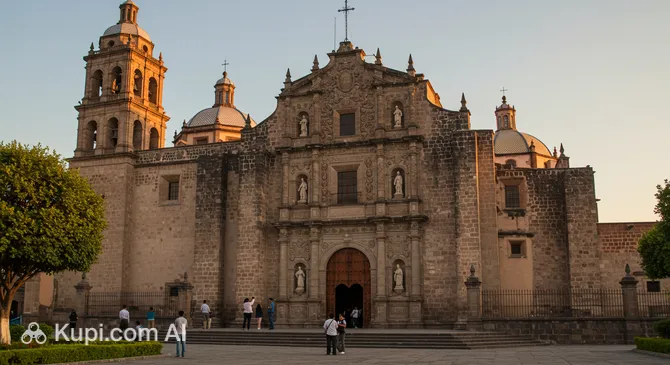
Despite its industrial status, the city boasts magnificent architectural monuments, among which the Sanctuary of the Lord of the Hospital stands out. This majestic temple is one of the most revered shrines in the region and attracts pilgrims with its austere beauty and spiritual significance. Inside the temple, you can see unique decorative elements reflecting the deep religiosity of the local residents.
Sanctuary of Our Lord of the Hospital. Illustration.
Source: Kupi.com AI
Traveler photos:
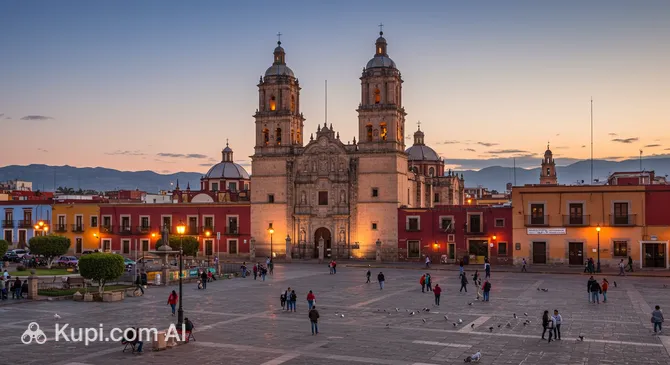
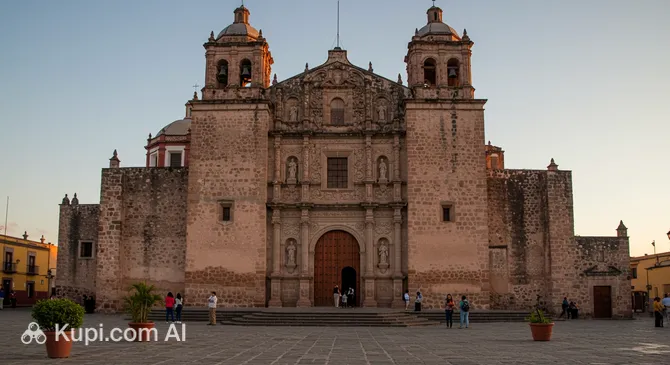
Another iconic site is the Old Parish Church (Parroquia Antigua). This building is a living testament to the colonial era, preserving an elegant facade and the atmosphere of bygone times. The church is located in the city center and serves as a fine example of Spanish architecture adapted to Mexican realities. A walk around it allows you to better feel the historical context in which Salamanca developed.
Old Parish Church. Illustration.
Source: Kupi.com AI
Traveler photos:
In addition to religious buildings, the central squares and municipal administration buildings located along the Lerma River are of interest to tourists. While the city is not overloaded with typical tourist sites, its streets and markets offer an honest and unvarnished look at modern life in central Mexico, where ancestral traditions meet the demands of the industrial age.
Local Cuisine
The culinary traditions of Salamanca are closely linked to the gastronomy of the state of Guanajuato, where corn, beans, and various types of chili form the basis of every dish. One of the local features is the street food culture, which flourishes in markets and small eateries. It is definitely worth trying traditional "tortas" — Mexican sandwiches — and at Tortas Panteneras, you will find their most popular variations, loved by the locals.
Tortas Panteoneras. Illustration.
Source: Kupi.com AI
Traveler photos:
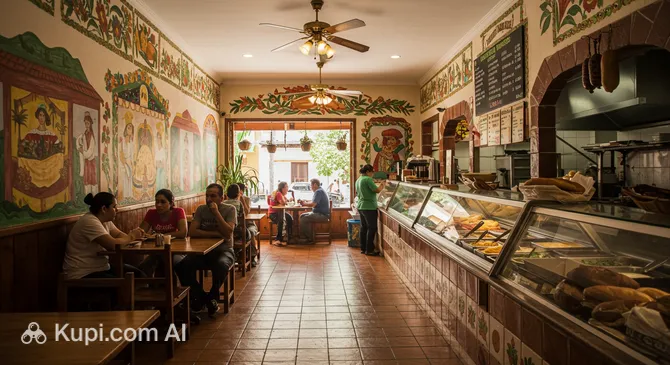
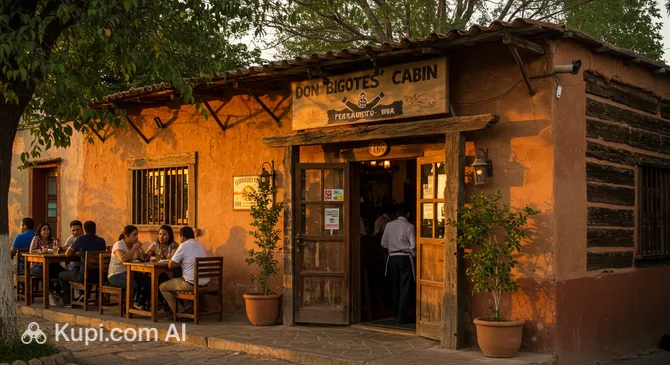
If you are looking for a substantial lunch in a colorful setting, stop by Cabaña Don Bigotes. This restaurant is famous for its meat dishes prepared in the best Mexican traditions. The menu often features classic enchiladas, tacos with various fillings, and fragrant stews. The overall character of the local cuisine is hearty, spicy, and truly homemade, aimed at people who appreciate authentic taste.
Don Bigotes' Cabin. Illustration.
Source: Kupi.com AI
Traveler photos:
Among the drinks in Salamanca, both traditional tequila and pulque, as well as refreshing aguas frescas — non-alcoholic drinks made from fruits, grains, or flowers — are popular. In the evening, residents often gather in local cantinas to enjoy socializing accompanied by local "botanas" snacks. The city's gastronomic scene is devoid of unnecessary pretension, offering tourists honest and accessible Mexican food in a welcoming atmosphere.
Travel Tips
Salamanca is a welcoming city that will reveal its secrets to every attentive traveler. To ensure your trip is as comfortable as possible and brings only positive emotions, use our practical tips.
Clothing and Essentials: In central Mexico, daytime heat gives way to cool evenings, so bring light clothing made of natural fabrics and be sure to pack a light jacket or sweater. When visiting churches, such as the Sanctuary of the Lord of the Hospital, choose modest clothing. Don't forget comfortable shoes for walking on cobbled streets.
Transport: Within the city, it is most convenient to move around by taxi via official apps. If you plan to travel around the state, use "Primera" class intercity buses — they are safe and very comfortable.
Finances: The official currency is the Mexican peso (MXN). Cards are accepted in large hotels and shopping centers, but always carry cash for markets and cantinas. Tipping culture is standard: 10–15% in restaurants.
Health and Safety: Avoid walking alone in industrial zones and on the outskirts late at night. Drink only bottled water. Pharmacies (farmacias) are easy to find in the city center.
Communication: The main language is Spanish. English is understood in major hotels, but basic phrases like "Hola" and "Gracias" will help you win over the locals. Buy a local SIM card (e.g., Telcel) for access to maps and translators.
Local Etiquette: Mexicans are very polite. Always greet people when entering a shop or cafe. A careless attitude toward religious sites can offend residents.
What to Avoid: Do not discuss sensitive social issues and do not take photos of people without their consent, especially during religious services. Try not to display expensive jewelry in crowded places.
Extra Tip: Try local sweets at the markets by the Lerma River — they make an excellent and inexpensive souvenir.
By following these simple rules, you will be able to fully immerse yourself in the atmosphere of this industrial heart of Mexico and feel its true rhythm. Have a great trip!
Entertainment & Nightlife
Nightlife in Salamanca is rather local and quiet, reflecting the city's working rhythm. Most activity after sunset is concentrated in the center, where traditional Mexican cantinas and cozy bars operate. A popular spot among residents is Bar Agustinos, where you can spend an evening in a friendly atmosphere over a cold drink and light snacks.
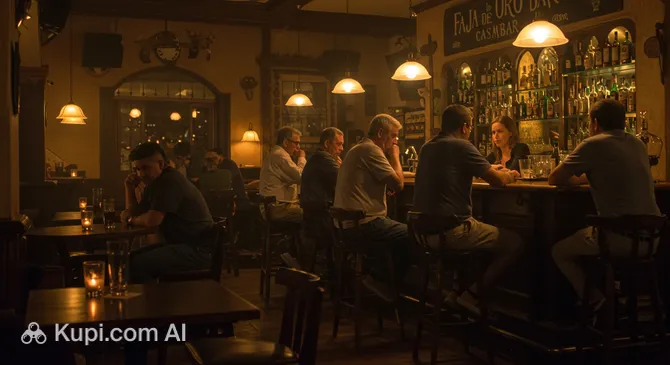
For those who prefer a livelier atmosphere with an emphasis on modern cuisine and sports, Bar Faja de Oro is an excellent choice. Friends often gather here to watch match broadcasts or simply enjoy the evening to popular music. Such establishments usually do not require a strict dress code, sticking to a casual style, and stay open until midnight or slightly later on weekends.
Faja de Oro Bar. Illustration.
Source: Kupi.com AI
Traveler photos:
If you are looking for large-scale nightclubs or concert venues, locals often recommend heading to nearby León or Guanajuato City, which are an hour's drive away. In Salamanca itself, entertainment is often linked to sports — for example, you can visit Sector 24, Union Petrolero Stadium, where matches and mass events are held. At night, it is recommended to call a taxi through official apps for safety and comfort.
Parks & Museums
Although Salamanca is primarily known for its industry, the city offers several interesting locations for those who appreciate cultural heritage and quiet walks. The main spiritual and architectural center of the city is the Sanctuary of the Lord of the Hospital. This site is not just a church, but an entire complex with a rich history, where you can see unique works of religious art and feel a special atmosphere of peace.
Sanctuary of Our Lord of the Hospital. Illustration.
Source: Kupi.com AI
Traveler photos:
For history buffs, a must-visit place is the Old Parish Church. It serves as a kind of open-air museum, demonstrating the skill of colonial architects. Inside and around the temple, details telling the story of the city's life in past centuries have been preserved, making it a key point for understanding the local cultural context.
Old Parish Church. Illustration.
Source: Kupi.com AI
Traveler photos:
Green zones in Salamanca are concentrated mainly along the banks of the Lerma River and in central squares, such as the Constitution Square. These areas serve as the primary recreational zones for residents of this industrial center, where you can rest in the shade of trees after a long day. Although there are no large-scale amusement parks in the city, cozy municipal squares near administrative buildings allow for a brief rest surrounded by flowers and fountains.
Getting Around
The transport system in Salamanca is oriented toward meeting the needs of both local residents and the numerous workers in industrial plants. The main form of public transport consists of city buses and microbuses (peseros), which connect residential neighborhoods with the center and industrial zones. The fare is low, and payment is made in cash to the driver upon entry. However, it's worth noting that buses can be overcrowded during peak hours.
For more comfortable travel around the city, tourists often use taxis. Both official taxi services, which can be found at special stands (sitios), and popular international apps operate in Salamanca. Using apps often proves to be more convenient, as the trip price is known in advance and drivers use navigation. Taxis are the fastest and safest way to reach remote areas or shopping centers.
The city's railway station plays an important role in freight transport, connecting Salamanca with other industrial centers in the country. Although passenger trains are rare here now, the station itself remains an important landmark. If you prefer walking, the central part of the city is compact enough to see the main churches and squares without using transport. For trips to neighboring cities in the state, it's best to use the services of the modern bus station, from which comfortable first-class buses depart regularly.
Accommodation
The choice of accommodation in Salamanca is largely driven by its status as a business and industrial center. The majority of options consist of mid-range hotels and modern apartments catering to business travelers and professionals visiting for long periods. Most high-quality accommodation options are concentrated along the main avenues and in the central part of the city, providing quick access to company offices and transport hubs.
For tourists, hotels in the center will be most convenient, as they are within walking distance of attractions such as the Old Parish Church. Here you can find both chain hotels offering a standard set of services (Wi-Fi, breakfast, parking) and small private hotels with a more homelike atmosphere. If you plan to visit during local holidays or major business forums, it is recommended to book a room 2–3 weeks before your trip.
Old Parish Church. Illustration.
Source: Kupi.com AI
Traveler photos:
The price range in Salamanca is quite affordable compared to more popular tourist cities in Mexico. In addition to classic hotels, apartment rentals through international platforms are gaining popularity, which is especially convenient for those looking for long-term stays. When choosing accommodation, you should look for the presence of air conditioning and secure parking, especially if you are traveling in a rental car.
Nearby Cities
Salamanca serves as an excellent starting point for exploring the central part of Mexico, as unique cities with a rich heritage are located within an hour's drive. The Bajío valley region is famous for its picturesque landscapes and historical settlements, each with its own unique character.
Just 20 kilometers away is the city of Irapuato, known nationwide as the "strawberry capital." It is a large center where you can enjoy local desserts and stroll through busy shopping streets. Another interesting destination is Valle de Santiago, which attracts travelers with its mysterious extinct volcanoes transformed into crater lakes, creating incredible views for photos.
For those seeking peace and authenticity, trips to small towns like Villagrán or Juventino Rosas are ideal. Also worth noting is Jaral del Progreso, where time seems to slow down, allowing you to enjoy the leisurely rhythm of the Mexican province. Reaching these places is easy by both regular buses and taxis.
Exploring the surroundings will allow you to see the full diversity of the state of Guanajuato — from modern industrial giants to quiet colonial villages and natural wonders. Don't miss the chance to visit neighboring regions to make your trip truly fulfilling.
Shopping & Souvenirs
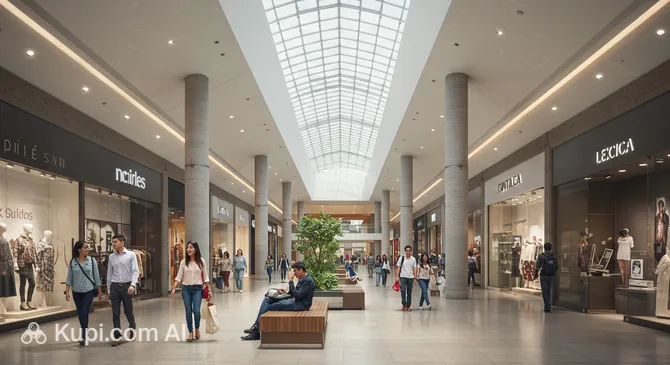
Shopping in Salamanca is a combination of modern retail formats and colorful local traditions. For those who prefer familiar comfort and a wide selection of brands, the main destination is the Galerías Salamanca Shopping Center. Here, clothing stores, electronics, and perfumery are gathered under one roof, along with a food court and a cinema, making it a popular spot for family leisure.
Galerias Salamanca Mall. Illustration.
Source: Kupi.com AI
Traveler photos:
If you are looking for authentic goods and fresh products, head to the city's central markets. Along the banks of the Lerma River and on the streets adjacent to the center, a lively trade unfolds, where you can find everything from handicrafts and leather goods, for which the state of Guanajuato is famous, to traditional Mexican sweets and spices. The markets are an ideal place to purchase souvenirs such as ceramics or handmade textiles.
Shops in the city usually operate from 9:00 or 10:00 to 20:00, while many small shops may close for a siesta in the middle of the day. Large shopping centers accept international bank cards, but in markets and souvenir stalls, it's better to have Mexican pesos in cash. The city's industrial status also means the presence of many specialized shops offering quality locally-produced goods at affordable prices.