The Pyramids of Teotihuacan are a grandiose archaeological complex located near the town of San Martín de las Pirámides in Mexico. This ancient city, which flourished long before the Aztecs, is now an impressive open-air museum and a UNESCO World Heritage site. The name "Teotihuacan," given by the Aztecs, translates as "the place where gods were born," highlighting the mystical atmosphere of the site.
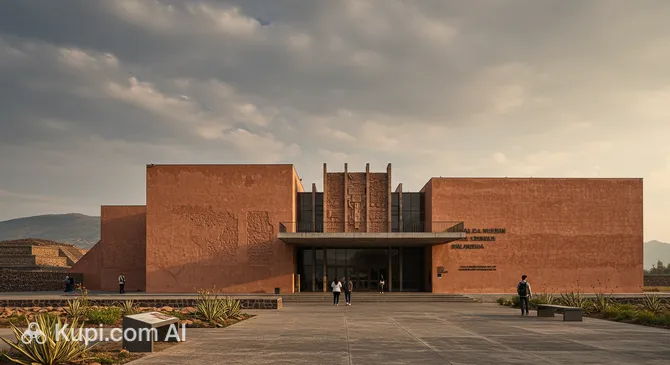
Traveller photos:
The central axis of the complex is the famous Avenue of the Dead, stretching across the entire ancient city. Along it are the main monumental structures: the majestic Pyramid of the Sun, the second-largest Pyramid of the Moon, and the richly decorated Temple of the Feathered Serpent (Quetzalcoatl). These buildings are outstanding examples of pre-Columbian architecture and still capture the imagination with their scale.
Visiting Teotihuacan is a unique opportunity to touch the secrets of one of the most mysterious civilizations of Mesoamerica. On the vast territory of the complex, covering more than 20 square kilometers, you can spend hours exploring ancient buildings, studying preserved murals, and imagining the lives of the people who inhabited this metropolis thousands of years ago.