Support

Silao

About

Silao is a vibrant city, strategically located in the heart of the state of Guanajuato in Mexico. It serves as an important transportation and industrial hub for the region, largely thanks to the Del Bajío International Airport, making Silao a convenient starting point for exploring the central part of the country. The city is located just a few kilometers from León, one of the state's largest cities.
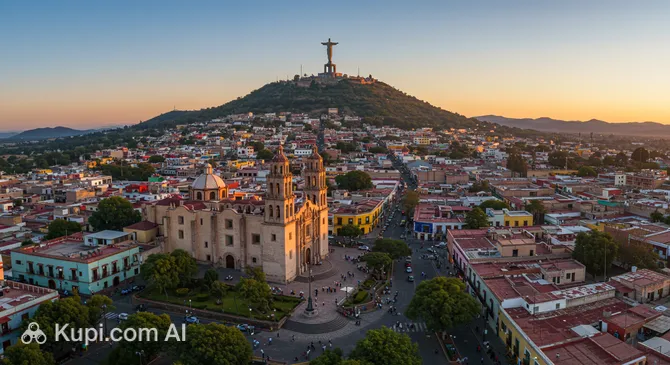
Silao. Illustration.
Source: Kupi.com AI

With a population of around 74,000, Silao successfully combines the charm of a provincial town with the dynamics of a developing center. Here, you won't find the hustle and bustle of a metropolis, but you will discover everything you need for a comfortable stay and an introduction to Mexican culture. The atmosphere of Silao is a unique blend of historical traditions, sincere hospitality, and a modern pace of life. The city grew on lands once crossed by the caravans of the famous "silver route," and its colonial past is still felt in its streets.

Among Silao's attractive features is its historical architecture, including old mansions neighboring bright modern murals that reflect local color and legends. The city is famous for its cozy squares, old churches, and authentic markets where you can immerse yourself in the daily life of Mexicans. Visiting Silao is an opportunity to get to know the real, non-touristy Mexico—its soul, unique cuisine, crafts, and living traditions.

If you are looking for a place where history blends harmoniously with modernity and want to feel the authentic Mexican spirit, Silao will welcome you warmly and provide unforgettable impressions.

You can find more interesting facts on the history of Silao page.
Weather Overview

The weather in Silao is characterized by a warm climate throughout most of the year. The hottest months are April and May, when average high temperatures reach 30-31°C. Winters are mild, with average minimum temperatures around 8-10°C in December and January. Expect warm summers with occasional rain, especially from June to September, and cooler, drier winters. The heaviest rainfall occurs in July and August, while rain is rare from November to April.

For more detailed weather information, including monthly forecasts, you can visit the Climate of Silao page.

Average monthly temperature

Average monthly precipitation

Interesting Facts

Silao, known for its industrial achievements and cultural heritage, hides many interesting details that go beyond standard tourist routes. Here are a few facts that will help you look at this Mexican city from a new perspective:

  • Industrial Heart of the Region: Silao is home to one of General Motors' largest assembly plants in Latin America. This plant plays a key role in the city's economy and is a symbol of its modern industrial development.

  • The Majestic Cristo Rey Nearby: In the outskirts of Silao, atop the Cerro del Cubilete hill, stands the impressive Christ the King monument (Cristo Rey). This site is an important pilgrimage center and attracts thousands of tourists annually, not only for its spiritual significance but also for its breathtaking panoramic views of the Bajío valley. The statue itself is considered one of the largest in Mexico.

  • Birthplace of "El Nigromante": Silao is the birthplace of Ignacio Ramírez, a prominent 19th-century Mexican poet, journalist, lawyer, and politician. He was known by the pseudonym "El Nigromante" (The Necromancer) for his progressive and often polemical ideas, which significantly influenced the development of Mexican society.

  • Vibrant Festivals: The city celebrates the Day of Saint John the Baptist, its patron saint, with great enthusiasm. During this period, the streets of Silao are transformed, filled with music, traditional dances, fairs with local treats, and colorful processions that reflect the rich cultural heritage of the region.

How to Get There

There are several ways to reach the city of Silao, though flying is the most convenient and common. While Silao does not have its own airport, several important air hubs are located in neighboring cities, from which you can easily reach your destination.

The main option for travelers heading to Silao is the Guanajuato International Airport (BJX). This large international airport is located in the city of León, only about 7 km from Silao. A taxi or bus ride from the airport to the center of Silao takes about 30-35 minutes.

Another significant option is the Querétaro Intercontinental Airport (QRO), located in the city of Querétaro. The distance from this airport to Silao is about 135 km. The journey by car or bus will take approximately 3.5-4 hours. This is also a fairly large airport serving many domestic and international flights.

You can also consider Morelia International Airport (MLM), which is located in the city of Morelia, about 129 km from Silao. Travel time to Silao is approximately 3.5 hours. This airport serves both domestic and some international destinations, making it a convenient arrival point for visiting the region.

For convenience, here is a summary of the main airports used to reach Silao:

AirportPassenger trafficDistance
Guanajuato International Airport3.2 mln7 km
Aguascalientes International Airport961 800124 km
Morelia Airport1.4 mln129 km
Queretaro Intercontinental Airport2.1 mln135 km
San Luis Potosi Airport738 476153 km

In addition to air travel, Silao can be reached by intercity buses that connect it with other major cities in Mexico. The country has a well-developed bus network offering comfortable and regular services. Another popular option is renting a car directly at the arrival airport, which provides greater freedom of movement across the Guanajuato region and allows you to explore Silao's surroundings at your own pace.

Main Attractions

The city of Silao, located in the state of Guanajuato, boasts several noteworthy places that will interest travelers looking to explore the culture and history of this region of Mexico. Here, everyone will find something for themselves, from majestic monuments to cozy urban spaces.

One of the main and most famous attractions in the vicinity of Silao is the Cristo Rey Monument (Monumento a Cristo Rey), rising atop Cerro del Cubilete hill. This giant bronze statue of Christ the King is not only a significant religious symbol and pilgrimage site but also a vantage point offering stunning panoramic views. Cerro del Cubilete is also considered the geographical center of Mexico, which adds to its special appeal.

In the heart of the city lies the Parish of Santiago Apóstol (Parroquia de Santiago Apóstol). This main temple of Silao is an important spiritual and architectural center. Visitors can appreciate its architectural style, often reflecting Neoclassical or Baroque features, and feel the atmosphere of peace and history reigning inside.

An essential attribute of a Mexican city is its central square, and Silao is no exception. The Main Garden (Jardín Principal) is the green heart of the city, an ideal place for walking, relaxing on benches in the shade of trees, or by the fountain. Here you can observe the daily life of local residents and attend events that are often held in the square.

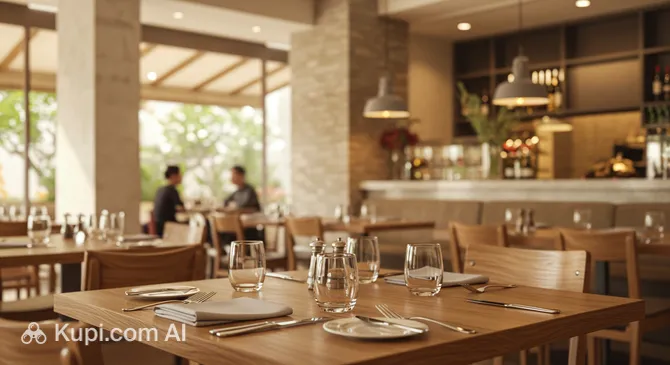
If you want to grab a bite and try local cuisine, pay attention to the Hotsson Silao Restaurant. This establishment can be a pleasant gastronomic stop during your exploration of the city, offering the opportunity to enjoy a meal in an inviting setting.

Hotsson Silao Restaurant. Illustration.
Source: Kupi.com AI

Traveler photos:

Local Cuisine

The cuisine of Silao is a true gastronomic journey, reflecting the best traditions of the state of Guanajuato. Local dishes are famous for being hearty, rich in aroma, and generous with spices, offering guests vibrant flavor experiences.

Among the dishes you must try in Silao are enchiladas mineras – corn tortillas filled with meat and generously topped with a spicy sauce, once a favorite dish of local miners. Equally popular are tamales – flavorful steamed corn dough pockets with various fillings (meat, cheese, or vegetables), prepared in corn husks. These dishes are the hallmark of regional cuisine.

Street food in Silao is a separate chapter of the city's culinary book. In bustling markets and street stalls, you'll find various tacos with juicy fillings, fresh guacamole, and appetizing roasted corn with cheese and spices. Those with a sweet tooth will enjoy local desserts based on caramel and condensed milk.

To refresh yourself, try the traditional non-alcoholic drinks – aguas frescas. These are light, refreshing waters made from fresh fruits, flowers, or seeds. Coffee lovers should appreciate the rich and aromatic Mexican coffee served in many establishments across the city.

Locals and tourists enjoy food in colorful street cafes and markets as well as in more formal restaurant settings. The gastronomic scene in Silao offers diverse options for every taste and budget. For example, you can stop by the Hotsson Silao Restaurant to experience local and international dishes in a pleasant atmosphere. Here, everyone will find something to their liking, whether it's a quick snack or a full dinner.

The gastronomy of Silao is not just food, but an important part of the cultural experience. The city regularly hosts gastronomic festivals where you can dive deeper into culinary traditions, try farm products, and even participate in workshops. A trip to Silao promises to be a real feast for gourmets, where every dish tells its own story.

Travel Tips

Planning a trip to Silao? Wonderful! To ensure your journey through this interesting city in Mexico goes smoothly and leaves only pleasant impressions, we have prepared some practical tips for you.

  1. Clothing and Essentials:

    Silao has a moderately warm climate. Bring light, breathable clothing made of natural fabrics—T-shirts, shorts, skirts, and light trousers. It can be a bit cooler in the evening, so a thin jacket or sweater won't hurt. Be sure to bring comfortable walking shoes, sunscreen, a hat, and sunglasses. If you plan to visit churches, such as the famous Cristo Rey monument on Mount Cubilete nearby, choose modest clothing that covers your shoulders and knees. Don't forget a universal power adapter for your electronics.

  2. Transportation in the City:

    You can get around Silao on local buses—this is the most economical way. Taxis are also available; it is recommended to use official services or call a car through apps if they are popular in the region (check upon arrival). Renting a car might be justified if you plan to actively explore the surroundings and the state of Guanajuato, but it's not always necessary for moving around the city itself. Keep in mind that traffic can be busy.

  3. Finances:

    The local currency is the Mexican Peso (MXN). You can exchange money at banks or exchange offices (casas de cambio). Credit and debit cards are accepted in many hotels, restaurants, and large stores, but always have cash on hand for small purchases, markets, and public transport fares. ATMs (cajeros automáticos) are quite common. Tipping (propina) in Mexico is common practice: in restaurants, it is customary to leave 10-15% of the bill. An approximate daily budget, excluding accommodation, could range from 700 to 1500 MXN depending on your plans.

  4. Health and Safety:

    Pharmacies (farmacias) are easy to find in Silao, and some may be open 24 hours. In case of a need for medical assistance, contact a local clinic or hospital; it is recommended to have travel insurance. Silao is generally considered a relatively safe city, but as with anywhere, follow basic precautions: do not leave your belongings unattended, avoid displaying expensive jewelry and large sums of money, and stick to well-lit and crowded streets after dark.

  5. Communication:

    The official language is Spanish. In tourist areas, staff may speak English, but knowing a few basic phrases in Spanish (e.g., "Hola" – hello, "Gracias" – thank you, "¿Cuánto cuesta?" – how much does it cost?) will significantly ease communication and be warmly received by locals. A local SIM card can be purchased at mobile phone shops or convenience stores. Wi-Fi is available in most hotels, cafes, and restaurants.

  6. Local Etiquette:

    Mexicans are friendly and polite people. It is customary to say hello and goodbye even to strangers in public places (for example, when entering a small shop or a bus). Using "señor," "señora," or "señorita" is a sign of respect. Be patient; the pace of life here can be more relaxed than you might be used to.

  7. What to Avoid:

    Try not to take photos of people without their permission, especially in rural areas or markets. Also, don't haggle too aggressively; light bargaining is appropriate in markets, but be respectful. Avoid drinking tap water—buy bottled water instead.

  8. Extra Tip:

    Silao is located in an industrially developed region and is an important transportation hub. Be sure to plan a trip to Mount Cubilete (Cerro del Cubilete), home to the impressive Christ the King monument (Cristo Rey)—one of Mexico's main shrines, offering stunning panoramic views. The city is also convenient as a base for visiting the colonial cities of Guanajuato and León.

We hope these tips help you better prepare for your journey and get the most enjoyment out of your stay in Silao. Have a safe trip and unforgettable experiences!

Entertainment & Nightlife

Silao may not be famous for high-energy mega-clubs like major metropolises, but you can still find pleasant options for evening and night leisure here. The city offers a more relaxed and authentic atmosphere where you can enjoy conversation and local flavor after sunset.

The main evening life in Silao is generally concentrated in the central part of the city and along the main streets. Here you can find various bars, cozy restaurants with evening programs, and traditional Mexican cantinas. The atmosphere in such establishments is usually laid-back and friendly, gathering both locals and tourists. The dress code is most often casual, unless it is a special event at a more upscale restaurant.

One place where you can enjoy a pleasant evening over dinner is the Hotsson Silao Restaurant. This establishment is known for its cuisine and can be an excellent starting point for your evening relaxation. While Silao might not have a wide selection of large nightclubs, you will always find local bars where you can grab a cocktail and listen to music. To find specific bars or clubs besides the mentioned restaurant, we recommend asking locals or looking around once you arrive, as the choice of specialized night venues may not be very broad. We also recommend walking through the center in the evening or asking your hotel staff about currently popular spots.

Most bars and restaurants are open until late evening, especially on weekends. The best time to visit is after 8:00 PM - 9:00 PM when the city comes alive. Prices in Silao establishments are generally moderate, making an evening out affordable. For getting around at night, it is recommended to use taxi services; they can be called via an app or requested at the establishment. Central areas are generally safe for walking, but it is always wise to follow standard precautions, especially in unfamiliar places late at night.

As for daytime entertainment, Silao also offers interesting options. Although the city is not a major tourist hub with many amusement parks, you can find local museums that introduce you to the history and culture of the region, as well as parks for walking and relaxation. Explore the city squares and parks to feel its daily life.

Parks & Museums

Silao, located in the Mexican state of Guanajuato, offers its guests both pleasant green areas for relaxation and interesting places to learn about the region's cultural and historical heritage. Here you can find peaceful corners for walks as well as significant monuments reflecting the spirit of Mexico.

Among the green zones and natural sites of Silao and its surroundings, several notable places stand out. The heart of the city's public life is often the Jardín Principal (Main Garden). This is a typical Mexican square with shaded alleys, a fountain, and benches, an ideal place for a leisurely stroll and observing local life. Near the city is Guanajuato Bicentennial Park (Parque Bicentenario Guanajuato)—a large cultural and exhibition complex with extensive green areas where various events and exhibitions are held, and there are spaces for family relaxation and sports. For those seeking impressive views and a touch of nature, the Cerro del Cubilete hill is an iconic location. In addition to its religious significance, it offers panoramic views of the surrounding Bajío valley and opportunities for hiking.

The cultural heritage of Silao is represented by several important sites. Dominating the entire region is the Cristo Rey (Christ the King) monument, set atop Cerro del Cubilete. This is not just a statue, but a large-scale memorial complex and sanctuary that attracts pilgrims and tourists with its monumental architecture and deep symbolic meaning. In the city itself, it is worth noting the Parish of Santiago Apóstol (Parroquia de Santiago Apóstol). This church is generally one of the oldest and most significant religious buildings in Silao, reflecting its colonial history and architectural traditions. Art lovers may find the Hermanos Chávez Morado Museum interesting, dedicated to the work of brothers José and Tomás Chávez Morado—outstanding Mexican artists born in Silao. The museum introduces visitors to their contribution to national art.

To get a more authentic experience of Silao, it is worth visiting the local market (mercado). Here you can find fresh produce, traditional dishes, and the works of local artisans. Also, spend an evening at the Jardín Principal—it’s a wonderful opportunity to see how locals relax and feel the unhurried rhythm of a Mexican city.

Getting Around

You can get around Silao using public transport, which consists mainly of buses and fixed-route taxis. For more comfortable trips or individual routes, taxi services are always available. The city is quite compact, so some distances, especially in the center, can be covered on foot.

The main form of public transport in Silao is the city bus, which locals often call "camiones" or "urbanos." They run on established routes, connecting different areas of the city. Fares are usually paid in cash directly to the driver upon boarding. The fare is typically low. It is recommended to carry small change for convenience. Schedules may not always be strict, but buses run quite regularly throughout the day.

In addition to buses, "colectivos" are popular in Silao—these are a type of shared taxi or minibus following specific directions. They can be faster than buses and stop both at official stops and upon passenger request in permitted areas. Payment is also usually made in cash to the driver.

Taxis in Silao are a convenient way to get around, especially for trips at night, with luggage, or to remote areas. It is recommended to use official taxi services or book them through well-known local agencies. It is better to agree on the fare in advance or ensure the driver uses a taximeter, if one is available and required.

For short distances, especially in the historic center of Silao, walking is a pleasant way to get to know the city. Bicycle rentals or car-sharing are less common as tourist options for daily transportation, but you can always check for the availability of such services on-site if you are interested.

Public transport in Silao usually starts early in the morning and stops in the evening; at night, the number of trips is significantly reduced or they may be absent. When using buses and "colectivos," try to have small bills and coins for the fare, as drivers may not always have change for large banknotes. Route information can be obtained from locals or at some bus stops, though detailed maps may not be available everywhere.

Accommodation

When planning a trip to Silao, you will find a variety of accommodation options to suit different preferences and budgets. The city offers both economical options and more comfortable hotels suitable for business travelers and tourists.

In Silao, you can find accommodation for every taste: from budget inns and guesthouses to mid-range hotels with a good range of services. Apartment rental options are also available, which can be convenient for long stays or family trips. Although there are no specific hotels in the provided list, the city has a sufficient selection for a comfortable stay.

When choosing a place to stay, pay attention to areas located near major transportation arteries or objects of interest. Many hotels are concentrated in places that provide easy access to industrial parks, which is relevant for business trips, as well as to the city center, where local attractions and restaurants may be located.

Accommodation prices in Silao vary depending on the level of comfort and location. Generally, you can find options ranging from affordable to the mid-price segment. It is recommended to book accommodation in advance, especially if your trip coincides with periods of high demand or major local events. The most popular booking methods are well-known online platforms and direct inquiries to hotels.

Nearby Cities

For those who want to explore the surrounding area, Silao serves as an excellent starting point for day trips to several interesting nearby locations:

CityPopulationDistance
Guanajuato194 50019 km
Irapuato592 95331 km
Leon1 579 80333 km
Cueramaro27 30844 km
Purísima del Rincón68 79547 km

Several of these cities particularly stand out. A trip to Guanajuato, the state capital, will charm you with its stunning colonial architecture, narrow winding streets, and underground tunnels, as well as its rich history associated with silver mining. León, known as the "shoe capital of the world," offers shopping enthusiasts a huge selection of high-quality leather goods. And Irapuato is famous for its strawberry plantations and annual festivals dedicated to this berry, making it attractive for gastronomic tourists.

These nearby destinations provide a glimpse into the diverse culture and landscapes of the region.

Shopping & Souvenirs

Silao, as an important industrial and logistics center, offers shopping that is more practical than tourist-oriented. You won't find luxury boutiques of world brands here, but you can immerse yourself in the atmosphere of local trade and purchase authentic goods. The city is not famous for any exclusive items, but you can find high-quality everyday goods and traditional Mexican souvenirs.

The main commercial activity in Silao, as in many Mexican cities, is concentrated in the center, around the main square (Jardín Principal) and its adjacent streets. Here you will find small shops offering clothing, shoes, household goods, and electronics. Walking through these streets will allow you to feel the rhythm of local life and find something interesting.

In Silao, there may be small shopping plazas or centers oriented toward local residents. However, for large modern shopping centers with a wide selection of international brands, cinemas, and food courts, it is better to head to larger neighboring cities such as León or Guanajuato. Nevertheless, you can find supermarkets and department stores in the city that offer a wide range of products.

Be sure to visit the local Municipal Market (Mercado Municipal). This is the heart of city trade, where you can buy fresh fruits, vegetables, meat, cheeses, spices, as well as inexpensive clothing, shoes, and household items. Markets are also great places to find authentic local products and small handmade souvenirs. The atmosphere here is always lively and colorful.

From Silao, as from Mexico as a whole, it is worth bringing back traditional souvenirs. Look for ceramics, colorful textiles (ponchos, sarapes, embroidered blouses), leather goods, and various sweets based on chili or fruit. Although Silao is not a center for crafts, you can find interesting items reflecting the culture of the Guanajuato region in local markets and souvenir shops.

Most shops in Silao are open Monday through Saturday, usually from 9:00 AM - 10:00 AM until 7:00 PM - 8:00 PM, with a possible break for lunch (siesta), especially in small private shops. Large supermarkets may have longer hours and also open on Sundays. In markets and small shops, payment in cash (Mexican pesos) is preferred. Credit cards are accepted in supermarkets and some large stores, but it is always useful to have some cash on hand.

Tourists in Mexico may be eligible for a value-added tax (IVA) refund on certain goods purchased in stores participating in the Tax Free program. This usually applies to purchases of a certain amount on a single receipt. To process the refund, you must obtain a special form in the store and present it along with the receipts and the goods to customs when leaving the country. It is recommended to clarify the details and availability of this option directly in Silao stores or information centers, as this service is more common in large tourist centers.

Reached the end of the page?

That means the route is fully explored