Support

Tehuacan

About

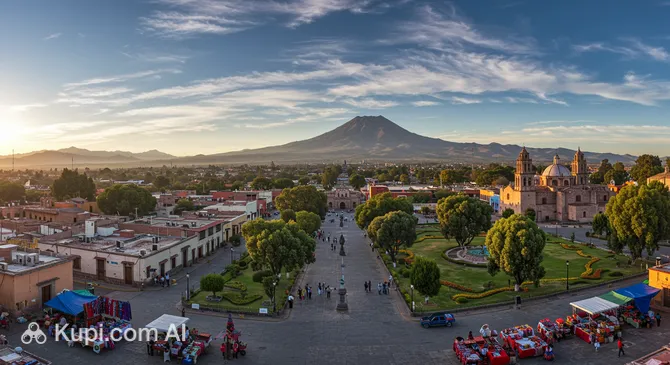
Tehuacán is a vibrant gem of the state of Puebla, nestled in a picturesque valley between mountain ranges. This city offers travelers a unique blend of provincial coziness and dynamic urban life. Here, far from the overcrowded resorts, colorful Mexico reveals a new, authentic side, making guests feel right at home.

The city sits at an altitude of about 1,600 meters above sea level, which provides it with a mild and pleasant climate year-round. Thanks to its geographical location and stunning views of hills and desert landscapes dotted with cacti, Tehuacán is often called the "Gateway to the Desert." It is the state's second-largest city, with a population of about 319,000, where ancient streets harmoniously coexist with modern cafes and bustling markets.

Tehuacan. Illustration.
Source: Kupi.com AI

The deep history of Tehuacán and its cultural heritage are felt at every step, as local residents carefully preserve traditions passed down through generations. The city is famous for its craftsmanship and vibrant folklore festivals. Furthermore, it is an excellent starting point for exploring the region's unique natural reserves, which attract ecotourism enthusiasts.

Tehuacán is an ideal destination for those seeking both a peaceful getaway and a real adventure. The welcoming atmosphere and the opportunity to experience the country's non-touristy side make a trip here an unforgettable experience for every traveler.

Weather Overview

The climate of Tehuacán is characterized by mildness and comfort, making the city pleasant to visit almost year-round. Thanks to its location in a valley, exhausting heat is rare here, and the seasons transition smoothly into one another.

The winter months (December–February) are a period of clear skies and no rain. During the day, the air warms up to a pleasant +21...24°C, though nights can be brisk, with temperatures dropping to +9°C. This is an ideal time for those who prefer dry and sunny weather.

Spring brings a gradual warming. April and May are considered the warmest months, when the thermometer often reaches the +27°C mark. If you plan a trip at this time, the weather in Tehuacán will delight you with its warmth, but by the end of May, you should be ready for the start of the wet season.

Summer and early autumn (from June to September) are characterized by increased humidity. Although the temperature remains comfortable (averaging around +19°C), the number of rainy days significantly increases—in June and September, precipitation can occur up to 20 days a month. Expect a warm summer with occasional rains and cool, dry winters.

Average monthly temperature

Average monthly precipitation

Interesting Facts

In addition to its main attractions, Tehuacán holds many fascinating secrets that make it a special place on the map. The city is ready to surprise curious tourists with unique natural phenomena and deep historical roots.

  • Cradle of Corn. The outskirts of Tehuacán are considered the place where corn was first domesticated. Archaeological finds confirm that the cultivation of this crop, which became the dietary staple of all Mesoamerica, began here thousands of years ago.

  • Gateway to the Kingdom of Cacti. The city borders the unique Tehuacán-Cuicatlán Biosphere Reserve, a UNESCO World Heritage site. Here, you can see more than 3,000 plant species, many of which are found nowhere else in the world, creating fantastic landscapes for photographers.

  • Legends of Eternal Springs. Local folklore is rich with stories about mysterious underground waters that, according to belief, never run dry. These springs are considered sacred, and their water is used by residents for traditional rituals.

  • Craft Center. Mexico is famous for its artisans, and Tehuacán is no exception. The city is known for its unique traditions of making ceramics and textiles with bright ornaments, which can be found in local markets.

How to Get There

When planning a trip to this colorful corner, it is worth considering that the city does not have its own airport. Tourists usually fly to neighboring large cities and then reach their destination by land transport. You can explore all the ways to get to the city to plan the optimal route based on your time and budget.

The nearest airport to the city is Huejotzingo Airport (IATA: PBC), located in the city of Puebla. The distance to Tehuacán is about 128 km, making it one of the most convenient options for domestic flights. The journey from here by taxi or bus takes approximately 3 hours and 30 minutes. Huejotzingo Airport serves regional flights and is a good choice if you want to reduce travel time on the ground.

For most international travelers, the main gateway to the country is Benito Juárez International Airport (IATA: MEX), located in the capital, Mexico City. Although it is located about 206 km from Tehuacán, most overseas flights arrive here. The journey from the airport to the final destination takes about 5 hours and 30 minutes. Benito Juárez International Airport is the region's largest aviation hub with excellent infrastructure.

Another available option is Veracruz International Airport (IATA: VER), located in the city of Veracruz, approximately 148 km from Tehuacán. Veracruz International Airport handles both domestic and some international flights. The trip from here to Tehuacán takes about 4 hours by car or bus.

For clarity, here is a summary of the main airports:

AirportPassenger trafficDistance
Huejotzingo Airport790 931128 km
Veracruz International Airport1.7 mln148 km
Xoxocotlan Airport1.8 mln177 km
Benito Juarez International Airport45.4 mln206 km
Felipe Angeles International Airport6.3 mln222 km

Main Attractions

Tehuacán offers travelers a unique itinerary where ancient history, science, and fantastic natural landscapes intertwine. Unlike noisy metropolises, the attractions here allow you to slow down and immerse yourself in the regional atmosphere. Here are several key places that are definitely worth including in your travel program.

Tehuacán-Cuicatlán Biosphere Reserve is perhaps the region's main natural pride, included in the UNESCO World Heritage list. The reserve's vast territory is a veritable "cactus forest," home to giant columnar cacti that create an otherworldly landscape. This place is perfect for ecotourism, hiking, and photo sessions against the backdrop of majestic nature that is found nowhere else in the world.

History and paleontology enthusiasts will be interested in the Tehuacán Museum of Evolution (Museo de la Evolución). This is a modern complex whose exhibition covers the history of the development of life on Earth from the Big Bang to the appearance of humans. Visitors can see impressive collections of minerals, fossils, and full-scale dinosaur reconstructions. The museum is particularly popular with families with children due to its interactivity and scale.

To dive into the pre-Hispanic past, head to the Tehuacán Viejo Archaeological Zone. This ancient city, located on a plateau at the foot of Cerro Colorado, was once the center of the Popoloca culture. The main point of attraction here is a unique temple where niches containing human skulls were found, linked to the cult of the god of the underworld. The ruins offer breathtaking panoramic views of the valley.

Another gem for flora lovers is the Helia Bravo Hollis Botanical Garden. Located within the biosphere reserve, it allows you to get acquainted with rare species of succulents and cacti in their natural habitat. A walk along the garden's well-maintained trails is a great way to see the desert's biodiversity in miniature and learn more about plants that have adapted to the arid climate.

Local Cuisine

The gastronomy of Tehuacán is a true feast for all lovers of Mexican cuisine, where traditions intertwine with vibrant aromas. The main star of the local table is mole poblano, a thick sauce based on chocolate and spices, prepared here according to carefully guarded ancient recipes. No less popular are tamales with various fillings and fresh corn flour tortillas—a gastronomic symbol of the region and an important part of everyday life.

At the city's street markets, you should definitely try the goat meat tacos, which are famous for their tenderness and rich flavor. Fans of the exotic will enjoy unusual cactus dishes, such as a light nopal salad, as well as fragrant soups made from local vegetables. Farmers' markets here abound with fresh fruits, spices, and homemade cheeses, giving dishes a special flair.

A special place in the drink culture is held by mezcal, produced from agave grown in the city's surroundings. Travelers often visit local factories to learn about the traditional production process and taste different varieties of this strong drink, which has become a hallmark of the region.

Food in Tehuacán is an occasion for socializing and joy. Throughout the year, the city hosts colorful gastronomic festivals where you can not only get acquainted with the best culinary traditions but also participate in masterclasses while enjoying street food in the company of hospitable locals.

Travel Tips

To ensure your journey to this colorful Mexican city is as comfortable as possible and leaves only pleasant memories, it's worth knowing about some local characteristics in advance. We have prepared a list of practical recommendations to help you feel confident in Tehuacán.

  1. Clothing and gear. Since the city is located in a high-mountain valley, the weather here is changeable. It can be hot during the day, but evenings often bring a chill, so stick to the principle of layering: bring light t-shirts, but be sure to pack a fleece jacket or windbreaker. For walks on the cobblestones of the center and the trails of the biosphere reserve, comfortable, broken-in shoes are necessary. Don't forget a hat and sunscreen—the mountain sun is very strong.

  2. Transport. Inexpensive shuttles (colectivos) and buses run throughout the city, but figuring out their routes can be difficult if you're not used to them. The most convenient way for a tourist to get around is by taxi. In Tehuacán, meters are not always used, so agree on the price of the trip in advance, before getting in. Apps like Uber may be unstable or have few cars, so it's better to have cash for a regular taxi.

  3. Finances and payment. The currency is the Mexican Peso (MXN). Cards are accepted in hotels, supermarkets, and large restaurants, but in markets, souvenir shops, and taxis, you will need cash only. It's best to use ATMs (cajeros automáticos) located inside bank branches in the city center or in shopping malls, avoiding street terminals after dark. Tipping in restaurants is customary at 10–15%.

  4. Health and safety. The main rule is never drink tap water; even for brushing your teeth, it's better to use bottled water to avoid stomach upset. Pharmacies (Farmacias) are frequent, and many basic medications are available without a prescription. Tehuacán is a relatively calm city, but follow basic precautions: don't walk alone on the outskirts at night and keep an eye on your belongings in crowded places.

  5. Communication. The main language is Spanish. English is not understood everywhere, so download an offline translator and learn a couple of phrases, like "¿Cuánto cuesta?" (How much does it cost?) and "Gracias" (Thank you). A SIM card from a local operator (like Telcel) can be bought at ubiquitous OXXO stores—this will provide you with stable internet for maps and communication.

  6. Local etiquette. Residents are very polite and appreciate friendliness. When entering a shop or an elevator, it's customary to say hello ("Buenos días" or "Buenas tardes"). If you see people dining, it's polite to wish them "Buen provecho" (Enjoy your meal)—this will go a long way in making locals feel well-disposed toward you.

  7. What to avoid. You shouldn't take photos of locals, especially in traditional clothing or at markets, without their explicit permission—this can be seen as disrespectful or a bad omen. Also, avoid showing impatience: life here flows at a more relaxed pace, and service can be slow.

  8. Try the local "living" water. Tehuacán is famous for its mineral springs throughout Mexico. Don't miss the chance to try local mineral water or drinks based on it directly in the city—it's not just a brand, but a part of history and a point of pride for the region.

Tehuacán is a place where genuine curiosity and respect for local traditions open any door. By following these simple tips, you can easily blend into the rhythm of the city and enjoy its authentic atmosphere without unnecessary worries.

Entertainment & Nightlife

Nightlife in Tehuacán may not be as boisterous as in metropolises like Mexico City or beach resorts, but it possesses its own unique charm and authenticity. In the evenings, the city comes alive as locals go for strolls and venues fill with music and laughter. The main fun here is concentrated closer to the weekend, when dance clubs and bars with live music open their doors.

The center for evening leisure is traditionally the Historic Center (Centro) and the area around Juárez Park. Here, you can find cozy cafes and bars where it is pleasant to spend time over a glass of a local drink and conversation. If you are looking for more active entertainment and dancing until dawn, you should check out the establishments along major avenues such as Avenida Adolfo López Mateos and Reforma Norte. Popular "antros" (nightclubs) and disco bars are concentrated in these areas.

Fans of a relaxed atmosphere and rock music should visit McCarthy's Irish Pub. This is a popular spot where live bands often perform, and the menu features an excellent selection of beers and snacks. For those who want to dance to modern Latin rhythms and reggaeton, Insomnio Disco Bar or La Gloria are good choices. The crowd here is generally young and energetic, and the fun lasts well past midnight. The dress code in most places is casual, but it is better to choose a smart casual style for visiting nightclubs.

Prices in Tehuacán's establishments will pleasantly surprise tourists with their affordability compared to major tourist centers. The average bill for dinner with drinks at a bar will be quite moderate. The best time to dive into the nightlife is Friday and Saturday after 10:00 PM, when the clubs begin to fill up.

Regarding safety, the city center and busy tourist zones are considered peaceful for evening walks. However, as in any city, you should exercise caution at night: avoid unlit alleys and remote areas. For returning to your hotel, it is strongly recommended to call a radio taxi or use official taxi stands rather than hailing a car on the street.

If you prefer more quiet cultural leisure, Tehuacán offers local theaters and cinemas. During the day and early evening, the center of cultural life is often the El Carmen Cultural Complex (Complejo Cultural El Carmen), located in a former convent building. It hosts exhibitions, concerts, and theatrical performances. It is also always pleasant just to stroll through the evening Zócalo (main square), where street musicians often play and traditional sweets are sold.

Parks & Museums

The cultural and natural landscape of Tehuacán extends far beyond its famous cactus forests. In the heart of the city and its surroundings, there are cozy parks for leisurely strolls, while local museums hold unique evidence of the ancient history and industrial heritage of the region, making a visit to the city truly profound.

Juarez Park (Parque Juárez) is the green heart of Tehuacán and the main meeting place for locals. Located in the city center, this square attracts with its colonial atmosphere: here you can rest in the shade of sprawling trees, admiring the old wrought-iron kiosk and the majestic facade of the Cathedral. In the evenings, the park fills with birdsong, creating a special, lively atmosphere perfect for observing the measured pace of city life.

For those seeking more space for active recreation, the Ecological Park (Parque Ecológico) is an excellent choice. This is a vast green zone with an artificial lake, sports fields, and well-kept alleys. Families come here for picnics, bike rides, or simply to take a break from the city bustle surrounded by nature without leaving the city limits.

Among the museums, the Tehuacán Valley Museum (Museo del Valle de Tehuacán), located in the magnificent building of the former 18th-century Carmen Convent, deserves special attention. The museum's exhibition is dedicated to the region's rich archaeology: it houses artifacts telling the story of the daily life of ancient cultures and, most importantly, the process of corn domestication—an event that changed human history. The architecture of the complex itself, with its courtyard and fountain, is a landmark in its own right.

A unique experience is a visit to the Hydromineral Museum (Museo Hidromineral), which is often located on the grounds of historic water bottling plants such as Peñafiel. Tehuacán is known throughout the country for its healing springs, and this museum allows you to see old equipment, learn the history of mineral water extraction, and understand why this city is called the "cradle of health" in Mexico. Visitors can often see the famous springs and taste the water directly from the earth.

Art lovers should stop by the Municipal Palace (Palacio Municipal). Although it is an administrative building, its walls are decorated with impressive frescoes known as the "Murales de Tehuacán." These vibrant paintings colorfully recount the city's history, from pre-Hispanic times to the present, serving as an excellent free visual guide to the region's past.

Getting Around

Public transport in Tehuacán is a colorful, noisy, but quite functional network that allows you to get to almost any point in the city for very little money. Since there is no metro or tram, the main burden falls on ground transport, represented by buses and shuttle vans.

Shuttles (Colectivos or Combis) are the most popular way to get around among locals. These are small minibuses or vans that run on many routes, connecting the center with remote areas. Route numbers and main stops are usually brightly painted directly on the windshield. This is a fast and maneuverable transport, although it can be cramped during rush hours.

City buses (Autobuses) are less frequent than colectivos and more often serve longer distances or main avenues. They may look a bit outdated but remain a reliable way to get to your destination. Stops are often not marked with signs, so look for crowds of people or simply raise your hand to hail one.

The payment system in Tehuacán is extremely simple and conservative: only cash is accepted. There are no transport cards, passes, or validators. Payment is made directly to the driver upon entry. The fare is fixed and very democratic (usually around 8–10 pesos). It is strongly recommended to have small coins with you, as the driver often may not have change for large bills.

Taxis are a great alternative to public transport, especially if you are not well-oriented in the city or are carrying luggage. In Tehuacán, taxis usually do not use meters. Important: always agree on the price of the trip with the driver before you get into the car. Trips around the center are inexpensive. There are both regular street taxis and "radio taxis" (on call), which are considered safer in the evening.

Ride-sharing apps work in the city, but the number of cars may be limited compared to major metropolises. It is often easier and faster to catch a regular taxi on the street or ask hotel or restaurant staff to call a car for you.

Practical tips for tourists:

To get off a colectivo or bus, you need to say loudly to the driver "¡Bajan!" (Bahan — "getting off") or press the bell button above the door, if there is one. Transport usually runs from early morning (around 6:00 AM) until 9:00 PM – 10:00 PM. After this time, intervals increase significantly, and it is better to use a taxi.

The city center is quite compact, so many attractions can be explored on foot. This is the best way to feel the atmosphere of the streets without being distracted by finding the right route.

Accommodation

Accommodation in Tehuacán is characterized by affordability and pleasant variety, though you are unlikely to find the massive "all-inclusive" resort chains typical of beachy Mexico. The city offers guests cozy options that allow you to feel the local flavor: from budget hostels and guest houses to comfortable mid-range hotels and boutique hotels located in restored colonial mansions.

For most tourists, the best area to stay is the Historic Center (Centro). By staying here, you will be within walking distance of the main attractions, such as the Cathedral, Juárez Park, and the municipal market. This is the most convenient option for those who want to explore the city on foot, enjoying evening strolls and dinners in local restaurants without the need for constant taxi use.

If you prefer more modern buildings and quiet, you can consider hotels in the northern part of the city (Zona Alta) or in the area of major shopping centers like El Paseo. These locations are often chosen by business travelers and those traveling with their own car, as parking and access to the highway are easier here.

The price range in Tehuacán is very democratic compared to popular tourist centers like Puebla or Oaxaca.

  • Budget options: Simple but clean rooms or hostels are very inexpensive, perfect for backpackers.
  • Mid-range: Most of the city's hotels fall into this category, offering excellent value for money, often with breakfast and Wi-Fi included.
  • Comfort and boutique: While there are no ultra-luxury world-brand hotels here, the best local hotels offer a high level of service, swimming pools, and beautiful colonial-style courtyards.

Booking Tip: Tehuacán is a popular destination for domestic tourism, especially during festivals like the famous Mole de Caderas Season (mid-October to November). During this time, as well as during Holy Week (Semana Santa), the demand for accommodation spikes. It is recommended to book rooms at least 2–3 weeks in advance. International online platforms are convenient for booking, but some small family-run hotels may only be available by calling directly or through local websites.

Nearby Cities

For those who want to explore the surroundings, Tehuacán serves as an excellent starting point for day trips to several interesting nearby locations:

One of the most attractive destinations is Orizaba—a picturesque city that holds the honorary status of "Pueblo Mágico" (Magical Town). It is famous for its elegant architecture, including the famous Iron Palace (Palacio de Hierro), designed by Gustave Eiffel. Travelers come here to ride the cable car, which offers spectacular views of the valley, and to stroll along the Orizaba River, which features a unique animal sanctuary.

Nature and mountain landscape enthusiasts should visit Ciudad Serdán (also known as Chalchicomula). This city is located at the foot of the majestic Pico de Orizaba volcano, the highest peak in Mexico. It is an ideal base for those who want to enjoy views of the volcano's snow caps or start a climb along mountaineering routes.

Also of interest is Tecamachalco, where you can see an impressive former 16th-century Franciscan monastery, an important historical monument in the region. And very nearby, in Ixtaczoquitlán, natural beauties await tourists: caves, waterfalls, and the famous Ojo de Agua lagoon.

CityPopulationDistance
Altepexi21 10015 km
Santa Catarina Otzolotepec67 61119 km
Tlaltenango21 63635 km
Tehuipango26 32237 km
Esperanza3 83638 km

These nearby destinations provide an insight into the region's diverse culture and landscapes.

Shopping & Souvenirs

Shopping in Tehuacán is an exciting journey between modern comfort and colorful traditions. The city doesn't claim to be a world fashion capital, but it charms with its authenticity. Here, you can find familiar brand stores as well as unique artisan shops selling goods created by local craftsmen. For tourists, this is a great opportunity to acquire items that hold a piece of the region's soul.

The heart of the city's commercial life is its Historic Center. Take a stroll along Avenida Independencia and its adjacent blocks. Here, amidst beautiful colonial architecture, you'll find numerous small boutiques, shoe stores (zapaterías), and jewelry shops. It's an ideal place for a leisurely promenade where shopping can be combined with viewing architectural monuments and relaxing in cozy coffee shops.

For those who prefer a modern shopping format, the main point of attraction is the El Paseo Tehuacán shopping center. This is a large mall featuring popular Mexican and international brands of clothing, shoes, and accessories. It also houses a large department store (usually Liverpool or Suburbia), a cinema, and a food court. It's a great place to escape the midday sun, buy everything you need in one place, and simply spend time comfortably.

However, the true spirit of Tehuacán lives in its markets. Be sure to visit Mercado 16 de Marzo, located in the very center. This is a traditional covered market where stalls overflow with fresh fruits, vegetables, spices, and flowers. For those seeking local color, Mercado La Purísima will be a real discovery. It is one of the oldest and largest markets in the region. It becomes especially lively on Saturdays, turning into a huge "tianguis" (bazar) where you can find absolutely everything from rare local products to clothing and handicrafts at very low prices.

Speaking of souvenirs, Tehuacán is famous for its stone products. The region is rich in deposits of onyx and marble, so local craftsmen create stunning items from them: from delicate figurines and jewelry to lamps and interior items. This is perhaps the most iconic gift from the trip. Also, don't forget to buy the famous muéganos—traditional Tehuacán sweets, which are crispy cookies held together by piloncillo (cane sugar) syrup. Another great option is embroidered clothing (blouses and shirts) in the style of the nearby settlement of San Gabriel Chilac, featuring bright floral patterns.

Stores in shopping centers usually operate from 11:00 AM to 9:00 PM every day. Small shops in the city center open around 10:00 AM and close by 8:00 PM, with some potentially closing for a siesta in the middle of the day or not working on Sundays. Regarding payment, credit cards are accepted without issues in shopping centers and large supermarkets. However, in markets, souvenir stalls, and small family shops, cash pesos are the only method of payment, so always carry small bills with you.

The tax refund system (Tax Free) exists in Mexico (the Moneyback program), but using it in Tehuacán might be more difficult than in major tourist centers. Usually, you can arrange a refund for purchases at large chain department stores (such as Liverpool in the El Paseo mall) over a certain amount. Be sure to clarify the availability of this service at the checkout before paying and keep all receipts and special vouchers to present at the departure airport.
Nearby cities

Reached the end of the page?

That means the route is fully explored