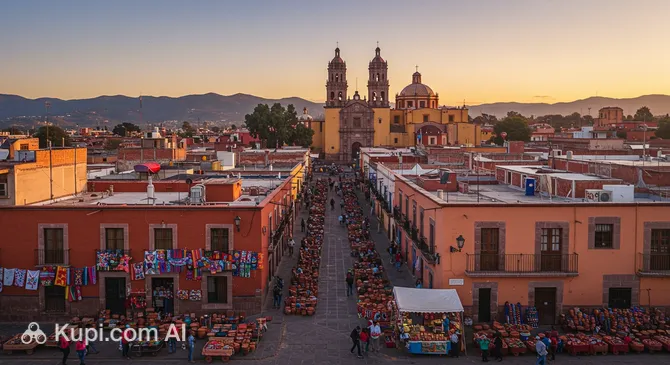
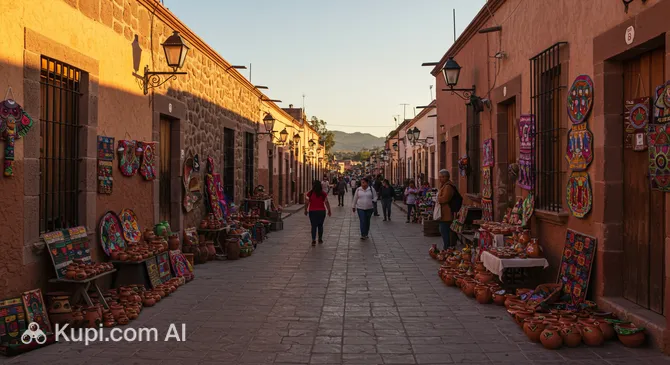
Tonalá is a fascinating corner of Mexico, located in the state of Jalisco. As part of the Guadalajara metropolitan area, the city is famous for its authentic atmosphere and its status as one of the country's primary craft centers. Here, modern urban rhythms are closely intertwined with ancient traditions of pottery and folk art, turning every street into a kind of open-air gallery.
Tonala. Illustration.
Source: Kupi.com AI
Located at an altitude of over 1,600 meters above sea level, the city greets guests with a pleasant temperate climate. The population of Tonalá is about 570,000 people, making it a lively and dynamic place. Despite its proximity to the metropolis, the city retains its unique identity, attracting those seeking the true spirit of Mexican craftsmanship rather than just tourist gloss.
The rich history of this region dates back to the pre-Hispanic era, when these lands were the center of a powerful indigenous kingdom. Today, the city's main feature is the hundreds of workshops where masterpieces of ceramics, glass, and wood are created by hand. Visiting this place is an invitation to dive into a world of creativity, where every piece of decor or souvenir holds the warmth of the master's hands.
Weather Overview
The climate in Tonalá can be described as moderately warm and quite comfortable throughout the year. Average daytime temperatures usually range from +18°C to +25°C. Winters here are dry and sunny, with cool nights where the thermometer can drop to +10-12°C. Spring is considered the hottest time of year, when the air can warm up to +30°C and above before the start of the rainy season.
The period from June to October is the rainy season, which brings refreshing coolness and life-giving moisture. Precipitation most often falls in the afternoon or at night in the form of short but intense downpours. To ensure your trip goes perfectly, it's worth checking a detailed forecast and the city's climate in advance to choose the right wardrobe.
Keep in mind that due to dense construction and its location in the metropolitan area, a slight haze may be visible over the horizon during the dry season. However, the abundance of sun and moderate ventilation at an altitude of 1,650 meters make a stay in Tonalá pleasant for most tourists. Expect a warm summer with occasional rain and mild, dry winters.
Average monthly temperature
Average monthly precipitation
Interesting Facts
The city's name comes from the Nahuatl language and is poetically translated as "the place where the sun rises."
The municipality of Tonalá was officially formed in September 1873, although the settlement itself has much older roots.
The city is located at a significant altitude of 1,653 meters above sea level, which ensures comfortable temperatures even during hot seasons.
Hundreds of family workshops are concentrated here, passing down the secrets of pottery from generation to generation for centuries.
According to the 2020 census, the municipality's population exceeded 569,000 people, making it one of the most populous suburbs in the state of Jalisco.
How to Get There
Tonalá's accessibility is due to its location within a major metropolitan area. The main air hub for travelers is Guadalajara International Airport (GDL), located approximately 20-30 kilometers away. You can get to the city center from there by official taxi or by using a transfer service, which will take about 40 minutes depending on traffic.
For those who prefer ground transport, Tonalá is connected by regular bus service to Guadalajara and other nearby cities. Buses depart from central Guadalajara (Central Viejo) almost every 15-20 minutes. This is a budget-friendly and convenient way to travel, though you should account for potential traffic jams during peak hours. Detailed information on routes can be found in the section describing the route to Tonalá.
If you are traveling by rental car, follow the main highways leading east from the center of Guadalajara. Keep in mind that parking near the craft markets on weekends can be a real challenge, so it's best to arrive early or leave your car in secure parking lots a bit further from the main shopping streets.
Station
Passenger traffic
Distance
Juárez railway station
3
13 km
2
296 km
Main Attractions
The crowning jewel of Tonalá is undoubtedly the National Museum of Ceramics. This is a must-visit for anyone wishing to understand the depth of Mexican traditions. Its halls house an impressive collection of pieces ranging from pre-Columbian times to works by modern masters. The exhibition clearly shows how firing and painting techniques have evolved over the centuries.
For those who prefer outdoor walks, Cerro de la Reina will be a true discovery. This hill is not only an important historical site where a significant battle took place between the Spanish and indigenous people, but also a magnificent observation deck. The summit offers a breathtaking panorama of the surroundings and Guadalajara, especially impressive in the rays of the setting sun.
Cerro de la Reina. Illustration.
Source: Kupi.com AI
Traveler photos:
Another interesting location is the "Guardians of the Queen" tourist walk. This route allows tourists to get acquainted with the city's legends and see monumental sculptures dedicated to the ancient rulers and defenders of these lands. The walk harmoniously combines cultural discovery with aesthetic pleasure from masterfully crafted art objects.
Guardians of the Queen Tourist Walk. Illustration.
Source: Kupi.com AI
Traveler photos:
Local Cuisine
The cuisine of Tonalá is a celebration of the traditional flavors of the state of Jalisco. Be sure to try birria—a flavorful goat or beef stew slow-cooked with spices for several hours. It is often served in small family establishments known as fondas, where cooking secrets are kept for decades. The dish is usually accompanied by hot corn tortillas, fresh onions, and cilantro.
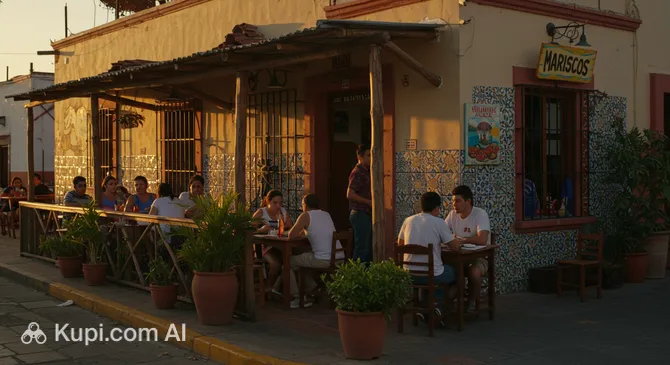
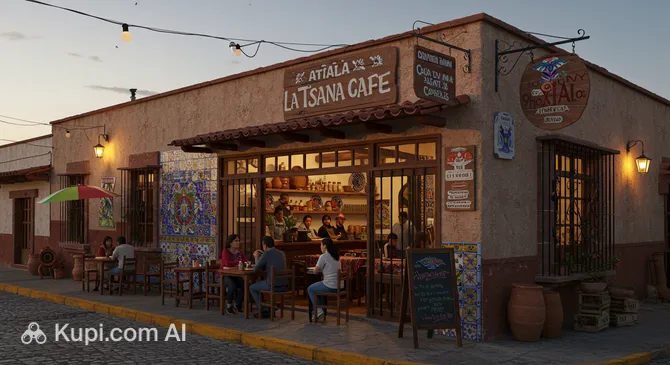
For a quick snack, the numerous street stalls selling tacos and enchiladas are perfect. Locals often spend time in cozy coffee shops, such as Cafe La Tisana, where you can enjoy a cup of aromatic Mexican coffee or herbal tea in a quiet setting. If you find yourself craving seafood, it's worth stopping by Mariscos Bloom, which serves fresh ceviche and shrimp cocktails.
Mariscos Bloom. Illustration.
Source: Kupi.com AI
Traveler photos:
The food culture here is closely linked to market life. In the craft markets, you can find many stalls with homemade food at very affordable prices. For drinks, be sure to try locally produced tequila or aguas frescas—refreshing drinks made from fruit, grains, or flowers. The city's culinary scene is simple, honest, and incredibly colorful, making it an essential part of the travel experience.
La Tisana Cafe. Illustration.
Source: Kupi.com AI
Traveler photos:
Travel Tips
Visiting Tonalá will provide you with many vivid impressions if you prepare in advance for the characteristics of this colorful Mexican suburb. Here are some practical tips to make your trip comfortable and safe:
Clothing and Footwear: Choose the most comfortable closed-toed shoes for long walks on cobbled streets and markets. Clothing should be light and made of natural fabrics, but be sure to bring a hat and sunscreen. It can be cool in the evenings, so a light windbreaker won't be out of place.
Transport: It is most convenient to get around the city on foot or by taxi via mobile apps. For trips to Guadalajara, use official buses, but avoid rush hours (7 to 9 AM and 5 to 7 PM).
Finances: Be sure to carry a sufficient supply of cash in Mexican pesos. Bank cards are rarely accepted in markets and small craft shops. Tipping culture is standard—about 10-15% in restaurants.
Safety: Stick to the main streets and craft zones. Do not carry large sums of money or wear expensive jewelry openly. After dark, it is better to avoid outlying neighborhoods and use a taxi to return to your hotel.
Language: The main language is Spanish. Basic English may be understood in tourist areas, but knowing a few phrases like “¿Cuánto cuesta?” (How much does it cost?) will be very helpful when shopping.
Etiquette: Mexicans are very polite and appreciate friendliness. Always say hello when entering a shop or workshop. Remember that it's best to ask permission before photographing artisans at work.
What to Avoid: Do not drink tap water—buy only bottled water. It is also not recommended to be overly persistent when bargaining if the price already seems fair for handmade work.
Specific Tip: Try to plan your visit for a Thursday or Sunday—these are the days when the largest craft market unfolds, offering the maximum selection of goods.
Tonalá is a place with an open soul, and your respectful attitude toward the local way of life will be rewarded with sincere smiles and some of the best souvenirs of your life. Have a great trip!
Entertainment & Nightlife
Unlike neighboring bustling Guadalajara, Tonalá's nightlife is quieter and more local. You won't find huge techno clubs here, but you can enjoy the atmosphere of traditional Mexican cantinas and cozy bars. It's the perfect place for those who want to spend an evening with a glass of tequila to the sound of mariachi, chatting with locals in a relaxed setting.
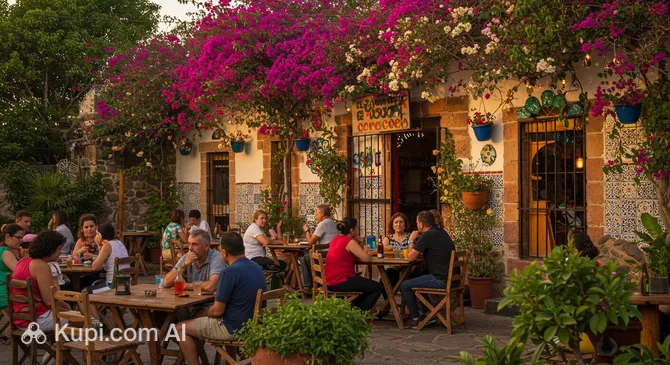
One of the popular spots for evening relaxation is Crisantino Wings and Beer, where you can unwind with friends while trying various beers and snacks. If you're looking for something more traditional, it's worth visiting El Zaguán de Doña Coco. This establishment is famous for its hospitality and authentic interior that reflects the spirit of old Mexico.
El Zaguán de Doña Coco. Illustration.
Source: Kupi.com AI
Traveler photos:
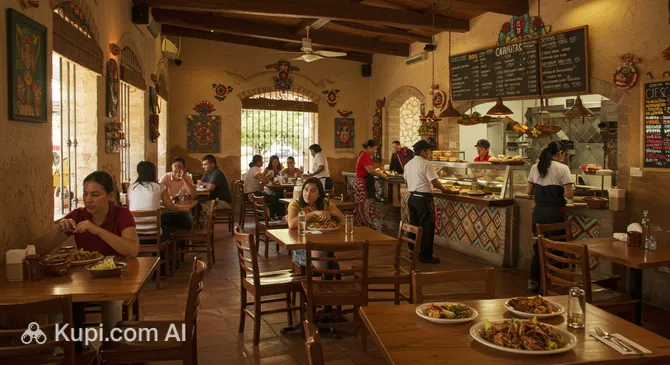
During the day, the city's entertainment centers around craft markets and festivals. Fairs often take place right on the streets, accompanied by performances from folklore groups. For those seeking more active evening leisure, a visit to Carnitas Quiroga is a great option, as they occasionally host dance evenings. However, for large-scale concerts and discos that last until dawn, most tourists prefer to head to Guadalajara, as a taxi will take you there in just half an hour.
Carnitas Quiroga. Illustration.
Source: Kupi.com AI
Traveler photos:
Parks & Museums
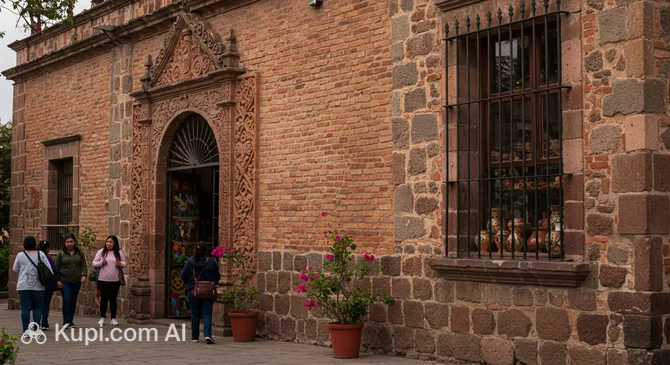
The cultural life of Tonalá is inextricably linked with the work of its artisans, so it's no surprise that the Tonalá Craft Museum (Artesanías) is located here. This small but very informative space showcases the best examples of folk art: from whimsical papier-mâché figures to complex pottery with unique painting. The museum helps tourists better understand the philosophy of local artists.
Tonala Handicrafts Museum. Illustration.
Source: Kupi.com AI
Traveler photos:
For outdoor relaxation within the city, several squares and plazas are available, serving as oases amidst the dense urban development. The city's main square is a center of attraction where you can observe the life of the townspeople under the shade of the trees. Although there is a lack of large-scale forested areas within the municipality itself, the small park zones near administrative buildings are always well-maintained and perfect for a short break.
For larger natural sites and amusement parks, residents and guests of the city usually head to neighboring districts of the metropolitan area. Nevertheless, for those seeking spiritual peace and beautiful views, the best place remains the area around Cerro de la Reina, which combines the features of a nature park and a memorial complex.
Getting Around
The public transport system in Tonalá is mainly represented by an extensive network of buses and small minibuses known as combis. This is the most popular way to travel both within the municipality and for connections to Guadalajara. Buses run frequently and are inexpensive; however, during morning and evening rush hours, they can be very crowded, and traffic slows down on the main highways.
For tourists, the most comfortable option will be ride-hailing services such as Uber or DiDi, which operate actively throughout the metropolitan area. This avoids the difficulty of finding the right stop and guarantees a fixed price for the trip. In the central craft zone, it is best to get around on foot: the distances between workshops and markets are small, and a walk will allow you to peek into the most hidden courtyards.
Bus fares are usually paid in cash to the driver, so it is advisable to have small coins with you. It's worth noting that there are no subways or trams in the city; the nearest light rail stations are located closer to the center of Guadalajara. When planning long-distance trips, allow extra time for potential heavy traffic, which is a typical feature of this dynamically developing region.
Accommodation
The choice of accommodation in Tonalá is mainly represented by budget and mid-range options. There are many small guest houses—posadas—and authentic motels, which are often chosen by the artisans and traders who come to the markets. This is an excellent choice for those who want to save money and experience the real life of a Mexican suburb without unnecessary pretense.
Most tourist-friendly hotels are concentrated in the city center, within walking distance of the main squares and workshops. This allows guests to plan their time as efficiently as possible without wasting it on commuting. If you are looking for luxury five-star hotels or international hotel chains, it's more practical to stay in neighboring Guadalajara and come here for day trips.
When planning your trip, keep in mind that demand for housing increases sharply during major craft exhibitions and holidays. Therefore, it is recommended to book rooms in advance, especially if your visit falls during the high season or citywide festivals. The main booking method is through popular international online services, although smaller guest houses may require direct communication.
Nearby Cities
Tonalá is an excellent place from which to begin exploring the central part of the state of Jalisco. Thanks to its proximity to major transport arteries, tourists can easily plan short trips to neighboring settlements, each of which has its own unique character.
Just 10 kilometers away is the charming city of Tlaquepaque. This is another recognized center for the arts, but more refined and tourist-oriented. Its pedestrian streets, lined with art galleries, elite boutiques, and restaurants in the courtyards of colonial mansions, are a perfect complement to the artisanal spirit of Tonalá itself.
Of course, one cannot overlook Guadalajara—the cultural and historical capital of the region. Located just 12 kilometers away, it offers visitors a majestic cathedral, theaters, and a rich nightlife. For those seeking more relaxed recreation by the water, a trip to Lake Chapala or the town of El Salto, known for its natural views, is recommended.
The city's surroundings allow you to change the atmosphere from a craft suburb to the grandeur of a metropolis or the quiet of provincial streets all in one day. Exploring these places will help you piece together a complete picture of life in the Mexican state of Jalisco.
Shopping & Souvenirs
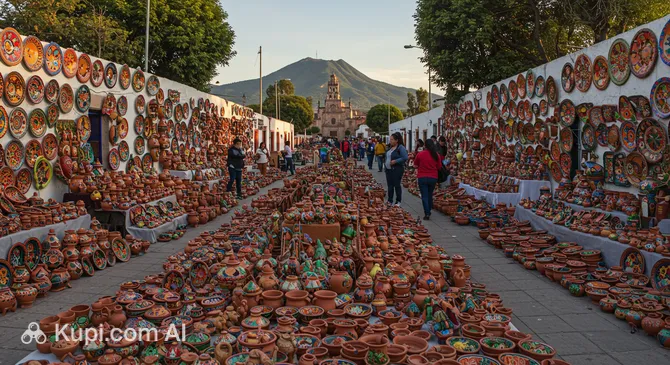
Shopping in Tonalá is not just a shopping trip, but a real adventure. The city is known throughout Mexico for its incredible opportunities to purchase art and decor. The heart of the trade is the Mercado de Artesanías—a huge open-air market that comes alive particularly on Thursdays and Sundays. Here you can find absolutely everything: from tiny clay figures to massive wrought-iron furniture and exquisite blown glass items.
The city's main commercial arteries are literally lined with shops and artisans' stalls. If you are looking for something unique, visit the National Museum of Ceramics, which often hosts exhibitions and sales of works by top artists. The number one souvenir here is definitely "petatillo" ceramics, recognizable by the extremely fine crosshatch pattern in the painting, which requires incredible patience and talent.
Prices in Tonalá are often significantly lower than in tourist shops in major cities since you are buying directly from the producers. Most small shops and markets only accept cash (pesos), so it's worth making sure you have change in advance. Large decor stores may accept cards, but it's always better to have a reserve of cash. Bargaining is appropriate, but remember that behind every item is an enormous amount of manual labor.