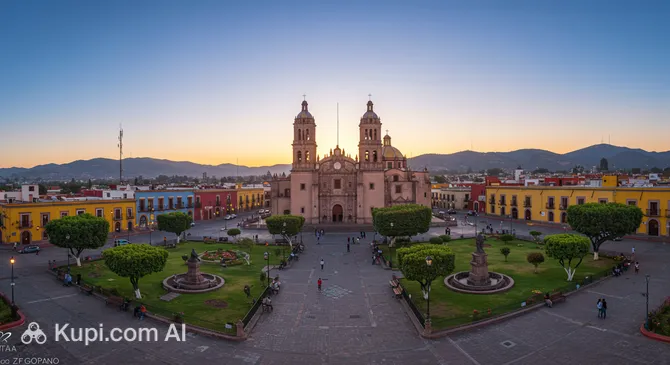
Zapopan is a fascinating city in the Mexican state of Jalisco that harmoniously combines deep colonial traditions with the fast pace of modern life. As part of the Guadalajara metropolitan area, it stands out for its special atmosphere of spirituality and cultural richness. The city's name, derived from the Nahuatl language, poetically translates to "place among the sapote trees," a reminder of its pre-Columbian roots.
Geographically, the city is located on a plateau, providing it with a pleasant temperate climate, while its population of over 1.4 million makes it one of the most dynamically developing centers in Mexico. Zapopan is famous for its rich heritage, and those interested in the past of this region will find many traces of the Spanish conquest era and ancient indigenous settlements.
Zapopan. Illustration.
Source: Kupi.com AI
The main magnet for travelers is the majestic Basilica of Our Lady of Zapopan—one of the country's most important pilgrimage sites. In addition to religious shrines, the city attracts tourists with modern shopping districts, luxury parks, and a famous football stadium. Zapopan invites everyone to immerse themselves in the atmosphere of genuine Mexican hospitality, where everyone will find something for themselves: from the silence of ancient monasteries to the bright colors of modern festivals.
Weather Overview
The climate in Zapopan is considered one of the most favorable in Mexico—it is an eternal "Indian summer" with warm days and refreshing nights. Thanks to its location at over a thousand meters above sea level, there is no stifling heat typical of the coast. If you are planning a trip, be sure to study the detailed city weather to pack your suitcase correctly.
The typical weather cycle includes a dry and sunny period from November to May and a rainy season from June to October. Summer temperatures usually range between 22–28°C, and short but heavy downpours most often occur in the late afternoon, bringing a pleasant coolness. Winter in Zapopan is very mild and dry: during the day, the thermometer rises to 20–25°C, while at night it can drop to 10°C, so a light jacket will not be superfluous.
The most comfortable time to visit the city is considered the period from February to May, when stable sunny weather sets in and nature begins to bloom. During this time, humidity is minimal, which is ideal for long walking tours and visiting the city's numerous parks.
Average monthly temperature
Average monthly precipitation
Interesting Facts
Zapopan is a city that knows how to surprise with its hidden meanings and centuries-old secrets. We suggest you get to know a few facts that reveal its unique character from an unexpected side:
The city's name has ancient roots: translated from the Nahuatl language, it means "place among the sapote trees." Sapodilla is a sweet tropical fruit that grew in abundance in these parts during the pre-Hispanic period.
The construction of the famous Basilica of Our Lady of Zapopan was an incredibly long process: it began in 1689, and the final touches were applied only two centuries later, in 1892.
The city's main shrine—a miniature 16th-century statue of the Virgin Mary—is officially recognized by the Catholic Church as miraculous. Even Pope John Paul II visited to pay his respects.
The Zapopan Municipal Palace was not originally intended for the authorities: the building was constructed in 1942 as a school and only became an administrative center a quarter of a century later.
Between the 12th and 14th centuries, a thriving ancient metropolis called Tzapopan existed on this site, where representatives of the Zapotec, Nahua, and Maya peoples coexisted peacefully until the city was destroyed by nomads.
How to Get There
Zapopan is an important transport hub in the state of Jalisco, making it easily accessible for both domestic and international travelers. Thanks to its proximity to the state capital, Guadalajara, tourists can take advantage of an extensive flight network and modern highways. If you are planning a trip, study the route options in advance to choose the most comfortable way to travel.
The primary air gateway for the region is Guadalajara International Airport (GDL), located about 20–30 kilometers from Zapopan. It is a major hub receiving flights from the USA, Mexico City, and many European cities. The journey to the city center by taxi or transfer takes about 40 minutes, and regular buses also operate.
For those who prefer ground transport, the city is connected by federal highways 15D and 54D. Intercity buses from Mexico City and Puerto Vallarta arrive at the central bus station in Guadalajara, from where you can quickly reach Zapopan by the local metro or a suburban bus. Rail service in the region is used primarily for freight and tourist expresses.
Station
Passenger traffic
Distance
Juárez railway station
3
6 km
Main Attractions
The heart of the historic center is rightfully considered the Basilica of Our Lady of Zapopan. This 17th-century Franciscan sanctuary impresses with its Baroque facade and is home to a miraculous statue that attracts millions of pilgrims annually during the famous Romería procession. Nearby is the Municipal Palace, inside which you can see impressive murals telling the history of the state of Jalisco.
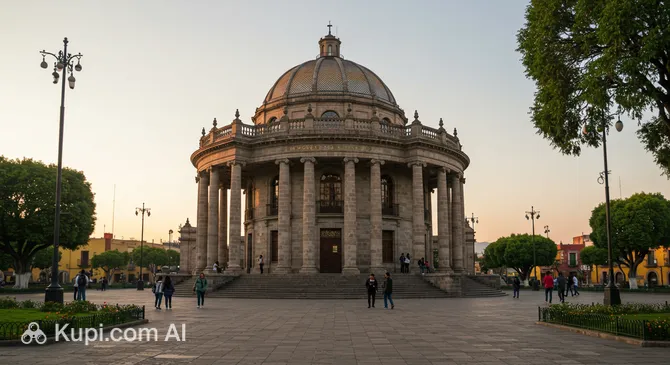
Rotunda of the Illustrious People of Jalisco. Illustration.
Source: Kupi.com AI
Traveller photos:
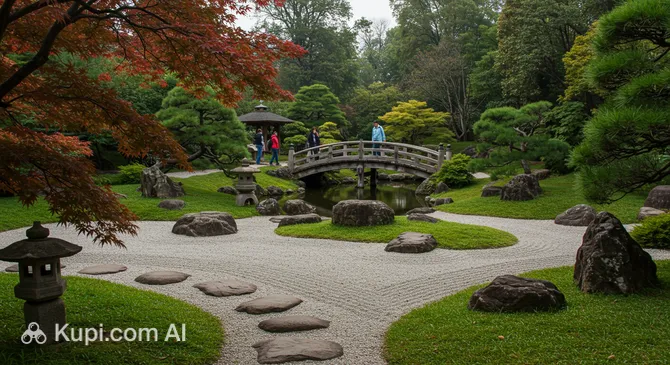
For those seeking tranquility and aesthetic pleasure, the Rotunda of Illustrious Jaliscans is open—a majestic monument surrounded by greenery, dedicated to the region's great figures. Fans of Eastern aesthetics should visit the Japanese Garden, where you can find peace of mind amidst carefully designed landscapes.
Japanese Garden. Illustration.
Source: Kupi.com AI
Traveller photos:
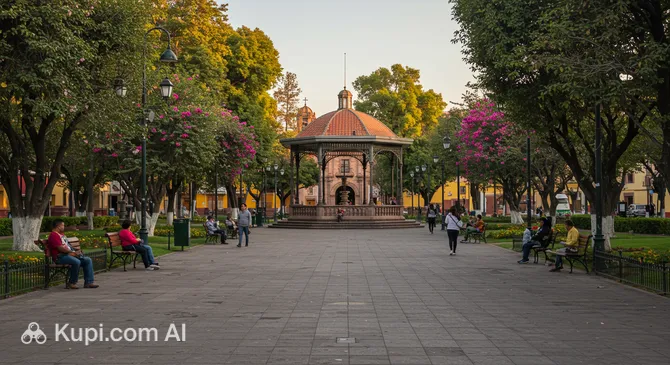
The city's natural wealth is also represented in places like González Gallo Park. This beautiful green area is perfect for morning jogs or family picnics in the shade of sprawling trees. Sports fans should definitely visit the modern Akron Stadium, where the legendary Guadalajara football club plays its home matches.
González Gallo Park. Illustration.
Source: Kupi.com AI
Traveller photos:
Local Cuisine
Zapopan's culinary traditions are a true feast of flavor, where Jalisco's specialties play the leading role. Be sure to try birria—tender goat or beef meat stewed in an aromatic broth with spices. Equally popular is pozole—a thick and hearty corn soup prepared here with special skill. For breakfast, locals often choose chilaquiles—pieces of tortilla in a spicy sauce with cheese and egg.
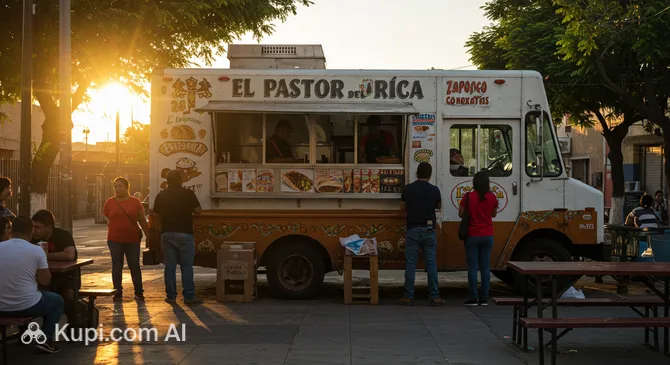
For a quick and tasty snack on the city streets, tacos are perfect. If you are looking for a reliable spot, check out El Pastor del Rica, where they prepare some of the best tacos al pastor in the region. The meat, marinated in spices and roasted on a spit with pineapple, will leave no one indifferent.
El Pastor del Rica. Illustration.
Source: Kupi.com AI
Traveller photos:
As for drinks, Zapopan is located in the very heart of "tequila country." Here you can taste the best varieties of this famous beverage, as well as refreshing tejuino—a traditional low-alcohol drink made from fermented corn. For dessert, be sure to grab some churros—fried dough sticks sprinkled with sugar and cinnamon, which pair best with hot chocolate.
Travel Tips
Preparing for your trip to Zapopan will be easier and more pleasant with our practical tips to help you feel confident in this Mexican city.
Clothing and Essentials: Due to its high altitude, the city enjoys comfortable warmth during the day, but evenings can be cool—bring a light jacket. When visiting the Basilica, choose modest clothing that covers your shoulders and knees. Be sure to wear comfortable shoes for walking along the cobbled streets of the center.
Transport: The fastest way to get to Guadalajara is the modern Metro Line 3. For short trips around the city, it's convenient to use Uber. If you plan to use buses, buy a Mi Movilidad card, as cash is not accepted everywhere.
Finances: The official currency is the Mexican Peso (MXN). Cards are accepted in malls and restaurants, but always keep cash on hand for markets and tips. The tipping culture is usually 10–15% of the bill.
Health and Safety: Drink only bottled water. Due to the altitude, the sun is very strong here—use sunscreen even in cloudy weather. Zapopan is considered a safe city, but avoid walking in sparsely populated peripheral areas late at night.
Communication: The main language is Spanish. In the Andares tourist zones, staff speak English, but in the center, basic phrases ("Hola", "Gracias", "¿Cuánto cuesta?") will be very useful.
Local Etiquette: Mexicans are very polite. When entering a shop or restaurant, it is customary to say hello ("Buenos días" or "Buenas tardes"). If you are invited to a meeting, a small delay (10-15 minutes) is considered the norm here.
What to Avoid: Do not photograph people in the Basilica during a service without their consent. It is also not recommended to enter into arguments about religion or local traditions—residents of Zapopan are very proud of them.
Extra Tip: If your visit falls on October 12 (Romería), be prepared for huge crowds. The city literally grinds to a halt for the pilgrimage procession, so book everything in advance and plan your routes considering closed streets.
By following these simple rules, you can fully immerse yourself in the atmosphere of Zapopan and enjoy its hospitality without extra worries. Have a great trip!
Entertainment & Nightlife
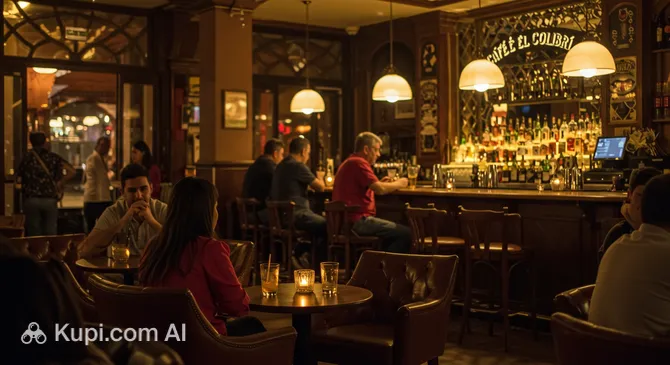
Zapopan's nightlife is concentrated around modern districts like Andares and the city center. Here you will find many stylish bars and clubs where the crowd enjoys live music—from traditional mariachi to modern rhythms. Cafe El Colibri is a popular spot, offering a cozy atmosphere for evening gatherings. Establishments usually maintain a relaxed yet elegant style, and the fun continues until late at night.
Café El Colibrí. Illustration.
Source: Kupi.com AI
Traveller photos:
For fans of dancing and loud parties, places like Porter Bar and Laila club are open. These venues are known for their excellent selection of tequila, high-quality sound, and vibrant light shows. If you plan to visit on a weekend, it is better to book a table in advance, as popular spots fill up quickly with local youth and tourists.
Porter Bar. Illustration.
Source: Kupi.com AI
Traveller photos:
Daytime entertainment in the city is just as diverse. The Galerías Theater regularly hosts major productions and concerts, while Akron Stadium becomes an epicenter of passion during football matches. For family vacations, walks in the Bosque Los Colomos park are ideal, where you can have a picnic or rent horses for a ride.
Layla. Illustration.
Source: Kupi.com AI
Traveller photos:
Parks & Museums
One of the city's most picturesque green areas is Bosque Los Colomos. This huge park on the border with Guadalajara is considered the city's "lungs." There are miles of trails for walking and jogging, cascading ponds, and even an authentic Japanese garden. It is an ideal place to take a break from city noise, feed the squirrels, or have a picnic under the shade of century-old pines.
The city's cultural life is centered in its museums and exhibition halls. The Zapopan Museum of Art (MAZ) is a must-see for fans of modern Mexican art, hosting bold exhibitions and performances. Equally interesting is the Huichol Cultural Center, where you can learn about the amazing crafts of indigenous peoples, including famous bead embroidery and psychedelic yarn paintings.
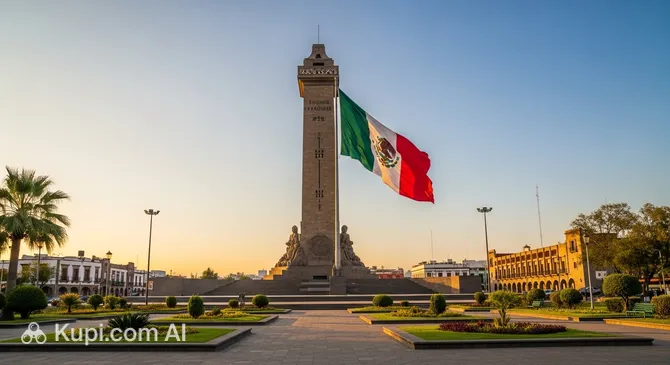
While walking through the city, you will encounter iconic sites such as the Flag Monument. This majestic monument is not only an important historical site but also a popular gathering point for residents. The city's architectural heritage is complemented by the murals in the Municipal Palace, which serve as a true open-air museum accessible to every visitor.
Flag Monument. Illustration.
Source: Kupi.com AI
Traveller photos:
Getting Around
Zapopan's transport system is closely integrated with Guadalajara's infrastructure, ensuring convenient movement throughout the metropolis. The backbone of public transport is the Metro (SITEUR), specifically the modern Line 3, which connects central Zapopan with Guadalajara and Tlaquepaque. Trains run frequently, stations are clean and safe, and the trip takes only 20–30 minutes.
In addition to the metro, the city has a well-developed bus network. There are both Sitren trunk routes and small "micros" that cover remote areas. Payment for most types of transport is made using a single Mi Movilidad card, which can be purchased and topped up at metro stations. The fare is fixed and very affordable.
For more comfortable trips, tourists actively use the Uber and Didi apps, which operate legally here and are relatively inexpensive. In central areas and parks, bicycles are popular, as the city is gradually expanding its network of bike lanes. If you plan trips out of town to natural attractions, renting a car would be the best solution, though keep in mind the heavy traffic during peak hours.
Accommodation
Zapopan offers a wide range of accommodation: from authentic colonial-style boutique hotels to ultra-modern skyscrapers. If you value comfort and proximity to elite restaurants, you should look into the Andares area. Luxury five-star hotels such as the Hyatt Regency or Holiday Inn are located here, as well as modern apartments in the Lobby 33 complex.
Lobby 33. Illustration.
Source: Kupi.com AI
Traveller photos:
For more budget-friendly accommodation and historical immersion, it's better to choose hotels in the historic center near the Basilica. Here you can find cozy guesthouses and small hotels with inner patios. Those who prefer silence and greenery will find suitable housing options near Bosque Los Colomos park, where private villas and apartments are often available for rent.
Accommodation prices vary depending on the season. The highest demand is observed in October, during the Romería celebration, so it is recommended to book places for this period several months in advance. At other times of the year, you can find a suitable option without much trouble using popular international booking services.
Nearby Cities
Zapopan is an ideal starting point for traveling through central Mexico. Thanks to its location, you can easily plan short trips to neighboring cities, each of which has a unique charm and its own unique attractions.
Just a few kilometers away is Guadalajara, the state capital. It is a cultural center with a magnificent cathedral, the historic Degollado Theater, and bustling markets. It's also worth visiting Tlaquepaque—a city of craftsmen known for its ceramics, art galleries, and cozy restaurants where mariachi music always plays. Another interesting destination is Tonalá, which is famous for its huge open-air craft fairs.
Exploring the surroundings will allow you to deeper understand the culture of the Jalisco region. Whether it's a trip for traditional souvenirs to small villages or a stroll through the majestic squares of the metropolis, each of these destinations will give you plenty of new experiences and vivid photos.
Shopping & Souvenirs
Zapopan is the recognized shopping capital of western Mexico. Some of the country's most luxurious shopping centers are concentrated here, with Andares being the leader. This open-air complex features global brands, designer boutiques, and fine dining. For those looking for high-quality and stylish footwear, Galeria del Calzado will be a real discovery—a specialized shopping center housing hundreds of Mexican-made models.
Galeria del Calzado. Illustration.
Source: Kupi.com AI
Traveller photos:
If you are looking for traditional souvenirs, head to the markets in the city center located near the Basilica. There you can buy unique ceramics, handmade textiles, and, of course, statues of the Virgin of Zapopan. Pay attention to the work of the Huichol people—their vibrant bead jewelry makes for a truly special gift.
Most shops and shopping centers are open from 10:00 or 11:00 AM until 9:00 PM. Cards are accepted almost everywhere in large stores, but it is better to have cash pesos for market purchases. International tourists can count on a tax refund (Tax Free) at a number of stores when making purchases over a certain amount—look for the corresponding stickers at boutique entrances.