Support

Museo Indígena "La Huatápera"

About

The La Huatapera Museum of Indigenous Culture is more than just an exhibition space; it is a living testament to the centuries-old history of the state of Michoacán. Located in the heart of the city of Uruapan, this museum occupies a building dating back to 1533, which is considered one of the oldest colonial structures in all of Mexico. Originally, the complex served as a hospital and meeting place for the indigenous population, as reflected in its name: in the Purépecha language, "huatapera" means "meeting place."
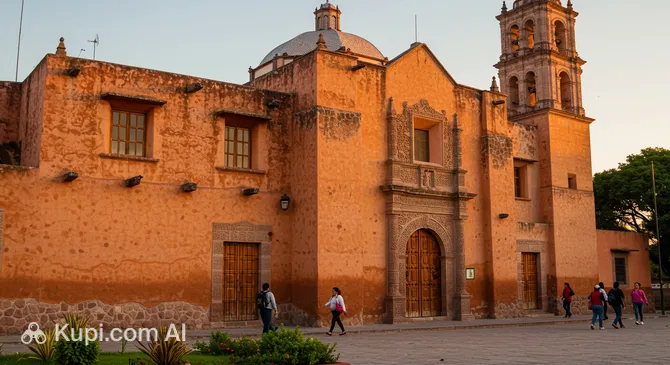
La Huatápera Indigenous Museum. Source: Kupi.com AI

Today, the traditions and art of the region's four indigenous peoples are carefully preserved here. The building's architecture harmoniously blends austere Spanish style with local building materials—adobe, wood, and stone. Inside, visitors will find halls dedicated to folk crafts, worldviews, and the daily lives of indigenous communities, making a visit to the museum a must for anyone who wants to experience the authentic atmosphere of Michoacán.

Contacts

If you are planning to visit this unique cultural center, it is helpful to have its exact coordinates handy. The museum is located in the heart of the historical center and is easy to find by heading toward the main square. Below are the current contact details for reaching and navigating to the site.

Address Plaza Morelos s/n, Vasco de Quiroga 11, Centro, 60000 Uruapan, Mich., Mexico
Phone +52 452 524 3434

What to Do

One of the main highlights of the exhibition is the collection of items crafted using the maque technique—an ancient tradition of lacquer painting on wood featuring unique designs and finishes characteristic of the Purépecha people. In the temporary exhibition halls, visitors can see artifacts, photographs, and installations that tell the story of the lives and customs of the country's indigenous peoples.

Be sure to visit the old Chapel of the Immaculate Conception to admire the 16th-century mural and the rotating monthly works by local indigenous artisans. For those wishing to dive deeper into the subject, the museum houses a library and the Regional Information Center (CRID), where digital archives are available. The authentic atmosphere of the colonial building and the opportunity to see rare handmade items make this an ideal spot for history and ethnography enthusiasts.

Getting There

The museum is located at Plaza Morelos s/n, right in the historical center of the city, within walking distance of the main square. If you are already in the downtown area, the easiest way to reach it is on foot while enjoying the atmosphere of the old colonial streets.

For those arriving from Uruapan International Airport (UPN), a taxi or Uber ride will take about 20–30 minutes depending on traffic. If you are traveling from other major cities such as Morelia, intercity buses will take you to the bus terminal, from where the city center can be reached in 10–15 minutes by local public transport.

Please note that La Huatapera is situated in a pedestrian-friendly zone, and parking directly at the entrance is virtually non-existent. If you are traveling in a rental car, it is recommended to leave it in one of the paid parking lots a few blocks away from Plaza Morelos and walk the rest of the way.

History & Facts

The history of La Huatapera began at the initiative of the Franciscan friar Juan de San Miguel. In 1533, he founded not only a shelter for the needy but also an important social center that became a symbol of the symbiosis between two worlds—the European and the Mesoamerican. In those times, the hospital served as a focal point for the indigenous population, helping people adapt to new conditions while preserving their communal way of life.

Interestingly, during the colonial period, the building was used by different city neighborhoods in rotation, highlighting its status as a shared heritage. Over time, many elements of the original decor were lost—for example, in the 19th century, an ancient mural in the Chapel of the Holy Sepulcher was completely painted over and only rediscovered many years later during meticulous restoration work.

The building gained its museum status largely thanks to the efforts of local artisans who sought to preserve unique decorative and applied arts techniques. Today, this site is recognized as one of the most important historical monuments in Latin America, serving as a reminder of the time when the city asserted its autonomy as an indigenous republic within the Spanish viceroyalty.

Time Needed

For a standard introduction to the complex's architecture and a tour of the main exhibition halls, you will need approximately 1–2 hours. This is plenty of time to leisurely stroll through the atrium, examine the collection of traditional crafts, and visit the chapel with its historic mural.

If you are a serious ethnography enthusiast or plan to use the Regional Information Center (CRID) for in-depth study of archival materials on indigenous peoples, you should budget about 3 hours for your visit. Also, factor in time for temporary exhibitions, which often provide a unique look at the contemporary art of local communities.

Working Hours

The La Huatapera Museum of Indigenous Culture is typically open to guests daily from 09:00 to 18:00. This standard schedule allows you to conveniently plan your visit during the day, combining it with a tour of other downtown attractions.

While some sources may mention midday breaks, official data confirms the museum's availability during these hours throughout the week. Nevertheless, before visiting on public holidays, it is recommended to check the official website or verify the current schedule with staff at the tourist information center.

Nearby

A stroll around the museum’s surroundings will allow you to immerse yourself even deeper into the atmosphere of this unique region. The central district of the city is rich in monuments and interesting locations situated just a few minutes' walk from one another, making for a fulfilling and pleasant walking tour.

Exploring monuments dedicated to important historical figures and visiting local aquariums will be a great addition to your cultural program. Below is a list of notable places located near the museum:

Name Distance (km)
Monumento a Morelos 0.1
Monumento Mártires de Uruapan 0.2
Monumento a Fray Juan de San Miguel 0.2
Acuario Xcaret Uruapan 0.3
Acuario Aleta Felíz 1.1
Estacion del Ferrocarril 1.3
Bodega de Granos de la Estación 1.4
Balneario Villa paraiso 4.6
MasSkoExotic's 4.8
Valle dorado 5.5

Reached the end of the page?

That means the route is fully explored