Support

Xalapa

About

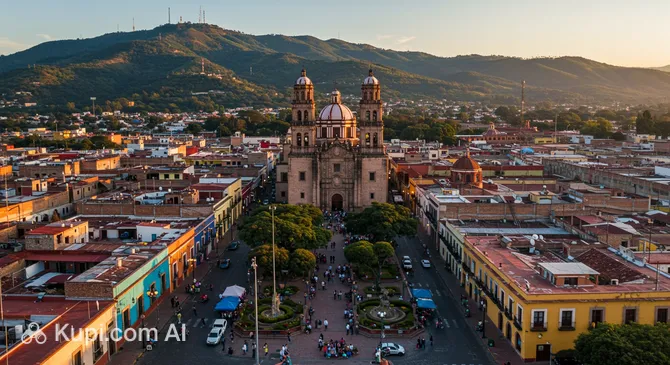
Xalapa (or Xalapa-Enríquez) is not just the administrative capital of the state of Veracruz, but the true cultural heart of the region, often called the "Athens of Mexico." This picturesque city is nestled among green hills in eastern Mexico, approximately 350 kilometers from Mexico City.
Xalapa. Illustration.
Source: Kupi.com AI

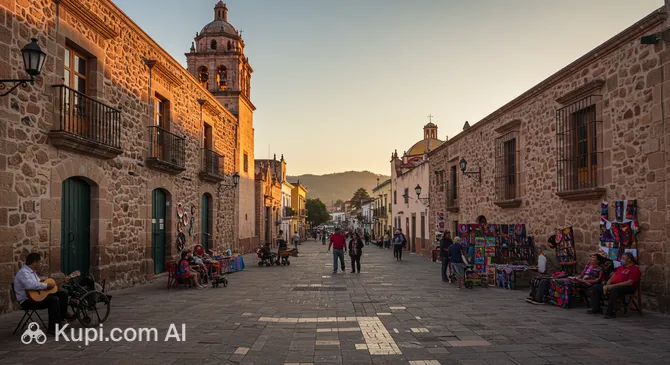
Thanks to its elevation of about 1,400 meters above sea level, it enjoys a wonderfully mild and fresh climate, offering a respite from the tropical heat of the coast. The surrounding landscapes delight the eye with cloud forests, blooming gardens, and views of majestic volcanoes. The rich history of Xalapa is reflected in its architecture: old colonial buildings stand harmoniously alongside modern quarters, creating the unique charm of a university city.

With a population of over 425,000 people, the city lives a vibrant intellectual life. It is home to prestigious universities, theaters, and galleries. Of particular note is the famous Museum of Anthropology—one of the best in Latin America—which houses unique artifacts from pre-Hispanic cultures, including giant Olmec heads. And walks through the narrow streets are invariably accompanied by the aroma of the magnificent local coffee that this high-altitude region is famous for.

Xalapa is worth visiting for its unique atmosphere where nature intertwines with art. It is the perfect place for those who want to see the authentic, intellectual side of the country, enjoy music in the parks, and feel the unhurried but inspiring rhythm of local life.
Weather Overview

The climate of Xalapa is characterized by mildness and moderate humidity, making it comfortable to visit year-round. Due to its location in a mountainous area, there is no exhausting tropical heat. The warmest month is May, with an average temperature of 21.8°C and daytime highs of up to 26.1°C, while in January it becomes cooler—averaging around 15.3°C, with air cooling down to 11.3°C at night.

Precipitation plays an important role in shaping the local ecosystem and atmosphere. Expect warm summers and autumns with frequent rain, when the number of wet days reaches 25–27 per month, and drier, cooler winters. Even in the driest months, such as February and March, rain occurs regularly, often in the form of a light drizzle or thick fogs that locals call "chipi-chipi."

When planning your trip, you should consider the high probability of precipitation, especially from June to October. To be ready for any whims of nature and pack your suitcase correctly, you'll find a detailed weather in Xalapa with up-to-date forecasts very useful.

Average monthly temperature

Average monthly precipitation

Interesting Facts

In addition to its main attractions and picturesque landscapes, Xalapa holds many fascinating secrets and stories that reveal themselves only to inquisitive travelers. This city wonderfully intertwines ancient legends with vibrant modern culture.

  • Xalapa proudly bears the honorary title of "Mexican Athens." The city earned this name thanks to its high concentration of educational institutions and rich cultural life. It is here that the Xalapa Museum of Anthropology is located, whose collection of pre-Columbian artifacts is second only to the National Museum in Mexico City in terms of richness and significance.

  • The city's name has a poetic origin. It is believed to date back to the word "Xallapan" in the Nahuatl language, which translates to "place of sandy water" or "spring in the sand." There is also a local legend stating that it was in the vicinity of Xalapa that the Spanish conquistadors first tasted Mexican coffee, which today is the gastronomic hallmark of the region.

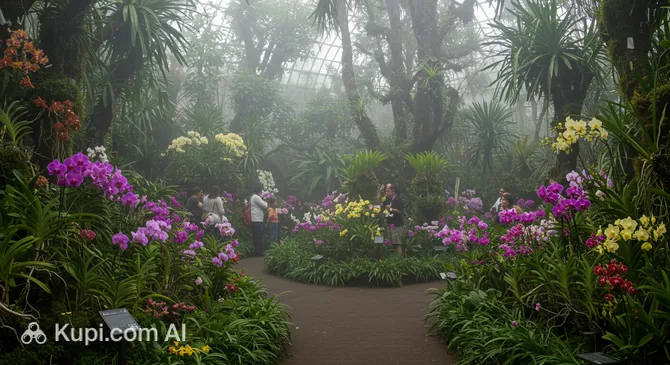
  • The city is famous for its incredible variety of flora, especially orchids. More than 700 species of these exquisite flowers grow here, and the local botanical gardens are considered among the most beautiful in the country. You can see this natural splendor by visiting an attraction such as the Orchid Cave, where a unique microclimate has been created for rare plants.

  • Xalapa has been the birthplace of many prominent figures, including the famous poet and thinker Lucas Martínez. The city's creative atmosphere continues to attract talent: Xalapa is considered a true launching pad for musicians and artists who later bring fame to Mexico on the international stage.

Orchid Cave. Illustration.
Source: Kupi.com AI

Traveler photos:

How to Get There

When planning a trip to the capital of the state of Veracruz, it is important to think about logistics in advance, as there is no commercial airport in the city itself. However, thanks to the region's developed transport network, getting here is not difficult. You can find detailed information about routes and travel options on the how to get to Xalapa page.

The most convenient option for many travelers is to fly to the city of Veracruz. Veracruz International Airport (IATA: VER) is located approximately 88 km from Xalapa. This is the nearest major air hub, handling both domestic and some international flights. A trip from here by taxi or bus takes about 1.5–2 hours, and the road passes through scenic countryside.

If you are flying from afar, your point of arrival will likely be Mexico City International Airport (IATA: MEX) in Mexico City. This is the country's main air gateway with a huge passenger flow. It is located about 227 km from Xalapa. Comfortable buses regularly depart from Mexico City Airport, which will take you to your destination in about 4–5 hours.

For clarity, here is summary information on the main airports located relatively close to the city:

AirportPassenger trafficDistance
Veracruz International Airport1.7 mln88 km
Huejotzingo Airport790 931159 km
Felipe Angeles International Airport6.3 mln222 km
Benito Juarez International Airport45.4 mln227 km
Toluca International Airport1.7 mln280 km

Since passenger rail service in this region of Mexico is practically non-existent, the main way to travel between cities is by road. From any of the mentioned airports, you can reach Xalapa by rented car or by using intercity buses, which are characterized by a high level of comfort and regular schedules.

Main Attractions

Xalapa is a city where every corner breathes history and culture. If you have already visited the main museums and central parks, it's worth paying attention to other iconic places that create the unique image of the Veracruz state capital. These attractions will allow you to dive deeper into the atmosphere of the "city of flowers."

One of the most picturesque and historically significant places is the Xallitic Neighborhood. It is a true "city within a city," located in a natural hollow. It was here, by the ancient springs, that the settlement that became modern-day Xalapa once began. Tourists are drawn here by the old public laundry basins, preserved to this day, and the majestic bridge spanning over the neighborhood. It is an ideal spot for atmospheric photos and for getting to know the region's colonial past.

For a quiet break in the shade of century-old trees, head to Los Berros Park. This is one of the oldest and most beloved parks among locals, standing out for its spaciousness and peaceful atmosphere. Huge plane and eucalyptus trees create a pleasant coolness even on sunny days. On weekends, the park comes alive: there are pony rides, a children's train, and street vendors offering traditional snacks, making it an excellent place for a family visit.

Xallitic Neighborhood. Illustration.
Source: Kupi.com AI

Traveler photos:

Architecture lovers should definitely see the Church of San José. This temple, built in the second half of the 18th century, is a beautiful example of religious architecture with elements of Baroque and Mudéjar styles. The building is located in one of the city's oldest districts and stands out for its elegant facade. A walk around the church and the adjacent square allows you to feel the spirit of old Xalapa.

Another important cultural point on the city map is the Xalapeño Recreation Center. Located in a beautifully restored historical building that once served as an inn, this center today serves as a venue for exhibitions, theatrical performances, and concerts. Visiting the center is an opportunity not only to see interesting displays but also to admire the courtyard and architectural details of a traditional Mexican house.

Local Cuisine

A gastronomic journey through Xalapa is impossible without getting to know the local coffee culture. The city is surrounded by plantations, and this drink is elevated to a real cult here. The local residents' morning traditionally begins with a cup of aromatic coffee grown on high-altitude slopes, paired with "pan de elote"—a sweet and delicate corn bread. Coffee shops are found literally at every turn, offering the freshest roasted beans.

The main culinary hallmark of the region is undoubtedly the chile jalapeño (Xalapeño pepper). This variety of pepper, named after the city, is prepared in a special way here: it is pickled and stuffed with meat, fish, or cheese, creating a spicy snack with a rich flavor. Another must-try dish is mole verde. This is a thick green sauce based on pumpkin seeds, herbs, and spices, which is usually served with chicken or pork, generously poured over the meat.

Street food lovers should check out the local markets, where you can try fried tamales and hot handmade tortillas. Famous local cheeses, which perfectly complement a meal, are also sold here. The city's gastro scene is diverse: from modest street stalls to cozy establishments in colonial style. For example, the restaurant Flor Catorce offers guests the chance to enjoy traditional cuisine in an atmospheric courtyard, immersing them in the authentic setting of old Xalapa.

In terms of drinks, besides coffee, fresh fruit waters and "toritos" are popular—local creamy cocktails based on cane alcohol with the addition of peanuts, coconut, or coffee. Food in Xalapa is not just about satisfying hunger, but a vibrant kaleidoscope of flavors that combines Spanish heritage and the ancient culinary traditions of indigenous peoples.

Travel Tips

Xalapa is a city with a unique microclimate and a special rhythm of life that can surprise an unprepared traveler. To ensure your trip to the capital of Veracruz and your introduction to the culture of Mexico go as smoothly and carefree as possible, we have prepared a list of important practical recommendations.

  1. Clothing and Climate: The weather here is changeable, and locals often joke about the constant light rain they call "chipi-chipi." Even if the forecast promises sun, be sure to bring a raincoat or umbrella, as well as a light jacket for cool evenings. Due to the hilly terrain and cobblestones in the city center, you will need very comfortable, non-slip shoes—heels will be completely out of place here.
  2. Transport: There is no metro in the city, and the bus route system can seem confusing as navigation is done via signs on the windshield rather than numbers. For tourists, the most convenient option is a taxi (they are cheap and plentiful) or the Uber and DiDi apps. If you decide to rent a car, be prepared for narrow one-way streets and a shortage of parking in the center.
  3. Finances: The official currency is the Mexican peso. Although cards are accepted in shopping malls and large restaurants, Xalapa has many small cafes, museums, and markets where payment is only possible in cash. Try to always have small bills and coins on you. Tipping (propina) is welcomed: it is customary to leave 10–15% of the bill in restaurants.
  4. Health and Safety: Xalapa is a peaceful university city, but basic precautions are necessary. Do not walk alone on deserted streets on the outskirts after dark. Drink exclusively bottled water to avoid stomach issues. Pharmacies (such as Farmacias Guadalajara) are common, and many work around the clock.
  5. Communication: The main language of communication is Spanish. Not everyone knows English, so download an offline translator and learn a few polite phrases. For connectivity, it's best to buy a local SIM card (Telcel or AT&T) at service centers or ubiquitous OXXO stores—this will provide you with stable mobile internet for maps and taxis.
  6. Local Etiquette: Politeness is very important here. Always greet shopkeepers and drivers ("Buenos días" or "Buenas tardes"). There is a nice tradition: when passing by people who are eating (in a restaurant or on the street), it is customary to wish them "Buen provecho" (enjoy your meal). This will help you win over the locals.
  7. What to Avoid: Do not consume alcoholic beverages on the streets and in public places (outside of bars and restaurants)—this is prohibited by law and can lead to a fine or detention by the police. Also, do not photograph people (especially indigenous people) without their permission.
  8. Coffee Tip: Don't waste time looking for international coffee chains. Xalapa is in the heart of a coffee region, so the best coffee is served in small local establishments. Be sure to try the local "lechero" (coffee with milk) in one of the old coffee shops in the center—it's a real ritual for the city's residents.

Xalapa is a city that reveals itself to those who are ready to slow down a bit and embrace its misty charm. By following these simple tips, you can avoid minor troubles and fully focus on enjoying the colonial architecture, the aroma of coffee, and the hospitality of the locals.

Entertainment & Nightlife

As a university city with vibrant youth energy, Xalapa offers a rich and diverse nightlife. You won't find the pretentiousness of large resorts here; instead, the city immerses you in a bohemian atmosphere with live music, cozy bars, and cultural evenings. Evening entertainment in the state capital of Veracruz is permeated with the spirit of creativity and freedom, making it accessible and interesting for travelers.

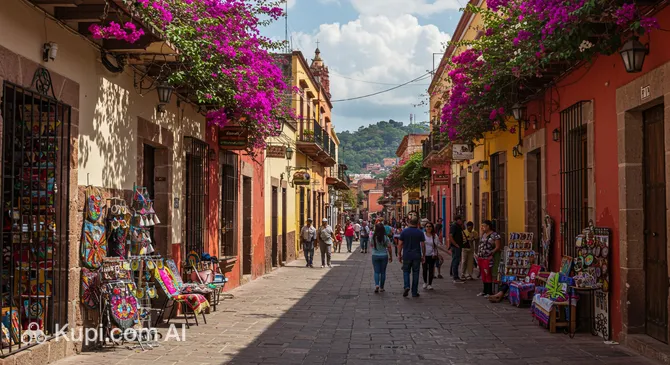
The epicenter of nightlife is the historic center. As darkness falls, the narrow streets come to life. The area around the famous Callejón del Diamante (Diamond Alley) is particularly popular. Here, as well as on the neighboring Enríquez Street, many cafes and bars are concentrated where locals and students gather to discuss news, listen to music, and enjoy a cup of coffee or a glass of wine. The crowd here is very diverse: from students and artists to professors and tourists, so the dress code in most establishments is democratic and relaxed.

Diamond Alley. Illustration.
Source: Kupi.com AI

Traveler photos:

For those who love to dance and dive into Latin American rhythms, the club La Ermita is worth checking out. It is a popular spot where you can not only enjoy cocktails but also feel the real Mexican drive on the dance floor. If you prefer a quieter evening with delicious food and a pleasant atmosphere, the restaurant-bar Flor Catorce is an excellent choice. It is located in an old building with an inner courtyard, which adds a special historical charm to your dinner.

Xalapa is also known as a city of music. It is home to one of the oldest symphony orchestras in the country. For connoisseurs of fine art, the Tlaqná Cultural Center is a must-visit. This modern concert hall is famous for its magnificent acoustics and regularly hosts performances by orchestras and world stars of classical music. It is a wonderful alternative to noisy bars for a sophisticated evening.

Practical Tips and Safety:

  • The best time to head out is Friday and Saturday after 9:00 PM. On weekdays, life flows more quietly here, but many bars stay open until midnight.
  • Prices in Xalapa's establishments will pleasantly surprise you: they are significantly lower than in Mexico City or Cancun, thanks to the large student population.
  • The city center is considered safe for walks in the early evening; however, at night, especially if you are returning from a club, it is strongly recommended to call a taxi (Uber, DiDi, or official radio taxis) rather than hailing a car on the street.

As for daytime entertainment, the city offers a rich cultural program. You can visit theaters, art galleries, or simply enjoy the atmosphere in numerous parks. However, it is in the evening that Xalapa reveals its true soul—the soul of a city that never stops singing and dancing.

Parks & Museums

Xalapa is rightfully considered one of the greenest and most culturally rich cities in Mexico. Here, nature is harmoniously interwoven with the urban landscape, and the number of museums and galleries per capita justifies the city's unofficial name—"Mexican Athens." Travelers can expect picturesque parks set on hillsides and exhibition halls housing the treasures of ancient civilizations.

Among the green zones, the Macuiltépetl Ecological Park holds a special place. It is located atop an extinct volcano, which is the highest point in the city. Climbing the spiral path to the summit, you will find yourself on an observation deck with a breathtaking panoramic view of Xalapa and its surroundings. It is an ideal spot for morning jogs, bird watching, and learning about the cloud forest ecosystem.

The heart of the city's social life is Juárez Park. This central garden, decorated with majestic araucarias, was laid out on the site of an ancient monastery. Life is always buzzing here: locals relax on benches, street musicians set the mood, and the park's terrace offers a view of the famous city streets. Very close by is another green gem—Natura Park, a vast protected natural area with bike paths and hiking trails where you can escape the city's hustle and bustle.

Xalapa Museum of Anthropology. Illustration.
Source: Kupi.com AI

Traveler photos:

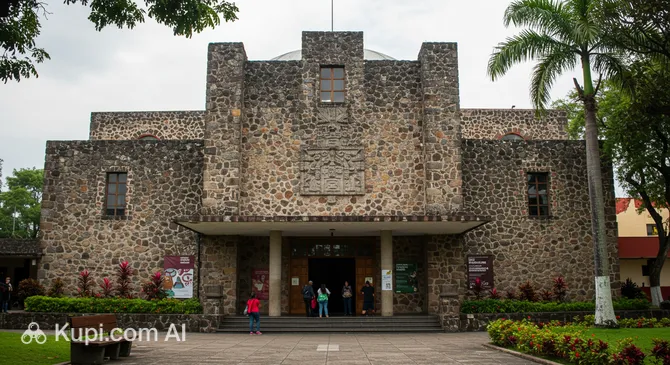
The main cultural pride of the region is the Xalapa Museum of Anthropology (MAX). It is the second most important anthropological museum in the country after the one in the capital. Its spacious halls house a unique collection of pre-Hispanic artifacts, including the famous giant Olmec stone heads. Visiting this museum is a mandatory part of the program to understand the history of the Gulf Coast civilizations.

Fans of contemporary art should stop by the Contemporary Art Gallery. It regularly hosts temporary exhibitions by Mexican and foreign artists, and the space itself serves as a platform for cultural dialogue. If you are traveling with children or are interested in science, visit the KANÁ Science and Technology Center. Interactive exhibits and a planetarium make science exciting and accessible for visitors of all ages.

For those looking for corners hidden from the eyes of tourists, we recommend paying attention to small private gardens and greenhouses on the outskirts of the city. Xalapa is famous for its orchids, and visiting specialized nurseries can be an unforgettable experience, allowing you to see rare species of these exquisite flowers in their natural environment.

Getting Around

Getting around Xalapa is an adventure in itself, given the city's hilly terrain and winding streets. Since there are no metro or tram lines, the main way for locals and tourists to get around remains buses and taxis. The transport system might seem a bit chaotic at first glance, but it covers almost all areas and is quite inexpensive.

The most common form of public transport is city buses, which locals call "camiones". The route network is very extensive. The main feature of navigation is that it's better to orient yourself not by route numbers, but by signs on the windshield. Drivers use markers to write the main destinations and neighborhoods the bus passes through in large letters (e.g., "Centro", "Plaza Cristal", "Zona UV"). To catch a bus, it's often enough to simply wave your hand at the driver, although in the center it's better to stick to official stops.

Bus fares are paid exclusively in cash to the driver upon entry. There are no validators, turnstiles, or electronic transport cards for tourists here. The cost of a trip is fixed and very democratic—usually around 9–10 pesos. It is strongly recommended to always have change with you, as drivers often don't have change for large bills. Keep the paper ticket you are given until the end of your journey.

Taxis in Xalapa are an extremely popular and affordable alternative to buses. Cars (usually white and green) cruise the city in large numbers. It's important to know that taxis here generally don't use meters. The cost of a trip is either fixed by zone or negotiated with the driver before boarding. A short trip through the center is inexpensive, but it's better to clarify the price beforehand ("¿Cuánto cuesta a...?").

For greater comfort and safety, tourists can use mobile taxi apps such as Uber, DiDi, or InDriver. This removes the language barrier and the need to bargain, as the price is known in advance and the payment is charged to your card. Bicycle rentals and car sharing are not very popular in the city due to steep climbs and heavy traffic, so it's best to combine walking in the center with taxi or bus trips for longer distances.

Accommodation

The choice of accommodation in Xalapa will pleasantly surprise travelers with its diversity and affordability. Unlike coastal resorts, you won't find huge "all-inclusive" hotel complexes here. Instead, the city offers cozy boutique hotels located in restored colonial mansions, modern business hotels, and many budget hostels geared toward students and young people.

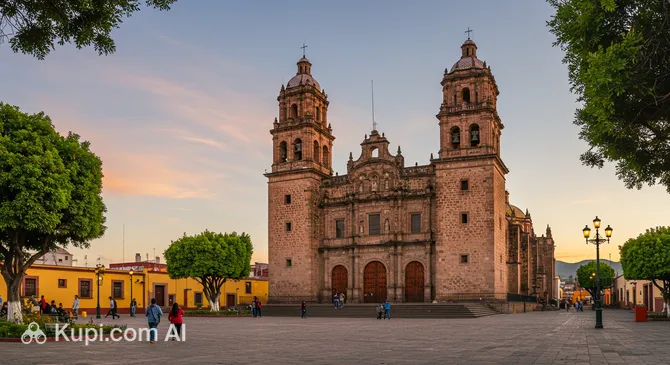
For most tourists, the best area to stay is the Historic Center (Centro Histórico). By staying here, you will be within walking distance of the main cultural sites and can enjoy evening strolls through atmospheric streets. Living near iconic places like the Xalapa Cathedral or the lively Juárez Park means being at the very heart of urban life, where mornings smell like fresh coffee and evenings are filled with music.

Xalapa Cathedral. Illustration.
Source: Kupi.com AI

Traveler photos:

If you are traveling by car or prefer more modern infrastructure and shopping, you should consider the Las Ánimas district. This is a dynamically developing part of the city where large shopping centers, such as Plaza Ánimas, and hotels from well-known international and Mexican chains are located. It is easier to find parking here, and rooms often feature increased comfort and space, making it suitable for business trips or family vacations.

Pricing in Xalapa is very democratic compared to Mexico City or Cancun. You can find a comfortable double room in a mid-range hotel at a very pleasant price. It is recommended to book accommodation in advance, especially if your trip coincides with major festivals or Holy Week (Semana Santa), when tourists from all over the country flock to the city. Popular international online platforms are convenient for finding options, although many small family-run guesthouses ("posadas") are also happy to welcome guests without a prior reservation.

Nearby Cities

For those who want to explore the surrounding area, Xalapa serves as an excellent starting point for day trips to several interesting nearby locations:

Of particular note is Coatepec, located very close by. This "Magic Town" (Pueblo Mágico) is famous for its deep coffee traditions, museums, and magnificent colonial architecture. History and nature lovers will be interested in Perote, where the famous San Carlos Fortress is located, and which also provides access to the natural beauty of the national park at the foot of the volcano. For a taste of the mountain atmosphere and unique climate, you can head to Teziutlán, often called the "Pearl of the Sierra."

CityPopulationDistance
Tlalnelhuayocan18 7157 km
Coatepec92 12711 km
Coacoatzintla10 48213 km
Tlacolulan11 43117 km
Tepetlan9 66819 km

These nearby destinations offer an insight into the diverse culture and landscapes of the region.

Shopping & Souvenirs

Shopping in Xalapa is a fascinating immersion into local culture, where modern commercial spaces stand alongside colorful traditional markets. The city does not strive to imitate the world's fashion capitals but charms travelers with the opportunity to find unique items. Here, you should focus on handmade goods, works of art, and gastronomic souvenirs for which the state of Veracruz is so famous.

The heart of commercial activity is the historic center. Strolling through its cobbled streets, you will find many cozy boutiques, bookstores, and clothing shops. A mandatory stop should be the famous Callejón del Diamante (Diamond Alley). During the day, this picturesque street turns into an open-air fair: local artisans display jewelry, leather goods, and original souvenirs permeated with the city's bohemian spirit.

For those who prefer comfortable shopping in a familiar format, there are large shopping complexes in the city. One of the most popular places is Plaza Ánimas—a modern mall with a wide selection of brand-name stores, restaurants, and relaxation areas where the whole family can enjoy their time. No less well-known is Plaza Museo Cristal, offering a diverse range of products, from electronics to fashion, in a convenient location.

Plaza Animas. Illustration.
Source: Kupi.com AI

Traveler photos:

To experience the real taste of local life, head to the city markets. The most colorful of them is Mercado Jáuregui. This place is a true kaleidoscope of colors and aromas. Here you can buy everything from the freshest tropical fruits and vegetables to folk remedies and ritual items. The market also serves as a great place to buy inexpensive but authentic souvenirs.

On the list of things to bring back from Xalapa, the absolute leader is coffee. The city is surrounded by coffee plantations, so local roasted beans will be the best gift for gourmets. Also, look out for natural vanilla from Papantla, available in pods or extracts. Connoisseurs of folk art will appreciate the local ceramics and textiles with traditional embroidery sold in specialized shops in the center.

Most shopping centers and chain stores are open daily from 10:00–11:00 AM to 8:00–9:00 PM. Small private shops may close for a siesta in the middle of the day or have shorter working hours on Sundays. Cards are widely accepted in large malls, but for visiting markets and buying from street artisans, be sure to have cash pesos with you.

Foreign tourists in Mexico can take advantage of the Tax Free system when making purchases at participating stores for a certain amount. If you plan on significant spending, look for "Moneyback" signs or check with the staff about the possibility of obtaining VAT refund forms before leaving the country.

Nearby cities

Reached the end of the page?

That means the route is fully explored