Support

Zacatlan

About

Zacatlán is a true "Magic Town" (Pueblo Mágico), nestled in the state of Puebla on the picturesque slopes of the Sierra Norte, in the heart of Mexico. Its name in the Nahuatl language, "place where grass is abundant," perfectly reflects the surrounding lush greenery and fresh mountain air of this amazing corner of the world. Zacatlán captivates with its authentic atmosphere and hospitality, inviting travelers to immerse themselves in the world of Mexican traditions.

The town is located at an altitude of over 2,000 meters above sea level, providing a mild and pleasant climate ideal for leisurely walks and exploration at any time of year. With a population of about 33,700 people, Zacatlán maintains the cozy feel of provincial life, harmoniously combining it with a rich cultural heritage. It is also known as an important center for the production of juicy apples and fragrant cider, which adds to its special gastronomic appeal.
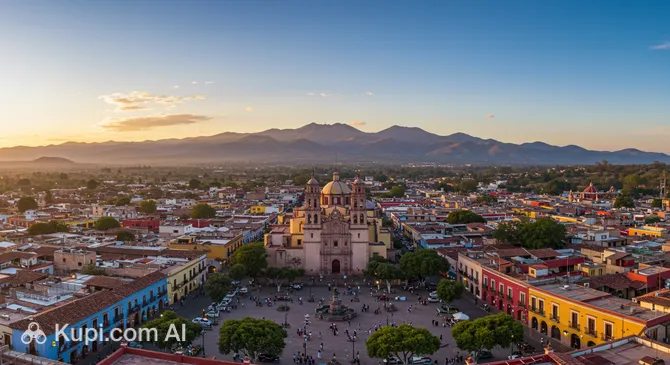
Zacatlan. Illustration.
Source: Kupi.com AI

The special status of Pueblo Mágico emphasizes Zacatlán's uniqueness, its outstanding history, and its carefully preserved traditions. Here, time seems to slow down: narrow cobbled streets, colorful colonial buildings, well-kept squares, and, of course, the famous giant floral clock — one of the city's landmarks — create a unique mood for relaxation and new discoveries.

Zacatlán is an ideal destination for those seeking to get to know the real, non-touristy Mexico, feel its spirit, enjoy picturesque nature, and try unique local delicacies. This charming town will undoubtedly leave a lasting impression on lovers of history, architecture, gastronomic adventures, and ecotourism. Come and discover the magic of Zacatlán!

You can find more interesting facts on the history of Zacatlán page.

Weather Overview

The weather in Zacatlán is characterized by moderate temperatures throughout the year. The warmest months are April and May, with an average temperature of about 17-18°C and maximum values up to 23°C. Winter, from December to February, is cooler, with average temperatures around 12-13°C. Expect a warm and humid summer with frequent rains, especially from June to September, when rainfall reaches its peak (8-10 mm per month) and the highest number of rainy days is observed (up to 30 days in July and August). The driest months are February, March, and December, with a minimum amount of precipitation (2-3 mm).

To get more detailed information and plan your trip according to weather conditions, check out the detailed forecast: Zacatlán Climate.

Average monthly temperature

Average monthly precipitation

Interesting Facts

Beyond its picturesque landscapes and hospitable atmosphere, Zacatlán hides many amazing stories and facts that make it a truly special place. This Mexican corner is ready to share its secrets with curious travelers.

  • Zacatlán holds the official title of "Magic Town" (Pueblo Mágico). This status is granted in Mexico only to those towns that possess outstanding cultural and historical heritage and unique traditions carefully preserved by the locals.

  • The town's hallmark is the famous floral clock. It is not just a beautiful art object, but a true symbol of Zacatlán, which reliably tells the time and serves as a popular spot for commemorative photos for both tourists and residents.

  • Zacatlán is widely known as the "City of Apples." Every year, a rich harvest of these fruits is gathered here, and about 30% of the population is involved in the production of the famous local cider. This drink is considered the pride of the city and the main gastronomic souvenir for guests.

  • The city is home to the unique Watch Museum (Museo de Relojería Alberto Olvera). Here, you can not only trace the history of watchmaking but also see rare exhibits, including monumental clocks created by local masters.

  • According to local legends, the first settlers in the territory of modern Zacatlán were descendants of the ancient Toltecs. This legend envelopes the city in a special mystical aura and gives it additional historical charm.

How to Get There

Zacatlán is located in the picturesque mountainous area of Sierra Norte, so there is no direct air service to the town itself. Travelers must first fly to one of the major transport hubs in the region and then continue their journey by road. You can find more details on how to get to Zacatlán, including schedules and routes, on a dedicated page.

The nearest airport to the town is Huejotzingo Airport (PBC), also known as Puebla International Airport. It is located in the city of Puebla, approximately 96 km from Zacatlán. This is a convenient option for those traveling domestically or arriving on certain international flights. A taxi or rental car ride from here takes about 2.5 hours, allowing you to enjoy the mountain scenery.

For international travelers, the main hub is Benito Juárez International Airport (MEX) in Mexico City, located about 129 km away. This is the country's main air gateway with a massive passenger flow. The journey time to Zacatlán is approximately 3–3.5 hours. You can also consider Felipe Ángeles International Airport (NLU), which is slightly closer — 112 km from the town — and offers a modern alternative for arriving in the capital region.

For clarity, here is summary information on the main airports:

AirportPassenger trafficDistance
Huejotzingo Airport790 93196 km
Felipe Angeles International Airport6.3 mln112 km
Benito Juarez International Airport45.4 mln129 km
Toluca International Airport1.7 mln181 km
Veracruz International Airport1.7 mln206 km

Rail service to Zacatlán for passenger transport is not developed, so trains are not used by tourists as a way to reach the town. The main mode of transport remains comfortable intercity buses, which regularly depart from the bus stations in Mexico City (TAPO terminal) and Puebla (CAPU terminal), delivering guests directly to the center of this "Magic Town."

Main Attractions

Zacatlán, a charming "Magic Town" (Pueblo Mágico) in the Mexican state of Puebla, offers tourists many interesting places. This town, known for its apples and century-old watchmaking tradition, is full of unique attractions that will make your trip unforgettable.

One of Zacatlán's hallmarks is undoubtedly the famous Floral Clock (Reloj Floral). Located in the main square, this huge clock with a double-sided dial decorated with live flowers not only tells the exact time but also delights the ear with a melodic chime every hour. It is a wonderful spot for photos and a symbol of the skill of local watchmakers.

For lovers of breathtaking views, the Glass Viewpoint over the Ravine (Mirador de Cristal de la Barranca) is a must-visit. This platform with a transparent floor juts out over the deep Los Jilgueros ravine, offering stunning panoramas of the surrounding mountains and valley. Walking across it is a real test for the brave and an opportunity to take incredible photos.

Not far from the town are the picturesque Tulimán Waterfalls (Cascadas Tulimán). This natural park offers several cascades, the highest of which reaches almost 300 meters. Here you can enjoy the beauty of nature, walk along the trails, have a picnic, or even swim in the cool water. It is an excellent place for connecting with nature and active recreation.

To dive deeper into the town's history, be sure to stop by the "Alberto Olvera Hernández" Watchmaking Museum (Museo de Relojería "Alberto Olvera Hernández"). Here you will learn about the birth and development of watch production in Zacatlán, see unique exhibits of ancient and modern clocks, as well as the tools used by craftsmen. The museum is dedicated to the founder of the first monumental clock factory in Latin America and is an important part of the town's cultural heritage.

Local Cuisine

The gastronomic scene of Zacatlán is a true discovery for foodies, where juicy local apples play the leading role. They have become the basis for the town's culinary pride — fragrant apple cider produced according to old recipes. A trip to Zacatlán is unthinkable without tasting this drink and exploring the variety of dishes where apples are revealed in the most unexpected ways.

Be sure to try traditional Mexican dishes with local flavor, such as mole, tamales, or chilaquiles. But the true gastronomic adventure in Zacatlán lies in the apple dishes. Besides classic apple pies, preserves, and jams, they prepare amazing apple sauces for meat and cheese dishes. In autumn, the city transforms during harvest festivals, where you can enjoy dozens of variations of apple treats.

The main drink of Zacatlán is, without a doubt, apple cider. Its unique taste, due to the region's special microclimate and unique apple varieties, can be appreciated in almost every cafe or purchased at local markets. In addition to cider, which is a light alcoholic drink, refresh yourself with freshly squeezed juices from local fruits, which are also widely available.

The food culture in Zacatlán is diverse and hospitable. Locals and tourists can enjoy a meal in cozy restaurants offering both traditional Mexican cuisine and dishes with a regional accent. Don't pass by the street food — the central square often has stalls with hot tortillas and handmade sweets. Zacatlán's farmer's markets are a paradise for lovers of natural products, fresh vegetables, herbs, and, of course, apples in all their forms.

Gastronomic Zacatlán is a combination of authentic Mexican flavors and unique apple traditions. If you are looking for vibrant culinary impressions, a cozy atmosphere, and true Mexican hospitality, the cuisine of this town will certainly not disappoint you, leaving the warmest and most delicious memories.

Travel Tips

Planning a trip to charming Zacatlán? These practical tips will help you prepare for your journey and enjoy every moment in this "Magic Town" of Mexico, located in the state of Puebla.

  1. Clothing and Essentials: Zacatlán is located in the Sierra Norte de Puebla mountain range, so the weather can be cool and changeable, especially in the morning and evening. We recommend bringing layered clothing: t-shirts, a warm sweater or fleece, and a light waterproof jacket. Be sure to bring comfortable shoes for walking on the cobbled streets and surroundings. Sunscreen and a hat will come in handy on sunny days. If you plan to visit churches, choose modest clothing. In Mexico, Type A and B sockets (American standard) are used with 127V, so you may need an adapter.
  2. Transportation in the Town: Zacatlán is a relatively small town, and many of its attractions are within walking distance. For longer distances, you can use local buses ("colectivos" or "combis") or taxis. If you take a taxi, agree on the price beforehand, as there may not be taximeters. Renting a car can be useful if you plan to explore the surrounding area and other towns of the Sierra, but it is not essential for Zacatlán itself; plus, parking in the center can be difficult.
  3. Financial Matters: The local currency is the Mexican Peso (MXN). It is recommended to have cash with you, especially for purchases at markets and in small shops. You can exchange currency at banks or exchange offices (casas de cambio) in larger cities along the way; in Zacatlán itself, exchange options may be limited. Bank cards (Visa, Mastercard) are accepted in most hotels, restaurants, and large shops. ATMs (cajeros automáticos) are available, but it's better to use those located inside banks. Tipping in Mexico is standard practice: 10-15% in restaurants if the service is not included in the bill, and small amounts for guides and service staff.
  4. Health and Safety: There are pharmacies ("farmacias") in Zacatlán where you can buy over-the-counter medicines. For serious medical assistance, it is best to go to a local clinic or hospital. Travel insurance is highly recommended. Zacatlán is considered a fairly safe town for tourists, especially in the central areas. Nevertheless, always take standard precautions: watch your belongings, do not leave valuables unattended, and avoid walking in poorly lit areas at night. Drink only bottled water.
  5. Communication: The official language is Spanish. The level of English proficiency among the local population may not be high, especially outside of the tourist infrastructure. Learning a few basic phrases in Spanish (e.g., "Hola" - hello, "Gracias" - thank you, "Por favor" - please, "¿Cuánto cuesta?" - how much does it cost?) will significantly ease your communication. A local SIM card can be purchased at mobile operator stores (Telcel, AT&T, Movistar) or at OXXO convenience stores. Wi-Fi is available in most hotels and many cafes.
  6. Local Etiquette: Mexicans are generally very friendly and polite. It is customary to greet people ("Buenos días" - good morning, "Buenas tardes" - good afternoon/evening, "Buenas noches" - good night). Show respect for local traditions and customs. If you want to take a photo of someone, politely ask for permission.
  7. What to Avoid: Try not to show impatience or arrogance, especially in the service sector — the pace of life here can be more relaxed. Avoid openly discussing sensitive political topics. Also, it is not recommended to drink tap water.
  8. Special Feature of Zacatlán: The town is famous for its apples ("manzanas") and cider ("sidra"). Be sure to try the local apple products! If your trip falls in August, you might catch the annual Apple Fair (Feria de la Manzana). Also, Zacatlán is known for frequent fogs ("neblina"), which give it a special mystical atmosphere — be prepared for sudden changes in visibility, especially if you plan mountain hikes.

We hope these tips make your stay in Zacatlán as comfortable and full of pleasant impressions as possible. Enjoy its unique atmosphere, picturesque views, and hospitality!

Entertainment & Nightlife

Evening Zacatlán offers its guests a special atmosphere, distinct from the noise of big cities. This "Magic Town" (Pueblo Mágico) is famous for its tranquility and coziness, which is reflected in its nightlife. Here you won't find huge world-class nightclubs, but you can enjoy authentic Mexican evenings in a more intimate setting.

Most of the evening life in Zacatlán is concentrated in the town center, especially around the main square (Zócalo) and the adjacent streets. As darkness falls, small bars and restaurants open here, offering local drinks and dishes. Traditional cantinas are popular, where you can try pulque or mezcal to the sound of quiet music and local conversation. The atmosphere in such establishments is usually very friendly and relaxed, with a casual dress code. Many restaurants offer dinner on open terraces, from where it is pleasant to watch the leisurely life of the town.

Although there are few specialized nightclubs in Zacatlán, some bars may offer live music on weekends or turn into dance floors for locals and tourists. The best time to look for evening entertainment is from early evening until midnight, as many establishments in small towns close earlier than in metropolises. Average prices for drinks and food here are quite moderate.

Regarding safety, the central part of Zacatlán is considered safe enough for evening walks. However, it is always worth taking standard precautions, especially if you move away from the busy streets. To get around at night, you can use taxi services; it is recommended to call a car through your hotel or known local services.

During the day, Zacatlán offers many interesting activities: from visiting the famous Watch and Automaton Museum and walking through picturesque streets with colonial architecture to excursions to nearby natural beauties, such as the Tulimán Waterfalls or the Piedras Encimadas Valley. The town also has theaters and cultural centers where various events may take place, but the main focus is on daytime activities and quiet evening relaxation.

Parks & Museums

Zacatlán, known as the "city of apples and watches," charms visitors not only with its famous fruits and watch production but also with its picturesque natural spots and rich cultural heritage. Everyone will find something here: from breathtaking views to immersion in the history and art of the region.

One of the main natural attractions that is a must-visit is the Barranca de los Jilgueros (Goldfinch Ravine). This place is famous for its incredible panoramic views, especially from the glass viewpoint bridge hanging over the abyss. A walk along the ravine will also introduce you to the impressive vitromurales (glass mosaic murals) that tell stories and legends of the region. It is a wonderful place for photography and enjoying the fresh mountain air. Although there are few classic large parks in the very center of town, its surroundings in the Sierra Norte de Puebla mountains offer many opportunities for nature lovers, including waterfalls and eco-trails.

Speaking of the culture and history of Zacatlán, it is impossible to ignore its horological heritage. A key place to learn about this unique tradition is the Alberto Olvera Hernández Watchmaking Museum (Museo de Relojería Alberto Olvera Hernández), also known as the "Relojes Centenario" factory. Here you will learn about the history of the production of monumental floral and tower clocks for which Zacatlán is famous, and see unique specimens. Visiting this museum is an opportunity to touch the art that has made the town famous throughout Mexico.

Another iconic historical and architectural site is the Former Franciscan Monastery (Ex Convento Franciscano). This is one of the oldest buildings in the region, built in the 16th century. Its massive walls and ancient architecture transport visitors back in time, allowing them to feel the spirit of the colonial era. Cultural events or exhibitions related to the city's history are often held on the monastery grounds.

Don't forget to admire the famous Floral Clock (Reloj Floral) — one of the symbols of Zacatlán, located in the main square. It is a functioning clock with a dial made of live flowers that are regularly updated. A walk through the town's historical center will also be a delight: you will see colorful streets, colonial houses, and the main parish church of San Pedro y San Pablo.

For a more authentic experience, stop by the local market where you can try the famous Zacatlán apple cider and traditional "pan de queso" bread. It is also worth paying attention to the many workshops where wooden and leather products are made — a great opportunity to purchase unique souvenirs.

Getting Around

Getting around Zacatlán is quite convenient, although the public transport system here has its own characteristics typical of small Mexican towns. Understanding the main ways to move around will help you explore this charming town with ease.

The main types of public transport in Zacatlán are local buses, often called "camiones," and shared taxis known as "colectivos." Buses usually run on longer routes, connecting different areas of the town and sometimes nearby villages. "Colectivos" are minibuses or passenger cars that follow fixed routes but can stop on demand.

The fare payment system in Zacatlán is quite simple: as a rule, payment is made in cash directly to the driver upon entering the vehicle. The fare is usually low, but it is recommended to carry small bills and coins, as the driver may not have change for large banknotes. Specialized travel cards or mobile apps for public transport payment in the town are generally not available.

Tourists should take note of a few practical points. Bus and "colectivo" routes are often indicated on signs on the windshield or announced by the driver or their assistant. Don't hesitate to confirm with the driver or locals if the transport is going in your desired direction. "Colectivos" can be hailed with a wave of the hand almost anywhere along their route. Public transport usually starts operating early in the morning and ends in the evening; however, there may not be a strict schedule, especially for "colectivos," which often depart as they fill up.

As an alternative to public transport, taxi services are always available in Zacatlán. They are easy to find on central streets or can be called by phone (for example, through your hotel). It is recommended to agree on the fare with the driver in advance, before the trip begins, as taximeters are not always used. Given the compact size of central Zacatlán, many attractions are within walking distance, making walking a pleasant way to get to know the town. Bicycle rental options may be limited, but it's worth checking with local hotels or tourist information points.

There are no specific or historical types of transport, such as metros, trams, or cable cars, in Zacatlán, which is quite typical for small towns with a rich history and traditional lifestyle.

Accommodation

In Zacatlán, travelers will find a wide range of accommodation to suit every taste and budget. The hotel infrastructure of this "Magic Town" harmoniously combines colonial charm with proximity to nature. You can find everything from budget-friendly hostels and family-run guesthouses (posadas) to comfortable boutique hotels located in restored historic mansions. However, the real highlight of the region is the eco-lodges and cabañas — cozy wooden cabins in the forest, often equipped with fireplaces, which is especially relevant for cool mountain evenings.

When choosing an area to stay, you should be guided by the purpose of your visit. If it is important for you to be within walking distance of the main attractions, restaurants, and shops, choose hotels in the historic center (Centro), near the main square and the famous Floral Clock. This is an ideal option for those who want to feel the rhythm of city life. For lovers of silence, romance, and breathtaking landscapes, accommodation options on the outskirts of town, especially near the Barranca de los Jilgueros ravine, are better. Staying here will allow you to enjoy morning mists and mountain views right from your room's terrace.

The price range in Zacatlán is quite affordable compared to major resorts. Budget travelers will easily find modest but clean rooms or hostel beds. The mid-range segment is represented by standard hotels with good service. Comfort lovers can choose luxury glamping or exclusive cabañas with jacuzzis and panoramic windows. You can book accommodation through popular international online platforms; however, many small guesthouses and cabañas accept bookings directly through social networks or messaging apps, which is a common practice in the region.

Booking tip: Zacatlán is a popular weekend destination for residents of neighboring metropolises. Therefore, if you plan a trip for Friday, Saturday, or holidays, it is highly recommended to book accommodation in advance (at least 2–3 weeks). This is especially important during the Great Apple Fair (Feria de la Manzana) in August, when the town fills to capacity with tourists.

Nearby Cities

For those who want to explore the surroundings, Zacatlán serves as an excellent starting point for day trips to several interesting nearby places:

Among them, the following especially stand out:

  • Huauchinango – this "Magic Town" (Pueblo Mágico) will charm you with its flower fairs, especially during the azalea blooming season, its picturesque surroundings with waterfalls, and opportunities for outdoor activities at the Necaxa Dam. It is a wonderful place for nature lovers and those seeking an authentic atmosphere.
  • Cuetzalan del Progreso – another "Magic Town" that will transport you back in time with its cobbled streets, traditional architecture, and rich cultural heritage. Here you can visit the Yohualichan archaeological zone, coffee plantations, explore caves, and see the famous "Voladores" dance.

Also worth noting are Xicotepec de Juárez, known for its coffee traditions and beautiful main square; Acaxochitlán, which attracts with its peaceful atmosphere and local handicrafts; and the larger city of Tulancingo with its historical sights.

For more detailed planning, here is information about some nearby cities in the region:

CityPopulationDistance
Teotlaltzingo10 45613 km
Tetela de Ocampo28 13921 km
Huitzilan de Serdán15 09628 km
Huauchinango58 95729 km
Olintla11 51734 km

These nearby destinations provide insight into the diverse culture and landscapes of the region.

Shopping & Souvenirs

Shopping in Zacatlán is, first and foremost, an immersion into the world of local crafts and unique products for which this "Magic Town" of Mexico is famous. You won't find huge shopping malls here, but you can purchase authentic goods that reflect the culture and traditions of the Puebla region. The town is particularly known for its apples, cider, and watchmaking.

The main shopping spots are concentrated in the town center, around the main square (Zócalo) and on the adjacent streets. Here you will find numerous souvenir shops, stores with local artisans' work, as well as food shops where you can buy the famous Zacatlán cider and other apple-based delicacies.

There are no large modern shopping centers in Zacatlán. Shopping here is more traditional, focused on small family-run shops and craft workshops. It is in such places that you can find the most interesting and high-quality items.

Be sure to visit the local municipal market (Mercado Municipal). This colorful place is where you can not only buy fresh fruits, vegetables, and local cheeses but also find handmade goods, textiles, ceramics, and other souvenirs at attractive prices. The market is also a great place to try local cuisine.

From Zacatlán, you should bring back:

  • Apple products: cider (sidra), jams, liqueurs, and apple sweets. Zacatlán is called the "apple capital."
  • Watch-related items: souvenir clocks, handmade watches. The town is famous for its floral clock mechanism.
  • Textiles: embroidered items, ponchos, and shawls, often featuring traditional regional patterns.
  • Ceramics: painted tableware and decorative items.
  • "Pan de queso" or "Pan de Zacatlán": a special kind of local bread, often with a cheese filling.
  • Coffee: good coffee is grown in the Puebla region.

Most shops in Zacatlán operate approximately from 10:00 AM to 8:00 PM, though some may close for a lunch break (siesta) from 2:00 PM to 4:00 PM. Markets usually open earlier, around 8:00–9:00 AM, and stay open until evening. In small shops and markets, it is preferable to pay in cash (Mexican pesos). Credit cards may be accepted in larger stores and hotels, but it's always better to have some cash on hand.

Regarding Tax Free, Mexico has such a system for tourists when making purchases at participating stores. Usually, this applies to more expensive goods. Check the possibility of completing VAT (IVA) refund documents directly in the store. Refunds are generally processed at the airport when departing the country.

Reached the end of the page?

That means the route is fully explored