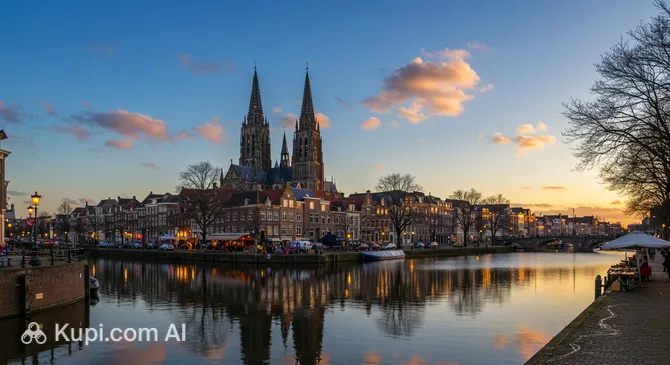
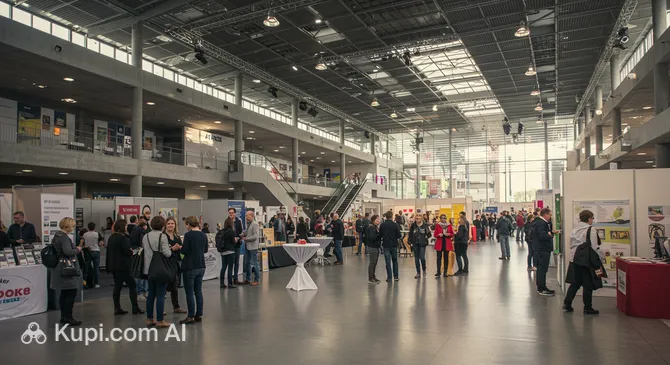
's-Hertogenbosch, often affectionately called Den Bosch, is a charming city with a rich history and a unique atmosphere of coziness and hospitality. As the capital of the province of North Brabant, it attracts visitors with its medieval architecture and vibrant cultural life.
The city is located in the southern part of the Netherlands and has about 157,486 inhabitants. 's-Hertogenbosch is famous for its well-preserved historical center, which literally breathes antiquity, offering visitors a unique immersion into the past.
Den Bosch. Illustration.
Source: Kupi.com AI
Among the main gems of 's-Hertogenbosch is the majestic St. John's Cathedral (Sint-Janskathedraal), a recognized masterpiece of Gothic architecture that amazes with its detail and scale. No less fascinating is a journey through the unique network of ancient Binnendieze canals, which flow directly under the city's streets and houses — a true adventure! In addition, the city is the birthplace of the famous painter Hieronymus Bosch, and his legacy is celebrated at the impressive Jheronimus Bosch Art Center.
's-Hertogenbosch is a place where history harmoniously blends with modernity, and art and culture come to life at every step. Visit this amazing city to immerse yourself in its unique atmosphere, enjoy the local cuisine, and discover the treasures of Dutch heritage.
The climate in 's-Hertogenbosch is a temperate maritime climate, which means mild winters and relatively cool summers. Expect moderately warm summers with frequent but generally not heavy rain, and cool, humid winters. In summer, for example in July and August, the average temperature is around 18-19°C, with maximums reaching 22-23°C. In winter, during January and December, the average temperature stays around 4-6°C. Precipitation falls fairly evenly throughout the year, averaging 2-3 mm per month, with the number of rainy days fluctuating from 11 to 16 per month, which is typical for the region. For more detailed information, you can check the weather in 's-Hertogenbosch page.
Average monthly temperature
Average monthly precipitation
Interesting Facts
In addition to its famous attractions and rich history, 's-Hertogenbosch holds many fascinating secrets and unexpected stories. Ready to get to know the city a little better? Here are some interesting facts that might surprise you:
During the annual carnival, 's-Hertogenbosch is officially renamed "Oeteldonk", which translates to "Frog Hill." The whole city transforms, and its residents traditionally dress in blue farmer's jackets (smocks) decorated with patches and red-white-yellow scarves—the colors of Oeteldonk.
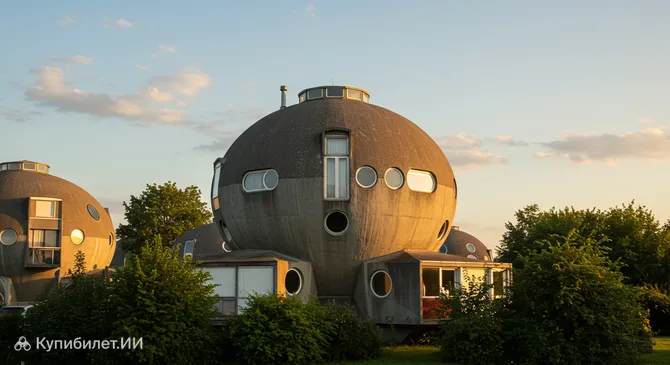
The city features a unique residential complex called Bolwoningen, consisting of 50 spherical houses that resemble giant golf balls or futuristic capsules. This bold architectural experiment was realized in the 1980s and remains one of the most unusual residential developments in the Netherlands.
Due to its strategic location among marshes and its powerful fortifications, 's-Hertogenbosch was considered an almost impenetrable fortress for centuries. Because of this, it earned the formidable nickname "Moerasdraak", which translates to "Marsh Dragon."
's-Hertogenbosch is the birthplace of the famous dessert known as the "Bossche Bol". It is a giant profiterole generously filled with fresh whipped cream and completely covered in a thick layer of dark chocolate. Be sure to try this treat in one of the local bakeries—it is the true taste of the city!
The unique network of ancient Binnendieze canals, flowing right under the streets and houses of the historical center, was threatened with total disappearance in the mid-20th century—they were planned to be filled in. However, thanks to the active stance of citizens and heritage protectors, these waterways were saved and today are one of the most popular and unusual attractions in 's-Hertogenbosch, offering unique boat tours.
How to Get There
Getting to 's-Hertogenbosch is quite easy, as the city is located at the intersection of important transport routes in the Netherlands. Thanks to the well-developed infrastructure, travelers can choose the most convenient route for themselves, whether by plane or train. You can find out more about how to get to 's-Hertogenbosch by exploring all available options and route details.
If you plan to arrive by plane, several convenient options are worth considering. The main gateway to the country is Schiphol (IATA: AMS). There is no airport in the city of 's-Hertogenbosch itself, but you can fly into this major international hub in Amsterdam, located about 77.7 km from 's-Hertogenbosch. A trip from there by taxi or bus takes about 2 hours and 15 minutes. The airport receives flights from all over the world and handles a massive flow of passengers.
Another excellent option is Eindhoven (IATA: EIN). This airport is located in the city of Eindhoven, just 28 km from 's-Hertogenbosch, making it the closest hub for air travelers. Travel time by road is approximately 1 hour. You can also use Rotterdam The Hague Airport (IATA: RTM), located in the city of Rotterdam (66.3 km away), with a journey time of about 2 hours.
For convenience, here is summary information on the main airports:
Railway connections in the region are also highly developed. While many trains arrive directly at the city's central station, it is also convenient to use major neighboring hubs. For example, Eindhoven Railway Station (IATA: ZYE). 's-Hertogenbosch does not have this station, but you can arrive at the station in Eindhoven, which is about 28.1 km away. From there, you can reach the city by taxi or bus in about 1 hour.
Another significant transport hub is Breda Station (IATA: QRZ). It is located in the city of Breda, about 38 km from 's-Hertogenbosch. Transfer from this station takes about 1 hour and 15 minutes. Both stations serve a large number of passengers and provide convenient connections.
Below is information about the nearest major railway stations:
's-Hertogenbosch, a city rich in history and culture, offers its guests many fascinating attractions. From majestic medieval structures to modern art spaces, there is something for everyone here. Let's get acquainted with some of the most iconic places that cannot be missed during your visit.
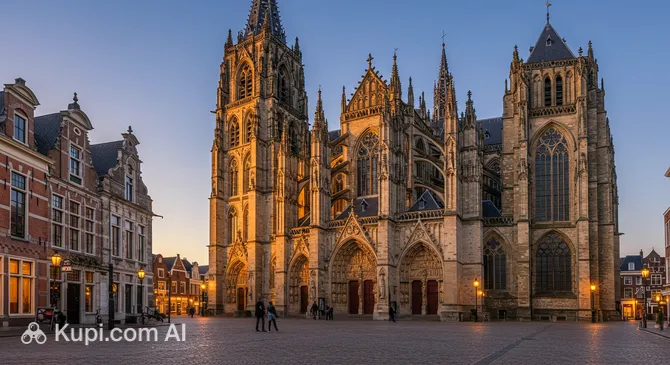
Undoubtedly, the city's main jewel is St. John's Cathedral (Sint-Janskathedraal). This magnificent example of Brabantine Gothic impresses with its scale, the elegance of its architectural forms, and the richness of its interior decoration. Construction of the cathedral continued for several centuries, and today it impresses both believers and art lovers with its unique atmosphere, detailed sculptures, stained glass windows, and the opportunity to climb the tower for a panoramic view of the city.
St. John's Cathedral. Illustration.
Source: Kupi.com AI
Traveler photos:
As 's-Hertogenbosch is the birthplace of the great Hieronymus Bosch, a visit to the Jheronimus Bosch Art Center is a must. Located in a former church, the center offers a unique opportunity to immerse yourself in the mysterious and fantastic world of the artist. It features high-quality, life-size reproductions of all his known works, as well as installations that provide a better understanding of Bosch's symbolism and genius. The center's tower offers another beautiful view of the city.
Jheronimus Bosch Art Center. Illustration.
Source: Kupi.com AI
Traveler photos:
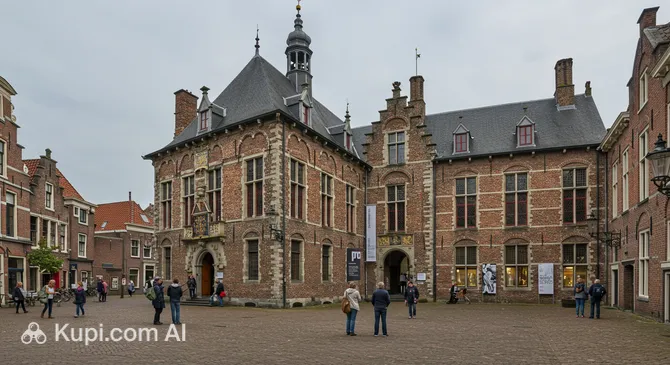
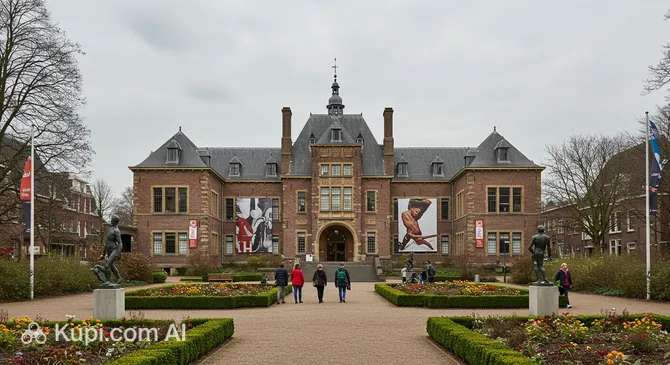
For a deeper look into the history and culture of the North Brabant region, head to The Noordbrabants Museum. Its extensive collection covers the art and history of the province from prehistoric times to the present day. Special attention is given to works by artists born or who worked in Brabant, including original pieces by Vincent van Gogh, who spent part of his life here. The museum often hosts interesting temporary exhibitions, making each visit unique in its own way.
Noordbrabants Museum. Illustration.
Source: Kupi.com AI
Traveler photos:
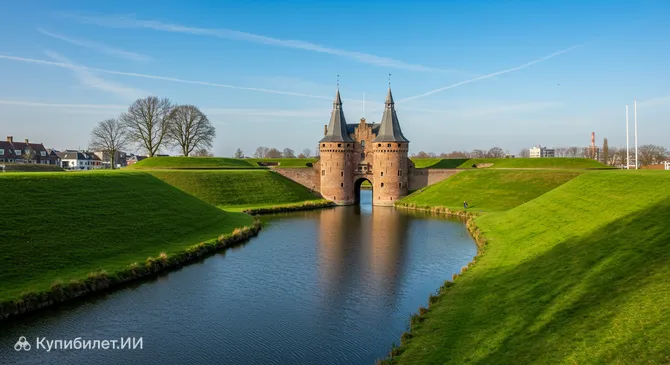
To touch the military past of 's-Hertogenbosch, visit Bastion Sint Jan. This is a well-preserved part of the old city fortifications, which played an important role in the city's defense for centuries. Today, it houses an information center where you can learn more about the history of the fortifications of 's-Hertogenbosch. A walk through the bastion and adjacent ramparts allows you to imagine how impenetrable the "Marsh Dragon" was in the past and to enjoy views of the surrounding waters.
Local Cuisine
The gastronomic scene in 's-Hertogenbosch is a true reflection of Brabantine hospitality and the famous "Burgundian" lifestyle, where pleasures, good food, and great company are highly valued. The city offers many opportunities to enjoy both traditional local dishes and modern culinary delights.
The main culinary symbol of the city is undoubtedly the Bossche Bol—a giant profiterole filled with fresh whipped cream and covered in a layer of dark chocolate. This treat is definitely worth trying at one of the local bakeries. Another popular local snack is Brabantine sausage rolls (Brabantse worstenbroodjes), which are hearty, aromatic, and perfect for a quick bite. You'll also frequently find hearty soups and meat dishes on local menus, prepared according to traditional recipes that reflect the Brabant people's love for substantial and tasty food.
As for drinks, in 's-Hertogenbosch, as in the rest of the Netherlands, people love good beer. You'll find well-known Dutch brands as well as products from local breweries offering a variety of craft beers. Fans of stronger drinks should try traditional jenever—Dutch juniper gin, which is the ancestor of English gin. Popular non-alcoholic drinks include hot chocolate (Chocomel), especially in cold weather, freshly brewed mint tea, and, of course, coffee, which the Dutch drink in large quantities at any time of day.
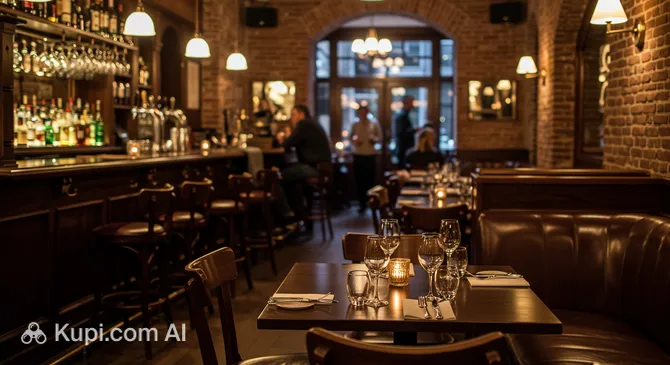
Locals and tourists enjoy food in numerous cafes, cozy "eetcafés" (cafes where you can have a hearty meal), and restaurants, many of which set up tables outside in the summer, creating a lively and welcoming atmosphere. The city also has fine-dining establishments where you can taste exquisite dishes. For example, one place to get acquainted with local and European cuisine is Picasso Restaurant. City markets also offer fresh local products and delicacies, allowing you to get closer to the region's gastronomic traditions and buy something delicious as a souvenir.
Picasso Restaurant. Illustration.
Source: Kupi.com AI
Traveler photos:
Travel Tips
Planning a trip to charming 's-Hertogenbosch? Wonderful! To ensure your journey goes smoothly and leaves only pleasant impressions, we've prepared some practical tips to help you navigate this welcoming Dutch city.
Clothing and Essentials:
The climate in the Netherlands is temperate, so even in summer, evenings can be cool, and rain is a common occurrence. Bring layered clothing: t-shirts, sweaters, and a light jacket. Be sure to pack a raincoat or umbrella. Comfortable shoes for walking on the cobblestones of the historical center are your best friend. Don't forget a universal adapter for electrical appliances (Type F sockets are used in the Netherlands). When visiting St. John's Cathedral and other religious sites, modest clothing covering shoulders and knees is recommended.
City Transport:
The center of 's-Hertogenbosch is quite compact and pleasant to explore on foot. Cycling is another popular and very Dutch way to get around; rental points are easy to find. Public transport consists mainly of buses. For payment, it's most convenient to use an OV-chipkaart, which works nationwide. Taxis are available but can be expensive; ride-hailing apps can also be used. Renting a car isn't necessary for getting around the city but might be useful if you plan trips around the North Brabant province.
Finances: Currency, Cards, Tipping:
The official currency in the Netherlands is the Euro (EUR). You can exchange money at banks or exchange offices. ATMs (geldautomaat) are widespread. Credit and debit cards (Visa, Mastercard, Maestro) are accepted almost everywhere. International cards usually work without issues, but it's wise to notify your bank about your trip beforehand. An approximate daily budget (excluding accommodation) can range from €70 to €150. Tipping in restaurants is not mandatory but appreciated (usually 5-10% of the bill or rounding up the amount for good service).
Health and Safety:
's-Hertogenbosch is a very safe city. Nonetheless, standard precautions against pickpockets in crowded places are recommended. Pharmacies (Apotheek) are easy to find; information about 24-hour on-call pharmacies can be obtained at your hotel or online. EU citizens are advised to carry a European Health Insurance Card (EHIC). Tourists from other countries should definitely have travel medical insurance. In emergencies, call 112.
Communication and Internet:
The official language is Dutch. However, most residents, especially those in the tourism sector and the younger generation, speak English excellently. Learning a few basic phrases in Dutch ("Hallo"—hello, "Dank u wel"—thank you, "Tot ziens"—goodbye) is a nice gesture. SIM cards from local operators can be bought in specialized stores or supermarkets. Free Wi-Fi is available in many cafes, restaurants, hotels, and public spaces. Useful apps include 9292 (public transport planner) and Buienradar (rain forecast).
Local Etiquette and Communication:
The Dutch value punctuality and directness. When meeting, it is common to shake hands and make eye contact. Try to keep noise levels down in public places. If you rent a bike, strictly follow the traffic rules for cyclists—this is very important in the Netherlands. When addressing someone, using the polite forms "Meneer" (Mr.) or "Mevrouw" (Mrs.) followed by the surname is appropriate if you're unsure of the best way to address them.
What to Avoid:
One of the main rules: never walk on the bike lanes! They are intended exclusively for cyclists, and pedestrians on them can create dangerous situations. Also, try not to compare the Dutch with Germans or other European nations—they are very proud of their unique culture and identity.
Local Delicacy – A Must-Try:
Don't leave 's-Hertogenbosch without trying the famous Bossche Bol! This is a giant profiterole generously filled with whipped cream and completely covered in dark chocolate. It's a true temptation for those with a sweet tooth and a signature mark of the city. Look for it in local bakeries (Jan de Groot, for example, is considered one of the best places).
We hope these tips make your stay in 's-Hertogenbosch even more comfortable and memorable. We wish you a wonderful trip and bright discoveries in this amazing corner of the Netherlands!
Entertainment & Nightlife
When the sun sets over charming 's-Hertogenbosch, the city doesn't go to sleep; instead, it transforms, offering its guests and residents a variety of options for evening and night leisure. While Den Bosch may not boast the scale of Amsterdam's or Rotterdam's nightlife, it has its own cozy and lively atmosphere, especially on weekends.
The main centers of attraction for nightlife lovers are a few specific areas. Korte Putstraat, known as "the tastiest street in the Netherlands," turns into a bustling spot in the evening, where numerous restaurants with terraces offer not just dinner, but a chance to enjoy a drink in pleasant company. A bit further away, in the historical Uilenburg district, you'll find plenty of traditional pubs (bruine kroegen), stylish bars, and small clubs. The atmosphere here is usually relaxed and friendly, attracting both young people and an older crowd. Most bars stay open until 01:00-02:00 on weekdays and until 03:00-04:00 on Fridays and Saturdays. The dress code in most venues is casual, though some clubs may not allow sportswear.
Specific venues for a great evening out include:
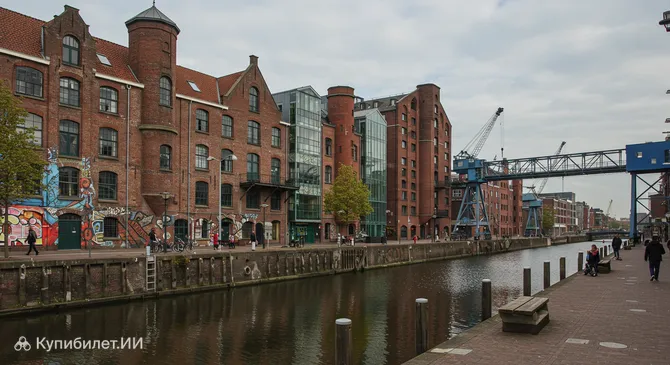
Tramkade – this is not just a nightclub, but an entire cultural hub located in a former industrial zone. It frequently hosts concerts, themed parties, and electronic music festivals. The atmosphere here is creative and underground.
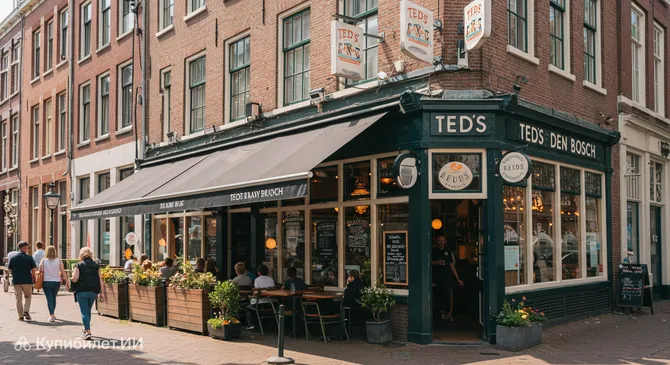
If you're looking for a more traditional bar with a good selection of drinks, check out Teds Den Bosch. It’s a popular spot for meeting friends in a relaxed setting.
Fans of karaoke and energetic dancing should look into Shirak Restaurant and Karaoke Bar, where you can enjoy a good meal and then showcase your vocal talents.
Practical nightlife tips: the best time to visit clubs and busy bars is after 23:00, especially on Fridays and Saturdays. Average drink prices vary: beer costs around €3-5, while cocktails start from €8. Public transport runs less frequently at night, so the primary ways to get around are by taxi or bicycle. 's-Hertogenbosch is generally a safe city for night walks, particularly in central and busy areas. However, basic precautions should always be taken. Taxis can be called by phone, through an app, or found at designated ranks.
During the day, 's-Hertogenbosch also offers plenty of entertainment. You can visit numerous museums, such as The Noordbrabants Museum or the Jheronimus Bosch Art Center, stroll through picturesque parks, or go shopping. The city has theaters and concert halls with regular performances and events, ensuring there is a cultural program for every taste during the daylight hours as well.
Parks & Museums
's-Hertogenbosch is not only a city of rich history and magnificent architecture but also a place where you can enjoy nature and immerse yourself in the world of art. The city offers wonderful opportunities for relaxation in green zones and exploring cultural heritage through its diverse museums and galleries, complementing the impressions of its famous historical monuments.
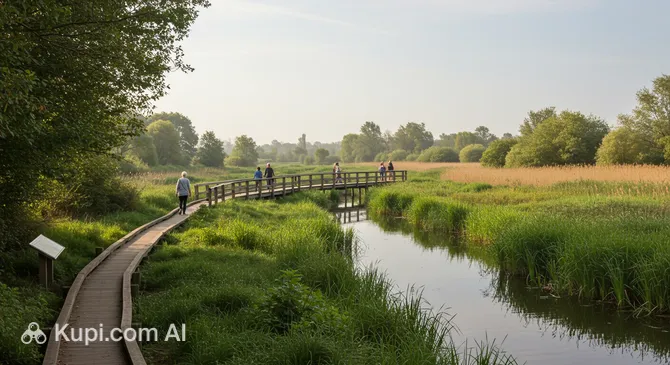
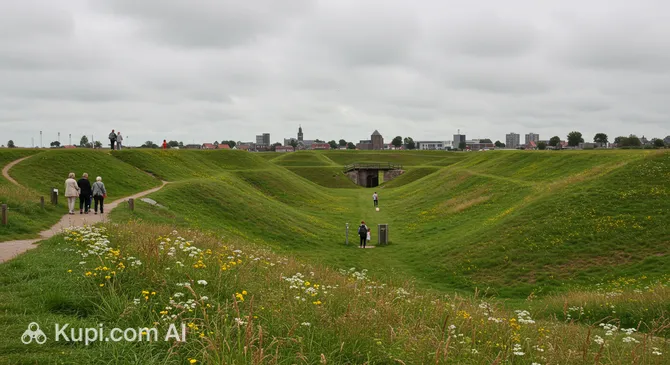
For nature lovers and those who enjoy quiet walks, 's-Hertogenbosch offers several wonderful green areas. One of the most significant is the Bossche Broek nature reserve, stretching to the south of the city walls. This is a vast area of meadows and waters, ideal for walking and cycling, bird watching, and simply taking a break from the city bustle. Historically, this area also played an important role in the city's defense. Another interesting spot is Pettelaarse Schans, an old 17th-century star-shaped fortification now converted into a public park. Here you can walk along the historical ramparts and enjoy the peaceful atmosphere and views. In addition, picturesque paths run along the former city fortifications and the Dommel River, offering pleasant walking routes.
Bossche Broek. Illustration.
Source: Kupi.com AI
Traveler photos:
Pettelaarse Schans. Illustration.
Source: Kupi.com AI
Traveler photos:
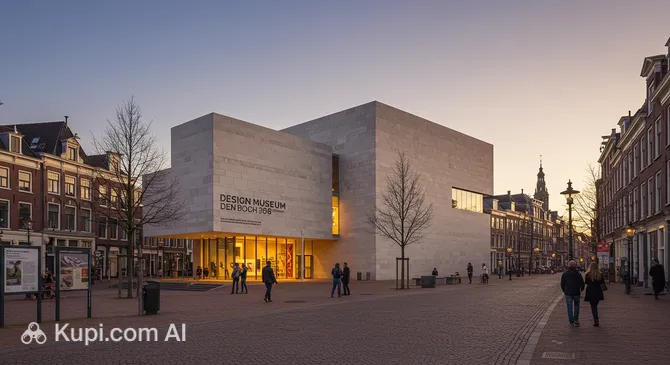
The cultural life of 's-Hertogenbosch is equally rich, and the city boasts several outstanding museums. The Noordbrabants Museum is the primary art and history museum of the North Brabant province. Its extensive collection covers the art and history of the region from prehistoric times to the present day, including original works by Vincent van Gogh, who spent part of his life here. Right next to it is the Design Museum Den Bosch. This museum specializes in modern and historical design, with a particular focus on ceramics and jewelry, offering visitors a look at innovative and aesthetically pleasing objects. And, of course, one cannot overlook the Jheronimus Bosch Art Center, dedicated to the life and work of the city's most famous son. Located in a former church, the center offers a unique opportunity to dive into the master's fantastic and symbolic world through high-quality reproductions of his works and thematic installations.
Design Museum Den Bosch. Illustration.
Source: Kupi.com AI
Traveler photos:
Many of the city's historical sites, such as the impressive Bastion Sint Jan and other parts of the old city fortifications, are also surrounded by greenery and offer pleasant places for walks, successfully combining historical discovery with outdoor relaxation. For authentic experiences and to feel the city's atmosphere more deeply, turn off the main tourist routes. Stroll along the lesser-known sections of the picturesque Binnendieze canals or try to find the cozy courtyards (hofjes) hidden in the labyrinth of the old town—this will allow you to discover 's-Hertogenbosch from an unexpected side.
Getting Around
Getting around 's-Hertogenbosch is quite simple thanks to a well-organized public transport system and the city's compact size. The main form of public transport within the city limits is the bus, serving both the center and suburban areas. In the Netherlands, there are no metro or tram systems in cities of this size.
The payment system in the Netherlands, and in 's-Hertogenbosch specifically, is primarily based on the OV-chipkaart—a single rechargeable transport card valid for all types of public transport nationwide. You can purchase an anonymous OV-chipkaart at railway stations, some supermarkets, or tobacco shops. The OVpay system is also gaining popularity, allowing you to pay for travel directly with a bank card (debit or credit with contactless function) or a smartphone with NFC. Single tickets can be bought from the bus driver, but they are generally more expensive and payment is usually only possible by card. The approximate cost of a single bus trip in the city is a few euros, but with an OV-chipkaart or OVpay, the cost is calculated based on distance and usually works out cheaper for frequent travel.
For tourists, here are some practical tips. Tickets or the OV-chipkaart must be validated upon entering the bus (touch it to a special reader) and, crucially, upon exiting. If you forget to "check-out," a higher amount may be deducted from the card. Bus schedules and a route planner can be found on the 9292.nl website or the mobile app of the same name—it's an indispensable tool for traveling in the Netherlands. Buses generally run from early morning (around 6:00) until late evening (around midnight), with less frequent intervals on weekends and in the evening.
In addition to buses, the bicycle is extremely popular in 's-Hertogenbosch. It's the ideal way to explore the city and its surroundings, thanks to a well-developed network of bike lanes. Bicycle rental points are easy to find. The historical city center is very compact and perfect for walking. Taxi services are also available and can be found at special stands or called by phone/app, but this is a more expensive option. Car-sharing and ride-hailing services may be available, but it's best to check their popularity and availability on the spot.
A unique feature of 's-Hertogenbosch, which can be partly considered a transport experience, is the boat tours on the ancient Binnendieze canals, which flow beneath houses and streets. While not public transport in the traditional sense, it's a popular tourist attraction that offers an unusual way to see the city from the water.
Accommodation
In 's-Hertogenbosch, you will find a wide range of accommodation options to suit the needs and budget of any traveler. The city offers everything from cozy guesthouses and budget hostels to comfortable mid-range hotels, stylish boutique hotels, and apartments for those who prefer more independence.
The most popular area for tourists to stay is undoubtedly the historic city center. By choosing a hotel or apartment here, you will be within walking distance of main attractions like St. John's Cathedral and the Jheronimus Bosch Art Center, as well as numerous cafes, restaurants, and shops. The areas adjacent to the central railway station are also convenient due to excellent transport accessibility and proximity to the center. The city features both well-known hotel chains and small family-run hotels, each offering its own level of comfort and unique atmosphere.
The price range for housing in 's-Hertogenbosch varies: you can find budget options as well as higher-category hotels. For searching and booking accommodation, it is convenient to use popular online platforms where you can compare prices, read reviews, and choose the most suitable option. Direct booking through hotel websites is also possible.
To guarantee the best choice and prices, especially if your trip coincides with the peak tourist season, holidays, or major events like the famous carnival, it is recommended to book your accommodation in advance. This will help avoid unnecessary hassle and ensure a comfortable stay in this charming corner of the Netherlands.
Nearby Cities
For those who want to explore the surrounding area, 's-Hertogenbosch serves as an excellent starting point for day trips to several interesting nearby locations:
Nearby is Tilburg, known for its past in the textile industry and now a vibrant city with interesting museums like the TextielMuseum and the De Pont Museum of Contemporary Art. Tilburg is also famous for hosting one of the largest fairs in the Benelux countries, attracting many visitors.
Very close by is Heusden—a beautifully restored fortress town with charming streets, historic ramparts, and a picturesque harbor. A trip to Heusden allows you to immerse yourself in the atmosphere of old Holland and enjoy views of the Meuse (Maas) River.
City
Population
Distance
Rosmalen
31 219
4 km
Vught
31 669
5 km
Sint-Michielsgestel
29 498
7 km
Boxtel
32 973
11 km
Haaren
14 195
12 km
These nearby destinations provide an insight into the diverse culture and landscapes of the region.
Shopping & Souvenirs
Shopping in 's-Hertogenbosch is a pleasant mix of strolling through charming historical streets and finding both well-known brands and unique local goods. While the city isn't globally famous for one specific type of product, its shops reflect local character, offering interesting finds in art, design, and, of course, culinary treats. The compact city center makes the shopping process particularly convenient and engaging.
The heart of shopping in 's-Hertogenbosch is its historical center. Key shopping arteries include Hinthamerstraat, Vughterstraat, and the busy Markt square. Here you'll find a wide variety of shops: from fashion boutiques and shoe salons to bookstores and specialty food shops. Small side streets often hide charming independent shops, designer studios, and art galleries where you can find something truly special.
For those who prefer shopping under one roof, there are several shopping centers in 's-Hertogenbosch. One notable example is the Helftheuvel Passage Shopping Center (Winkelcentrum Helftheuvel Passage), located slightly outside the immediate city center. It offers a large selection of shops, supermarkets, and various services. Another option within the city is Arena, which also houses various retail outlets.
A visit to 's-Hertogenbosch wouldn't be complete without visiting the local market. The main market traditionally takes place in the central Markt square on Wednesdays and Saturdays. Here you can find fresh farm products, fragrant flowers, clothing, fabrics, and much more. It's a wonderful place to soak up the local atmosphere, watch the city life, and perhaps pick up some interesting souvenirs or local delicacies.
As souvenirs from 's-Hertogenbosch, consider items related to its most famous native—the artist Hieronymus Bosch. Reproductions of his paintings, books, postcards, and other themed items can be found in many souvenir shops and at museums. Don't forget the city's gastronomic symbol—the Bossche Bol. While this treat is best enjoyed fresh, some bakeries may offer transport-ready packaging or other local sweets. Also, look out for works by local craftsmen and designers, often found in small boutiques in the city center.
Most shops in 's-Hertogenbosch are typically open from 9:00/10:00 to 18:00 Monday through Saturday. On Thursdays, many shops extend their hours until 21:00 (this is known as "koopavond"—shopping evening). On Sundays, a significant portion of shops in the city center are also open, though hours may be reduced (for example, from 12:00 to 17:00). Major supermarkets may have longer opening hours. Regarding payment methods, cashless payments are widespread in the Netherlands. Credit and debit cards (especially Maestro, V PAY, Visa, Mastercard) are accepted almost everywhere. Cash (Euros) is also used, but in some small establishments or at the market, card payment may be preferred.
Tourists who are not residents of the European Union may be entitled to a VAT refund for goods purchased in the Netherlands. To do this, you must make a purchase of a certain minimum amount in a single store that participates in the Tax Free system and obtain a special form from the seller. This form, along with the goods and receipts, must be presented at customs when leaving the EU to get a stamp, after which you can process the refund. It is recommended to check details and conditions directly in stores while shopping.