Support

Tilburg

About

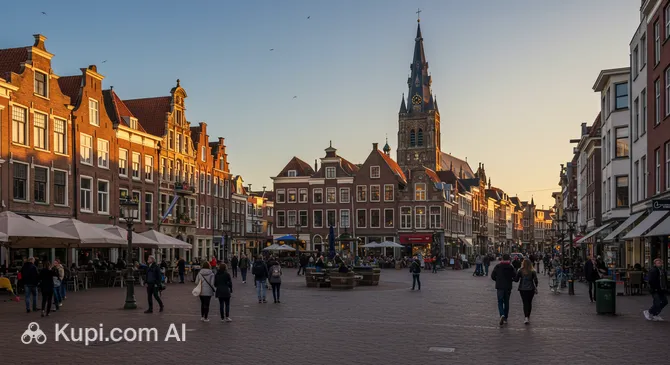
Tilburg is a dynamic and welcoming city located in the southern province of North Brabant in the Netherlands. It is famous for its unique atmosphere, where historical heritage harmoniously blends with modern innovation and a vibrant cultural life, transforming this former center of the textile industry into a modern educational and cultural hub.

Today, Tilburg is one of the country's major cities with a population of approximately 222,000 people, offering its residents and guests a developed infrastructure and many opportunities for recreation and entertainment. The city is characterized by a moderate maritime climate, with mild winters and comfortably warm summers, making it pleasant to visit at any time of year.
Tilburg. Illustration.
Source: Kupi.com AI

One of Tilburg's hallmarks is its rich textile past, celebrated at the famous TextielMuseum (Textile Museum), where you can not only learn about the industry's history but also see modern designers at work. The city also prides itself on the De Pont Museum of Contemporary Art, located in a former wool spinning mill, and the innovative Spoorzone district – a former railway zone masterfully transformed into a creative space with restaurants, studios, and event venues. Additionally, Tilburg is known for its annual fair (Tilburgse Kermis), one of the largest in the Benelux countries.

Tilburg is a city that knows how to surprise and charm. It offers the perfect combination of history, culture, education, and modern entertainment, making it a wonderful destination for those seeking new impressions and an authentic Dutch experience. Come and discover all the facets of this remarkable city!

You can find more interesting facts on the Tilburg city history page.
Weather Overview

The weather in Tilburg is characterized by a moderate maritime climate, making it attractive for visiting in different seasons. Summers here are comfortably warm: the average temperature in the hottest months, July and August, stays around 18.5-18.9°C, with maximum values potentially reaching 22-23°C. Winters in Tilburg are cool, but without severe frosts. January is the coldest month with an average temperature of about 4.6°C and minimum temperatures dropping to 2.4°C.

Regarding precipitation, it is distributed fairly evenly throughout the year in Tilburg, averaging 2-3 mm per month. The number of rainy days varies: the fewest occur in April and June (about 11 days), and the most in December (up to 16 days). Overall, travelers should expect a warm summer with periodic rain and cool, fairly damp winters. To plan your trip in the best possible way, we recommend checking the detailed information about the Tilburg climate.

Average monthly temperature

Average monthly precipitation

Interesting Facts

Beyond its well-known attractions and textile past, Tilburg holds many surprising stories and facts that make it even more intriguing for travelers. Here are just a few of them:

La Trappe Tasting Room. Illustration.
Source: Kupi.com AI

Traveler photos:

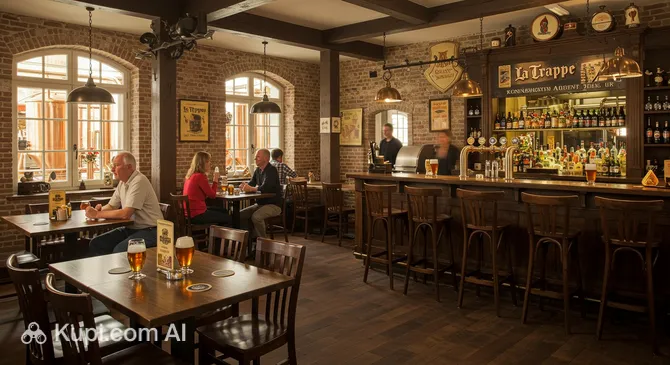
  • In the vicinity of Tilburg, at Koningshoeven Abbey, monks brew one of the few official Trappist beers in the world – La Trappe. Visitors can learn about the brewing process and enjoy the drink in the La Trappe tasting room.

  • Tilburg was a favorite residence of King Willem II of the Netherlands. He not only visited frequently and built a palace (now part of the city hall) but also passed away in Tilburg in 1849. The local football club and its home arena, the King Willem II Stadium, are named in his honor.

  • The popular Dutch herbal liqueur Schrobbelèr was created in Tilburg. Its recipe was invented in the 1970s by local entrepreneur Jan Witte, and since then, the drink has become a symbol of Brabant hospitality and carnival culture.

  • In one of Tilburg's neighborhoods, Reeshof, you can walk through streets named after characters and places from the works of J.R.R. Tolkien. There is Gandalfstraat (Gandalf Street), Frodostraat (Frodo Street), and even Mordorstraat (Mordor Street), making this area unique for fantasy fans.

How to Get There

Tilburg is located in the heart of the North Brabant province and boasts excellent transport accessibility. Thanks to high-quality motorways and a convenient location relative to major transport arteries, it is easy to get here from other cities in the country as well as from neighboring Belgium. You can find out more details on how to get to Tilburg by studying the key routes and transport options.

There is no airport within the city limits; however, the nearest air hub, Eindhoven Airport (IATA: EIN), is just 23 km away. This is a very convenient option for travelers: a taxi or rental car trip will take only 25–30 minutes. For international flights, Brussels Airport (IATA: BRU) in Belgium is often chosen. Despite the distance of about 85 km, a car transfer will take approximately 1 hour 10 minutes thanks to high-speed highways.

Another good alternative is Rotterdam The Hague Airport (IATA: RTM), located 63 km from Tilburg. The journey from there by car usually takes about 50–55 minutes. Travelers should also consider airports in border zones, which may offer budget flights from low-cost carriers.

Below is a summary of the nearest airports for route planning:

AirportPassenger trafficDistance
Eindhoven Airport6.8 mln23 km
Antwerp International Airport239 51760 km
Rotterdam The Hague Airport2.1 mln63 km
Weeze Airport2.0 mln73 km
Brussels Airport23.6 mln85 km

Rail connections in the region are developed to a high standard, making it easy to combine a flight with a train journey. Many tourists arrive at major hub stations nearby. For example, Breda Station is 22 km from Tilburg; a taxi ride from there will take about 25 minutes. Another important transport hub is Eindhoven Railway Station (24 km), from where you can reach the center of Tilburg by car in about 30 minutes.

A list of the nearest major railway stations is presented in the table:

StationPassenger trafficDistance
Breda Station13.2 mln22 km
Eindhoven Railway Station23.9 mln24 km
Rotterdam Centraal Station40.9 mln59 km
Antwerp Central Station13.5 mln60 km
Berchem Railway Station4.5 mln61 km

Main Attractions

Tilburg offers its guests many interesting places to get acquainted with the city's culture, history, and modern life. From cozy cafes to vibrant concert venues, everyone will find something to their liking here. Here are some of the key attractions worth including in your itinerary.

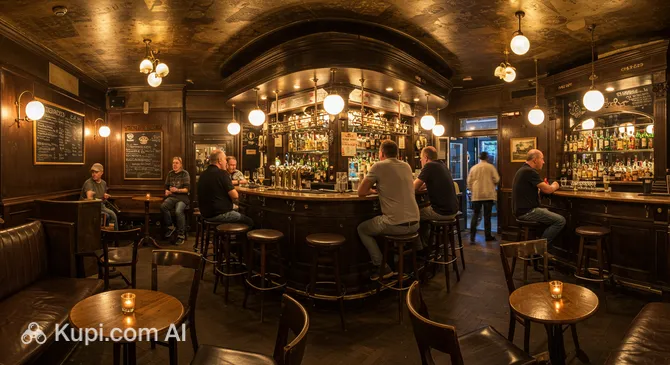
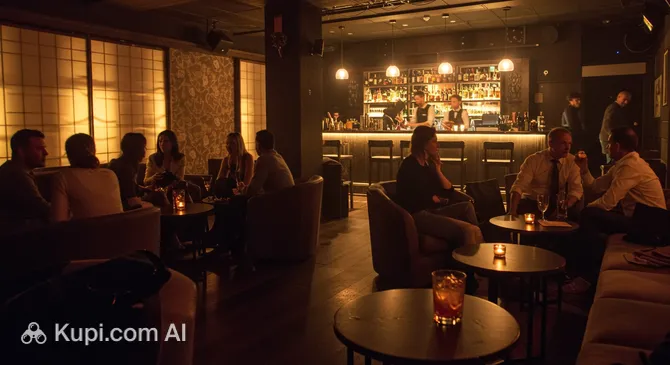
One of the interesting places to visit is the Berlin Café. This bar attracts visitors with its special atmosphere, reminiscent of the creative and free spirit of the German capital. It's a great place to spend time over a drink with friends or simply enjoy the informal setting. Berlin Café is a popular spot for both locals and tourists seeking an authentic urban experience.

Berlin Cafe. Illustration.
Source: Kupi.com AI

Traveler photos:

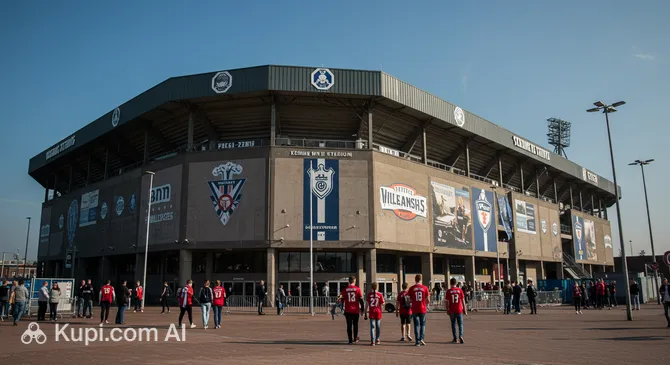
For fans of sports and history, the King Willem II Stadium is an interesting site. This is the home arena of the football club "Willem II," named after the Dutch monarch who had a special affection for Tilburg and even had a residence here. Attending a match or taking a tour of the stadium allows you to feel the city's sporting spirit and learn more about its connection to the royal family.

Koning Willem II Stadium. Illustration.
Source: Kupi.com AI

Traveler photos:

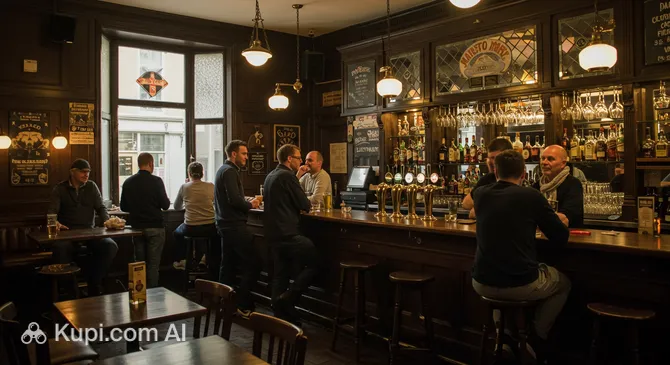
If you are looking for a place to combine cultural relaxation with a pleasant pastime, pay attention to Gianotten Mutsaers. This is not just a bar, but a well-known bookstore and brasserie located in a spacious and stylish space. Here you can browse the bookshelves for hours, find interesting publications, and then relax over a cup of coffee or a glass of wine. It is a popular meeting place and a cultural hub in Tilburg.

Gianotten Mutsaers. Illustration.
Source: Kupi.com AI

Traveler photos:

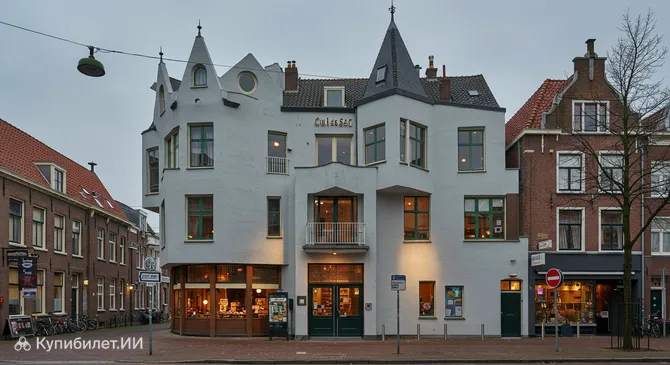
Music and nightlife enthusiasts should check out Cul de Sac. This is one of the oldest and most famous concert venues and nightclubs in the city. It regularly hosts performances by both emerging and established musical groups of various genres, as well as DJ sets. Cul de Sac is a great place to feel the energy of Tilburg after sunset and enjoy live music in an informal setting.

Cul de Sac

Local Cuisine

Tilburg, like the entire North Brabant region, is famous for its hospitality, which is fully reflected in the local cuisine. The city's gastronomic scene is a fascinating blend of traditional Brabant dishes—hearty and simple—with modern culinary trends and international influences. Everyone will find something to their taste here, from cozy cafes to stylish restaurants.

Be sure to try "worstenbroodje" – the famous Brabant sausage roll, perfect for a snack. It is a true symbol of local cuisine, loved by both locals and tourists. Although Tilburg doesn't have one "signature" dish like some other cities in the Netherlands, quality local products and hearty, warming meals are highly valued here, especially during the colder months. Don't miss the chance to try traditional Dutch snacks like "bitterballen" (deep-fried meatballs) or fries with various sauces ("friet met").

Speaking of drinks, one cannot fail to mention the famous Trappist beer La Trappe, brewed by monks at Koningshoeven Abbey near Tilburg. A visit to the La Trappe Tasting Room is a real event for beer connoisseurs. Another iconic local drink is the herbal liqueur Schrobbelèr, often associated with carnivals and the festive spirit of Brabant. Among non-alcoholic drinks, coffee, tea, and, of course, the Dutch hot chocolate "Chocomel" are popular.

The food culture in Tilburg is very diverse. Locals often choose so-called "eetcafés" (eating cafes) for lunch or dinner, where an informal and cozy atmosphere ("gezelligheid") prevails. The city has many restaurants offering both classic Dutch and international cuisine—from Italian to Asian, such as Shinzo Sushi Lounge & Grill or Masal Restaurant. Thanks to the large student population, you can find more budget-friendly options in Tilburg, as well as lively bars like the Berlin Café, where you can have a snack and a drink. In summer, cafe and restaurant terraces are popular, and fresh products and local delicacies can be found at the markets.

Shinzo Sushi Lounge & Grill. Illustration.
Source: Kupi.com AI

Traveler photos:

Travel Tips

Planning a trip to charming Tilburg? Wonderful! To ensure your journey through this vibrant city in the Netherlands goes as smoothly and pleasantly as possible, we have prepared some practical tips. They will help you find your way around better and enjoy every moment in Tilburg.

  1. Clothing and Useful Items:

    Tilburg is in a moderate maritime climate zone, so the weather can be changeable. Layering is your best friend! In summer, bring light clothes but don't forget a raincoat or umbrella. In winter, you'll need a warm jacket, hat, gloves, and a scarf. Be sure to bring comfortable shoes for walking around the city. Don't forget a power adapter (Type F, standard for the Netherlands). If you plan to visit churches, modest clothing (covered shoulders and knees) is appropriate, though there are usually no strict requirements.

  2. Getting Around the City:

    The best way to explore Tilburg is by bicycle, just like in many cities in the Netherlands! Rental points are everywhere. Public transport is mainly represented by buses, which run regularly and cover the whole city. For route planning, it's convenient to use the 9292 app. Taxis are available, and apps like Uber also work. Renting a car makes sense if you plan trips around the North Brabant province, but for the city itself, it is not necessary.

  3. Financial Matters:

    The official currency in the Netherlands is the Euro (EUR). Bank cards (Visa, Mastercard) are accepted almost everywhere, especially Maestro and V PAY debit cards. Large cash bills may be accepted reluctantly. ATMs (geldautomaat) are easy to find. You can exchange currency at banks or exchange offices, but the rate at airports is usually less favorable. Tipping in restaurants and cafes is not mandatory, as service is often included in the bill, but for excellent service, you can leave 5-10% of the amount or round up the bill.

  4. Health and Safety:

    Tilburg is generally a safe city. Observe standard precautions: keep an eye on your belongings in crowded places. Pharmacies (Apotheek) are in every district; information about duty pharmacies can be found online or at your hotel. Tap water in the Netherlands is of high quality and safe to drink. Be sure to get travel medical insurance before your trip. The emergency services number is 112.

  5. Language and Communication:

    The official language is Dutch. However, most Dutch people, especially youth and service workers, speak English excellently, so communication should not be an issue. Learning a few simple phrases in Dutch, such as "Hallo" (Hello), "Dank u wel" (Thank you), or "Tot ziens" (Goodbye), will always be appreciated by the locals. A SIM card with internet access can be bought at supermarkets or mobile shops. Free Wi-Fi is widely available in cafes, hotels, and public areas.

  6. Local Etiquette and Interaction:

    The Dutch value punctuality, directness, and politeness. It is customary to shake hands when meeting. Try not to make noise in public places. Be especially careful of cyclists – they often have priority, and bike lanes are for them only. The Dutch are usually open and friendly but value personal space.

  7. What to Avoid:

    First, never walk or stand on bike lanes – it's dangerous and very annoying to the locals. Second, avoid loud conversations and noisy behavior on public transport and in quiet public areas. Also, remember that photographing people without their permission is considered impolite.

  8. A Little Bonus from the Locals:

    Immerse yourself in the atmosphere of Dutch "gezelligheid" (pronounced roughly as "heh-zel-ig-hide") – a unique concept meaning coziness, friendliness, and a pleasant pastime. It is best experienced in one of Tilburg's many cozy cafes (eetcafés) over a cup of coffee or a glass of local beer. And if your trip falls at the end of July, don't miss the Tilburgse Kermis – one of the largest fairs in the Benelux countries; it's an unforgettable sight!

We hope these tips help you feel at home in Tilburg and get the most out of your trip. This city is full of discoveries, and we are sure it will leave you with the warmest memories. Have a great journey!

Entertainment & Nightlife

Tilburg, being a lively university city, offers guests a vibrant and diverse nightlife. As the sun sets, the city transforms, and its numerous bars, clubs, and cafes fill with energy. Everyone will find entertainment to their taste here, from cozy gatherings to energetic dancing until dawn.

The heart of Tilburg's nightly entertainment is considered to be the streets and squares in the city center, such as Korte Heuvel, Piusplein, and Paleisring. These areas are literally dotted with establishments for every taste. Korte Heuvel is perhaps the city's most famous "bar street," where you can hop from one place to another, enjoying different atmospheres and music. Piusplein and Paleisring also offer many bars, restaurants with terraces, and several clubs.

The atmosphere in Tilburg's venues varies from relaxed and cozy in traditional "brown cafes" (bruine kroegen), where you can quietly enjoy a beer, to energetic and trendy in modern clubs with DJs. The crowd is mostly young and international, thanks to the large number of students. Most bars are open until 1-2 AM on weekdays and until 3-4 AM on weekends. Clubs usually start to come alive after midnight and stay open until the early morning. The dress code in most places is quite casual; smart casual will be appropriate almost everywhere, although some clubs may have stricter door policies.

Among the popular nightlife spots in Tilburg, several iconic places are worth noting. The legendary concert venue and nightclub Cul de Sac has been attracting fans of live music – from alternative to indie – for many years and is famous for its informal setting. For those who prefer stylish bars with good cocktails, the Berlin Café is an excellent choice, a popular meeting place with a modern interior. And if you are looking for a place where you can not only dine but also dance, check out Shinzo Sushi Lounge & Grill, which offers not only Asian cuisine but also a nightclub atmosphere with trendy music.

When planning your evening leisure, keep in mind that peak activity occurs on Friday and Saturday. Average drink prices are comparable to other Dutch cities: a beer will cost around 3-5 euros, and cocktails 8-12 euros. Some clubs may charge an entrance fee. You can get around the city at night by taxi (including Uber) or on foot if you are staying in the center. Night bus schedules are limited, so it's best to check them in advance.

Regarding safety, the central districts of Tilburg, where the nightlife is concentrated, are generally safe for walking. However, as in any city, you should take basic precautions: keep an eye on your belongings and avoid poorly lit and deserted streets. You can call a taxi through an app or find one at designated stands.

During the day, Tilburg also won't let you get bored. Besides the already well-known unique museums like the TextielMuseum and De Pont, the city offers theaters and concert venues. For example, 013 Poppodium is one of the largest and most famous concert venues in the Netherlands, where world stars regularly perform. For family vacations and nature lovers, the famous Efteling theme park and Beekse Bergen safari park are located near Tilburg, promising a wealth of impressions.

Parks & Museums

Tilburg is a city that masterfully combines industrial heritage with contemporary art and a commitment to green spaces. Beyond the lively urban life, it offers many opportunities for peaceful relaxation in nature and cultural enrichment in its parks and museums.

For those seeking a corner of nature within the city limits, Tilburg offers several beautiful parks. One of the oldest and most beloved by citizens is Stadspark Oude Dijk (Old Dike City Park), an ideal place for leisurely walks and picnics. The larger Leijpark features wide lawns, picturesque ponds, and various sports fields, making it a popular spot for active family recreation. And for lovers of a more secluded connection with nature, Wandelbos is perfect—an extensive forest park area with winding trails where you can enjoy peace and fresh air. These green oases not only beautify the city but also serve as important recreational zones for residents and guests of Tilburg.

The cultural life of Tilburg is rich and diverse, and its museums reflect both the historical past and modern creative pursuits. The city's hallmark is undoubtedly the TextielMuseum (Textile Museum). It is not just a museum, but a unique working laboratory where you can learn all about the region's textile history, see old looms in operation, and get acquainted with the creations of modern designers. It will be of interest to everyone fond of industrial history, fashion, and design.

Connoisseurs of contemporary art should definitely visit the De Pont Museum. Located in an impressive former wool spinning mill building, it attracts visitors both with its industrial architecture and its outstanding collection of works by leading contemporary artists from around the world. This space inspires and invites reflection on new forms and facets of art. Another interesting place for a family visit is the Natuurmuseum Brabant (Brabant Nature Museum), which tells the story of the region's flora and fauna in an engaging interactive format, something young explorers will especially enjoy.

While strolling through Tilburg, notice how carefully the city preserves its industrial heritage, masterfully integrating it into modern life. A vivid example is the Spoorzone district, a former railway industrial zone that has been transformed into a trendy and dynamic creative space with offices, restaurants, art objects, and event venues. Also in the city center, you can find interesting examples of architecture from different eras, reminding visitors of Tilburg's rich history.

If you have the time and desire to explore the surroundings, the world-famous Beekse Bergen safari park is located near Tilburg. Here you can go on a real safari and see wild animals in conditions as close as possible to their natural habitat. It's an excellent place for a full-day trip, especially if you are traveling with children.

For a more authentic experience, try turning off the beaten tourist paths to explore small city squares or visit one of the many cultural events that often take place in Tilburg, especially in the creative Spoorzone district. Also worth noting is Vincent's Tekenlokaal (Vincent's Drawing Classroom)—this art space is located in the building where a young Vincent van Gogh received his first drawing lessons, adding another interesting cultural note to your visit to Tilburg.

Getting Around

Getting around Tilburg is quite convenient thanks to a well-organized public transport system. The backbone of the city's transport network consists of buses, which serve various city districts and its outskirts. There is no metro, tram, or trolleybus system in Tilburg. For trips to other cities in the Netherlands, the railway connection is actively used; the city has several railway stations, including Tilburg Central Station.

The payment system in Tilburg, as in the rest of the country, is mainly based on using the contactless OV-chipkaart. This card can be purchased at stations, in some newsstands, or supermarkets and topped up as needed. There are anonymous and personal cards. You can also buy a single-use ticket from the bus driver (usually more expensive) or at ticket machines at stations. The OVpay system is gaining popularity, allowing you to pay for travel directly with your bank card (debit or credit) or a smartphone with contactless payment functionality. The cost of a single bus trip in the city is approximately 2-4 euros, but it can vary depending on the distance and type of ticket.

It's important for tourists to remember a few practical points. The OV-chipkaart must be tapped against a special reading device (validator) both when entering the vehicle (check-in) and without fail when exiting it (check-out), even when transferring. If you forget to check-out, a higher amount may be deducted from the card. You can check bus schedules and plan your route using the national planner 9292.nl (also available as a mobile app) or on the website of the local operator Arriva. Buses usually start running early in the morning and end late in the evening, but on weekends and holidays, intervals may be longer and the number of trips reduced.

It's worth mentioning that Tilburg, like any Dutch city, is perfectly suited for traveling by bicycle. This is an extremely popular, eco-friendly, and often the fastest way to move over short and medium distances. The city has a developed network of safe bike lanes. You can rent a bicycle, for example, through the OV-fiets system at railway stations (requires an OV-chipkaart with an appropriate subscription) or at numerous private rental points.

As an alternative to public transport and bicycles, you can use taxi services in Tilburg. They can be ordered by phone, via mobile apps, or found at special stands, for example, near the station. It should be noted that taxis in the Netherlands are a fairly expensive mode of transport. Car-sharing services providing cars for short-term rental may also be available in the city, which can be convenient for trips out of town.

Accommodation

When planning a trip to Tilburg, you will find a variety of accommodation options to suit the needs and budget of any traveler. The city offers a wide range of housing: from budget hostels and cozy guesthouses popular with youth and students, to comfortable mid-range hotels and stylish boutique hotels. Apartments and short-term rentals are also available, which are excellent for families or those who prefer more independence.

For tourists, the most convenient areas to stay are traditionally the city center (Binnenstad) and its adjacent neighborhoods. Staying here puts you within walking distance of major shops, restaurants, lively squares like Piusplein and Korte Heuvel, and several cultural sites. Areas near Tilburg Central Railway Station are also a good choice due to excellent transport accessibility. The innovative Spoorzone district, a former railway area, is increasingly popular, offering modern housing options and creative spaces.

To ensure the best choice and prices, it is recommended to book accommodation in advance, especially if your trip coincides with major events like the famous Tilburgse Kermis fair or periods of high student activity. The price range varies from affordable hostel options to higher prices in upscale hotels. Booking is easy through popular online platforms such as Booking.com or Expedia, directly on hotel websites, or via apartment rental services.

Nearby Cities

For those who want to explore the surrounding area, Tilburg serves as an excellent starting point for day trips to several interesting nearby locations. For instance, historic Breda will charm you with its ancient center and picturesque canals, while 's-Hertogenbosch (also known as Den Bosch) offers an immersion into a medieval atmosphere with its magnificent St. John's Cathedral and is the birthplace of the famous painter Hieronymus Bosch. These and other cities in the North Brabant region are easily accessible from Tilburg. Here are some of them:

CityPopulationDistance
Goirle23 9525 km
Oisterwijk32 3737 km
Loon op Zand23 5048 km
Hilvarenbeek15 6989 km
Haaren14 19510 km

These nearby destinations provide an insight into the diverse culture and landscapes of the region, complementing the experience of visiting Tilburg.

Shopping & Souvenirs

Tilburg offers pleasant and diverse shopping, combining well-known chain stores, department stores, and charming independent boutiques. While the city may not be a global fashion center, you will easily find everything you need and can enjoy the shopping process in a friendly atmosphere. Tilburg isn't specifically famous for any particular goods, but its textile past is sometimes reflected in unique products by local designers.

The main shopping activity in Tilburg is concentrated in its center. The main artery for shopping is the pedestrian street Heuvelstraat, home to shops of popular brands for clothing, footwear, cosmetics, and home goods. Nearby is the modern Pieter Vreedeplein square, offering even more shops as well as places to relax and cafes. For those looking for something more unique, it's worth a stroll through the Dwaalgebied district—a charming network of streets with small specialized shops, vintage stores, and art galleries.

Tilburg has several shopping centers that make shopping convenient in any weather. Emmapassage is a covered shopping gallery connecting Heuvelstraat with other parts of the center, where a range of shops can be found. The shopping complex at Pieter Vreedeplein, sometimes called Pieter Vreekhof, also offers a good selection of shops under one roof, including large department stores.

City markets add color to shopping in Tilburg. The largest and most popular weekly market takes place at Koningsplein (usually on Saturdays and Tuesdays), where you can buy fresh food, flowers, clothing, fabrics, and home goods. Another lively market is held at Besterdplein (usually on Fridays). Occasionally, themed markets are held in the city, such as a textile market paying homage to Tilburg's rich history.

As souvenirs from Tilburg, you can bring back textile products reflecting the city's past or unique items from local designers found in the Dwaalgebied. Popular gifts also include local delicacies like the famous Schrobbelèr herbal liqueur or La Trappe beer, brewed in the nearby abbey. Literature lovers will enjoy the selection of books at the well-known bookstore-brasserie Gianotten Mutsaers.

Shops in Tilburg are typically open from 9:30-10:00 AM to 6:00 PM from Tuesday to Friday. On Mondays, many shops open later, around 1:00 PM. On Saturdays, shops close a bit earlier, around 5:00 PM. Late-night shopping (koopavond) in Tilburg traditionally takes place on Thursday, when most shops in the center stay open until 9:00 PM. Many shops in the city center are also open on Sundays (koopzondag), generally from 12:00 PM to 5:00 PM. The most common payment methods are debit cards (Maestro, V PAY), credit cards (Visa, Mastercard), and cash.

For tourists who are not residents of the European Union, there is the possibility of a VAT refund (Tax Free) on purchases made in participating stores. Usually, this requires a purchase of a certain minimum amount (e.g., 50 euros) in one store on one day. Ask the shop for a special Tax Free form, which must be presented along with the receipt and the goods at customs when leaving the EU to obtain a stamp and subsequent tax refund.

Reached the end of the page?

That means the route is fully explored