Support

Gouda

About

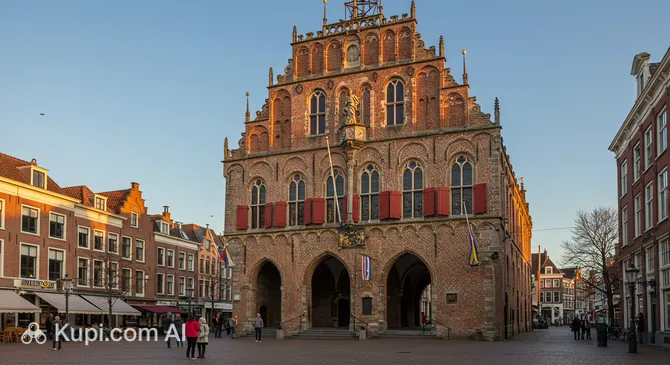
Gouda is a charming city whose name is known worldwide thanks to the cheese of the same name. However, this place offers travelers much more than just gastronomic delights. Located in the province of South Holland, this cozy corner perfectly embodies the atmosphere for which the Netherlands are famous: picturesque canals, old locks, and cobbled streets create a unique character.

Gouda. Illustration.
Source: Kupi.com AI

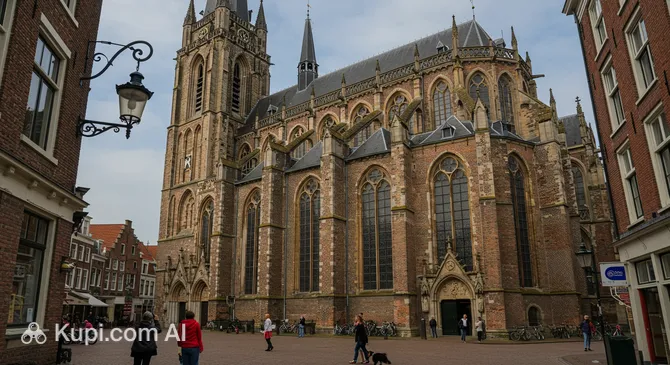
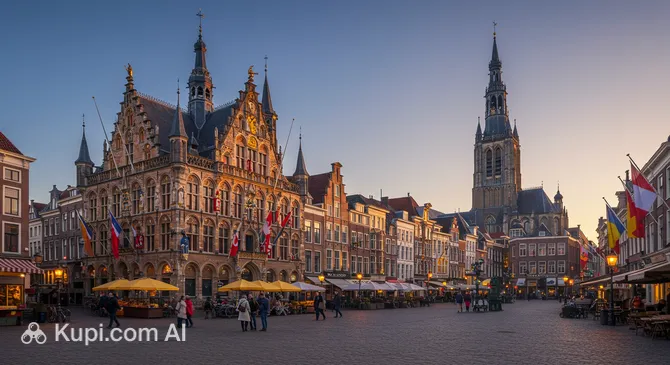
The rich history of Gouda can be traced in every stone of its magnificent architecture. The center of tourist attention is invariably the market square with the iconic Gothic Town Hall, which resembles a fairytale castle, and the historic weigh house. No less impressive is Sint-Janskerk (St. John's Church), famous for its stunning stained glass windows, which are considered among the most beautiful and longest in Europe.

Of course, a visit here wouldn't be complete without seeing the traditional cheese market, which turns into a vibrant theatrical performance during the warmer months. Additionally, the city is the birthplace of the famous Dutch waffles with caramel syrup — stroopwafels — whose sweet aroma often wafts through the air. Gouda is an ideal destination for those who want to enjoy authentic culture and a leisurely pace of life.

Weather Overview

The climate in Gouda is temperate and mild, making the city accessible for visiting all year round. Extreme heat or severe frosts are rare here. Summer is the most comfortable time for tourists: in July and August, the average temperature is about 18–19°C, and on the warmest days, the air warms up to 22°C. This is a wonderful period for long walks along the canals and outdoor cheese tastings.

Winters in the city are cool, but temperatures generally stay above zero. In January and February, average figures stay around 5–6°C. A feature of the local climate is the regularity of precipitation: rain falls evenly throughout the year. For example, up to 18 rainy days are recorded in December, so waterproof shoes will be very useful.

Expect moderately warm summers with occasional rain and cool, wet winters. Due to the variability of the marine climate, it's worth checking the current weather in Gouda before your trip to choose the right wardrobe. Even on a sunny spring day, when the air warms up to 13°C, an umbrella or a light raincoat in your backpack will not be redundant.

Average monthly temperature

Average monthly precipitation

Interesting Facts

In addition to its world-famous cheese, Gouda holds many fascinating secrets and historical features that can surprise even experienced travelers. Here are a few facts that reveal this Dutch city from an unexpected side:
  • The birthplace of stroopwafels. Gouda is considered the birthplace of the famous Dutch waffles with caramel syrup. Legend has it that they were first baked here at the beginning of the 19th century. Initially, it was a treat for the poor: bakers made them from leftover dough and crumbs, sticking them together with sweet syrup, but today it is one of the country's main gastronomic symbols.

  • The longest church. The majestic St. John's Church (Sint-Janskerk) is the longest church building in the Netherlands, with a length of 123 meters. It is famous for its unique stained glass windows, the so-called "Gouda Glass," many of which have been preserved since the 16th century.

  • City of candles. Gouda is famous for producing high-quality candles. Every year in December, the traditional "Gouda by Candlelight" evening takes place: the electric lights in the central square are turned off, and the city is illuminated by thousands of real flames, creating a fairytale atmosphere around the old Town Hall.

  • The cheese myth. Contrary to popular belief, Gouda cheese was historically produced not in the city itself, but on farms in the surrounding polders. The city served as a trading hub where farmers sold their goods. For weighing and assessing the quality of the cheese wheels, the Gouda Weigh House was used, which today is one of the most beautiful architectural monuments.

Gouda Weigh House. Illustration.
Source: Kupi.com AI

Traveler photos:

How to Get There

Gouda is located in the heart of the South Holland province, making it easily accessible from almost anywhere in the country. Thanks to the Netherlands' well-developed transport system, you can get here quickly and comfortably. You can study all possible routes and plan your trip in detail on the how to get to Gouda page.

There is no airport in the city itself, but excellent transport accessibility makes it easy to reach from neighboring air hubs. Most travelers choose Schiphol (AMS) — the country's main airport, located in Amsterdam (about 33.4 km from Gouda). This is the most convenient option: the journey by train or car takes only 30–40 minutes. A direct rail link connects the airport with the city, eliminating the need to sit in traffic.

Geographically closest is Rotterdam The Hague Airport (RTM). It is located in the city of Rotterdam, just 19.8 km from the destination. A trip by taxi or rental car will take approximately 20–30 minutes. This small airport is convenient for intra-European flights and fast security checks.

For clarity, here is summary information on the main airports:

AirportPassenger trafficDistance
Rotterdam The Hague Airport2.1 mln20 km
Amsterdam Airport Schiphol66.8 mln33 km
Eindhoven Airport6.8 mln77 km
Antwerp International Airport239 51793 km
Weeze Airport2.0 mln109 km

The railway is the main and often fastest way to move around the region. If you are traveling on an international flight, a convenient transfer point is Rotterdam Centraal station (19.2 km from Gouda). From here, there's no need to take a taxi: it's much faster and cheaper to change to an Intercity or Sprinter train. The trip to the center of Gouda takes about 20 minutes, and trains run at very short intervals.

Also, many tourists arrive via the capital's main station — Amsterdam Centraal (42.9 km). This is the largest hub, from where direct trains to Gouda depart regularly, allowing you to reach the city in less than an hour.

Below is information on the nearest major railway stations and hubs:

StationPassenger trafficDistance
Rotterdam Centraal Station40.9 mln19 km
Hilversum Railway Station8.5 mln39 km
Amsterdam Centraal Station70.1 mln43 km
Breda Station13.2 mln47 km
Ede-Wageningen Station9.1 mln66 km

Main Attractions

Getting to know the city is impossible without visiting its architectural landmark — the majestic St. John's Church. This building attracts tourists from all over the world thanks to its famous stained glass windows, known as "Gouda Glass." Many of them survived during the Reformation and the Second World War, which makes them a true miracle. Inside the temple, there is a special atmosphere: sunlight passing through the colored glass paints the ancient floor slabs in bright shades, creating an unforgettable visual impression.

St. John's Church. Illustration.
Source: Kupi.com AI

Traveler photos:

For those who want to dive deeper into the region's cultural heritage, the Museum Gouda opens its doors. Located in the historic building of a former 14th-century hospital, it houses a unique collection of religious art, paintings, and famous local pottery. The exhibition is designed so that visitors can trace the city's development from the Middle Ages to the present day. The cozy inner garden adds special charm to the museum, providing a place to rest from the city's hustle and bustle.

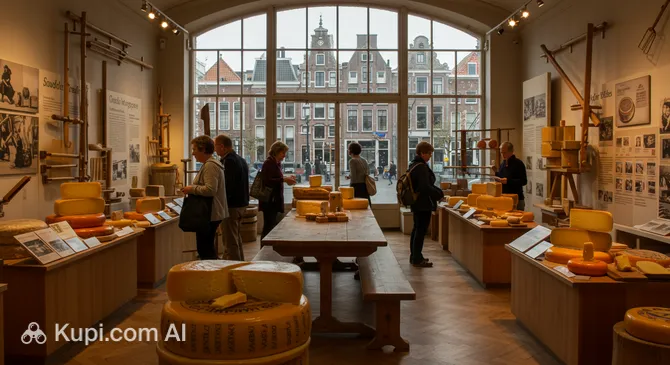
Gouda is synonymous with cheese, and to learn everything about this product, it's worth heading to the interactive Gouda Cheese Experience. This place is fundamentally different from classic museums: here you can touch, smell, and taste everything. In the building of a former cinema, an exciting route has been created where guests learn the secrets of cheesemaking, try on traditional farmer costumes, and learn to distinguish the subtle flavor notes of different varieties. It's an excellent leisure option for both adults and families with children.

Gouda Cheese Experience. Illustration.
Source: Kupi.com AI

Traveler photos:

If you want to swap historical scenery for natural landscapes, we recommend visiting the Goudse Hout recreation area. This extensive natural park is located on the outskirts of the city and represents a classic Dutch landscape with polders, water bodies, and lush greenery. Excellent cycling and walking paths are laid out here, making the park an ideal place for active recreation or a quiet picnic in the fresh air after sightseeing in the center.

Local Cuisine

Gouda's gastronomic map is predictably, but no less pleasantly, built around its world-famous cheese. However, local cuisine is not limited to tasting yellow wheels. It is a city of cozy terraces, ancient brewing traditions, and sweet baking aromas. When coming here, you should be prepared for hearty and simple food, the quality of which has been tested over centuries.

The absolute king of the table is Gouda cheese. Locals eat it not only in sandwiches but also as a snack with drinks, cutting it into cubes and dipping it in coarse mustard. In restaurants, you should definitely try the cheese fondue or a rich cheese soup — ideal dishes for a cool Dutch evening. Besides the classic young cheese, look for Oude Kaas (aged, hard, with salt crystals) or versions with cumin and herbs.

The second gastronomic symbol of the city is stroopwafels (siroopwafel). It was in Gouda at the beginning of the 19th century that these thin waffles with a chewy caramel filling were invented. It is best to try them freshly baked and still warm at the market square or in small bakeries. Locals often place a waffle over a cup of hot coffee or tea so the steam slightly softens the caramel inside.

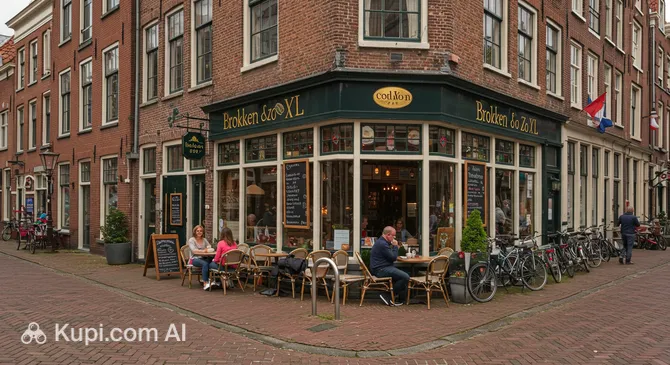
Brokken & Zo XL. Illustration.
Source: Kupi.com AI

Traveler photos:

The food culture in Gouda leans toward the "gezellig" format — a cozy and leisurely pastime. The center of attraction is the market square (Markt), surrounded by many cafes and restaurants. Here you can find both traditional "brown cafes" with wooden interiors and modern establishments. For example, a popular place for lunch or dinner is the Brokken & Zo XL restaurant, which serves dishes made from fresh local products in a relaxed atmosphere.

As for drinks, Gouda has a rich brewing history. In the Middle Ages, the city was one of the beer centers of the Netherlands. Today, this tradition is maintained by local bars and craft establishments. Beer lovers should check out Biercafé De Goudse Eend to appreciate the range of local and Belgian beers. Also, people often order gin (genever) or simply a glass of wine for dinner, enjoying the view of the historic Town Hall.

Travel Tips

Gouda is a compact, cozy, and incredibly welcoming city, but there are nuances to the Dutch way of life that are worth knowing in advance. To make your trip go smoothly and ensure your impressions aren't spoiled by sudden rain or ignorance of local rules, we have collected several proven recommendations for you.

  1. Clothing and weather. The climate in the Netherlands is extremely changeable: bright sun can be replaced by rain in a matter of minutes. Be sure to bring a windproof jacket with a hood or a compact umbrella. Since the historical center is paved with old cobblestones, we strongly recommend opting for comfortable sneakers or flat-soled shoes over heels.

  2. Transport. The historic center of Gouda is best explored on foot — all the main attractions are close by. Renting a car inside the city is impractical due to narrow streets and expensive parking. If you need to get to the outskirts, use a bicycle (available for rent at the station) or buses. For payment, it's most convenient to use a contactless bank card or buy a single ticket from the driver (though this is more expensive).

  3. Finances. The official currency is the Euro. Most restaurants and museums accept Visa and Mastercard, but some supermarkets (e.g., the Albert Heijn chain) and small shops may only accept Maestro debit cards. Always carry a small amount of cash, especially if you plan to shop at the street cheese market.

  4. Health and safety. Gouda is a calm and safe city, but in crowded tourist areas (especially at the market square on Thursdays), you should watch your bags and wallets. The emergency services number is 112. Note the difference: shops with the Drogist sign sell cosmetics and basic medicines (band-aids, painkillers), while for prescription drugs you need to go to a specialized Apotheek.

  5. Communication and language. There is practically no language barrier here: almost all locals, from cashiers to passers-by, speak English fluently. However, the Dutch will appreciate it if you learn a few polite phrases, for example, "Dank u wel" (thank you). Free Wi-Fi is available in many cafes and on trains, but for navigation, it's better to purchase a local SIM card at a supermarket or newsstand.

  6. Local etiquette. The Dutch value directness, punctuality, and personal space. When entering small shops, it's customary to greet the shopkeeper. Keep streets and parks clean — fines for littering are very high. Also, you should not look into the windows of residential buildings or photograph private life through the glass, even if the curtains are not drawn — this is considered bad manners.

  7. Things to avoid. The most common mistake for a tourist is walking on bicycle paths. They are usually marked in red or have special markings with a bicycle symbol. Cyclists here have priority and ride fast and quietly, so stepping into their lane is hazardous and guaranteed to provoke dissatisfaction from the locals.

  8. Shop opening hours. Keep in mind that life in the city quietens down fairly early. Most shops close at 17:30–18:00. On Mondays, many shops open only after lunch (around 13:00). If you want to go shopping, plan it for the first half of the day or for Thursday evening (koopavond), when shops are open longer than usual.

By following these simple tips, you will be able to feel confident and comfortable in Gouda, like an experienced traveler. Relax, tune in to the leisurely rhythm of this ancient city, and enjoy every moment of your Dutch adventure!

Entertainment & Nightlife

Gouda's nightlife is not about noisy metropolitan raves until dawn, but the embodiment of Dutch coziness, known as "gezellig." Evening entertainment here focuses on leisurely socializing, tasting excellent drinks, and enjoying the atmosphere of the ancient city. The epicenter of evening activity is the market square (Markt) and its adjacent streets, where historical facades are softly lit by lanterns, creating a romantic setting.

Most establishments in the city center are atmospheric bars, pubs, and "brown cafes" where time seems to have stood still. The crowd here is mixed: from students to elderly couples, and everyone is very friendly. There is practically no dress code; a casual style is appropriate in any establishment. On weekends, bars are usually open until 01:00 or 02:00 in the morning, while on weekdays they close earlier — around midnight.

For lovers of quality drinks and good music, it's worth checking out the 1983 Gouda bar. This is a stylish place where you can try signature cocktails or a glass of fine wine in a modern interior. The establishment is perfect for starting the evening or a quiet digestif after dinner.

If you prefer beer, then a visit to Biercafé De Goudse Eend should be a mandatory part of your program. This is a true paradise for connoisseurs of beer culture: it offers a huge selection of local and international craft beers. The atmosphere here is always lively, and the staff will happily help you choose a drink to suit your taste.

Practical tips for night owls:

  • Prices: A glass of beer costs on average 3–5 euros, a cocktail — from 8 to 12 euros.
  • Safety: Gouda is a very safe city. Walking through the night center, including the canal district, poses no threat. However, as everywhere, you should look after your personal belongings.
  • Transport: Public transport runs rarely at night. If your hotel is far from the center, it's better to call a taxi (for example, through local services like Gouda Taxi) or walk, as the city is compact.

Daytime entertainment in Gouda is also diverse and often oriented towards family vacations. Besides classic museums, there are excellent places for active leisure. For example, the Dino Experience Park will take you back to the era of dinosaurs, offering interactive outdoor adventures. And if you want to compete in accuracy with the whole family, head to Jurassic Golf — an exciting mini-golf course in a Jurassic setting that both children and adults will enjoy.

Parks & Museums

Despite its reputation as a city with dense historical buildings, Gouda knows how to surprise with its green zones and rich museum heritage. Here, you can easily alternate walks along ancient cobbled streets with relaxation in nature, and exploring architecture with immersion in unique collections of art and crafts.

Key Parks and Green Zones

For those who want a break from the city bustle, Goudse Hout is the perfect spot. This is a vast natural area on the outskirts of the city, representing a classic Dutch landscape with polders, canals, and meadows. Excellent conditions for cycling, running, and picnics have been created here. In summer, locals often come here to swim in the lake or just sunbathe on the grass.

Hidden in the very center of the city is the cozy Van Bergen IJzendoornpark. This is a true "secret garden," hidden from the eyes of most tourists. Small but very picturesque, it is designed in a romantic style and is ideal for a quiet stroll with a book or a short break after sightseeing.

Also worth mentioning is Houtmansplantsoen park, located on the site of old ramparts. It is famous for its centuries-old trees and music pavilion, where outdoor concerts are often held in the summer. A walk here allows you to enjoy views of the canal and historic facades from an unusual angle.

Museums and Galleries

The main guardian of the city's history is the Museum Gouda. Located in the building of the former St. Catherine's hospital, it boasts an impressive collection. Here you can see rare 16th-century altarpieces, ancient clay pipes for which the city was once famous, and the renowned Gouda pottery (Gouds Plateel). The atmosphere is complemented by an inner courtyard and an apothecary garden.

No less interesting is the museum located inside the city's architectural symbol — the Gouda Weigh House (De Goudse Waag). The building, dating from 1668, is a masterpiece in itself, and inside is an exhibition dedicated to the history of the cheese trade and traditional crafts. Here you will learn how giant cheese wheels were weighed in the old days and can purchase high-quality souvenirs.

For lovers of modern and interactive formats, a visit to the Gouda Cheese Experience is a must. This is not just a museum, but a real journey into the world of cheesemaking, where you can interact with exhibits, learn all the intricacies of production, and, of course, taste the product.

Historical and Architectural Sites

The St. John's Church (Sint-Janskerk) remains the dominant feature of the cultural landscape. This building is unique not only for its size but also for its preserved 16th-century stained glass windows, which survived the Reformation. The "Gouda Glass" tells biblical and historical stories, creating a unique play of light and color inside the temple.

It is impossible to pass by the famous Town Hall on the market square. This Gothic building with red shutters and turrets looks like an illustration from a fairytale and is considered one of the most beautiful town halls in the country.

Other Cultural Sites

Families with children will be interested in the Dino Experience Park. This is an entertainment and educational site where you can meet "live" dinosaurs, play mini-golf at Jurassic Golf, and learn more about the prehistoric world in a playful way.

Insider Tip

Look for the entrances to the hofjes — inner courtyards of former almshouses. There are several in Gouda, and they are quiet, flower-filled oases of calm in the middle of the city. Their entrance is often inconspicuous, but once inside, you will find yourself in an atmosphere of absolute silence and harmony, which is so valued by local residents.
Getting Around

Gouda is a compact city, and its historical center is best explored on foot. Most attractions are within walking distance of each other. There are no metro or tram lines in the city, so the public transport system here is based on trains and buses that operate efficiently and on schedule.

Railway transport plays a key role. The main station, Station Gouda, is a major transport hub connecting the city with Amsterdam, Rotterdam, The Hague, and Utrecht. Intercity (express) and Sprinter (stopping at all stations) trains run every 10–15 minutes. There is also a smaller station, Gouda Goverwelle, convenient for trips from eastern residential areas.

Buses serve both inner-city routes and connections to surrounding villages and regions. The central bus station is located right next to the railway station, making transfers very convenient. Note that large buses rarely enter the deep part of the historical center due to narrow streets and pedestrian zones.

The fare payment system is unified. The most modern and convenient method for tourists is OVpay. You can pay for your fare with a contactless bank card (Visa, Mastercard), smartphone, or smartwatch directly through the validators on transport. You don't need to buy tickets in advance: just tap your card against the reader when entering (check-in) and be sure to tap again when exiting (check-out). The cost is calculated automatically based on the distance traveled.

An alternative is the OV-chipkaart — a transport smart card. Tourists can purchase an anonymous (blue) card from machines at the station or at kiosks, but the card itself costs money (about 7.50 euros), which isn't always cost-effective for a short trip. Single tickets can be bought from the bus driver (cashless only) or from machines at the station, but they will cost about 1 euro more than the regular fare due to a service fee.

Bicycles are perhaps the most popular alternative to public transport. Two-wheeler rentals can be found right at the railway station. Thanks to a well-developed network of bike paths, cycling is often faster than taking the bus, especially if you plan to visit parks on the outskirts or natural areas outside the city.

Taxis in Gouda are best booked in advance by phone or through an app, as catching a car on the street can be difficult. Taxi stands are located at the main station exit. Regarding car sharing and rentals, driving in the center is not recommended: many streets are closed to traffic, and street parking is expensive. It's better to leave your car in one of the covered parking garages around the perimeter of the center.

To plan your routes, download the 9292 app or the official railway app (NS). They are indispensable for tourists: they show real-time schedules, platform numbers, and the exact cost of the trip, helping you easily navigate the local transport system.

Accommodation

Where to stay:

Gouda is a relatively small city, so you won't find huge hotel complexes or endless rows of chain skyscraper hotels here. The local tourist accommodation market relies on coziness, intimacy, and historical charm. The offers mainly consist of small boutique hotels, family bed and breakfasts (B&Bs), and apartments located in historic buildings.

Neighborhoods to Stay In

The choice of neighborhood depends on the goals of your trip, although due to the city's compactness, almost any location will be convenient.

  • Historic Center (Binnenstad). The most popular choice among tourists. By staying here, you will be within walking distance of the market square, the famous Town Hall, and the canals. Living in the center means waking up to the sound of bells and having the opportunity to stroll through the evening city when the main flow of daytime tourists has subsided. Many hotels here occupy restored buildings from past centuries, which adds atmosphere to the trip.
  • Railway Station Area. If Gouda is your starting point for traveling around the South Holland province (for example, to Rotterdam or The Hague), it makes sense to consider accommodation closer to the station. This is a practical option: modern hotels, quick access to trains, and only a 5–10 minute walk to the historic core.

Prices and Booking

The price range in Gouda can be described as medium. Staying here is generally cheaper than in overcrowded Amsterdam, but the level of service remains consistently high.

  • Budget: There are few hostels in the classic sense; budget travelers should look at guest houses or small rooms on the outskirts of the center.
  • Middle Class: The bulk of the offers are comfortable 3-4 star hotels and B&Bs with costs ranging from 90 to 150 euros per night.
  • Luxury: There are no luxury five-star resorts in the city, but there are exclusive apartments and suites in historic hotels with designer interiors.

Booking Tip

Even though Gouda is often perceived as a day-trip destination, the demand for accommodation is high during the peak season (from April to September). It is particularly difficult to find a room on Wednesday nights, as many tourists arrive early to visit the famous Cheese Market the next morning. We recommend booking accommodation 2–3 months before the trip through popular online aggregators to guarantee yourself the best view from the window.

Nearby Cities

For those who want to explore the surroundings, Gouda serves as an excellent starting point for day trips to several interesting nearby places. Thanks to its convenient location in the "Green Heart" of the Netherlands, you can quickly reach cities that offer completely different experiences.

Just a 15-minute drive away is Alphen aan den Rijn, which is an ideal choice for a family vacation. The city is known for its "Avifauna" bird park and the unique "Archeon" open-air museum, where you can experience firsthand the life of Romans and medieval residents. History and gastronomy buffs should visit Woerden — a cozy fortified city with its own castle and cheese traditions, often called Gouda's "younger brother." And for those looking for active entertainment, modern Zoetermeer, home to the famous SnowWorld indoor ski complex, will be a delight.

CityPopulationDistance
Waddinxveen31 3424 km
Reeuwijk13 2964 km
Bodegraven17 9548 km
Vlist9 8068 km
Boskoop15 0458 km

These nearby destinations provide insight into the region's diverse culture and landscapes, complementing the experience of visiting historic Gouda.

Shopping & Souvenirs

Shopping:

General overview. Shopping in Gouda is a pleasant and relaxed activity that is fundamentally different from the hustle and bustle of major metropolises. The city does not chase the status of a fashion capital, but charms with its coziness and authenticity. The historical center is compact, so all the main shopping spots are within walking distance of each other. Gouda is especially famous for its independent boutiques, concept stores, and shops with handmade goods that harmoniously coexist with well-known chain brands.

Main shopping streets. The heart of shopping life is the area around the market square (Markt). From here, the main shopping arteries branch out like rays. Kleiweg is where popular international and Dutch mass-market brands, clothing, and shoe stores are concentrated. If you are looking for something more unique, turn onto Tiendeweg or Lange Groenendaal. The latter is known as the first "Fair Trade Street" in the Netherlands: here you will find cozy shops with vintage items, designer home decor, antiques, and eco-friendly goods.

Shopping centers. Although shopping in Gouda is mainly focused outdoors, the city also has indoor spaces. In the very center is the Nieuwe Markt Passage, connecting shopping streets and offering a mix of fashion stores and gastronomy. A bit further from the historical core is the Bloemendaal Shopping Center. This is a large complex where locals usually buy groceries, household chemicals, and essential goods. For a tourist, it can be useful for its large supermarkets and lack of crowds.

Markets. Market culture is an integral part of city life. The most vibrant event is, of course, the traditional Cheese Market, which takes place on Thursdays from April to August. Here you can not only watch the historical performance but also buy the best farm cheeses directly from the stalls. For more everyday purchases, it's worth checking out the regular weekly market that unfolds on the main square on Saturdays. They sell fresh vegetables, flowers, fish (be sure to try the Dutch herring), and textiles.

Souvenirs. It's impossible to leave Gouda empty-handed. The main trophy is, of course, cheese. We recommend buying Boerenkaas (farmhouse cheese), which is made from unpasteurized milk and has a richer flavor. The second mandatory item is stroopwafels; they are sold in beautiful tin cans featuring city views. Gouda is also famous for its candles (look for the Gouda Kaarsen marking) and unique Gouda Plateel pottery with characteristic patterns, which can be found in antique shops.

Opening hours and payment. Most shops are open from 09:30 to 17:30 or 18:00. An important feature: on Mondays, many shops open only after lunch (from 13:00). Thursday in Gouda is evening shopping day (Koopavond), when the doors of shops in the center are open until 21:00. On Sunday, not all spots are open, usually only large chain stores and supermarkets from 12:00 to 17:00. Cards are accepted almost everywhere, but in small shops and at the market, preference is given to debit cards (Maestro/V-Pay) or cash.

Tax Free. Tourists permanently residing outside the European Union are entitled to a VAT refund on purchases over 50 euros on a single receipt. Look for "Global Blue" or "Tax Free Shopping" stickers in shop windows. Don't forget to ask for a special form at the checkout and present your passport to arrange a refund at the airport before departure.

Reached the end of the page?

That means the route is fully explored