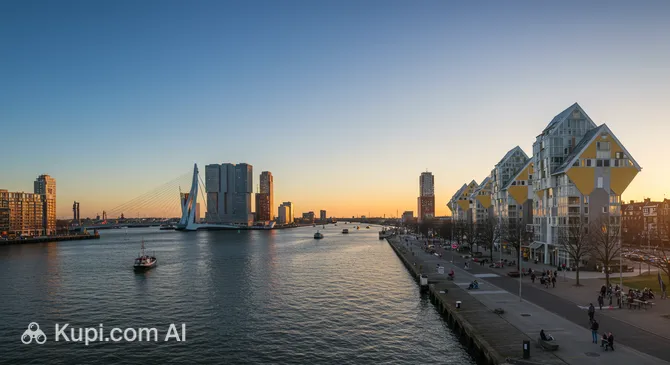
Rotterdam is a dynamic metropolis that stands out with its bold architecture and innovative spirit. As the second-largest city in the Netherlands, it offers a stark contrast to the traditional canal houses found elsewhere in the country. Located in the province of South Holland, this bustling port city is home to over 631,000 residents and serves as a major gateway to Europe, boasting one of the largest ports in the world.
The unique character of the city is deeply rooted in the past. Exploring the history of Rotterdam reveals how it transformed from a medieval settlement into a modern architectural playground following extensive reconstruction. Today, it is celebrated for its cutting-edge design, resilience, and a vibrant cultural scene that attracts creative minds from across the globe.
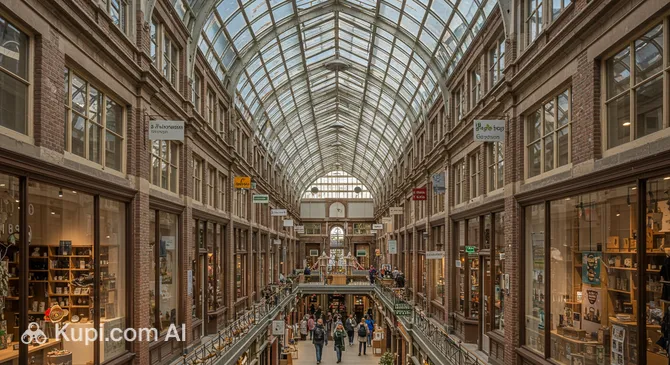
Rotterdam. Illustration.
Source: Kupi.com AI
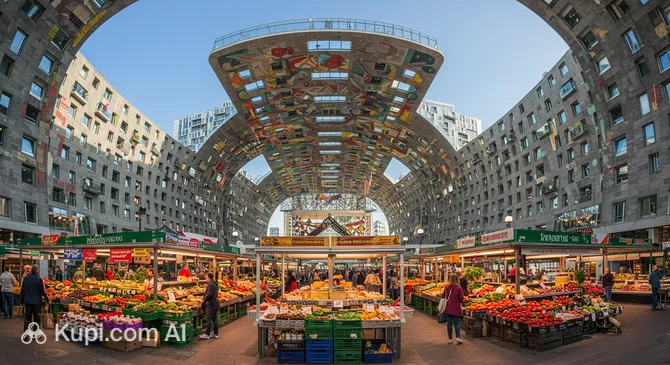
Visitors are often captivated by iconic landmarks such as the elegant Erasmus Bridge, affectionately nicknamed 'The Swan', and the quirky Cube Houses that challenge traditional living concepts. The spectacular Markthal, a huge horseshoe-shaped market hall featuring a massive colorful ceiling mural, is another must-see destination for foodies and design enthusiasts alike.
Whether you are fascinated by maritime heritage or contemporary urban planning, Rotterdam promises an unforgettable experience. It is a destination that constantly reinvents itself, inviting travelers to discover its energetic atmosphere and forward-thinking attitude.
Weather Overview
Rotterdam experiences a temperate maritime climate, characterized by mild temperatures and frequent precipitation throughout the year. The weather in Rotterdam is generally moderate, avoiding extreme heat or bitter cold, which makes the city accessible for travel in any season.
Summers are pleasant and constitute the warmest period, with average highs reaching approximately 22.2°C in August. Conversely, winters are cooler, with temperatures typically hovering between 3.3°C and 7.0°C in January. Rainfall is a consistent feature, as the city sees between 11 and 17 wet days per month, so packing a raincoat is always a good idea. Expect warm summers with occasional showers and cool, damp winters.
Average monthly temperature
Average monthly precipitation
Interesting Facts
Beyond the main attractions, Rotterdam holds many fascinating secrets that reveal its unique character and history. While the city is famous for its modern skyline, a closer look uncovers surprising firsts and resilient remnants of the past.
Although Rotterdam is known for its contemporary architecture, the St. Lawrence Church stands as a solitary medieval witness in the city center. It is the only structure from the Middle Ages in the heart of the city to have survived the destruction of 1940, making it a poignant symbol of the city's endurance.
The city is home to what is widely considered Europe’s first skyscraper, the Witte Huis (White House). Completed in 1898 in the Art Nouveau style, this 43-meter tall building was once the tallest office building on the continent and miraculously survived the wartime bombardments that leveled much of the surrounding area.
Rotterdam’s spirit of innovation is exemplified by the world’s first floating dairy farm. Located in the Merwehaven harbor, this self-sufficient platform houses cows that live and graze directly on the water, highlighting the city's experimental approach to urban sustainability.
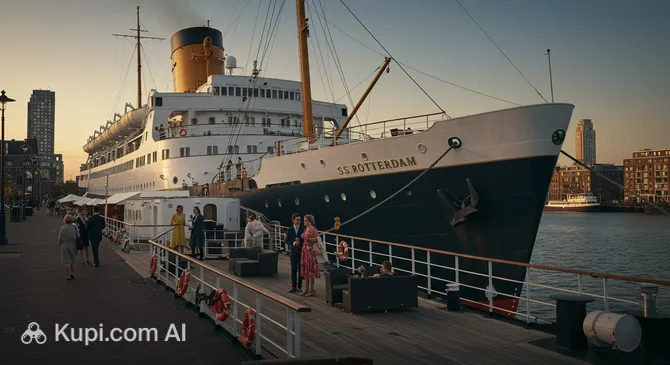
The majestic SS Rotterdam is the largest passenger ship ever built in the Netherlands. Once the flagship of the Holland America Line, this "Grande Dame" carried thousands of emigrants across the Atlantic and now serves as a permanent floating attraction, preserving the romance of the transatlantic era.
SS Rotterdam. Illustration.
Source: Kupi.com AI
Traveler photos:
How to Get There
Reaching this bustling port city is quite convenient thanks to its excellent location and infrastructure. Whether you are arriving by air or rail, there are numerous options available to suit your travel plans. For a complete overview of travel options, you can check all ways to reach the city on our detailed page.
If you prefer to fly, the most direct option is Rotterdam The Hague Airport (RTM), located just 4.5 km from the city center. It is a regional hub that offers quick access to the downtown area, with a journey taking 10-15 minutes by taxi or about 25 minutes by bus. For a wider range of international connections, many travelers choose Amsterdam Airport Schiphol (AMS). Situated in Amsterdam, about 47 km away, it is a major international airport. A journey by road from Schiphol to Rotterdam typically takes approximately 45-60 minutes, though efficient train connections are also available.
For clarity, here is a summary of the main airports:
Traveling by train is another efficient way to arrive, with the city boasting its own major hub, Rotterdam Centraal Station. Located just 0.6 km from the heart of the city, it serves millions of passengers annually and offers seamless connections. If you are coming from further afield, you might also transit through Amsterdam Centraal Station in Amsterdam, which is approximately 58 km away and serves as a key junction for the Dutch railway network.
Below is a list of the nearest and most significant railway stations:
Rotterdam is a city that thrives on contrast and innovation, offering a diverse range of sights that cater to architecture buffs, families, and culture seekers alike. From futuristic buildings to sprawling green spaces, the city's highlights are as unique as its history.
Markthal. Illustration.
Source: Kupi.com AI
Traveler photos:
A true icon of the city is the Markthal. This spectacular horseshoe-shaped building combines a lively indoor market hall with residential apartments draped over the top. Visitors are immediately drawn to the massive ceiling artwork titled "Horn of Plenty," which spans the entire interior arch. It is a feast for the senses, where you can sample fresh Dutch cheeses and global street food while admiring one of the world's most artistic market spaces.
Cube House Museum. Illustration.
Source: Kupi.com AI
Traveler photos:
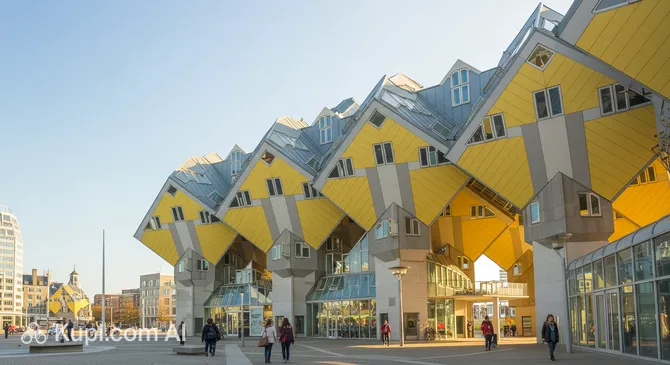
Located near the old harbor, the Cube House Museum offers a look into one of the most curious residential experiments in Europe. Designed by Piet Blom, these yellow, tilted cubes sit on hexagonal pylons, resembling a forest of abstract trees. Tourists can enter the Show Cube to see how residents adapt their furniture and lives to walls angled at 54.7 degrees, making for a truly disorienting yet fascinating experience.
Euromast. Illustration.
Source: Kupi.com AI
Traveler photos:
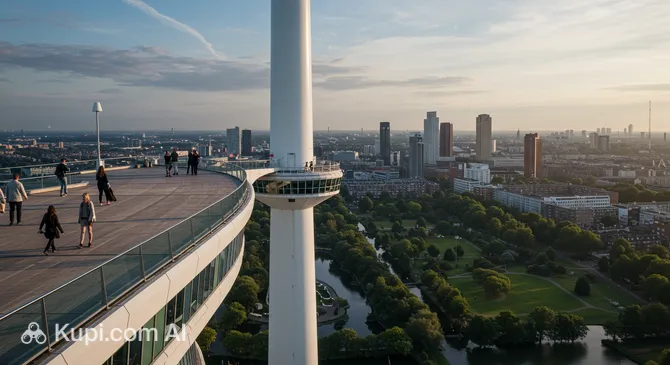
For those seeking a bird's-eye perspective, the Euromast is the place to be. As the tallest building in the Netherlands open to the public, it offers unrivaled views of the cityscape and the massive port area. Adventure seekers can ride the rotating Euroscoop elevator to the very top, while others might enjoy a meal with a view in the tower's restaurant.
Rotterdam Zoo. Illustration.
Source: Kupi.com AI
Traveler photos:
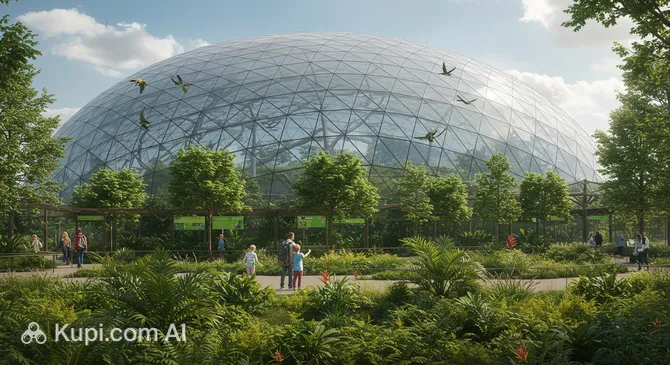
One of the most beloved attractions for visitors of all ages is the Rotterdam Zoo (Diergaarde Blijdorp). It is celebrated as one of Europe's most beautiful zoos, featuring spacious, naturalistic enclosures that transport you from the African savannah to the Asian jungle. The Oceanium is a particular highlight, allowing you to walk through a glass tunnel surrounded by sharks, rays, and other marine life.
Finally, the city's skyline is defined by the elegant Erasmus Bridge. Affectionately nicknamed "The Swan" for its graceful, asymmetrical white pylon, this cable-stayed bridge links the north and south of Rotterdam. It is not just a vital traffic artery but a stunning piece of engineering that looks magnificent both by day and when illuminated at night.
Local Cuisine
Rotterdam's culinary landscape is as diverse as its population, reflecting the influence of over 170 nationalities that call the city home. The food scene here is a vibrant mix of global flavors and Dutch tradition, offering everything from hearty street food to refined dining. The most famous local invention is undoubtedly the Kapsalon. Often called a "caloric bomb" but beloved by locals, this dish consists of a layer of fries topped with shawarma meat, melted Gouda cheese, and fresh salad, all smothered in garlic sauce and sambal. It is the ultimate comfort food and a signature of the city's modern food culture.
For those seeking classic Dutch snacks, Bitterballen are a must-try. These crispy, deep-fried ragout balls are the perfect accompaniment to a round of drinks. Another staple is fresh Herring (Hollandse Nieuwe), typically served raw with chopped onions and pickles, often enjoyed at street stalls around the city. If you have a sweet tooth, look for a warm, freshly made Stroopwafel, a thin waffle filled with caramel syrup that melts in your mouth.
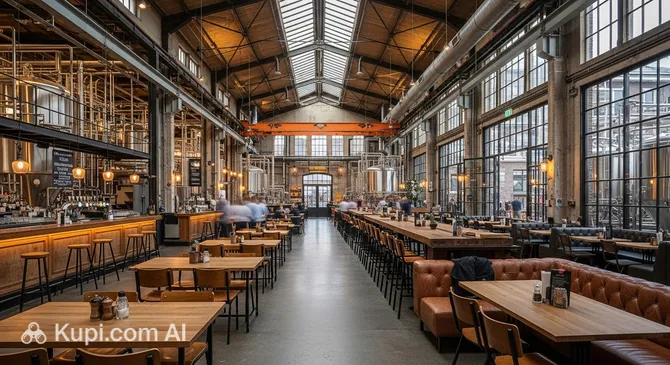
The city also boasts a thriving beverage scene, particularly for craft beer enthusiasts. Historic port warehouses have been transformed into trendy breweries where you can sample unique local ales. A fantastic place to experience this gastropub culture is the Stadshaven Brewery & Gastropub. Located in a restored fruit warehouse, it offers a robust selection of house-brewed beers in a lively waterfront setting.
Stadshaven Brewery & Gastropub. Illustration.
Source: Kupi.com AI
Traveler photos:
Coffee culture is also booming, with numerous specialty cafes popping up across the city. For a relaxing start to the day, Harvest Cafe & Bakery is a favorite spot among locals for its excellent coffee and delicious brunch menu. It is the perfect place to recharge before exploring the city's sights.
Dining in Rotterdam is characterized by its innovative and sustainable approach. Travelers interested in eco-conscious living should visit De Groene Passage, which is the only shopping center in the Netherlands dedicated entirely to organic and sustainable products, featuring a restaurant and supermarket. Whether you are dining in the trendy Witte de Withstraat or grabbing a quick bite at a market, the atmosphere is generally casual, welcoming, and full of flavor.
Travel Tips
Welcome to Rotterdam! To ensure your visit to this architectural capital is as smooth as it is inspiring, we have compiled a list of essential practical tips to help you navigate the city like a local.
Clothing and Gear: The Dutch weather can be quite unpredictable, often changing multiple times a day. It is best to dress in layers and always carry a waterproof jacket or a sturdy umbrella, as rain showers are frequent. Since exploring Rotterdam often involves a lot of walking, bring comfortable, flat shoes. For electronics, the Netherlands uses the standard European Type C or Type F plugs with a voltage of 230V, so bring a universal adapter if your devices differ.
Transportation: Getting around is effortless thanks to the excellent RET network, which includes the metro, trams, and buses. You no longer need to buy a separate transit card; you can simply check in and out using your contactless debit or credit card (OVpay). For a uniquely Rotterdam experience, take a Water Taxi to cross the river quickly and stylishly. Biking is also a fantastic option, though traffic can be fast-paced for beginners.
Finances: The official currency is the Euro (€). Rotterdam is becoming increasingly cashless, and many cafes and shops prefer or only accept card payments. However, be aware that some traditional supermarkets (like older Albert Heijn branches) and small local shops may not accept non-European credit cards (like Visa or Mastercard) and only take Maestro or V-Pay debit cards. It is wise to carry a small amount of cash or a debit card just in case. Tipping is not mandatory but rounding up the bill is appreciated.
Health and Safety: Rotterdam is generally a very safe city for tourists. In case of a medical emergency, dial 112. For minor ailments, look for a pharmacy, known as an Apotheek; for after-hours help, search for a "dienstapotheek" (night pharmacy). The biggest safety risk for pedestrians is actually the bicycle traffic—always look both ways before crossing a bike path.
Communication: The official language is Dutch, but the level of English proficiency in Rotterdam is exceptionally high. You will have no trouble communicating in English in hotels, restaurants, and shops. Free Wi-Fi is widely available in public spaces, trains, and cafes. If you need mobile data, prepaid SIM cards are easily available at the airport or supermarkets.
Local Etiquette: The Dutch value directness and punctuality. If you ask for an opinion, expect an honest answer, which is not meant to be rude. When entering a shop or greeting someone, a simple "Hallo" (Hello) and a handshake are standard. Being on time for appointments or tours is expected and respectful.
What to Avoid: Never walk on the red/pink bicycle lanes. This is the cardinal rule of pedestrian safety in the Netherlands. Cyclists move fast and expect their path to be clear; walking there is dangerous and considered very annoying by locals.
Additional Tip: Keep in mind that many shops close around 6:00 PM on weekdays. However, Rotterdam has a "Koopavond" (late-night shopping) on Fridays, where stores in the city center typically stay open until 9:00 PM, making it a great evening for retail therapy.
With these practicalities in mind, you are all set to enjoy the modern vibes and harbor views of this fascinating city. Have a wonderful and hassle-free trip!
Entertainment & Nightlife
Entertainment:
Rotterdam is a city that knows how to entertain, offering a vibrant mix of cultural treasures, lively nightlife, and unique interactive experiences. Whether you are an art aficionado, a sports fan, or simply looking for a fun night out, the city has something to spark your interest.
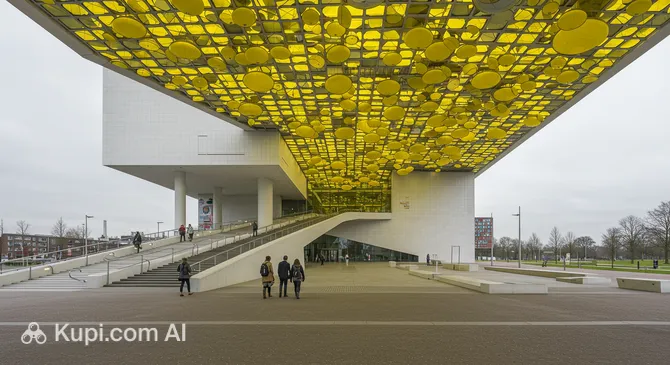
For culture lovers, the Museumpark is the beating heart of the art scene. Here you will find the Kunsthal Rotterdam, a masterpiece of modern architecture designed by Rem Koolhaas. Unlike traditional museums, it hosts a constantly changing lineup of diverse exhibitions, ranging from high fashion and photography to contemporary art. Nearby is the renowned Museum Boijmans Van Beuningen, famous for its world-class collection of European art, surrealist works, and its striking mirrored Depot building next door.
Kunsthal Rotterdam. Illustration.
Source: Kupi.com AI
Traveler photos:
Given the city's history as a global port, a visit to the Maritime Museum Rotterdam is essential. Located in the Leuvehaven, it offers a fascinating look at shipping history with an open-air harbor full of historic cranes and ships. For a broader cultural perspective, the Wereldmuseum Rotterdam (World Museum) showcases impressive ethnographic collections from around the globe in a grand 19th-century building on the riverside.
If you are looking for something more playful and interactive, Rotterdam has plenty of surprises. Miniworld Rotterdam is a delightful attraction where you can see the city and its surroundings in miniature, complete with moving trains and a day-night cycle. For a modern digital experience, REMASTERED offers an immersive audiovisual journey under the Erasmus Bridge, where old Dutch Masters are reimagined through cutting-edge LED technology. Pinball enthusiasts will feel right at home at the Dutch Pinball Museum, where you can play on dozens of vintage machines.
When the sun goes down, the city comes alive, particularly around the Witte de Withstraat, a street famous for its dense concentration of bars, galleries, and restaurants. It is the perfect place to start an evening. For those who enjoy a spirited night out, Dikke Mic Karaoke Bar offers a high-energy atmosphere to sing your heart out, while Munch provides a stylish setting for clubbing.
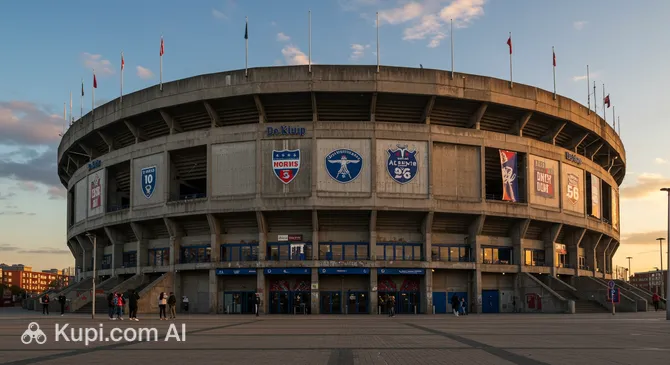
Sports and major events are also central to Rotterdam's identity. The legendary De Kuip stadium is the home of the Feyenoord football club and is known for its electrifying atmosphere during matches. Meanwhile, Rotterdam Ahoy is one of the premier indoor arenas in the Netherlands, hosting everything from international concerts to major sporting championships.
De Kuip. Illustration.
Source: Kupi.com AI
Traveler photos:
Parks & Museums
While Rotterdam is globally renowned for its modern skyline and bustling port, the city also offers serene green retreats and a rich tapestry of cultural heritage that extends beyond its famous architecture. From manicured botanical gardens to historic districts that survived the war, there is a wealth of history and nature to explore.
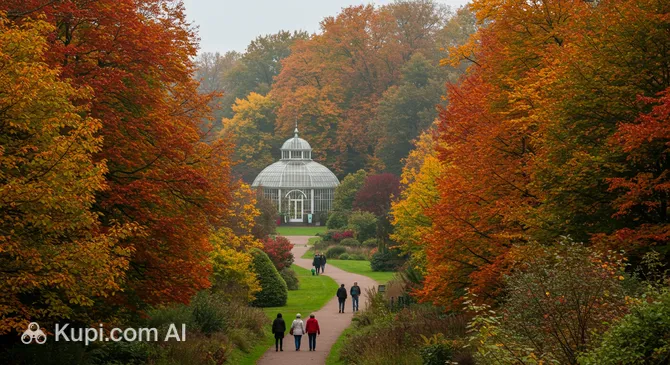
For a peaceful escape from the urban energy, the Trompenburg Arboretum is a hidden gem located in the Kralingen district. This beautifully designed botanical garden features a vast collection of trees, perennials, and succulents spread across several distinct areas. It is a paradise for plant lovers and a quiet spot for a leisurely walk, offering a stark contrast to the concrete and glass of the city center.
Trompenburg Arboretum. Illustration.
Source: Kupi.com AI
Traveler photos:
Another favorite among locals is Vroesenpark, situated opposite the zoo in the Blijdorp neighborhood. This English landscape-style park is the city's living room during the warmer months, where residents gather for picnics, barbecues, and sports. Its open lawns and relaxed atmosphere make it an authentic place to experience the local lifestyle.
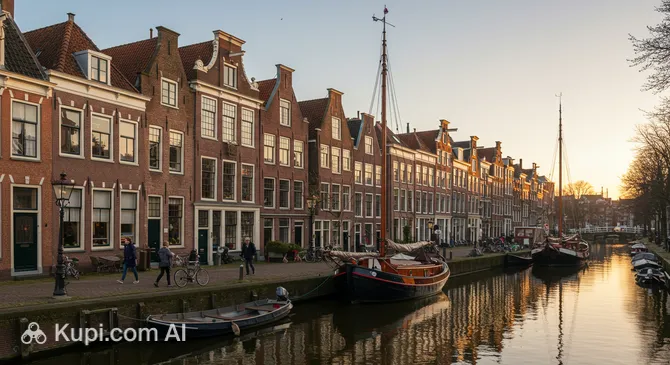
When it comes to history and culture, Historic Delfshaven offers a rare glimpse into the Rotterdam of the past. As one of the few areas that survived the 1940 bombardment, this picturesque harbor district preserves the 17th-century architecture of the city. Visitors can walk along the canals, visit the Pilgrim Fathers' church, and imagine the city as it was centuries ago. It serves as a living museum of the city's maritime origins.
Historic Delfshaven. Illustration.
Source: Kupi.com AI
Traveler photos:
For art enthusiasts willing to venture just outside the city limits, the Stedelijk Museum Schiedam is a fantastic cultural venue. Housed in a neoclassical building, it specializes in modern Dutch art, particularly from the CoBrA movement, and offers fascinating insights into the history of the region. It provides a more intimate art experience compared to the larger institutions in the city center.
Rotterdam's architectural narrative is also told through its iconic structures. The decommissioned railway bridge, De Hef (Koningshaven Bridge), stands as a monumental steel symbol of the city's industrial past. In contrast, the vertical city known as The Rotterdam, designed by Rem Koolhaas, dominates the skyline on the Wilhelminapier, showcasing the city's continuous drive for innovation.
For an authentic experience, take a stroll through the Oude Haven (Old Harbor). While popular, it retains a charming atmosphere with its historic ships and terraces, offering a perfect blend of the city's old-world charm and its vibrant modern social scene.
Getting Around
Public transport in Rotterdam is efficient, modern, and widely considered one of the best ways to explore the city. The network is primarily operated by RET and consists of a comprehensive system of metro lines, trams, and buses that connect the city center with the suburbs and the port area. The system is integrated, meaning you can easily switch between different modes of transport using the same ticket or payment method.
The metro is the backbone of the city's transit, featuring five lines (A through E) that run frequently. It is particularly useful for covering longer distances quickly, such as traveling from the central station to the Ahoy arena or the Hook of Holland beach. For shorter trips within the city center, the tram network is extensive and offers scenic views of the streets. Buses complement these services, reaching neighborhoods and industrial areas where rail lines do not go.
A unique feature of Rotterdam's transport landscape is its water-based transit. The Waterbus is a fast ferry service that functions like a bus on the river, connecting the city with nearby towns and the famous windmills of Kinderdijk. For a faster and more thrilling experience, the iconic yellow and black Water Taxis zip across the river Maas. While they are slightly more expensive, they offer a spectacular way to see the skyline and are a practical shortcut between the north and south banks.
Paying for public transport has become incredibly tourist-friendly with the introduction of OVpay. You can simply check in and check out using your contactless debit card, credit card, or mobile phone wallet directly at the gates or card readers. There is no need to purchase a separate transit card or load credit beforehand. The system automatically calculates the fare based on the distance traveled.
For those planning extensive travel within a single day, purchasing a RET 1 Day ticket or a 2-hour pass might be more economical. These disposable chip cards can be bought at vending machines in metro stations or at RET service points. If you plan to visit attractions across the wider region, the Tourist Day Ticket offers unlimited travel on buses, trams, metros, and waterbuses throughout the province for a fixed price.
An essential rule for using the system is the validation process. You must check in when boarding (or entering the metro station) and check out when exiting. Failure to check out can result in the maximum fare being charged to your card. Look for the card readers with the pink OV-chipkaart logo near the doors of trams and buses, or at the turnstiles in metro stations.
Public transport generally operates from early morning, around 5:30 AM, until shortly after midnight. On Friday and Saturday nights, a special night bus network (BOB bus) runs to help late-night revelers get home safely, though it requires a separate ticket or payment. Outside of these hours, you can rely on taxis or ride-hailing apps, though they are significantly pricier than mass transit.
Finally, no description of transport in this city would be complete without mentioning cycling. Biking is often faster than public transport for short distances. Tourists can easily rent bicycles from shops or use app-based sharing systems like Donkey Republic. With dedicated bike lanes on almost every street, joining the locals on two wheels is a fun and practical alternative for getting around.
Accommodation
Finding a place to stay in Rotterdam is an adventure in itself, as the city offers accommodation options that are as diverse and innovative as its architecture. The range spans from budget-friendly hostels and comfortable mid-range hotels to luxurious suites with skyline views. Unlike many other European cities, Rotterdam provides the unique opportunity to stay in architectural landmarks, floating vessels, and modern skyscrapers.
For travelers seeking a truly memorable experience, the city offers some one-of-a-kind sleeping arrangements. You can spend the night on the water aboard the SS Rotterdam. This former flagship of the Holland America Line has been converted into a hotel, allowing guests to sleep in 50s-style cabins and explore the ship's decks. Another iconic option is located within the famous Cube House Museum complex. while one cube is a museum, others house a hostel where you can experience life inside these tilted yellow structures firsthand.
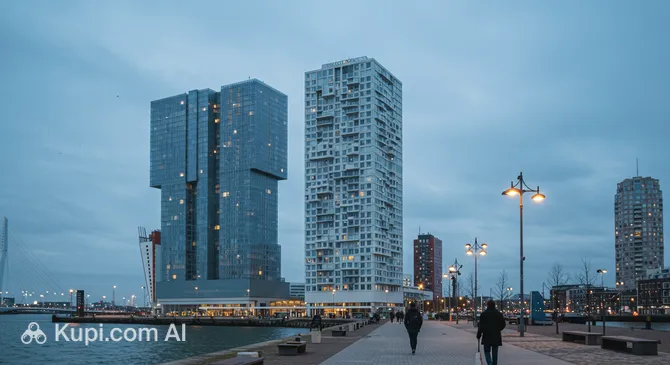
When choosing a neighborhood, the City Center is the most convenient choice for first-time visitors. Staying here places you within walking distance of major shopping streets and the central station. It is a bustling area perfect for those who want to be in the middle of the action. Alternatively, the Kop van Zuid district, often referred to as "Manhattan on the Maas," is ideal for those looking for modern luxury and spectacular views. This peninsula is home to towering skyscrapers, including the massive vertical city known as The Rotterdam, which houses a premium hotel offering breathtaking panoramas of the river and the Erasmus Bridge.
The Rotterdam. Illustration.
Source: Kupi.com AI
Traveler photos:
For a quieter, more romantic atmosphere, consider the Scheepvaartkwartier (Shipping Quarter) or the historic area near Delfshaven. These neighborhoods offer a glimpse into the city's pre-war charm, with leafy avenues, classic mansions, and a relaxed pace, yet they remain easily accessible by public transport or water taxi.
Prices in Rotterdam are generally competitive compared to nearby Amsterdam, though they can rise significantly during major events or conferences. Budget travelers can find affordable hostels and budget hotels, while the mid-range bracket offers excellent value with modern amenities. It is highly recommended to book your accommodation well in advance, especially if you plan to visit during the summer months or during popular festivals like the International Film Festival or North Sea Jazz.
Booking is straightforward, with most hotels and rentals available on major online platforms. However, checking direct websites for some of the unique accommodations, like the houseboats or boutique hotels, can sometimes yield better deals or specific room requests.
Nearby Cities
For those looking to explore the surroundings, Rotterdam serves as an excellent base for day trips to several interesting nearby locations:
One of the most popular destinations is Delft. Located just a short distance away, this charming city is world-famous for its distinctive blue-and-white pottery, known as Delftware, and its deep connection to the Golden Age painter Johannes Vermeer. Visitors can stroll along its picturesque canals, admire the historic architecture of the market square, and visit the Royal Delft factory.
Another fascinating neighbor is Schiedam, which is renowned for having the tallest traditional windmills in the world. This city has a rich history tied to the distilling industry, particularly the production of jenever (Dutch gin). It offers a unique blend of industrial heritage and a cozy, historic center that feels worlds away from the modern skyline of Rotterdam.
For a glimpse into the region's fishing history, Vlaardingen is worth a visit. As the "Herring City" of the Netherlands, it played a crucial role in the Dutch fishing industry for centuries and offers interesting museums and a harbor atmosphere.
City
Population
Distance
Schiedam
79 279
5 km
Capelle aan den IJssel
67 319
7 km
Krimpen aan den IJssel
29 410
8 km
Vlaardingen
73 924
9 km
Barendrecht
48 673
9 km
These nearby destinations offer a glimpse into the diverse culture and landscapes of the region.
Shopping & Souvenirs
Rotterdam offers a diverse and exciting shopping landscape that reflects its modern character. Unlike historic city centers with narrow lanes, this city boasts spacious pedestrian boulevards, innovative concept stores, and massive indoor markets. Whether you are looking for high-end fashion, sustainable goods, or unique Dutch design, the city provides a retail experience that caters to every taste and budget.
The primary shopping area in the city center is centered around the Lijnbaan and the Beurstraverse. The Lijnbaan is historically significant as the first pedestrian-only shopping street in Europe, lined with well-known international fashion chains. Connected to it is the Beurstraverse, affectionately known by locals as the "Koopgoot" (Shopping Gutter) because it is sunken below street level. This unique passage allows shoppers to browse major department stores without worrying about traffic. For a more trendy and exclusive experience, head to the Meent and the Witte de Withstraat, where you will find boutiques, art galleries, and stylish lifestyle shops.
For those who prefer everything under one roof, the city has several impressive options. While the city center is an open-air mall of sorts, the Alexandrium and Zuidplein are large covered shopping centers located slightly outside the core, offering hundreds of stores. A truly unique destination is De Groene Passage. It is the only sustainable shopping center in the Netherlands, featuring an organic supermarket, a fair-trade gift shop, and an eco-conscious restaurant, making it a perfect stop for environmentally aware travelers.
De Groene Passage. Illustration.
Source: Kupi.com AI
Traveler photos:
Markets are an essential part of the local culture. The most famous is undoubtedly the Markthal, an architectural marvel that combines a vibrant fresh food market with luxury housing. Here, you can buy everything from exotic spices to fresh stroopwafels under a spectacular colorful ceiling. Right next to it, on the Binnenrotte square, one of the largest open-air markets in the country takes place on Tuesdays and Saturdays, offering bargains on clothes, flowers, and fresh produce.
When it comes to souvenirs, Rotterdam offers more than just the standard wooden shoes. Look for items that celebrate the city's modern architecture and maritime history. Popular choices include scale models of the Erasmus Bridge, Feyenoord football club merchandise, or locally designed homeware. Of course, classic Dutch treats like vacuum-packed Gouda cheese and tins of syrup waffles (stroopwafels) remain timeless gifts to bring home.
Most shops in the city center are open seven days a week. Standard opening hours are typically from 10:00 AM to 6:00 PM, though many shops open later on Mondays (around 12:00 PM). A special tradition is Koopavond (Shopping Evening) on Fridays, when stores in the center stay open until 9:00 PM. On Sundays, shops usually open from 12:00 PM to 5:00 PM. Regarding payment, the "pin-only" trend is strong here; many shops and cafes only accept debit or credit cards. While Maestro and V-Pay are the standard, major credit cards like Visa and Mastercard are increasingly accepted, though it is always wise to ask beforehand in smaller establishments.
Tourists residing outside the European Union may be eligible for a VAT refund on purchases over a certain amount (typically €50) made in participating stores. Look for the "Tax Free" signage in shop windows and ask for a refund form at the checkout to claim your tax back at the airport upon departure.