Support

Dunedin Railways

About

Imagine a journey through time that begins on the platform of one of the Southern Hemisphere's most beautiful buildings. Dunedin Railways (formerly known as the Taieri Gorge Railway) is a unique tourist train operator based in the city of Dunedin. This municipal railway is recognized as one of the most scenic rail routes in the world, offering guests breathtaking views of the Otago region.
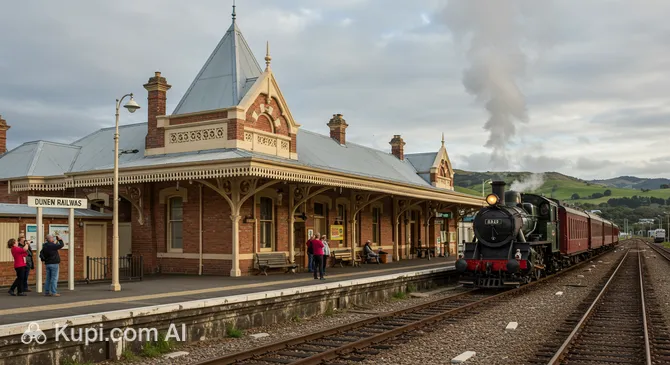
Dunedin Railways
Dunedin Railways. Иллюстрация. Источник: Kupi.com AI

The centerpiece and starting point of the routes is the Dunedin Railway Station, built in 1906 in the exquisite Flemish Renaissance style. New Zealand carefully preserves this engineering heritage, allowing tourists to enjoy rides in classic carriages through landscapes that remain virtually inaccessible by car.

It is not just transport, but a full-fledged museum on rails. The path winds through deep gorges, over high viaducts, and through old tunnels, revealing panoramas of wild nature and traces of the land's history. A trip here is a combination of architectural delight and natural splendor that has become a hallmark of the country's south.

Contacts

To check the current train schedule and book tickets, you can use the official communication channels. There is also an information office for tourists located right at the railway station.

How to contactContact
Address22 Anzac Avenue, Dunedin 9016, New Zealand
Phone+64 22 436 9074
Websitewww.dunedinrailways.co.nz

What to Do

The main attraction here is, of course, the train rides themselves, each offering its own unique experience. The Inlander route takes you through the rugged Taieri Gorge to Hindon station, where you can step off and walk across the bridge to feel the scale of the local nature. If you prefer seascapes, choose The Seasider — this train travels along the jagged coastline north of the city.

For fans of themed adventures, the company organizes special trips. The Christmas Inlander runs in December, and for astronomy enthusiasts, there is The Stargazer evening route, organized in partnership with the Dunedin Astronomical Society for stargazing away from city lights. Along the way, guides share fascinating stories of the gold rush era and the engineering feats of the line's builders.

Don't forget to spend some time exploring the station itself before departure. The station building houses an excellent tourist office and a small museum where exhibits detail the development of rail travel in the region. It's the perfect place to soak up the early 20th-century atmosphere before the locomotive's first whistle.

Getting There

Finding Dunedin Railways is easy, as their base is located at 22 Anzac Avenue, right in the heart of the city. The famous station building is just a 10-minute walk from The Octagon — the central square — making it easily accessible on foot from most city center hotels.

If you prefer public transport, local buses connecting various districts stop near the station. You can also use taxi services or city rental services to reach the entrance comfortably. For those arriving from other regions, remember that Dunedin is the key hub of the Otago region on the South Island, and the railway station is its main architectural and transport landmark.

Ближайший город: Dunedin

History & Facts

The history of this unique enterprise began in 1978 with the formation of the Otago Excursion Train Trust. Enthusiasts joined forces to preserve the possibility of traveling along the scenic Otago Central Railway line. The first excursion train set off in October 1979, and by the mid-80s, it was clear that the route possessed immense tourism potential.

A turning point came in 1989 when the state-owned Railways Corporation planned to close the line due to the cessation of freight traffic. To save the legendary route, the Dunedin City Council intervened. The city purchased the section of track to Middlemarch and several locomotives, handing management over to the trust. Thanks to this decisive move, the Taieri Gorge Limited became the longest tourist railway in the country.

The company received its current name — Dunedin Railways — in 2014, emphasizing its close connection with the city. Today, it is not just a form of transport, but a living monument to New Zealand's engineering, preserving the spirit of the gold rush and the Victorian era for future generations of travelers.

Time Needed

Your time planning depends on your chosen route. If your goal is simply to admire the station's architecture and peek into the local museum, then 30–45 minutes will be sufficient. This allows enough time to take beautiful photos and browse the information displays.

For those planning a full trip, you should set aside from a few hours to an entire day. The popular route through the Taieri Gorge to Hindon station takes half a day, while "The Victorian" trip to Oamaru requires a full daylight day. In any case, this adventure is best enjoyed without rushing, allowing you to fully immerse yourself in the landscape.

Working Hours

Please note that the operating hours for the station and the tourist office are limited. Currently, the facility is open to the public only at the end of the week:

  • Monday — Thursday: Closed
  • Friday: 10:00 – 12:00
  • Saturday: 10:00 – 12:00
  • Sunday: 10:00 – 12:00

Since operating hours may change based on specific train schedules or seasonal events, it is recommended to check train departure times in advance on the official website before your visit.

DayWorking hours
ПонедельникЗакрыто
ВторникЗакрыто
СредаЗакрыто
ЧетвергЗакрыто
Пятница10:00 – 12:00
Суббота10:00 – 12:00
Воскресенье10:00 – 12:00

Nearby

After your train journey, be sure to take some time to explore the area around the station. The district surrounding Anzac Avenue and the harbor is filled with historic landmarks and interesting spots that will help you dive deeper into the atmosphere of old Otago.

NameDistance
Otago Art Society0 km
Maggies0.2 km
Toitū Otago Settlers Museum0.2 km
Vault 210.4 km
Dunedin Chinese Garden0.4 km
Dunedin Public Art Gallery0.5 km
Beam Me Up Bagels0.5 km

Reached the end of the page?

That means the route is fully explored