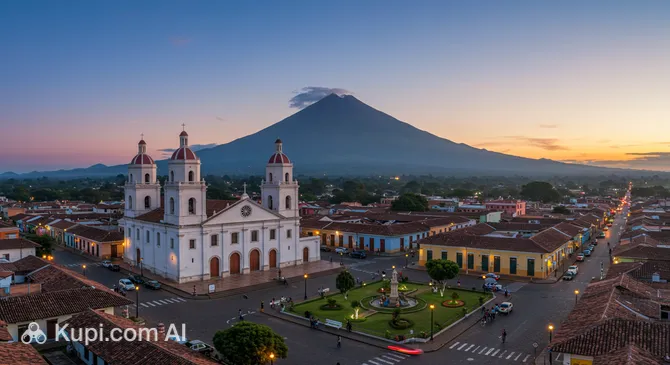
León is more than just the country's second-largest city; it is the true heart of its cultural and intellectual life. Nestled comfortably on fertile plains surrounded by majestic volcanoes and green fields, this city captivates travelers at first sight. It is the perfect starting point for a deep dive into the colorful character of a remarkable country like Nicaragua. Here, just 90 kilometers away from the capital's hustle and bustle, a special atmosphere reigns, where student energy intertwines with a steady, almost European pace of life.
León. Illustration.
Source: Kupi.com AI
The city's architectural style preserves the spirit of antiquity and serves as a reminder of its important status in the past. Strolling through narrow streets and shady squares and admiring colonial facades, it is easy to lose track of time. León's rich history dates back to 1524, and the city proudly bears the title of the first capital and the site where the country's first university was founded.
León offers a unique combination of educational tourism and active outdoor recreation. The city's surroundings are a true paradise for adventure seekers: here, you can see geysers or climb one of the nearby volcanoes. And if you feel like cooling off, the picturesque beaches of the Pacific Ocean are just a half-hour drive away.
León is worth visiting for its unique charm, which blends ancient traditions with vibrant modernity. From gastronomic discoveries at local markets to walks through art galleries and volcanic slopes, this city will provide every guest with vivid impressions.
Weather Overview
León's climate can boldly be called hot and tropical, so summer reigns here all year round. The average air temperature remains steady in the 27–29°C range, creating ideal conditions for those who love the warmth. However, be prepared for the fact that in March and April, the air heats up the most: maximum figures often reach 33–34°C.
Expect a clear division of the year into dry and wet periods. From December to April, rain is a great rarity, and the number of days with precipitation is practically zero. This is the most popular time for tourists. Starting in May, the picture changes: the rainy season arrives, lasting until October. During this period, the number of rainy days can reach 22–28 per month, although the temperature remains high.
To plan your wardrobe correctly and choose the best dates for climbing volcanoes or walking through the city, we recommend studying the detailed weather in León before your trip. Even during the rainy season, morning hours are often clear, allowing you to enjoy the beauty of the region.
Average monthly temperature
Average monthly precipitation
Interesting Facts
León is a city with a deep soul, where every stone can tell a story. Beyond the well-known sights, it holds many fascinating secrets and traditions that will surprise even the experienced traveler.
León is often compared to Pompeii because of its dramatic fate. The city was founded in 1524, but after a powerful eruption of the Momotombo volcano in 1610, it had to be completely moved to a new location. The ruins of the old settlement, León Viejo, have been preserved to this day and are an important archaeological site.
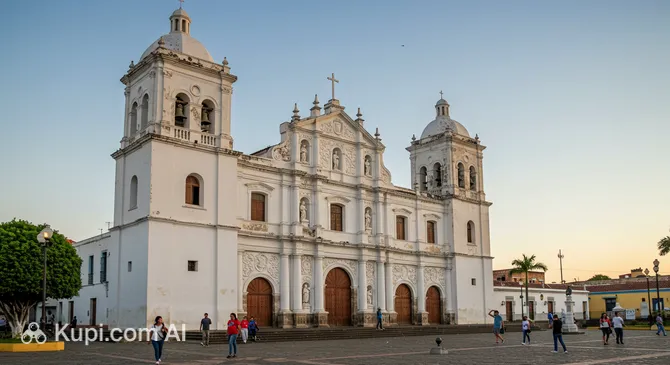
The majestic León Cathedral holds the title of the largest church in all of Central America and is listed as a UNESCO World Heritage site. Tourists are drawn to the unique opportunity to walk on its snow-white roof; they say egg whites were added to the mortar to achieve such a dazzling color, and the view of the volcanoes from there is simply breathtaking.
The city is considered the country's intellectual capital and the birthplace of the "Prince of Castilian Letters"—the poet Rubén Darío. His legacy permeates the atmosphere of the streets, and the house where he spent his childhood now houses the Rubén Darío Museum-Archive, which preserves the genius's personal belongings and manuscripts.
León is famous for the loudest and most joyful holiday in the country—the "La Gritería" (The Shouting) festival. In early December, locals take to the streets to sing and loudly shout their gratitude to the Virgin Mary, receiving sweets and traditional treats from their neighbors in return.
León Cathedral. Illustration.
Source: Kupi.com AI
Traveler photos:
How to Get There
When planning a trip to this colorful colonial city, it's worth thinking about the logistics in advance, as there are no direct flights to the city itself. You can find out all the ways to get to the city in more detail on a dedicated page, but here we will look at the main transport hubs through which tourists reach León.
There is no airport in the city of León itself, so the vast majority of travelers fly into the country's capital. The closest and most convenient option is Augusto C. Sandino International Airport (MGA), located in Managua. It is about 84 km from the center of León. This is the country's largest aviation hub, receiving many international flights. A trip from here by taxi or rental car will take about 2.5 hours, depending on traffic when leaving the capital.
Alternatively, some tourists choose to fly into neighboring Costa Rica, for example, to Liberia Airport (LIR), located in the city of Liberia. The distance to León is about 250 km. Although this airport is also a major international hub, the travel time will be over 6–7 hours, as it requires crossing the state border. Another option within Nicaragua is the small Costa Esmeralda Airport in Tola (144 km from León), though it is geared towards smaller passenger flows and private aviation.
For clarity, here is a summary of the main airports:
Since passenger rail service is virtually non-existent in this region, roads remain the primary way to travel by land. After arriving in Managua or crossing the border, tourists most often use intercity buses or private shuttles. The road to León is picturesque and allows you to immediately immerse yourself in the country's atmosphere. We recommend checking the schedule of local "microbuses" in advance, which depart as they fill up and are a fast and budget-friendly way to reach your destination.
Main Attractions
León is rightfully considered a city of churches, museums, and colonial architecture. The concentration of historical monuments here is so high that a simple walk through the center turns into a fascinating excursion. To ensure you don't miss the most important sights, we have compiled a list of places that shape the unique character of this city.
The undisputed symbol of the city is the majestic León Cathedral. It is not just a church but a UNESCO World Heritage site and a true masterpiece of Baroque architecture. Tourists come here not only for the lavish interior but also for the unique opportunity to climb onto the roof. Walking barefoot across the cathedral's snow-white domes is an unforgettable experience, offering panoramic views of the city and the chain of smoking volcanoes on the horizon.
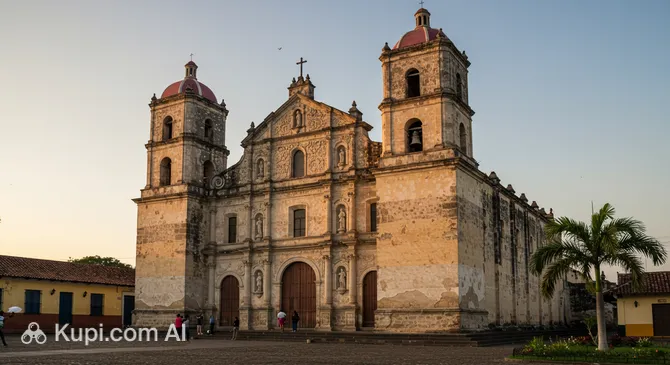
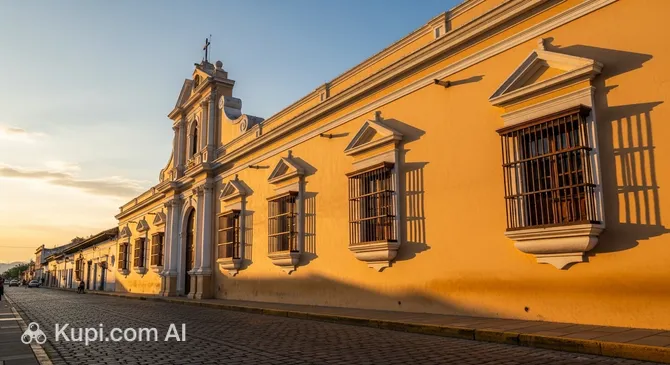
For fans of bright photos and elegant architecture, La Recolección Church is a must-visit. Built in the Mexican Baroque style, this church is considered one of the most beautiful in León. Its rich yellow facade, adorned with intricate stucco work and bas-reliefs, creates a stunning contrast with the blue sky. The church is located near the central square and consistently catches the eye of travelers.
Church of La Recolección. Illustration.
Source: Kupi.com AI
Traveler photos:
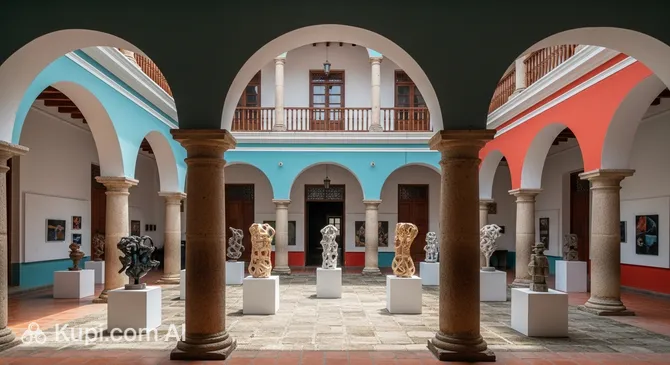
For those who wish to experience fine art, the Ortiz Gurdián Foundation Arts Center opens its doors. Many guidebooks call it the best museum of contemporary art in all of Central America. The exhibition is housed in two beautifully restored colonial mansions and includes works by both Latin American masters and famous European artists, including Picasso and Chagall. It is a true cultural oasis with cozy courtyards and fountains.
Ortíz Gurdián Foundation Art Center. Illustration.
Source: Kupi.com AI
Traveler photos:
To gain a deeper understanding of the local mentality and folklore, stop by the Museum of Traditions and Legends. It is located in the building of the former "XXI" prison, which adds a special touch to the visit. Here, history is intertwined with mythology: the cells that once held prisoners now display figures of characters from Nicaraguan legends, including the famous Giantona doll. This place leaves a strong emotional impression, clearly showing the contrast between the building's grim past and the vibrant folk culture.
Local Cuisine
León's gastronomic scene is a vivid reflection of the city's soul, where traditions are interwoven with a love for hearty and delicious food. For tourists, it's a true paradise, as there's a cult of fresh products, and the foundation of the diet consists of corn, rice, and beans. Your acquaintance with the local cuisine should start with the main national dish—"gallo pinto". This aromatic mixture of rice and beans with spices is served almost everywhere, from humble street stalls to restaurants, and is often eaten for breakfast to energize you for the whole day.
Special attention should be paid to "indio viejo"—a thick and hearty meat soup prepared with cornmeal, vegetables, and local spices according to ancient recipes. Thanks to its proximity to the Pacific Ocean, León's menus always feature the freshest seafood. Fish, shrimp, and shellfish come here directly from the coast, turning into magnificent dishes that are definitely worth a try.
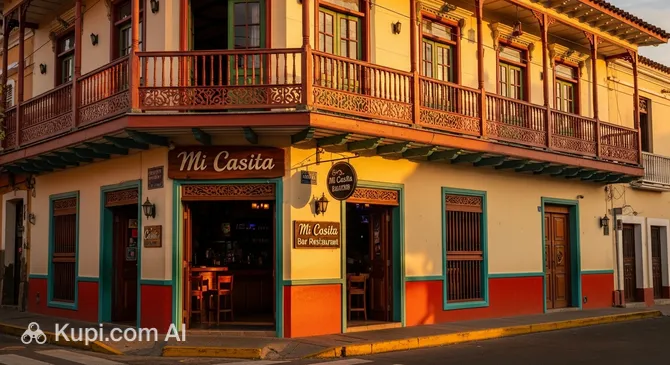
Mi Casita Bar and Restaurant. Illustration.
Source: Kupi.com AI
Traveler photos:
Street food in León is a whole separate chapter of the journey. Strolling through the city, it's impossible to pass by the stalls with fried plantains, sweet pastries, and crispy "rosquillas" cookies. The king of street snacks is considered to be "quesillo"—a soft local cheese served with a warm tortilla, pickled onions, and sour cream. This simple but incredibly tasty combination is perfect for a quick lunch on the go.
As for drinks, refreshing natural juices from tropical fruits are popular in León's hot climate. In the evening, locals and tourists gather in cozy establishments to relax and discuss the day. For example, you can stop by Mi Casita Bar and Restaurant, which has a relaxed atmosphere. And fans of craft drinks and a more modern setting might like Cerro Negro Taproom. Food here is not just about satisfying hunger, but a way to socialize and immerse yourself in the country's culture.
Travel Tips
Welcome to León! To ensure your journey through this colorful city is as comfortable as possible and leaves only pleasant memories, we have prepared a list of useful practical recommendations to help you easily navigate the local environment.
Clothing and Essentials. León is known for its very hot climate, so the foundation of your wardrobe should be light clothing made of natural fabrics (cotton, linen). Be sure to bring sunglasses, a hat, and high SPF sunscreen. For walking on cobblestones, you'll need comfortable shoes without heels. Note that when visiting Catholic churches, especially the Cathedral, a dress code applies: shoulders and knees must be covered.
Transport. The city's historic center is compact and best explored on foot. For trips over longer distances (e.g., to museums on the outskirts), it's convenient to use a taxi. They usually don't have meters, so you should agree on the price in advance, before getting into the car. Bike taxis are also popular in the city—a great and inexpensive way to travel short distances.
Finances. The local currency is the cordoba, but US dollars are accepted almost everywhere (change is often given in cordobas). Visa and Mastercard work in large hotels, supermarkets, and popular restaurants, but for payments in markets, taxis, and street cafes, always carry cash, preferably in small bills. ATMs are common in the city center.
Health and Safety. Drink only bottled water to avoid digestive issues. León is a relatively safe city, but basic precautions are necessary: watch your bags in markets and crowds. Pharmacies, marked with "Farmacia" signs, work well, and many basic medicines can be bought without a prescription.
Communication. The primary language is Spanish. English is understood in the tourism sector, but knowing a few basic phrases in Spanish ("hello", "how much", "thank you") will significantly make your life easier and endear you to the locals. For connectivity and internet, we recommend buying a SIM card from local operators (Claro or Tigo); coverage in the city is good.
Local Etiquette. Nicaraguans are friendly and polite people. When entering a shop or restaurant, it is customary to greet everyone present or the staff using the universal greeting "Buenas". If you want to take photos of locals, be sure to ask for permission—it's a sign of respect that is highly valued here.
What to Avoid. It is not recommended to walk alone in remote and unlit areas of the city after dark. Also, avoid openly displaying expensive jewelry, large amounts of money, or costly equipment in crowded places to avoid attracting pickpockets.
Daily Schedule. Consider the heat factor: from 12:00 PM to 3:00 PM, the sun in León is particularly intense, and the city goes quiet. Plan active excursions, volcano climbs, or walks on the cathedral roof for early morning or pre-sunset hours, and spend the middle of the day in museums or cafes in the shade.
By following these simple tips, you can feel confident and safe, enjoying the unique atmosphere, history, and hospitality of León.
Entertainment & Nightlife
León is a university city where youthful energy is in full swing, so life doesn't stop when the sun goes down; it just takes on new colors. León's nightlife is considered one of the liveliest in Nicaragua, second in scale perhaps only to the capital's, but winning in terms of soulfulness and safety. There are no pretentious clubs with strict face-control; instead, you will find atmospheric bars with live music, salsa parties, and cozy courtyards where students and travelers from all over the world gather.
The epicenter of evening entertainment is the so-called "Zona Rosa" (Pink Zone), located a few blocks from the central park, as well as the streets around the Cathedral. This is where most of the establishments are concentrated, where you can dance or simply have a cocktail. The crowd is very diverse: from local students to backpackers from Europe and the US. There is virtually no dress code—"tropical casual" (shorts and a T-shirt) will be appropriate in 99% of places.
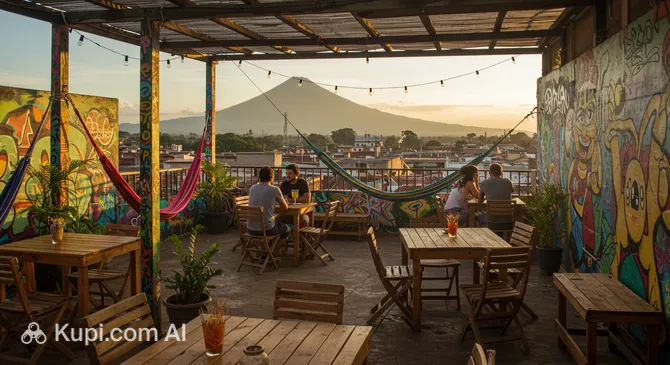
If you're looking for a place where you can not only have a drink but also find company for wild adventures, be sure to check out Bigfoot Hostel & Volcano Boarding. This is a legendary spot on the city map, known for its loud parties that often last until morning. An international atmosphere prevails here, popular hits are played, and bartenders mix great cocktails at affordable prices.
Bigfoot Hostel & Volcano Boarding. Illustration.
Source: Kupi.com AI
Traveler photos:
For those who appreciate a more relaxed atmosphere and quality drinks, Cerro Negro Taproom is an excellent choice. This establishment specializes in craft beer, which is a pleasant rarity for Nicaragua. Here you can spend the evening in slow conversation, tasting local brews in a stylish interior. Mañana Mañana Cafe is also popular, where relaxing music often plays in the evening, creating the perfect backdrop for ending the day.
Those who prefer more traditional leisure activities should look into the Paseo León Shopping Center. This is a modern complex where you can visit a cinema featuring the latest world releases (films are often shown in their original language with subtitles) or simply browse the shops that stay open late.
Practical Tips and Safety:
The best time to go out is Friday and Saturday, starting from 9:00 PM.
Prices in León are affordable: a beer in a bar costs about $1.50–2, and cocktails are $4–6.
While the city center is considered safe, it is not recommended to walk alone at night in dark alleys away from the bar zone.
It is always better to take a taxi to return to your hotel. A trip around the city at night will cost only $1–2 (about 40–70 cordobas), but it's best to agree on the price before getting in.
Daytime entertainment in León is just as rich. In addition to admiring the architecture, the city offers a wealth of cultural programs. Small theaters and galleries operate here, and museums dedicated to the revolution and art are open until 5:00 PM. However, it is the evening coolness and the lights of the nighttime venues that allow you to feel the true heartbeat of Nicaragua.
Parks & Museums
León rightfully holds the title of the cultural capital of Nicaragua, and this is felt in every corner of the city. Here, green spaces serve not just as places for relaxation, but as stages for social life, and museum collections preserve the memory of poets, legends, and the region's rich history. A walk through the local parks and galleries is the best way to feel the rhythm of life for León's residents.
The heart of city life remains Central Park (Parque Central Máximo Jerez). Located right in front of the majestic cathedral, this park is always full of people: students discuss lectures, elderly people play chess, and tourists sample local ice cream. In the shade of the trees, you can find statues of lions—the city's symbols, guarding the peace of this place. This is the perfect starting point for any tour and a place to take a break from the midday heat.
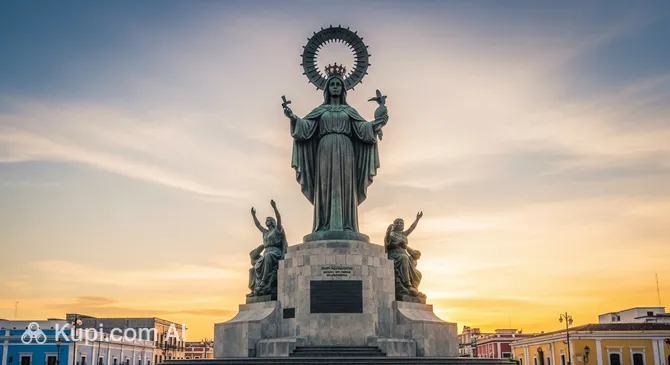
Statue of the Mother. Illustration.
Source: Kupi.com AI
Traveler photos:
Among the city monuments decorating public spaces, the Statue of the Mother deserves special attention. This monument is an important emotional point on the city map, symbolizing respect for motherhood and family values, which are so important in Latin American culture. The sculpture often becomes a meeting place for quiet walks, adding a touch of solemnity and soulfulness to the cityscape.
When it comes to museums, León offers a plunge into the world of literature. A must-visit is the Rubén Darío Museum-Archive. It is located in the house where the great poet, who is called the "father of Modernism" in Spanish-language literature, spent his childhood years. Inside, the authentic 19th-century atmosphere has been preserved: furniture, personal belongings, manuscripts, and first editions of books. Even if you aren't deeply familiar with his work, the atmosphere of the old colonial mansion with its cozy courtyard will leave a pleasant impression.
Rubén Darío Archive Museum. Illustration.
Source: Kupi.com AI
Traveler photos:
Another curious place for those interested in nature is the Entomology Museum. Although it is less famous than the art galleries, its insect collection is considered one of the best in the region. This is a great option for an educational visit, especially if you are traveling with children or are interested in tropical biology.
Insider Tip: If you are looking for privacy and greenery but don't want to leave the city, peek into the courtyard (patio) of the UNAN-León university. These spaces are often open to the public and represent true botanical gardens in miniature, hidden behind thick walls from the city noise.
Getting Around
León's transport system has its own unique characteristics, shaped by the historical layout and the city's steady pace of life. You won't find a metro, trams, or trolleybuses here. The city is quite compact, and most attractions in the center are located within walking distance of each other. However, if you need to get to distant areas or simply want to save energy in the heat, there are several types of ground transport available to tourists.
The most colorful and popular means of travel for short distances are bike taxis (often called "bicitaxis" or "ciclotaxis" here). These are three-wheeled bicycles with a covered passenger cabin in the front. They are ideal for the narrow streets of the historic center, are environmentally friendly, and allow you to slowly admire the architecture along the way. Bike taxi drivers are often talkative and can suggest interesting spots, but you should agree on the price of the trip in advance.
For trips over longer distances or with luggage, it's best to use a taxi. It's important to know that cars do not have meters. The fare is fixed by zone or determined by agreement, so the price should be discussed and confirmed with the driver before getting in. In León, the practice of "colectivos" is common—the taxi driver may pick up other passengers along the way if they are heading in the same direction. If you want to ride alone, specify that you need a "carrera privada" (private trip), but this will cost more.
City buses and minibuses ("rutas") primarily run between the center and the outskirts, and also connect León with nearby villages and beaches. This is the most budget-friendly but not always comfortable option: the transport is often overcrowded, and schedules can be loose. Stops are not always clearly marked, so to get off, you need to loudly notify the driver or conductor. You may also see modified pickup trucks with benches in the back—a local form of transport for suburban areas.
The payment system is extremely simple and conservative: only cash in local currency is accepted. There are no transport cards, mobile apps, or validators here. Payment is made personally to the driver or his assistant (conductor) upon entry or exit. Tourists are strongly advised to always have small bills and coins on them, as the driver may not have change for large banknotes.
Practical tips for tourists:
Since ride-hailing apps (like Uber) do not work here or are poorly developed, it is most reliable to take a taxi from official stands or ask the hotel reception to call a car.
At night (after 8:00 PM), taxi rates may increase, and public transport stops running quite early.
Renting a car for getting around inside the city is not recommended: the streets are narrow, traffic can be chaotic, and finding parking in the center is extremely difficult. A car is only useful for trips to the volcanoes or the ocean.
Accommodation
León is a city that warmly welcomes travelers of all budgets, offering an authentic accommodation experience. The choice of housing here ranges from lively youth hostels, where life is in full swing 24/7, to cozy boutique hotels located in restored colonial mansions. You will hardly find any luxury international chain resorts in the very center of the city, but their absence is more than compensated for by the unique atmosphere of local guesthouses ("posadas") with shady inner courtyards, fountains, and hammocks.
The most convenient and popular area to stay is the Historic Center. By staying within a 4–5 block radius of the central square, you will be within walking distance of the main museums, cafes, and architectural monuments. This makes it easy to return to your room for a rest during the hottest hours of the day. For those seeking peace and quiet, it's better to choose streets a bit further from the bar zone so that night music doesn't disturb your sleep.
Booking Tip: Given León's tropical heat, having air conditioning in your room is not a luxury but a necessity for a comfortable sleep. Be sure to check for this option when choosing a hotel, as the most budget options may only have a fan. If your trip falls during Holy Week (Semana Santa) or the high season (December to April), you should book accommodation at least a month in advance, as the best options with pools are quickly snapped up.
The price range in León is very democratic and easy on the wallet. A bed in a shared hostel room can cost from $10–15, while a comfortable double room in a mid-range hotel with breakfast and a pool will cost an average of $40–80. For booking, it is convenient to use popular international online platforms, which are widely represented in the region, although many small family-run hotels also readily accept guests who contact them directly.
Nearby Cities
For those who want to explore the surroundings, León serves as an excellent starting point for day trips to several interesting nearby places. If you have already enjoyed the colonial architecture of the city itself, a short trip around the region will allow you to see another side of life in Nicaragua—from gastronomic discoveries to industrial giants.
Just a 20-minute drive away is Chichigalpa. This city is world-famous as the home of the renowned Nicaraguan rum, Flor de Caña. Tourists often come here for a tour of the factory, where you can learn the secrets of producing this drink and, of course, taste the best varieties. It's an excellent option for an educational half-day trip.
Fans of local cuisine should head to Nagarote. This neat and well-kept town bears the unofficial title of the "quesillo capital." It is believed that the most delicious version of this popular national dish made of cheese, pickled onions, and tortillas is prepared here. Additionally, Nagarote is famous for the ancient Genizaro tree, which, according to legend, is about a thousand years old.
If you are interested in larger centers, take a look at Chinandega. Often called the "city of oranges," this city is an important trade hub. Although it is less touristy than León, it's a convenient starting point for routes to the San Cristóbal volcano—the highest in the country.
City
Population
Distance
Quezalguaque
8 591
9 km
Telica
23 266
10 km
Posoltega
16 771
16 km
Chichigalpa
46 185
22 km
La Paz Centro
28 118
25 km
These nearby destinations provide insight into the diverse culture and landscapes of the region, harmoniously complementing the experience of visiting historic León.
Shopping & Souvenirs
Shopping in León is a colorful adventure that has little in common with strolling through the glossy boutiques of world capitals. The city is famous not for branded clothing, but for its authenticity, handicrafts, and lively trade atmosphere. Here, the purchase process is often accompanied by conversation with the seller, and the range of goods reflects the rich traditions and culture of Nicaragua.
The heart of commercial life beats in the historic center, especially on the streets adjacent to the central square and the Cathedral. Strolling through these blocks, you will find many small shops, bookstores, and souvenir stalls. You can buy everything here, from flip-flops to locally made jewelry. The streets are always busy, and vendors often display their goods right on the sidewalks, creating a vibrant corridor for pedestrians.
Although León is a city with a strong historical focus, there are also modern shopping spaces. The main attraction for fans of comfortable shopping is the Paseo León Shopping Center. It is a modern complex where you can find clothing, electronics, and cosmetics stores, as well as relax in air-conditioned areas. For tourists, it is also a convenient place to buy travel essentials or visit the cinema.
León Paseo Mall. Illustration.
Source: Kupi.com AI
Traveler photos:
However, the true spirit of the city lives in its markets. The most famous and convenient for tourists is the Central Market (Mercado Central), located right behind the cathedral. It is a place of exploding colors and smells: they sell the freshest tropical fruits, vegetables, spices, and, of course, the work of local craftsmen. This is the perfect place to try local street food and observe the daily life of León's people.
If you are thinking about what to bring back from León as a souvenir, consider the following items:
Nicaraguan coffee and rum: These are the country's hallmarks. Flor de Caña rum, which is produced nearby, is considered one of the best in the world.
Ceramics and hammocks: Local artisans create magnificent pottery and durable, brightly colored hammocks that make a great reminder of the trip.
Leather goods: Handmade belts, bags, and shoes here are of excellent quality and inexpensive.
Paintings: "Primitivism" style works with bright colors and scenes from rural life are often sold right on the streets or in galleries.
Shops in León usually open early, around 8:00–9:00 AM, and work until 6:00–7:00 PM. Large supermarkets and shopping centers may stay open longer, until 8:00 or 9:00 PM. In small private shops, a siesta break is possible during the day, although this is less common in the tourist center.
Regarding payment, cash (cordobas) is king, especially in markets and small shops. US dollars are also readily accepted, but change is often given in local currency. Visa and Mastercard bank cards are accepted in shopping centers, large supermarkets, and hotels, but for street shopping, it is best to always have small bills with you.
The Tax Free system (Value Added Tax refund) for tourists is practically non-existent in Nicaragua. You shouldn't count on a VAT refund when leaving the country, so just enjoy the affordable prices, which are often lower than in neighboring countries anyway.