Support

La Trinidad

About

La Trinidad is a small but surprisingly picturesque town, nestled on the island of Luzon in Benguet Province, in the very heart of the Cordillera Administrative Region of the Philippines. Surrounded by evergreen hills, famous strawberry plantations, and fragrant flower gardens, this town offers its guests a breath of fresh mountain air and unforgettable landscapes.
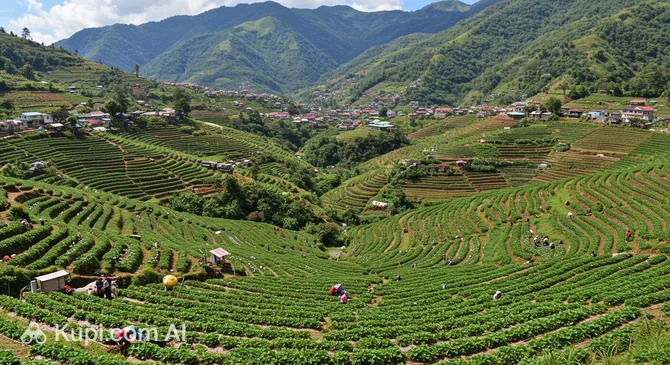
La Trinidad. Illustration.
Source: Kupi.com AI

With a population of about 137,000, La Trinidad serves as an important administrative and agricultural hub for the region. It is best known as the "Strawberry Capital of the Philippines," and visiting local farms where you can pick your own berries is a must-do for many tourists. Additionally, La Trinidad attracts travelers with its vibrant festivals, such as Panagbenga (the Flower Festival); although its main center is in Baguio, the influence extends to the surrounding areas, including local harvest celebrations.

The town also serves as a gateway to the unique culture of the indigenous peoples of the Cordilleras. Here, you can learn about their traditions and visit local markets selling authentic handicrafts and fresh produce. The atmosphere in La Trinidad combines the tranquility of rural life with the hospitality of local residents who carefully preserve their customs.

If you are looking for a place to escape the city bustle, enjoy the beauty of nature, and immerse yourself in a unique culture, La Trinidad will be a pleasant discovery. This charming town is waiting to share its gifts and warmth with you!

You can find more interesting facts on the La Trinidad city history page.

Weather Overview

The weather in La Trinidad is characterized by warm temperatures throughout the year. Average monthly temperatures typically range from 22.3°C in January to 25.2°C in May. The town has a distinct separation between dry and wet seasons: from January to March, there is minimal rainfall (about 2 mm per month), and the number of rainy days is relatively low, especially in February (10 days). Starting from April and May, rainfall and the number of rainy days increase, peaking in July and August, when 22 mm and 21 mm of precipitation fall respectively, and almost every day can be rainy.

Overall, expect warm weather in La Trinidad year-round, with a pronounced dry period from January to March and a long rainy season from May to October. To find out more details about weather conditions and plan your trip in the best possible way, check out the detailed information on the climate and weather in La Trinidad page.

Average monthly temperature

Average monthly precipitation

Interesting Facts

Beyond its picturesque landscapes and hospitable residents, La Trinidad holds many surprising stories and facts that make it a truly unique place on the map of the Philippines. This town in Benguet Province is more than just a transit point for travelers.

Mt. Kalugong Cultural Village. Illustration.
Source: Kupi.com AI

Traveler photos:

  • La Trinidad rightfully holds the title of the "Strawberry Capital of the Philippines." This is where the famous Strawberry Farm is located, where tons of fragrant berries are harvested annually, and tourists can even participate in the harvest themselves and buy the freshest produce.

  • The town is known for its impressive open-air art installations—the Stobosa Hillside Homes Artwork, also known as the "Valley of Colors." These are entire blocks of houses on hillsides whose facades are painted in bright colors, creating giant murals that have turned ordinary residential areas into a real tourist attraction.

  • In La Trinidad, the traditions of indigenous peoples are carefully preserved and honored. One of the places to get a deeper look at local culture is the Mount Kalugong Cultural Village. Here, visitors can see traditional dwellings, learn about daily life and customs, and often catch festivals featuring national dances, music, and craft workshops.

  • Few people know that La Trinidad is also the "Rose Capital" of the Philippines. It is home to the famous Bahong Rose Gardens, where dozens of varieties of these beautiful flowers are grown. In the spring, a colorful rose festival is held here, attracting flower enthusiasts from all over the country and abroad.

How to Get There

When planning a trip to this picturesque corner of Benguet Province, it is important to think through your logistics in advance, as the town is located in a mountainous area. You can find all the ways to get to the city on a separate page, but below we will look at the main routes through the nearest transport hubs.

There is no airport in La Trinidad itself, so most travelers fly into major air hubs on the island of Luzon and then continue by land. The main gateway to the country is Ninoy Aquino International Airport (IATA: MNL), located in Manila. It is approximately 223 km from La Trinidad. This is the country's largest airport, receiving flights from all over the world. The journey from here by taxi or private transfer will take about 6 hours, depending on traffic and the chosen route through the mountain serpentines.

A more convenient alternative might be Clark International Airport (IATA: CRK), located in Angeles City, about 143 km from La Trinidad. This is a modern international airport situated closer to the northern provinces. The trip from here to La Trinidad is significantly shorter and takes approximately 4 hours by car. Many tourists prefer this option to avoid the capital's traffic jams.

For convenience, here is summary information on the main airports:

AirportPassenger trafficDistance
Vigan Mindoro Airport122 km
Cauayan Airport66 415134 km
Clark International Airport2.4 mln143 km
Tuguegarao Airport225 961178 km
Laoag Airport78 229188 km

There is currently no direct rail link to La Trinidad or the neighboring city of Baguio. The main way to travel overland is by intercity bus or car. Taking a bus from Manila or Clark is a popular and budget-friendly option that allows you to enjoy the scenic views of mountain roads, such as the famous Kennon Road or Marcos Highway. If you are traveling by rental car, be prepared for winding serpentines and changes in altitude.

Main Attractions

Known as the "Strawberry Capital of the Philippines" and an important center of Benguet Province, La Trinidad offers tourists not only its famous berry farms but also other interesting sites that allow for a deeper dive into the culture and nature of this mountain region.

One of the iconic attractions is the Mount Kalugong Cultural Village. This site attracts visitors with the chance to experience local culture while enjoying magnificent natural scenery. Mount Kalugong itself is famous for its picturesque rock formations and hiking trails, perfect for light trekking. The Cultural Village provides an opportunity to learn about the traditions, daily life, and crafts of the indigenous peoples of the Cordilleras. It is an excellent choice for those seeking a combination of outdoor activity and cultural enrichment.

Mt. Kalugong Cultural Village. Illustration.
Source: Kupi.com AI

Traveler photos:

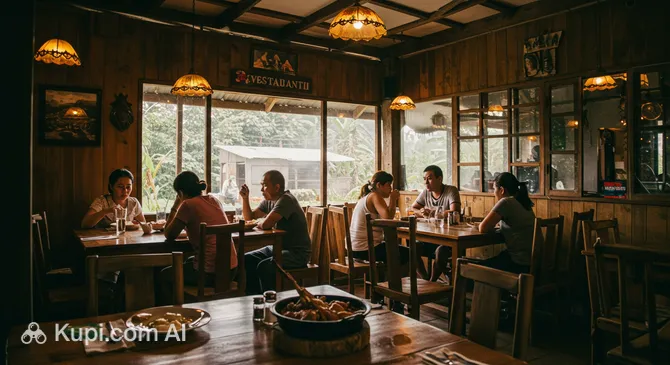
For those wishing to explore the local cuisine, a visit to Dap-ayan Restaurant III is highly recommended. This establishment is famous for its authentic food, where you can try traditional Benguet dishes prepared according to old recipes. The name "Dap-ayan" is often associated with a gathering place or traditional kitchen, emphasizing the restaurant's commitment to preserving culinary heritage and offering guests a true taste of local delicacies. A visit here allows you not only to enjoy a delicious meal but also to better understand the gastronomic traditions of La Trinidad.

Dap-ayan Restaurant III. Illustration.
Source: Kupi.com AI

Traveler photos:

Local Cuisine

The cuisine of La Trinidad is an appetizing blend of traditional Filipino dishes and the unique flavors of the Benguet region. Known as the "Strawberry Capital of the Philippines," the town offers guests the chance to enjoy fresh strawberries in various forms: from fragrant jams and pies to refreshing ice cream and smoothies. A visit to a local strawberry farm is a must for foodies, as here you can not only taste but also buy berries right from the garden bed.

Among the main dishes you should definitely try in La Trinidad is Filipino barbecue, which is prepared in many establishments. Hearty dishes made from fresh vegetables and rice, often sourced from local farmers' markets, are also popular. Don't miss the chance to taste lumpia (crispy spring rolls with filling) and sisig (a savory dish of finely chopped grilled meat, often served with an egg). These dishes reflect the richness of the local gastronomy and the love for fresh ingredients.

As for drinks, fresh juices are popular in La Trinidad, especially those made from strawberries and other local fruits. You can finish your meal with the famous Filipino dessert halo-halo—a refreshing mixture of crushed ice, sweet beans, fruit, jelly, ice cream, and other treats. Alcoholic beverages are represented by local beer and rum, which can be found in most bars and restaurants.

The food culture in La Trinidad is very diverse. Locals and tourists can choose between cozy restaurants offering both Filipino and international cuisine (such as Japanese or Italian) and numerous street food stalls for a quick and tasty snack. Venues like Dap-ayan Restaurant III are popular for getting a deeper look at local culinary traditions. Markets also play a vital role, offering fresh produce and prepared meals.

The gastronomic scene of La Trinidad especially comes alive during festivals, such as the Strawberry Festival. During these periods, the town streets are filled with food stalls, and cooking workshops and tastings are held. This is a wonderful opportunity to try unique dishes prepared according to old recipes and experience the true spirit of Filipino hospitality. The city offers many options for vegetarians and health-conscious eaters, such as at the Health 101 cafe.

Travel Tips

Planning a trip to charming La Trinidad? To ensure your journey through the "Strawberry Capital of the Philippines" goes smoothly and leaves only pleasant impressions, we have prepared some useful tips to help you find your way on the spot.

  1. Clothing and Essentials: La Trinidad is located in the mountainous Benguet region, so the climate here is significantly cooler than in most other parts of the Philippines. We recommend bringing layered clothing: light items for daytime walks and warmer ones (a sweater, fleece, or light jacket) for evenings and early mornings. Comfortable closed-toe shoes are a must, as you will likely want to walk in the hilly terrain or visit farms. Don't forget a raincoat or umbrella, especially if your trip falls during the rainy season. A universal travel adapter for electrical appliances will also be useful (the Philippines uses Type A, B, and C sockets, voltage 220V).

  2. Local Transport: The primary and most colorful type of public transport in La Trinidad and its surroundings are jeepneys—repurposed American military jeeps that run on specific routes and are inexpensive. For short trips within the city, tricycles are also popular. Taxis are less common but can be found. If you plan to visit neighboring Baguio or other cities, there are regular bus services. Renting a car can be an option, but keep in mind that mountain roads can be difficult and traffic is quite chaotic.

  3. Finances: The national currency is the Philippine Peso (PHP). You can exchange currency at banks or official exchange offices. It is recommended to carry enough cash, as bank cards are not accepted everywhere, especially in markets, small shops, and cafes. ATMs are available, but it’s better to use those located in bank branches. Tipping in the Philippines is not strictly mandatory, but always welcome for good service (usually 5-10% in restaurants).

  4. Health and Safety: Be sure to take out medical insurance before your trip. It is recommended to drink only bottled or boiled water. There are pharmacies in town, but if you take specific medications, it is better to bring a supply with you. La Trinidad is generally considered a safe place, but always take basic precautions: watch your belongings, do not leave valuables unattended, and avoid walking in deserted and poorly lit areas after dark.

  5. Communication and Language: The official languages of the Philippines are Filipino (based on Tagalog) and English. English is widely spoken, especially in the tourism sector, so you should have no problem communicating. However, locals will appreciate it if you learn a few simple Tagalog phrases, such as "Salamat" (thank you) or "Magandang umaga" (good morning). A local SIM card for mobile internet can be purchased at the airport or in communication shops (popular operators are Globe and Smart). Wi-Fi is available in most hotels and many cafes.

  6. Local Etiquette: Filipinos are very friendly and hospitable people. A smile and politeness will help you establish contact. When addressing elders or strangers, it is customary to use the respectful particles "po" and "opo" (for example, "Salamat po" is the respectful form of "thank you"). Avoid public displays of anger or loud arguments, as this is considered impolite. It is customary to remove your shoes when entering a Filipino home.

  7. What to Avoid: Try not to photograph local residents, especially children or members of indigenous communities, without their prior permission—this is a sign of respect. Also, do not criticize local customs, food, or lifestyle too openly. Filipinos are very proud of their culture, and negative comments may be taken as an insult.

  8. Special Tip – Strawberry Plantations: La Trinidad is not called the "Strawberry Capital of the Philippines" for nothing! Be sure to set aside time to visit one of the many strawberry farms. Here you can not only pick fresh berries yourself (in season, usually from November to May) but also try various strawberry products: jams, pastries, wine, and the famous local dessert "taho" with strawberry syrup. This is a truly unique experience and a signature of the town.

We hope these tips help you better prepare for your trip and enjoy every moment in hospitable La Trinidad. We wish you an unforgettable journey, delicious strawberries, and wonderful discoveries in this corner of the Philippines!

Entertainment & Nightlife

La Trinidad, known for its scenic nature and agricultural lands, offers a more tranquil and cozy evening experience compared to large metropolises. Nightlife here is focused on friendly gatherings in local establishments rather than loud, round-the-clock clubs, creating a special, relaxed atmosphere.

In the evening, the town comes alive with numerous small bars and restaurants where you can spend a pleasant time. The atmosphere in such places is usually casual and conducive to conversation. Many venues offer local cuisine and drinks. One place where you can dine in a pleasant setting and get to know the region's gastronomic traditions is Dap-ayan Restaurant III. In addition to such restaurants, local cafes and small bars are popular for enjoying drinks with friends.

As for traditional nightclubs with loud music and dancing until dawn, they are harder to find in La Trinidad. The town is more geared toward quiet relaxation. Instead, you might find venues with live music where local performers play, creating a cozy and soulful atmosphere for visitors. Night markets, if they appear, are most often tied to local festivals or holidays, offering street food and souvenirs.

Main evening activity spots are usually concentrated along the city's main streets or near the central market. Here, you can find most of the cafes and small eateries that stay open until late evening. The crowd is mostly local, including students and families, which makes the environment quite welcoming. The dress code is generally casual and informal. Most establishments close earlier than in major tourist centers, usually around midnight or slightly later on weekends.

When planning an evening out in La Trinidad, it’s best to start not too late, as the peak of activity occurs in the early evening. Average prices in local venues are quite affordable, allowing you to enjoy the evening without significant expense. To get around the city after dark, you can use taxis or local tricycles. It is recommended to agree on the fare in advance or check if the taxi driver is using the meter.

La Trinidad is generally considered a relatively safe city. However, as with any other place, it’s worth taking standard precautions at night: avoid poorly lit and deserted streets, and keep a close eye on your personal belongings. If you plan to return to your hotel late, it is most reliable to use a taxi ordered through a trusted service or directly through your hotel.

During the day, La Trinidad offers other types of entertainment and activities. Guests can visit the famous local markets, known for fresh produce, especially strawberries, which are the region's trademark. For a deeper understanding of the local culture and nature, consider visiting places like the Mount Kalugong Cultural Village, where you can learn more about the traditions and lifestyles of the indigenous people. The town also has several parks, perfect for leisurely strolls and outdoor relaxation.

Parks & Museums

La Trinidad, known as the "Strawberry Capital of the Philippines," offers tourists not only bountiful harvests but also a charming blend of natural beauty and cultural heritage. The town and its surroundings provide unique opportunities to learn about local traditions and enjoy picturesque landscapes.

One of the main "green" attractions of La Trinidad is, of course, the famous strawberry farms. Here, visitors can not only see how the juicy berries are grown but also participate in the harvest themselves. This is a fun activity for the whole family and a great way to taste the freshest strawberries right from the patch. Nearby are the Bahong flower farms, called the "Rose Capital of the Philippines," where you can admire a variety of flowers and take vibrant photos.

For nature lovers and those seeking cultural immersion, Mount Kalugong is an interesting spot. It is home to the Mount Kalugong Cultural Village, where you can learn about the life and traditions of the region's indigenous peoples. The climb up the mountain will also reward you with panoramic views of the La Trinidad Valley. This place offers a combination of active recreation and educational experience.

Mt. Kalugong Cultural Village. Illustration.
Source: Kupi.com AI

Traveler photos:

While La Trinidad may not have large traditional museums, its cultural heritage is vividly presented in other forms. One of the most recognizable art objects is the Stobosa Hillside Homes Artwork—a large-scale project where the facades of houses on a hillside were painted in bright colors, creating a giant mural. This living work of art symbolizes the unity and creative spirit of the local community.

The Benguet Provincial Capitol building, located in La Trinidad, represents historical and administrative significance. It is the seat of the provincial government and reflects local architecture. Often, in such administrative centers, you can find small displays detailing the history of the region.

To truly feel the authentic atmosphere of La Trinidad, be sure to visit the local public market. It is not just a place for shopping, but a real hub of social life where you can find the freshest vegetables, fruits, flowers, and local handicrafts. It is also worth looking for smaller family-owned farms where you can have a more private strawberry-picking experience and chat with the local residents.

Getting Around

Getting around La Trinidad and its surroundings is possible using several types of public transport. The backbone of the transport system is the famous Filipino jeepneys. These are colorful, elongated jeeps converted for passenger transport, which run on fixed routes. The route is usually indicated on a sign on the windshield or on the sides of the jeepney. This is the most popular and budget-friendly way to travel.

For short trips, especially along narrow streets or to reach places where jeepneys don't go, tricycles—motorcycles with an attached passenger cabin—are widely used. The cost of a tricycle ride is usually slightly higher than a jeepney, and it is recommended to agree on the fare with the driver before the trip begins, especially if the route is non-standard.

Buses may also be available in La Trinidad, especially for travel to neighboring towns or more remote areas. For more comfortable or individual trips, you can use taxi services, although they may be less common than jeepneys and tricycles. In some areas, shuttle taxis or vans (sometimes called UV Express or FX) may also operate, offering faster trips along popular routes.

The payment system for public transport in La Trinidad is predominantly cash-based. The fare in a jeepney is usually passed to the driver or conductor (if there is one) during the ride or upon exiting. Try to have small bills and coins for convenience. There are generally no specialized travel cards or mobile apps for paying for local transport. Fares are very affordable, especially on jeepneys.

Practical tips for tourists:

  • Tickets as such are usually not sold; payment is made directly in the vehicle.

  • A jeepney can be stopped with a wave of your hand almost anywhere along the route, unless prohibited by rules. To get off, simply let the driver know (for example, by tapping on the ceiling or saying "para"—"stop").

  • Public transport usually starts early in the morning and ends late in the evening, but the frequency of trips may decrease at night.

  • Confirm routes with locals or drivers if you are unsure.

As an alternative to public transport, you can get around on foot for short distances in the town center. The availability of bicycle or scooter rentals may be limited, but it's worth checking on-site. Car-sharing services are usually not developed in towns of this size; however, the availability of ride-hailing apps (such as Grab) should be checked upon arrival, as their availability can change.

A feature of jeepney rides in the mountainous terrain where La Trinidad is located is the scenic views that open up along the way. This adds a certain local flavor to traveling by public transport.

Accommodation

When planning a trip to La Trinidad, you will find a variety of accommodation options to suit different preferences and budgets. The town offers a choice ranging from affordable guesthouses and small pensions to mid-range hotels. You can also consider renting apartments or rooms, which can be convenient for long-term stays or groups of travelers.

When choosing a place to stay in La Trinidad, pay attention to its location relative to your plans. Many tourists prefer to stay in areas with good transport accessibility or near major attractions and markets. While specific hotel names are not provided in this overview, you can find suitable options through popular online booking platforms.

The price range for housing in La Trinidad varies from budget options to mid-level offers. It is recommended to book accommodation in advance, especially if your trip coincides with the peak tourist season or local festivals, to ensure the best choice and prices. Most options can be booked through well-known international and local travel websites, as well as by contacting the hotels or guesthouses directly.

Nearby Cities

For those who want to explore the surrounding area, La Trinidad serves as an excellent starting point for day trips to several interesting nearby locations:

CityPopulationDistance
Tublay19 4296 km
Sablan11 5887 km
Baguio366 3588 km
Kapangan19 29715 km
Bagulin14 42817 km

A particularly popular destination is Baguio, known as the "Summer Capital of the Philippines." This city attracts visitors with its cool mountain climate, picturesque parks like Burnham Park and Mines View Park, and the lively atmosphere of Session Road. It is also worth considering a trip to Itogon, which offers opportunities to experience impressive mountain landscapes, indigenous culture, and perhaps explore caves or hot springs characteristic of the region.

These nearby destinations provide a more complete picture of the diverse culture, history, and natural beauty of the Cordillera region, making your trip even more rewarding and memorable.

Shopping & Souvenirs

La Trinidad, known as the "Strawberry Capital of the Philippines," offers a unique shopping experience that focuses more on fresh local produce and handicrafts than on large retail chains. The town is famous for its abundance of fresh vegetables, fruits, flowers, and, of course, its legendary strawberries, making it an attractive place for gastronomic shopping and finding authentic souvenirs.

Primary trading activity in La Trinidad is centered around the La Trinidad Public Market and the surrounding streets. This is where you will find the largest concentration of small shops, market stalls, and kiosks offering a wide range of goods, from fresh produce to clothing and household items.

You won't find the huge modern shopping malls common in metropolises in La Trinidad. Instead, there are smaller commercial centers and department stores where you can buy daily necessities, clothing, and some electronics. However, the main focus of shopping is on market trade and specialized shops offering local products.

The main trading artery and the heart of the city's commercial life is the La Trinidad Public Market. It is a vibrant and lively place where farmers from all over Benguet Province come to sell their harvests. Here, you can buy the freshest strawberries (especially during harvest season), a variety of mountain vegetables, exotic fruits, magnificent flowers, as well as local coffee, honey, and other delicacies. In addition to food, the market offers a selection of souvenirs and local handicrafts. It is also worth checking out the numerous farm stalls along the roads leading into town, which often sell fresh seasonal produce straight from the fields.

When leaving La Trinidad, it is definitely worth bringing back strawberries in all their forms: fresh berries, fragrant jams and preserves, strawberry wine, or fresh strawberry pastries. Other local products are also popular, such as mountain rice, organic coffee, natural honey, and peanut butter. Look for woven items (like ikat) and other handmade crafts characteristic of the Cordillera cultures. For authentic souvenirs and works by local masters, you can also stop by the Mount Kalugong Cultural Village, where unique items are sometimes available.

Most shops in La Trinidad are generally open from 9:00–10:00 AM to 7:00–8:00 PM. The Public Market starts much earlier, in the early morning, which is the best time to buy the freshest produce. Regarding payment, the preferred method, especially in markets and small private stalls, is cash in Philippine Pesos (PHP). Some larger stores and establishments may accept credit cards, but it is always recommended to have a sufficient amount of cash on hand. ATMs are available in town, allowing you to withdraw money if necessary.

The Tax Free system for tourists in La Trinidad, as in most small towns in the Philippines, is generally not available. This service is most commonly found in large department stores and specialized tourist shops in major cities and at international airports. Therefore, when planning your purchases in La Trinidad, you should not count on a VAT refund.

Nearby cities

Reached the end of the page?

That means the route is fully explored