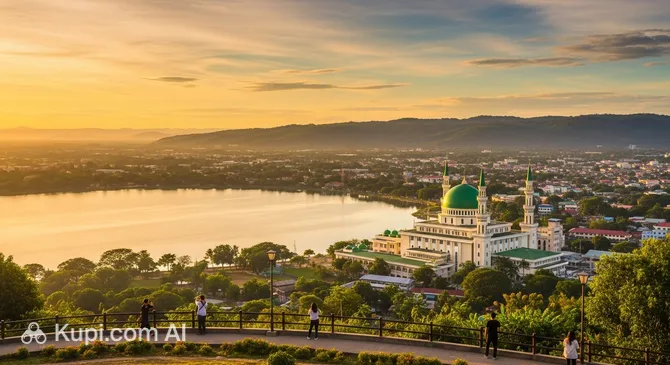
Marawi is an amazing corner on the island of Mindanao, officially recognized as the "Islamic City" of the Philippines. Located on the scenic northern shore of Lake Lanao at an altitude of about 1,100 meters above sea level, the city greets travelers with a cooler and milder climate than the country's coastal regions. It is the heart of the Maranao people's culture, where Islamic traditions are closely interwoven with daily life, creating a unique atmosphere for the region.
Marawi. Illustration.
Source: Kupi.com AI
With a population of over 207,000, the city serves as an important administrative and educational center. It is home to the Mindanao State University (MSU) campus, which is rightfully considered the cultural heart of the region. Exploring the city's rich heritage, you will notice that Marawi does not strive to be a bustling metropolis but rather retains the charm of a provincial center with an emphasis on traditional crafts and family values.
The city's main treasure is Lake Lanao itself—one of the largest in the country, providing residents with a cool breeze and inspiration. Marawi invites those who seek authenticity, want to get acquainted with the art of woodcarving and the making of exquisite bladed weapons, and wish to immerse themselves in the calm pace of life in the Muslim communities of the Southern Philippines.
Weather Overview
Due to its location at 1,100 meters above sea level on the shores of Lake Lanao, Marawi delights travelers with more moderate temperatures than most coastal cities in the Philippines. The average temperature here fluctuates in a comfortable range from 24°C to 25°C year-round. During the day, the air can warm up to 28°C, and nights bring a pleasant coolness when the thermometer drops to 21-22°C.
The region is characterized by a tropical climate with a distinct rainy season that lasts from June to December. During this period, rainfall is heavy, and humidity levels increase significantly. If you are planning a trip, it is worth checking the detailed city weather in advance to prepare for possible downpours. The dry season begins at the start of the year, though short-lived rains are possible even in the sunniest months—March and April.
Lake Lanao plays a key role in shaping the local microclimate, creating refreshing breezes that help make the humidity more bearable. Nevertheless, tourists are advised to always carry a light raincoat and wear natural fabrics, and to keep in mind that during the dry season, the air in the city center may be less fresh than by the lake shores due to dense buildings and dust.
Average monthly temperature
Average monthly precipitation
Interesting Facts
Marawi holds a unique title—it is the only officially recognized "Islamic City" in the Philippines, making it a key symbol of Muslim identity in the country.
The city is located on the shores of Lake Lanao, which is recognized as one of the oldest and deepest lakes in the world and is also the source of the important Agus River.
Marawi is home to Mindanao State University—one of the largest educational centers in the South, which serves not only as a place of learning but also as the primary cultural hub for Maranao communities.
Local craftsmen are famous for their metalworking: the city is considered an important center for the production of traditional Philippine bladed weapons and unique brass items.
Thanks to its elevation of over a kilometer above sea level, Marawi is one of the coolest cities in Mindanao, offering a comfortable refuge from the tropical heat.
How to Get There
Getting to Marawi is a small journey in itself, revealing scenic views of mountainous Mindanao to tourists. Since the city is located in the elevated part of the island, the transport network relies on roads and the nearest major transport hubs. To better plan your route, it is worth studying information on how to get there in the most comfortable way in advance.
The city does not have its own civilian airport. Most travelers arrive via Laguindingan International Airport, located closer to the cities of Cagayan de Oro and Iligan. From there, the journey to Marawi takes about 1.5–2 hours by taxi or bus. The road passes through hilly terrain, so be prepared for winding roads and potential traffic delays during peak hours.
Land connections are represented by regular bus services from cities like Davao or Cagayan de Oro. The bus trip can take anywhere from 4 to 6 hours depending on the starting point. There is currently no rail service in this part of the island, so the main choices remain buses, jeepneys, or renting a car with a driver.
Main Attractions
Although Marawi is not a classic tourist center with a multitude of entertainment venues, its surroundings and cultural locations can surprise even the most seasoned traveler. The main point of attraction within the city itself is the Mindanao State University campus, where you can see traditional Maranao architecture and feel the academic atmosphere of the region. From here, beautiful views open up over the vast expanse of Lake Lanao, which is the soul of this land.
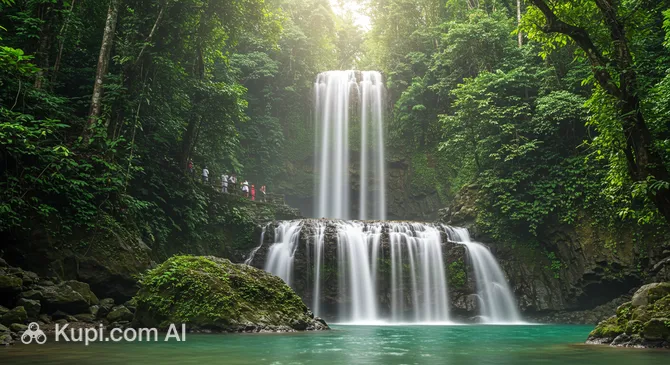
For lovers of natural beauty, a trip to the waterfalls in the neighboring region is a must. One of the most impressive is Tinago Falls, whose name translates to "hidden." To reach its azure waters, you have to descend hundreds of steps, but the view of the cascade surrounded by thick jungle justifies every effort.
Tinago Falls. Illustration.
Source: Kupi.com AI
Traveler photos:
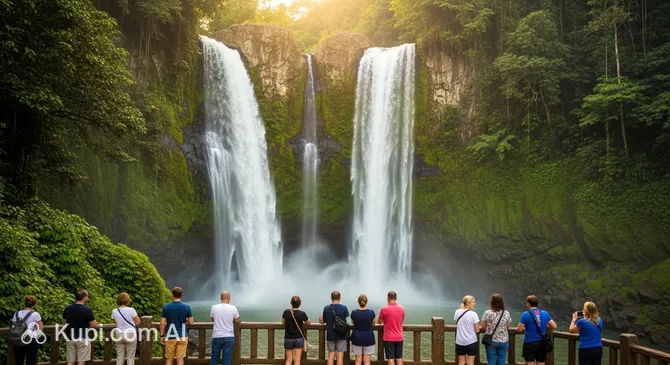
Another magnificent natural attraction is Maria Cristina Falls. It is famous not only for its majestic beauty and power but also for being a vital source of hydroelectric power for the entire island. Its powerful streams of water, divided by a rock, create an unforgettable sight demonstrating the raw power of Philippine nature.
Maria Cristina Falls. Illustration.
Source: Kupi.com AI
Traveler photos:
Local Cuisine
A gastronomic journey in Marawi is, first and foremost, an introduction to the unique cuisine of the Maranao people, which differs significantly from common Filipino dishes. The main feature of the local table is the widespread use of "palapa," a spicy condiment made from shallots, ginger, and chili, which gives food a distinct aroma. Since the city is Muslim, all food here is strictly halal, and pork is completely absent from the menu.
Among the dishes you must try is kurufan—fragrant fried rice with meat and vegetables, as well as fresh fish from Lake Lanao, grilled or served in a hearty soup. Don't forget to try palubok—local rice cakes that are often served as a filling snack. Popular drinks include sweet local coffee and freshly squeezed juices from tropical fruits such as mango or durian.
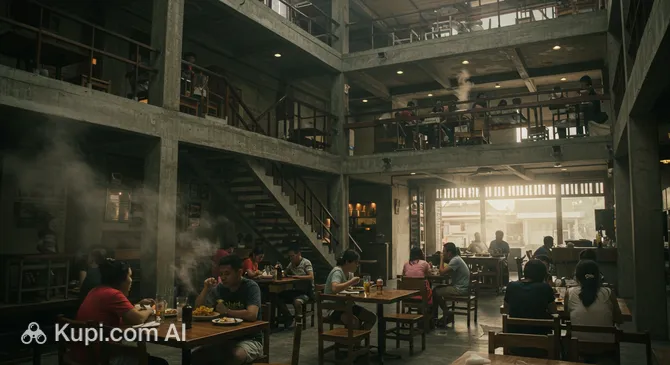
If you are looking for familiar flavors between exploring local cuisine, popular chain establishments are also present in the region. For example, you can stop by Jollibee—the fast-food chain beloved by Filipinos. For a more substantial lunch in a pleasant setting, Aguinaldo Restaurant, which offers a wide selection of dishes, is a great choice.
Aguinaldo Restaurant. Illustration.
Source: Kupi.com AI
Traveler photos:
Travel Tips
A trip to Marawi promises to be one of the most unusual experiences in your travel collection, but it requires certain preparation and respect for local customs. Here are some practical tips to help make your visit comfortable and safe:
Clothing and Dress Code: Since you are visiting a deeply conservative Islamic city, it is essential to choose modest clothing. Shoulders and knees should be covered for both women and men. Comfortable closed shoes will be useful for walking on hilly terrain.
Transport: Use tricycles or motorcycle taxis (habal-habal) to get around the city. Agree on the fare before starting the trip. If you plan to head to the outskirts, it is better to rent a car with a local driver.
Finances: The primary currency is the Philippine Peso (PHP). Cards are rarely accepted, so always have a sufficient supply of cash. ATMs are available, but they may not work with international cards or may run out of cash quickly.
Health and Safety: Drink only bottled water. Try to finish all outings before dark and avoid solo visits to sparsely populated city outskirts.
Communication: The primary language is Maranao, but many residents understand English and Tagalog. Learning a few simple phrases in the local language always earns the locals' favor.
Local Etiquette: Be polite and reserved. Always ask for permission before taking photos of local residents or religious sites.
What to Avoid: Do not bring alcohol with you and do not try to find it for sale—there is a strict ban in the city. Also, avoid public displays of affection (hugging, kissing).
Connectivity: Buy a local SIM card (Globe or Smart) at the arrival airport, as Wi-Fi in city hotels can be unstable.
Following these simple rules will allow you to enjoy Marawi's hospitality and see this city at its best. Have a pleasant trip!
Entertainment & Nightlife
Marawi is a city with deep conservative traditions, so there is no typical Western-style nightlife with loud clubs and bars here. The local population adheres to Islamic norms, and evenings are usually dedicated to family time, visiting mosques, or quiet walks. The atmosphere after sunset is peaceful and tranquil, allowing for a complete break from the hustle and bustle of big cities.
Primary daytime and evening leisure activities are centered around the local university campus or the shores of Lake Lanao, where residents enjoy picnics. For those seeking a more familiar urban rhythm and shopping, a trip to neighboring Iligan is an excellent option. There, you can visit the modern Iligan Place Shopping Mall, which features cinemas and various food courts.
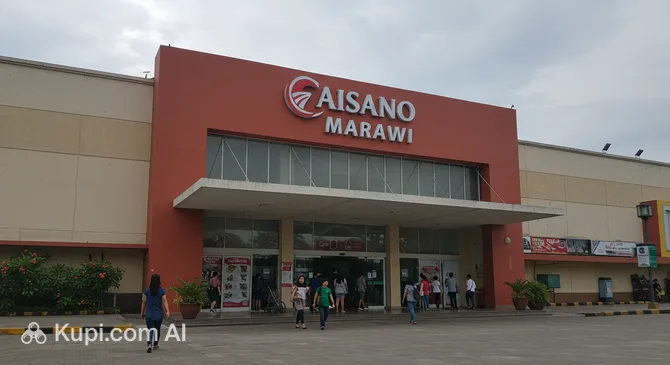
If you want to experience the local flavor, it's worth visiting the Gaisano Mall, which is also within easy reach of the city. During holidays, Marawi itself may host Maranao cultural festivals where you can see traditional dances and listen to unique gong music, which will be a much more memorable experience than a standard club visit.
Parks & Museums
The public spaces of Marawi are inextricably linked with the natural landscape and the educational environment. The city's main "green zone" can be considered the extensive territory of Mindanao State University. This is not just a campus, but a real park with alleys and open spaces where it is pleasant to walk while enjoying the silence and the view of Lake Lanao. The lakefront itself also serves as a recreation spot, although it is not developed to modern standards everywhere.
In terms of museums, the city offers unique exhibitions located within the university campus. Here you can find collections dedicated to the culture and life of the Maranao people: from traditional costumes and musical instruments to samples of the famous bladed weapons. These exhibitions allow for a deeper understanding of the region's history and its unique place in the country's cultural mosaic.
While there is some lack of classic city parks with rides in Marawi, the natural wealth more than compensates for it. The quiet of the lakeshores and the coolness of the campus create ideal conditions for those seeking solitude and wanting to touch living history without museum barriers or queues.
Getting Around
The public transport system in Marawi is simple and adapted to the needs of local residents and the features of the mountainous terrain. The main means of getting around the city streets are tricycles—motorized rickshaws that easily maneuver through traffic and can take you almost anywhere in the center. Also very popular is the habal-habal (motorcycle taxi), which is indispensable for trips to remote areas or along narrow streets where regular transport cannot pass.
For intercity travel, for example to Iligan, jeepneys—brightly decorated Philippine minibuses—are used. They do not have a strict schedule and depart as they fill up, which adds local flavor to the trip. The fare for inner-city transport is fixed and very affordable; however, it is better to negotiate the price for long-distance trips or renting a habal-habal with the driver in advance.
Tourists should keep in mind that there is no metro or trams in Marawi, and walking can be tiring due to dust in the dry season and humidity in the rainy season. Payment is made exclusively in cash, so always keep small bills and coins with you. Bicycle rentals are not developed here, and renting a car without a driver can be difficult due to local traffic patterns and the condition of some roads.
Accommodation
When planning a visit to Marawi, keep in mind that the city's hotel infrastructure is geared more toward business travelers, students, and conference participants rather than mass tourism. You won't find five-star international chain hotels here, but you can choose from several cozy guesthouses and pensions offering basic comfort at affordable prices.
The most convenient area to stay is considered to be the territory near Mindanao State University. Most accommodation options are concentrated here, and the atmosphere is considered more familiar for visitors. Staying by Lake Lanao is also popular due to the picturesque views, although the choice of accommodation there may be limited to private apartments.
Accommodation prices range from 1,000 to 3,000 Philippine pesos per night. We recommend booking your stay in advance, especially if your trip coincides with major university events or local holidays. If you prefer a higher level of service and comfort, many tourists choose to stay in hotels in neighboring Iligan and make day trips to Marawi.
Nearby Cities
Marawi serves as an excellent starting point for exploring the northern and central parts of Mindanao island, where nature and industry create a surprising contrast. Just a few kilometers from the city are small settlements, each possessing its own rural charm and traditional way of life.
One of the closest neighbors is the town of Ramain, the road to which takes very little time. Also of interest for a short trip is Saguiaran, located just 7 kilometers away. These places allow you to see the real, non-tourist life of the Philippine province. The most popular destination for a day trip remains Iligan, known for its grand waterfalls and developed urban infrastructure.
City
Population
Distance
Ramain
24 406
6 km
Saguiaran
26 712
7 km
Pantar
26 599
8 km
Buadiposo-Buntong
18 046
11 km
Kapai
20 581
12 km
Exploring the surroundings of Marawi will allow you to more fully experience the diversity of the Lanao del Sur region. Traveling along local roads winding along the lake shores and through green hills will provide many picturesque photo opportunities and help you better understand the cultural landscape of this part of the Philippines.
Shopping & Souvenirs
Shopping in Marawi is primarily a visit to local markets where the history and traditions of the Maranao people come to life. The city is famous for its artisans, so the best purchases here are handmade goods. Look for magnificent fabrics with national patterns, brassware, and, of course, traditional carved "lantay" chests. These souvenirs will serve as a unique reminder of your trip, as their production is concentrated specifically in this region.
The city's central markets also offer a huge selection of fresh produce and spices, with the local palapa condiment being the star. If you need a more familiar shopping format with air conditioning and chain stores, locals usually head to neighboring Iligan. There you will find the modern Iligan Place Shopping Mall, featuring international brands and various electronics.
Iligan Place Mall. Illustration.
Source: Kupi.com AI
Traveler photos:
Another popular spot for comprehensive shopping in the region is Gaisano Mall. Shops in Marawi itself usually operate from early morning until sunset, and most stalls accept only cash in the local currency (pesos). In the large shopping centers of neighboring cities, cards are accepted without issues, but in the Islamic city itself, it is better to always carry a sufficient supply of banknotes.