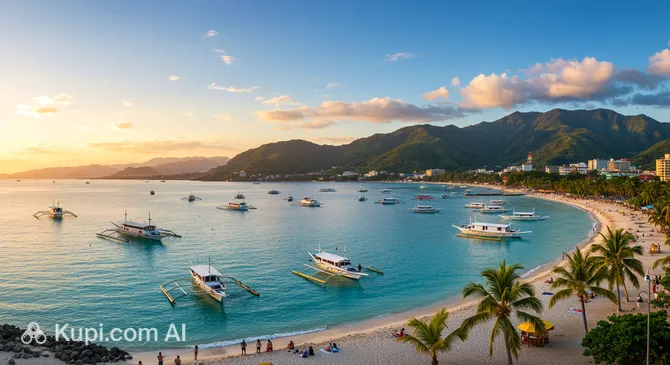
Olongapo is an energetic and highly urbanized city located in the heart of the Central Luzon region in the Philippines. Stretching along the picturesque Subic Bay and surrounded by the majestic Zambales Mountains, it offers a unique blend of port dynamism and natural tranquility. The city covers an area of over 100 square kilometers and has a population of about 264,000, making it an important economic and cultural center of the province.
Olongapo. Illustration.
Source: Kupi.com AI
An attentive traveler will immediately notice echoes of the city's rich history, which is inextricably linked to naval affairs. It originally served as a Spanish base, and from the beginning of the 20th century, it was the largest U.S. naval station outside the United States. Following the fleet's departure in 1992 and the trial of the Mount Pinatubo eruption, Olongapo showed incredible resilience, transforming into a modern commercial hub with the thriving Subic Bay Freeport Zone.
Today, Olongapo attracts visitors not only for its business opportunities but also for its proximity to excellent beaches, coral reefs, and mountain trails. It is a city of contrasts, where bustling shopping malls neighbor cozy parks, and historical heritage is harmoniously complemented by modern infrastructure. We invite you to discover this welcoming place, which has become a symbol of recovery and progress.
Weather Overview
Olongapo enjoys a typical tropical climate with a distinct separation between the dry and wet seasons. The air temperature remains consistently high year-round, usually ranging from 25°C to 32°C. Thanks to its proximity to Subic Bay and the surrounding mountains, a pleasant sea breeze is often felt in the city, helping to make the heat more bearable.
The period from November to April is considered the driest and most favorable for tourism. During these months, rainfall is rare, and the sun shines almost every day. Conversely, from May to October, the rainy season arrives, when heavy downpours and typhoons are possible. July and August are traditionally the wettest months, when rainfall can reach significant levels. You can check the current city's climate on specialized forecast pages.
When planning a trip, it's worth noting that humidity in Olongapo is always high, which is characteristic of the coastal zones of Luzon. If you are planning a beach holiday or diving, the best time for this is from January to March, when the sea is at its calmest and the sky remains clear.
Average monthly temperature
Average monthly precipitation
Interesting Facts
The city's name comes from the legend "Ulo ng Apo", which in Tagalog means "head of the elder" — a tribute by the residents to their legendary leader.
Until 1992, it was home to the largest US naval base outside of American territory, which left a significant mark on the city's culture and architecture.
In 1991, Olongapo was seriously affected by the eruption of Mount Pinatubo, but thanks to the unity of the residents under the leadership of the Gordon family, the city was restored in a very short time.
After the closure of the American base, its infrastructure became the foundation for the creation of the first in the Philippines Subic Bay Freeport Zone (SBFZ).
Part of Olongapo's territory is administratively independent, making it one of the largest and most autonomous cities in the Zambales province.
How to Get There
Olongapo is conveniently located and accessible for travelers arriving from different parts of the Philippines. The main flow of tourists comes from the capital, Manila. There is a regular bus service between the cities; the journey takes about 3–4 hours via modern expressways. It is recommended to plan your trip for early morning to avoid congestion leaving the capital. More detailed information about routes can be found in the section on transport to Olongapo.
If you prefer air travel, the nearest air hub is Subic Bay International Airport. It formerly served as a military base and now handles domestic flights. You can reach central Olongapo from the terminal by taxi in just 20–30 minutes. Many tourists also use Clark International Airport, located about an hour's drive from the city.
For those traveling from neighboring provinces like Bataan or Zambales, jeepneys or intercity buses are available. The city's life is closely tied to the sea, so ferries from neighboring islands occasionally dock at the Port of Subic, though this mode of travel is less regular than land transport.
Station
Passenger traffic
Distance
Angeles station
3
47 km
San Fernando station
5
48 km
Balagtas station
4
64 km
Monumento station
7
78 km
5th Avenue LRT Station
7
78 km
Main Attractions
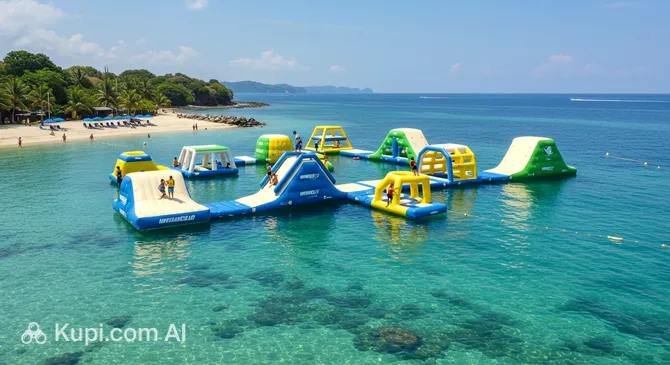
Olongapo and the adjacent Subic area offer travelers unique opportunities for active and educational leisure. One of the most unusual locations is Inflatable Island — a giant floating amusement park with slides, bridges, and obstacle courses right on the water. This place is considered one of the largest in Asia and provides unforgettable emotions for both children and adults.
Inflatable Island. Illustration.
Source: Kupi.com AI
Traveller photos:
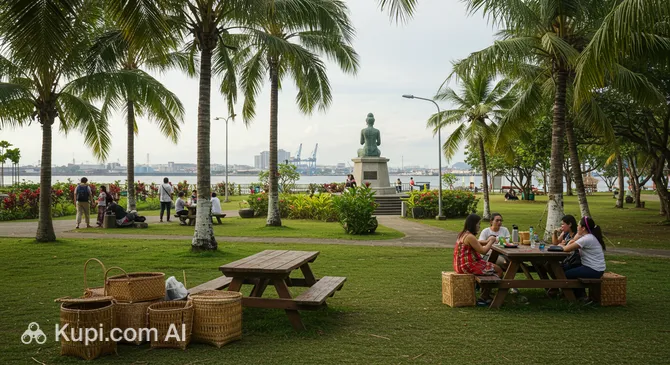
For those seeking a peaceful nature retreat within the city limits, Malawaan Picnic Park is ideal. Here, you can enjoy the shade of the trees, have an outdoor lunch, or simply stroll along the bay. Fans of spiritual architecture should visit the San Roque Chapel, which is an important religious center reflecting local traditions.
Malawaan Picnic Park. Illustration.
Source: Kupi.com AI
Traveller photos:
One should not forget the aquatic wealth of Subic Bay. Olongapo serves as an excellent starting point for diving: shipwrecks from various eras lie at the bottom of the bay, having turned into artificial reefs over time. Grande Island is also a popular destination, accessible by boat, where you can enjoy crystal-clear water and magnificent views of the Zambales Mountains.
Local Cuisine
The gastronomic world of Olongapo is a wonderful blend of traditional Philippine flavors, fresh seafood, and a noticeable American influence. Strolling through the city, you will definitely encounter classic dishes such as aromatic adobo, sour sinigang soup, and tender lechon. The proximity of the bay ensures an abundance of grilled fish and squid, which are served in almost every local establishment.
If you want to try everything at once in a buffet format, visit Fly Pig — Unlimited Korean BBQ & Buffet. For an introduction to classic Philippine cuisine in a cozy setting, Gerry's Grill is excellent, where the seafood is especially recommended. Street food culture also thrives: at markets like the Olongapo Public Market, it's worth taking a chance and trying kinilaw — raw fish marinated in vinegar and spices.
Gerry's Grill. Illustration.
Source: Kupi.com AI
Traveller photos:
As for drinks, be sure to try fresh coconut juice (buko juice) or local San Miguel beer. For those seeking authenticity, tuba — a fermented coconut palm drink — is a great choice. The best way to end a meal in Olongapo is at one of the Freeport Zone cafes, which serve excellent desserts and coffee, reflecting the cosmopolitan spirit of this region.
Travel Tips
Planning a trip to Olongapo will be easier and more enjoyable if you consider a few practical tips from those already familiar with this energetic city.
Clothing and Essentials: Choose light cotton clothing, as the city is almost always hot and humid. Don't forget comfortable walking shoes and sunglasses. For visiting churches, it's worth having something to cover your shoulders.
Transport: Use jeepneys for economical trips and the Grab app for comfort and safety, especially in the evening.
Finances: The official currency is the Philippine Peso (PHP). Large malls accept cards, but for paying in tricycles and at markets, be sure to have cash on hand.
Health and Safety: Drink only bottled water. The center and Freeport Zone are safe, but try to avoid unlit outlying areas after dark.
Communication: Almost everyone here understands English, especially in the tourist areas of Subic. Knowing a few phrases in Tagalog (for example, "Salamat" — thank you) will bring a smile to the locals' faces.
Local Etiquette: Filipinos are very friendly. Greet people with a smile and try to remain calm in all situations — it is not common to show aggression or raise your voice here.
What to Avoid: Do not drink tap water and try not to plan important meetings during rush hours due to unpredictable traffic.
Additional Tip: The best time to visit is the dry season from December to May, when the probability of typhoons is minimal.
Following these simple rules will help you focus on the most important thing — gaining vivid impressions from your trip!
Entertainment & Nightlife
The center for entertainment and evening leisure in Olongapo is rightfully considered the Subic Bay Freeport Zone area. This is where the most popular bars and restaurants are concentrated, offering a place to spend time after sunset. The city's nightlife atmosphere is calmer than in Manila, but it possesses its own unique charm, largely inspired by the city's maritime past.
For a pleasant evening, Bar Harbor Point is a great choice, where you can enjoy drinks and live music in the company of friends. Gerry's Grill Olongapo is also popular, transforming into a lively spot for dinner and socializing in the evening. Large shopping centers, such as SM City Olongapo, feature modern cinemas and game zones for the whole family.
Harbor Point Bar. Illustration.
Source: Kupi.com AI
Traveller photos:
During the summer months, beach parties are often held on the coast and on Grande Island. If you are looking for larger nightclubs and festivals, locals often choose to take a trip to nearby Angeles, which is about an hour's drive away. For getting around the city at night, it is recommended to use official taxis or ride-hailing apps like Grab, which ensure safety and fixed trip costs.
Parks & Museums
Park culture in Olongapo is closely linked to the region's natural landscape. Although the city itself is densely built, there are plenty of green zones in its surroundings and within the Subic Freeport Zone. A popular spot for family recreation is Malawaan Picnic Park, located right on the shores of the bay. Here, you can enjoy the sea breeze and mountain views in the shade of thick trees.
Malawaan Picnic Park. Illustration.
Source: Kupi.com AI
Traveller photos:
For those who want to learn about the region's history, local exhibitions in the city center tell the story of the naval base era. Nature lovers should visit the Zoobic Safari or the rope parks in the forests of Subic, where you can see exotic animals and century-old tropical trees. The city is surrounded by the Zambales Mountains, which are a massive natural park in themselves, offering hiking trails of varying difficulty.
Despite the high degree of urbanization, Olongapo strives to preserve its natural wealth. The city's waterfronts serve as places for strolls, and nearby national parks in Bataan province add to the list of must-visit places for those seeking seclusion and peace amidst lush Philippine vegetation.
Getting Around
The transport system of Olongapo is typical for large Philippine cities and is known for its colorful character. The main form of transport here is jeepneys — brightly painted route taxis. They follow fixed routes and are very inexpensive. For short trips through the narrow streets of the center, tricycles (motorcycles with a sidecar) are ideal and will take you to almost any point in the city.
For more comfortable travel, especially between Olongapo and the Subic Bay Freeport Zone, tourists often choose the Grab app. This allows you to know the cost of the trip in advance and avoids the need to haggle. It is worth remembering that during peak hours (7 to 9 AM and 5 to 7 PM), serious congestion can occur on the city's main roads, so plan your trips with extra time.
Payment in jeepneys and tricycles is made in cash (Philippine Pesos), so it is always useful to have small change. Bus terminals provide connections between Olongapo, Manila, and neighboring provinces. Despite the lack of a metro, the developed network of route taxis makes the city quite accessible for independent explorers, and walking through the central areas allows you to better feel the local rhythm of life.
Accommodation
The hotel sector in Olongapo offers a wide range of options: from budget city hotels to luxury coastal resorts. Most tourist accommodation is concentrated in the Subic Bay Freeport Zone area and along the bay's coast, where guests are offered not only comfortable rooms but also access to private beaches and water activities.
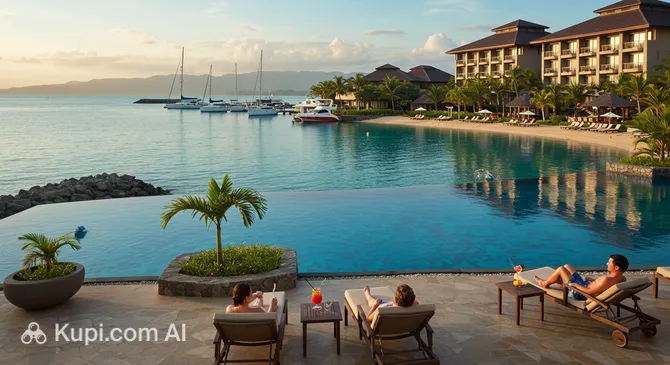
Among popular vacation spots, Moonbay Marina Leisure Resort stands out, offering a cozy atmosphere and proximity to the bay's main entertainment points. If you prefer modern city comfort and elegance, you should consider Le Charmé Suites — this mid-range hotel is often chosen by both business travelers and families.
Moonbay Marina Leisure Resort. Illustration.
Source: Kupi.com AI
Traveller photos:
For those planning a budget trip, there are many small hotels and apartments in the city center available for booking through popular online services. During the peak tourist season (December to May) and during holidays, it is recommended to book accommodation in advance, as Olongapo is a favorite vacation spot for Filipinos themselves.
Nearby Cities
Olongapo serves as an excellent starting point for exploring the provinces of Zambales and Bataan. Proximity to major transport arteries allows tourists to easily plan day trips to neighboring towns, each with its own unique character and set of attractions.
Right nearby is Subic, offering both ecotourism opportunities and access to the Freeport Zone. If you are looking for a peaceful seaside retreat and an introduction to historical heritage, head to Morong, known for its beaches and sea turtle conservation centers. Lovers of picturesque landscapes and agrarian charm will enjoy a trip to Hermosa or Castillejos.
Exploring the surroundings of Olongapo will allow you to see the real Philippines: from modern industrial parks to quiet villages and protected areas. Don't miss the chance to expand your itinerary and discover new facets of this amazing region.
Shopping & Souvenirs
Shopping in Olongapo is an exciting activity, offering a choice from modern brands to unique local goods. One of the main features of the city is the presence of duty-free shops in the Subic Freeport Zone, where you can purchase electronics, clothing, and imported goods at attractive prices. This makes the city a true magnet for those who appreciate quality shopping.
The heart of modern shopping is the large malls. SM City Olongapo Central offers a huge selection of shops, food courts, and entertainment. Equally popular is the Harbor Point shopping complex, which attracts visitors with its stylish design and variety of international brands. It is always comfortable to spend time here thanks to air conditioning and developed infrastructure.
Harbor Point. Illustration.
Source: Kupi.com AI
Traveller photos:
For an authentic experience, head to the Olongapo Public Market. It is the best place to buy fresh tropical fruits, local sweets, or handmade souvenirs. Coconut crafts and pearls are frequently brought from here. Most shops are open from morning until late evening, and international bank cards are accepted in large malls.