Support

Subic

About

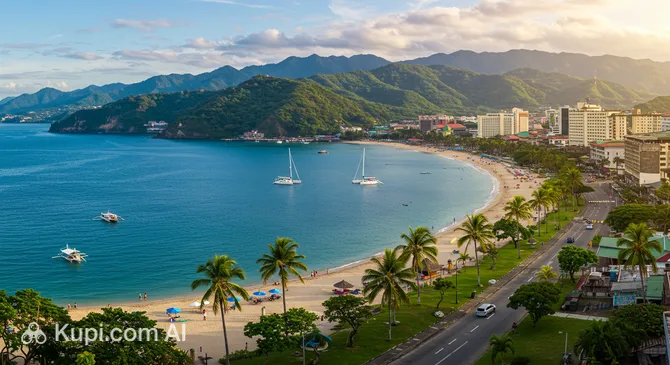
Subic is a true paradise for those seeking the perfect combination of maritime adventure and comfortable relaxation amidst exotic nature. The city is nestled on the western coast of Luzon Island, surrounded by picturesque green hills and dense mangrove forests. It is here, by the famous bay of the same name, that many travelers rediscover the hospitable Philippines. Thanks to its convenient location just a few hours' drive from Manila, the resort has become a popular destination for both short weekend getaways and full-scale vacations.

Subic. Illustration.
Source: Kupi.com AI

Today, the city is home to over 110,000 people and stands as one of the most dynamically developing centers in the region. The eventful history of Subic, which for centuries served as a reliable haven for mariners, laid the foundation for its current status as a free economic zone. Here, modern urban infrastructure and bustling shopping centers harmonize wonderfully with the relaxed atmosphere of a seaside resort, creating a sense of comfort and safety.

The city offers entertainment for every taste and temperament. Active leisure enthusiasts come here for the excellent diving and the chance to visit a unique safari, while those who appreciate tranquility enjoy sunset cruises and walks through tropical forests. The special atmosphere of Subic, permeated by a light sea breeze and the friendliness of the local international community, keeps tourists returning again and again for new experiences.

Weather Overview

The climate in Subic is typical for the tropics: it is warm and humid throughout the year, making the resort accessible for visiting at any time. The average air temperature consistently stays in a comfortable range from +25°C to +29°C. The hottest months are April and May, when daytime figures can reach +31.7°C, and night coolness is limited to +26°C.

When planning your trip, it's important to consider the seasonality of precipitation. The period from January to March is the driest and sunniest: the number of rainy days is minimal (from 4 to 7 per month), and rainfall is only about 1 mm. This is the ideal time for a beach holiday. Starting from June, the situation changes as the monsoon season arrives. In July and August, it can rain almost daily (up to 30 days with precipitation), though these are often short but heavy tropical downpours. The current weather in Subic during this period can be changeable, but the sea remains warm.

Expect a hot and dry spring, perfect for tanning, and a humid summer with frequent tropical rains that bring freshness to the lush greenery.

Average monthly temperature

Average monthly precipitation

Interesting Facts

Beyond the main beach activities and resort atmosphere, Subic holds many fascinating features that reveal the city from a new, unexpected side. Here are some facts to help you better get to know this unique corner on the map.

  • Deep-Water Legend. Subic Bay is known as one of the deepest and safest natural harbors in the world. Thanks to its unique landscape, it served as a reliable shelter for ships from different countries for centuries, and today it has transformed into a prestigious yachting center and a popular stop for international cruise liners.

  • Breath of History. One of the city's main historical landmarks is the Spanish Gate. This surviving architectural monument recalls the times when the Philippines was a Spanish colony, literally allowing tourists to touch the stone walls that witnessed events of past centuries.

  • Adrenaline in the Jungle. At the local Zoobic Safari, you can gain experiences unavailable in ordinary zoos. Here, tourists are offered a ride in a specially protected jeep directly through the tiger habitat, providing incredible emotions from meeting predators in conditions as close to natural as possible.

  • Ecological Leader. The city takes environmental protection seriously and is considered one of the country's centers for ecotourism. Programs for restoring mangrove forests and protecting sea turtles are actively implemented here, allowing travelers to observe rich wildlife in its pristine state.

  • Sports Mecca. Subic regularly becomes the arena for major international competitions. Thanks to its excellent infrastructure and natural conditions, prestigious sailing and triathlon championships are often held here, gathering athletes from all over the globe.

How to Get There

When planning your trip, it's worth finding out in advance how to get to Subic in the most convenient way. This resort city benefits from a favorable location on Luzon Island and is connected to the country's key transport hubs by high-quality highways, making the journey here quite comfortable.

The nearest air harbor is Clark Airport (IATA: CRK). Please note that it is located not in Subic itself but in the neighboring Angeles City, about 47 km away. This is an excellent option for those who want to save time on ground transfers. A trip from the terminal to the center of Subic by taxi or bus takes approximately 1.5 hours. The airport serves both domestic and international flights, acting as an important regional hub. More details about this hub can be found on the Clark International Airport page.

Most long-haul travelers arrive in the country via Ninoy Aquino International Airport (IATA: MNL). This is the main gateway to the Philippines, located in the capital, Manila, about 93 km from Subic. Although the distance seems small, travel time can vary due to heavy traffic in the metropolitan region. Usually, the trip by car or bus takes about 2.5–3 hours. The airport has a huge capacity and handles flights from all over the world. For additional information, read here: Ninoy Aquino International Airport.

For clarity, here is a summary of the main airports:
AirportPassenger trafficDistance
Clark International Airport2.4 mln47 km
Ninoy Aquino International Airport50.1 mln93 km
Cauayan Airport66 415278 km
Vigan Mindoro Airport295 km

There is currently no direct rail link to Subic. The primary way to travel between cities on Luzon Island remains the road network. Tourists can use comfortable intercity buses that regularly run from Manila and other large centers, or book a private transfer via the SCTEX expressway, which provides a scenic and fast route to the coast.

Main Attractions

Subic offers travelers a unique set of experiences where the wild nature of the jungle meets modern water-based entertainment. This region is famous for its theme parks and ecological trails, which will interest families with children and active leisure enthusiasts alike.

One of the most famous points of attraction is Zoobic Safari. This is a one-of-a-kind tiger safari park in the Philippines, occupying a vast territory in the tropical forest. The main highlight is a ride in a protected jeep through the tiger enclosure, where the predators approach the vehicle's grilles. Beyond the adrenaline rush, you can visit a crocodile farm and feed the animals, making the park an ideal place to get acquainted with the region's fauna.

For those who prefer the marine element, Ocean Adventure is a must-visit. It is Southeast Asia's first open-water marine park, where animals live not in pools but in fenced-off sections of the bay. Here, you can watch dolphin and sea lion shows and visit aquariums with exotic fish. A distinctive feature of the park is its educational mission and the opportunity to swim with dolphins in their natural environment.

Lovers of vibrant photos and water fun should check out Inflatable Island. This floating water park is considered one of the largest in Asia. It is a massive playground on the water with slides, towers, and obstacle courses, often decorated in bright, "Instagrammable" colors. It's a great place to have fun with a large group and relax on the beach with a cocktail after active games.

If you are drawn to origins and silence, head to Pamulaklakin Nature Park. This is not just an eco-trail, but an opportunity to learn about the culture of the indigenous Aeta people. Local guides demonstrate jungle survival skills: how to make fire, find drinking water in bamboo, and use plants for medicinal purposes. A walk through the dense forest provides coolness and allows you to see Subic as it was centuries ago.

Local Cuisine

The gastronomic map of Subic is a colorful mix of traditional culinary traditions found across the country and an abundance of the freshest seafood for which this coast is famous. Due to the proximity to the sea, the menu of many establishments is based on the gifts of the ocean. Seafood lovers should definitely order inihav na pusit — tender squid grilled with a special smoky aroma. Also, in coastal cafes and markets, you can always find fresh oysters and shrimp, prepared simply to preserve their natural flavor.

Among meat dishes that must be tried, sinigang na baboy stands out. This is a hearty sour soup with pork and vegetables, whose taste is perfectly toning after a hot day on the beach or active walks. No less popular is the famous Filipino adobo — meat (usually chicken or pork) stewed in a marinade of soy sauce, vinegar, and garlic. In Subic, people also love dishes made from tilapia fish, which is prepared in many ways here—from frying to baking in leaves.

Street food is an important part of the local food culture. Walking through the city, it's impossible to pass by vendors offering banana-cue (caramelized bananas on a stick) or fried seaweed, which serves as an excellent crispy snack. For dessert, try bibingka — a sweet rice cake often cooked in clay ovens. This treat is especially popular during holidays but is available to tourists year-round.

As for drinks, it is customary here to quench your thirst with freshly squeezed juices and shakes made from tropical fruits. The absolute favorite is the mango shake, as well as refreshing calamansi lemonade—a local citrus resembling a hybrid of lime and mandarin. Among alcoholic beverages, locals and tourists prefer cold local beer, which pairs perfectly with grilled snacks, or locally produced rum, often used in cocktails.

The food culture in Subic is accessible and diverse. Tourists can dine in cozy restaurants overlooking the bay or visit vibrant farmers' markets. The market is a place where you can not only buy products but also chat with locals, learn the secrets of home cooking, or even join a culinary masterclass. Additionally, the city is known for its food festivals, where you can immerse yourself in the atmosphere of a true Filipino celebration.

Travel Tips

Preparing for a trip to Subic is the key to ensuring your holiday goes smoothly and without extra hassle. This city combines features of an organized economic zone and a tropical resort, so special rules apply here, and knowing them will make your trip as comfortable as possible.

  1. Clothing and Gear. Given the tropical climate, opt for light clothing made of natural fabrics (cotton, linen) that dry quickly. Be sure to bring comfortable closed shoes if you plan to visit safari parks or trekking trails in the jungle. During the rainy season (June to October), don't forget a light raincoat or umbrella. For visiting religious sites, choose modest clothing that covers shoulders and knees.

  2. Transport and Traffic Rules. It is convenient to get around the city by taxi or by using the Grab app. For short trips, you can experience the local flavor—colorful jeepneys. If you rent a car, remember: the Subic Bay Freeport Zone (SBFZ) has very strict traffic rules. You must make a full stop at "Stop" signs (even if the road is empty) and follow the "first to stop, first to go" principle. High fines are imposed for violations.

  3. Finance and Currency. The national currency is the peso. While international cards are accepted in large shopping centers, hotels, and restaurants in Subic, you will need cash for jeepney rides, market purchases, and tips. It's best to exchange currency at official counters in shopping malls. The Philippines is known for its tipping culture: leaving 10% of the bill or rounding up for a taxi driver is considered good manners.

  4. Health and Hygiene. Drink only bottled water and avoid drinks with ice from street stalls. The sun here is very strong, so a high SPF sunscreen and a hat are mandatory even in cloudy weather. It's also recommended to carry mosquito repellent, especially if you are going on excursions in the forest zone. Pharmacies (like Mercury Drug) are widespread, and many are open 24/7.

  5. Communication and Internet. Almost everyone in Subic understands English, as the city has a long history of international presence. For internet access, it's most economical to buy a local SIM card (Globe or Smart operators) upon arrival at the airport or at any 7-Eleven. Wi-Fi is available in most cafes and hotels, but mobile internet will ensure reliable navigation around the city.

  6. Local Etiquette. Filipinos are very friendly and smiling, and they expect the same from tourists. A greeting like "Good morning/afternoon" with a smile will open many doors. In communication with locals, try to be polite and not rush things—a more relaxed pace of life is accepted here. It is customary to address older people or service staff as "sir" or "ma'am."

  7. What to Avoid. Never raise your voice or show aggression in public—in local culture, this is considered "losing face" and may lead to your request being ignored entirely. Subic also strictly monitors cleanliness: do not litter on the street, as you could be fined. Smoking is allowed only in designated areas.

  8. Beware of Monkeys! A unique feature of Subic is the wild monkeys that often come out onto the roads in the forested part of the port zone. Important tip: when you encounter them, close your car windows and hide food. Do not try to feed or tease them—they can be aggressive and may grab things from your hands.

Subic is a place where discipline surprisingly coexists with relaxed tropical bliss. By following these simple recommendations, you can feel at home here, enjoying every moment of your Philippine adventure.

Entertainment & Nightlife

Subic's nightlife is a striking contrast between the relaxed elegance of the resort zone and the bubbling energy of the city streets. After sunset, the city transforms, offering tourists many leisure options: from romantic dinners by the sound of the surf to dancing until dawn in bustling clubs. Everyone will find entertainment to their liking here, whether it's a quiet evening with live music or a fun party with friends.

The center of attraction for those who value comfort and beautiful views is the Subic Bay Boardwalk (along Waterfront Road). This is perhaps the most respectable area for an evening promenade. Numerous restaurants and bars with open terraces are located here, offering views of the bay and anchored yachts. The atmosphere is calm and safe, often featuring cover bands playing acoustic music. It is an ideal place for families and couples.

If you are looking for drive and real parties, head to the famous Magsaysay Drive. It is located just outside the main gates of the freeport zone in Olongapo City, but tourists perceive it as an integral part of Subic's nightlife. This area never sleeps: neon signs, loud music, karaoke bars, and nightclubs follow one after another. The crowd here is diverse and lively, and the fun lasts until dawn.

Among specific establishments worth noting is Pier One Bar and Grill on the waterfront. This is a cult spot where you can not only enjoy a delicious dinner of Filipino cuisine but also listen to high-quality performances by local musical groups. For those seeking a more sophisticated atmosphere, 720° bar at The Lighthouse Marina Resort is a great choice, known for its signature cocktails and panoramic views of the nighttime harbor.

Practical Tips:

  • Dress Code: In most establishments on the Boardwalk and Magsaysay Drive, the style is casual; shorts and t-shirts are perfectly appropriate. However, it's better to dress in smart casual for hotel-based clubs.
  • Safety: Inside the Subic Bay Freeport Zone (SBMA), it is very safe, and the streets are well-patrolled. On Magsaysay Drive, due to the large crowds, you should be more careful with your personal belongings and pockets.
  • Transport: At night, it is most convenient to move around the freeport zone by taxi, which can be easily called through the hotel reception or caught near shopping centers. For a trip to Olongapo, you can use the colorful jeepneys or tricycles.

In addition to nighttime entertainment, Subic offers quiet daytime cultural leisure, although the choice is more modest than in the capital. During the hot hours, you can take shelter in the coolness of modern shopping malls, such as Harbor Point, which houses modern cinemas with the latest world releases. History buffs will enjoy walking to the memorials remaining from the era of the former naval port, which turn into open-air museums during the day.

Parks & Museums

Despite its reputation as a popular resort and commercial zone, Subic pays great attention to preserving its green spaces and historical heritage. The city and its surroundings offer tourists not only beach relaxation but also the chance to immerse themselves in the atmosphere of tropical forests and learn about the rich past of this strategically important port that long connected the Philippines with the rest of the world.

Among the natural areas, Triboa Bay Mangrove Park deserves special attention. This is a unique reserve where neat wooden boardwalks are laid right through dense mangrove thickets. A walk here provides a sense of total seclusion and allows you to see how the coastal ecosystem works: tree roots dipping into the salt water serve as home to many crabs and fish. It is an ideal spot for quiet contemplation and photo sessions against the backdrop of the sunset sky reflecting in the calm bay water.

Another important green location is the territory of JEST Camp (Jungle Environment Survival Training). While known primarily as a survival school, it also functions as an extensive park. It features the Magaul Bird Park, where you can observe hundreds of bird species and even participate in interactive shows. Located on high ground, the camp offers breathtaking panoramic views of Subic Bay, making it an excellent point for nature lovers and landscape enthusiasts.

The city's cultural and historical life is focused less on enclosed museums and more on open-air monuments. The main symbol of the colonial past is the Spanish Gate. Built in 1885, it served as the main entrance to the naval station. Today, this restored architectural monument with high stone walls serves as a reminder of the Spanish era and is a must-visit spot for a historical photo.

For those interested in maritime history, The Hellships Memorial is a significant site. This modest but emotionally powerful monument is dedicated to the memory of those who perished on cargo ships during the Second World War. The memorial is located in a quiet spot by the water and invites calm reflection. Visitors note the special atmosphere of this place, where history intertwines with the sound of the ocean.

As an insider tip: if you want to escape the heat and bustle, head to El Kabayo Waterfalls. This is a hidden gem in the forest zone that mass tourists don't always reach. Here, you can have a picnic in the shade of the trees and swim in the cool fresh water, enjoying the sounds of the real jungle just a few minutes' drive from the center.

Getting Around

The transport system in Subic has unique features due to the division of the territory into the Freeport Zone (SBFZ) and the neighboring residential city of Olongapo. Getting around is organized quite conveniently, but for visiting remote tourist parks, it's important to choose the right mode of travel. Public transport is mainly represented by buses and the famous Filipino jeepneys, which run on strictly defined routes.

The most authentic and cheapest way to get around is by jeepney. These brightly colored elongated vehicles, which have become a symbol of transport in the Philippines, operate like route taxis. In the Subic and Olongapo area, there is a convenient color-coding system: jeepneys of a certain color (yellow, red, blue, etc.) follow a specific route, the number and direction of which are also indicated on the windshield and sides. This is an excellent option for short trips between shopping centers and the exit to the city, but they rarely reach remote attractions in the jungle.

For trips with comfort and air conditioning, it's better to use a taxi. They can be found at special stands near large hotels (for example, at the Harbor Point shopping mall) or called through reception staff. Popular ride-hailing apps like Grab also operate in the region. This is the most reliable way to get to places like Zoobic Safari or Ocean Adventure, as public transport there is irregular. The cost of a trip via the app is fixed and known in advance, eliminating the need to haggle.

Special attention should be paid to tricycles — motorcycles with a covered sidecar. This is very popular and inexpensive transport in residential areas and Olongapo, but it's important to remember: the entry of tricycles onto the main highways of the Subic Bay Freeport Zone is prohibited. You can take them to the port gates, but from there you will have to transfer to a jeepney, bus, or taxi.

The payment system for public transport in Subic is exclusively cash. Contactless transport cards or European-style travel passes are not used here. Payment is handed to the jeepney driver or the bus conductor directly during the trip. It is strongly recommended to always carry small bills (20, 50, 100 pesos) and coins, as drivers often don't have change for large banknotes. Cash is also preferred in taxis if you haven't linked a card in the app.

Many tourists prefer renting a car or scooter, as it gives full freedom of movement to the scattered locations of the resort. However, be careful: very strict traffic rules apply in the Subic zone. The "First to Stop, First to Go" rule is strictly observed at intersections, and a full stop is required before a "Stop" sign (for at least 3 seconds), even if the road is empty. Violating these rules can lead to serious fines, which are strictly monitored by the local traffic police.

Accommodation

Where to Stay:

Subic offers travelers a wide range of accommodation options to suit every taste and budget. You can find everything here: from affordable hostels and cozy guesthouses to mid-range hotels and luxury resorts with private beaches. A unique feature of the local housing stock is the spacious villas and bungalows in the forest zone, many of which are converted from former official residences, adding a special historical charm to your stay.

When choosing a place to stay, consider the purpose of your trip. If you are looking for a quiet holiday by the sea and a high level of service, look at the Moonbay Marina area and the boardwalk in the central part of the Freeport Zone (SBFZ). The best hotels with bay views are concentrated here, and it's easy to reach restaurants and shopping centers. For nature lovers and those seeking peace, the Cubi Point and Triboa Bay areas, located on hills amidst the jungle, are ideal; here, you might see wild monkeys right from your balcony in the morning.

Those who prefer a more budget-friendly holiday and active nightlife should consider the Barrio Barretto area. Technically, it is outside the Freeport gates in Olongapo City but is situated along the beach line. Numerous inexpensive hotels, bars, and diving centers are concentrated here. However, keep in mind that the atmosphere here is noisier and more casual than within the port territory itself.

Booking Tip: Subic is an extremely popular destination for Manila residents, so demand for accommodation spikes on weekends and holidays (especially during Easter week and Christmas). It is highly recommended to book rooms in advance, at least 2–3 weeks early, to guarantee the best option at a reasonable price.

The price range varies significantly. Budget accommodation (predominantly in Olongapo) will cost between 1,500 and 2,500 pesos per night. Comfortable mid-range hotels in the port zone cost from 3,500 to 6,000 pesos, while prices for luxury resorts and villas start from 7,000 pesos and up. You can book accommodation through popular international online platforms, though many small resorts and villas also accept direct bookings through their websites or social media.

Nearby Cities

For those who want to explore the surrounding area, Subic serves as an excellent starting point for day trips to several interesting nearby locations. Just an hour's drive from the coast, you can find both bustling urban entertainment and secluded natural parks.

The nearest and most accessible option is Olongapo. This city is virtually inseparable from Subic and is located just outside the Freeport Zone gates. People come here to feel the rhythm of real Filipino life, visit colorful local markets, and try street food at affordable prices. Olongapo is also known for its vibrant nightlife and music bars, which historically emerged here during the era of international presence.

Active leisure and adventure lovers should head to Porac. This town is famous for its ecotourism opportunities and extreme entertainment. It houses a popular outdoor adventure park with giant swings and ziplines, as well as famous hot springs and spa complexes on volcanic sand formed after the eruption of Mount Pinatubo. It is an ideal place to reset the body and spirit.

Another interesting destination is Lubao. This is the oldest town in Pampanga province, attracting history buffs and those who enjoy quiet walks. The main attraction is the majestic Saint Augustine Church, built in the 17th century. Additionally, the town is known for its Bamboo Hub, where you can walk along shaded alleys by the river and take a break from the tropical heat.

CityPopulationDistance
Castillejos67 8897 km
Olongapo260 3178 km
San Marcelino37 71915 km
San Antonio83 06016 km
Subic Bay Freeport Zone111 90417 km

These nearby destinations provide a glimpse into the diverse culture and landscapes of the region, complementing a beach holiday with new experiences.

Shopping & Souvenirs

Shopping in Subic has unique characteristics that set it apart from other resorts in the country. Thanks to its special status as a Freeport Zone, the city is historically famous for its wide range of imported goods available at attractive prices. For tourists, it's an opportunity to combine a beach holiday with advantageous shopping: from branded clothing and electronics to high-quality food products and spirits from the USA and Europe. The atmosphere here is one of organization and comfort, reminiscent of Western shopping districts.

The main shopping routes are clearly divided geographically. Inside the protected port zone (SBFZ), wide avenues with large stores and outlets predominate, where it is convenient to travel by car or taxi. If you are looking for local flavor and lower prices on everyday goods, you should step outside the port gates into Olongapo City. Its central street, Rizal Avenue, is an endless string of small shops, clothing stores, and electronics outlets where life bustles until late evening.

Among the shopping centers, the undisputed leader is Harbor Point (part of the Ayala Malls chain). This is a modern mall located in the heart of the tourist zone, featuring popular international brands, sports stores, and an excellent food court. However, the real legend of Subic is the Royal Duty Free chain of stores. This is where people go for the "American" assortment: a huge selection of chocolates, chips, canned delicacies, perfumes, and household chemicals that are hard to find in regular Filipino supermarkets.

To get acquainted with the local trade culture, visit the Olongapo City Public Market. This place is not for the faint-hearted due to the noise and bustle, but it is here that you can find the freshest and cheapest tropical fruits. Stalls overflow with yellow mangoes, sweet pineapples, and exotic durians. There are also sections with locally made clothing and accessories at very affordable prices.

As souvenirs from Subic, tourists most often bring back gastronomic gifts. The Philippines is famous for its dried mango, and the choice here is enormous. Given the "duty-free" specifics, high-quality imported alcohol and sweet sets have also become popular souvenirs. Fans of handmade work should look for items by local artisans: woven bags, pearl jewelry, or wooden crafts, which are often sold in souvenir shops at the entrances to amusement parks.

Most large shopping centers and supermarkets operate daily from 10:00 to 21:00, although grocery departments may open earlier. In malls and duty-free shops (Royal Duty Free), international credit cards (Visa, Mastercard) are accepted without problems. However, in markets, small souvenir shops, and Olongapo City, only cash pesos are accepted, so always have small bills on you.

Regarding the Tax-Free system, Subic itself is a zone with a special tax regime. Many goods here are already sold without certain duties, which creates a lower price for imports. This means that the VAT refund procedure at the airport for goods bought and consumed within the zone or having a specific "duty-free" status may not be required or may work differently than in regular retail. The main advantage here is the initial price on the shelf.
Reached the end of the page?

That means the route is fully explored