Support

Gdynia

About

Gdynia is a true gem on the shores of the Baltic Sea, located in the northern part of Poland in the Pomeranian Voivodeship. The city is nestled right by the sea, surrounded by green hills and picturesque cliffs, which gives it a special resort atmosphere. With a population of about 247,000, Gdynia is a vital part of the famous Tri-City (Trójmiasto) metropolitan area, along with Gdańsk and Sopot, and attracts visitors with its youthful and dynamic spirit.
Gdynia. Illustration.
Source: Kupi.com AI

Despite being a young city by European standards, Gdynia quickly transformed into a significant port and the economic heart of the region. Its modern architecture blends harmoniously with natural landscapes, creating a sense of space and freshness. The city is famous for its dynamic atmosphere, where maritime coziness intertwines with urban energy, and the spirit of sea adventures is felt everywhere—from the snow-white yachts in the marina to the silhouettes of ships on the horizon.

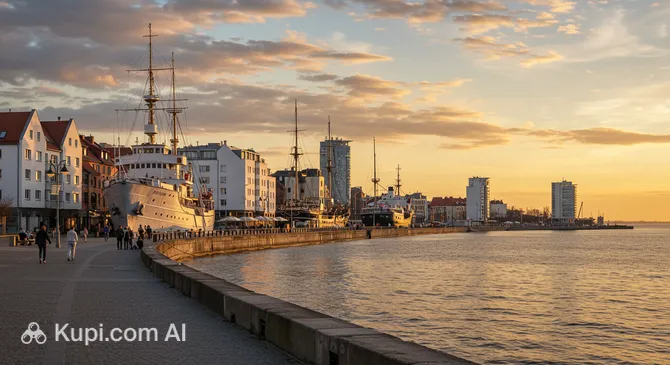
For tourists, Gdynia offers many interesting spots. Be sure to stroll along its famous embankments and piers, such as the South Pier (Molo Południowe), where the museum ships "Dar Pomorza" and the destroyer "Błyskawica" are moored. The city's sandy beaches are perfect for a relaxing break or water sports. It is also worth visiting the Oceanographic Museum and Aquarium to get acquainted with the marine fauna of the Baltic.

Gdynia is a city that charms at first sight and leaves you wanting to return. There is no hustle and bustle of a giant metropolis here, yet there is always something to do: from leisurely walks and culinary discoveries to enjoying unforgettable sunsets over the Baltic Sea. It is a wonderful place for those seeking a balance between a beach holiday, active entertainment, and cultural experiences.

You can find more interesting facts on the history of Gdynia page.
Weather Overview

The climate in Gdynia is temperate maritime, which provides the city with fairly mild weather year-round, though with distinct seasons. Summers are usually warm but not sweltering: the average temperature in the hottest months, July and August, hovers around 18-19°C, while maximum daytime temperatures can reach 20.8°C - 21.9°C. Rainfall is also possible in summer; for example, July averages about 16 days with rain, though the total amount of precipitation is not high.

Winters in Gdynia are cool, but severe frosts are rare. Average temperatures in January and February are around 1.5-1.8°C, with minimum values dropping slightly below zero. Precipitation is also quite frequent in winter, primarily in the form of snow or sleet, and the number of days with precipitation can reach 15-16 per month. Thus, in Gdynia, you can expect a warm summer with occasional rain and a cool, damp winter. For more detailed information on weather by month, you can visit the weather in Gdynia page.

Average monthly temperature

Average monthly precipitation

Interesting Facts

Beyond its well-known sea gates and bustling waterfront, Gdynia hides many surprising stories and features that make it a truly unique city on the Baltic coast. Ready to learn some unexpected facts about this Polish port?

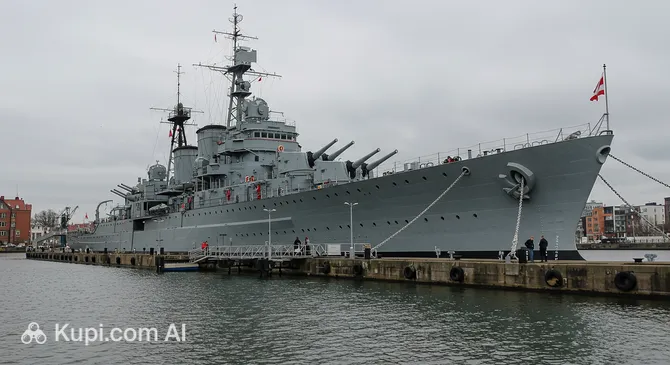
ORP Błyskawica. Illustration.
Source: Kupi.com AI

Traveler photos:

  • A Lightning-Fast Birth: It’s hard to believe, but just a century ago, Gdynia was a tiny fishing village. After World War I, the city experienced an incredible boom, growing from nothing into Poland's main seaport—a true symbol of the national dream of the sea.

  • The White City of Modernism: Strolling through Gdynia feels like entering an architectural reserve of the 1920s and 1930s. The city is one of the most striking examples of modernist development in Europe, earning it the nickname "the white city." Many buildings in the center are listed as architectural monuments, forming a cohesive and unique urban ensemble.

  • A Living Legend at the Pier: One of the city's most impressive symbols is the legendary destroyer ORP Błyskawica. This is not just a museum exhibit, but a ship with a rich history that has been preserved in its original form and is open to visitors.

  • Capital of Polish Cinema (and more): Gdynia transforms annually into the center of Poland's cinematic life, hosting the country's most prestigious film festival. But that's not all—the city is also famous for its summer music festivals and maritime celebrations, making it a cultural magnet for the region.

How to Get There

There are several ways to reach Gdynia, but air travel and rail connections are the most popular among tourists.

The main air gateway for travelers heading to Gdynia is Gdańsk Lech Wałęsa Airport (IATA: GDN). It is located in the neighboring city of Gdańsk, about 16 km from the center of Gdynia. This major international airport receives many flights from various European cities. A taxi ride from the airport to Gdynia usually takes about 45-50 minutes. You can also conveniently reach Gdynia from Gdańsk Airport via the SKM commuter train or by bus.

Another international airport to consider is Khrabrovo (IATA: KGD) in Kaliningrad, located about 140 km from Gdynia. While further away, it is also a major transport hub. The journey from there to Gdynia by car or bus takes about 3.5-4 hours, not including time for potential border crossings.

For convenience, here is summary information on the main airports used to reach Gdynia:

AirportPassenger trafficDistance
Gdansk Lech Walesa Airport6.7 mln16 km
Khrabrovo4.8 mln139 km
Bydgoszcz Airport366 355162 km
Olsztyn-Mazury Airport142 587195 km
Palanga International Airport378 000230 km

In addition to air travel, Gdynia can be comfortably reached by train. Within Gdynia itself, there are several railway stations, including the central station Gdynia Główna, which handles long-distance and commuter trains. However, if you are arriving from certain international directions or other major Polish cities, the main station of the neighboring city—Gdańsk Główny—might be a convenient option. This large railway hub is located in Gdańsk, about 20 km from the center of Gdynia. From there, Gdynia is easily accessible via the frequent SKM commuter trains (travel time approx. 25-30 minutes) or by taxi (approx. 30-40 minutes).

Below is information about some railway stations that may be convenient for a trip to Gdynia:

StationPassenger trafficDistance
Gdańsk Główny Railway Station14.5 mln20 km
Kaliningrad South Railway Station4.5 mln129 km
Zelenogradsk-Novy Railway Station750 000133 km
Gurevsk-Novyy Station75 000136 km
Olsztyn Główny Station3.5 mln152 km

Gdynia is also accessible by car via Poland's well-developed road network or by intercity buses that connect the city with many Polish and European towns. When planning a trip by private vehicle, consider the presence of toll roads and local traffic regulations.

Main Attractions

Gdynia, a young and dynamic city on the Baltic coast, offers many interesting places for tourists. Here, modern architecture harmoniously blends with maritime traditions and historical landmarks. Among the city's main attractions, everyone will find something to their liking—from fascinating museums to picturesque waterfronts.

Gdynia Aquarium. Illustration.
Source: Kupi.com AI

Traveler photos:

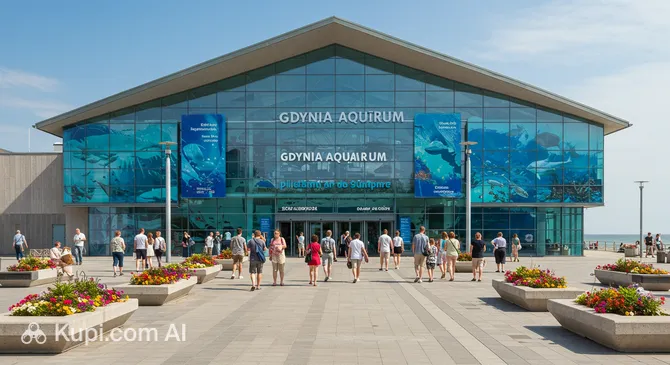
One of the most popular attractions is the Gdynia Aquarium. Located on the South Pier, it represents a real underwater world with a variety of marine inhabitants from all corners of the planet. Visitors can see sharks, piranhas, coral reefs, and many other exotic fish and creatures. It is a great place for a family outing and an educational experience.

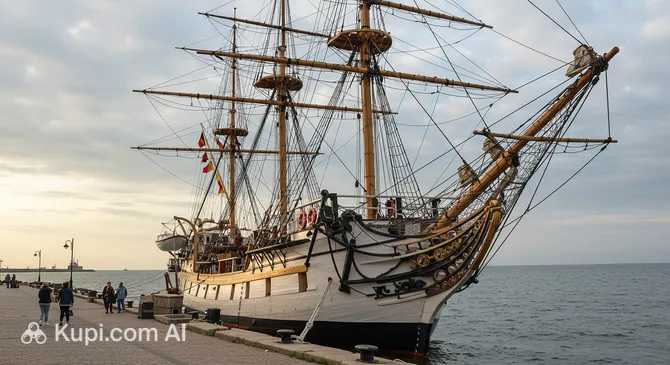
Not far from the aquarium, the famous "Dar Pomorza" museum ship is moored. This magnificent sailing ship, built in the early 20th century, once served as a training vessel for future sailors. Today, it is open to visitors who can climb on deck, peek into the cabins, and feel the spirit of sea adventure. "Dar Pomorza" is a symbol of Poland's maritime history and attracts many tourists.

Dar Pomorza Museum Ship. Illustration.
Source: Kupi.com AI

Traveler photos:

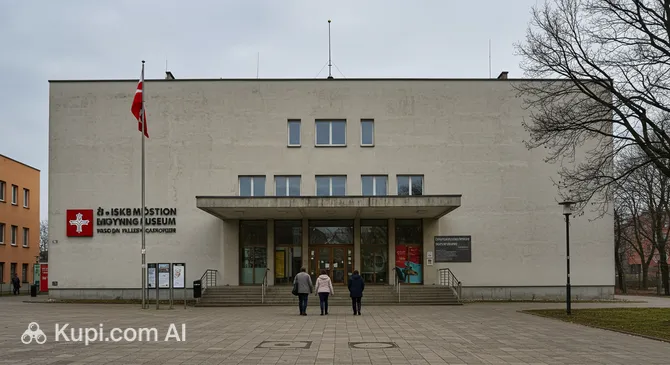
Another important site is the Emigration Museum in Gdynia. Located in the building of the former Marine Station, from where thousands of Poles once departed in search of a better life overseas, the museum tells touching and significant stories of emigrants. Interactive exhibitions allow for a deep dive into the subject and an understanding of the scale of this phenomenon in Polish history. It is a place that makes you think and leaves a strong impression.

Emigration Museum in Gdynia. Illustration.
Source: Kupi.com AI

Traveler photos:

For military history enthusiasts, the destroyer ORP Błyskawica is a must-visit. This museum ship is a true veteran of the mid-20th century, having taken part in many naval operations. Today, it stands at its permanent mooring in the port of Gdynia and is available for tours. Visitors can explore the decks, weaponry, and interior spaces while learning more about the heroic past of this legendary ship.

Families with children and anyone interested in science should visit the EXPERYMENT Science Centre. This is a modern interactive museum where you can not only look but also touch, experiment, and discover the laws of physics, chemistry, and biology. Many engaging exhibits make the learning process fun and memorable for visitors of all ages.

Local Cuisine

The gastronomy of Gdynia is a true immersion into the world of Baltic Sea flavors. Located on the coast, the city is famous for its fish traditions, offering guests both classic dishes and modern culinary delights. Here, the freshness of products is not just a word, but the foundation of local cuisine.

Among the dishes you must try in Gdynia, seafood takes center stage. Be sure to order zupa rybna (fish soup)—a hearty cod-based soup that will warm you up in any weather. Don't miss the chance to enjoy the taste of Baltic herring in various marinades, fried flounder, or fragrant smoked eel. Particularly popular is the szprotka (sprat)—a small smoked fish perfect as a snack. Modern restaurants also offer fish tartars, mussels, and scallops.

The dining culture in Gdynia is diverse. Locals and tourists love visiting restaurants specializing in fish dishes, such as establishments offering traditional home-style cooking like Kuchnia Domowa. An integral part of the gastronomic experience is the fish markets, where you can buy the freshest catch or try street food like fried squid or shrimp. In summer, the city comes alive with gastronomic festivals, such as "Fish Days," where you can explore a variety of marine delicacies.

Gdynia Fish and Caviar Museum (First Sweet Center). Illustration.
Source: Kupi.com AI

Traveler photos:

As for drinks, local beer is popular in Gdynia, as it is throughout Poland. For non-alcoholic options, the aromatic coffee is worth noting, which is pleasant to enjoy with fresh pastries in one of the many cozy confectioneries, especially on Świętojańska or Kościuszko streets. To better understand the region's fishing traditions, you can visit the Gdynia Fish and Roe Museum (The First Sweet Center), which features interesting exhibits.

Overall, Gdynia's gastronomic scene is a harmonious blend of centuries-old fishing traditions and modern culinary trends, where the main focus is always on the freshness and quality of the Baltic Sea's bounty. It is a true paradise for fish and seafood lovers, offering authentic tastes and unforgettable impressions.

Travel Tips

Welcome to Gdynia! To make your trip to this modern port city on Poland's Baltic coast as comfortable and memorable as possible, we have prepared some practical tips.

  1. Clothing and Essentials: The climate in Gdynia is maritime, with mild winters and moderately warm summers, but the weather can be changeable. Be sure to bring layered clothing, including a windbreaker and a raincoat, especially if you're traveling in spring or autumn. Light clothes are useful in summer, but a warm sweater for the evening won't hurt. Don't forget comfortable shoes for walking along the embankment and around the city, sunscreen, and a hat for sunny days. For electrical appliances, you will need a standard European adapter (Type E).
  2. Transport: It is easy to get around Gdynia by public transport, which includes buses and trolleybuses (ZKM Gdynia). For trips to the neighboring Tri-City towns—Sopot and Gdańsk—the SKM fast city rail is ideal. Taxis and popular ride-hailing apps are also available. Renting a car might be useful if you plan to explore the surroundings, but it is not a necessity for moving within the city itself.
  3. Finances: The local currency is the Polish Złoty (PLN). You can exchange currency at banks or exchange offices (kantor), but always compare rates. Bank cards (Visa, Mastercard) are accepted almost everywhere in shops, restaurants, and hotels. International cards usually work without problems, but check the conditions with your bank. ATMs (bankomat) are easy to find throughout the city. A rough daily budget (excluding accommodation) could be 150-250 Złoty. Tipping in restaurants is usually 10% of the bill and is appreciated if you are satisfied with the service.
  4. Health and Safety: Pharmacies (apteka) are numerous in Gdynia, and some may operate 24/7 or have an on-call schedule (information can be found on the doors of the nearest pharmacy). If medical assistance is needed, tourists should contact local clinics or hospitals; the emergency number is 112. Gdynia is considered a safe city; however, standard precautions, such as watching your personal belongings in crowded places, are still wise. Avoid poorly lit and deserted areas at night.
  5. Communication: The official language is Polish. In tourist areas, hotels, and restaurants, many people speak English, especially the younger generation. Learning a few basic phrases in Polish (e.g., "Dzień dobry" – Good day, "Dziękuję" – Thank you, "Proszę" – Please/Here you go) will be very helpful and will please the locals. Local SIM cards can be purchased at mobile shops or newsstands. Free Wi-Fi is available in many cafes, restaurants, shopping centers, and hotels.
  6. Local Etiquette: Poles are generally friendly and hospitable. It is customary to say hello when entering small shops or cafes. In public places, try not to be noisy and respect the personal space of others. A handshake is the standard form of greeting. Punctuality is valued.
  7. What to Avoid: Try not to discuss controversial political or historical topics loudly, especially if you are unsure of the reaction. It is also best not to compare Gdynia with other cities in a derogatory way; locals are proud of their city and its modern history.
  8. Additional Tip: Be sure to walk along the South Pier (Molo Południowe), where the museum ships "Dar Pomorza" and "Błyskawica" are moored. If you plan to actively visit Gdańsk and Sopot as well, consider buying an integrated Tri-City transport ticket—it might be more cost-effective.

We hope these tips help you better prepare for your trip and get the most out of your stay in beautiful Gdynia. We wish you an unforgettable journey!

Entertainment & Nightlife

Gdynia, a lively port city on Poland's Baltic coast, offers its guests a variety of opportunities for evening and night-time relaxation. Although the city is better known for its maritime history and modern architecture, there is plenty to do after dark, especially during the summer season.

Most of Gdynia's nightlife is concentrated around central streets, such as Świętojańska Street and its adjacent alleys, as well as in the Kościuszko Square (Skwer Kościuszki) area, particularly closer to the waterfront. Here you can find many bars, pubs, restaurants with evening programs, and several nightclubs. The atmosphere in most establishments is quite democratic and relaxed. The crowd is mixed—from students to tourists and middle-aged locals. Many bars stay open until the last customer, and clubs are usually open until the early morning, especially on weekends. There is no specific dress code in most places, though some clubs might require a smarter appearance.

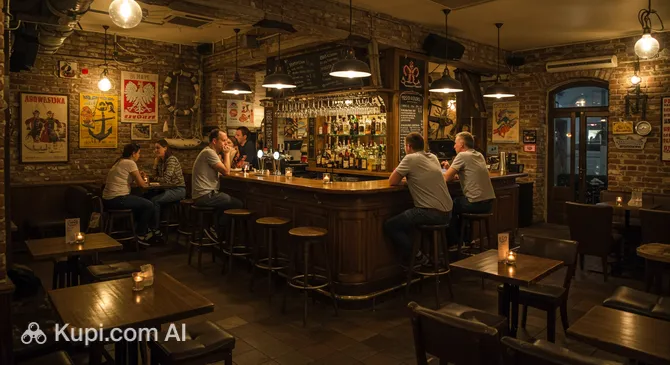
Among the popular spots for evening leisure, several venues stand out. For example, Happy People Cafe offers a cozy atmosphere and a good selection of drinks. For those who love to dance, Cafe Strych is a great choice, known for its parties. Music lovers can check out the Gdynia Blues Club, which frequently hosts performances by local and visiting artists.

Happy People Café. Illustration.
Source: Kupi.com AI

Traveler photos:

The best time to visit night venues is Friday and Saturday, when the city truly comes alive. Prices in Gdynia's bars and clubs are generally moderate, especially compared to major European capitals. A glass of beer or a cocktail will cost a reasonable amount. You can reach central areas at night by taxi or night buses, though you should check their schedules in advance. Major taxi services are easily called by phone or via mobile apps.

Regarding safety, the central districts of Gdynia where nightlife is focused are considered quite safe for walking. However, as in any other city, it is worth taking standard precautions: keep an eye on your belongings and avoid poorly lit or deserted areas late at night. If you are returning to your hotel late, it is better to use a taxi.

During the day, Gdynia also offers plenty of entertainment. You can visit interesting places such as the Gdynia Aquarium, the Emigration Museum, or the "Dar Pomorza" museum ship. For family leisure, the EXPERYMENT Science Centre is perfect. Shopping enthusiasts can head to the Riviera Shopping Centre. For outdoor walks, the City Beach or Polanka Redłowska are excellent options.

Parks & Museums

Gdynia is not just a modern port and a bustling city, but also a place where you can enjoy nature and immerse yourself in fascinating history and culture. The city offers a variety of green zones for relaxation and interesting museums that tell the story of its maritime heritage and more.

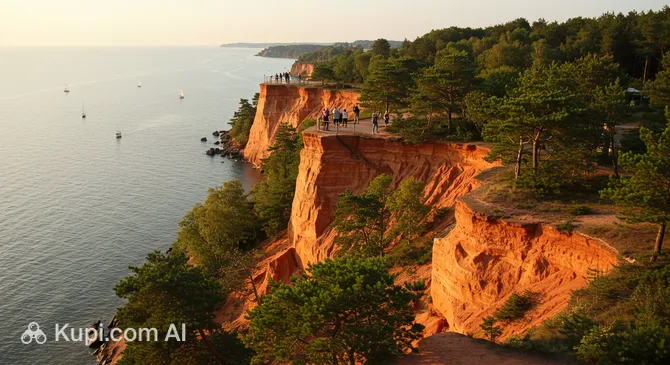
One of Gdynia's main natural treasures is the Kępa Redłowska Reserve. This unique coastal forest park with picturesque cliffs dropping down to the sea offers many hiking trails and magnificent views of the Gdańsk Bay. You can walk here for hours, enjoying the fresh air and the beauty of Baltic nature—an ideal place for those seeking solitude.

Kępa Redłowska Nature Reserve. Illustration.
Source: Kupi.com AI

Traveler photos:

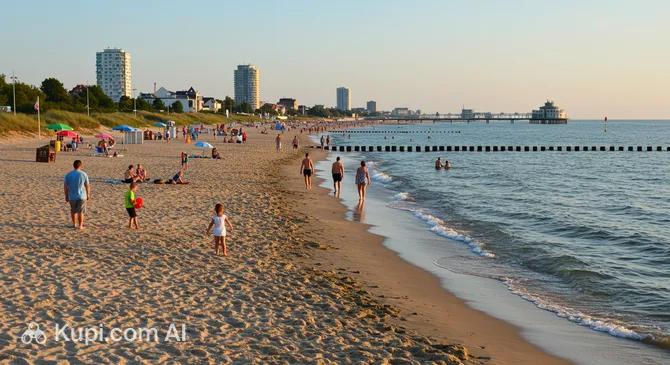
For beach lovers, Gdynia has a wonderful City Beach located right in the center, attracting visitors with its accessibility and developed infrastructure. Near the coastal zone, you can find other green spots for walks, such as Polanka Redłowska, popular for picnics, or the well-maintained Council of Europe Park.

Gdynia City Beach. Illustration.
Source: Kupi.com AI

Traveler photos:

Speaking of Gdynia's cultural side, one cannot fail to mention the Emigration Museum. Located in the former Marine Station building, it tells the touching stories of millions of Poles who left their homeland in search of a better life. The museum's exhibition is interactive and deeply immerses visitors in the theme of emigration, making it one of the most interesting and modern museums in Poland.

Emigration Museum in Gdynia. Illustration.
Source: Kupi.com AI

Traveler photos:

For those interested in maritime themes, a visit to the Gdynia Aquarium is a must, featuring a rich collection of marine inhabitants from the Baltic Sea and other parts of the world. It is a great place to visit with children.

Gdynia Aquarium. Illustration.
Source: Kupi.com AI

Traveler photos:

Nearby, at the famous South Pier, which is an important attraction in its own right and a lovely place for a stroll, two legendary museum ships are moored: the destroyer ORP Błyskawica and the sailing ship "Dar Pomorza". By stepping on board these vessels, you can touch maritime history. "Dar Pomorza", known as the "White Frigate," is particularly impressive with its beauty and rich history of training voyages.

Dar Pomorza Museum Ship. Illustration.
Source: Kupi.com AI

Traveler photos:

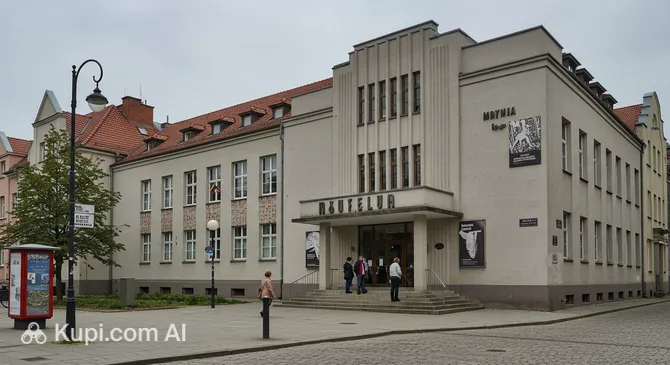
For those interested in the city's history, it's worth looking into the Gdynia City Museum, whose exhibits are dedicated to the city's development from its founding to the present day. And if you're looking for something unusual, visit the Fish and Roe Museum—a unique place where you can learn about traditional fishing methods.

For an authentic experience, walk along the lesser-known trails of the Kępa Redłowska Reserve to discover secluded viewpoints with breathtaking vistas. And after a busy day, don't miss the chance to try fresh fish in one of the many small restaurants along the coast.

Getting Around

Public transport in Gdynia consists of an extensive network of bus and trolleybus routes that provide convenient travel both within the city and to the neighboring Tri-City towns—Sopot and Gdańsk. There is no metro or tram system in Gdynia; however, the trolleybus system is one of the oldest and most developed in the region, which is an interesting feature of the city in itself.

The fare system in Gdynia is integrated into the general Tri-City system (MZKZG), allowing the use of the same tickets on buses, trolleybuses, and SKM commuter trains within the metropolitan area. There are single-trip tickets, time-limited tickets (e.g., for 75 minutes or 24 hours), and long-term passes (e.g., monthly). Prices depend on the zone and ticket validity. Tickets can be purchased at vending machines at stops (often accepting both cash and cards), at newsstands, from the driver (usually more expensive and cash-only, if tickets are available), and via mobile apps like SkyCash, GoPay, or Jakdojade (the latter is also very useful for route planning).

Tourists are advised to buy a ticket in advance. Before boarding or immediately after entering the vehicle, the ticket must be validated in a special machine—otherwise, it is considered invalid, and you could be fined. Public transport in Gdynia runs regularly, usually from early morning until late evening. At night, the frequency of trips decreases, but special night routes exist. Schedules are available at stops and in mobile apps.

Besides public transport, other modes of travel are available in Gdynia. Taxis can be ordered by phone or via popular apps (e.g., Bolt, FreeNow). The city is also developing the Mevo bike-sharing system, offering both regular and electric bikes, which is particularly pleasant for rides along the coast. Car sharing is also represented by several operators, though for short-term tourist trips, it may be less convenient than public transport or taxis.

Accommodation

In Gdynia, you will find a wide range of accommodation options to suit the needs of any traveler. There are budget-friendly hostels and guest houses for thrifty tourists, as well as comfortable mid-range hotels. For those who prefer more space and a homey feel, numerous apartments and flats are available for rent, while luxury seekers can choose from high-end hotels.

The most popular areas for tourists to stay are traditionally the city center (Śródmieście) and coastal zones. Staying here provides easy access to major attractions such as the "Dar Pomorza" museum ship or the Gdynia Aquarium, as well as to beaches like the Gdynia City Beach. Areas adjacent to major transport hubs are also convenient, making it easier to move around the city and its surroundings.

Dar Pomorza Museum Ship. Illustration.
Source: Kupi.com AI

Traveler photos:

While specific hotel examples are not provided in this data, rest assured that Gdynia offers a wide spectrum of hotels across various categories, from small family-run hotels to large international chains. You will easily find an option that fits your preferences and budget.

To guarantee the best choice and prices, especially if your trip falls during the peak tourist season (summer months) or during major events, it is recommended to book accommodation in advance. This will help you avoid unnecessary hassle and choose the best possible option.

The price range for accommodation in Gdynia varies from budget to luxury, allowing every tourist to find a suitable match. You can book your stay through popular international online platforms or directly on hotel or apartment websites. Some guest houses and small hotels also accept bookings by phone.

Nearby Cities

For those looking to explore the surrounding area, Gdynia serves as an excellent starting point for day trips to several interesting nearby locations:

CityPopulationDistance
Sopot37 4579 km
Rumia51 87911 km
Reda28 19015 km
Banino9 80616 km
Kokoszki9 69318 km

These nearby destinations offer a glimpse into the diverse culture and landscapes of the region.

Shopping & Souvenirs

Gdynia offers its guests diverse shopping opportunities, combining modern shopping centers with cozy local shops and lively markets. Although the city is not famous for unique, niche goods, you can easily find products from world-famous brands as well as interesting items from Polish designers and craftsmen. Shopping in Gdynia can be a pleasant addition to your cultural program.

The city's main shopping artery is Świętojańska Street. This bustling street, stretching through the heart of Gdynia, is full of clothing, footwear, and cosmetics shops, as well as jewelry boutiques and bookstores. There are also many cafes here where you can rest between purchases. It's also worth paying attention to the shops around the South Pier (Molo Południowe) and its adjacent streets, where you can find souvenirs and maritime-themed goods.

For those who prefer comfortable shopping under one roof, Gdynia has modern shopping malls. One of the largest and most popular is the Riviera Shopping Centre. It offers a huge selection of clothing, electronics, and home goods stores, as well as a food court, a cinema, and entertainment zones for children.

Riviera Shopping Centre. Illustration.
Source: Kupi.com AI

Traveler photos:

Another significant retail site is the Batory Shopping Centre, conveniently located near the central station and the port. It offers a good range of goods and services, being a popular shopping spot for both locals and tourists.

If you want to dive into the local atmosphere and buy fresh produce, be sure to visit the City Market (Hala Targowa w Gdyni). This is a historic place where you can find farmer-grown fruits and vegetables, meat, cheeses, fish, as well as flowers, clothing, and inexpensive souvenirs. The market consists of several indoor pavilions and outdoor stalls, offering a unique shopping experience.

As souvenirs from Gdynia, tourists often choose amber products, which are a symbol of Poland's Baltic coast. These can be jewelry, keychains, or small decorative items. Maritime-themed souvenirs are also popular—model ships, items featuring lighthouses, and nautical knots. Don't forget traditional Polish sweets, such as gingerbread or chocolate.

Most shops in Gdynia operate from Monday to Saturday, usually from 10:00 to 18:00 or 20:00. Large shopping centers are typically open longer, until 21:00 or 22:00, and may be open on certain shopping Sundays (the number of which in Poland is regulated by law). Cash in Polish Złoty (PLN) is accepted everywhere, as are credit cards from international payment systems (Visa, Mastercard). Currency exchange offices (kantor) are easy to find in the city center and in shopping malls.

Tourists from non-European Union countries can use the Tax Free VAT refund system when making purchases over a certain amount in stores marked with the relevant sign. To do this, you must obtain a special Tax Free receipt from the seller, which is then presented along with the goods and your passport at customs when leaving the EU to receive a refund.

Reached the end of the page?

That means the route is fully explored