Support

Funchal

About

Welcome to Funchal, the stunning capital of the Madeira archipelago and a city that effortlessly blends old-world charm with cosmopolitan vibrancy. Nestled in a grand natural amphitheater that slopes down towards the deep blue Atlantic, this picturesque city is the beating heart of the island. As an autonomous region of Portugal, Funchal offers a distinct cultural experience, renowned for its spectacular scenery, relaxed pace of life, and warm hospitality.
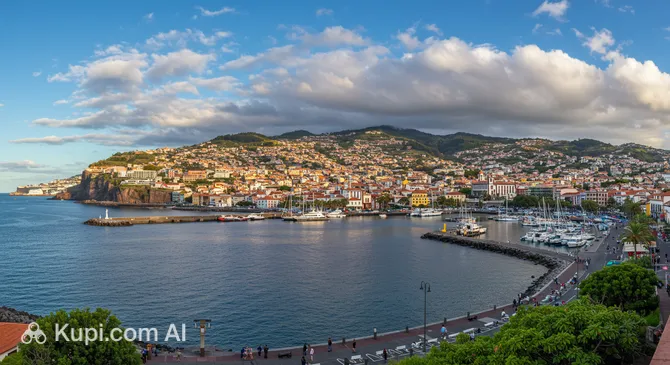
Funchal. Source: Kupi.Binoculars

Geographically, the city is blessed with a mild, subtropical climate that has earned it the reputation of being a land of eternal spring. With a population of approximately 112,000 residents, it is large enough to offer all the amenities of a modern European city while retaining a cozy, community feel. The history of Funchal spans over five centuries, and exploring its streets reveals a rich tapestry of heritage, from colonial-era architecture to centuries-old fortifications.

Travelers are spoiled for choice when it comes to attractions. The colorful Mercado dos Lavradores (Farmers' Market) is a feast for the senses, overflowing with exotic fruits, flowers, and fresh fish. For breathtaking views, a ride on the famous cable car to the district of Monte is essential, where you can wander through lush tropical gardens before taking an exhilarating toboggan ride back down the hill. The historic Zona Velha (Old Town) is also a must-visit, famous for its narrow cobblestone streets and the "Painted Doors" project that has turned the area into an open-art gallery.

Whether you are looking to explore lush botanical wonders, indulge in delicious local cuisine, or simply soak up the sun by the sea, Funchal is a destination that promises unforgettable memories. We invite you to discover the magic of this Atlantic gem on your next holiday.
Weather Overview

Funchal is famous for its pleasant subtropical climate, which makes it an inviting destination throughout the year. The weather in Funchal is generally moderate, avoiding the extremes of sweltering heat or freezing cold found elsewhere on the continent. This balance allows visitors to enjoy the city's lush gardens and outdoor promenades in almost any season.

The summer months, particularly July and August, are the warmest and driest time to visit. During this period, average temperatures peak at around 21.9°C, with daily highs reaching approximately 24.3°C. Rainfall is virtually non-existent in mid-summer, with July and August typically seeing almost 0mm of precipitation and only about 2 wet days each, ensuring plenty of sunshine for beachgoers and hikers.

Winters in the city remain remarkably mild. In January and February, the average temperature stays around 14.3°C to 14.4°C, and nightly lows rarely dip below 12.6°C. While this season is wetter, with December experiencing about 13 days with rain, the precipitation is usually moderate. Expect warm, dry summers ideal for sunbathing and mild winters that bring occasional rain but maintain comfortable temperatures for sightseeing.

Interesting Facts

Beyond the main attractions, Funchal holds many fascinating secrets and historical quirks that surprise even seasoned travelers. From its aromatic origins to its adrenaline-pumping traditions, the city offers stories as colorful as its streets.

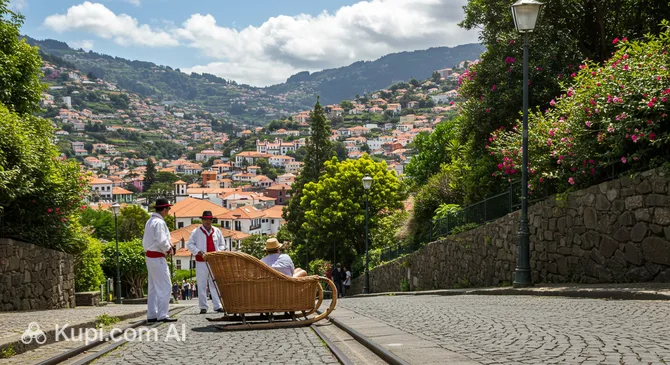
Monte Toboggan Rides. Source: Kupi.Binoculars
  • The city's name has a surprisingly culinary origin. When the first settlers arrived on the island in the 15th century, they found an abundance of wild fennel growing in the valley. They named the settlement "Funchal" after the Portuguese word for the herb, funcho, and today the city's coat of arms still features five fennel stalks.

  • The famous Monte Toboggan Rides were not invented solely for tourists. In the 19th century, these wicker basket sledges were a practical form of public transportation, used by locals to quickly travel down the steep 2-kilometer hill from Monte to the city center.

  • Funchal knows how to celebrate in style. The city’s New Year's Eve fireworks display is legendary and was officially recognized by the Guinness World Records in 2006 as the largest pyrotechnic display in the world, a title it held for several years.

  • The historic Funchal Old Town (Zona Velha) was once a neglected area until the "Art of Open Doors" project revitalized it. Local artists transformed the district into a permanent open-air art gallery by painting elaborate designs on the doors of houses, shops, and abandoned buildings.

  • Football superstar Cristiano Ronaldo was born and raised here. The city is so proud of its native son that the international airport was renamed in his honor, and you can visit the CR7 Museum to see his trophies up close.

How to Get There

Reaching this beautiful island capital is an exciting start to your holiday, with air travel being the primary method for most visitors. Since Funchal is located on the island of Madeira in the Atlantic Ocean, there are no road or rail connections to the European mainland. Travelers typically fly directly into the local international airport or arrive by sea. For a detailed breakdown of all transport options and logistics, you can read more about how to get to Funchal.

The main gateway to the city is Madeira Airport (IATA: FNC), also known as Cristiano Ronaldo International Airport. It is located approximately 13.6 km from the center of Funchal. This busy international hub connects the island with major European cities. A journey from the airport to the city center by taxi or car typically takes around 40 minutes. Visitors can also opt for the convenient Aerobus service which links the terminal to the main hotel districts.

Another option for reaching the archipelago is flying into Porto Santo Airport (IATA: PXO). Located in the city of Porto Santo on the neighboring island, this airport is about 70.2 km away from Funchal. Travelers arriving here will need to take a connecting flight or a ferry to reach Funchal, making it a more adventurous route often chosen by those wishing to visit both islands.

For clarity, here is a summary of the main airports:

Airport Name City Passenger Traffic Km from City
Madeira Airport Funchal Large 13.6
Porto Santo Airport Porto Santo Medium 70.2

Regarding rail transport, it is important to note that the mountainous island terrain does not support a railway network. Consequently, Funchal does not have a railway station, and there are no train services available on Madeira. Getting around the island is best done by rental car, bus, or taxi.

Main Attractions

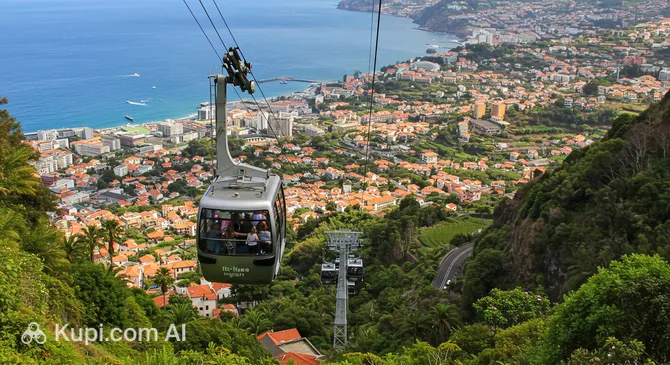
One of the most popular experiences in the city is the Funchal-Monte Cable Car. This aerial journey takes visitors from the waterfront in the old town up to the lush suburb of Monte. The ride lasts about 15 to 20 minutes and offers spectacular panoramic views of the city's amphitheater shape, the sparkling ocean, and the rugged mountains. It is the perfect way to appreciate the dramatic landscape of Madeira from a unique vantage point before exploring the hilltop gardens.

Funchal-Monte Cable Car. Source: Kupi.Binoculars

In the heart of the city stands the Funchal Cathedral, known locally as the Sé. Built in the late 15th century, it is one of the few structures that has survived relatively intact since the early days of colonization. The cathedral features a blend of Gothic and Manueline architectural styles, with a stunning cedar wood ceiling inspired by Mudéjar design. It remains a central landmark and a testament to the island's rich religious heritage.

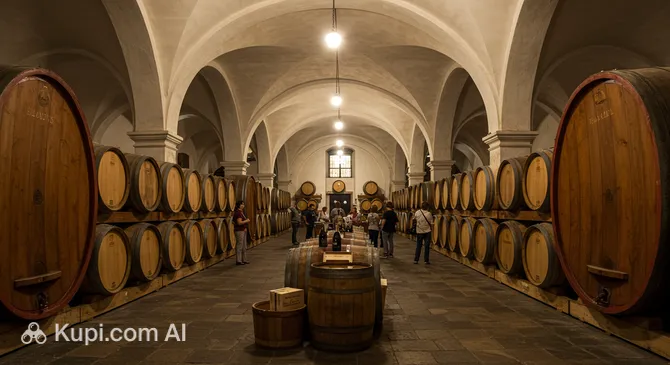
For those interested in the island's most famous export, a visit to Blandy's Wine Lodge is essential. Located in a historic building that was once a monastery, this lodge allows tourists to explore 200 years of Madeira wine history. Visitors can tour the aging cellars, learn about the unique winemaking process, and enjoy a tasting session of different vintages in a wonderfully atmospheric setting.

Blandy's Wine Lodge. Source: Kupi.Binoculars

The vibrant yellow walls of the São Tiago Fortress make it one of the most photogenic spots on the seafront. Constructed in the 17th century to defend the harbor against pirate attacks, it now serves a more peaceful purpose. Visitors can walk along the ramparts for sweeping views of the Atlantic or explore the contemporary art museum housed within its ancient walls, blending military history with modern culture.

Nature lovers should not miss the Palheiro Gardens, situated in the hills to the east of Funchal. Famous for their diversity of flora, these gardens host a collection of exotic plants from around the world, including camellias, proteas, and century-old trees. The location also offers breathtaking vistas over the city and the bay, making it a tranquil escape from the bustling center.

Local Cuisine

The culinary scene in Funchal is a delightful journey through the flavors of the Atlantic, deeply rooted in fresh ingredients and traditional recipes. Visitors can expect a vibrant mix of seafood delicacies, succulent meats, and tropical fruits, all prepared with a unique island twist. Dining here is not just about the food; it is an immersion into the warm and welcoming Madeiran culture.

Seafood lovers will be in paradise with the abundance of fresh catches available daily. The most iconic dish is undoubtedly the Black Scabbardfish (Peixe-espada preto). Despite its intimidating appearance, this deep-sea fish has a soft, white fillet that is traditionally served with fried bananas, creating a surprising yet perfect balance of savory and sweet. Another local favorite is lapas (limpets), which are typically grilled with garlic and butter and served sizzling in a hot skillet with a squeeze of lemon.

For those who prefer meat, the Espetada Madeirense is a must-try experience. This dish features chunks of tender beef rubbed with garlic and coarse salt, skewered onto a bay laurel stick, and grilled over wood charcoal to infuse it with a smoky flavor. It is often accompanied by Bolo do Caco, a traditional flatbread made with sweet potato and slathered in garlic butter, which is a staple found on almost every menu.

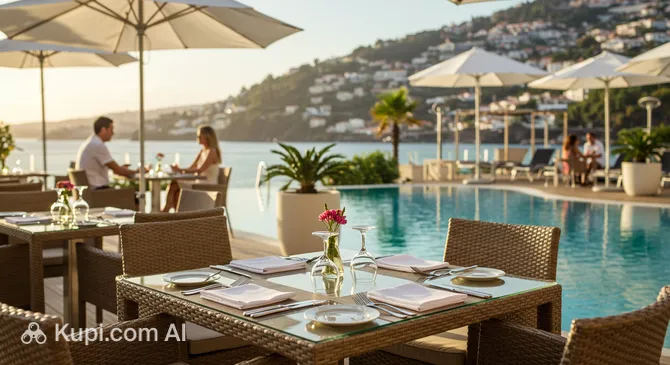
To sample authentic local cuisine, you might visit the Alta Vista Restaurant, which offers a cozy atmosphere and a menu full of regional specialties. It is a great place to enjoy a hearty meal while soaking in the local hospitality. For a more casual experience, A Tendinha is a historic spot in the city center, famous for its sandwiches and traditional vibes.

Alta Vista Restaurant. Source: Kupi.Binoculars

No gastronomic tour of Funchal is complete without tasting the island's legendary beverages. Madeira Wine is world-famous and makes for an exquisite aperitif or dessert wine. For a punchier local drink, try the Poncha, a potent mix of sugar cane rum (aguardente), honey, and lemon juice. You can enjoy these drinks at various spots, including the stylish Three House Restaurant & Cocktail Bar, which offers a modern setting to relax after a day of exploration.

Travel Tips

To ensure your visit to this Atlantic garden city is as smooth and enjoyable as possible, we have compiled a list of essential practical advice. These tips will help you navigate Funchal’s unique terrain, local customs, and logistics with the ease of a seasoned traveler.

  1. Clothing and Gear: Funchal is known for its mild "eternal spring" climate, but the weather can be changeable. It is best to bring layers—light clothing for sunny days and a waterproof jacket for occasional showers or cooler evenings. Most importantly, pack sturdy, flat walking shoes with good grip; the city’s charming calçada (cobblestone) streets can be slippery, and the steep hills make high heels or flimsy sandals impractical.
  2. Transportation: The city center is compact and walkable, though very hilly. For longer distances or to avoid climbing, the extensive yellow bus network (Horários do Funchal) is reliable and affordable. Taxis and ride-hailing apps are widely available and reasonably priced. While renting a car is excellent for exploring the rest of Madeira, it is not strictly necessary for staying within Funchal itself, where parking can be scarce and expensive.
  3. Finances: The local currency is the Euro (€). Credit and debit cards are widely accepted in hotels, restaurants, and shops, but it is wise to carry some cash for small purchases, bus fares, or at the Mercado dos Lavradores. ATMs (Multibanco) are easy to find. Tipping is not mandatory but is appreciated; rounding up the bill or leaving 5-10% for good service is standard practice.
  4. Health and Safety: Funchal is a very safe city for tourists, with low crime rates. Pharmacies (marked by a green cross) are plentiful, and many pharmacists speak English. The emergency number is 112. Be mindful of the sun; the UV index can be high even on cloudy days, so wearing sunscreen and a hat is recommended when exploring outdoors.
  5. Communication: The official language is Portuguese. However, due to the island's long history of tourism, English is very widely spoken and understood, especially in service areas. Locals appreciate it if you learn a few basic words, such as Bom dia (Good morning) and Obrigado (Thank you—said by men) or Obrigada (said by women). Wi-Fi is readily available in most cafes and public spaces.
  6. Local Etiquette: Madeirans are generally warm, polite, and relaxed. A friendly handshake is a common greeting, and patience is a virtue here—service is often unhurried, reflecting the laid-back island lifestyle. When visiting churches, such as the Funchal Cathedral, remember to dress modestly (shoulders covered) and remove hats as a sign of respect.
  7. What to Avoid: Do not walk on the levadas (irrigation channels) without proper preparation or a guide, even those starting near the city outskirts, as some can be dangerous. Additionally, avoid wearing beachwear (bikinis or shirtless) in the city center or restaurants; this is considered inappropriate and is reserved strictly for the beach or pool areas.
  8. Navigating the Hills: Funchal is built like an amphitheater, meaning almost every walk away from the marina involves a steep climb. Do not underestimate the incline; use the cable cars to get up to Monte and consider taking a taxi or the bus back up if you are staying in the upper districts to save your energy for sightseeing.

By keeping these practical tips in mind, you can focus on relaxing and soaking up the vibrant atmosphere of Funchal without any unexpected hassles. Enjoy the stunning views, the delicious food, and the warm welcome that awaits you in this beautiful island capital.

Entertainment & Nightlife

Entertainment:

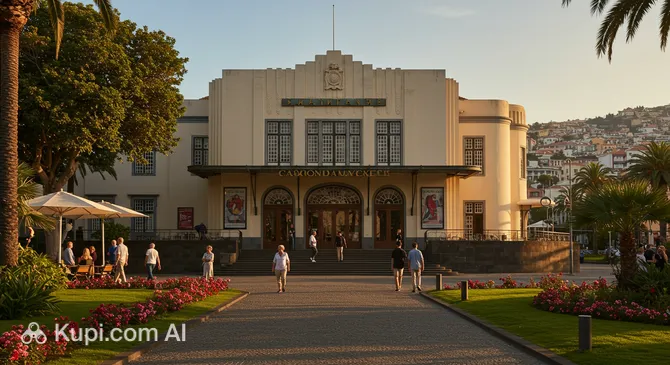
Funchal is a city that knows how to balance relaxation with excitement, offering a diverse array of entertainment options that cater to all tastes. As the sun sets, the city transforms, with the vibrant nightlife scene taking center stage. One of the most iconic venues is the Casino da Madeira. Designed by the renowned architect Oscar Niemeyer, this striking building is not just a place for gaming; it is a hub of entertainment featuring a nightclub, bars, and regular dinner shows that showcase local culture and music.

Casino da Madeira. Source: Kupi.Binoculars

For those preferring a more intimate evening, the city's bars provide a welcoming atmosphere. The Mini Eco Bar is a popular choice among locals and visitors alike, known for its creative cocktails and eco-friendly concept. Alternatively, you can find a lively crowd and great music at the Revolucion Cocktail Bar, which offers a spirited setting to enjoy the island's warm nights.

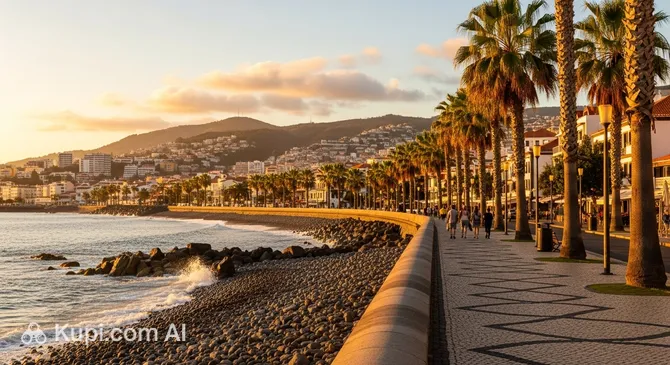
During the day, the coastline beckons with opportunities for leisure and recreation. The Lido Promenade is the most famous seaside walkway in Funchal, stretching along the ocean with breathtaking views. It connects several saltwater swimming pools and provides access to the sea, making it a favorite spot for walkers and joggers. Just a short distance away lies Praia Formosa, the largest public beach in the area, featuring a mix of black sand and pebbles, perfect for sunbathing and watching the waves.

Lido Promenade. Source: Kupi.Binoculars

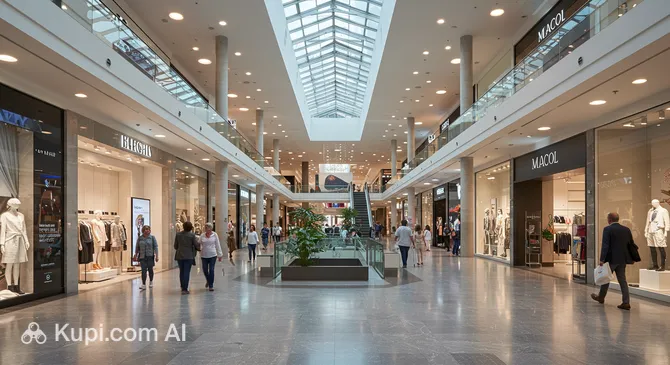
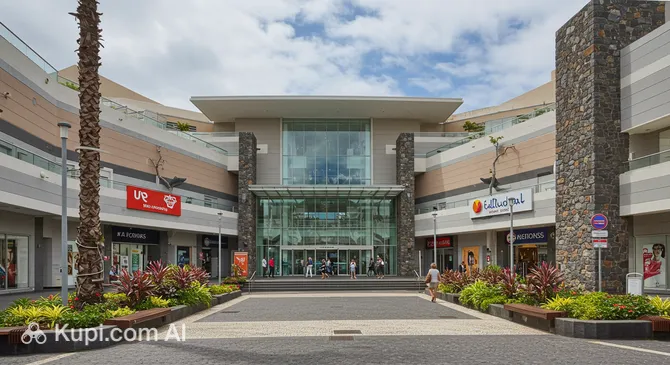
Shopping enthusiasts will find plenty to explore in Funchal's modern retail centers. Forum Madeira is a stylish, open-air shopping mall located in the tourist district. It features a wide range of international brands, a cinema, and a rooftop garden that offers panoramic views of the Atlantic Ocean, blending retail therapy with scenic beauty. Another major destination is Madeira Shopping, which provides a comprehensive selection of stores and services further inland.

Forum Madeira. Source: Kupi.Binoculars

Families and those looking for a lighthearted break from sightseeing should visit the 3D Fun Art Museum. This interactive space is filled with optical illusions and trick art that allow visitors to become part of the pictures. It is a fantastic place to capture unique photos and enjoy a few hours of laughter. For sports lovers, the Quinta Magnólia Tennis and Padel center offers excellent facilities set within beautiful gardens, ideal for an active afternoon.

Parks & Museums

Known as a garden city by the sea, Funchal offers a rich tapestry of lush green spaces and cultural institutions that celebrate its heritage. Beyond the famous botanical gardens on the hilltops, the city center itself is dotted with tranquil parks and fascinating museums that allow visitors to dive deep into Madeiran history, art, and nature without straying far from the waterfront.

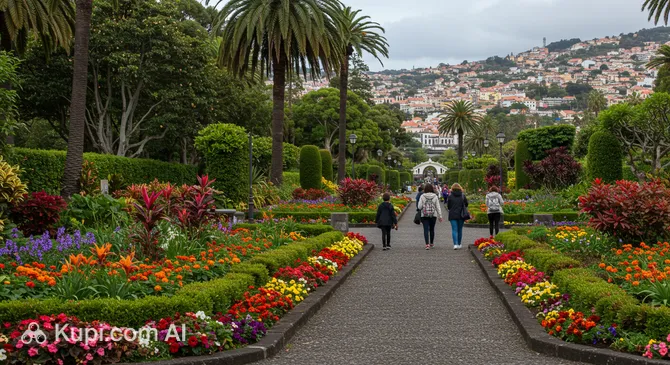
One of the most accessible and beloved green spots is the Funchal Municipal Garden, also known as Jardim Dona Amélia. Located right in the heart of the city, this beautifully landscaped garden occupies the site of a former convent and features a variety of exotic flora from around the globe. It is a perfect urban oasis where visitors can admire dragon trees, listen to the birds, or enjoy a coffee at the small pond-side kiosk.

Funchal Municipal Garden. Source: Kupi.Binoculars

For a more modern take on green urban planning, the Santa Luzia Garden is a hidden gem built on the grounds of an old sugar factory. This park cleverly integrates the ruins of the industrial past, such as the massive brick chimney, with five distinct theme gardens. Its water channels and sunny terraces provide a peaceful retreat and offer a glimpse into the island's sugar-producing history.

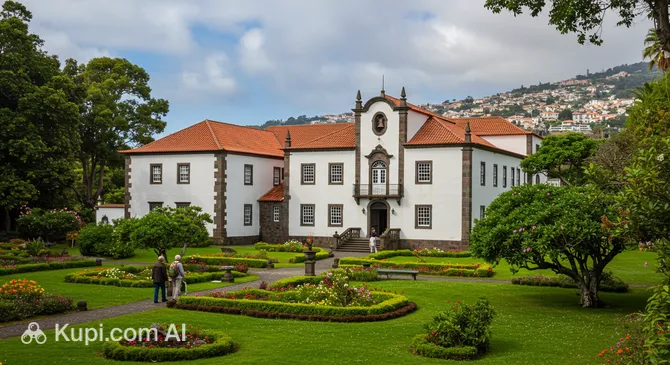
Funchal’s museums are equally captivating, starting with the prestigious Quinta das Cruzes Museum. Housed in a historic manor believed to be the former residence of João Gonçalves Zarco, the discoverer of Madeira, this museum showcases a vast collection of decorative arts, Portuguese furniture, and jewelry. The surrounding orchid garden and archaeological park add an extra layer of charm to the visit.

Quinta das Cruzes Museum. Source: Kupi.Binoculars

Football fans cannot leave the city without visiting the CR7 Museum, dedicated to Funchal’s most famous son, Cristiano Ronaldo. Located on the waterfront, it displays his four Golden Boots, five Ballon d'Or trophies, and countless other awards, offering a unique insight into the career of the legendary athlete. For art and history enthusiasts, the Madeira Photography Museum – Atelier Vicente's is a must-see. It is the oldest photography studio in Portugal, preserved to show how 19th-century portraits were made, complete with original backdrops and cameras.

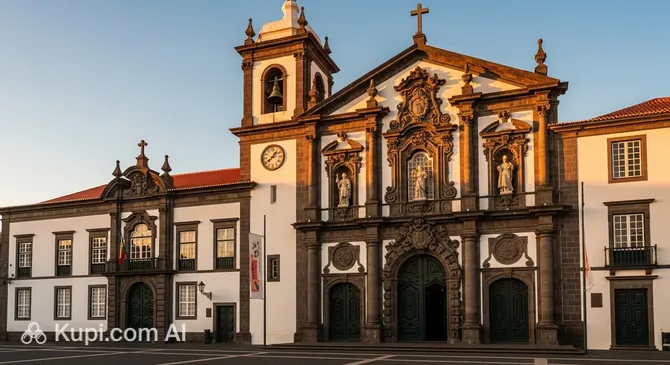
In terms of architectural heritage, the Jesuit College of Funchal stands out as a masterpiece of 17th-century design. Visitors can explore its stunning church, which features an intricate gilded wood altarpiece and beautiful blue-and-white tile panels that narrate religious stories. Nearby, the Municipal Square (Praça do Município) serves as the city's elegant civic center, paved with a striking black and white cobblestone pattern and surrounded by significant buildings like the City Hall and the Bishop's Palace.

Jesuit College of Funchal. Source: Kupi.Binoculars

For a truly authentic experience away from the main tourist trail, take a walk through the Pico dos Barcelos Viewpoint just before sunset. While many flock to the cable cars, this lookout offers one of the most comprehensive 360-degree views of the entire Funchal amphitheater and the bay, making it a favorite spot for locals to appreciate their city's beauty.

Getting Around

Navigating Funchal is relatively straightforward, though the city's steep, amphitheater-like geography makes public transport a valuable asset for saving your energy. The public transportation system relies almost exclusively on a comprehensive bus network, as there are no metro, tram, or train services available in the city. The primary operator for urban routes is Horários do Funchal, easily recognizable by their bright yellow buses. These buses cover the city center, the hotel district (Lido), and the residential suburbs climbing up the hills.

For visitors, understanding the different bus operators is key. While the yellow buses serve Funchal city limits, you might also see red and white buses (Rodoeste) or green and cream buses (SAM). These generally connect Funchal to other towns on the island and are less useful for strictly intra-city travel. Most tourists will rely on the yellow urban buses for getting between the Old Town, the Marina, and the hotel zones.

The payment system is modern and designed to encourage cashless travel. The most convenient option is to purchase a rechargeable smart card called the GIRO card. You can buy this card at Horários do Funchal sales points, vending machines, or authorized agents (often found in newsstands or shopping centers like Anadia Shopping). Once you have the card, you can load it with single trips or credit ("Zapping"). Using a pre-loaded GIRO card is significantly cheaper than buying a ticket from the driver. There are also tourist passes available for 1, 3, 5, or 7 days, offering unlimited travel on the urban network, which is excellent value if you plan to explore extensively.

Practical advice for using the buses includes always validating your card immediately upon boarding; simply tap it against the reader near the driver until it beeps and shows a green light. If you do not have a card, you can pay the driver in cash, but try to have small change ready. Bus schedules are generally reliable, with frequent service during the day, usually running from around 6:00 AM until midnight. However, frequency drops significantly in the late evening and on weekends, so it is wise to check the timetable at the stop or via the operator's website.

A unique feature of Funchal's transport landscape is its cable car system. While often viewed as a tourist attraction, the Funchal-Monte Cable Car serves a practical purpose by connecting the waterfront (Zona Velha) to the high-altitude suburb of Monte in about 15 minutes. It is a scenic and efficient alternative to a long bus ride up the winding mountain roads. For the return journey, you can take a bus, the cable car, or even the famous wicker toboggans, though the latter is more of an adrenaline-fueled experience than standard transit.

If you prefer more direct transport, taxis are plentiful and can be hailed on the street or found at designated ranks. Official taxis are distinctively yellow with a blue stripe on the side. They run on a meter within the city limits, and prices are generally reasonable. Ride-hailing apps are also active in the city and offer a convenient alternative with upfront pricing. While renting a car is popular for island tours, it is often discouraged for city-center travel due to narrow one-way streets and limited, expensive parking.

Accommodation

Where to Stay:

Funchal offers a wide spectrum of accommodation to suit every preference and budget. The city is renowned for its high standard of hospitality, ranging from world-class luxury resorts and historic quinta hotels—charming refurbished manor houses—to modern apartments and budget-friendly hostels. Whether you prefer the grandeur of a five-star establishment or the coziness of a local guesthouse, you will find a welcoming place to rest.

The most popular area for tourists is undoubtedly the Lido district, located just west of the city center. This zone is lined with hotels and restaurants, providing easy access to oceanfront promenades and swimming complexes. For those who want to be in the heart of the action, staying in the City Center or near the Old Town (Zona Velha) is ideal, placing you within walking distance of major museums, the marina, and the cable car. Visitors seeking tranquility might prefer the hills surrounding the city, where many historic properties are tucked away in lush gardens.

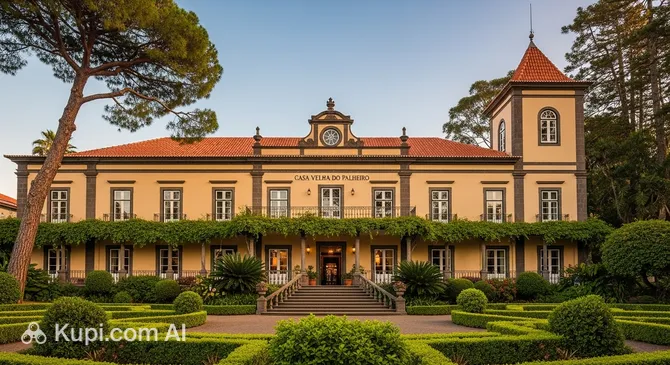
If you are looking for a sophisticated stay that combines history with luxury, the Casa Velha do Palheiro is a prime example. Situated in the hills, this 5-star country house hotel is adjacent to the famous Palheiro Gardens and offers a peaceful retreat from the bustling city below. Another notable option for those seeking comfort and style is the Grand Hotel, which caters to travelers expecting top-notch service and amenities.

Casa Velha do Palheiro. Source: Kupi.Binoculars

Prices in Funchal can vary significantly depending on the season. While budget travelers can find affordable guesthouses and hostels, the city is particularly well-stocked with mid-range and luxury options. It is highly recommended to book your accommodation well in advance, especially if you plan to visit during the summer months or during the famous New Year's Eve celebrations, when the city is often fully booked months ahead. Most reservations can be easily made via major online booking platforms, though booking directly with smaller quintas can sometimes yield special offers.

Nearby Cities

For those looking to explore the surroundings, Funchal serves as an excellent base for day trips to several interesting nearby locations. The island of Madeira is relatively compact, allowing travelers to easily reach charming towns and coastal villages that offer a different pace of life compared to the capital.

One of the most accessible destinations is Santa Cruz, located just a short drive east of the city. This lovely town is known for its palm-lined promenade, the historic São Salvador Church, and the pebbled Palmeiras beach. It offers a relaxed atmosphere where visitors can watch airplanes land at the nearby airport or enjoy a peaceful coffee by the sea.

Another popular spot for a short visit is Câmara de Lobos, a traditional fishing village situated a few kilometers west of Funchal. It is famous for its colorful fishing boats in the harbor and for being the scenic spot where Winston Churchill famously painted. Visitors here often indulge in the local Poncha drink, which is said to have originated in this area. Further east, the town of Machico is historically significant as the landing place of the island's discoverers, featuring a rare golden sandy beach and a rich heritage.

City Population Distance (km)
Loulé 70622 952
Faro 64560 952
Portimao 55614 912
Albufeira 44168 932
Santa Cruz 43005 12

These nearby destinations offer a glimpse into the diverse culture and landscapes of the region.

Shopping & Souvenirs

Shopping in Funchal offers a delightful blend of modern convenience and traditional charm, making it a rewarding experience for any visitor. The city provides a diverse retail landscape where high-end international brands sit comfortably alongside centuries-old family businesses selling handcrafted goods. Whether you are looking for the latest fashion trends, unique artisanal souvenirs, or fresh local produce, the island's capital has plenty to offer within a relatively compact area.

The heart of the city's shopping scene is found in the streets radiating from the cathedral and the marina. Rua Dr. Fernão de Ornelas is perhaps the most famous shopping street, a bustling pedestrian-friendly avenue lined with elegant cafes, shoe shops, and boutiques. Walking down this street towards the sea, you will find a mix of classic Portuguese retailers and modern stores. The surrounding alleys in the city center are also packed with hidden gems, offering everything from cork accessories to high-quality leather goods.

For those who prefer a comprehensive retail experience under one roof, the city boasts several excellent shopping centers. Madeira Shopping is one of the largest malls in the region, located slightly inland. It features a vast array of clothing stores, electronics retailers, and a large food court, making it a convenient stop for families. Another popular destination is Forum Madeira, situated in the tourist-heavy Lido district. This award-winning open-air mall is known for its stylish architecture and pleasant atmosphere, allowing shoppers to enjoy the island's mild weather while browsing their favorite brands.

Madeira Shopping. Source: Kupi.Binoculars

No shopping trip to Funchal is complete without visiting the iconic Mercado dos Lavradores (Farmers' Market). This vibrant hub is not just a place to buy food; it is a cultural landmark where the colors and scents of the island come alive. Here, you can find stalls piled high with exotic fruits like passion fruit and custard apples, as well as fresh flowers including the famous Bird of Paradise. It is also an excellent place to pick up traditional handicrafts, such as wicker baskets and leather goods, directly from local vendors.

When it comes to souvenirs, Funchal has several distinct specialties that are highly prized. Madeira Embroidery (Bordado Madeira) is world-renowned for its intricate detail and quality, making for a beautiful, albeit premium, keepsake. Of course, a bottle of fortified Madeira Wine is a classic choice; you can purchase authentic vintages from specialized shops or directly from producers like Blandy's Wine Lodge. Other popular items include Bolo de Mel (honey cake), fennel candies, and products made from Portuguese cork.

Store opening hours in Funchal generally run from 9:00 AM to 7:00 PM on weekdays, with some smaller shops closing for a lunch break between 1:00 PM and 3:00 PM. On Saturdays, many street shops close at 1:00 PM, though major stores and shopping malls remain open until late, typically 10:00 PM or 11:00 PM, seven days a week. Payment is easy, with major credit and debit cards widely accepted, although carrying some cash is recommended for small purchases at the market or street kiosks.

Tourists residing outside the European Union may be eligible for Tax-Free shopping on purchases over a certain amount. Look for the "Tax Free" signage in store windows. If you qualify, ask the staff for a tax refund form at the checkout, which you can later present at customs upon your departure from the airport to claim a refund on the VAT.

Nearby cities

Reached the end of the page?

That means the route is fully explored