Support

Porto Santo

About

Porto Santo is a captivating destination located in the Atlantic Ocean, serving as the northernmost island of the Madeira archipelago. Often referred to as the "Golden Island" due to its arid landscapes and warm hues, it offers a distinct contrast to the lush greenery of its larger neighbor, Madeira. As an autonomous region of Portugal, this small island provides a serene escape for travelers seeking tranquility, natural beauty, and a slower pace of life.

Geographically, the island is compact yet diverse, home to a population of approximately 5,500 residents. It enjoys a stable, dry climate with mild temperatures year-round, making it an attractive destination for sun-seekers in any season. The most iconic feature of the island is undoubtedly its stunning 9-kilometer stretch of golden sand along the southern coast. This beach is not only famous for its beauty but is also believed to have therapeutic properties, drawing visitors who wish to relax and rejuvenate by the sea.
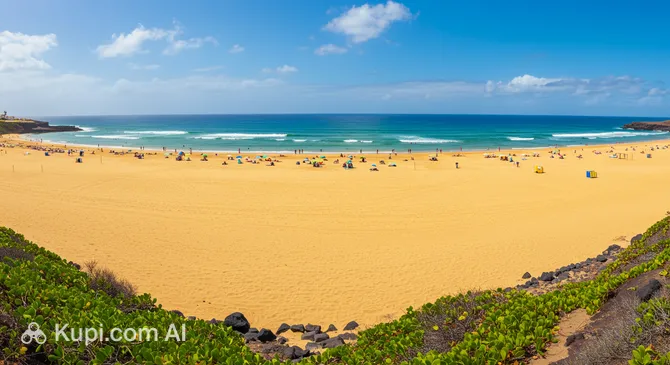
Porto Santo. Source: Kupi.Binoculars

Beyond its natural allure, the island has a rich cultural heritage connected to the Age of Discovery. Visitors can explore the history of Porto Santo by visiting the Christopher Columbus House Museum in the main town of Vila Baleira, where the famous explorer is said to have lived before his voyages to the Americas. For those who enjoy outdoor activities, hiking up to Pico do Castelo offers breathtaking panoramic views of the island's volcanic terrain and the endless ocean beyond.

Whether you are looking to unwind on pristine sands, explore rugged landscapes, or enjoy fresh seafood in a charming local tavern, Porto Santo is a delightful choice. It is a destination that invites you to leave your stress behind and immerse yourself in the peaceful atmosphere of a truly unique Atlantic gem.
Weather Overview

Porto Santo enjoys a mild and stable subtropical climate, making it a pleasant destination throughout the year. The island is known for its consistent temperatures and relatively dry conditions, differing slightly from the more humid climate of nearby Madeira. To help plan your trip, you can view the detailed weather in Porto Santo guide.

The summer months are warm and inviting without being oppressive. August is typically the warmest month, with an average temperature of 22.7°C and virtually no rainfall, creating ideal conditions for enjoying the golden beaches. Winters are remarkably mild compared to mainland Europe; even in January and February, average temperatures stay around 17°C, though these months see a slight increase in precipitation with about 7 to 8 wet days per month.

Expect pleasant, dry summers perfect for outdoor activities and mild winters with occasional showers. The transition seasons of spring and autumn offer delightful weather, with May and October maintaining averages between 18°C and 22°C, providing a comfortable balance for exploration.

Interesting Facts

Beyond the famous golden sands, Porto Santo holds a treasure trove of geological marvels and historical curiosities that often escape the casual observer. Here are a few fascinating details that reveal the unique character of this Atlantic gem.

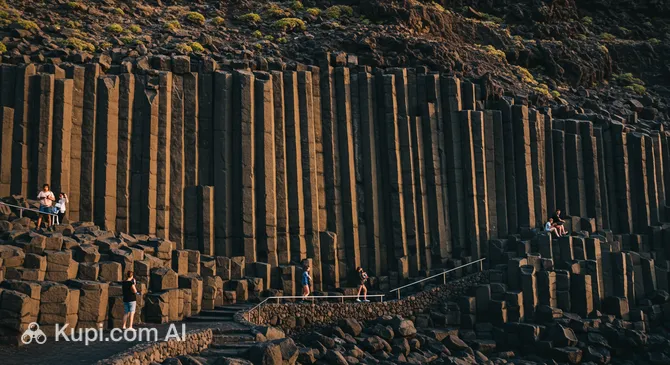
  • The island features a spectacular geological formation known as the Organ Pipes of Ana Ferreira Peak. These irregular prismatic basalt columns were created by volcanic activity millions of years ago and are named for their striking resemblance to the pipes of a giant church organ.

  • Despite the island's naturally arid landscape, a local visionary created a lush, man-made oasis known as Quinta das Palmeiras. This vibrant botanical garden and mini-zoo stands as a testament to persistence, transforming a dry patch of land into a green sanctuary filled with exotic birds and plants.

  • The connection to the Age of Discovery is personal here; the Christopher Columbus House is not just a museum but the former home of the explorer. He lived here after marrying Filipa Moniz Perestrelo, the daughter of the island's first governor, and it is believed that studying his father-in-law's charts on this island helped him plan his voyages to the Americas.

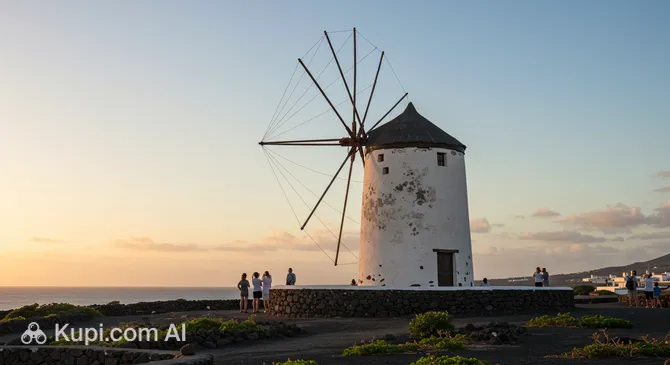
  • Porto Santo is dotted with charming traditional windmills, such as the Moinho das Lombas, which serve as iconic symbols of the island's heritage. Unlike typical fixed windmills, these wooden structures were designed to rotate on a stone base, allowing millers to turn the sails into the direction of the prevailing wind.

Organ Pipes of Ana Ferreira Peak. Source: Kupi.Binoculars

How to Get There

Reaching this serene Atlantic retreat is part of the adventure, with options primarily focusing on air travel and sea connections from the neighboring island of Madeira. For a detailed breakdown of all available routes and travel tips, you can read more about how to get to Porto Santo.

The most direct way to arrive is via Porto Santo Airport (IATA: PXO), which is conveniently located just 2.6 km from the main town. This regional airport handles regular flights from mainland Portugal as well as seasonal international charters. Due to its close proximity to the center, the transfer is extremely quick; a taxi or bus ride typically takes roughly 5 to 10 minutes.

Travelers often also choose to fly into Madeira Airport (IATA: FNC), situated in Funchal, approximately 56 km away. Since this major international hub is on the separate island of Madeira, it serves as a gateway rather than a direct arrival point. From Funchal, you will need to catch a connecting inter-island flight or take a ferry to complete your journey to Porto Santo.

For clarity, here is a summary of the main airports:

Airport Name City Passenger Traffic Km from City
Porto Santo Airport Porto Santo Medium 2.6
Madeira Airport Funchal Large 55.7

Main Attractions

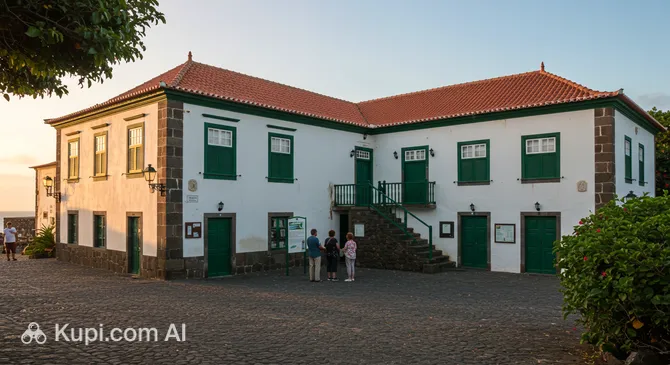
History enthusiasts should make their way to Vila Baleira to visit the Christopher Columbus House. This museum is situated in the residence where the famous navigator is believed to have lived after his marriage to a local noblewoman. The exhibits provide a fascinating journey through the Age of Discovery, showcasing diagrams, maps, and portraits that illuminate Columbus's time in the Madeira archipelago and his preparation for the voyages to the Americas.

Christopher Columbus House. Source: Kupi.Binoculars

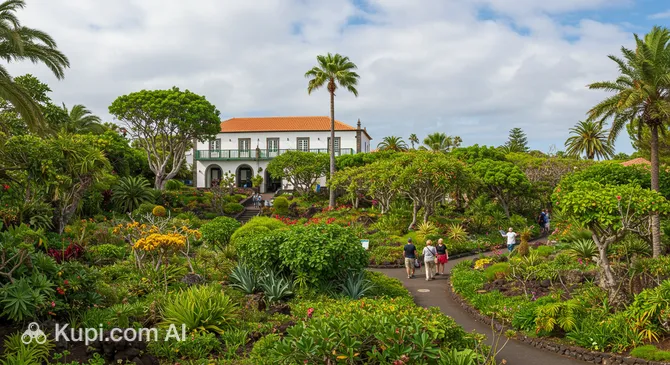
For a refreshing change of scenery, Quinta das Palmeiras offers a vibrant escape from the island's typically arid landscape. This man-made oasis is a lush botanical garden and mini-zoo, teeming with exotic plants and providing a habitat for various bird species, including colorful parrots and graceful swans. It is a perfect spot for families to relax in the shade and enjoy a unique burst of greenery in the middle of the Atlantic.

Quinta das Palmeiras. Source: Kupi.Binoculars

Nature lovers will be awestruck by the Organ Pipes of Ana Ferreira Peak. This geological marvel consists of massive prismatic basalt columns formed by ancient volcanic activity, which naturally arranged themselves to resemble the pipes of a giant church organ. A visit here offers not only a close-up look at these rock formations but also spectacular views over the southern coast of the island.

To capture the quintessential image of the island, head to the Moinho das Lombas. These traditional wooden windmills are iconic symbols of Porto Santo, originally built to grind grain using the strong coastal winds. Perched on elevated points, they provide a window into the island's rural past and offer some of the best panoramic viewpoints for photographing the golden coastline and the azure sea.

Local Cuisine

The culinary scene in Porto Santo is a delightful reflection of its geography, characterized by fresh ingredients, simple preparation, and rich flavors. As you might expect from an Atlantic island, seafood plays a starring role on most menus. Freshly caught tuna, swordfish, and octopus are staples, often grilled or stewed to perfection. A true local delicacy that adventurous eaters should try is lapas (limpets). These small shellfish are typically grilled in their shells with garlic, butter, and a squeeze of lemon, offering a taste of the sea that is both unique and appetizing.

No meal in Porto Santo is complete without the island's most famous contribution to Portuguese bread culture: Bolo do Caco. This flat, circular bread is made with sweet potato and wheat flour, baked on a hot stone slab (the "caco"). It is traditionally served warm with melting garlic and parsley butter, but it also serves as the perfect vessel for the Prego, a mouthwatering steak sandwich that is a favorite lunch option for locals and tourists alike.

For those who prefer meat, the Espetada is a must-try. Chunks of beef are rubbed with garlic and salt, skewered onto bay laurel sticks, and grilled over hot coals, infusing the meat with a subtle, aromatic smoky flavor. During the summer months, you should also look out for the famous Porto Santo melon (Meloa), renowned for its intense sweetness and often served as a refreshing dessert or snack.

When it comes to drinks, the island shares the archipelago's love for Poncha, a potent and sweet cocktail made from sugar cane brandy (aguardente), honey, and lemon juice. It is the perfect accompaniment to a relaxed evening. Wine enthusiasts will also appreciate the local wines, which are produced from grapes grown in the island's sandy soils, giving them a distinct character unlike any other in the region.

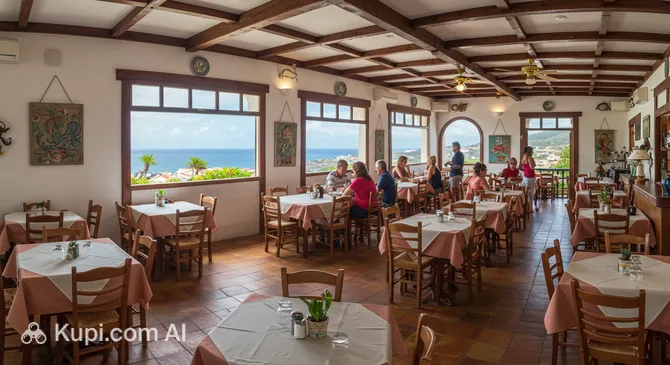
Casa d'Avó. Source: Kupi.Binoculars

Dining out here is generally a laid-back affair, with many establishments offering outdoor seating to take advantage of the mild weather. You can find excellent traditional meals at places like Casa d'Avó, a restaurant known for its cozy atmosphere and authentic dishes. Whether you are eating at a beachside kiosk or a family-run tavern in town, the emphasis is always on hospitality and the quality of the produce.

Another great spot to experience the local grill culture is Sabores na Brasa, where the focus is on hearty, fire-cooked meals that perfectly capture the rustic spirit of the island's cuisine.

Travel Tips

Welcome to the "Golden Island"! To ensure your getaway to this serene Atlantic paradise is as relaxing and smooth as possible, we have compiled a set of practical tips to help you navigate local customs and logistics.

  1. Clothing and Gear: Pack light, breathable summer clothing, but always bring a windbreaker or sweater for the evenings, as the Atlantic breeze can make nights cooler than expected. Since the sun reflection off the white sand is intense, high-SPF sunscreen, sunglasses, and a hat are non-negotiable. If you plan to explore the geological formations, bring comfortable walking shoes rather than just flip-flops. Standard European power adapters (Type F) are used here.

  2. Transportation: The island is small and relatively flat along the coast, making it a paradise for bicycles, scooters, and quad bikes, which are popular rental options in Vila Baleira. While there is a local bus network and taxis are affordable, renting a small car or a scooter gives you the ultimate freedom to find secluded spots. Ride-hailing apps are less common than in mainland Portugal, so keeping a local taxi number handy is useful.

  3. Finances: The official currency is the Euro (€). While most hotels and larger restaurants accept international cards, it is highly recommended to carry cash for small purchases at beach bars (chiringuitos), local bakeries, and markets. ATMs are readily available in the main town, Vila Baleira. Tipping is not mandatory, but leaving a modest 5-10% for good service is appreciated.

  4. Health and Safety: Porto Santo is a very safe destination with low crime rates. A health center (Centro de Saúde) is located in Vila Baleira, along with pharmacies that are typically open during business hours (look for the green cross). While tap water is safe to drink, it is desalinated seawater and has a distinct mineral taste, so many visitors prefer purchasing bottled water for drinking.

  5. Communication: The local language is Portuguese. English is widely understood in the hospitality sector, but learning a few phrases like "Bom dia" (Good morning) and "Obrigado" (Thank you) will earn you warm smiles. Wi-Fi is standard in most accommodations and cafes. If you need mobile data and are from outside the EU, you can purchase a SIM card in the town center.

  6. Local Etiquette: The pace of life here is slow and relaxed. Embrace the "island time"; service in restaurants may take a little longer than you are used to, but it is not a sign of disrespect. Be patient and polite. When entering shops or elevators, it is polite to greet others with a simple nod or "Olá".

  7. What to Avoid: Avoid walking on the dunes in protected areas to prevent erosion. The ecosystem is fragile, and preserving the sand is a top priority. Also, avoid expecting late-night shopping; many smaller shops close for a lunch break and shut down early in the evening.

  8. Therapeutic Sand: Don't just walk on the beach—bury yourself in it! The sand of Porto Santo is famous for its therapeutic properties (psammotherapy) and is rich in minerals like calcium and magnesium. Locals and visitors alike cover themselves in the warm sand to soothe joint pain and muscle fatigue.

With these tips in hand, you are ready to fully unwind and enjoy the unique charm of Porto Santo. Whether you are soaking up the sun or exploring volcanic peaks, this island promises a rejuvenating escape from the ordinary.

Entertainment & Nightlife

Entertainment on Porto Santo is defined by its relaxed and laid-back atmosphere, distinct from the bustling nightlife of larger holiday destinations. The island’s evenings are best spent in the capital, Vila Baleira, where a variety of cozy bars and open-air cafés line the streets. Here, visitors can enjoy a glass of local wine or the traditional Poncha while listening to live music. During the summer months, the beach bars, or "chiringuitos," stay open late, offering a perfect setting to sip cocktails with your feet in the sand under the starry Atlantic sky.

Cultural events play a significant role in the island's entertainment calendar, with the Columbus Festival (Festival de Colombo) being the absolute highlight. Held annually in September, this week-long celebration transforms the town into a 16th-century stage, featuring historical reenactments of Christopher Columbus's arrival, medieval markets, street performances, and concerts. Another key event is the Festas de São João in June, a vibrant celebration honoring the island's patron saint with parades, bonfires, and the tasting of local delicacies like tuna and roasted corn.

For those seeking active leisure, the island is a premier destination for golf enthusiasts. The Porto Santo Golfe, designed by the legendary Seve Ballesteros, offers a challenging 18-hole course that blends seamlessly with the natural dune landscape, providing spectacular ocean views at every swing. The crystal-clear waters also make the island a hotspot for water sports, particularly diving and snorkeling. The artificial reef created by the sunken ship O Madeirense is a favorite site for divers exploring the diverse marine life.

A simpler but equally popular form of entertainment is chasing the island's breathtaking sunsets. The viewpoints around the historic windmills, such as the Moinho das Lombas, provide a stunning backdrop for photography enthusiasts and nature lovers alike. Watching the sun dip below the horizon from these elevated spots, often accompanied by a refreshing drink from a nearby venue, captures the true essence of Porto Santo's tranquil charm.

Moinho das Lombas. Source: Kupi.Binoculars

Parks & Museums

While Porto Santo is predominantly known for its golden coastline, the island offers several intriguing cultural and natural spaces that provide a deeper understanding of its heritage and geology. Beyond the beach, visitors can discover lush gardens, fascinating geological formations, and museums that chronicle the island's unique history and connection to the Age of Discovery.

For a surprising burst of greenery in the midst of the island's arid landscape, a visit to Quinta das Palmeiras is essential. This botanical garden and mini-zoo is a labor of love, transforming a dry area into a vibrant oasis filled with exotic plants and shady trees. It is a delightful spot for families and nature lovers, offering a chance to see colorful birds and enjoy a peaceful atmosphere away from the coastal winds.

Nature serves as its own open-air museum at the Organ Pipes of Ana Ferreira Peak. This spectacular geological site features prismatic basalt columns that rise vertically like the pipes of a cathedral organ, formed by volcanic activity millions of years ago. It is not only a visual marvel but also offers a surrounding natural area perfect for hiking and admiring the raw, volcanic beauty of the island's interior.

In terms of cultural institutions, the Christopher Columbus House in Vila Baleira stands as the island's premier museum. Housed in the stone building where the explorer is believed to have lived, the museum presents a collection of maps, portraits, and navigational tools that illustrate the strategic importance of Porto Santo during the Portuguese expansion. It provides a fascinating glimpse into the life of Columbus before his transatlantic voyages.

Another key aspect of the island's heritage can be explored at the Moinho das Lombas. While these are functioning historical landmarks rather than a traditional indoor museum, these wooden windmills are vital to understanding the local culture. Visitors can often see the interior mechanisms used to grind grain, offering a tangible connection to the island's agricultural past and the ingenuity of its inhabitants.

Architecturally, the town center of Vila Baleira is anchored by the Igreja Matriz (Main Church), dedicated to Our Lady of Piety. Built in the 15th century and rebuilt after pirate attacks, it features beautiful paintings and a history that mirrors the resilience of the local population. Nearby, the historic town hall and the charming cobblestone streets add to the architectural character of the capital.

For a truly authentic experience, seek out the privately-owned Museu Cardina in the village of Camacha. This octagonal building houses a passionate collection of antique tools, scale models of windmills, and artifacts that preserve the memory of Porto Santo's rural traditions, offering an intimate look at local life that larger guidebooks often miss.

Getting Around

The public transport system in Porto Santo is simple, relaxed, and perfectly scaled to the small size of the island. Unlike bustling metropolises, you will not find a metro, tram, or train network here. Instead, the island relies on a straightforward bus service and a robust culture of personal mobility, including taxis and rentals, which allows visitors to navigate the area with ease.

The primary form of public transportation is the bus network. These buses connect the main town, Vila Baleira, with key locations such as the port, the airport, and the popular beach areas like Calheta and Ponta. While the network covers the most important tourist spots, the frequency of service is relatively low compared to mainland standards. Buses typically run every hour or two, with schedules adjusted seasonally to accommodate the influx of summer visitors.

Paying for your journey is hassle-free. There is no complex system of travel cards or zoning apps to navigate. Passengers simply purchase tickets directly from the driver upon boarding. It is highly advisable to carry small change or low-denomination banknotes, as drivers may not always have change for large bills. The fares are very affordable, making the bus a budget-friendly option for getting from the ferry terminal to the town center or heading to the beach at the far end of the island.

For tourists relying on the bus, planning is essential. Bus stops are marked, but timetables displayed at the stops can sometimes be weathered or outdated. Your best bet is to check the current schedule at the main bus terminal in Vila Baleira or ask at your hotel reception. Be aware that services stop relatively early in the evening, so if you plan to stay out for dinner, you should have a backup plan for getting back to your accommodation.

Taxis serve as the main alternative to buses and are widely available throughout the island. You can find taxi ranks in the center of Vila Baleira and at the airport. They are reliable, safe, and generally inexpensive due to the short distances involved. Many drivers also offer fixed-price island tours, which can be a convenient way to see the sights without renting a vehicle.

Given the flat terrain along the coast and the compact nature of the island, rentals are arguably the most popular way to get around. Bicycles and scooters are favored by many visitors for exploring the 9-kilometer beach path. Additionally, small electric cars are a common sight and are perfect for navigating the narrow roads while keeping your environmental footprint low. Renting gives you the freedom to explore remote viewpoints and hidden coves that public transport does not reach.

Walking is also a viable option if you are staying in Vila Baleira. The town is compact and pedestrian-friendly, allowing you to access restaurants, shops, and the main beach comfortably on foot. However, for exploring the geological formations or the northern coast, motorized transport is recommended.

Accommodation

Where to Stay:

Accommodation in Porto Santo caters to a variety of preferences, though the options are more limited compared to larger tourist destinations. The island offers a mix of choices ranging from large, all-inclusive beach resorts and mid-range hotels to a growing number of vacation rentals and apartments. Because the island is small, most accommodations are located within a short distance of the sea, ensuring that the famous golden sands are never far away.

The most popular area to stay is undoubtedly Vila Baleira, the island's main town. Staying here places you within walking distance of restaurants, shops, and the pier, while still offering direct access to the main beach. For those seeking a quieter experience, looking for properties further along the southern coast towards Calheta can provide a more secluded atmosphere, often with stunning ocean views and less foot traffic.

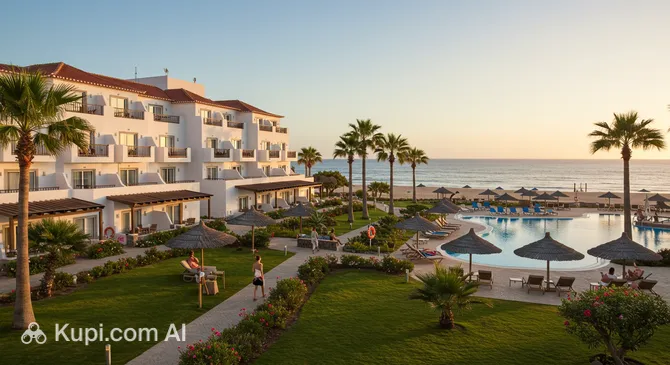
If you are looking for a full-service experience with direct beach access, the Porto Santo Beach Resort is a notable option. Located right on the dunes, it offers visitors the convenience of resort-style amenities combined with the natural beauty of the coastline.

Porto Santo Beach Resort. Source: Kupi.Binoculars

Booking Tips: It is crucial to book your accommodation well in advance if you plan to visit during the peak summer months, particularly in July and August. During this time, the island becomes a favorite getaway for residents of nearby Madeira and mainland Portugal, causing availability to drop and prices to rise significantly. For the best rates and selection, try to secure your reservation at least a few months prior to your trip.

In terms of pricing, Porto Santo is generally affordable, but costs can vary drastically by season. Budget travelers can find reasonable rates in local guesthouses or hostels, while luxury resorts and private villas command premium prices during the summer holidays. Most accommodations can be easily booked via major online platforms, though some smaller local rentals may offer better deals if contacted directly.

Nearby Cities

For those looking to explore the surroundings, Porto Santo serves as an excellent base for day trips to several interesting nearby locations:

City Population Distance (km)
Funchal 111,892 69
Loulé 70,622 884
Faro 64,560 884
Portimao 55,614 844
Albufeira 44,168 864

Given the island's location in the Atlantic, the most practical and popular day trip is to Funchal, the vibrant capital of the neighboring island of Madeira. Easily accessible by a daily ferry service or a short flight, Funchal offers a lively contrast to the quiet beaches of Porto Santo. Visitors can explore the historic Old Town (Zona Velha), famous for its painted doors and traditional restaurants, or take the cable car up to Monte to visit the tropical gardens and experience the exhilarating wicker toboggan ride back down.

While the table lists other major Portuguese cities like Faro and Albufeira, these are located on the mainland in the Algarve region. Due to the significant distance, they are better suited as separate destinations or transit points rather than day trips from Porto Santo. For a single day's adventure, immersing yourself in the rich culture and lush landscapes of Funchal provides the perfect complement to your beach holiday.

These nearby destinations offer a glimpse into the diverse culture and landscapes of the region.

Shopping & Souvenirs

Shopping in Porto Santo is a relaxed and authentic experience, much like the island itself. You will not find sprawling department stores or high-end fashion chains here; instead, the retail scene focuses on local craftsmanship, traditional products, and the essentials for a beach holiday. It is the perfect place to slow down and browse for unique, handmade items that carry the spirit of the archipelago, rather than mass-produced goods.

The heart of the island's commercial activity is located in Vila Baleira. The town center serves as the main open-air shopping district, particularly the streets surrounding the Largo do Pelourinho and the area near the old pier. A stroll through these cobblestone streets reveals a variety of small boutiques, souvenir shops, and grocery stores. It is a compact area where you can easily walk from one shop to another, enjoying the pleasant weather and the friendly demeanor of local shopkeepers.

Travelers accustomed to mainland Europe's large retail complexes should adjust their expectations, as there are no major shopping malls on the island. The closest equivalent is the Centro Comercial Zarco, a small shopping gallery in Vila Baleira. It houses a modest selection of stores offering clothing, accessories, and services, providing a convenient stop for basic needs rather than a full-day shopping excursion.

For a taste of local life, the Mercado Municipal (Municipal Market) in Vila Baleira is a must-visit. Although small, this market is vibrant and colorful, primarily selling fresh fruits, vegetables, and freshly caught fish. It is an excellent spot to mingle with residents and pick up fresh ingredients if you are self-catering. Occasionally, you may also find stalls selling local flowers or small artisanal products nearby.

When it comes to souvenirs, Porto Santo offers distinct treasures that make for meaningful gifts. The island is famous for its palm leaf weaving (palmitos), where artisans create intricate baskets, hats, and decorative figures from palm leaves. Another popular purchase is the local Porto Santo wine, known for its unique profile due to the sandy soil. You might also look for products made from the Dragon Tree (Dracaena draco) or traditional clay pottery. Don't forget edible souvenirs like Bolo do Caco or local jams, which allow you to take a taste of the island home with you.

Store opening hours typically follow a traditional schedule. Most shops open around 9:00 AM or 10:00 AM and close for a lunch break (siesta) between 1:00 PM and 3:00 PM, reopening until about 7:00 PM. Supermarkets may stay open longer and through lunch. While major credit cards are accepted in supermarkets and larger establishments, it is highly recommended to carry cash for smaller souvenir shops, cafes, and the market.

As part of Portugal, the standard Tax-Free Shopping rules apply for visitors residing outside the European Union. If you spend above a certain threshold in a participating store, you may be eligible for a VAT refund. However, given the small scale of many local businesses, not all shops participate in the tax-free scheme, so it is best to ask the staff directly before making a purchase.

Nearby cities

Reached the end of the page?

That means the route is fully explored