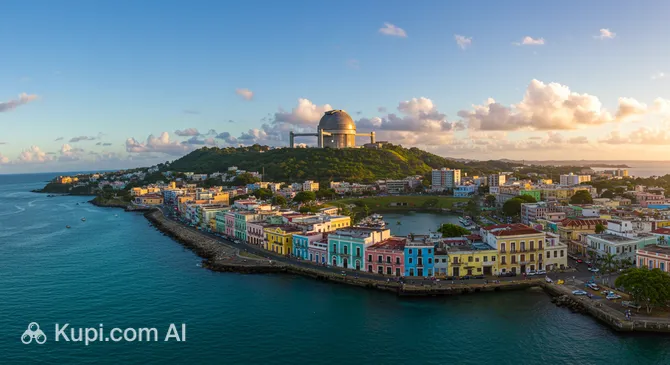
Arecibo is a true *gem of the northern coast*, nestled between the sparkling waters of the **Atlantic** and the emerald hills of the island's central region. Located about 80 kilometers west of the capital, **San Juan**, this city offers travelers a unique blend of natural beauty and a relaxed pace of life. When planning a trip to Puerto Rico, be sure to include this place in your itinerary for its scenic cliffs and wide avenues.
Arecibo. Illustration.
Source: Kupi.com AI
As one of the region's largest settlements with a population of approximately **123,500 people**, Arecibo harmoniously combines the features of a modern resort with a rich cultural heritage. There is no hustle and bustle of a metropolis here, but there is colonial architecture and cozy squares where guests are always welcome. Arecibo's rich history can be traced in the ancient churches and streets where the past intertwines with the present, creating a unique character.
The city is known worldwide for its spirit of scientific discovery: it was home to the legendary **Arecibo Observatory** and its giant radio telescope for many years. Beyond science, the region is famous for its stunning caves and magnificent beaches. Come here to experience the *spirit of discovery* and enjoy a vibrant kaleidoscope of impressions where nature and culture exist in perfect harmony.
Weather Overview
Weather:
The climate in Arecibo is tropical and mild, making the city an attractive destination for travelers at any time of year. It is almost never cold here: even in winter months like January and February, the average air temperature stays at a comfortable 24°C, and nighttime figures rarely drop below 21°C. These are ideal conditions for walking and beach holidays without exhausting heat.
The summer season and early autumn bring higher temperatures. From June to August, the air warms up to 30°C during the day, with an average temperature of about 27°C. However, it's worth remembering the humidity: September is the rainiest month, when precipitation can occur up to 25 days, although its intensity is often low. Expect hot summers with periodic tropical showers and warm, drier winters.
Spring, especially March and April, is considered one of the best times to visit, combining moderate warmth and fewer rainy days. To make your vacation as comfortable as possible, we recommend checking the current weather in Arecibo for your chosen dates before your trip.
Average monthly temperature
Average monthly precipitation
Interesting Facts
In addition to its famous beaches and historical buildings, Arecibo hides many amazing stories and unique features. Here are a few facts that will allow you to look at this Caribbean city from a new perspective:
A Cosmic Message. The city became world-famous thanks to its observatory. It was from here in 1974 that the famous "Arecibo Message" was sent—a radio signal aimed at the M13 star cluster. It contained encoded information about human DNA, the solar system, and the telescope itself in hopes of contact with extraterrestrial civilizations.
Pirate Legends. During the colonial era, the port of Arecibo was an important point on sea maps and often attracted the attention of sea robbers. Local folklore preserves many stories of pirates hiding looted treasures in coastal caves and tangled underground tunnels leading to the sea.
Underground Rivers. Very close to the city is the Rio Camuy Cave Park, which hides one of the largest underground river systems in the world. This place is striking in its scale: here you can see enormous chambers with whimsical stalactites and colonies of rare bats.
The City of Captain Correa. Arecibo bears the honorary nickname "La Villa del Capitán Correa" in honor of local hero Antonio de los Reyes Correa. In the early 18th century, with a small group of militiamen, he heroically repelled an attack by the British fleet, which has been a source of pride for the townspeople for centuries.
Sporting Passion. Locals are known for their incredible love of sports. During major competitions, the city literally lives the game, and places like Willy's Sport Bar become focal points where you can feel the true Puerto Rican excitement.
Willie's Sport Bar. Illustration.
Source: Kupi.com AI
Traveler photos:
How to Get There
When planning a trip to Arecibo, it's worth considering that the city itself does not have a commercial airport. Tourists usually fly into major aviation hubs in neighboring cities and then reach their destination by car. We have described all the ways to get to the city in detail on a separate page, but here are the most popular routes.
The most popular option is flying into Luis Muñoz Marín International Airport (IATA: SJU), located in the capital, San Juan. It is the region's main hub, receiving numerous flights. The distance to Arecibo is about 78 km. Thanks to the PR-22 expressway (Jose de Diego Expressway), a trip by rental car or taxi in normal traffic conditions will only take about 1 hour.
An excellent alternative is Rafael Hernández Airport (IATA: BQN) in Aguadilla. It is closer—only 42 km from Arecibo. The drive from here usually takes about 45 minutes. You can also consider Mercedita Airport (IATA: PSE) in Ponce (53 km), although the choice of flights there is generally smaller, and the route goes through mountainous terrain.
There is no rail service on the island, so the main means of transport remains motor vehicles. The most comfortable way for a tourist is to rent a car immediately upon arrival. Arecibo is conveniently connected to the east and west of the island by the modern PR-22 toll highway. There are also intercity shared taxis ("públicos"), but their schedules are often irregular, which can be inconvenient when traveling with luggage.
Main Attractions
While Arecibo is famous for its natural beauty and historical heritage, there are several key locations within the city itself that shape its modern image and attract travelers wanting to dive into local life. The places listed below will be an excellent addition to any sightseeing program.
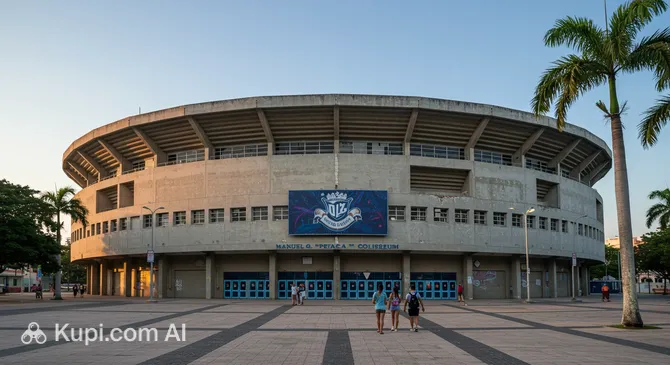
The Manuel G. "Petaca" Iguina Coliseum is rightfully considered the center of the city's sports and cultural life. This modern indoor arena is the home court for the popular basketball team, the Capitanes de Arecibo. For tourists, this place is interesting not only as a sports facility but also as a venue for major concerts and shows. Attending an event here is the best way to feel the energy of Puerto Rican fans.
Manuel G. "Petaca" Iguina Coliseum. Illustration.
Source: Kupi.com AI
Traveler photos:
Shopping enthusiasts and those looking for comfortable relaxation should check out Plaza del Atlántico. It is the largest shopping center in the region, where you can find everything from famous clothing brands to souvenirs. For tourists, it's a great place to take a break from the tropical heat in air-conditioned halls, visit the cinema, or grab a bite at the food court while watching the daily life of the locals.
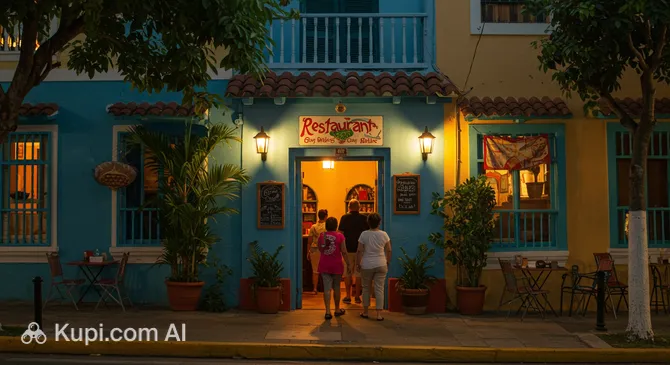
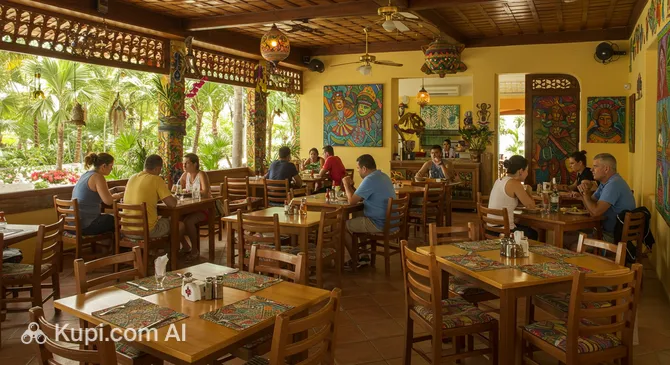
To get acquainted with the island's gastronomic traditions, we recommend visiting the restaurant La Güira — Puerto Rican Cuisine. This establishment attracts guests with its authentic atmosphere and a menu rich in national dishes such as mofongo and fresh seafood. It’s not just a place for dinner, but a true culinary attraction where you can experience the taste of real Puerto Rico.
If you want to immerse yourself in an informal setting, pay attention to Willy's Sport Bar. This is a popular meeting spot for locals, where you can discuss the latest news or watch a match over a drink. The bar is interesting to tourists for its local flavor and the opportunity to see the city "from the inside," without the glossy tourist veneer.
Local Cuisine
Arecibo's gastronomy is a true feast for foodies, where Caribbean traditions intertwine with the bounty of the sea. Local cuisine is based on fresh ingredients and rich spices, creating a vibrant palette of flavors. Classic Puerto Rican recipes, passed down through generations, reign here and are the pride of local chefs.
The king of the table in Arecibo is rightfully mofongo. This hearty and flavorful dish is made from fried green plantains mashed in a mortar with garlic, olive oil, and pieces of pork rinds. It is often served as a side or a main course, filled with shrimp, meat, or vegetables in a thick sauce. Another must-try menu item is asopao—a thick, rich rice soup made with chicken or fresh seafood. Given the city's coastal location, fish lovers will find fresh lobsters and octopus caught right off the shores of Arecibo.
La Güira Puerto Rican Kitchen. Illustration.
Source: Kupi.com AI
Traveler photos:
Street food is an integral part of the city's food culture. Walking along the waterfront or through the center, it's impossible to pass by the stalls with "frituras"—fried snacks. Be sure to try alcapurrias—crispy fritters made from dough based on yucca or plantains with meat or crab filling. Various empanadas (fried turnovers) with fish or beef are also popular. It's best to wash down these delicacies with refreshing tropical fruit drinks: passion fruit, guava, or coconut. And to finish the meal, a cup of strong and aromatic local coffee, highly valued on the island, is perfect.
Locals and tourists often dine at family restaurants called "mesones" or visit lively farmers' markets on weekends to buy exotic fruits and homemade treats. To immerse yourself in the atmosphere of real Creole cuisine in a comfortable setting, we recommend visiting the restaurant La Güira — Puerto Rican Cuisine. This place is famous for its authentic menu and allows guests to fully experience the hospitality and culinary traditions of the region.
Travel Tips
Thorough preparation for a trip to Arecibo will help you avoid minor inconveniences and fully focus on your vacation. We have gathered a list of tried-and-tested recommendations to make your stay on the northern coast of Puerto Rico as comfortable and safe as possible.
Clothing and Gear. Given the hot and humid tropical climate, prioritize loose clothing made from natural fabrics such as cotton or linen. Be sure to bring comfortable closed-toe shoes with non-slip soles if you plan to visit caves or walk along rocky cliffs. Don't forget high-SPF sunscreen, sunglasses, and a hat. The power grid here follows the US standard (120V, Type A and B plugs), so tourists from Europe will need an adapter.
The Transportation Issue. Public transport in the city is poorly developed and runs irregularly, so tourists shouldn't rely on it. The most reliable and convenient way to get around is renting a car. This will give you the freedom to visit remote beaches and nature parks. Taxi apps like Uber work in Arecibo, but wait times can be significantly longer than in the capital.
Finances and Tipping. The official currency is the US dollar. Credit cards are accepted in most restaurants, hotels, and shopping centers, but for buying street food at kiosks or souvenirs at small markets, always have small denominations of cash with you. The tipping culture here is similar to that in the US: it's customary to leave 15–20% of the bill for good service in cafes and taxis.
Health and Safety. You can easily find large chain pharmacies (like Walgreens or CVS) in the city that stay open late. Tap water meets sanitary standards, but tourists are advised to drink bottled water to avoid acclimatization issues. Be sure to use insect repellent, especially in the evening, to protect against mosquitoes. Arecibo is a calm city, but don't leave valuables in plain sight in your car when parking at beaches.
Language and Connectivity. The primary language is Spanish. Although English is widely spoken and you will be understood in most tourist spots, knowing basic phrases ("Hola", "Gracias") will go a long way with the locals. If you have a US mobile carrier, your service will work like it does at home. For tourists from other countries, the easiest option is to buy a local prepaid SIM card; Wi-Fi is available in almost all cafes and hotels.
Local Etiquette. Puerto Ricans are very open, polite, and tactile people. It's customary to say hello ("Buenos días") even to strangers in an elevator or a store. A special and important tradition is to wish "Buen provecho" (enjoy your meal) to everyone you see eating, even if you are just walking past someone else's table in a restaurant.
What to Avoid. Don't show impatience or aggression if service seems slow—the relaxed "island time" mindset reigns here. Also, categorically avoid swimming in wild, unmanaged parts of the coast during strong waves: Atlantic undercurrents can be very powerful and dangerous.
Useful Pro-tip. When planning shopping or visits to attractions, keep in mind that on Sundays, many stores and non-grocery shops may be closed or have very short hours. However, weekends are the best time for a gastronomic tour of coastal snack bars.
Following these simple tips, you can feel confident and relaxed in Arecibo. Enjoy the bright sun, the sound of the ocean, and the sincere hospitality of this amazing Caribbean city!
Entertainment & Nightlife
Nightlife in Arecibo has its own unique character. You won't find the neon signs of massive night clubs typical of San Juan here, but you can immerse yourself in an authentic atmosphere of Caribbean fun. Evening leisure in the city is built around the concept of "chinchorreo"—the tradition of hopping from bar to bar, enjoying drinks, snacks, and live music with friends.
The Arecibo Malecón (waterfront) and its adjacent streets are often the epicenter of evening activity. People come here to watch the sunset over the Atlantic Ocean and stay for dinner, which smoothly transitions into a party. The crowd here is diverse: from local families to young people and tourists, creating a friendly and relaxed environment.
If you're looking for a place with an energetic atmosphere where you can watch match broadcasts and chat with locals, be sure to stop by Willy's Sport Bar. This establishment is very popular due to its laid-back atmosphere and wide selection of drinks. Loud music often plays here, and on weekends, many people gather to unwind after the work week.
Bermudas. Illustration.
Source: Kupi.com AI
Traveler photos:
For those who prefer a combination of delicious food and cocktails in the open air, the restaurant-bar Bermudas is an excellent choice. Located near the coast, it offers guests a relaxed getaway to the sound of the waves. This place is perfect for a romantic evening or quiet gatherings with friends, where you can try local tapas with a glass of Caribbean rum.
The city's cultural and entertainment life also thrives at major venues. The main concerts, shows, and large-scale events take place at the Manuel G. "Petaca" Iguina Coliseum. If your visit coincides with a performance by famous Latin American artists or an important sports match, visiting this arena will be one of the highlights of your trip.
Practical tips for tourists:
Dress Code: Most bars and restaurants in Arecibo accept a casual style. A light shirt, jeans, or shorts will be appropriate almost everywhere.
Prices: The cost of drinks and food here is noticeably lower than in the tourist zones of the capital. The average check for a cocktail ranges from $5 to $8.
Safety and Transport: Public transport practically doesn't run at night. To move between venues, it is strongly recommended to use a rental car or call a taxi. While the city center is relatively safe, try to avoid walking alone through unlit alleys and deserted beaches after dark.
Daytime entertainment in Arecibo is more relaxed and often tied to nature or history, but closer to the evening, the city comes alive. After sunset, locals take to the streets, the music gets louder, and the city fills with the rhythms of salsa and reggaeton, inviting everyone to become part of this celebration of life.
Parks & Museums
Arecibo is not only a city of science and surfing but also a place where nature harmoniously intertwines with history. For travelers wishing to take a break from the beach bustle, the city and its surroundings offer picturesque nature reserves and cultural sites that tell the story of this corner of Puerto Rico's rich past.
Among the natural attractions, Cueva del Indio is particularly popular. This oceanfront nature reserve impresses with its dramatic rocky landscapes and sea caves carved by the waves. The site's main value is the ancient Taino petroglyphs carved into the limestone cliffs, allowing a connection to the island's pre-Columbian history. It is an ideal location for photographers and archaeology buffs.
For those who prefer active recreation in the shade of trees, the Cambalache State Forest (Bosque Estatal de Cambalache) is open. This subtropical forest is known for its unique karst landscape and hills called "mogotes." Excellent trails for hiking and mountain biking are laid out here. The silence, birdsong, and lush vegetation make it a wonderful spot for a picnic and connecting with nature away from the city heat.
A key museum and historical complex is the Arecibo Lighthouse and Historical Park. Built by the Spanish in 1898, the lighthouse still towers over the cape, offering breathtaking panoramic views of the Atlantic. Inside the lighthouse itself is a museum with maritime artifacts, while the park grounds feature a reconstructed Taino village, models of Columbus's ships, and a small aquarium. It is an educational site that provides a comprehensive view of the region's maritime history.
In the heart of the historical center, the Cathedral of Saint Philip the Apostle (Catedral de San Felipe Apóstol) is worth noticing. This majestic building, restored after an earthquake in the 19th century, is the architectural focal point of the main square. Its simple but elegant facade and the calm atmosphere inside attract lovers of colonial architecture and sacred art.
Insider tip: If you enjoy wildlife watching, head to the Caño Tiburones reserve. It is one of the largest wetland ecosystems on the island. By renting a kayak or walking along the special boardwalks, you can see many rare birds in their natural habitat—an experience that ordinary tourists often miss.
Getting Around
The public transport system in Arecibo differs significantly from the standard European or North American model. You won't find a subway, trams, or strict city bus schedules at stops. The city and its surroundings are primarily oriented towards motorists, so tourists should prepare in advance for the local transportation quirks.
The main, and essentially only, form of public transport are "públicos"—shared taxis or minibuses. They run along specific routes, connecting the city center with the suburbs and neighboring towns. They don't have a fixed schedule: the vehicle sets off when all seats are filled. You can identify them by a special marking on the license plate (usually ending in "P" or "PD").
Payment for "públicos" is made exclusively in cash. The fare is low and depends on the distance, usually amounting to a few dollars. Money is handed to the driver upon entry or exit. It is important to have small bills, as change for large banknotes may not be available. You can catch such a minibus at special stations (terminal de carros públicos) or simply by raising your hand on the street along the route.
The most convenient and popular alternative for tourists is a taxi. Both official taxis (often white with a logo) and popular ride-sharing apps like Uber operate in the city. However, keep in mind that the wait time for a car via the app may be longer than in the capital, especially in the evening or in areas far from the center. It is recommended to agree on the fare with regular taxi drivers in advance if the meter is not on.
The most practical solution for traveling around Arecibo remains renting a car. This provides the freedom of movement needed to visit remote attractions like caves or beaches, where public transport practically doesn't go. There is a sufficient amount of both paid and free parking spaces in the city center and near shopping malls.
For getting around the historical center (Casco Urbano), transport may not be necessary: the main architectural monuments and the waterfront are located quite compactly and are pleasant to explore on foot. However, for any trips outside the main square, having a car or a budget for taxis will be a prerequisite for a comfortable stay.
Accommodation
Unlike bustling San Juan with its high-rise resorts, Arecibo offers travelers a more intimate and authentic accommodation experience. You won't find huge all-inclusive chain hotels here. The basis of the hotel stock consists of small cozy hotels, traditional Puerto Rican "paradores", guest houses, and holiday apartments. This allows tourists to immerse themselves deeper into the local culture and feel not just like a guest, but like a temporary resident of the island.
When choosing an area to stay, focus on your travel goals. Ocean and surfing enthusiasts often choose accommodation in coastal areas like the Islote district. Here you can rent a villa or a room with a view of the Atlantic, enjoying the sea breeze and easy access to the beaches. Those interested in history and architecture can look for options in the historical city center (Casco Urbano), where you can easily walk to the main square and the waterfront. Also popular are accommodations in the hilly countryside outside the city, closer to caves and nature parks, where the silence and coolness of the tropical forest prevail.
Since there are no major international hotel brands in the city, service levels and settings in accommodations can vary. Many travelers prefer renting private housing through online platforms. This is a great option for families or groups of friends, allowing you to save money and have your own kitchen. For those looking for hotel-style comfort, there are small boutique hotels offering personalized service and unique designs.
Booking tip: Arecibo is a popular destination for domestic tourism, especially on weekends and holidays. Good accommodation options, particularly on the coast, are booked up very quickly. We strongly recommend booking your stay in advance, several weeks or even months before your trip, especially if your visit falls during the winter season or the time of surfing competitions.
The price range in Arecibo is generally more affordable compared to the capital region. You can find both budget options and mid-range housing here. The cost per night varies depending on the season and proximity to the sea. Booking is easiest through major international aggregators or by contacting guest house owners directly, many of whom actively use social media to communicate with clients.
Nearby Cities
For those who want to explore the surrounding area, Arecibo serves as an excellent starting point for day trips to several interesting nearby locations:
Just an hour's drive south is the majestic Ponce, known as the "Pearl of the South." It is Puerto Rico's second-largest city, famous for its unique "Ponce Creole" architecture, the iconic Parque de Bombas fire station, and a world-class art museum. A walk through its historical center will transport you to the atmosphere of the island's aristocratic past.
Water sports and picturesque beach enthusiasts should head west to the city of Aguadilla. Here you will find the famous Crash Boat Beach with its colorful fishing boats and crystal-clear water, perfect for snorkeling. Additionally, the city is home to the popular Las Cascadas water park, which is a great place for the whole family to relax.
To dive into history, we recommend visiting San Germán, one of the oldest cities on the island, founded back in 1573. Its cobblestone streets and colonial buildings charm at first sight. The main attraction is the Porta Coeli church—one of the oldest church structures in the Western Hemisphere, now converted into a museum of religious art.
City
Population
Distance
Florida
69 427
22 km
Manati
12 207
27 km
San Sebastian
8 568
30 km
Isabela
10 457
30 km
Vega Baja
23 527
37 km
These nearby destinations allow you to get a sense of the region's diverse culture and landscapes, making your trip to Puerto Rico even more enriching and memorable.
Shopping & Souvenirs
Shopping in Arecibo is more practical and relaxed than a trendy pastime. The city doesn't claim to be a high-fashion capital, but it offers excellent conditions for comfortable shopping. Tourists will find a harmonious combination of large modern stores with familiar brands and small private shops where they can buy essentials, beach gear, and unique local products.
The main shopping activity in the city is concentrated along the main transport artery—Highway PR-2, which crosses the city. This is where large chain stores, pharmacies, and supermarkets are located. If you want a more authentic atmosphere, take a walk through the historical center (Casco Urbano). On the narrow streets around the main square, small family shops ("tiendas") huddle together, offering clothing, shoes, and household goods at very affordable prices.
The main point of attraction for shopping lovers is Plaza del Atlántico. This is a large regional mall where clothing, electronics, cosmetics, and accessory stores are gathered under one roof. For travelers, it's not just a place to shop, but an oasis of cool where you can escape the tropical heat, grab a bite at the food court, or visit the cinema. Both international brands and popular Puerto Rican labels are represented here.
Plaza del Atlántico. Illustration.
Source: Kupi.com AI
Traveler photos:
While Arecibo doesn't have huge famous markets, farmers' fairs ("Mercados Familiares") are often organized in the city and surrounding areas on weekends. Here, local farmers sell fresh tropical fruits, vegetables, and homemade preserves. This is a great opportunity to try real Puerto Rican flavors and buy products you won't find in regular supermarkets.
As for souvenirs from Arecibo, it's worth bringing back what Puerto Rico is famous for. Look for premium local coffee grown in the central mountain regions of the island near the city. Rum—the national drink—is also popular and available in a huge variety. Art lovers should look for works by local craftsmen ("artesanía"): carved wooden figures, traditional masks, or handmade jewelry, which are often sold on the waterfront or during city festivals.
Most large stores and malls open from 9:00 AM to 7:00 PM or 9:00 PM Monday through Saturday, and on Sunday they open a bit later, around 11:00 AM, and close earlier. Small private shops in the center might close as early as 5:00–6:00 PM and are often closed on Sundays. The main currency is the US dollar. Bank cards are accepted almost everywhere, but for purchases at markets or small kiosks, it is recommended to have cash on hand.
Regarding the Tax-Free system, Puerto Rico has a sales tax (IVU), which is usually not included in the price tag and is added at the register (about 11.5%). The classic VAT refund system for tourists common in Europe is practically non-existent here, so you should expect the final cost of goods to include the tax.