Support

Ploiesti

About

Ploiești is a dynamic and significant city located in the historical region of Wallachia, just 60 kilometers north of Bucharest. As the administrative center of Prahova County, it serves as a unique gateway to the picturesque river valley and the mountain resorts of the Carpathians. Due to its strategic location and developed infrastructure, Romania often presents this city as a key transport and industrial hub of the country.

Ploiesti. Illustration.
Source: Kupi.com AI

The city is widely known as the "capital of black gold" due to its long association with hydrocarbon extraction and refining. The fascinating history of Ploiești is reflected in the unique National Oil Museum, the only one of its kind in the country. Despite its industrial status, the city of about 210,000 people possesses a special charm, combining a modern pace of life with the cozy atmosphere of old neighborhoods.

Tourists should take note of Ploiești's cultural treasures. One of the main gems is the Nicolae Simache Clock Museum, which houses an impressive collection of timepieces from all over Europe. A stroll along Independence Boulevard (Bulevardul Independenței) allows you to enjoy architecture from the late 19th and early 20th centuries and see the majestic Palace of Culture.

Visiting Ploiești is an excellent opportunity to see the non-touristy, authentic side of the country. The city is perfect for a day trip from the capital or as an interesting stop on the way to the mountain peaks, offering travelers an educational and comfortable break.

Weather Overview

The climate in this region is moderate continental, which provides a distinct change of seasons. To properly prepare for your trip, it's helpful to know in advance what weather in Ploiești is typical for your chosen season. In general, expect warm, sometimes hot summers with occasional rain and cool winters with frequent cloud cover.

The summer months delight with high temperatures: August is usually the hottest, with the air warming up to an average of 29.4°C. However, the beginning of summer can be quite wet — June records the highest number of days with precipitation (up to 14 days). Spring arrives gradually: while in March the average temperature is about 5.8°C, by May it rises to a comfortable 15.7°C.

Autumn is a wonderful time to visit, especially September and October, when the number of rainy days drops to a minimum (about 6 days per month). Winter here is mild but cool. In January, the coldest month, night temperatures can drop to -2.3°C, while daytime temperatures stay around 1-5°C. Although heavy snowfalls are not the rule, damp weather in winter is a common occurrence.

Average monthly temperature

Average monthly precipitation

Interesting Facts

In addition to its well-known attractions, Ploiești holds many fascinating secrets and historical records that often escape travelers' attention. This city played an unexpectedly important role in the global industry and the political life of the region.
Museum of the Townsman's House. Illustration.
Source: Kupi.com AI

Traveler photos:

  • World priority in oil refining. Ploiești is officially considered the site where the world's first oil refinery was opened in 1857. The Mehedințeanu brothers started production before it happened in the USA, making Romania the first country with official oil production statistics.

  • The "Republic of Ploiești." In 1870, the city became the center of a curious historical event: an independent republic was proclaimed here. This anti-monarchist rebellion lasted only one day but left a bright mark on local folklore and literature, becoming a symbol of the citizens' freedom-loving spirit.

  • Oldest building. The unique Hagi Prodan House Museum is located in a mansion built in 1785. This building is considered the oldest preserved residential house in the city and offers a glimpse into the life of wealthy merchants of past centuries.

  • Its own Statue of Liberty. A bronze Statue of Liberty, erected in 1881, stands in one of the city's squares. Interestingly, it appeared here before the famous American symbol in New York (which opened in 1886), although it is significantly smaller in size.

How to Get There

Thanks to its convenient location in the center of the country, getting to Ploiești is quite simple, especially given its proximity to the capital. The city is a major transportation hub, so travelers have several convenient options. You can find out more details on how to get to Ploiești by exploring all available routes and modes of transport.

Ploiești itself does not have its own airport, so most tourists fly into neighboring cities. The most convenient and closest option is Henri Coandă International Airport (IATA: OTP), located in Bucharest. It is the country's main air gateway with a very high passenger flow. The airport is only 41 km from Ploiești, and the trip by taxi or bus takes approximately 1 hour and 20 minutes.

Another option for arrival is Brașov-Ghimbav International Airport (GHV), located in the town of Codlea. The distance to Ploiești is about 93.6 km, so travel time by car will be approximately 2 hours and 40 minutes. This airport can be convenient if you plan to combine your trip with a visit to Transylvania.

For clarity, here is a summary of the main airports used to reach the region:

AirportPassenger trafficDistance
Bucharest Henri Coanda International Airport15.9 mln41 km
Brașov-Ghimbav International Airport230 00094 km
Sibiu Airport573 918178 km
Craiova Airport598 090182 km
Bacau Airport559 000190 km

Railway communication in Romania is well-developed, and a train ride can be a scenic part of your journey. It is worth noting that major international express trains often arrive at Gara de Nord (North Station) in Bucharest. Although this station is not in Ploiești itself but in the capital (about 54.6 km away), it is very easy to continue your journey from there. A car trip from the North Station to the center of Ploiești takes about 1 hour and 40 minutes, but there are also frequent direct commuter and passenger trains between the cities.

Below are the nearest major railway hubs that may be useful when planning a complex itinerary:

StationPassenger trafficDistance
Bucharest North Station10 mln55 km
Buzau Railway Station68 km
Focșani Railway Station124 km
Mărășești Railway Station141 km
Adjud Railway Station159 km

Main Attractions

Attractions:

Despite its industrial image, Ploiești offers travelers a rich cultural program. The city is proud of its museums, some of which are unique not only to the region but to the entire country. A walk through the center will allow you to appreciate the architectural heritage and visit the main tourist locations.

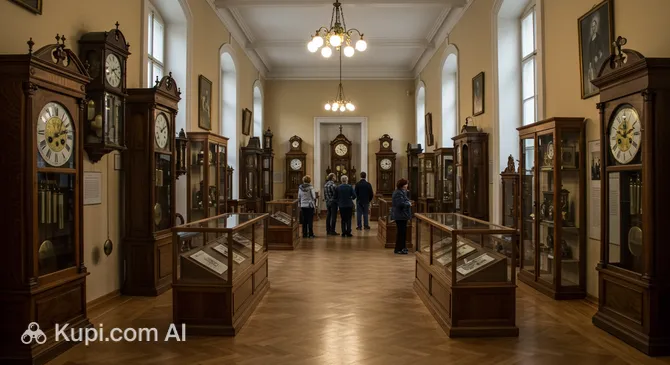
The undisputed symbol of the city is the unique Clock Museum. This is the only institution of its kind in Romania, founded by Professor Nicolae Simache. Its collection includes hundreds of rare exhibits: from sundials and hourglasses to complex mechanical chronometers created by famous European masters. Visiting this place is a true journey through time that will be of interest to both adults and children.

The Clock Museum. Illustration.
Source: Kupi.com AI

Traveler photos:

Art lovers should visit the Ion Ionescu-Quintus County Art Museum. It is housed in an elegant building and contains an impressive collection of works by Romanian artists, including 19th and 20th-century classics. The exhibition allows for a deep dive into the national flavor and traces the development of fine arts in the region.

The majestic Palace of Culture houses the Prahova County Museum of Natural Sciences. This is a large-scale complex that includes sections for botany, zoology, and even an aquarium. Interactive exhibits and dioramas showcasing the flora and fauna of the Carpathians and the Danube Valley make it one of the most educational spots in the city for a family visit.

If you want to take a break from museum halls in the fresh air, head to King Mihai I Park. This is one of the city's oldest and most popular parks, recognized as a monument of landscape architecture. Shady alleys, well-kept flower beds, and a peaceful atmosphere make it an ideal place for a leisurely stroll after a busy day of sightseeing.

Local Cuisine

Ploiești's gastronomic scene is a vibrant reflection of Wallachian traditions, where hearty peasant food sits alongside modern European trends. Since the city is the capital of Prahova County, known for its vineyards and orchards, local cuisine is characterized by fresh products and a special respect for meat delicacies. Travelers here are offered generous portions and a hospitable atmosphere.

The basis of the menu in most establishments consists of classic Romanian dishes. It is definitely worth trying sarmale (cabbage or grape leaf rolls), which are often served here with hot mămăligă (cornmeal porridge) and thick sour cream. Another gastronomic hallmark of the region is mici. These grilled skinless sausages made from a mixture of beef, pork, and lamb with spices are perfect for a quick but tasty lunch. For dessert, order papanași — cottage cheese donuts topped with blueberry jam.

Cafeneaua Nației. Illustration.
Source: Kupi.com AI

Traveler photos:

Regarding drinks, Ploiești's geographical location plays a key role. The city is very close to the famous Dealu Mare wine region, often called the "homeland of Romanian red wines." Therefore, you should order local varieties in restaurants, such as Fetească Neagră. The region is also famous for its strong fruit brandy — țuică, which is traditionally made from plums and served before meals as an aperitif.

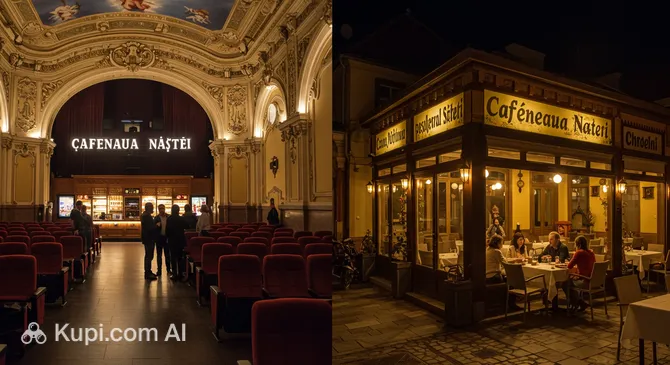
The food culture in the city is diverse: from cozy family restaurants to busy street food stalls. If you are looking for an atmospheric place for dinner, check out the Cafeneaua Națiilor restaurant, where you can enjoy not only the food but also the historical setting. For lovers of a quicker snack and international cuisine, Turkish Doner Grill is a popular choice among locals.

In the evening, the city comes alive in a new way. Young people and tourists often gather in bars to discuss the day over a cocktail or craft beer. A pleasant atmosphere and a wide selection of drinks can be found at The Fable bar. Overall, Ploiești delights with its affordable prices and the opportunity to taste authentic Romanian flavors without unnecessary pretension.

Travel Tips

Preparing for a trip to Ploiești doesn't require complex effort, but knowing local characteristics will make your stay in the "capital of black gold" much more pleasant. Located at a crossroads of trade routes, this city is hospitable to tourists; however, a few practical recommendations will help you avoid minor inconveniences and better plan your time.

  1. Clothing and Seasonality. The climate here is moderate continental, so your wardrobe depends directly on the season. In summer, the city can be hot and humid — choose light natural fabrics and be sure to wear a hat. In winter and late autumn, the weather can be damp and windy, so a waterproof jacket and warm layered clothing will come in handy. For walks through the center and parks, bring the most comfortable shoes possible.
  2. City Transport. Ploiești's public transport (operated by TCE) consists of buses, trolleybuses, and trams. It is a budget-friendly way to get around, but tickets must be validated immediately upon boarding. For more comfort and speed, I recommend using popular ride-hailing apps (such as Bolt or Uber), which work great in the city and eliminate the language barrier when explaining an address to a driver.
  3. Money and Payment. The official currency used by Romania is the Leu (RON). While major supermarkets, hotels, and restaurants in Ploiești accept credit cards without issues, it's always better to have small denominations of cash on hand for visiting small shops, markets, or paying for fares. Exchange currency only at official banks or licensed exchange offices (Casă de schimb). A tip of 10% of the bill is considered good etiquette.
  4. Health and Safety. Ploiești is a calm city, but standard precautions are advisable: watch your bags in crowded places. Pharmacies (marked with a green cross and the word Farmacia) are frequent, and some operate 24/7. It is not recommended to drink tap water; it's better to buy bottled water.
  5. Language and Communication. The official language is Romanian. The younger generation and staff in tourist spots usually speak English quite well, but communicating with older people may be more difficult. I recommend learning a few phrases: "Mulțumesc" (Thank you) and "Bună ziua" (Good day). For stable internet, it is more profitable to buy a local prepaid SIM card (Orange, Vodafone, Digi) at any communication shop.
  6. Local Etiquette. Romanians are open and polite people. It is customary to say hello when entering a store or an elevator. If you are invited to someone's home, do not refuse a treat — it might be seen as disrespectful. In religious sites, observe a modest dress code: covered shoulders and knees.
  7. What to Avoid. Do not try to photograph industrial facilities, especially oil refineries, without permission. Since Ploiești is a strategic industrial center, security might react nervously to filming. Also, avoid exchanging currency "from the hand" with street changers — the risk of fraud is very high.
  8. Tip for Foodies. Being in Ploiești, you are at the gateway to the famous Dealu Mare wine region. Be sure to try local wines in the city's restaurants or, if time permits, book a short tour to one of the nearby wineries — it will be one of the highlights of your trip.

By following these simple tips, you can feel confident and comfortable in Ploiești, focusing on exploring unique museums and the city's atmosphere. May your journey go smoothly and leave only warm memories of Romanian hospitality!

Entertainment & Nightlife

Entertainment:

Although Ploiești is often perceived as a business and industrial hub, the city changes its face at night, offering residents and guests a variety of leisure options. The nightlife here is mainly concentrated in the central part of the city and along the main boulevards, such as Bulevardul Republicii and the area around the Civic Center. The atmosphere in local venues ranges from relaxed lounges to energetic dance floors where the fun lasts until morning, especially on Fridays and Saturdays.

Fans of dancing and loud music should look into the local nightclubs. One of the most popular party spots is the Da Vinci club. This venue is known for its themed events, guest DJs, and stylish interior. The city's trendy crowd gathers here to dance to modern hits and enjoy cocktails.

Another attraction for night owls is the Nobless club. It positions itself as a venue with an elegant atmosphere, suitable for those who appreciate quality service and good music. These venues usually have a dress code: smart casual (shirts, clean jeans, closed shoes) is preferred for men, while women often choose cocktail dresses. Face control at the entrance is standard practice, so it's worth looking tidy.

If you prefer a quieter evening over a drink and conversation, head to Tony's bar. This cozy spot is great for a "pre-party" or a relaxed end to the day. In Ploiești's bars, prices are generally more affordable than in the capital, Bucharest: the average cocktail price is quite reasonable, and the selection of local and imported alcohol is wide enough.

Speaking of daytime and evening entertainment, it's impossible not to mention the modern shopping and entertainment centers that have become an important part of city life. For example, AFI Ploiești offers not only shopping but also a large cinema, an ice rink, and a food court area. This is a great option for family leisure or if the weather isn't suitable for walking. The city also has the Toma Caragiu Drama Theatre and a philharmonic hall where you can attend plays and classical music concerts.

Practical Tips and Safety:

  • Transport: Public transport runs infrequently at night, so the best way to get to your hotel is by taxi. It is recommended to use the Uber or Bolt apps, which work perfectly in Ploiești. This is safer and guarantees a fixed price for the trip.
  • Safety: Central areas where the main bars and clubs are located are considered safe for nighttime walks. However, as in any city, you should avoid unlit alleys and the outskirts after dark.
  • Opening Hours: Bars are usually open until 1:00 AM–2:00 AM, while nightclubs start filling up closer to midnight and stay open until 4:00 AM–5:00 AM.

Parks & Museums

Although Ploiești is often associated exclusively with the oil industry, the city pleasantly surprises its guests with an abundance of green zones and a rich cultural heritage. It is a place where industrial history intertwines with cozy park alleys, and unique museum collections are housed in elegant mansions of past centuries.

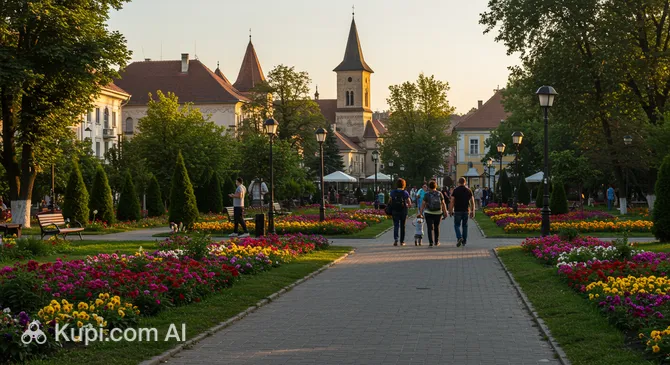
For those seeking outdoor relaxation, Mihai Viteazul Park is an excellent choice. This is one of the city's largest green spaces, where you can escape the urban bustle, have a picnic, or simply stroll along well-kept paths. The park is popular among locals for its spacious lawns and playgrounds, making it an ideal spot for family leisure.

Michael the Brave Park. Illustration.
Source: Kupi.com AI

Traveler photos:

Another significant green oasis is King Mihai I Park, located closer to the center. This historical site is a monument of landscape art. An atmosphere of tranquility and elegance reigns here: old trees provide pleasant shade, while architectural elements give the park a special charm. This is a wonderful location for a leisurely promenade after exploring the city's sights.

The cultural program in Ploiești is equally rich. A hallmark of the city is the Clock Museum, located in the beautiful Luca Elefterescu house. The collection includes rare pocket, wall, and grandfather clocks created by masters from all over Europe. This is not just an exhibition of mechanisms, but a real story about the history of time and art that captivates visitors of all ages.

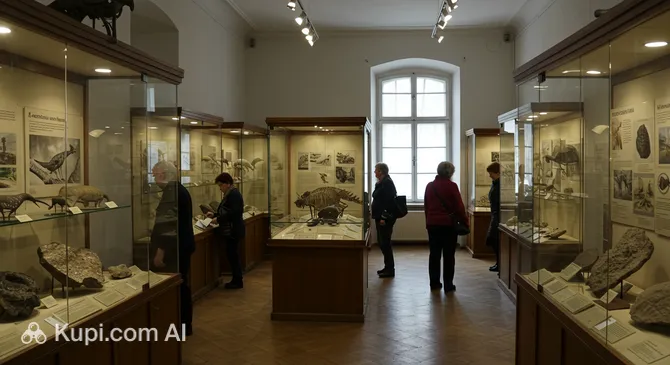
Nature and biology enthusiasts should visit the Prahova County Museum of Natural Sciences. It is located in the majestic Palace of Culture and offers extensive collections dedicated to the region's flora and fauna. Interactive elements and dioramas allow for a detailed study of the ecosystems of the Carpathians and the Danube, making the visit educational and exciting.

Prahova County Museum of Natural Sciences. Illustration.
Source: Kupi.com AI

Traveler photos:

Art lovers will find inspiration in the halls of the Ion Ionescu-Quintus County Art Museum. Works by prominent Romanian artists, such as Nicolae Grigorescu and Ștefan Luchian, are collected here. The museum not only showcases masterpieces of fine art but is itself an architectural gem, preserving the spirit of aristocratic Ploiești.

In addition to parks and museums, the city is famous for its architecture. Be sure to walk along Independence Boulevard (Bulevardul Independenței), which locals lovingly call "Chestnut Boulevard." This street connects the city center with the South Station and is lined with magnificent villas from the late 19th and early 20th centuries, demonstrating the wealth and taste of the old urban elite.

If you have time to go outside the center, we recommend visiting the Constantin Stere Memorial Park in the neighboring Bucov area. This is a huge recreational zone where a zoo is located, which will be a great addition to the trip, especially if you are traveling with children.

Insider Tip: Few people know that the courtyard of the Clock Museum is one of the most photogenic and quiet places in the center. If you want to take beautiful photos without the tourist crowds or just enjoy a moment of silence surrounded by ancient architecture, be sure to peek in there.

Getting Around

The public transport system in Ploiești is well-developed and allows for comfortable travel around the city without the need to rent a car. The municipal network is managed by the company TCE (Transport Călători Express) and includes buses, trolleybuses, and trams. Routes cover all major areas, connecting residential neighborhoods with the center, industrial zones, and railway stations.

Trams hold a special place in the transport scheme. Routes 101 and 102 are essentially the "backbone" of urban mobility, connecting the two main railway hubs — South Station (Gara de Sud) and West Station (Gara de Vest), as well as the county hospital. This is the most convenient way to get from the train to the city center. Bus and trolleybus networks complement the tram lines, providing access to more distant corners.

The payment system in Ploiești is modern and varied. The most traditional way is purchasing a paper ticket from specialized kiosks (Tonete) or machines at stops. The cost of a single trip is about 3 lei. However, digital methods are gaining popularity: you can pay for your fare via SMS (by sending a code to a short number) or through the 24pay mobile app, which works in many cities in the region. New buses and trams are also gradually introducing validators for contactless bank card payments directly on board.

If you prefer a more individual approach, taxi and ride-sharing services like Uber and Bolt work excellently in the city. This is often more convenient and faster, especially in the evening when public transport intervals increase. Standard yellow taxis are also available, but it is recommended to order them through a dispatcher or official apps to avoid inflated rates for tourists.

It is important for tourists to remember a few rules: public transport usually operates from 5:00 AM to 11:00 PM. When entering with a paper ticket, it must be validated immediately to avoid a fine, which can be quite substantial. Inspectors work on the lines regularly. For route planning, it is convenient to use Google Maps or the Moovit app, which show up-to-date schedules and route maps.

Accommodation

Where to stay:

In Ploiești, travelers will find a decent selection of accommodation options to suit both transit tourists and those who decide to stay in the city longer. The hotel stock here is mainly represented by mid-range hotels and modern apartments geared toward business people. There are virtually no luxury five-star resorts in the city, but many 3-4 star hotels offer a high level of service, clean rooms, and delicious breakfasts.

When choosing an area to stay, tourists are recommended to aim for the city center. Hotels located near Independence Boulevard (Bulevardul Independenței) or Mihai Viteazul Square will put you within walking distance of major museums, restaurants, and parks. This is the most picturesque and safest area for evening strolls. If your goal is a quick connection or an early departure, you could consider options near the South Station (Gara de Sud), although this part of the city is less attractive in terms of architecture and entertainment.

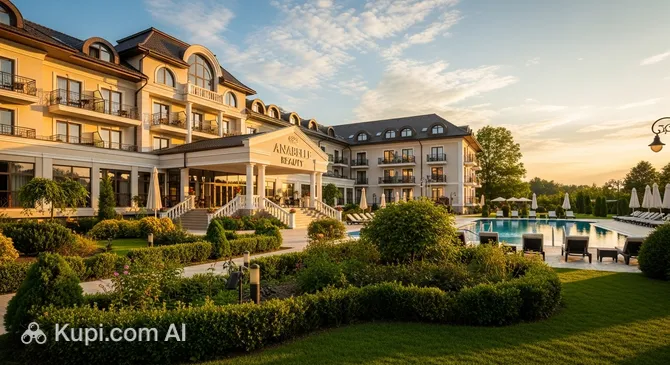
Among the available accommodation options, Anabelle Beauty is worth mentioning. This hotel offers guests comfortable living conditions and can be a convenient starting point for exploring the city and its surroundings.

Anabelle Beauty. Illustration.
Source: Kupi.com AI

Traveler photos:

Booking Tips and Prices:

Price ranges in Ploiești are generally lower than in neighboring Bucharest. Budget travelers can find inexpensive guesthouses or hostels, while the average check for a night in a good hotel remains very affordable. It is better to book accommodation in advance, especially if the trip is planned for weekdays, as the city is popular among business travelers. Using popular online booking platforms guarantees up-to-date prices and availability.

Nearby Cities

For those looking to explore the surroundings, Ploiești serves as an excellent starting point for day trips to several interesting nearby locations:

Just 30 kilometers to the north is the picturesque town of Câmpina. This place is famous for its special sunny atmosphere and cultural monuments. The main point of interest here is the mystical Iulia Hasdeu Castle, built by the writer Bogdan Petriceicu Hasdeu in memory of his daughter, as well as the memorial museum of the famous painter Nicolae Grigorescu.

History buffs should head west to Târgoviște. This is the former capital of Wallachia, where the impressive Princely Court complex (Curtea Domnească) and the famous Chindia Tower have been preserved. The city is closely linked to the history of Vlad the Impaler (Dracula) and offers a deep dive into the region's past.

And, of course, its proximity to the capital makes Bucharest an ideal option for a busy trip. In less than an hour, you can reach "Little Paris" to see the grand Palace of the Parliament, stroll through the lively streets of the Old Town, or visit world-class museums.

CityPopulationDistance
Boldesti Scaeni11 13710 km
Baicoi17 98115 km
Urlati10 54118 km
Valenii de Munte12 04428 km
Moreni18 68730 km

These nearby destinations provide a glimpse into the diverse culture and landscapes of the region.

Shopping & Souvenirs

Shopping in Ploiești is a pleasant combination of modern comfort and traditional local flavor. As a major economic center, the city offers tourists a developed retail infrastructure: from large malls with international brands to cozy little shops and bustling markets. Here, you can not only update your wardrobe but also purchase authentic gastronomic souvenirs that the Wallachia region is famous for.

The heart of city commerce can be found in the central zone around the Civic Center and the adjacent pedestrian streets. Strolling here, you will find many clothing boutiques, bookstores, pharmacies, and cosmetics shops. Also worth noting is Republic Boulevard (Bulevardul Republicii), where stores of local brands and souvenir spots are located. This is an excellent area for a leisurely walk combined with shopping.

For those who prefer to shop in one place, modern shopping complexes operate in the city. The most famous and largest is AFI Ploiești. This is an architecturally impressive building in the city center, where dozens of clothing, shoe, and electronics stores are gathered under one roof, along with a large entertainment zone. Both international mass-market giants and Romanian brands are represented here.

Another important point for shopaholics is the Prahova Value Centre. This shopping center is distinguished by its convenient layout and a wide selection of goods for the home, sports, and fashion. Tourists often note the presence of good outlets and spacious parking, which makes it convenient to visit if you are traveling by car.

To feel the real taste of local life, be sure to visit the Central Market (Piața Centrală). This is a place where stalls burst with fresh seasonal vegetables and fruits grown in the fertile orchards of Prahova County. Here, you should look for the famous Romanian cheese (brânză) of different varieties, homemade honey, and fresh herbs. The atmosphere at the market is lively and friendly, and prices are often lower than in supermarkets.

When choosing souvenirs, pay attention to local products. Ploiești is at the gateway to the famous Dealu Mare wine region, so a bottle of red wine (for example, the Fetească Neagră variety) would make an excellent gift. Also popular are the strong drink țuică, ceramic items, and textiles with traditional Romanian embroidery. For those with a sweet tooth, bring home a jar of plum jam (magiun), which is prepared without added sugar.

Most major shopping centers are open daily from 10:00 AM to 10:00 PM. Small shops in the city are usually open from 9:00 AM to 6:00 PM or 7:00 PM on weekdays and may close earlier on Saturdays; Sunday is often a day off. The primary method of payment is Romanian Lei (RON). Credit cards are accepted almost everywhere, including many kiosks; however, for purchases at markets, it is better to have small denominations of cash on hand.

Tourists residing permanently outside the European Union can take advantage of the Tax Free system. If you make a purchase in one store for an amount exceeding the established threshold (usually around 175 euros, but it's best to check current figures at the checkout) and the store participates in the VAT refund system, you can fill out the necessary documents for a tax refund upon leaving the country.
Nearby cities

Reached the end of the page?

That means the route is fully explored