Support

Tulcea

About

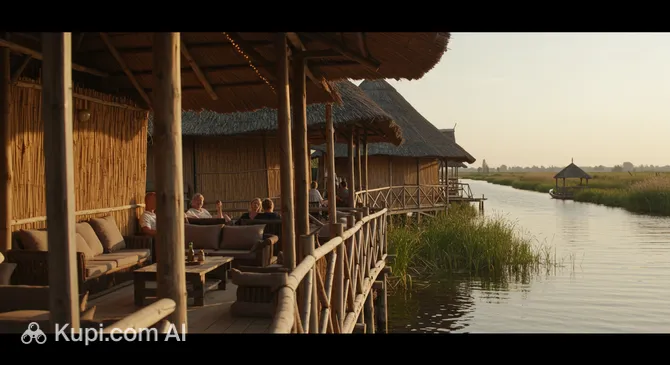
Tulcea is not just a city, but a real gateway to the amazing and mysterious world of the Danube Delta. Located in a picturesque region of hospitable Romania, this city is spread across seven hills, as if greeting travelers from above. Thanks to its unique landscape and atmosphere, Tulcea charms at first sight, offering guests a harmonious blend of nature and urban life.
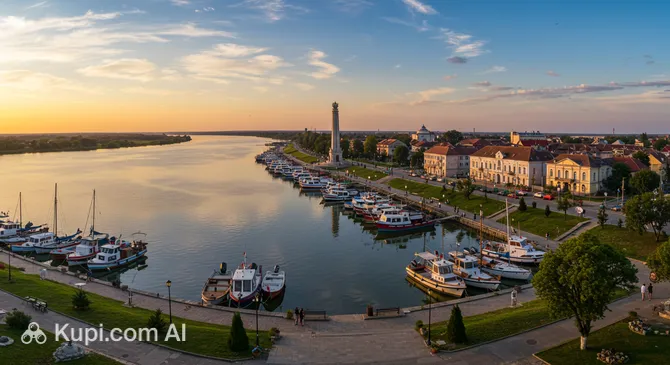
Tulcea. Illustration.
Source: Kupi.com AI

As one of the oldest ports in the region, the city has always held an important strategic position at the intersection of water and land routes. The rich history of Tulcea dates back to the times of the Dacians and Romans, leaving a notable mark on the architecture and local way of life. Today, it is the administrative center of the county of the same name with a population of about 74,000 people, where Romanian, Ukrainian, Russian, Turkish, and Greek traditions coexist peacefully, creating a unique cultural flavor.

The city's main draw is its proximity to the wild. This is the starting point for exciting excursions into the Danube Delta, which is considered a paradise for fishing, birdwatching, and nature photography enthusiasts. But there is also plenty to see in the city itself: take a stroll along the waterfront, visit museums dedicated to ethnography and nature, or enjoy local cuisine in cozy cafes serving the freshest fish.

Tulcea is ideal for those seeking peace and inspiration away from noisy metropolises. Here, it is easy to slow down, dissolve into contemplation of the Danube landscapes, and discover new facets of European culture.
Weather Overview

The climate in Tulcea can be described as moderate continental, softened by its proximity to the water expanses of the Danube Delta. Summer here is usually sunny and warm, ideal for river trips. In the hottest months, July and August, the average temperature stays around 24–25°C, while daily maximums often reach 29–30°C. June can be a bit rainy, with about 10 wet days, but by the end of summer, the amount of precipitation decreases significantly.

Winters in the region are cool but usually without severe frosts. In January, the coldest month, the temperature ranges from slightly below zero at night to +4°C during the day. Spring arrives gradually: while in March the air warms up to only 6°C, by May, comfortable weather sets in with an average of 17°C. Autumn also pleases with mildness, especially September, when the summer warmth still lingers but the heat has already subsided.

Expect a warm, sometimes hot summer with occasional precipitation and cool winters with moderate humidity. To choose the best dates for your visit and pack your luggage correctly, we recommend studying the detailed weather in Tulcea before your departure.

Average monthly temperature

Average monthly precipitation

Interesting Facts

Beyond the main attractions, Tulcea holds many fascinating secrets that reveal themselves only to the attentive traveler. This city, standing on the threshold of the wild, is capable of surprising with its deep history and unusual traditions.

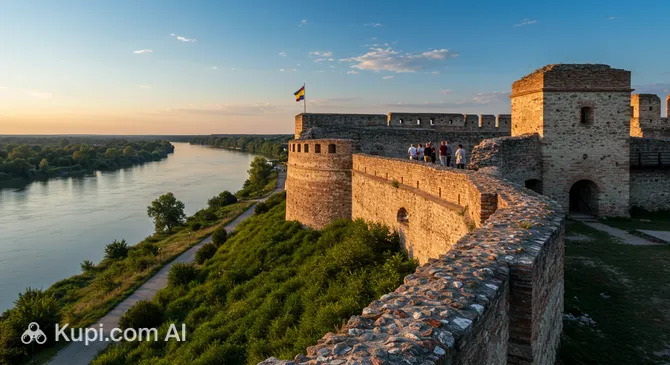
Aegyssus Fortress. Illustration.
Source: Kupi.com AI

Traveler photos:

  • The city is often compared to Rome due to its unique landscape: Tulcea is also spread across seven hills. Thanks to this terrain, heights offer stunning panoramas of the urban layout and the majestic Danube, along which the picturesque Tulcea Waterfront stretches.

  • The history of the settlement spans over two and a half millennia, starting from the 7th century BC. One of the most significant witnesses to the past is the Aegyssus Fortress — an ancient Roman-era structure whose ruins can still be seen within the city.

  • Every year, Tulcea becomes a center of attraction for guests from all over the world thanks to the international festival "Danube – River of Europe." During the festival, the city is filled with music, dancing, and the aromas of gastronomic fairs, uniting the cultures of the Danube basin countries.

  • The region is rich in talent: many writers, artists, and researchers lived and worked here, contributing to the study of the area. You can get acquainted with the heritage of these people and see unique exhibits by visiting the Danube Delta Eco-Tourism Museum and other cultural institutions in the city.

How to Get There

A journey to the gateway of the Danube Delta usually begins with a flight to one of the region's major cities, as Tulcea does not have its own airport. To plan your route as efficiently and comfortably as possible and visit the country that Romania hospitably opens for tourists, we recommend finding out more about how to get to Tulcea in advance, considering all available modes of transport.

The most popular option for international travelers is Henri Coandă International Airport (IATA: OTP), located in the country's capital, Bucharest. This is the largest aviation hub, receiving flights from all over the world. The airport is approximately 223 km from Tulcea. The journey by rental car or bus will take about 3.5–4 hours, passing through picturesque plains.

The nearest air gateway is Mihail Kogălniceanu Airport (IATA: CND), located in the city of Constanța. The distance to Tulcea is only about 93 km, which allows you to reach your destination by taxi or transfer in about 1.5 hours. This option is especially convenient during the summer season when the number of charter flights to the coast increases.

For clarity, here is a summary of information on the nearest airports in Romania and Moldova:

AirportPassenger trafficDistance
Kogalniceanu Airport113 54493 km
Chișinău International Airport4.1 mln195 km
Odessa International Airport1.3 mln202 km
Bacau Airport559 000209 km
Bucharest Henri Coanda International Airport15.9 mln223 km

Railway connection in the region is also developed; however, many major hub stations are somewhat distant, and travelers often have to combine a train with a bus or taxi. One of the important transport hubs is Buzău Railway Station. It is located about 155 km from Tulcea. This is a major station through which trains from the west and center of the country pass. Travel time by car from the station to Tulcea is about 2.5 hours.

Another significant point on the railway map is Focșani Railway Station, 140 km away from the city. Trains from various regions arrive here, and from here, you can continue your journey by bus.

Below is a list of the nearest railway stations:

StationPassenger trafficDistance
Izmail Railway Station20 km
Focșani Railway Station140 km
Mărășești Railway Station146 km
Buzau Railway Station155 km
Adjud Railway Station162 km

Main Attractions

Tulcea offers guests not only a starting point for travels through the delta but also a number of its own unique sites that allow for a deeper understanding of the culture and nature of this region. A walk through the city provides an introduction to ancient history and the modern rhythm of port life.

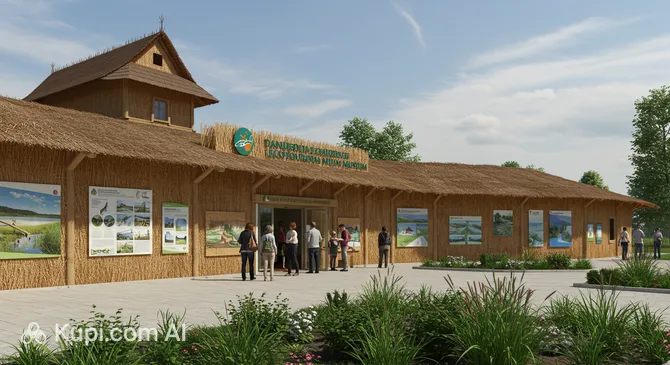
One of the most visited locations is the Danube Delta Eco-Tourism Museum. This place is a must-visit for everyone who wants to learn more about the region's biodiversity without leaving the city. The museum's main pride is an impressive aquarium featuring various fish species inhabiting the Danube and the Black Sea. The exhibition is interactive and educational, making it an excellent choice for family leisure.

Danube Delta Eco-Tourism Museum. Illustration.
Source: Kupi.com AI

Traveler photos:

The heart of urban life is rightfully considered the Tulcea Waterfront. This is the perfect spot for leisurely promenades, where you can watch passing ships and enjoy the fresh river breeze. It features monuments, cozy benches, and piers from which excursion boats depart. In the evening, the waterfront comes alive, becoming a center of attraction for locals and tourists alike.

History buffs should climb Monument Hill, where the Aegyssus Fortress is located. The ruins of this ancient fortification are a reminder of the city's Roman past and its strategic importance. In addition to archaeological interest, the site attracts travelers with magnificent panoramic views of the city rooftops and the bends of the Danube from above.

For a quiet break in nature within the city limits, Ciuperca Park is perfect. This is a green area with a large lake where you can rent a boat or a pedal boat. The park features a beach, sports grounds, and picnic areas, creating a real resort atmosphere in the city center.

Local Cuisine

Tulcea's gastronomic scene is a reflection of the region's soul, where the waters of the Danube meet rich culinary traditions. The city is a real paradise for fish lovers, as fresh catches form the basis of the local menu. Here, food is treated with special respect, turning the preparation of simple dishes into a real art passed down through generations.

The main culinary symbol that every guest must try is the famous Danube fish soup. This is not just a soup, but a complex ritual: it is often boiled in a large cauldron over an open fire, using several types of fresh fish, vegetables, and aromatic herbs. The second mandatory item on the menu is dishes made of fried catfish, pike, or carp, which are prepared masterfully here. Fish is usually served with golden mamaliga — a thick cornmeal porridge that replaces bread, and a piquant garlic sauce.

You can try authentic fish delicacies and soak up the atmosphere of local hospitality in city establishments. For example, the restaurant La Tăticu offers visitors a varied menu in a cozy setting. Here, you can appreciate not only classic recipes but also seasonal offers, including crayfish or mussels.

La Tăticu. Illustration.
Source: Kupi.com AI

Traveler photos:

The dining culture in Tulcea is not limited to restaurants. Strolling through the city, it is worth looking into local markets, where stalls are bursting with homemade pastries, fresh cheeses, honey, and seasonal fruits. Hearty pies with fish filling occupy a special place in street food — an ideal option for a quick snack. In addition, the city regularly hosts gastronomic festivals and fish fairs where you can sample dishes straight from the hands of local chefs.

As for drinks, the region is famous for its vineyards. With a fish dinner, you will certainly be offered a glass of local white wine, which perfectly complements the taste of seafood. Lovers of something stronger should pay attention to fruit spirits — palinka or țuică. And for those who want to spend the evening in an informal setting with a glass of their favorite drink, Cheers Pub, popular with both tourists and locals, opens its doors.

Travel Tips

Preparing for a trip to Tulcea is the key to ensuring that your introduction to the gateway of the Danube Delta goes smoothly and leaves only pleasant memories. We have collected the most important practical recommendations to help you feel confident in this colorful port city that Romania opens to travelers.

  1. Clothing and Equipment. The climate here can be contrasting. In summer, be sure to bring a hat, sunglasses, and light breathable clothing, but don't forget a windbreaker for evening walks by the water. The most important accessory in Tulcea is mosquito repellent. If you plan a trip to the delta, choose comfortable closed shoes and light-colored long-sleeved clothing.
  2. Transport. The city itself is quite compact, and it is pleasant to move around the center on foot. For long distances, it is convenient to use inexpensive local taxis (it is better to call through official apps or by phone to avoid inflated prices). However, the main transport here is by water. For trips to the delta villages, use regular passenger vessels or authorized water taxis, the schedules of which should be checked in advance at the port.
  3. Finances. The official currency is the New Romanian Leu (RON). Cards are accepted without problems in supermarkets, hotels, and restaurants in Tulcea. However, if you are going to buy souvenirs at the market, pay for a small boat, or travel deep into the delta, you will definitely need cash in small denominations. There are enough ATMs in the city center.
  4. Health and Safety. Tulcea is a quiet and safe city. Pharmacies (Farmacia) are easy to find in the center, but there are few 24-hour ones, so it is better to assemble a personal first-aid kit at home. It is recommended to drink only bottled water. Be careful on the water: always wear a life jacket during boat rides, even if the locals do not.
  5. Communication. The state language is Romanian. In the tourism sector (hotels, museums), staff often speak English, but in small shops or at the market, you will have to explain yourself with gestures or a translator on your phone. Buy a local SIM card (Orange, Vodafone, or Digi) for stable internet, as Wi-Fi in the delta can be unstable.
  6. Local Etiquette. Romanians are very hospitable and value politeness. When entering a shop or cafe, it is customary to say hello ("Bună ziua" — Good day) and goodbye ("La revedere" — Goodbye). If you visit religious sites, follow a discreet dress code: shoulders and knees should be covered.
  7. What to Avoid. Beware of "unlicensed" guides on the waterfront who persistently offer tours to the delta at low prices. Often their boats are not properly equipped, and the route may be shortened. Also, it is strictly forbidden to leave trash in nature or feed wild animals in the reserve area.
  8. Local Advice. The best time to buy fresh fish at the city market or set off on an excursion is early morning (before 8:00). At this time, the city is still cool, the light is perfect for photography, and the chances of seeing pelicans and other birds in their natural habitat are maximized.

Tulcea is a friendly city that will be a great start for your adventure. By following these simple tips, you can avoid minor troubles and fully focus on the main thing — the beauty of nature and the unique atmosphere of the Danube region.

Entertainment & Nightlife

The nightlife in Tulcea has its own special, relaxed rhythm, which differs greatly from the noise of capital cities. You won't find huge nightclubs with laser shows until dawn here; instead, the city charms with the cozy atmosphere of port evenings, live music, and venues where you can spend quality time with friends. Main evening activity is concentrated in the central part of the city and along the water artery.

The epicenter of attraction for tourists and local youth is the Tulcea Waterfront. As the sun sets, this place is transformed: lanterns are lit, terraces open, and the cool air from the Danube attracts strollers. This is the city's main promenade, where you can walk leisurely, listen to street musicians, or simply watch the lights of passing ships. Along the waterfront and on adjacent streets (such as Strada Gării), the most popular bars and cafes are located.

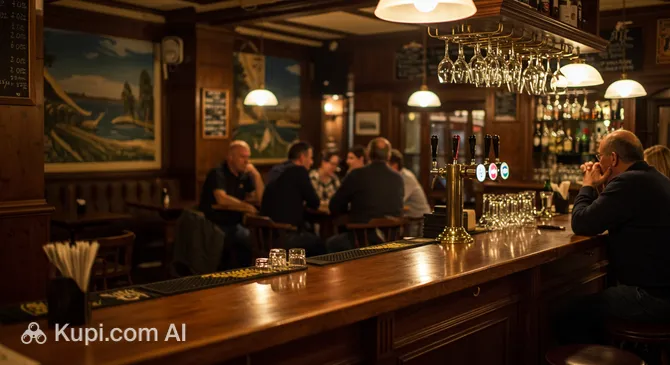
If you are looking for a place with an informal atmosphere and a good selection of drinks, be sure to check out Cheers Pub. This establishment is very popular due to its friendly staff and wide range of beer and cocktails. Sports matches are often broadcast here, and modern music plays, creating a great background for socializing. The dress code in most local bars is casual: everyday style will be appropriate everywhere.

Cheers Pub. Illustration.
Source: Kupi.com AI

Traveler photos:

For those who prefer to combine evening relaxation with gastronomic delights, La Tăticu is an excellent choice. Although this place is positioned as a restaurant, an lively atmosphere prevails here in the evenings, perfect for long dinners that turn into late-night gatherings with a glass of Romanian wine. Many establishments in the center operate until midnight or until the last customer on weekends.

Practical tips and safety: Tulcea is a fairly quiet city, and walking through the well-lit center and waterfront at night is considered safe. However, as in any port city, it is best to avoid unlit outskirts and deserted alleys. The average bill in bars will pleasantly surprise you with its affordability compared to Bucharest or Constanța. Public transport is rare at night, so it is better to use a taxi to return to your hotel. Official service cars can be found at stands near the waterfront or called through a dispatcher; trips around the city are inexpensive.

As for daytime leisure, Tulcea offers a cultural program closely linked to history and nature. Art lovers should visit the Jean Bart Theater, where performances and concerts are held. Families with children and naturalists will be interested in the Danube Delta Eco-Tourism Museum with its famous aquarium, which is one of the largest in Europe and allows you to glimpse the region's underwater world without getting your feet wet.

Parks & Museums

The city harmoniously combines the lively atmosphere of a river port and the tranquility of green zones, offering tourists a rich cultural program. Tulcea carefully preserves its heritage in numerous museums and invites you to take a break from the bustle in picturesque parks, where the nature of the Danube Delta meets urban architecture.

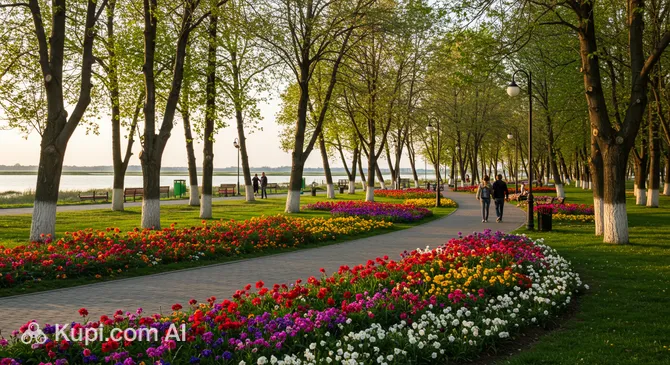
The main green oasis of the city is rightfully considered Ciuperca Park. This is not just a square, but an extensive recreational zone spread around the lake of the same name. The city's only public beach is located here, making the park a center of attraction in the summer months. Visitors can rent boats or pedal boats, walk along well-kept alleys, or have a picnic with a view of the water surface. In winter, the lake often turns into a natural skating rink, attracting active recreation enthusiasts.

Ciuperca Park. Illustration.
Source: Kupi.com AI

Traveler photos:

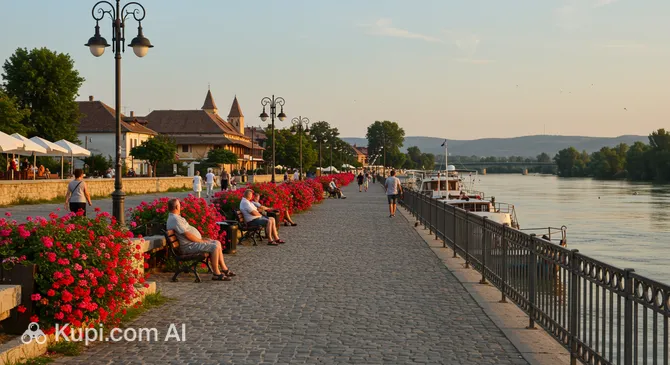
Another important walking area is the Tulcea Waterfront. Although it is more of a promenade than a classic park, the abundance of greenery and proximity to the water create a special atmosphere here. Modern sculptures and monuments are installed along the alley, and benches in the shade of trees are ideal for contemplating the majestic flow of the Danube. This is where the city meets the river, and from where the best views of passing ships open up.

Tulcea Promenade. Illustration.
Source: Kupi.com AI

Traveler photos:

To immerse yourself in the cultural context of the region, visit the Danube Delta Eco-Tourism Museum. The exhibition of this unique center goes far beyond conventional displays: it houses an impressive aquarium complex where the river ecosystem has been recreated. Tourists can see rare sturgeon species and other inhabitants of the underwater world without diving into the water. Dioramas and interactive stands tell in detail about the flora and fauna of the reserve, making the visit educational for both adults and children.

Connoisseurs of art will be interested in the Art Museum (Muzeul de Artă), located in an elegant Neoclassical building, which itself is an architectural monument. The collection includes thousands of works, including icons, graphics, and paintings by famous Romanian masters inspired by the beauty of Dobrujan landscapes. Also worth noting is the History and Archaeology Museum, located in the park near the Independence Monument, which houses artifacts from ancient times found in the vicinity.

Speaking of history, it is impossible not to mention the hill where the Aegyssus Fortress stands. The archaeological park on the site of the ancient citadel allows you to touch the Roman period of the city's life. Preserved fragments of walls and towers serve as a reminder of the strategic importance of this place in the past, and from the top of the hill, perhaps the best panorama of the city rooftops and the bends of the river opens up.

Insider tip: Be sure to look into the Ethnographic Museum if you want to know how people in the delta lived centuries ago. It presents a unique collection of traditional costumes, household items, and fishermen's tools, which vividly illustrates the colorful mix of cultures — Romanian, Lipovan, Turkish, and Greek — that have coexisted on this land for centuries.

Getting Around

The transport system of Tulcea is quite compact and simple, which fully corresponds to the size of this cozy port city. There are no subways, trams, or trolleybuses here. The basis of public transport is urban buses, which connect residential areas with the center, the railway station, and, of course, the port. Given the short distances, many tourist locations in the center are easily explored on foot, but for a trip to distant areas or the bus station, the bus will be a reliable assistant.

The bus network is operated by a local transport company (STP Tulcea). Routes cover all key points of the city. Service usually begins early in the morning, around 05:30, and ends at approximately 22:00–23:00. Intervals vary from 15 to 30 minutes depending on the time of day and the popularity of the route. Tourists should pay attention to the schedule, as transport runs less frequently on weekends.

The fare payment system is intuitive. It is recommended to purchase tickets (bilete) in advance at special kiosks located at major stops. Drivers usually do not sell tickets, or they do so at an inflated price. The fare is very affordable. After boarding the bus, the ticket must be validated in a validator to avoid a fine during a ticket inspection. Recently, modern payment methods have been introduced, such as via SMS or mobile applications (for example, 24pay), information about which can be found on stickers inside the cabin.

A popular alternative to buses is the taxi. Several official services operate in the city, their cars painted yellow and bearing checkered signs. Trips around the city are inexpensive, and cars are equipped with meters. It is recommended to use the services of official carriers or call a car through a dispatcher/app, avoiding private drivers offering services right at the station exit, as their rates can be significantly higher.

A unique feature of Tulcea that sets it apart from other cities is the presence of developed water passenger transport. Since the city serves as a gateway to the Danube Delta, passenger vessels of the state company Navrom Delta, as well as private speedboats, regularly depart from the river station (Gara Fluvială). Although this is more like intercity transport connecting Tulcea with the isolated settlements of the delta (Sulina, Sfântu Gheorghe), for locals, it performs the same function as suburban trains in other regions.

For independent travelers, car rentals are available; however, there is no urgent need for them in the very center of the city due to the compactness of the layout. Bicycle rental is becoming increasingly popular during the warm season, especially for rides along the waterfront or trips to the lake in Ciuperca Park. By moving on foot or by bicycle, you will be able to better feel the atmosphere of the city and enjoy views that might escape you from a bus window.

Accommodation

The choice of accommodation in Tulcea is quite diverse and can satisfy the needs of both budget tourists and those accustomed to comfort. The city's hotel infrastructure is primarily oriented toward transit travelers heading to the Danube Delta, so practical and functional options prevail here. You can find classic mid-range hotels (3–4 stars), cozy family pensions (pensiunea), as well as apartments for short-term rent. A unique feature of the region is "floating hotels" — specially converted ships moored at the shore that offer an authentic experience of staying right on the water.

The most convenient and popular area for accommodation is the city center, adjacent to the river. By staying here, you will be within walking distance of the main transport hubs and recreational spots, such as the picturesque Tulcea Waterfront. This is a strategically advantageous location: excursion boats to the delta depart from here, and the main restaurants and souvenir shops are concentrated here. Accommodation near the railway station is also in demand due to more affordable prices, while the center can be reached on foot in 15–20 minutes.

Booking tip: Tulcea is a seasonal destination. The peak of tourist activity falls between May and September, as well as during major festivals (for example, in August). During these months, the best accommodation options with Danube views sell out very quickly. We recommend booking a room at least 2–3 weeks before your trip to guarantee a comfortable stay.

The price range in Tulcea can be described as moderate by European standards. Budget hostels and guest houses offer overnight stays at very affordable prices, while modern hotels with breakfast included and panoramic views will cost more, but still less than in the capital or seaside resorts. Booking is available through popular international online platforms, but many small private pensions also take orders by phone or email, sometimes offering discounts for direct contact.

Nearby Cities

For those who want to explore the surroundings, Tulcea serves as an excellent starting point for day trips to several interesting nearby places. The Dobruja region and neighboring areas are rich in history and beautiful landscapes that are worth seeing with your own eyes.

One of the most popular trip targets is Constanța, located on the Black Sea coast. It is the oldest continuously inhabited city in the country, where ancient history coexists with modernity. Here, you can walk along the waterfront near the famous Art Nouveau Casino building, visit the Museum of National History and Archaeology, and see the Grand Mosque. A trip here is a great opportunity to combine a cultural vacation with the sea breeze.

Fans of architecture and river landscapes should pay attention to Brăila and Galați. Brăila is famous for its old center with a unique fan-shaped street layout and beautiful 19th-century buildings reminiscent of its rich merchant past. Galați, located very nearby, offers walks along one of the longest Danube waterfronts, decorated with modern sculptures, and a visit to a picturesque botanical garden.

Below is a table with information about nearby cities that are convenient to visit:

CityPopulationDistance
Izmail71 41120 km
Babadag9 21332 km
Kiliya18 74548 km
Reni17 73651 km
Bolhrad17 40059 km

These nearby destinations provide an idea of the diverse culture and landscapes of the region, complementing the impressions of visiting the Danube Delta.

Shopping & Souvenirs

Shopping in Tulcea is more practical and souvenir-oriented than entertaining. The city does not claim to be a fashion capital, so you are unlikely to find luxury brand boutiques or huge outlets here. However, Tulcea is an ideal place to purchase everything necessary before heading into the wild nature of the Danube Delta, as well as to buy authentic gifts reflecting the flavor of Dobruja.

The city's main commercial life is concentrated on central streets such as Babadag Street (Strada Babadag) and Unirii Street (Strada Unirii). Strolling here, tourists will find many small shops with clothing, shoes, sports equipment, and electronics. This is a convenient area for leisurely shopping, where modern storefronts stand alongside historical architecture.

For those who prefer an "all-in-one" format, the Winmarkt shopping complex operates in the city center (locals often call it "Diana" from memory). This is a classic department store housing shops of well-known Romanian and international mass-market brands, a supermarket, pharmacies, and cosmetics stores. Here, you can quickly update your wardrobe or buy items forgotten at home.

The real spirit of the city can be felt in the local markets. The most colorful place is the Central Market (Piața Nouă). It's worth coming here for the freshest seasonal fruits, vegetables, homemade cheese, and honey. Given the city's status as a fish capital, the market or specialized shops nearby always offer a rich selection of fish, both fresh and smoked, which will make an excellent gastronomic souvenir.

For memorable gifts, it's best to go where all the tourists walk — the Tulcea Waterfront. Numerous souvenir kiosks and artisan stalls are located along the promenade. From Tulcea, it is worth bringing back:

  • Reed and cane products: woven baskets, hats, or decorative figures — a symbol of the Danube Delta.
  • Local wines: the Dobruja region is famous for its vineyards, especially wines from Sarica-Niculițel.
  • Traditional ceramics and textiles: embroidered blouses (ii) and painted pottery.
  • Fish delicacies: locally produced canned goods or dried fish in vacuum packaging.

Most shops in Tulcea are open from 9:00 to 18:00 or 19:00 on weekdays, and on Saturdays, they operate on a reduced schedule (often until 14:00). Large supermarkets and the Winmarkt shopping center stay open longer, usually until 21:00 or 22:00, and are open on Sundays. Payment by bank cards (Visa, Mastercard) is widely accepted in shops, hotels, and restaurants. However, for visiting markets, buying souvenirs in small kiosks, or paying for minor services, it is recommended to have cash lei (RON) with you.

The Tax Free system in Romania applies to citizens of non-EU countries when purchasing goods for an amount exceeding 175 RON (about 35 euros) in one receipt. Look for shops with the "Tax Free Shopping" logo. Although there are fewer such points in Tulcea than in Bucharest, the opportunity to get part of the VAT back when leaving the country remains if you have completed the relevant documents during purchase.

Nearby cities

Reached the end of the page?

That means the route is fully explored