Support

Arsk

About

Arsk is a small but incredibly soulful city located in a picturesque corner of the Republic of Tatarstan. It is a place where rich cultural traditions and the tranquility of provincial life intertwine, creating a unique atmosphere for a thoughtful journey. Situated just a few dozen kilometers from the regional capital, the city offers tourists the opportunity to get acquainted with the heartland that Russia is proud of.

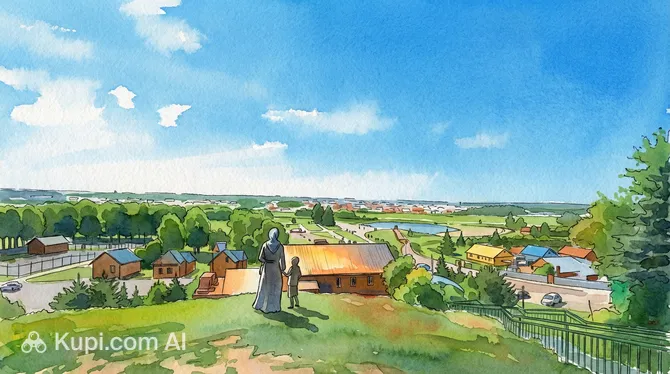
Arsk. Illustration.
Source: Kupi.com AI

Geographically, the city stretches along the high bank of the Kazanka River, which provides it with scenic views and a pleasant microclimate. The population here is small—about 20,000 people—which spares guests from the hustle and bustle of metropolises. The climate is humid continental, with warm summers and snowy winters, making a visit comfortable almost any time of year.

The cultural and historical heritage of Arsk is inextricably linked with the name of the great Tatar poet Gabdulla Tukay. This region is often called the "land of poets and educators." Travelers come here to visit literary memorial complexes and immerse themselves in the spirit of Tatar literature. Additionally, the local architecture attracts attention, particularly the railway station building, which resembles a fairytale palace, and the beautiful mosques.

Arsk will be a wonderful discovery for those seeking authenticity and national flavor. Here, you can not only learn more about the traditions of the Tatar people but also enjoy their famous hospitality. Be sure to include this cozy city in your itinerary to see another, quieter, and more poetic side of Tatarstan.

Weather Overview

The climate in Arsk is humid continental, which guarantees travelers a distinct change of seasons. Winters here are real, snowy, and quite frosty. The coldest month is usually January, with an average temperature of about -10.8°C, while nighttime lows can reach -13.1°C. This time of year requires warm clothing, especially if you plan long walks in the fresh air.

Summer, on the other hand, delights with comfortable warmth without extreme heat, which is ideal for excursions. In July, the warmest month, the air warms up to an average of +19.5°C, and daytime highs often reach +24.4°C. Precipitation falls evenly throughout the year, so a small umbrella won't go amiss even during the sunny season.

In general, expect warm summers with occasional rain and cold winters with a stable snow cover. To make your holiday as comfortable as possible, we recommend checking the current weather in Arsk before your trip and dressing for the season.

Average monthly temperature

Average monthly precipitation

Interesting Facts

Aside from the main attractions, Arsk keeps many fascinating secrets that reveal themselves only to the most curious travelers. This city surprises not only with its ancient history but also with the unique status it held in past centuries.
  • The world's only museum of the alphabet. It is in Arsk that the unique "Alifba" museum is located, dedicated to the Tatar alphabet. It houses an impressive collection of ABC books in dozens of languages, and the museum itself has become a tribute to the authors of the first Tatar literacy textbook, who lived and worked in this city.

  • "Kazan's Rear" and the secret of the name. Historians believe that the Tatar name of the city—Archa—comes from a word meaning "rear" or "back." During the era of the Kazan Khanate, a powerful fortress was located here, serving as a reliable northern outpost and protecting the capital from enemy raids.

  • The capital of leather mosaic. Arsk has been famous since ancient times for its masters of making ichigi—traditional Tatar boots decorated with complex multi-colored ornaments. This art of "leather mosaic" is considered one of the region's most recognizable brands, and local craftsmen still create true masterpieces by hand today.

  • Legendary Arsk princes. In the history of the region, the city held a special place as the fiefdom of the influential Arsk princes. These representatives of the nobility played a huge role in the political life of the Kazan Khanate, influenced state decisions, and even participated in the enthronement of Khans.

  • Center of an ancient Darugha. Arsk is one of the oldest settlements in the Zakazanye region, founded, according to historical data, back in the 13th century. For a long time, it was the administrative center of the Arsk Darugha—a vast district that was second in size and significance perhaps only to Kazan itself.

How to Get There

When planning a trip to this cozy corner of Tatarstan, it's worth considering that the city is located in close proximity to the regional capital, which significantly simplifies logistics. You can study all the ways to get to the city in more detail, but the main route for tourists from distant regions remains transit through Kazan followed by a transfer to ground transport.

Arsk itself does not have its own airport, so the air gateways for travelers are located in neighboring cities. The most convenient and closest option is Kazan Airport (IATA: KZN). This is a major international aviation hub receiving flights from all over the country and abroad. It is located in the city of Kazan, approximately 66 km from Arsk. The journey by taxi or rental car from the terminal to the center of Arsk will take about 2 hours.

As an alternative, you can consider flying into Begishevo (IATA: NBC) in Nizhnekamsk or Cheboksary (IATA: CSY). However, keep in mind that these airports are significantly further away—more than 150 km—so transfer time will increase substantially.

For clarity, here is a summary of the main airports:

AirportPassenger trafficDistance
Kazan Airport5.2 mln66 km
Yoshkar-Ola Airport23 000140 km
Begishevo693 100151 km
Cheboksary Airport577 000158 km
Baratayevka600 000227 km

Rail travel is one of the most popular ways to get to the city, as it has its own station. Arsk Station is located directly within the city limits, just 1.7 km from the center, allowing you to reach your hotel or main attractions on foot or in a couple of minutes by taxi. Commuter trains from Kazan arrive here regularly, making the trip fast and budget-friendly.

If you are traveling from afar on a long-distance train, your transfer point will likely be Kazan-Passazhirskaya or Vosstanie-Passazhirskaya in the city of Kazan (about 57-60 km from Arsk). These are major transport hubs with high passenger traffic. From there, you can easily transfer to a commuter train to Arsk or take a bus.

Below is information about the nearest railway stations:

StationPassenger trafficDistance
Arsk Railway Station2 km
Shemordan Station150 00034 km
Vosstanie-Passazhirskaya Station700 00057 km
Kazan Passenger Railway Station8 mln59 km
Kukmor Railway Station100 00063 km
Vyatskiye Polyany Railway Station76 km

Main Attractions

Despite its modest size, Arsk offers tourists a rich cultural program. This is a city where national traditions and the memory of great educators are carefully preserved. The main points of attraction here are connected with history, literature, and unique crafts, making a walk through the city both educational and heartfelt.

One of the main gems of the city is the "Kazan Arty" History and Ethnography Museum. This is the ideal place to start your acquaintance with the region. The museum's exhibition tells in detail about the life and culture of the Tatar people, the history of the Kazan Khanate, and the famous Arsk princes. Special attention is drawn to the decorative and applied arts department, where you can see magnificent examples of national leather mosaic and embroidery, for which this region is famous.

A completely unique site is the "Alifba" Museum (Museum of the Alphabet), located in the building of the local pedagogical college. It is the only institution of its kind in the world dedicated to the history of the creation of the Tatar alphabet. It houses rare editions of ABC books in dozens of languages, personal belongings of educators, and unique documents. Visiting this museum allows you to look at the process of learning to read and write as a fascinating journey through the centuries.

For connoisseurs of architecture, the Church of the Epiphany is of great interest. This majestic church, built in the 19th century, is a striking example of Russian Classicism and an important spiritual center of the city. The building is well-preserved and stands out for its austerity and harmony of forms against the backdrop of the city's buildings, attracting the attention of photographers and lovers of antiquity.

Although this site is located a few kilometers from Arsk itself (in the village of Novy Kyrlay), a visit to the city is unimaginable without a trip to the Gabdulla Tukay State Literary and Memorial Museum Complex. This is where the great Tatar poet spent his childhood. Tourists can stroll through the picturesque park, see the house of the poet's foster father, Sagdi, and immerse themselves in the atmosphere of fairy tales featuring Shurale and other folklore characters. It is a true mecca for everyone interested in Tatar culture.

Local Cuisine

A gastronomic journey to Arsk is an immersion into the world of authentic Tatar cuisine, which has been preserved here in its original, "homemade" form. Unlike capital restaurants with their creative interpretations, in Arsk, food is prepared according to ancient recipes passed down from generation to generation. The basis of the local table is hearty pastries, meat, and dairy products, as this region is famous for its developed agriculture.

The main culinary symbol that every tourist must try is, of course, echpochmak. These triangular pastries filled with meat, potatoes, and onions are particularly juicy here. Another iconic dish is kystybyy, which is a fried flatbread folded in half and filled with delicate mashed potatoes or millet porridge. If you want a substantial meal, order tokmach—a traditional noodle soup with chicken broth, which is surprisingly light yet rich in flavor.

Tea drinking and sweets hold a special place in the food culture. In Arsk, tea is treated with great respect: it is drunk hot and strong, often with the addition of milk or fragrant herbs such as oregano or thyme. Chak-chak—pieces of dough fried in oil and drenched in honey—is always served with tea. You should also try gubadiya—a complex multi-layered pie with rice, egg, raisins, and kort (dried curd), which is considered the king of Tatar pastries.

Among drinks, besides tea, fermented milk products are popular. Be sure to try the local katyk—a drink made from boiled milk fermented in a special way, which often has a pinkish tint due to the addition of beets or cherries. In hot weather, ayran is perfectly refreshing, and here it is made thick and rich.

The food culture in the city is characterized by simplicity and hospitality. You won't find pretentious fine-dining restaurants here, but you will find many cozy cafes and canteens (often called "Ashkhanä"), where the food is tasty, plentiful, and inexpensive. Locals value the quality of products, so culinary shops and bakeries where you can buy the freshest "piping hot" pastries are popular. This is an ideal option for tourists wanting a quick snack while walking around the city.

Travel Tips

A trip to Arsk promises to be calm and soulful, but even in such a small city, there are nuances you should know in advance. To ensure your trip goes smoothly and leaves only pleasant memories, we've gathered some useful recommendations to help you feel confident.

  1. Clothing and dress code. Since Arsk is located in a temperate climate zone, dress for the weather: warm clothes and non-slip shoes are essential in winter, while light clothing and a sun hat are useful in summer. Given the presence of active mosques and an Orthodox church, modest clothing is recommended for visiting them: women should have a headscarf and a skirt below the knees (or a dress), and men should avoid shorts and sleeveless shirts.

  2. Getting around the city. Arsk is a compact city, and many attractions in the center are within walking distance of each other. Public transport is represented by buses, but they run at specific intervals. To save time, it's more convenient to use local taxis (popular aggregators or local phone services work well). If you plan a trip to Kyrlay (to the Tukay museum), it's better to arrange a transfer in advance or go by your own car.

  3. Financial matters. Bank cards from Russian payment systems are accepted without issues in chain supermarkets, museums, and gas stations. However, for purchases at the local market, in small kiosks, or for bus fares, it's better to have cash with you. ATMs of major banks are located in the city center, but they are not as numerous as in large cities, so withdraw a small amount in advance.

  4. Health and pharmacies. Arsk is a safe and quiet city, but there may not be any 24-hour pharmacies. We recommend putting together a small travel first-aid kit with the most necessary medicines (painkillers, remedies for stomach upset, band-aids), especially if you arrive late in the evening. In summer, when visiting parks and rural estates, use repellents against mosquitoes and ticks.

  5. Language environment. The main language of communication is Russian; absolutely all residents understand it. However, Arsk is the heart of Tatar culture, so the Tatar language is heard everywhere. Locals will be very pleased if you learn a couple of phrases, for example, "Isänmesez" (Hello) or "Räxmät" (Thank you). There are usually no problems with mobile connection and internet within the city limits.

  6. Etiquette and hospitality. Locals are known for their warmth and respect for tradition. Be sure to take off your shoes when entering a private home. If you are invited for tea, it is not customary to refuse—it might be taken as a sign of disrespect. Tea drinking here is an important part of social communication, often accompanied by a generous spread of pastries.

  7. What to avoid. You should not behave provocatively or talk loudly near religious sites and monuments. Also, avoid harsh criticism of national dishes or traditions in conversation with locals—Arsk residents are very proud of their history and culture. During sacred holidays, try to show particular sensitivity.

  8. A unique souvenir. Don't leave without an item featuring national leather mosaic. Arsk is the historical center of this craft. Instead of standard magnets, look in local shops or the museum for authentic Tatar ichigi (boots) or more affordable leather slippers and wallets with bright ornaments—this is a gift with soul and history.

Arsk charms with its simplicity and sincerity, so the main rule here is to be open and friendly. By following these simple tips, you will be able not just to visit the city, but to truly feel its warm atmosphere and hospitality.

Entertainment & Nightlife

Entertainment and nightlife in Arsk have a quiet, measured character typical of small towns. You won't find noisy nightclubs, karaoke bars open until morning, or large-scale discos here; for vibrant club leisure, locals and tourists usually head to neighboring Kazan. The evening program in Arsk itself is centered around cozy dinners, sports, and leisurely walks in the fresh air.

The center of attraction in the evening is Sovetskaya Street and its surrounding areas. This is where the main dining establishments are concentrated. For dinner in a classic setting, travelers often choose the "Archa" restaurant—one of the most famous places in the city, serving national Tatar and European cuisine, with music sometimes playing on weekends. For a more informal meeting or a quick bite, small cafes, pizzerias, and sushi bars, which are popular with local youth, are suitable.

Active recreation enthusiasts should take note of the developed sports infrastructure, which is also available in the evening. The Ice Palace and the "Archa" sports complex offer the opportunity to swim in the pool or go ice skating after a busy day of sightseeing. Cultural leisure is represented by a modern cinema hall in the local House of Culture, where you can watch the latest movie releases.

Promenades hold a special place in leisure activities. "Kazan Su" Park is a modern, landscaped space with an embankment that is beautifully illuminated after dark. It is a safe and cozy place where families and couples like to spend time. As in many of the quiet corners for which Russia is famous, the safety level here is high, so evening walks along the lit streets are no cause for concern.

Useful information for planning your evening:

  • Opening hours: Most cafes and restaurants close quite early, usually around 10:00 PM–11:00 PM (the kitchen may stop working even earlier). We recommend planning your dinner in advance.
  • Transport: Public transport runs infrequently in the evening. For getting around the city after sunset, it is most convenient to use a taxi (popular aggregators and local telephone dispatch services are available).
  • Dress code: A casual style of clothing is accepted in the city's establishments; there are no strict requirements for appearance.

Parks & Museums

Arsk harmoniously combines the natural beauty of the Zakazanye region with a deep respect for historical memory. Cozy green spaces have been created for tourists, perfect for leisurely walks, while the city's museum collections are considered unique not only for the region but for the entire country.

The main place for outdoor recreation is the modern "Kazan Su" Park. This is a large-scale public space that combines the Kazanka River embankment, sports areas, and playgrounds. The park is interesting for its landscape design and well-thought-out infrastructure: it's pleasant to walk along the paved paths enjoying the river view or have a picnic on the grass. In the evening, the park is transformed by beautiful lighting, creating a romantic atmosphere.

Nature lovers should pay attention to the area around the sports complex and the Arsk Stadium. This is a well-kept green zone where city festivals (Sabantuy) and sports events often take place. In winter, cross-country skiing trails are laid here, and in summer, it's a great place for jogging or relaxing in the shade of the trees, allowing you to feel the measured rhythm of city life.

The city's museum map offers travelers an immersion into unique themes. The "Kazan Arty" History and Ethnography Museum is a true treasure trove of national culture. The exhibition is divided into several halls presenting Tatar household items, unique examples of leather mosaic and gold embroidery, as well as materials on the history of the Arsk Principality. Tourists will find it interesting to see a reconstruction of a Tatar hut and learn the secrets of the ancient crafts for which this region is famous.

No less fascinating is a visit to the Gabdulla Tukay Literary and Museum Complex (located in the village of Novy Kyrlay, in close proximity to the city). Although it is an out-of-town site, it is an integral part of Arsk's cultural code. Here, surrounded by picturesque forest and ponds, the atmosphere in which the great poet grew up has been recreated. Visitors can enter the house of the peasant Sagdi, see memorial items, and walk along the "Fairy Tale Trail," where characters from Tatar folklore "live."

Special mention goes to the "Alifba" Museum. This is a rare example of a museum dedicated to a single textbook—the alphabet (ABC book). The collection includes hundreds of ABC books from various nations and tells the history of enlightenment. This place will be interesting not only for educators but for anyone who wants to see how literacy was taught in different eras and in different corners of the planet.

Among the architectural monuments, the railway station building stands out. Built of red brick in the early 20th century, it resembles a fairytale palace and serves as the city's calling card for those arriving by train. It is also worth visiting the old mosques and Orthodox churches of the district, which are guardians of the spiritual history of the Zakazanye region.

Insider Tip: If you want to see the city from an unusual perspective, head to the high bank of the Kazanka River at sunset. From here, a panoramic view of the floodplain meadows and the lower part of the city opens up, which is especially beautiful in the rays of the setting sun—an ideal place for memorable photos without the crowds.
Getting Around

Arsk's transport system is simple and intuitive, which perfectly matches the cozy and compact nature of this small city. You won't find a complex network of subways, trams, or trolleybuses common in metropolises here. The main burden of passenger transport falls on bus routes and taxi services, which allow you to easily reach any point in the settlement.

Public transport is mainly represented by small and medium-capacity buses. The route network connects the railway station, the city center, and the main residential micro-districts. Buses run on a fixed schedule; however, keep in mind that intervals can range from 15 to 30 minutes, and transport runs less frequently on weekends. Bus activity decreases significantly in the evening, so it's better to plan your trips in advance.

The fare payment system here is quite conservative. In most cases, tickets are purchased directly from the driver or conductor upon entering. Although the region is actively introducing cashless payments and bank card terminals are becoming more common, tourists are strongly advised to carry some small cash. This will save you from possible inconvenience if the terminal on the bus happens to be out of order.

For those who value comfort and speed, taxis serve as a great alternative to public transport. Both popular federal aggregators and local dispatch services operate in the city. A car can be called through a familiar mobile app or by phone. Trips around the city are inexpensive, and car arrival time is usually minimal. This is the most reliable way to reach distant attractions, such as the museum in Kyrlay.

Given the city's small size, many distances are easily and pleasantly covered on foot. A walk from the railway station to the central streets, where museums and parks are located, doesn't take much time and allows you to get a better look at the local architecture. Car-sharing services and mass rental of electric scooters have not yet become widespread in Arsk, so you shouldn't rely on them as your primary mode of transport.

The "Arsk" railway station remains an important landmark for travelers. The station square serves as a kind of transport hub: it's the terminus for most city bus routes and a taxi stand. If you arrive in the city by commuter train, this is the most convenient place to start your exploration.

Accommodation

Accommodation options in the city of Arsk fully reflect its status as a small and cozy regional center. You won't find large hotel chains, luxury five-star resorts, or massive hotel complexes here. The housing market is primarily represented by small local hotels and guest houses that offer travelers basic comfort and a homey atmosphere at very affordable prices.

The majority of available housing is concentrated in the central part of the city. This is the most convenient area for tourists, as you can walk to the main attractions, administrative buildings, and shops from here. Staying in the center also provides easy access to the railway station, which is especially relevant for those planning to travel around the region by commuter train.

Typical room stock in Arsk falls into the "budget" and "mid-range" categories. Local hotels usually offer standard rooms with necessary amenities (private bathroom, TV, Wi-Fi). In recent years, short-term apartment rentals have been gaining popularity, which can be an excellent alternative for families or groups who prefer to cook for themselves and have more personal space.

Booking Tips:

  • Plan ahead. Since the number of accommodation places in the city is limited, rooms can fill up quickly during national holidays (such as Sabantuy) or major festivals. It is recommended to book your stay several weeks before your trip.

  • How to book. Major aggregators don't always show all available options in such small towns. Often, the most reliable way to book a room is to find the hotel's contact details on online maps and call the administrator directly. This will also allow you to clarify current prices and check-in conditions.

  • Alternative in Kazan. Given Arsk's proximity to the regional capital (only about 1 hour away), many tourists prefer to stay in Kazan, where the choice of hotels is vast, and come to Arsk for a day trip. This is a convenient option for those accustomed to a high level of service and developed evening infrastructure.

The price range in Arsk will pleasantly surprise travelers: the cost of living here is significantly lower than in large metropolises. This makes the trip affordable even for budget tourists, allowing them to save money for excursions, souvenirs, and getting to know the local cuisine.

Nearby Cities

For those who want to explore the surroundings, Arsk serves as an excellent starting point for day trips to several interesting nearby locations. The city's convenient location allows tourists to easily reach major cultural centers and natural attractions of the region with very little travel time.

The undisputed leader for a short trip is Kazan—the capital of Tatarstan, located less than 60 km away. This is a city with a thousand-year history where East meets West. Tourists come here to see the famous Kazan Kremlin, a UNESCO World Heritage site, the majestic Kul Sharif Mosque, and to stroll along the lively Bauman Street. Its proximity to Arsk makes Kazan an ideal option even for a half-day trip.

If you are looking for unusual architectural impressions, you should head to Yoshkar-Ola, the capital of the neighboring Mari El Republic. This city will surprise you with its modern center, stylized after European antiquity. The famous Bruges Embankment, the "12 Apostles" clock with moving figures, and the Yoshkin Kot monument create a unique fairytale atmosphere that is very different from the traditional Tatar flavor.

Another interesting destination is Zelenodolsk. This cozy and very green city is located on the left bank of the Volga. It attracts travelers with its calm atmosphere, beautiful parks, and proximity to the Raifa Bogoroditsky Monastery—one of the region's main Orthodox shrines, surrounded by a picturesque forest and a lake.

CityPopulationDistance
Kazan1 243 50058 km
Kukmor17 81564 km
Vyatskiye Polyany32 56276 km
Laishevo8 60480 km
Zelenodolsk100 00990 km

These nearby destinations allow you to get an idea of the diverse culture and landscapes of the region, making your journey through Tatarstan and the Volga region even more enriching.

Shopping & Souvenirs

Shopping in the city of Arsk is, first and foremost, an acquaintance with local color and traditions rather than a chase for fashion brands. You won't find huge shopping and entertainment malls common in metropolises here, but you can purchase unique items produced only in this district. Trade here has a quiet, provincial character, focused on the quality of local products and the authenticity of handcrafted goods.

The main commercial life of the city is concentrated in its central part, primarily along Sovetskaya Street and the adjacent blocks. This is where the main shops, pharmacies, and mobile phone stores are located. A walk through the center allows you to combine sightseeing with visits to small private shops where you can find everything you need—from clothing to household goods.

There are no large shopping centers in the traditional sense in Arsk, but several universal trade houses popular with locals are in operation. They usually house chain supermarkets, household goods stores, and clothing departments. These are convenient places to buy groceries for the road or restock on necessary small items.

The true heart of commerce is the City Market. This is the place where you can feel the vibrant atmosphere of the city. You should come here for the freshest farm products: meat, cottage cheese, sour cream, and honey from local apiaries. The market especially comes to life on weekends when residents from all over the district bring their goods. You can also find inexpensive clothing and household items here.

Speaking of souvenirs, Arsk offers tourists truly exclusive items. The city's main brand is national footwear with leather mosaic (ichigi and slippers). The Arsk National Footwear Factory is known far beyond Tatarstan, and buying a pair of patterned boots or handmade slippers here means taking home a piece of history. Additionally, as a delicious gift, be sure to buy products from the local dairy plant (brand "Archa") and, of course, fresh chak-chak, which is prepared here according to home recipes.

Most shops in the city are open from 8:00 or 9:00 AM to 6:00–7:00 PM. Chain supermarkets stay open longer, usually until 10:00 PM. As for payment, major stores and trade houses accept bank cards without problems. However, if you plan to shop at the market or in small kiosks, it is highly recommended to have cash with you, as terminals are not available everywhere.

The Tax Free system (VAT refund) does not operate in Arsk's shops. This service is primarily available in large cities and brand boutiques, so you should not count on it when buying souvenirs or groceries here.

Reached the end of the page?

That means the route is fully explored