Support

Belogorsk

About

Belogorsk is a cozy and uniquely charming city located in the Amur Region of Russia. It plays an important role as a transport hub and administrative center, attracting travelers with its peaceful atmosphere and the opportunity to experience life in the Russian Far East.

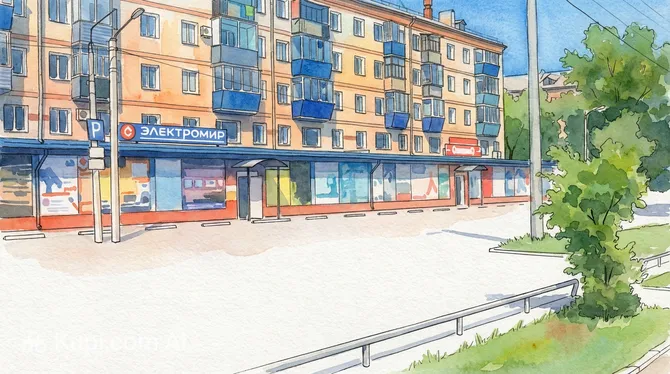
Belogorsk. Illustration.
Source: Kupi.com AI

The city is situated on the left bank of the Tom River, a tributary of the Zeya, in a picturesque flat area. The population of Belogorsk is about 66,000 people. The climate here is sharply continental, with frosty, low-snow winters and warm, sometimes hot summers, making it interesting to visit in different seasons, each revealing the city from a new side.

Among the interesting places to visit in Belogorsk, the local museum of local lore stands out, featuring exhibits that tell the history and culture of the region. A walk through the central streets and squares allows you to feel the city's slow pace of life. Belogorsk is also an important station on the Trans-Siberian Railway, which in itself gives it special historical significance and makes it a convenient point for further travel through the Amur Region.

Belogorsk is a wonderful opportunity to see another Russia, far from the capital's bustle, and discover the hospitality of the Far East. This city will certainly leave pleasant impressions on those looking for a quiet and educational holiday.

You can find more interesting facts on the history of Belogorsk page.

Weather Overview

The weather in Belogorsk is characterized by a sharply continental climate. Travelers should expect warm, sometimes hot summers with occasional rains, especially in July (average temperature around +22.6°C, maximum up to +27.1°C), and very cold, primarily dry winters, when the average temperature in January is around -23.9°C, and minimum values can drop to -29.9°C.

The greatest amount of precipitation falls in the summer months (June-August), amounting to 3-4 mm per month, while the number of rainy days reaches 13-15. In winter (December-February), there is practically no precipitation, and the number of days with precipitation is minimal (1-2 days per month). Spring and autumn are short transitional seasons with a rapid change in weather conditions and gradual changes in temperature.

For more detailed information about weather conditions by month and for planning your trip, we recommend visiting the Climate of Belogorsk page.

Average monthly temperature

Average monthly precipitation

Interesting Facts

In addition to its role as an important transport hub and administrative center, Belogorsk holds many interesting details in its history and appearance that not everyone knows. Here are just a few curious facts about this Far Eastern city:

  • Origin of the name: Belogorsk owes its name not to a man-made object, but to a natural landmark – a white cliff visible from afar or the steep, precipitous bank of the Tom River, which locals have long called "Belaya Gora" (White Mountain).

  • A city with many names: Before finally becoming Belogorsk in 1935, the city managed to change several official names. Founded in 1860 as the village of Alexandrovskoye, it was later known as Bochkarevka (named after a local entrepreneur), then Alexandrovsk, and briefly bore the name Kuybyshevka-Vostochnaya.

  • The "Breadbasket" of Priamurye: Due to its location in the fertile Zeya-Bureya Plain, Belogorsk historically developed as an important center for agriculture and the food industry. To this day, the city plays a significant role in providing the region with food, being unofficially considered one of the "bread capitals" of the Amur Region.

How to Get There

Belogorsk is a major transport hub in the Amur Region, so getting here is not difficult, especially by rail. However, if you prefer air travel, it is worth noting that there is no civilian airport in the city of Belogorsk itself. The nearest air gateway is the Ignatyevo International Airport (IATA: BQS), located in the city of Blagoveshchensk. It is about 93 km from Belogorsk. A trip from there by taxi or regular bus will take approximately 1.5–2 hours.

Also geographically close is Heihe Airport (IATA: HEK); however, it is important to remember that it is located in the city of Heihe (China), about 117 km from Belogorsk, and is separated by a state border. This option is only suitable for complex international routes.

For clarity, here is a summary of the main airports:

AirportPassenger trafficDistance
Ignatyevo928 00093 km
Heihe Airport158 192118 km

Rail travel is often the most optimal choice for travelers. The main Belogorsk station is located directly in the city, just 1.3 km from the center. This is a major junction station on the Trans-Siberian Railway with high passenger traffic, where almost all long-distance trains going east or west stop. Arriving here is extremely convenient as it does not require a long transfer.

Alternatively, you can consider the Svobodny station, located in the city of Svobodny, about 58 km from Belogorsk. This option can be useful if tickets to the main station are sold out, but it will require additional travel time (about an hour by taxi). You can find out more about how to get to Belogorsk by various modes of transport on a separate page.

Below is information about the nearest railway stations:

StationPassenger trafficDistance
Belogorsk Station450 0001 km
Vozzhayevka Station27 km
Seryshevo Station20 km
Svobodny Railway Station350 00058 km
Yekaterinoslavka Railway Station120 00075 km
Ledyanaya Station100 00096 km
Blagoveshchensk Railway Station97 km
Zavitaya Station180 000113 km

Main Attractions

Despite its compact size, Belogorsk is ready to offer curious travelers several iconic sites. These attractions will allow you to deeper understand the history, culture, and unique atmosphere of this Far Eastern city, making your journey truly rich and interesting.

A key place to get acquainted with the city's past and present is the Belogorsk Museum of Local Lore named after N.G. Yelcheninov. This is not just a collection of exhibits, but a living chronicle of the region. Here, you can immerse yourself in the history of the development of the Amur region, learn about the indigenous peoples, the foundation and growth of Belogorsk, as well as its role in significant historical events. Of particular interest to visitors are the exhibitions dedicated to the unique nature of the region and the outstanding personalities who left their mark on the city's history.

If you are looking for a place for quiet relaxation and walks in the fresh air, head to the City Park of Culture and Leisure. This is the green heart of Belogorsk, beloved by both locals and visitors. Shady alleys invite you to take leisurely strolls, and in the warmer months, the park comes alive with rides and various city events. It is a wonderful place for family vacations and observing the steady life of the city.

An important symbol of Belogorsk's historical memory is the Memorial Complex to fellow soldiers who died during the Great Patriotic War. This monument, like many similar ones in Russian cities, serves as a reminder of the feats of the past and a venue for commemorative events. Visiting the complex provides an opportunity to pay tribute to history and feel the connection between generations, which is especially valuable for travelers interested in the country's heritage.

Local Cuisine

The gastronomic scene of Belogorsk offers travelers an immersion into the atmosphere of traditional Russian cuisine with Far Eastern accents. Here you won't find world-class gourmet delicacies, but you can enjoy hearty, home-style delicious dishes prepared with heart. The city's cuisine reflects its geographical location and cultural traditions, offering simple yet memorable flavors.

It is definitely worth trying classic Russian dishes, which are prepared here with special care. First of all, these are pelmeni and vareniki with various fillings – from meat to potatoes and cottage cheese. Be sure to try rich soups such as borscht or shchi. A feature of the local cuisine can be dishes made from river fish caught in the Tom or Zeya rivers – fried, baked, or in the form of ukha (fish soup). Various pies and pirozhki with savory or sweet fillings, such as cabbage, potatoes, meat, or local berries, are also popular.

Among traditional drinks in Belogorsk, kvass is popular, especially in the warm season, as well as fruit drinks (mors) and compotes made from forest and garden berries – cowberries, cranberries, and currants. Tea lovers will appreciate the aromatic herbal blends. Among alcoholic beverages, you can find traditional Russian vodka and various tinctures, as well as locally or regionally produced beer.

The food culture in Belogorsk is quite traditional. Locals often prefer home-cooked food but also visit cafes and canteens where you can have a quick and inexpensive lunch. For tourists, various cafes and several restaurants are open, offering both Russian cuisine and a more universal menu. The atmosphere in the establishments is usually cozy and welcoming, conducive to a leisurely meal. Although street food is not as developed here as in large metropolises, you can find fresh local products, seasonal berries, and mushrooms at the markets.

The gastronomic features of Belogorsk lie in its authenticity and simplicity. This is cuisine that warms and satisfies, offering a taste of the real flavors of the Russian Far East. Signature dishes include hearty hand-made pelmeni, aromatic ukha from local fish, and fluffy pies. The city's gastronomic scene is, above all, about hospitality, high-quality products, and loyalty to culinary traditions.

Travel Tips

Planning a trip to Belogorsk? Wonderful! To ensure your journey through this interesting city in the Amur Region is as comfortable as possible and leaves only pleasant impressions, we have prepared some practical tips. they will help you better navigate the place and avoid potential inconveniences.

  1. Clothing and Essentials:

    The climate in Belogorsk is sharply continental. In summer (June-August), pack light clothing for the daytime heat, but don't forget a sweater or windbreaker for cool evenings. In winter (December-February), you will need very warm layered clothing: a down jacket, hat, mittens, scarf, and warm waterproof shoes. Spring and autumn are short, and the weather is changeable, so the principle of layering will be very useful. Comfortable shoes are your main companion for walking around the city at any time of year. Don't forget an adapter for sockets (in Russia, types C and F sockets are used, voltage is 220V). If you plan to visit Orthodox churches, women are recommended to have a scarf to cover their heads, and clothing should cover shoulders and knees; men should avoid shorts.

  2. Transport in the City:

    The main form of public transport in Belogorsk is buses running on various city routes. Taxis are also available in the city; they can be called by phone through local services or via popular Russian mobile applications. Given the relatively small size of Belogorsk, renting a car for moving exclusively within the city may not be necessary – many interesting places are within walking distance or easily reachable by public transport.

  3. Finance: Currency, Cards, Tipping:

    The official currency is the Russian ruble (RUB). You can exchange currency at bank branches. Bank cards of the Russian "Mir" payment system are accepted almost everywhere. However, cards from international payment systems (Visa, Mastercard, UnionPay, etc.) issued outside of Russia may not function due to current restrictions. It is recommended to have a sufficient supply of cash. ATMs are available in bank branches and large retail outlets. Tipping in cafes and restaurants is not mandatory but is welcomed at a rate of 5-10% of the bill if you liked the service.

  4. Health and Safety:

    There are pharmacies in Belogorsk where you can purchase necessary medications; some of them may operate 24/7. Nevertheless, it is recommended to carry a first aid kit with a basic set of medicines. If you need medical assistance, contact local medical facilities. Belogorsk is generally a peaceful city. Observe standard precautions: watch your personal belongings, especially in public places, and avoid walking in poorly lit areas after dark. The emergency services number is 112.

  5. Communication and Language:

    The state language is Russian. The level of English proficiency among the local population may be low, especially outside of the tourist infrastructure. It will be useful to learn a few basic phrases in Russian: «Здравствуйте» (Zdravstvuyte), «Спасибо» (Spasibo), «Пожалуйста» (Pozhaluysta), «Да/Нет» (Da/Nyet), «Сколько стоит?» (Skol'ko stoit?). A local SIM card can be purchased at mobile phone shops upon presentation of a passport. Free Wi-Fi is usually available in hotels, cafes, and some public places.

  6. Local Etiquette and Communication:

    When communicating with locals, especially older people or in official settings, it is customary to use the formal "Vy" (You). In public places, try to behave reservedly and not too loudly. Russians are generally hospitable and ready to help if approached politely. When entering a residential home or apartment, it is customary to remove your outdoor shoes.

  7. What to Avoid:

    Refrain from starting conversations on sensitive political topics, especially with people you don't know well. Also, do not take photos of people without their prior consent, showing respect for their personal space.

  8. Special Tip for Belogorsk:

    Belogorsk is a significant station on the Trans-Siberian Railway. If you have time, walk to the railway station and observe its life – it is a special place with an atmosphere of travel. Additionally, the city is known as the "breadbasket" of Priamurye, so be sure to try the local bread and pastries – they may pleasantly surprise you with their quality and taste.

We hope these tips will help you plan an unforgettable trip to Belogorsk. We wish you vivid impressions and a pleasant holiday in this unique corner of Russia!

Entertainment & Nightlife

In the evening, Belogorsk offers its guests primarily quiet but uniquely cozy leisure options. Although the city is not famous for the bustling night districts of megacities, you can find places for a pleasant pastime after a busy day, chatting with friends, or simply relaxing in a soothing environment.

The core of evening entertainment in Belogorsk consists of cafes, some of which may expand their selection of drinks and operate in a bar format in the evening. You can also find separate bars in the city offering both local and imported beer, as well as stronger drinks. Nightlife usually concentrates in the central part of the city, for example, along streets such as Kirova Street or Lenina Street. Finding an up-to-date and reliable list of popular nightclubs or specific bars in Belogorsk remotely can be difficult, as their popularity and even existence can change. Upon arrival, the most reliable way to find a suitable place is to ask for advice from locals or hotel staff, or to use online maps and fresh reviews on the spot. Look for establishments that attract a local crowd; this is often a good sign.

The atmosphere in Belogorsk's evening venues is usually casual and friendly, with a predominantly local crowd. There is generally no dress code or a very relaxed one, allowing you to feel comfortable. Peak activity usually falls on Friday and Saturday evenings; on weekdays, many places may close earlier. Prices in Belogorsk's establishments are generally moderate and affordable for most visitors. When planning an evening out, it is always better to check the operating hours of a specific establishment in advance, for example, by phone or on its social media pages, if available.

For getting around the city at night, it is recommended to use taxi services. Local taxi companies operate in Belogorsk, and you can call a car by phone. You can also check if mobile taxi apps popular in Russia are used in the city. Overall, Belogorsk is a peaceful city; however, as everywhere, it is worth observing basic precautions at night: avoid poorly lit and deserted places and keep an eye on your belongings.

During the day, Belogorsk offers more traditional leisure options. Guests can visit the Belogorsk Museum of Local Lore named after N.G. Yelcheninov, which features exhibitions on the history and nature of the Amur Region. For quiet walks and outdoor recreation, the City Park of Culture and Leisure is an excellent choice and a favorite spot for locals. It is also worth checking the city's events calendar: during your visit, there might be performances by local theater groups or touring companies, concerts, or other cultural events.

Parks & Museums

Belogorsk, in addition to its transport importance, offers guests opportunities for pleasant outdoor recreation and acquaintance with local culture. There are several cozy green areas and interesting cultural sites in the city that will help you learn more about its history and enjoy the peaceful atmosphere of the Far East.

The central place for walks and outdoor recreation is certainly the City Park of Culture and Leisure. This is not just a green area, but the real heart of the city's social life. In summer, you can find rides for children, sit on benches in the shade of trees, and in winter, the park transforms, offering opportunities for winter fun. It is ideal for leisurely strolls, family vacations, and observing the steady life of Belogorsk residents. Another pleasant place for walks can be the embankments or coastal zones of the Tom River, where you can enjoy the views and silence, especially in the warm season.

The main keeper of the city's history and culture is the Belogorsk Museum of Local Lore named after N.G. Yelcheninov. By visiting it, tourists will not only be able to learn about the stages of Belogorsk's development and the settlement of the Amur region but also see unique exhibits telling about the daily life of the first settlers, local flora and fauna, as well as the contribution of citizens to the country's history. The museum's exhibitions are often updated, offering new displays. Although Belogorsk does not abound in large galleries, temporary exhibitions of local artists or photographers may be held in community centers or libraries, giving a chance to touch the contemporary creativity of the region.

A significant historical site worth visiting is the Memorial Complex to fellow soldiers who died during the Great Patriotic War. This place is not only a tribute to memory but also an important part of the city landscape, reflecting the country's history. Walking along the central streets of Belogorsk, such as Kirova Street or Lenina Street, you can notice preserved buildings from the first half of the 20th century that retain the spirit of the past and tell of the city's development.

For more authentic impressions, try visiting the local market – there you can not only buy fresh products but also feel the flavor of city life. It is also worth paying attention to the small squares and courtyards in the old part of the city, where you can find quiet corners and interesting details not marked in guidebooks.

Getting Around

Getting around Belogorsk by public transport is quite simple, although the system is not as extensive as in megacities. The core of the city's transport network consists of buses and possibly shuttle taxis (marshrutkas), which cover most districts and connect key points in Belogorsk. This is the most affordable and popular way to get to the right place for many residents and guests of the city.

The fare payment system for Belogorsk's public transport is generally quite traditional. Most often, payment is made in cash directly to the driver or conductor when entering or exiting the bus. The fare is usually low and fixed for city routes. In some cases, payment by bank cards of the Russian "Mir" payment system may be available, but it's always better to have small cash on hand. Long-term transit passes or special tourist cards are rare in cities of this size.

Tickets for the bus or marshrutka are usually purchased directly in the vehicle. It is important to keep the ticket until the end of the trip, as inspections are possible. Buses in Belogorsk usually start running early in the morning and operate until late in the evening; however, the frequency of trips may decrease in the evening hours and on weekends. You can try to check the schedule at stops (although information there may not always be up-to-date in smaller cities) or with local residents. Be prepared that information in online maps about transport movements may not always be complete.

In addition to public transport, you can always use taxi services in Belogorsk. This is a convenient option for door-to-door trips, especially with luggage or at night when buses run less frequently. You can call a car through local taxi companies' phone numbers or via popular Russian mobile applications if they are active in the city. Alternatives such as car-sharing or a developed city bike-sharing system are less common for Belogorsk, given its size and specifics. For most tourist movements around the city center, walking and buses may be quite sufficient.

Accommodation

When planning a trip to Belogorsk, you can choose a suitable accommodation option that meets your preferences and budget. The city offers a choice of housing ranging from more economical to comfortable mid-level options, allowing every traveler to find something for themselves.

In Belogorsk, tourists can consider various types of accommodation: from inexpensive guest houses and apartments for short-term rent to mid-range hotels. Luxury resorts or premium segment hotels are unlikely to be found here, but cozy and clean accommodation with necessary amenities is available. Apartments can be especially convenient for families or those planning a longer stay who prefer a home-like environment.

When choosing a place to stay, it is worth paying attention to the central districts of Belogorsk, where the main city infrastructure, cafes, and shops are usually concentrated, and from where it is more convenient to reach local attractions. Staying near the railway station can also be convenient, especially if you arrive in the city by train or plan further travel around the region.

Although specific data on famous hotels is not provided, in Belogorsk, as in most cities of a similar size, you can find several hotels offering a standard set of services. These can be small private hotels as well as larger municipal or departmental hotels. It is recommended to check reviews and photos before booking.

To ensure the best accommodation option, especially if your trip coincides with a period of high demand or holidays, it is recommended to book your housing in advance. This will not only allow you to choose from a larger number of offers but also possibly find better prices. The main booking methods are popular online platforms and aggregators, as well as contacting the chosen hotel directly by phone or through its official website, if available.

Nearby Cities

For those who want to explore the surrounding area, Belogorsk serves as an excellent starting point for day trips to several interesting nearby places:

Among the most attractive options for short trips are Blagoveshchensk and Svobodny. Blagoveshchensk, the capital of the Amur Region, is located just 99 km away and lures tourists with its unique embankment of the Amur River overlooking the Chinese city of Heihe, as well as its historical center and museums. The city of Svobodny, located at a distance of only 56 km, will be of interest to those fond of cosmonautics, as the Vostochny Cosmodrome is located nearby; furthermore, the city preserves the memory of its railway history.

CityPopulationDistance
Svobodny53 67856 km
Blagoveshchensk224 41999 km
Heihe1 673 899101 km
Zavitinsk10 721113 km
Shimanovsk18 643132 km

These nearby destinations provide insight into the region's diverse culture and landscapes.

Shopping & Souvenirs

Belogorsk, being an important transport hub and administrative center, offers its guests and residents sufficient shopping opportunities, primarily focused on everyday needs. You won't find huge malls of global brands here, but you can purchase everything you need, as well as interesting souvenirs to remember your trip to the Amur Region. Shopping in Belogorsk is more about getting to know local trade and finding something authentic.

The main retail points are concentrated in the central part of the city. Take a walk along streets such as Kirova Street and Lenina Street – this is where most shops of various types are concentrated: from grocery and hardware stores to clothing, footwear, and household appliance stores. These are, essentially, the main commercial arteries of Belogorsk, where you can feel the business rhythm of the city.

As for large shopping centers in the classical sense, in Belogorsk they are likely to be represented by local "trade houses" or department stores. These are not giant complexes, but more compact buildings where various departments are gathered under one roof, offering a wide range of goods – from clothing and cosmetics to electronics and household items. Such places are convenient for comprehensive purchases.

An integral part of Belogorsk's commercial life is its local markets. Here you can always find fresh seasonal products from local farmers: vegetables, fruits, berries, meat, and dairy products. In addition to food items, the markets often sell clothing, shoes, and home and garden goods at more affordable prices. Sometimes you can meet local artisans at the markets offering souvenir products or handmade items, which will add flavor to your purchases.

As souvenirs from Belogorsk, you can bring back both traditional Russian gifts and something reflecting the specifics of the Far East and the Amur Region. Look for magnets, mugs, and keychains with views of the city or regional symbols. An interesting gastronomic souvenir can be local delicacies, for example, products from wild plants (if in season), local honey, or the famous Belogorsk bread, as the city is not called the "breadbasket of Priamurye" for nothing. You can also look for the work of local craftsmen if they are represented in souvenir shops or at the market.

Most shops in Belogorsk operate on a standard schedule: approximately from 10:00 to 19:00 or 20:00 on weekdays, with a possible shorter day on Saturday and Sunday. Large grocery supermarkets may have longer opening hours. The main currency for payments is the Russian ruble (RUB). Cash is widely accepted, as well as bank cards of the Russian "Mir" payment system. It is important to remember that cards from international payment systems (Visa, Mastercard, etc.) issued outside of Russia may not work due to existing restrictions, so it is recommended to have a sufficient supply of cash with you.

The Tax Free system for tourists in Belogorsk, as in most Russian cities not oriented towards mass international tourism, most likely does not operate or is not widespread. This service is usually available in large capital cities and international airports for foreign citizens.
Reached the end of the page?

That means the route is fully explored