Support

Igrim

About

Welcome to Igrim, a distinctive urban-type settlement located in the heart of Western Siberia. Situated in the Khanty-Mansi Autonomous Okrug – Yugra, this destination offers travelers a unique glimpse into the authentic lifestyle of the Russian Federation's northern regions. Far from the bustling metropolises, Igrim attracts those who seek the tranquility of the taiga and the genuine atmosphere of a remote Siberian community.

Geographically, the settlement is located on the picturesque right bank of the Severnaya Sosva River, a major tributary of the Ob. The local climate is subarctic, characterized by long, snowy winters and short but warm summers, which shapes the rhythm of life for its approximately 9,545 residents. Surrounded by vast forests and waterways, Igrim serves as a significant transport hub and a gateway to the wild nature of the district.
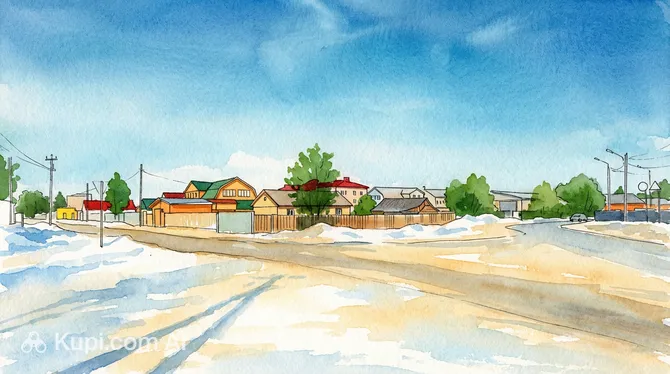
Igrim. Source: Kupi.Binoculars

The settlement has undergone a remarkable transformation over the last century. Originally established as a small trading and fishing post, it evolved rapidly following the discovery of natural gas deposits in the region. You can learn more about this fascinating transition from a quiet fishing village to a center of the gas industry by exploring the history of Igrim. Today, it stands as a testament to the resilience and industrial heritage of Yugra.

For visitors, Igrim offers several unique experiences deeply connected to its environment:

  • River Recreation and Fishing: The Severnaya Sosva River is legendary among anglers for its abundance of fish, particularly pike and ide. In summer, the river becomes a scenic route for boating and enjoying the untouched riverbanks.
  • Northern Nature: The surrounding taiga forests are perfect for those who appreciate wilderness. In late summer and autumn, locals and visitors alike venture into the woods for berry and mushroom picking, a traditional and meditative pastime in this part of Siberia.
  • Winter Atmosphere: Visiting in winter offers a chance to experience the "real North," with its crisp air, snowy landscapes, and the unique experience of traveling on winter roads (zimniks) that connect remote settlements.

Whether you are an avid fisherman, a lover of industrial history, or simply a traveler looking to step off the beaten path, Igrim welcomes you with its modest charm and the vast, silent beauty of the Siberian North.

Weather Overview

The climate in this region is defined by distinct seasonal contrasts, typical of Western Siberia's subarctic geography. Winters are long and rigorously cold, while the short summers offer a pleasant and mild atmosphere. To help you pack appropriately for these conditions, it is advisable to consult the current weather in Igrim before your journey.

January is generally the coldest month, with average temperatures dropping to -18.7°C and minimums often reaching -21.7°C. Freezing conditions persist well into spring, with March still averaging around -8.7°C. Despite the low temperatures, the winter months see relatively low precipitation accumulation, though snow is a constant presence.

By contrast, the summer season brings warmth and greener landscapes. July is the peak of the warm season, featuring an average temperature of 17.8°C and daily highs that can reach 22.7°C. However, the transition periods can be damp; May, for instance, records rain on approximately 14 days. Overall, visitors should expect warm summers with occasional rain and cold, dry winters.

Interesting Facts

Beyond the main attractions, Igrim holds many fascinating secrets that reveal its deep connection to both industrial history and indigenous culture. This settlement is not just a dot on the map but a place where legends and geological breakthroughs intertwine.

  • The Birthplace of Siberian Gas: Igrim holds a prestigious title in the history of the energy industry. It was here, in the 1960s, that one of the first industrial gas fields in Western Siberia was developed. This discovery sparked the "gas era" for Russia, transforming the remote taiga into a powerhouse of natural resources.

  • The Royal Delicacy: The Severnaya Sosva River, which flows past the settlement, is famous for being the home of the "Sosva herring" (tugun). This small, distinctive fish is renowned for its unique taste and was historically known as a "royal" delicacy, often sent directly to the tables of state leaders and the elite.

  • Indigenous Origins: The name "Igrim" is deeply rooted in the Mansi language and folklore. Local legends suggest the settlement was named after a respected Mansi elder or hunter who lived in the area long before industrialization, serving as a reminder of the land's ancient heritage amidst modern development.

  • A Seasonal Island: Due to its location in the profound depths of the taiga, Igrim experiences a unique form of isolation. For decades, it was accessible primarily by river boats in the summer and temporary ice roads, known as "zimniks," in the winter. During the spring and autumn thaws, the settlement would effectively become an island, cut off from the mainland except by air.

How to Get There

Reaching this remote Siberian settlement requires some planning, as it is situated deep within the Khanty-Mansi Autonomous Okrug. While the journey might seem long, the destination offers a unique experience of the Russian North. For a comprehensive guide on all available routes and transport options, you can read more about how to get to Igrim.

The most direct and convenient method for travelers is to fly. The settlement is served by its own local hub, Igrim Airport (IATA: IRM), which is conveniently located just 1 km from the center. A taxi ride from the terminal to the town takes only a few minutes. Alternatively, you can fly into Beryozovo Airport (IATA: EZV) in the neighboring city of Beryozovo, approximately 86 km away. The transfer from Beryozovo typically takes around 2.5 hours by road or river transport, depending on the season. Another option is Nyagan Airport (IATA: NYA) in Nyagan, situated about 136 km from Igrim, with a travel time of roughly 3 hours and 45 minutes.

For clarity, here is a summary of the main airports:

Airport Name City Passenger Traffic Km from City
Sovetsky AirportSovetskyMedium212.7
Beryozovo AirportBeryozovoMedium86.2
Nyagan AirportNyaganSmall135.7
Igrim AirportIgrimSmall1.0

If you prefer traveling by train, please note that the city of Igrim does not have its own railway station. The closest major rail hub is Priobye Station in the city of Nyagan, located approximately 96 km away. From there, you can get a taxi or bus to Igrim, which takes about 2 hours and 45 minutes. You can also arrive at Nyagan Railway Station, also in Nyagan, which is about 128 km from Igrim. The subsequent road journey from this station takes approximately 3.5 hours.

Below is a list of the nearest railway stations:

Station City Passenger Traffic Km to Center
Priobye StationNyaganLarge95.6
Nyagan Railway StationNyaganMedium128.3
Geologicheskaya StationYugorskSmall217.9
Verkhnekondinskaya StationSovetsky209.5
Konda StationSovetsky193.1

Main Attractions

While Igrim is a relatively small settlement, its attractions deeply reflect the unique character of the Russian Federation's northern regions, blending industrial heritage with the serene beauty of the Siberian wilderness. Visitors here can explore sites that tell the story of the area's rapid development and its deep historical roots.

One of the most prominent spiritual and architectural landmarks is the Church of the Transfiguration of the Lord. This Orthodox church stands as a symbol of faith for the local community. With its golden domes gleaming against the often snowy backdrop, it offers a peaceful atmosphere for reflection. The church is not only a place of worship but also a fine example of modern religious architecture in Yugra, welcoming travelers to admire its exterior or step inside for a moment of quietude.

Given Igrim's pivotal role in the energy sector, the Monument to the Pioneers is a must-see for those interested in industrial history. Often referred to by locals as the monument to the discoverers, this striking sculpture features a hand holding a flaming torch, symbolizing the Promethean gift of natural gas. It honors the geologists, drillers, and builders who braved the harsh taiga conditions to unlock the region's resources, effectively shaping the modern economy of Western Siberia.

To connect with the human history of the area, visitors should see the Monument to Hero of the Soviet Union Gavriil Sobyanin. This memorial is dedicated to a legendary local sniper and hunter who became a symbol of bravery during World War II. Sobyanin lived and worked in this region, and the monument pays tribute to his exceptional skill and the resilience of the northern people. It stands as a poignant reminder of the local contribution to global history.

Finally, no visit is complete without experiencing the Severnaya Sosva River itself. The riverbank serves as a natural promenade where visitors can enjoy sweeping views of the water and the endless forest beyond. It is especially popular among fishing enthusiasts hoping to catch the famous "Sosva herring," but even for non-anglers, the river offers a tranquil escape and a perfect spot for photography, particularly during the vibrant sunsets of the short northern summer.

Local Cuisine

The local cuisine of Igrim is a reflection of its northern geography, heavily reliant on the gifts of the surrounding taiga and the Severnaya Sosva River. Gastronomy here is not about complex haute cuisine but rather about natural, high-quality ingredients prepared in traditional Siberian ways. The food is hearty, warming, and designed to sustain locals through the long, cold winters.

The undisputed star of the local table is river fish. You simply cannot visit Igrim without trying the famous Sosva herring (tugun). This small fish is a local delicacy known far beyond the region for its tender, fatty meat and distinct flavor. It is most often served lightly salted, a preparation that allows its natural taste to shine. Another must-try experience for the adventurous eater is stroganina. This dish consists of thin slices of frozen raw fish, typically muksun or nelma, served with a mixture of salt and black pepper. It is a quintessential northern snack that melts in your mouth and is considered a true taste of the Arctic.

Meat lovers will appreciate the prevalence of venison in the local diet. Reindeer meat is a staple in the Khanty-Mansi Autonomous Okrug and is prized for its lean, rich flavor. In Igrim, you might find it served as a roast, stewed with forest mushrooms, or used as a filling for pelmeni (dumplings). These dumplings are often handmade and served with sour cream or a splash of vinegar, providing a comforting and filling meal after a day out in the cold.

To accompany these hearty meals, locals often turn to drinks derived from the forest. Mors, a refreshing fruit drink made from wild berries like lingonberries, cranberries, or cloudberries, is extremely popular. It is packed with vitamins and offers a tart, sweet contrast to savory dishes. For something warmer, herbal teas brewed with local plants such as fireweed (ivan-chai), currant leaves, and wild rose hips are a common way to warm up during the winter months.

The dining scene in Igrim is modest and cozy, characteristic of a small settlement. You will not find large restaurant chains or fine dining establishments here. Instead, the town offers small cafes and canteens that serve home-style Russian and Siberian dishes. The atmosphere is typically informal and welcoming, with a focus on hospitality. For tourists, the best food experiences often come from these simple eateries or, if lucky, from being invited to a local's home to share a meal of fresh catch and homemade preserves.

Travel Tips

Preparing for a trip to Igrim requires a bit more foresight than visiting a standard tourist destination, largely due to its remote location in the Siberian taiga and its specific climate. To help you navigate your journey smoothly and enjoy the authentic atmosphere of this northern settlement, here are some essential practical tips.

  1. Clothing and Gear: The key to comfort in Igrim depends entirely on the season. In winter, thermal underwear, a heavy down parka, insulated boots with non-slip soles, and a warm hat are mandatory; temperatures can drop severely. In summer, while days are warm, evenings can be cool, so bring layers. Crucially, if visiting between June and August, pack strong insect repellent and perhaps a mosquito net hat, as the local midges (gnus) can be intense. If you plan to visit the Church of the Transfiguration, remember to dress modestly: women should cover their heads, and men should remove hats.
  2. Transportation: Igrim is a compact settlement, and the town center is easily navigable on foot. For longer distances or during cold weather, local taxis are the most reliable option; you can usually order one by phone or find them at the airport. There is no metro or tram system here. While there are local buses, their schedules may be infrequent, so relying on walking and taxis is generally more efficient for a short visit.
  3. Finances: The official currency is the Russian Ruble (RUB). While some larger shops and supermarkets accept cards, it is highly advisable to carry cash, especially for taxis, small kiosks, or local markets. Be aware that international bank cards may not work, so having a sufficient supply of rubles obtained before arrival or at a major transit hub is a smart precaution. ATMs are available but may be limited in number.
  4. Health and Safety: Igrim is generally safe, but the harsh environment requires respect. In winter, frostbite is a real risk; never stay outdoors too long without moving. Pharmacies (marked as "Apteka") are available in the town center but typically close in the evening and do not operate 24/7. It is wise to bring a personal kit with essential medications, especially if you have specific prescriptions, as specialized drugs might not be in stock.
  5. Communication: The primary language is Russian, and finding English speakers can be challenging. It is highly recommended to download an offline translation app and an offline map (such as 2GIS or Yandex Maps) before you arrive. Buying a local SIM card (MTS, Megafon, or Tele2) is possible at local mobile shops, which will give you access to mobile data—a lifeline for navigation and translation.
  6. Local Etiquette: Siberians are known for their hospitality, though they may appear reserved initially. A firm handshake is the standard greeting for men. If you are invited to a local's home, the most important rule is to remove your shoes immediately upon entering; hosts usually provide slippers. It is also polite to bring a small gift, such as tea or sweets, when visiting someone's house.
  7. What to Avoid: Do not venture into the surrounding forest (taiga) alone without a local guide. The woods are vast, dense, and easy to get lost in, and they are home to wild animals, including bears. Additionally, avoid drinking tap water directly; sticking to bottled or boiled water is the safest choice for tourists.
  8. Seasonal Travel Tip: Be mindful of the "rasputitsa" (mud season) during the spring thaw and late autumn freeze-up. During these transition periods, river transport stops, and winter ice roads are not yet ready or are melting, making the town effectively accessible only by helicopter or plane. Plan your travel dates carefully to avoid getting stuck between seasons.

By keeping these practicalities in mind, you can focus on the unique experiences Igrim has to offer, from its industrial history to the stunning natural beauty of the Russian Federation's north. A little preparation goes a long way in this remote corner of the world, ensuring your adventure is both safe and memorable.

Entertainment & Nightlife

Entertainment and nightlife in Igrim reflect the settlement's cozy, close-knit character. As a small urban-type settlement in the Khanty-Mansi Autonomous Okrug, Igrim does not offer the bustling nightclub scene found in large metropolises. Instead, the evening atmosphere here is intimate and revolves around a few key local establishments where residents gather to socialize, dine, and relax after a day in the taiga.

The nightlife scene is concentrated primarily in the central part of the settlement, particularly along Mira Street and Transportnaya Street. These areas are the most illuminated and accessible, housing the main venues that transition from daytime cafes to evening hangouts. The vibe is distinctly casual and unpretentious; you won't find strict face control or high-end dress codes here. A neat, casual appearance is sufficient, though practical warm clothing is always the priority during the colder months.

For those looking to spend an active evening, Cafe Shalom on Mira Street is one of the most popular local spots. It functions as a versatile venue, serving as a cafe during the day and transforming into a lounge bar with music in the evenings. It is often the go-to place for younger locals and visitors seeking a lively atmosphere, offering a mix of food, drinks, and occasional dancing.

Another well-known establishment is Cafe Smak, located on Transportnaya Street. While it is primarily a dining spot, it remains open into the evening and serves as a comfortable place for a late dinner or a gathering with friends. The menu typically features hearty local and Russian dishes. For fans of Japanese cuisine, Sushi-Panda on Lenin Street offers a modern alternative for a relaxed evening meal, reflecting the widespread popularity of sushi bars across Russia even in remote locations.

Practical advice for a night out in Igrim centers on logistics and climate. Taxis are the primary mode of transport after dark, as the settlement can get extremely cold and street lighting may be sparse on the outskirts. It is highly recommended to save the phone numbers of local taxi services beforehand, as ride-hailing apps may not be available. Always carry cash, as smaller venues or late-night transport might not accept card payments.

In terms of safety, Igrim is generally a peaceful place where violent crime is rare. However, visitors should exercise common sense: avoid walking alone in unlit areas or near the forest edge at night, and be careful on icy paths in winter. The local community is small, and faces are familiar, creating a safe environment as long as you remain respectful of local customs.

For daytime and cultural entertainment, the Igrim House of Culture (Dom Kultury) is the heart of social life. This venue hosts concerts, holiday celebrations, and community events that showcase local talent. It is also worth checking if there are any exhibitions or performances scheduled during your visit, as these events provide a warm and welcoming insight into the cultural spirit of this northern settlement.

Parks & Museums

While Igrim is primarily recognized for its industrial background, the settlement offers a surprising amount of greenery and opportunities for outdoor relaxation. The town is seamlessly integrated into the surrounding Siberian landscape, meaning that nature is never more than a few steps away, while its community spaces provide a venue for local culture and social life.

For those seeking fresh air and scenic views, the Severnaya Sosva Riverbank serves as the settlement’s main natural promenade. It is not a manicured park in the traditional sense but a rugged, picturesque area where the town meets the water. In summer, it is the perfect spot for a quiet walk to admire the vastness of the river and the endless taiga on the opposite bank. It acts as a gateway to nature, where locals often go to watch the sunset or simply enjoy the tranquility of the water.

In the center of the settlement, the Square of the Pioneers (Skver Pervoprokhodtsev) provides a well-maintained green space for residents and visitors. This area features paved paths lined with hardy northern trees and shrubs, making it a popular place for families to stroll or sit on benches. It functions as a central meeting point and offers a moment of calm amidst the urban environment, distinct from the surrounding streets.

Another significant green zone is the area surrounding the Memorial of Glory, often referred to locally as Victory Park. This space is designed for quiet reflection and respectful walks. The landscaping here is kept tidy, creating a solemn yet peaceful atmosphere where visitors can walk among the trees. It serves less as a recreational playground and more as a serene sanctuary within the town limits.

Cultural life in the settlement is centered around the Igrim House of Culture. In the absence of a large dedicated museum complex, this venue acts as the custodian of local creativity and history. It frequently hosts temporary exhibitions showcasing the work of local artists, photographers, and craftsmen. Visitors can often find displays featuring traditional beadwork or items related to the region's ethnography, offering a glimpse into the artistic soul of the community.

For a truly authentic experience, look for the small, seasonal berry and mushroom markets that pop up near the town center in late summer and early autumn. Here, you can see the bounty of the taiga firsthand—buckets of cloudberries, cranberries, and cedar cones gathered by locals. Engaging with the gatherers provides a unique insight into the traditional foraging culture that remains a vital part of life in Igrim.

Getting Around

The public transport system in Igrim is designed to serve the needs of a compact urban-type settlement, differing significantly from the complex networks found in larger cities. Visitors should be aware that there is no metro, tram, or trolleybus system here. Instead, the local infrastructure relies primarily on a small fleet of buses and private taxis, which are sufficient for navigating the settlement's relatively small area.

The municipal bus service operates on a few fixed routes that connect the residential districts with key social facilities, the town center, and the airport. These vehicles are typically small to medium-sized buses, often referred to locally as PAZ buses or minibuses. The intervals between buses can be quite long compared to major metropolitan areas, often ranging from 30 minutes to an hour depending on the time of day. Schedules are generally strictly followed, but service may be reduced during weekends or late evenings.

Regarding payment, the system is straightforward and traditional. There are no electronic travel passes, smart cards, or mobile apps for ticketing in Igrim. Fares are paid directly to the driver or a conductor upon boarding or exiting the vehicle. It is essential to carry cash, specifically in small denominations (coins and small notes), as credit card terminals are not universally available on these local buses. The cost of a single journey is very affordable and is fixed regardless of the distance traveled within the settlement limits.

For tourists, the most practical advice is to check the bus schedule in advance, which is often posted at major stops or can be found at the local bus station. Since the network is not digitized, you will not find real-time tracking on global map apps. If you are unsure about the route, simply ask the driver or fellow passengers; locals are usually helpful in directing visitors to the right stop.

Taxis serve as the most popular and convenient alternative to public buses, especially given the harsh winter climate. Taxis in Igrim are inexpensive and reliable. Unlike in big cities where apps dominate, here it is often more effective to call a local dispatch service by phone, though some major Russian ride-hailing apps may have a presence. Taxis are particularly recommended if you are traveling with luggage to the airport or river port, or if you need to move around late at night when bus services have ceased.

Other modern urban mobility solutions, such as car-sharing services or electric scooter rentals, are currently not developed in Igrim. Bike rentals are also not a standard service, so walking remains the primary way to explore the town center. Fortunately, the settlement is quite walkable, and most major points of interest are located within a reasonable distance of each other, making a leisurely stroll a pleasant option during the warmer summer months.

Accommodation

Accommodation in Igrim is modest and functional, reflecting its status as a working settlement in the Far North rather than a mainstream tourist destination. Travelers should not expect international hotel chains, luxury resorts, or extensive service infrastructures. Instead, the hospitality sector primarily caters to business travelers, rotational workers (vahtoviki), and visiting family members. The available options typically consist of small local hotels, guest houses, and a selection of private apartments for short-term rent.

The most convenient area for visitors to stay is the central part of the settlement, particularly around Mira Street and Entuziastov Street. Choosing a location in this district places you within easy walking distance of key amenities, such as grocery stores, the House of Culture, and the local administration. While the settlement is compact, staying centrally is highly advisable during the harsh winter months to minimize the time spent outdoors or waiting for taxis.

For those seeking a more home-like environment, renting a private apartment is a popular choice. These rentals often provide a kitchen and more living space than a standard hotel room, which can be a significant advantage given the limited dining options in town. Apartments range from simple, budget-friendly studios to renovated flats with modern conveniences, offering a flexible alternative for longer stays.

The price range for accommodation in Igrim is generally budget to mid-range. Prices are reasonable compared to larger Russian cities, but availability can be a challenge. A crucial booking tip is to secure your room or apartment well in advance. The settlement frequently hosts workers for the gas industry, and during shift changes or local conferences, vacancies can disappear quickly. Do not rely on finding a place to stay upon arrival.

When it comes to booking, the process can be somewhat traditional. Major international booking platforms often have limited listings for Igrim. It is frequently more effective to look for contact details on Russian map services or classifieds websites and book directly by phone. Additionally, while some places accept bank transfers, it is wise to carry sufficient cash to pay for your stay, as card terminals may not be available in smaller guest houses or private rentals.

Nearby Cities

For those looking to explore the surroundings, Igrim serves as an excellent base for day trips to several interesting nearby locations:

The most accessible destination is Nyagan, located approximately 129 km away. As a relatively young and rapidly developing city, it serves as a vital transport hub for the region, connecting remote northern areas to the main railway network. Travelers often visit Nyagan to explore the local Museum of History and Ethnography, which preserves the rich heritage of the area, or simply to utilize its modern infrastructure before heading further into the taiga.

For a deeper dive into the region's heritage, a visit to Khanty-Mansiysk is highly recommended. Although it requires a longer journey, the capital of Yugra is a cultural jewel of Western Siberia. It is famous for the Archeopark, an open-air museum featuring massive bronze sculptures of mammoths and prehistoric animals, as well as the Torum Maa Ethnographic Museum, which showcases the traditions of the indigenous Khanty and Mansi peoples.

City Population Distance (km)
Khanty-Mansiysk 105,995 343
Serov 97,762 448
Nyagan 58,335 129
Krasnoturinsk 57,514 443
Salekhard 51,188 388

These nearby destinations offer a glimpse into the diverse culture and landscapes of the region, ranging from industrial centers to historic capitals.

Shopping & Souvenirs

Shopping in Igrim is a reflection of its character as a remote northern settlement: practical, localized, and deeply connected to the surrounding nature. You will not find sprawling luxury avenues or international fashion boutiques here. Instead, the local retail scene focuses on essential goods, warm clothing suitable for the harsh climate, and, most importantly, the unique culinary gifts of the Siberian taiga. For tourists, the primary interest lies in discovering authentic local products that are difficult to find elsewhere.

The main commercial activity is concentrated along the central thoroughfares, particularly Mira Street and Transportnaya Street. These streets form the backbone of the settlement's social and economic life. A stroll here reveals a mix of small grocery stores, pharmacies, and general merchandise shops. It is a compact area where everything is within walking distance, allowing visitors to easily browse the available selection while experiencing the slow-paced rhythm of daily life in Yugra.

While Igrim does not have large-scale shopping malls comparable to those in big cities, it features several smaller "Trade Centers" (Torgoviy Tsentr) that serve as community hubs. One of the most notable is TC Sadko, located on Promyshlennyy Lane. This multi-purpose building houses various small boutiques selling clothing, electronics, and household items. Another popular spot is TC Ermak, which offers a similar range of goods. These centers are convenient for picking up travel necessities or extra layers of clothing if the Siberian weather proves colder than expected.

The true highlight of shopping in Igrim is the local market scene, which is often informal and seasonal. In late summer and autumn, "spontaneous markets" appear where locals sell fresh harvests gathered from the surrounding forests. This is the best place to buy wild berries such as cloudberries, lingonberries, and cranberries, as well as cedar pine nuts. These products are sold fresh, dried, or as homemade preserves, offering a genuine taste of the region that you can take with you.

When it comes to souvenirs, the best choices are edible ones. Igrim is famous for its fish, particularly the legendary Sosva herring (tugun). This small, fatty fish is considered a delicacy and is often sold salted or smoked. Bringing back a jar of preserved tugun or a vacuum-packed muksun is a classic way to share your travel experience. Additionally, look for items made by local artisans, such as traditional footwear (burki) or souvenirs crafted from fur and beads, which reflect the heritage of the indigenous Khanty and Mansi peoples.

Store opening hours in Igrim are generally standard for a small Russian town. Most non-food shops open around 10:00 AM and close by 7:00 PM or 8:00 PM. Grocery supermarkets usually operate longer hours, often until 10:00 PM. regarding payment, major chain stores and larger centers like Sadko accept credit cards (Visa, Mastercard, Mir). However, cash is still king for smaller vendors, taxi rides, and especially when buying berries or fish from locals. It is highly recommended to carry a sufficient amount of rubles.

Please note that Igrim is not a destination for tax-free shopping. The Tax-Free system for tourists is generally available only in major cities and specific authorized retailers within the Russian Federation, and it does not apply to the local shops in this settlement.

Reached the end of the page?

That means the route is fully explored