Support

Beloyarsky

About

Welcome to Beloyarsky, a captivating town located in the heart of Western Siberia. Known for its well-maintained streets and cozy atmosphere, this destination offers a unique glimpse into life in the North. It serves as a comfortable gateway for travelers exploring the vast landscapes of the Russian Federation.

Geographically, the city is situated on the left bank of the Kazym River within the Khanty-Mansi Autonomous Okrug – Yugra. With a population of approximately 19,500 residents, it maintains a close-knit community feel while providing modern amenities. The local climate is subarctic, characterized by snowy winters that transform the town into a winter wonderland, and short, moderately warm summers perfect for outdoor activities.

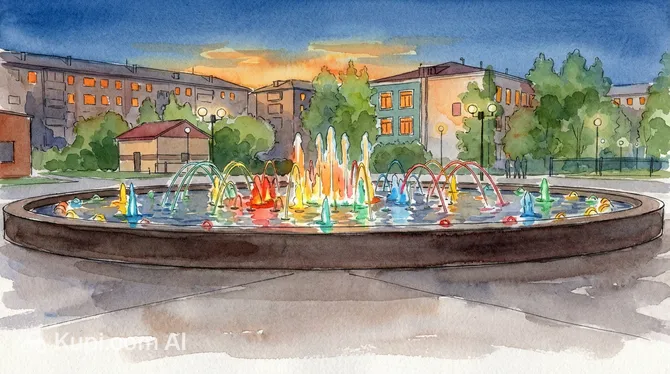
Beloyarsky. Source: Kupi.Binoculars

While the city itself is modern, founded in the late 20th century to support the gas industry, the history of Beloyarsky and its surrounding area is rich with the heritage of the indigenous Khanty and Mansi peoples. Visitors are often drawn to the local ethnographic museums and cultural centers, which preserve the traditions, crafts, and folklore of the native inhabitants.

Nature enthusiasts will appreciate the pristine beauty of the northern taiga surrounding the city. The Kazym River is a popular spot for fishing and boat trips, offering a peaceful retreat from the hustle and bustle of larger cities. Whether you are interested in cultural immersion or simply wish to experience the serene beauty of the Siberian North, Beloyarsky welcomes you with warm hospitality.

Weather Overview

The climate in Beloyarsky is typically subarctic, featuring significant contrasts between the seasons. Winters are long and harsh, with January being the coldest month, averaging -19.2°C and frequently dropping to lows of -22.2°C. Conversely, the summer months offer a pleasant reprieve; July is the warmest time of year, with an average temperature of 17.4°C and highs reaching a comfortable 22.3°C.

Precipitation is generally light in terms of volume, often recording just 1mm to 2mm per month, though the number of wet days remains fairly consistent throughout the year. For a more detailed forecast to help you pack the right gear, you can visit the weather in Beloyarsky page. Expect mild, comfortable summers with frequent light rain and very cold, snowy winters.

Interesting Facts

Beyond its modern façade as a well-planned northern town, Beloyarsky holds deep cultural roots and surprising geographical distinctions. Here are some fascinating details that reveal the true character of this Siberian destination:
  • Official Arctic Status: In a significant recent development, the Beloyarsky District was officially included in the Arctic Zone of the Russian Federation. This special status recognizes its harsh climate and strategic importance, placing it in the same category as the far northern polar regions, despite its location in the Khanty-Mansi Autonomous Okrug.

  • A Dual Name: The city is deeply connected to the indigenous lands it occupies. In the Khanty language, it is known as Nuvi Sanghum. This traditional name is often used alongside the Russian one during cultural events, symbolizing the harmonious coexistence of the industrial city and the ancient heritage of the native people.

  • The Reindeer Herder's Cup: Every spring, the city transforms into a vibrant hub for the Day of the Reindeer Herder. Nomadic families from the surrounding tundra travel hundreds of kilometers to participate in spectacular reindeer sled races, lasso-throwing contests, and traditional wrestling, offering visitors a rare chance to witness authentic northern nomadic culture firsthand.

  • Sacred Lake Numto: The district is home to one of the most mysterious and revered sites in Western Siberia—Lake Numto. Known as the "Heavenly Lake" to the Khanty and Nenets peoples, it is considered a sacred place where the gods reside. While located deep in the nature park, it remains the spiritual heart of the region, surrounded by legends of ancient rituals and hidden sanctuaries.

How to Get There

Reaching this northern destination requires careful planning, as it is located in a remote part of the Khanty-Mansi Autonomous Okrug. The city is geographically isolated from the main federal road network, meaning there is no year-round asphalt road connecting it to the "mainland." While the journey offers a chance to see the vast Siberian landscapes, travelers should be prepared for complex logistics. You can find more about how to get to Beloyarsky and the specific seasonal routes available on our detailed transport page.

For those traveling by air, utilizing regional airports in neighboring cities is a common strategy. One of the closest options is Beryozovo Airport (IATA: EZV), located in the town of Beryozovo, approximately 84 km from Beloyarsky. Another possibility is flying into Igrim Airport (IATA: IRM) in Igrim, which is roughly 125 km away. Travelers can also consider Nyagan Airport (IATA: NYA) in Nyagan, situated about 186 km from the city. Please note that onward travel from these airports depends heavily on the time of year and may involve local aviation or seasonal ground routes.

For clarity, here is a summary of the main airports:

Airport Name City Passenger Traffic Km from City
Beryozovo AirportBeryozovoSmall83.9
Igrim AirportIgrimSmall124.5
Nyagan AirportNyaganSmall185.8

If you prefer traveling by train, please note that Beloyarsky does not have its own railway station. The region is accessed via major railheads in nearby cities, with the final leg of the journey determined by the season. The most significant hub for travelers is Priobye Station, located in the Nyagan area, approximately 141 km from Beloyarsky. Transfers from this station typically involve river transport—such as ferries or hydrofoils—during the summer navigation period, or travel via winter roads (zimniks) when the rivers are frozen. Alternatively, you can arrive at Nyagan Railway Station, which is about 187 km away, though the connection to Beloyarsky follows similar seasonal constraints.

Below is the information regarding the nearest railway stations:

Station City Passenger Traffic Km to Center
Priobye StationNyaganMedium141.4
Nyagan Railway StationNyaganMedium186.8
Konda StationSovetskyUnknown282.7

Main Attractions

Despite its relatively young age and industrial origins, Beloyarsky offers a surprising array of cultural and natural sights that reflect the unique spirit of the North. The city serves as a guardian of the indigenous traditions of the Khanty and Mansi peoples, blending modern urban life with the ancient heritage of the taiga. Visitors here can explore authentic ethnographic collections, admire distinct northern architecture, and use the city as a base for venturing into the pristine wilderness.

One of the most significant cultural landmarks is the Kasum Yoh Ethnographic Center. This institution is dedicated to preserving the history and lifestyle of the "Kazym people," a local group of the Khanty nation. The center functions as an open-air museum where tourists can walk among traditional summer and winter dwellings, inspect storage caches raised on stilts, and see authentic clay ovens. It is an immersive experience that allows you to touch the rich folklore, crafts, and spiritual traditions of the indigenous population, offering a stark contrast to the modern oil-and-gas background of the region.

For those interested in spiritual architecture, the Church of St. Seraphim of Sarov stands out as a beautiful example of modern Orthodox construction in the North. Built with a nod to traditional wooden architecture, this temple is not just a place of worship but a visual gem of the city. Its golden domes and intricate woodwork look particularly striking against the backdrop of snow-covered fir trees in winter or the bright blue sky of a Siberian summer, making it a favorite subject for photographers.

Nature lovers should not miss the opportunity to learn about the Numto Nature Park. While the park itself covers a vast territory in the district, Beloyarsky is the administrative gateway to this ecological treasure. The park protects the sacred Lake Numto and the surrounding wetlands, which are crucial for migratory birds and reindeer herding. In the city, you can often find information and exhibits related to the park's unique ecosystem, and it serves as the starting point for organized expeditions to this remote and mystically significant area.

Another pleasant spot for a leisurely stroll is the Embankment of the Kazym River. This well-maintained area offers scenic views of the water and the surrounding taiga, providing a peaceful setting for walking or jogging. During local festivals, such as the Day of the Reindeer Herder, the embankment and nearby squares often become the center of celebrations, filled with traditional music, sports competitions, and the vibrant colors of national costumes.

Local Cuisine

The local cuisine in Beloyarsky is a fascinating blend of classic Russian culinary traditions and the unique gastronomic heritage of the indigenous Khanty and Mansi peoples. Located in the heart of the North, the city's food culture revolves heavily around the gifts of nature—river fish, game meat, and wild berries gathered from the surrounding taiga. For visitors, dining here is not just about sustenance; it is an opportunity to taste the authentic flavors of Siberia.

The undisputed king of the local table is northern fish. The Kazym River and nearby waterways are rich in whitefish species such as muksun, nelma, and sterlet. One dish you absolutely must try is stroganina. This delicacy consists of thin slices of frozen raw fish, typically served on a block of ice with a mixture of salt and black pepper for dipping. It is a true taste of the Arctic, celebrated for its melt-in-the-mouth texture and fresh flavor. Another popular preparation is ukha, a rich and hearty fish soup cooked over an open fire, often enjoyed by locals during fishing trips or outdoor gatherings.

Meat lovers will find plenty to appreciate in the region's venison dishes. Reindeer meat is a staple for the indigenous population and has found its way into local restaurants. It is renowned for being lean, tender, and organic. You can try it in various forms, from simple grilled steaks to rich stews with vegetables. During local celebrations, you might also encounter dried or smoked venison, which serves as a high-energy snack perfect for the cold climate.

To accompany these hearty meals, locals prefer drinks that are packed with vitamins to combat the long winters. The most popular non-alcoholic beverage is mors, a refreshing fruit drink made from wild northern berries like lingonberries, cranberries, and the prized cloudberry. These drinks are tart, sweet, and incredibly healthy. For something warmer, herbal teas brewed with currant leaves, rosehips, and wild herbs are widely consumed to keep warm and boost immunity.

The food scene in Beloyarsky is relatively modest but welcoming. While you will find standard cafes serving European and Russian staples, the most authentic culinary experiences often happen during cultural events. The Day of the Reindeer Herder is the best time to sample traditional Khanty cuisine prepared in field kitchens, including blood pancakes and berry pies. For edible souvenirs, tourists often visit local markets to buy smoked fish, pine nut preserves, and jars of cloudberry jam to take home.

Travel Tips

Visiting Beloyarsky is a unique adventure into the heart of the Siberian North, but its remote location and distinct climate require some thoughtful preparation. To help you navigate your journey smoothly and enjoy the warm hospitality of this subarctic town, we have compiled a list of essential practical advice.

  1. Prepare for the Climate: The weather here dictates your wardrobe. In winter, thermal underwear, a heavy down jacket, insulated boots with non-slip soles, and a warm hat are non-negotiable necessities. If you visit in summer, be aware that while days can be warm, the evenings are cool. Crucially, bring high-quality insect repellent and long-sleeved clothing, as mosquitoes and midges (gnats) can be very active in the taiga region during the warmer months.
  2. Transportation Within the City: Beloyarsky is a compact city, and many points of interest are within walking distance of the center. For longer trips, local taxi services are the most convenient and affordable option; you can usually order one via phone or ask your hotel reception to assist. Public buses operate on specific routes, but schedules may be less frequent than in major metropolitan areas, so planning ahead is wise.
  3. Currency and Payments: The official currency is the Russian Ruble (RUB). While supermarkets and larger establishments in the city center typically accept bank cards, cash is essential for smaller shops, local markets, and transport. It is highly recommended to withdraw sufficient cash upon arrival, as ATMs may be scarce or occasionally out of service due to the remote nature of the region.
  4. Health and Safety: The city is generally very safe for tourists, but the environment poses the biggest risk. In winter, beware of frostbite; cover exposed skin and limit time outdoors during extreme cold snaps. Pharmacies are available, but few operate 24/7, so bring a personal supply of any prescription medications you need. If you plan to explore the surrounding forests, strictly follow safety guidelines regarding wildlife and navigation.
  5. Overcoming the Language Barrier: Russian is the primary language spoken in Beloyarsky, and English proficiency among locals may be limited. Installing an offline translation app and downloading offline maps on your smartphone before you arrive will be incredibly helpful. Learning a few basic phrases like "Privet" (Hello) and "Spasibo" (Thank you) will also go a long way in breaking the ice.
  6. Respecting Local Traditions: When visiting ethnographic centers or interacting with indigenous Khanty and Mansi people, show respect for their customs. Always ask for permission before taking close-up photographs of people or their traditional dwellings. Additionally, if you are invited into a private home, it is customary to remove your shoes at the door, a standard practice throughout the Russian Federation.
  7. What to Avoid: Do not underestimate the "winter roads" (zimniks) or river crossings if you are traveling independently. Attempting to drive out of the city without local knowledge and a properly equipped vehicle can be dangerous. Avoid venturing into the deep taiga alone without a guide, as getting lost in the vast wilderness is a real possibility.
  8. Seasonal Logistics: Keep in mind that accessibility to the "mainland" changes with the seasons. During the spring and autumn "rasputitsa" (mud season), ground transport can be difficult or impossible until the rivers freeze or the ferries start running. Always double-check your travel connections for the specific dates of your trip, as schedules for helicopters and boats are strictly weather-dependent.

By keeping these tips in mind, you will be well-equipped to handle the surprises of the Siberian North and focus on the incredible experiences Beloyarsky has to offer. Pack smart, respect the local nature, and get ready for an unforgettable journey into the land of ancient traditions and snowy landscapes.

Entertainment & Nightlife

Nightlife in Beloyarsky reflects the town's cozy and compact nature. You will not find sprawling entertainment districts or mega-clubs here; instead, the evening scene is defined by intimate venues, warm hospitality, and a relaxed pace. The local nightlife is concentrated primarily in the central areas, where cafes and restaurants often transition into laid-back lounge spots as the evening progresses. It is a place where you can enjoy a quiet dinner, a few drinks, and conversation rather than high-energy partying.

For a more active evening or daytime fun, the Oasis Plaza shopping and entertainment center is the main hub of activity in the city. As a modern facility, it offers a variety of leisure options under one roof, which is particularly appealing during the cold Siberian winters. Here, you can catch the latest films at the local cinema, grab a bite at the food court, or simply enjoy a coffee in a comfortable, climate-controlled environment. It serves as a popular meeting point for locals and visitors alike.

Culturally inclined travelers should check the schedule at the Kamerton Center for Culture and Leisure. This venue frequently hosts concerts, theatrical performances, and community festivities. Attending an event here is a great way to experience the local culture and see how residents spend their leisure time. Additionally, the town's cultural centers often organize exhibitions and workshops that provide entertainment with an educational twist, focusing on the traditions of the North.

When planning a night out, keep in mind that the atmosphere is generally safe and welcoming. The streets are well-lit, but the primary factor to consider is the weather. Temperatures drop significantly at night, so dressing warmly is essential, even if you are just moving between a taxi and a venue. Taxis are the most convenient and affordable way to get around the city after dark. While major spots like the shopping center accept cards, it is always wise to carry some cash for smaller purchases or cloakroom fees.

Parks & Museums

Beloyarsky is a city where the urban landscape gently merges with the wild beauty of the North. While it is a compact town, it offers well-planned green spaces and cultural institutions that allow visitors to explore the region's heritage and enjoy the fresh Siberian air without venturing far from the center.

For those interested in the history of the area beyond the open-air ethnographic exhibits, the Ethnocultural Center of Beloyarsky serves as a key educational hub. This institution focuses on preserving the diverse history of the territory, ranging from the ancient traditions of the indigenous peoples to the modern era of industrial development. Inside, you can find exhibits detailing the rapid growth of the city during the energy boom, offering a comprehensive look at how this remote settlement transformed into a modern municipality within the Russian Federation.

A central spot for walking and reflection is Victory Park (Park Pobedy). This well-maintained public space is dedicated to the memory of soldiers who fought in World War II and local conflicts. It features a solemn memorial complex and the "Alley of Glory," making it a place of quiet respect. The park’s paved paths and benches provide a serene environment for a leisurely stroll, particularly in the summer when the flowerbeds are in bloom, contrasting beautifully with the surrounding northern architecture.

Nature is never far away in Beloyarsky, and the surrounding taiga offers a natural playground for outdoor enthusiasts. In winter, the forests around the city are crisscrossed with ski tracks used by locals for cross-country skiing, a favorite regional pastime. During the warmer months, these same trails become accessible for hiking and berry picking, allowing visitors to experience the peaceful atmosphere of the Siberian woods just a short distance from the city amenities.

Getting Around

Given the relatively small size of Beloyarsky, the public transport system is modest and straightforward. There is no metro, tram, or trolleybus network in the city. The primary form of public transportation consists of municipal buses and minibuses that connect the residential districts with the city center, the airport, and key industrial areas. For most tourists, the town is compact enough to navigate largely on foot, but the bus service provides a necessary link for longer distances or during inclement weather.

The bus fleet typically comprises small to medium-sized vehicles suitable for the local passenger flow. Routes are numbered and generally cover the main streets, ensuring that no part of the city is too isolated. However, visitors should be aware that the frequency of service can vary. While buses may run every 15 to 20 minutes during peak morning and evening hours, the intervals often increase significantly during the middle of the day and on weekends. It is advisable to check the schedule, locally known as "raspisaniye," which is usually posted at major bus stops.

Regarding payment, the system is simple and does not require purchasing travel passes or smart cards in advance. Fares are paid directly on the bus. In most cases, you pay the driver or a conductor upon entering. The cost of a single trip is quite affordable. While some newer buses may be equipped with terminals for contactless bank card payments, it is highly recommended to carry cash, specifically small denominations of rubles, as this remains the most reliable payment method.

Operating hours for public transport are generally from early morning, around 06:00 or 07:00, until approximately 20:00 or 21:00. Late-night services are virtually non-existent. If you are planning evening entertainment or dining out late, you should not rely on the bus system to get back to your accommodation. In winter, waiting for a bus can be challenging due to the extreme cold, so dressing warmly is essential even for short waits.

For alternatives, taxis are the most popular and convenient option for tourists, especially during the harsh winter months. There are several local taxi services that can be ordered by phone, and reliable apps like Yandex Go are often available, offering a familiar interface for travelers. Taxis are reasonably priced and offer a door-to-door service that is much faster and warmer than public transit. Car-sharing services and bike rentals are not currently established in Beloyarsky due to its size and climate conditions.

Accommodation

Accommodation options in Beloyarsky are relatively limited, reflecting its status as a compact northern town rather than a mass tourism destination. The available lodging primarily caters to business travelers visiting for the oil and gas industry, as well as tourists exploring the region's ethnography. Visitors can typically choose between standard mid-range hotels and short-term apartment rentals. Luxury resorts or large international chains are not present here; instead, you will find locally run establishments that prioritize warmth and basic comfort, which are essential in the subarctic climate.

The most convenient area to stay is the city center. Since the town is small, staying centrally places you within walking distance of key amenities such as the Oasis Plaza shopping center, the Kazym River embankment, and the main administrative buildings. This location also provides easy access to local cafes and grocery stores, which can be scarce in the outskirts. Given the harsh winter conditions, minimizing the walking distance to your destination is a practical consideration for any traveler.

Hotels in Beloyarsky generally offer a standard set of amenities, including heated rooms, private bathrooms, and Wi-Fi. Many establishments are accustomed to hosting shift workers and business delegations, so the service is efficient and functional. Breakfast is often included or available at an on-site café. For those seeking a more "home-like" experience, renting a private apartment is a popular alternative. These rentals often come with a kitchen, allowing visitors to prepare their own meals—a significant advantage if you have specific dietary needs or want to save on dining costs.

When planning your trip, it is highly advisable to book accommodation in advance. The total number of rooms in the city is not large, and during peak times—such as the annual Day of the Reindeer Herder festival in spring or major industry conferences—hotels can reach full capacity very quickly. Securing your reservation weeks or even months ahead is the best way to ensure you have a comfortable place to stay.

Regarding costs, prices are generally in the mid-range category. While not excessively expensive, rates can be higher than in other provincial Russian towns due to the remote location and higher operational costs in the North. Booking methods vary; while larger hotels may be listed on major Russian travel aggregators, smaller guesthouses or apartments might require booking via phone or local classifieds websites. Carrying a printed confirmation of your booking is recommended, as mobile internet connectivity can occasionally be spotty.

Nearby Cities

Given the vast distances and the remote nature of the Khanty-Mansi Autonomous Okrug, traveling to neighboring cities requires careful planning and often involves flights or seasonal ground routes. Beloyarsky serves as a starting point for those looking to explore the wider region, connecting travelers to several major industrial and cultural hubs in Western Siberia.

City Population Distance (km)
Surgut395,900441
Nefteyugansk128,159423
Noyabrsk106,879441
Khanty-Mansiysk105,995325
Vorkuta77,314439

Although the journey takes time, a trip to Khanty-Mansiysk offers a deep dive into the region's identity. As the administrative capital, it is renowned for its unique blend of modern architecture and ancient history. The city's most iconic attraction is the Archeopark, an open-air museum featuring magnificent bronze sculptures of mammoths and other prehistoric animals that once roamed these lands. It is also a globally recognized center for biathlon and winter sports.

Another significant destination in the region is Surgut, the largest city in the autonomous okrug. While it is primarily known as an industrial powerhouse and the oil capital of the area, it offers rich cultural experiences such as the "Old Surgut" historical and cultural center, which recreates the look of the wooden fortress that stood there centuries ago. Visitors can also admire the impressive Yugorsky Bridge, one of the longest cable-stayed bridges in the world, spanning the mighty Ob River.

These regional connections provide a broader perspective on the diverse culture and industrial scale of the Russian North.

Shopping & Souvenirs

Shopping in Beloyarsky is a relatively modest affair compared to major metropolitan hubs, yet it offers everything a traveler might need for a comfortable stay. The retail scene here is defined by practicality and a strong connection to the local environment. While you will not find high-end luxury boutiques, the city provides a good selection of modern stores for essentials, outdoor gear suitable for the harsh climate, and unique local products that reflect the richness of the Siberian land.

The main commercial activity is concentrated in the city center. The streets surrounding the central square and the administration buildings feature various small shops, pharmacies, and grocery chains. A stroll through this area allows visitors to pick up daily necessities while observing the quiet rhythm of northern urban life. Because the town is compact, most shopping locations are easily accessible on foot, making it convenient to browse without the need for extensive travel.

The undisputed heart of the city's retail and social life is the Oasis Plaza shopping and entertainment center. As the largest modern mall in Beloyarsky, it serves as a one-stop destination for both locals and tourists. Inside, you can find popular Russian retail chains selling clothing, footwear, and electronics. For visitors, it is a convenient place to purchase warm clothing if the Siberian weather proves colder than expected, or simply to enjoy a coffee in the food court after a browsing session.

For a more authentic experience, the local markets and specialized food stores are the places to go. These venues are less about fashion and more about the "gifts of the North." Here, you can find fresh produce brought in from the "mainland" as well as local delicacies. The atmosphere is generally friendly, and interacting with local vendors can offer insights into the seasonal availability of regional goods, from pine nuts to wild game.

When it comes to souvenirs, Beloyarsky offers distinct items that you won't find in typical tourist shops. The most popular gifts to bring home are edible delicacies and cultural artifacts. Northern fish, such as cold-smoked muksun or dried sosva herring, are prized locally and are often vacuum-packed for travel. Wild berries are another regional treasure; look for jars of cloudberry (moroshka) jam or pine cone preserves. Additionally, you can find indigenous crafts from the Khanty and Mansi peoples, including beaded jewelry, traditional dolls, and warm fur boots known as unty.

Store opening hours in Beloyarsky are standard for the region. Major shopping centers like Oasis Plaza typically operate from 10:00 AM to 10:00 PM daily. Smaller shops and street-side boutiques usually close earlier, around 7:00 PM or 8:00 PM. Grocery supermarkets often stay open later, sometimes until 11:00 PM.

Regarding payment methods, modern technology is well-integrated. Credit and debit cards are widely accepted in shopping malls, supermarkets, and most established restaurants. However, if you plan to buy fish, berries, or handicrafts from smaller vendors or at a market, carrying cash (Russian Rubles) is highly recommended, as terminals may not always be available.

Tourists should note that the Tax-Free refund system is generally not available in Beloyarsky. This service is typically restricted to major international gateways and luxury retailers in the largest Russian cities. Therefore, visitors should plan their budget assuming that the price on the tag is the final cost.

Reached the end of the page?

That means the route is fully explored