Support

Fort Canning Park

About

Fort Canning Park is an iconic historical landmark nestled on a small hill in the heart of Singapore, in the country of Singapore. Rising just over 60 meters, this green oasis has a rich history inextricably linked to the birth of the city-state itself, offering visitors a unique blend of past and present.
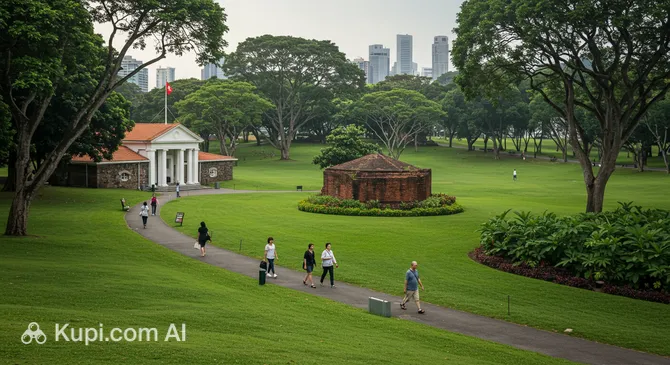
Fort Canning Park. Illustration.
Source: Kupi.com AI

Traveler photos:

Once known by its Malay name Bukit Larangan, meaning "Forbidden Hill," Fort Canning holds many historical relics that testify to its significant past. Today, you can stroll through lush vegetation, enjoy spacious manicured lawns, and touch history by exploring ancient artifacts and colonial buildings. The park is also known by its Chinese name 福康宁 and Tamil name Pokamutiyatha Arasarin Malai, reflecting the region's multicultural heritage.

Over time, Fort Canning Park has evolved into a true cultural hub for Singapore. Its picturesque landscapes and historical atmosphere make it a popular venue for various events, from outdoor music shows and concerts to theatrical performances and festivals. It is a wonderful place to escape the city's bustle, learn more about Singapore's history, and simply enjoy the beauty of nature in the center of a metropolis.

Contacts

As Fort Canning Park is a public park located in the center of Singapore, specific contact numbers are generally not required. The park is easily accessible, well-known, and open to the public. For the most up-to-date information on opening hours, potential events, or to clarify directions, we recommend checking official Singapore tourism resources or looking at on-site information boards.

How to contactContact
AddressSingapore
Phone number+65 1800 471 7300
Websitewww.nparks.gov.sg

What to Do

At Fort Canning Park, visitors can immerse themselves in Singapore's rich historical past while walking through its extensive grounds. The site once housed important military and administrative facilities that have left their mark on history. One of the key highlights not to be missed is the Fort Canning Gate – a significant historical monument dating back to the early 19th century. Exploring the area, guests can enjoy the harmonious blend of historical artifacts and scenic natural beauty, discovering the multifaceted character of this location.

Beyond its historical aspect, Fort Canning Park is a popular spot for cultural leisure. Due to its central location and unique atmosphere, the park often serves as a venue for various events, including outdoor music shows and concerts. Visitors can also simply enjoy the lush greenery and spacious, well-kept lawns, which make it an ideal place to escape the urban noise for a peaceful walk. It is a great opportunity to relax and recharge in the heart of the city.

Getting There

Getting to Fort Canning Park is easy, as it is located in the central part of Singapore and boasts excellent transport links. This makes it a popular destination for both tourists and locals looking for a break from the hustle and bustle of the city.

One of the most convenient ways to reach the park is via the MRT. The nearest station is Fort Canning, located on the Downtown Line. It is just a few minutes' walk from the station exit to the park gates, making this a quick and comfortable option. Signs at the station will help you find your way upon arrival.

Additionally, the park can be reached by taxi or bus, given its location in a vibrant part of the city. For those who prefer to drive, parking spaces may be available nearby, though it is best to check availability and costs in advance. It is important to note that the park is well-equipped for visitors with disabilities, featuring ramps and accessible paths to ensure a comfortable experience.

Nearest city: Singapore

History & Facts

The history of Fort Canning Park stretches deep into the past, when the hill was known as Bukit Larangan, or "Forbidden Hill." According to legend, it was the site of the palaces of ancient Malay rulers, and locals held the place in awe, considering it sacred. With the arrival of Sir Thomas Stamford Raffles, the founder of modern Singapore, in the early 1820s, the hill was renamed Government Hill. It was here that Raffles built his first Singapore residence and, notably, established the first botanical gardens to encourage agricultural development in the region.

In the mid-19th century, specifically in 1859, the British colonial government recognized the hill's strategic importance. To protect Singapore from potential maritime attacks, a powerful fortress was built, giving the park its modern name – Fort Canning. This fortification became a vital link in the city's defense system, symbolizing the British military presence and their commitment to securing their colonial holdings at the time.

Fort Canning Park also played a significant role during the dramatic events of World War II. In February 1942, during efforts to defend the island, Lieutenant-General Arthur Ernest Percival established the Malaya Command headquarters within this fort. After the war, in 1963, the British military handed the fort over to the Singapore Armed Forces. For a time, it served as the headquarters for the 4th Malaysian Infantry Brigade, and on February 13, 1970, the Singapore Command and Staff College was officially opened on the hill, further underscoring its enduring historical significance.

Time Needed

A typical visitor should set aside at least 1-2 hours to explore Fort Canning Park. This is enough time for a pleasant walk along the main paths, to see iconic historical sites like the old gates and remains of the fortifications, and to enjoy panoramic city views from the hilltop. You will have time to soak in the atmosphere of this green oasis and take some memorable photos.

If you plan a more detailed exploration—for instance, visiting themed gardens like the Spice Garden or carefully reading all the information boards detailing the site's rich history—your visit could extend to 3-4 hours or even half a day. This is especially true if you decide to visit the Battlebox museum located within the park; the tour itself takes about 1.5 to 2 hours and usually requires a separate ticket.

For those who want to leisurely enjoy every corner of the park, explore lesser-known trails, visit all nine historical gardens, or simply relax on one of the many lawns, we recommend planning even more time. Fort Canning Park is a place where you can easily spend several hours immersing yourself in history and nature right in the heart of Singapore.

Working Hours

As a public space in Singapore, Fort Canning Park is generally open 24 hours a day, year-round. This allows guests to enjoy its green spaces and historical atmosphere at any convenient time. However, please note that individual attractions or facilities within the park, such as the Battlebox museum or other specialized zones, may have their own operating hours and require a ticket.

No prior booking is typically required to visit the park itself. However, if you plan to visit specific paid exhibitions inside the park or attend special events, it is recommended to check their schedules and booking requirements in advance on the official park website or Singapore tourism portals. This will help you plan your visit and get the most up-to-date information.

Open 24 hours

Nearby

A visit to Fort Canning Park is a fascinating journey into the history and nature of Singapore in its own right. However, to make your experience even richer, it's worth exploring the nearby attractions. Singapore is a compact city, and many interesting spots are within walking distance or easily reachable by public transport from this historic hill.

Exploring the surroundings of Fort Canning Park will allow you to dive deeper into the city's atmosphere and see its many sides – from bustling waterfronts and modern museums to historic buildings. Below is a list of some attractions located near the park, along with their approximate distances.

NameDistance
Red Cross House0.4 km
National Museum of Singapore0.4 km
Clarke Quay Central Karaoke0.6 km
Family Karaoke0.8 km
Cavenagh Bridge1.1 km
The Gem Museum1.4 km
Melt Café1.4 km

Have you reached the end of the page?

So the route has been studied inside and out