Support

Santa Ana

About

Santa Ana, often referred to by its indigenous name Owaraha, is a captivating island destination located off the eastern tip of Makira. Despite its small size, this raised coral atoll is renowned for its vibrant culture and pristine natural beauty, making it a significant stop for travelers venturing through the Solomon Islands. The atmosphere here is tranquil yet deeply connected to tradition, offering visitors a rare glimpse into the authentic island lifestyle of the Makira-Ulawa Province.

Geographically, the island is characterized by its lush tropical vegetation and white sandy beaches. In the center of the island lies Lake Wairafa, a freshwater lake that serves as a unique natural landmark. While the population is modest, concentrated mainly in villages like Gupuna and Natagera, the community is known for its warmth and hospitality towards guests.
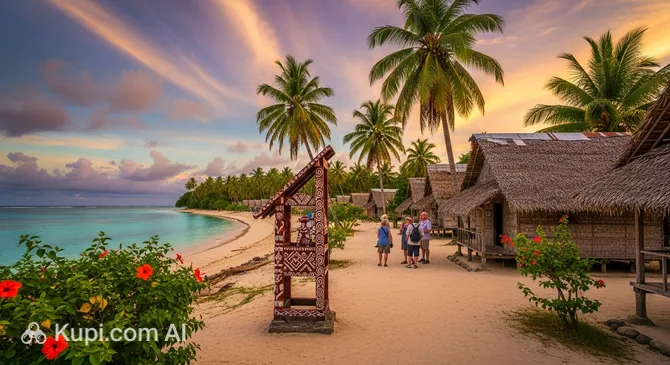
Santa Ana. Source: Kupi.Binoculars

The cultural heritage of the island is its most striking feature. The locals are famous for their intricate wood carvings, particularly ceremonial bowls and fishing floats, as well as their elaborate traditional dances. Those interested in the past will find that the history of Santa Ana is rich with stories of early explorers and enduring customs that have survived for centuries. The island is frequently visited by expedition cruise ships, drawn by the opportunity to witness these preserved traditions firsthand.

Whether you are a culture enthusiast eager to see the famous "custom dancing" or a nature lover looking to explore untouched landscapes, Santa Ana offers an unforgettable experience. It is a destination that perfectly encapsulates the spirit of the South Pacific, inviting you to relax and immerse yourself in a truly unique environment.

Weather Overview

Santa Ana experiences a consistent tropical climate, characterized by warm temperatures and high humidity throughout the year. Since the weather remains stable with little variation between seasons, visitors can generally expect similar conditions regardless of when they travel. For a more detailed breakdown of what to expect during your specific travel dates, you can consult the guide to the weather in Santa Ana.

The island maintains a comfortable temperature range, with daily averages staying steady between 25°C and 27°C. Daytime highs typically reach around 28°C, while nights remain balmy with lows rarely dipping below 25°C. Rainfall is a frequent occurrence in this lush environment; you should anticipate wet conditions, as the region records between 25 and 30 wet days each month. Despite the frequent precipitation, the warm tropical atmosphere ensures that the island remains verdant and inviting year-round.

Interesting Facts

Beyond its scenic beauty and warm hospitality, Santa Ana holds deep cultural secrets and historical distinctions that fascinate anthropologists and travelers alike.
  • The island's indigenous name, Owaraha, translates to "Big Owa," which distinguishes it from its smaller neighbor, Owariki (Santa Catalina). The name Santa Ana was given by the Spanish explorer Álvaro de Mendaña in 1568, marking the island as one of the earliest documented points of contact between Europeans and the Solomon Islands.

  • Santa Ana is renowned for its traditional "Spirit Houses" or aofa, which serve as much more than simple village meeting places. These sacred structures traditionally function as museums for the community, housing the skulls of ancestors and ancient canoe coffins, preserving a tangible link to the island's lineage.

  • The local culture features a unique history of shark veneration, where sharks were historically respected as guardian spirits rather than feared as predators. This profound spiritual connection is the reason why stylized shark and bonito fish motifs are so prevalent in the island's intricate wood carvings and ceremonial bowls.

How to Get There

Reaching Santa Ana (Owaraha) is a true travel adventure, offering a journey to one of the more remote and culturally rich corners of the Solomon Islands. Since there are no direct international flights to the island itself, your trip will almost certainly begin by flying into Honiara International Airport (HIR) on the island of Guadalcanal. This is the main gateway to the country, receiving flights from hubs like Brisbane and Nadi.

From Honiara, the most convenient way to reach the destination is via a domestic flight. The island is served by the small Santa Ana Airport (NNB), which typically receives flights operated by Solomon Airlines. These flights often stop at Kira Kira on the main island of Makira before continuing to Santa Ana. Schedules can be subject to change and may not operate daily, so it is highly recommended to check availability in advance. For a deeper dive into logistics and schedules, you can read more about how to get to Santa Ana before finalizing your plans.

Sea transport provides another essential link to the island. Many travelers choose to fly to Kira Kira and then take a motorized canoe or small boat for the remaining distance to Santa Ana. This sea crossing offers scenic views of the coastline but relies heavily on weather conditions. Additionally, Santa Ana is a popular stop for expedition cruise ships touring the South Pacific, which provide a seamless and comfortable way to visit the island without navigating local transport schedules.

Main Attractions

Gupuna Village

As the main entry point for visitors to Santa Ana, Gupuna (often spelled Ghupuna) offers the first warm welcome to the island. Located on the pristine shores of Port Mary, this village is a vibrant hub of local life where travelers can witness the daily rhythms of the community. It is an excellent place to see traditional thatched-roof houses and interact with local artisans who are famous for their intricate wood carvings, including ceremonial bowls and fishing floats inlaid with shell.

Spirit Houses (Aofa)

One of the most unique and culturally significant features of the island are the traditional "Spirit Houses," locally known as aofa. These sacred structures serve as a repository for the island's history and genealogy, housing the skulls of ancestors and ancient canoe coffins. Unlike typical museums, these are living spiritual sites where the connection between the living and the dead is maintained. Visitors are often granted permission to enter these houses in the village of Natagera to learn about the island's deep-rooted shark veneration and ancestral worship.

Lake Wairafa

For nature enthusiasts, a hike to Lake Wairafa provides a peaceful escape into the island's lush interior. This freshwater lake sits within the crater of the raised atoll, surrounded by dense tropical vegetation that teams with birdlife. The trek to the lake takes you through verdant forests and offers a chance to see the island's diverse flora up close. It is a tranquil spot that contrasts beautifully with the coastal activity, perfect for a quiet moment of reflection amidst nature.

Natagera Village

Located on the opposite side of the island from Gupuna, Natagera is reached by a scenic walk across the island. This village is renowned for its preservation of custom ways and is home to some of the most important Spirit Houses. The journey itself is an attraction, leading visitors through the island's center, past local gardens and schools. Upon arrival, the stunning coastal views and the opportunity to witness authentic cultural practices make the walk well worth the effort.

Local Cuisine

Dining in Santa Ana is a humble yet delightful experience that revolves around the freshest ingredients nature has to offer. Since the island lacks commercial restaurants or cafes, the local cuisine is best experienced through the hospitality of village homestays or community feasts. The food here is organic, locally grown, and harvested daily from the surrounding ocean and fertile gardens, offering a true "sea-to-table" experience.

Seafood is naturally the star of the menu. You can expect to taste freshly caught fish, such as tuna or snapper, often grilled over an open fire or poached in rich coconut cream. Lobster and crayfish are also local delicacies found in the pristine waters surrounding the atoll. These protein-rich mains are typically served alongside substantial portions of root vegetables like taro, kumara (sweet potato), and yams, which provide the necessary energy for island life.

A must-try dish for any visitor to the region is the traditional cassava pudding. This hearty comfort food is made by grating cassava, mixing it with coconut milk, and baking it in a stone oven using heated rocks, a method that imparts a unique flavor and texture. To complement the meal, locals often serve slippery cabbage (island cabbage), a nutritious leafy green that is rapidly blanched or simmered in coconut milk, adding a fresh and savory element to the plate.

When it comes to beverages, nothing beats the refreshing taste of a green coconut, cut fresh from the palm right in front of you. It is the ultimate thirst quencher in the tropical heat. While alcohol is not widely sold in village stores, you might find the national beer, SolBrew, at a guesthouse if it has been brought in from the capital. Sharing a meal here is a communal affair, often enjoyed sitting on woven mats, offering a genuine connection with the warm and welcoming people of Owaraha.

Travel Tips

Visiting Santa Ana offers a rare and rewarding glimpse into traditional island life, but its remote location requires a bit of extra planning to ensure a smooth journey. These practical tips will help you prepare for your adventure to Owaraha, ensuring you are respectful of local customs and ready for the unique environment of the Solomon Islands.

  1. Clothing and Gear: Given the tropical heat and high humidity, pack lightweight, breathable fabrics like cotton or linen. Since the island experiences frequent rainfall, a durable rain poncho or waterproof jacket is essential. You will also need sturdy walking sandals or hiking shoes for the trek to Lake Wairafa or between villages, and reef shoes are recommended for swimming to protect against coral. Modesty is important in village settings, so bring a sarong (lava-lava) or clothes that cover your shoulders and knees.

  2. Transportation: Santa Ana is a walking island; there are no taxis, buses, or car rentals available. The villages of Gupuna and Natagera are connected by footpaths, and walking is the primary way to get around. For travel between Santa Ana and the main island of Makira (San Cristobal), you will rely on motorized fiberglass canoes, so be prepared for wet and potentially bumpy sea crossings.

  3. Finances: The island operates almost entirely on a cash economy. There are no ATMs, banks, or card facilities on Santa Ana. You must withdraw sufficient Solomon Islands Dollars (SBD) in Honiara before you travel. Bring small denominations ($10, $20, $50 notes) as change can be difficult to find in village canteens or when buying fresh produce from locals.

  4. Health and Safety: There is no hospital on the island, only a basic local clinic, so bring a comprehensive first aid kit with antiseptics, bandages, and personal medications. Malaria and dengue fever are risks in the region; pack strong insect repellent containing DEET and consider taking prophylactic medication. Always drink bottled or boiled water to avoid stomach issues.

  5. Communication: While English is the official language, Solomon Islands Pijin is the lingua franca, and locals speak their indigenous Owa language. English is generally understood, especially by younger people and tour guides, but learning a few Pijin phrases like "Halo" (Hello) or "Tanggio" (Thank you) goes a long way. Mobile network coverage can be spotty or non-existent, so treat this as a chance for a digital detox.

  6. Local Etiquette: The culture on Santa Ana is traditional and communal. Always ask for permission before taking photos of people, especially in the "Spirit Houses" (aofa), as some areas or objects may be taboo (tambu). It is polite to remove your hat and sunglasses when speaking to a village chief or elder as a sign of respect.

  7. What to Avoid: Do not walk through the villages in skimpy swimwear (bikinis or speedos); reserve this for the beach or swimming areas away from the main settlements. Additionally, avoid entering any fenced-off areas or touching carvings in the Spirit Houses without an explicit invitation from a local guide, as these are sacred sites.

  8. Custom Fees: Be aware that "kastom fees" (custom fees) are a standard practice throughout the country. You may be asked to pay a small fee to the landowner for visiting specific attractions, such as Lake Wairafa or certain beaches. This is a legitimate contribution to the local community, so handle these requests with patience and a smile.

By packing the right gear and approaching the island's rich traditions with respect and curiosity, you will find your time on Santa Ana to be deeply enriching. The locals are incredibly welcoming to those who take the time to understand their way of life, ensuring your visit to this remote Pacific gem is a memorable one.

Entertainment & Nightlife

Travelers arriving in Santa Ana expecting a bustling nightlife scene with neon-lit clubs and cocktail bars will find something entirely different, yet deeply rewarding. The concept of "nightlife" here is redefined by the island's remote nature and traditional lifestyle. There are no nightclubs, discotheques, or commercial bars on the island. Instead, the evening entertainment is organic, centered around nature, community connection, and the peaceful rhythms of village life.

The "nightlife district," if one could call it that, is simply the village of Gupuna itself. As the sun sets, the electricity (often solar-powered) is minimal, and the island plunges into a velvety darkness illuminated by millions of stars. The main form of entertainment involves gathering around a fire on the beach at Port Mary or sitting on woven mats with locals. Here, the atmosphere is incredibly laid-back. You might spend hours sharing stories, learning about local legends, or observing the cultural practice of chewing betel nut, which is a significant social activity in the Solomon Islands.

While you won't find a menu of cocktails, you might be able to purchase a warm or room-temperature SolBrew (the national beer) from a small village canteen, though supply depends entirely on when the last boat arrived from Honiara or Kira Kira. If you enjoy a drink in the evening, it is highly advisable to bring your own supply from the mainland. The "venues" are essentially the verandas of family homestays or the communal areas near the beach, where the dress code is always casual and modest—shorts and t-shirts are the norm.

For a truly memorable evening, visitors can sometimes arrange for a cultural performance. The people of Santa Ana are famous for their traditional music and dance. If organized in advance (usually for a fee), you might witness a performance by a Bamboo Band, where musicians hit the openings of large bamboo pipes with sandals to create rhythmic melodies, or see the renowned custom dancers in traditional attire. These events usually take place in the open village square or near the Spirit Houses, providing a hauntingly beautiful experience under the moonlight.

Practical Advice and Safety:

Navigating the island at night requires a good quality flashlight or headlamp, as there are no streetlights and the paths can be uneven. The island is generally very safe for night walks, with the primary "danger" being tripping over a tree root or a sleeping pig. Taxis do not exist; you get around by walking. The best time to be out is simply whenever the weather is clear, offering a view of the Milky Way that is rarely seen in more developed parts of the world.

During the daylight hours, entertainment shifts to exploration. Visitors can spend their time snorkeling in the crystal-clear waters of the lagoon, hiking to the freshwater Lake Wairafa, or simply relaxing on the white sands. While the nights are quiet, the days are filled with the vibrant colors of the reef and the lush green of the jungle.

Parks & Museums

Santa Ana is not a destination defined by manicured city parks or glass-walled museums; rather, the entire island serves as a living exhibition of nature and culture. Here, the "green spaces" are lush, untouched tropical jungles, and the "galleries" are sacred structures that have housed the community's history for generations. Visitors will find that the boundary between the natural environment and cultural heritage is seamless, offering an immersive experience unlike any typical city tour.

Lake Wairafa and Surroundings

The most significant natural landmark on the island is Lake Wairafa, a freshwater lake nestled within the crater of the island's raised atoll. It acts as the primary "park" for nature lovers, offering a serene environment surrounded by dense tropical rainforest. The trek to the lake is a journey through a vibrant green corridor, where you can observe indigenous bird species and towering banyan trees. It is a place of quiet reflection, far removed from the coastal villages, providing a perfect example of the Solomon Islands' raw, unpolished beauty.

Port Mary Coastline

While not a park in the traditional sense, the coastline along Port Mary functions as the village's communal green space and recreational area. The pristine white sand beaches are framed by swaying coconut palms and the crystal-clear waters of the lagoon. This area is where the community gathers and where visitors can relax in the shade or swim in the protected bay. The natural beauty here remains unspoiled by development, offering a tranquil setting that rivals any formal botanical garden.

The Spirit Houses (Aofa)

Santa Ana does not have Western-style museums; instead, it boasts the remarkable aofa, or Spirit Houses. These grand, traditional structures are the cultural heart of the island and effectively function as community museums. Located prominently in villages like Natagera and Gupuna, they house sacred artifacts, including the skulls of ancestors and ancient canoe coffins carved in the shape of sharks and tuna. These houses preserve the tangible history of the island's lineage and are architectural masterpieces in their own right, featuring intricate posts and thatched roofs.

Living Galleries of Wood Carving

The island is famous for its artistic heritage, and the villages themselves serve as open-air galleries. As you walk through the settlements, you will encounter local artisans working in open sheds or under the shade of trees. These informal workspaces display the renowned intricate wood carvings of Santa Ana, such as ceremonial bowls inlaid with nautilus shell and stylized fishing floats. Watching these masters at work offers a dynamic "gallery" experience where the art is alive and constantly evolving.

Natagera Village Architecture

From a historical and architectural perspective, the village of Natagera is a landmark in itself. It is widely regarded for maintaining a high concentration of traditional leaf-houses and custom structures. Walking through the village offers insight into the island's pre-colonial architectural styles, where homes are constructed entirely from bush materials, designed to withstand the tropical climate while blending harmoniously with the environment.

Authentic Experiences

For a deeper understanding of the local flora, ask a local guide to show you the "custom garden" areas inland. These are not ornamental gardens but functional agricultural plots where families grow taro, yams, and medicinal plants. A guided walk here reveals the deep botanical knowledge of the locals and how they have sustainably managed their "green spaces" for centuries.

Getting Around

Navigating Santa Ana is a unique experience defined by simplicity and a slower pace of life. Unlike bustling cities with complex transit networks, this remote island does not have a formal public transport system. There are no buses, trains, metros, or taxis here. The primary and most reliable mode of transportation is walking. The island is small enough to be traversed on foot, with a network of unpaved paths and trails connecting the main villages of Gupuna and Natagera. For longer distances along the coast or to reach neighboring islands, the local equivalent of a "bus" is the motorized canoe, known locally as an OBM (Outboard Motor).

Since there is no official ticketing infrastructure, the payment system is entirely informal and cash-based. You will not find travel cards, mobile apps, or ticket machines. If you need to hire a boat for a transfer or an excursion, prices are typically negotiated directly with the boat owner before you set off. Costs often cover the price of fuel and the driver's time. It is essential to carry small denominations of the local currency, as boat operators rarely have change for large notes. Be prepared to agree on a fare upfront to avoid misunderstandings later.

For tourists, the best practical advice is to come prepared with appropriate gear. Since walking is unavoidable, sturdy, comfortable walking sandals or hiking shoes are a must, especially after rain when the village paths can become muddy. If you are taking a motorized canoe, bring a waterproof bag (dry bag) for your valuables and electronics, as these low-lying boats offer little protection from ocean spray. Transport "operating hours" are dictated by the sun; it is highly recommended to complete all travel, whether by foot or boat, during daylight hours, as there are no streetlights or navigational aids for night travel.

Alternatives to walking and boating are virtually non-existent. You will not find car-sharing services, bike rentals, or ride-hailing apps. The terrain and the size of the island make motor vehicles unnecessary for the local population. Consequently, you are unlikely to see any cars or trucks during your stay. This lack of traffic contributes significantly to the island's peaceful atmosphere, allowing you to explore at your own rhythm without the noise and pollution of urban transport.

While there are no historic trams or cable cars, the boat journey itself serves as a special feature of the local transport experience. Traveling by fiberglass canoe offers an intimate connection with the ocean, providing stunning views of the coastline and the surrounding coral reefs that you would miss from a larger vessel. It is an adventurous and authentic way to travel that reflects the traditional maritime culture of the Solomon Islands.

Accommodation

Accommodation in Santa Ana is a reflection of the island's remote and authentic character. Travelers looking for luxury resorts, high-rise hotels, or international chains will not find them here. Instead, the island offers a humble and immersive experience through village homestays and community-run guest houses. These options provide a unique opportunity to live alongside local families, offering a level of cultural connection that is rarely found in standard tourist lodgings.

The primary area for visitors to stay is the village of Gupuna, which serves as the main gateway to the island. Being located near the boat landing area, it is the most convenient base for exploring. Accommodation here typically consists of traditional leaf-houses constructed from sago palm and timber, or simple wooden bungalows. While the amenities are basic—often featuring shared bathrooms, bucket showers, and limited solar electricity—the hospitality is warm and genuine. Sleeping in a thatched hut with the sounds of the ocean nearby is a quintessential part of the Owaraha experience.

Because there are no commercial booking engines or online travel agencies serving specific properties on the island, securing a place to stay requires a different approach. It is highly recommended to book in advance through a tour operator in Honiara or by contacting the tourism office in the provincial capital of Kira Kira. Turning up without a reservation is risky, as the few available rooms may be occupied by visiting officials or other travelers, and communication with the mainland can be sporadic.

In terms of pricing, accommodation generally falls into the budget category, though costs can be higher than expected for the level of comfort due to the logistics of supplying the island. Payment is almost exclusively in cash (Solomon Islands Dollars), and you should agree on the rate—which usually includes three meals a day prepared by your host family—before you settle in. This all-inclusive arrangement is common, as there are no independent restaurants to visit for meals.

Nearby Cities

For those looking to explore the surroundings, Santa Ana serves as an excellent base for day trips to several interesting nearby locations. While the island's remote location makes long-distance travel a bit of an expedition, there are key destinations within reach that offer a contrast to the village life of Owaraha, suitable for a day trip or a short visit en route to other adventures.

Kirakira

Located approximately 73 kilometers away on the main island of Makira (San Cristobal), Kirakira is the provincial capital and the most accessible town from Santa Ana. It serves as the administrative and commercial hub for the Makira-Ulawa Province. Visitors often travel here to experience a slightly more bustling atmosphere compared to the quiet villages of Santa Ana. The town features a local market where you can see regional produce, a small hospital, and the historic King George V School. It is also the primary transit point for flights connecting the province to the rest of the country.

Honiara

Although situated further away on the island of Guadalcanal, Honiara is the essential gateway for anyone visiting Santa Ana. As the capital city, it offers a wealth of historical and cultural attractions that make for a worthwhile short visit before or after your time in the outer islands. Key highlights include the National Museum, the bustling Central Market, and significant World War II sites such as the American War Memorial. It provides a vivid picture of the country's modern history and diverse heritage.

City Population Distance (km)
Honiara 84520 316
Auki 7882 300
Gizo 6154 688
Kirakira 3500 73
Buala 2813 430

These nearby destinations offer a glimpse into the diverse culture and landscapes of the region.

Shopping & Souvenirs

Shopping in Santa Ana is an experience defined by authenticity and simplicity, offering a stark contrast to the commercial retail therapy found in larger cities. Visitors should not expect bustling high streets, luxury boutiques, or duty-free shops. Instead, the "shopping scene" here is an intimate exchange with the local community, focused primarily on essential supplies and, most notably, exquisite traditional handicrafts. It is an opportunity to purchase goods directly from the makers, ensuring that your money goes straight into the hands of local families.

Main Shopping Areas and Malls

There are no shopping malls, department stores, or designated shopping districts on the island. The concept of a commercial center does not exist here. In the main villages like Gupuna and Natagera, you will find a few small, family-run "canteens." These are tiny kiosks, often part of a family home, that sell a limited range of basic necessities such as tinned tuna, rice, biscuits, soap, and batteries. Stock levels can be unpredictable and depend entirely on when the last supply boat arrived from the mainland.

Markets

Unlike Honiara or Kirakira, Santa Ana does not have a formal, daily central market. Fresh produce is typically grown in family gardens for personal consumption. However, you may occasionally find locals selling surplus fruits, vegetables, or fresh coconuts near the beach landing areas or along the village paths. These informal "pop-up" markets are excellent places to try organic island produce like bananas, papayas, and seasonal nuts, but they operate on an ad-hoc basis rather than a fixed schedule.

Souvenirs and Local Crafts

The true highlight of shopping in Santa Ana is the chance to acquire world-renowned traditional art. The island is famous for its skilled woodcarvers who create intricate pieces that are highly prized by collectors. The most iconic souvenirs include ceremonial bowls elaborately carved in the shape of sharks or birds and often inlaid with nautilus shell. You can also find beautifully crafted fishing floats and miniature canoe replicas. Purchasing these items is best done by visiting the artisans at their homes or workshops, where you can often watch them at work.

Opening Hours and Payment

Commerce on the island operates on "island time." The small village canteens do not have fixed opening hours; they are generally open during daylight hours, but the owner may close up if they need to attend to other tasks. If a shop looks closed, asking a neighbor is often enough to find the owner.

Practical Information

It is critical to remember that Santa Ana operates entirely as a cash economy. Credit cards, debit cards, and foreign currency are not accepted anywhere on the island. There are no ATMs, so you must bring sufficient Solomon Islands Dollars (SBD) from Honiara or Kirakira. Small denominations ($10, $20, and $50 notes) are essential, as change for larger notes is rarely available. Tax-free shopping or VAT refunds are not applicable in this remote region.

Nearby cities

Reached the end of the page?

That means the route is fully explored