Support

Honiara

About

Welcome to Honiara, the bustling capital and largest city of the Solomon Islands. Situated on the northwestern coast of the island of Guadalcanal, this vibrant city serves as the primary gateway for international travelers arriving in the archipelago. With a population of approximately 84,500 people, Honiara offers a unique blend of urban energy and a relaxed tropical atmosphere, acting as a melting pot for the diverse cultures found throughout the nation.

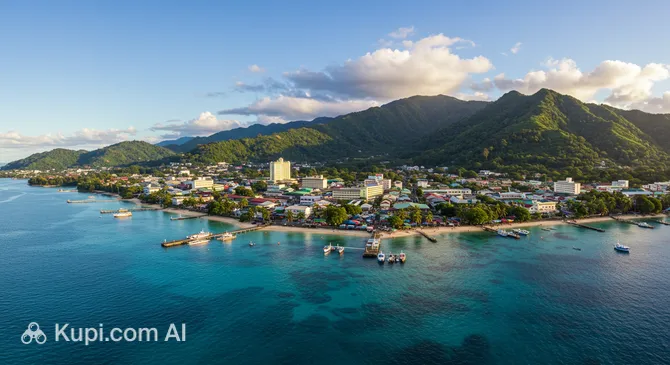
The city is framed by lush, green hills and overlooks the waters of Iron Bottom Sound, providing a scenic backdrop for your visit. While it is a modern administrative center, the history of Honiara is rich and fascinating, with numerous sites dedicated to its heritage. Visitors can explore a variety of landmarks that tell the story of the region's past while enjoying the warm hospitality of the locals.

Honiara. Source: Kupi.Binoculars

One of the city's main highlights is the lively Central Market, where you can immerse yourself in local life, purchase fresh tropical fruits, and find beautiful traditional handicrafts. For culture enthusiasts, the National Museum offers an in-depth look at the customs and traditions of the islands. Nature lovers will also appreciate the nearby botanical gardens and the opportunities for diving in the pristine waters just off the coast.

Whether you are starting an island-hopping adventure or looking to explore the cultural heart of the country, Honiara is an essential stop. Its combination of historical depth, vibrant markets, and coastal beauty invites you to discover the true spirit of the Solomon Islands.

Weather Overview

The climate in Honiara is characteristically tropical and remarkably consistent throughout the year, making it a warm destination regardless of when you visit. Average temperatures hover steadily between 25°C and 26°C, with daytime highs typically reaching around 28°C and nights remaining pleasant with minimum temperatures rarely dropping below 23°C.

Travelers should be prepared for frequent moisture, as the city experiences a high number of wet days, ranging from 25 to 29 days per month. Rather than continuous downpours, this often manifests as frequent tropical showers that contribute to the region's lush greenery. For a more detailed breakdown to help you pack, you can check the current forecast and historical data for the weather in Honiara.

Interesting Facts

Beyond the main attractions, Honiara holds many fascinating secrets that reveal its unique place in history. From its unexpected origins to the stories hidden beneath its waters, here are some intriguing facts about this coastal capital.

  • A City Born from War: Unlike many historic capitals, Honiara effectively did not exist as a town before World War II. It was developed on the site of a massive American military base, Camp Guadalcanal. The administration moved the capital here from the nearby island of Tulagi to take advantage of the ready-made infrastructure—including roads and buildings—left behind by US forces.

  • The Meaning of the Name: The name "Honiara" is actually a mispronunciation of the indigenous Ghari term Naho-ni-ara. This phrase poetically translates to "facing the east and southeast wind," which accurately describes the city's exposure to the prevailing trade winds sweeping across the coast.

  • Iron Bottom Sound: The city overlooks a stretch of water famously known as Iron Bottom Sound. It earned this somber nickname due to the dozens of Allied and Japanese ships and aircraft that sank there during the fierce naval battles of 1942, leaving the sea floor littered with a massive amount of metal wreckage.

  • Architectural Symbolism: The National Parliament building is a striking example of modern architecture blending with tradition. Its distinctive conical shape is designed to resemble a traditional woven roof, symbolizing the unity of the Solomon Islands and its deep respect for indigenous culture.

How to Get There

Reaching the capital of the Solomon Islands is the first step of your tropical adventure. Since the city is located on the island of Guadalcanal, the most common way for international travelers to arrive is by air, though some may arrive by sea via cruise ships or regional ferries. For a detailed breakdown of routes and transport tips, you can read more about how to get to Honiara.

The main gateway for visitors is Honiara International Airport (IATA: HIR), formerly known as Henderson Field. It is the only international airport in the country and serves as the hub for all major incoming flights. Located approximately 11.2 km from the city center, the airport is relatively close to the main hotels and administrative districts. A trip from the terminal to downtown Honiara typically takes about 37 minutes by taxi or shuttle bus, depending on traffic conditions.

For clarity, here is a summary of the main airport:

Airport Name City Passenger Traffic Km from City
Honiara International Airport Honiara Medium 11.2

Main Attractions

Honiara is a destination deeply rooted in history, particularly significant for its role in World War II, while also serving as a custodian of the rich cultural heritage of the Solomon Islands. Visitors will find a compelling mix of poignant historical sites and cultural institutions that offer a deeper understanding of the archipelago's past and present.

Guadalcanal American Memorial is one of the most visited sites in the city, located on Skyline Ridge. This beautifully maintained monument honors the American and Allied forces who fought during the Guadalcanal Campaign. Beyond its historical significance, the site is popular among tourists for its panoramic views. From the memorial, you can gaze out over Honiara, the coastline, and the famous Iron Bottom Sound, providing a perfect vantage point for photos and quiet reflection.

For a deep dive into the local culture, the Solomon Islands National Museum is an essential stop. Located in the town center, this institution houses a fascinating collection of traditional artifacts that showcase the diverse customs of the islands. Visitors can examine intricate items such as shell money, traditional weaponry, and ceremonial dance costumes. The museum grounds also frequently host cultural demonstrations, making it a lively place to learn about the islanders' way of life.

High atop Mount Austen lies the Japanese Peace Memorial, a serene white monument dedicated to the Japanese soldiers who lost their lives during the conflict. The site is known for its tranquil atmosphere and well-tended gardens. The drive up to the memorial is an adventure in itself, winding through lush vegetation and offering glimpses of the dense jungle terrain that defined the battles of the past.

Just a short drive from the city center, the Vilu War Museum offers a unique open-air experience. Unlike traditional museums, this site features heavy military machinery, including aircraft, cannons, and tanks, resting amidst the tropical jungle. Seeing these rusting relics slowly being reclaimed by nature is a powerful visual experience and provides a tangible connection to the history of Guadalcanal.

Local Cuisine

The culinary landscape of Honiara is a delightful reflection of its island setting, heavily reliant on the fresh bounty of the Pacific Ocean and organic produce grown in the fertile volcanic soil of Guadalcanal. Food here is unpretentious but incredibly flavorful, characterized by the use of coconut milk, chili, and root vegetables. For visitors, dining in the capital offers a chance to taste authentic Melanesian flavors blended with Asian and European influences.

Seafood is naturally the star of the show. You cannot leave the city without trying the fresh tuna, which is often served grilled, baked, or as sashimi. A signature dish to look for is Kokoda (sometimes spelled locally or similar to the Fijian version), a refreshing salad made of raw fish cured in lime juice and marinated in fresh coconut cream with diced vegetables and chili. Another local staple is cassava pudding, a dense, cake-like side dish made from grated cassava and coconut milk, often baked in traditional earth ovens or banana leaves. It strikes a balance between savory and sweet and pairs perfectly with grilled fish.

The food culture in Honiara ranges from relaxed hotel dining to the bustling local "Kai bars." Kai bars are popular takeaway spots that serve hearty portions of fish and chips, chicken, and rice at very affordable prices, offering a true taste of how locals eat daily. For a vibrant daytime experience, the Central Market is the heart of the city's food scene. Here, you can wander through stalls piled high with exotic fruits like pawpaw (papaya), starfruit, and sweet pineapples, or grab a quick, cooked lunch wrapped in leaves.

To quench your thirst, nothing beats the water from a fresh green coconut, usually sold chilled right on the street or at the market. For those looking to sample a local alcoholic beverage, SolBrew (Solomon Breweries) is the iconic national lager. It is widely available in bars and restaurants throughout Honiara and is regarded as an essential part of the social experience on the islands.

Travel Tips

To ensure your visit to Honiara is as smooth and enjoyable as possible, it helps to be prepared for the unique rhythm of island life. These practical tips will help you navigate the local customs, logistics, and climate, allowing you to focus on exploring the capital of the Solomon Islands with confidence.

  1. Clothing and Gear: Given the hot and humid tropical climate, pack lightweight, breathable fabrics like cotton or linen to stay comfortable. However, modesty is highly valued here; avoid wearing swimwear or revealing clothing in the city center or villages. Always carry a sturdy umbrella or a light rain poncho, as tropical showers can occur suddenly. Comfortable, closed-toe walking shoes are recommended for exploring the uneven terrain of war memorial sites.
  2. Transportation: Getting around Honiara is an adventure in itself. The most common form of public transport is the ubiquitous minivan (locally called a "bus"), which is inexpensive and runs along the main coastal road. Taxis are also readily available, but they rarely use meters; it is essential to negotiate and agree on the fare with the driver before you start your journey to avoid confusion later. Car rentals are available, but be prepared for variable road conditions and traffic congestion during peak hours.
  3. Finances: The local currency is the Solomon Islands Dollar (SBD). While major hotels and some larger restaurants in Honiara accept credit cards, cash is absolute king elsewhere. You will need small denomination notes for taxis, buses, and shopping at the Central Market. ATMs are available in the city center, but it is wise to withdraw enough cash before heading out on day trips, as machines can sometimes be out of service.
  4. Health and Safety: Malaria and dengue fever are risks in the Solomon Islands, so packing strong insect repellent and wearing long sleeves in the evening is crucial. Drink only bottled or boiled water to avoid stomach issues. Pharmacies are available in Honiara, but supplies can be limited, so bring a sufficient stock of any personal prescription medications. generally, the city is safe during the day, but it is advisable to avoid walking alone at night in unlit areas and to be cautious of stray dogs.
  5. Communication: English is the official language, but the lingua franca you will hear everywhere is Pijin. Most locals in Honiara speak or understand English well, especially in the tourism sector. Learning a few Pijin phrases, such as "Halo" (Hello) or "Tanggio" (Thank you), goes a long way in building rapport. SIM cards from local providers like Our Telekom or Bmobile are easy to buy and top up, providing the most reliable way to stay connected, as hotel Wi-Fi can sometimes be slow.
  6. Local Etiquette: Solomon Islanders are generally very friendly and polite. It is customary to greet people with a smile or a raised eyebrow when you make eye contact. Be respectful of "Kastom" (traditional custom); always ask for permission before taking photos of people or entering private villages. If you visit a beach or a site on customary land, you will likely be asked to pay a small "kastom fee" to the landowners—this is standard practice and should be paid without argument.
  7. What to Avoid: Do not walk around town shirtless or in bikinis; this is considered disrespectful in Melanesian culture and should be reserved strictly for the pool or beach resorts. Additionally, avoid public displays of affection, which are frowned upon. Be mindful where you step, as red stains on the ground are from betel nut spittle, not blood, but it is polite to avoid spitting it yourself in paved public areas or hotel grounds.
  8. Market Tip: For the best experience at the Honiara Central Market, try to visit early in the morning, ideally on a Saturday. This is when the market is most vibrant, overflowing with fresh produce and fish caught the night before. It is also the best time to find unique souvenirs like woven baskets and shell jewelry before the midday heat sets in.

By keeping these simple guidelines in mind, you will find it easy to relax and connect with the warm, welcoming spirit of Honiara. Embrace the slower pace, respect the local traditions, and enjoy your time discovering this fascinating corner of the Pacific.

Entertainment & Nightlife

Nightlife in Honiara is distinctively laid-back, reflecting the relaxed island pace rather than the high-energy club scenes found in larger global capitals. Entertainment here revolves largely around socializing, enjoying live music, and savoring cold drinks in open-air settings. While you won't find a sprawling district of neon-lit discos, the city offers a genuine and welcoming atmosphere where locals and visitors mingle freely, particularly on weekends.

The main hub for evening entertainment is concentrated along Mendana Avenue and the central Point Cruz area, extending towards the Kukum Highway. The most popular venues are often located within the city's major hotels, which provide safe, comfortable, and lively environments. These spots typically feature local bands playing a mix of island reggae and pop, creating a vibrant backdrop for a night out.

For those looking to experience the local scene, Heritage Park Hotel is a top choice. Its outdoor bar and terrace area is a favorite gathering spot for both the expatriate community and locals. It is an excellent place to enjoy a "sundowner" while watching the sunset over the water, often accompanied by live entertainment on Friday and Saturday nights. The atmosphere is casually sophisticated, making it suitable for a relaxed evening conversation or a celebratory drink.

Another iconic venue is the Bamboo Bar at the King Solomon Hotel. Famous for its funicular lift entrance and traditional Melanesian architecture, this bar offers a unique setting nestled against the hillside. It is a great spot to unwind with a local SolBrew lager or a cocktail. If you are feeling lucky, you might also visit the Coral Sea Resort & Casino, which combines gaming with a stylish oceanfront bar and restaurant, offering a slightly more upscale night out.

Practical advice is essential for enjoying Honiara after dark. The dress code is generally "island casual"—smart shorts and collared shirts are acceptable in most bars and clubs. Prices for imported alcohol can be relatively high, but local beer is affordable and widely available. Most venues close around midnight or 1:00 AM, though some hotel bars may stay open a bit longer on weekends.

Safety is a priority when exploring the nightlife. It is strongly advised not to walk alone at night, even for short distances within the city center. Areas that are bustling during the day can become deserted and unlit after sunset. Always arrange for a taxi to take you from door to door. Hotel receptions can easily call a reliable driver for you, and it is wise to keep a taxi number saved on your phone.

While the focus here is on the evening, daytime entertainment in Honiara offers a different kind of charm. Visitors can explore the cultural richness of the islands at the National Art Gallery or browse the colorful stalls at the Central Market. For a leisurely afternoon, many tourists head to the beaches on the outskirts of the city or enjoy a boat trip to nearby islands for snorkeling, transitioning perfectly into a relaxed evening back in town.

Parks & Museums

While Honiara may not be known for vast manicured lawns, the city is set against a backdrop of dense tropical greenery that characterizes the Solomon Islands. Visitors will find that the capital's "parks" are often wilder, living spaces where nature reclaims history. The experience here combines the serenity of the rainforest with open-air museums that preserve the region's pivotal role in World War II and its deep cultural roots.

For a refreshing break within the city limits, the Honiara Botanical Gardens in the Rove district offer a lush sanctuary. These gardens are designed to represent the archipelago's rich biodiversity, featuring walking paths that wind through a rainforest setting filled with native trees and water lily ponds. It is a quiet haven for orchid enthusiasts and birdwatchers looking to escape the dusty bustle of the main road.

To experience nature on a grander scale, a trip up Mount Austen is highly recommended. Looming behind the city, this area serves as a significant natural landmark rather than a traditional park. It offers some of the best birdwatching in the region, where you can spot unique species amidst the tall grasses and jungle patches. The summit also provides breathtaking panoramic views over the city and the ocean, making the journey well worth the effort.

Cultural exploration centers on the Solomon Islands National Museum, located centrally opposite the Mendana Hotel. As the country's premier cultural institution, it houses a wealth of traditional artifacts that explain the complex social structures of the islands. Exhibits include intricate wood carvings, shell money, and ceremonial attire, offering tourists a valuable insight into the customs that define the nation.

A short drive west brings you to the Vilu War Museum, an open-air site that is as much a garden as it is a historical display. Here, the jungle embraces the rusting remnants of heavy artillery, including American and Japanese aircraft and cannons. The contrast between the machinery of war and the vibrant tropical flowers creates a poignant atmosphere that is both photogenic and deeply moving.

The Guadalcanal American Memorial on Skyline Ridge is another site where history meets scenic beauty. The memorial is set within beautifully landscaped, park-like grounds that invite quiet reflection. Red granite pillars detail the events of the Guadalcanal Campaign, but many visitors come simply for the vantage point, which offers sweeping views of the coast and the lush hills surrounding the capital.

For a glimpse into the living culture of the city, the National Art Gallery is situated adjacent to the museum. The grounds are often a workspace for local artists, where you can watch painters and weavers creating their crafts. It is an excellent place to appreciate contemporary artistic expressions and perhaps support the local community by purchasing a unique piece of art.

Getting Around

Navigating Honiara is a straightforward and often colorful experience, distinct from the complex transit networks found in larger global metropolises. The city does not have a metro, tram, or large municipal bus system. Instead, the public transport network relies almost entirely on a fleet of privately owned minibuses. These vans serve as the lifeline of the city, running frequently along the main coastal road that connects the eastern and western parts of the town.

The minibuses are easy to spot; they are typically white vans, often marked with a red stripe or colorful decals. To catch one, you can wait at a designated bus stop, though it is common practice to simply wave one down from the side of the road. The destination is usually displayed on a card in the front windshield. If you are unsure of the route, simply shout your destination to the conductor or driver as the van slows down—they will let you know if they are heading your way.

When it comes to payment, cash is the only option. There are no travel passes, smart cards, or mobile apps for transport here. Fares are extremely affordable, generally costing just a few dollars in the local currency for a standard trip within the city limits. It is essential to carry small change and coins, as drivers often struggle to break large banknotes. You typically pay the conductor upon boarding or the driver when you exit the vehicle.

Taxis offer a popular alternative, especially for travelers with luggage or those heading to destinations off the main highway. They are widely available and can be flagged down on the street or booked through hotels. However, taxis in the city generally do not use meters. It is critical to negotiate and agree on the fare with the driver before you start your journey to avoid any misunderstandings upon arrival. Taxis are also the safest and most reliable option for travel after dark.

For those seeking independence, car rentals are available from both international agencies and local companies. While this allows for greater freedom to explore the surrounding areas, drivers should be prepared for variable road conditions, including potholes and occasional heavy traffic during rush hour. Please note that driving is on the left-hand side of the road.

Tourists should be aware of the operating hours for public transport. Minibuses are very frequent throughout the day but stop running relatively early in the evening, usually shortly after sunset. If you are planning a night out, you should not rely on buses to get back to your accommodation. Walking is a viable option for short distances in the town center, but due to the intense tropical heat and humidity, it is best reserved for the cooler morning or late afternoon hours.

Accommodation

Accommodation in Honiara caters to a mix of international business travelers, government officials, and tourists, offering a range of options from well-appointed hotels to simpler, budget-friendly guesthouses. While the city does not have the vast array of resorts found in major mass-tourism destinations, visitors will find comfortable and reliable places to stay that provide a welcoming base for exploring the island.

The majority of accommodation is concentrated along the main coastal road, particularly in the central business district around Point Cruz and extending eastwards along the Kukum Highway. Staying in these areas is highly recommended for convenience, as it places you within walking distance of the Central Market, major shops, and restaurants. For those seeking a quieter atmosphere and cooler breezes, there are also options nestled on the hillsides overlooking the harbor.

For travelers looking for higher-end amenities, the city features several full-service hotels that meet international standards. The Heritage Park Hotel is a prominent choice, located right on the waterfront with lush gardens and a resort-style pool, often serving as a hub for social gatherings. Another distinctive option is the King Solomon Hotel, famous for its funicular railway that carries guests up the steep hillside to their rooms, offering unique views and a touch of traditional Melanesian architecture.

Budget-conscious travelers can find more affordable lodgings in the form of motels and family-run lodges. These establishments often provide basic but clean facilities, including communal kitchens and shared living spaces, which are great for meeting other travelers. It is worth noting that "budget" in Honiara may still be pricier than in Southeast Asia, reflecting the island economy.

Booking Tip: Honiara is a busy administrative center, and top-tier hotels can fill up quickly during regional conferences or trade delegations. It is strongly advised to book your accommodation well in advance, especially if you plan to visit during the dry season or major festivals. While major hotels can be booked via standard online platforms, smaller guesthouses may require direct contact via email or phone to secure a reservation.

Nearby Cities

For those looking to explore the surroundings, Honiara serves as an excellent base for day trips to several interesting nearby locations:

City Population Distance (km)
Auki 7882 110
Gizo 6154 373
Kirakira 3500 244
Buala 2813 145
Ringgi Cove 2000 33

While some of the major towns listed require a short flight, there are several destinations perfect for a day trip or a quick overnight stay from the capital. Auki, located on the neighboring island of Malaita, is one of the most culturally significant stops. It is the gateway to the famous Langa Langa Lagoon, where visitors can witness the ancient tradition of shell money making and explore fascinating artificial islands built by hand over centuries.

Another popular option for a day excursion is Tulagi in the Florida Islands. Historically significant as the former capital of the Solomon Islands before World War II, it is reachable by a scenic boat ride across Iron Bottom Sound. Today, it is a haven for history buffs and divers, offering access to incredible wreck sites and colonial-era ruins that tell the story of the region's past.

For nature lovers, Savo Island offers a unique adventure just off the coast of Guadalcanal. Known for its active volcano and the famous megapode birds that bury their eggs in the warm volcanic sand, it provides a distinct contrast to city life. Travelers can hike to the crater, observe the bird hatcheries, or spot dolphins in the waters during the crossing.

These nearby destinations offer a glimpse into the diverse culture and landscapes of the region.

Shopping & Souvenirs

Shopping in Honiara offers a distinctively local experience that contrasts sharply with the glossy mega-malls of larger global cities. Instead of high-end luxury boutiques, the retail scene here is defined by vibrant open-air markets, small general stores, and specialized shops selling authentic Melanesian handicrafts. For tourists, the joy of shopping in the capital lies in discovering unique cultural artifacts and interacting with friendly local artisans rather than hunting for international brands.

The primary commercial hub of the city is located in the Point Cruz district and along the main thoroughfare, Mendana Avenue. This area is the beating heart of Honiara's business activity, lined with banks, pharmacies, and a variety of retail outlets selling clothing, electronics, and household goods. Just a short distance away, the historic Chinatown district offers a different flavor of commerce, with numerous general stores stocked with affordable imported goods, fabrics, and diverse knick-knacks.

While Honiara does not have massive shopping complexes, Panatina Plaza stands out as the most modern shopping center in the city. Located on the eastern side of town near the university, it provides a more western-style retail experience. Here, visitors can find a well-stocked supermarket, a few fashion outlets, a bakery, and cafes in an air-conditioned environment, making it a convenient stop for travelers needing to replenish supplies or escape the midday heat.

The true highlight of the shopping scene is undoubtedly the Honiara Central Market. While famous for its fresh produce, it is also a fantastic place to find woven goods and shell jewelry sold directly by the makers. For a more focused selection of souvenirs, the craft market often held at the National Art Gallery grounds is unmissable. It is a dedicated space for high-quality local artistry, allowing visitors to browse without the hustle and bustle of the main food market.

When it comes to souvenirs, the Solomon Islands are renowned for their exquisite wood carvings. Look for intricate items made from ebony or rosewood, particularly the iconic nguzunguzu (figureheads) inlaid with nautilus shell, which are traditional symbols of protection. Other popular keepsakes include shell money jewelry, hand-woven baskets and bags made from natural fibers, and local paintings that capture the vibrant colors of island life.

Business hours in Honiara are generally from 8:00 AM to 5:00 PM on weekdays. On Saturdays, many shops and the market operate on a half-day schedule, typically closing around 12:00 PM or 1:00 PM, and almost everything is closed on Sundays. In terms of payment, cash is king. While Panatina Plaza and some major hotels accept credit cards, most smaller shops, markets, and taxis deal exclusively in Solomon Islands Dollars (SBD). It is advisable to carry sufficient small notes when shopping for souvenirs.

Tourists should be aware that tax-free shopping or VAT refund schemes are not a standard feature here. Prices displayed are typically final, and bargaining is not a common practice in stores, although polite negotiation may be acceptable when purchasing multiple handicraft items directly from artists at the market.
Reached the end of the page?

That means the route is fully explored