Support

Suavanao

About

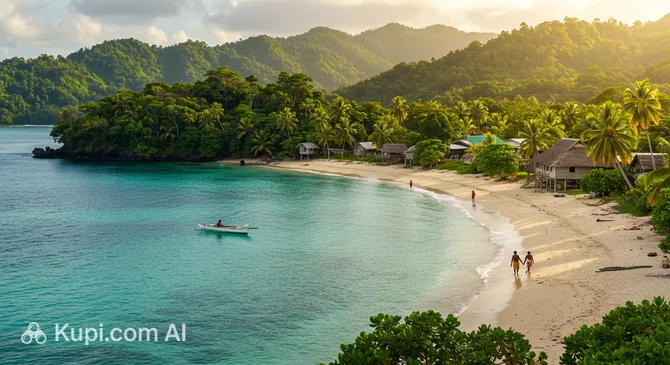
Welcome to Suavanao, a serene and inviting destination located in the Isabel Province. This charming spot serves as a vital gateway to the northern part of Santa Isabel Island, offering visitors a perfect blend of accessibility and untouched tropical beauty. As you step off the plane at the local airstrip, you are immediately greeted by the warm atmosphere and lush landscapes that define the Solomon Islands.

Suavanao. Source: Kupi.Binoculars

Geographically, Suavanao is situated in a region known for its pristine coastal environments and abundant marine life. The climate here is typically tropical, characterized by warm temperatures and refreshing ocean breezes that make it an ideal year-round retreat. While it is a quiet locale today, the history of Suavanao is deeply intertwined with the traditional cultures of Isabel Province, offering a glimpse into the enduring island way of life.

Travelers are often drawn to this area for its incredible outdoor activities. Suavanao is widely recognized as the jumping-off point for world-class surfing breaks nearby, attracting wave riders seeking uncrowded swells. Additionally, the surrounding waters are a paradise for fishing enthusiasts and divers eager to explore vibrant coral reefs teeming with biodiversity. The relaxed pace of life here allows visitors to truly disconnect and immerse themselves in nature.

Whether you are here to catch the perfect wave or simply to unwind on a secluded beach, Suavanao promises a memorable experience. We invite you to discover the tranquility and natural splendor of this unique corner of the Pacific.

Weather Overview

The climate in Suavanao is characteristically tropical and remarkably consistent, offering warm conditions throughout the year. Average temperatures stay steady, generally ranging from 26.4°C to 27.3°C, with daily highs reaching up to 28.8°C in the warmer months like January. Nights remain comfortable, with minimum temperatures typically settling around 25°C, ensuring a pleasant environment for evening relaxation.

Precipitation is a constant feature of the local weather pattern, characterized by a high frequency of wet days rather than heavy downpours. Visitors can expect rain or moisture on approximately 27 to 29 days each month, though the total rainfall volume is often light, usually fluctuating between 9mm and 15mm. To plan your activities around these conditions, we recommend consulting the detailed guide to the weather in Suavanao before your departure.

Interesting Facts

Beyond its humble appearance as a transit hub, Suavanao holds several fascinating secrets that showcase the hidden magic of the Solomon Islands. This remote outpost is more than just an airstrip; it is a portal to rare natural phenomena and preserved history that few travelers get to witness.
  • The "Blue Lagoon" Mystery: Just a short boat ride away lies a spectacular natural formation known locally as the Blue Lagoon. Resembling a submerged volcanic crater, this deep blue hole offers a surreal snorkeling experience where visitors can swim alongside friendly black-tip reef sharks and majestic manta rays in crystal-clear water.

  • A Surfer’s Best-Kept Secret: Suavanao is the exclusive gateway to some of the most uncrowded surf breaks in the Pacific. The nearby reefs host world-class waves with whimsical names like "Anchovies," which remain a mystery to the mainstream surfing world but are legendary among those in the know.

  • An Underwater Museum: The ocean floor surrounding the area serves as a silent museum of World War II. Snorkelers and divers can easily explore submerged aircraft wrecks and military relics that have become part of the coral reef ecosystem, offering a haunting glimpse into the region's turbulent past.

  • Guardian of the Hawksbills: This location is the primary jumping-off point for the Arnavon Islands, which host the largest rookery of critically endangered Hawksbill turtles in the South Pacific. The community-led conservation efforts here have created a safe haven where these ancient mariners can be observed nesting in peace.

How to Get There

Reaching this secluded paradise requires a bit of planning, as it is located on Santa Isabel Island, separated from the main international gateways by the Solomon Sea. Most travelers arrive by flying into the country's larger hubs and connecting via domestic transport. You can find all ways to reach the city and plan your route in our detailed guide.

The city of Suavanao does not have its own major international airport, so visitors typically fly into Honiara International Airport (HIR) in the capital city of Honiara, which is approximately 250 km away. This is the primary entry point for international flights into the country. From Honiara, you will need to arrange a domestic transfer, usually by a smaller aircraft or a scheduled boat service, to reach Santa Isabel Island. Another regional option is Munda Airport (MUA) in Munda, located about 181 km from Suavanao. While Munda is a significant hub for the Western Province, travel to Suavanao from there also involves inter-island connections.

For clarity, here is a summary of the main airports:

Airport Name City Passenger Traffic Km from City
Munda Airport Munda Medium 181.2
Gizo Airport Gizo Medium 213.3
Honiara International Airport Honiara Medium 250.5
Choiseul Bay Airport Choiseul Bay Small 275.3

Suavanao does not have a railway station, and there is no passenger railway network operating in the Solomon Islands. The primary modes of transport for traversing the distance between islands and coastal villages are motorboats, ferries, and domestic flights. We recommend checking local schedules in advance, as they can be subject to weather conditions.

Main Attractions

Papatura Island Retreat is the beating heart of tourism in this region and serves as the primary gateway for visitors arriving at Suavanao. Located just a short five-minute boat ride from the airstrip, this retreat is more than just accommodation; it is the central hub for almost all activities in the area. Tourists flock here to access the surrounding reefs, organize excursions, or simply relax on the white sandy beaches that look out over the crystal-clear lagoon. It offers a perfect blend of isolation and comfort, making it the ideal base for exploring Santa Isabel.

For nature enthusiasts, the Arnavon Community Marine Park is an absolute must-visit. Situated between Santa Isabel and Choiseul provinces, this protected area is famous for being the largest rookery for the critically endangered Hawksbill turtle in the South Pacific. Visitors can take guided tours to witness these majestic creatures nesting or hatching, depending on the season. The park is a shining example of community-led conservation and offers a rare opportunity to see thriving marine life in a protected sanctuary.

Surfers travel from around the globe to experience the legendary Surf Breaks accessible from Suavanao. The most famous spot, known as "Anchovies," offers a world-class right-hand barrel that rivals better-known destinations but without the crowds. Another popular break, "Kummas," provides excellent conditions for those seeking a long, walling left. These uncrowded waves are a major draw for board riders looking for an exclusive surfing experience in warm tropical waters.

Those interested in local culture should spend time exploring Suavanao Village. Unlike commercialized tourist spots, a visit here offers an authentic glimpse into the daily life of the Isabel people. You can walk through the village, visit the traditional "cook haus," and chat with friendly locals who are often eager to share stories about their heritage and customs. It is a humbling and enriching experience that connects travelers with the human history of the Solomon Islands.

Finally, the Blue Lagoon is a spectacular natural formation nearby that captivates snorkelers and swimmers. Resembling a deep blue volcanic hole submerged in the reef, this spot is teeming with marine biodiversity. It is common to spot black-tip reef sharks, manta rays, and colorful tropical fish gliding through the water. The clarity of the water and the unique underwater topography make it one of the most memorable snorkeling sites in the province.

Local Cuisine

The culinary experience in Suavanao is a true reflection of its isolated, tropical setting in the Isabel Province. Here, the concept of "farm-to-table" is replaced by "ocean-to-plate" and "garden-to-fork," with a heavy reliance on the freshest ingredients sourced directly from the surrounding reefs and local village gardens. Visitors can expect a diet rich in organic root vegetables, tropical fruits, and an abundance of seafood that is often caught just hours before being served.

Seafood lovers will find themselves in paradise, as the waters around Suavanao are teeming with marine life. A standout delicacy in this region is the **Crayfish** (spiny lobster), which is often prepared simply—grilled over an open fire or steamed—to highlight its natural sweetness. Another local favorite is **Mud Crab**, typically caught in the nearby mangroves and cooked in a rich chili or coconut sauce. For a daily staple, you will almost always find fresh reef fish, such as snapper or tuna, served alongside locally grown greens.

To accompany these protein-rich meals, you must try **Cassava Pudding**, a beloved comfort food throughout the Solomon Islands. This dense, cake-like side dish is made from grated cassava and sweet potato mixed with coconut milk, then wrapped in banana leaves and baked on hot stones in a traditional earth oven known as a motu. It has a unique, slightly chewy texture and a savory-sweet flavor that pairs perfectly with grilled fish. Taro and kumara (sweet potato) are also standard accompaniments to almost every meal.

When it comes to beverages, the options are simple and refreshing. The most popular non-alcoholic drink is undoubtedly **fresh coconut water**, drunk straight from the nut, which provides essential hydration in the tropical heat. For those looking to enjoy an alcoholic beverage, **SolBrew** is the iconic local lager found everywhere in the islands. It is a crisp, light beer that locals and tourists alike enjoy while watching the sunset.

The food culture in Suavanao is centered largely around the **Papatura Island Retreat**, which acts as the main dining hub for visitors. There are no commercial restaurants or street food markets in the small village itself; instead, dining is a communal and relaxed affair. At the retreat, meals are often served buffet-style in an open-air setting with sand between your toes, fostering a friendly atmosphere where guests share stories over dinner. For a more authentic cultural experience, visitors can sometimes arrange to attend a village feast, where food is cooked in the traditional motu style and shared generously among the community.

Travel Tips

Visiting Suavanao offers a rare opportunity to experience the untouched beauty of the Solomon Islands, but traveling to such a remote destination requires a bit of extra preparation. To ensure your adventure in Isabel Province is as smooth and enjoyable as possible, we have compiled a list of essential practical tips for your journey.

  1. Clothing and Gear: Pack lightweight, breathable fabrics like cotton or linen to cope with the tropical humidity. Since rain showers are frequent, a light raincoat or poncho is essential. Crucially, bring sturdy reef shoes for protecting your feet against coral and rocks when swimming or surfing. If you plan to visit Suavanao Village, remember that modest dress is required; women should cover their thighs and shoulders, so carrying a sarong (lava-lava) is highly recommended.

  2. Transportation: Forget about taxis, buses, or car rentals—they simply do not exist here. The primary mode of transport around Suavanao and the neighboring islands is by boat (fibreglass canoes with outboard motors). Most transfers, including the pick-up from the airstrip, will be arranged by your accommodation. For short distances within the village or along the coast, walking is your only option.

  3. Finances: Cash is king in this part of the world. There are no ATMs or banks in Suavanao, so you must withdraw sufficient Solomon Islands Dollars (SBD) in Honiara before you fly. While the main retreat may accept credit cards for accommodation bills (often with a surcharge), you will need small denomination notes for village visits, buying local crafts, or paying "kastom" fees to reef owners.

  4. Health and Safety: Medical facilities are very limited, with only a basic clinic available locally. It is vital to bring a fully stocked first aid kit, including antiseptics, painkillers, and any personal prescription medications. The country is a malaria zone, so consult your doctor about prophylaxis before traveling and pack plenty of high-strength insect repellent to use day and night.

  5. Communication: English is the official language and is widely understood, but the day-to-day language is Pijin. Learning a few phrases like "Halo" (Hello) or "Tanggio" (Thank you) goes a long way with locals. Mobile coverage is available but can be spotty; if you need data, purchase a local SIM card (Telekom or Digicel) in Honiara upon arrival, as you likely won't find them for sale in Suavanao.

  6. Local Etiquette: The culture in Isabel Province is traditional and polite. Always ask for permission before taking photos of people or their homes. When walking through the village, it is polite to remove hats and sunglasses when speaking to elders. Sundays are strictly observed as a day of rest and worship; loud activities or requesting services on this day may be frowned upon.

  7. What to Avoid: Do not walk around the village or public areas in swimwear (bikinis or speedos). This attire is acceptable only at the resort beach or on a boat, but it is considered disrespectful in the community. Also, avoid showing frustration or raising your voice; the local pace is relaxed, and aggressive behavior is culturally inappropriate.

  8. Respect "Kastom" Fees: Be aware that in this region, land and reefs are customarily owned by local tribes. You may be asked to pay a small kastom fee (access fee) to surf a specific break, snorkel a reef, or visit a particular island. This is a standard practice that supports the local community, so please pay it graciously.

By packing the right gear and embracing the local customs with an open heart, you are sure to have an unforgettable time in Suavanao. Relax into the "island time" rhythm, connect with the friendly locals, and enjoy the pristine natural wonder of this Pacific paradise.

Entertainment & Nightlife

Nightlife in Suavanao is a world away from the bustling clubs and neon-lit districts of major cities. In this remote corner of the Solomon Islands, the evening entertainment is defined by tranquility, connection with nature, and social intimacy rather than loud music or commercial venues. The "nightlife district" here is essentially the beachfront and the communal areas of the local accommodation, where the soundtrack is provided by the gentle lapping of waves rather than a DJ set.

The primary hub for evening activity is the main lodge at Papatura Island Retreat. As the sun sets, this becomes the gathering point for guests and locals alike. The atmosphere is incredibly laid-back; the "dress code" rarely requires more than shorts and a t-shirt, and footwear is often optional. Here, you can enjoy a cold SolBrew or a glass of wine at the open-air bar, swapping stories with fellow travelers about the day's surfing or fishing adventures. It is a place where friendships are formed over communal meals and relaxed conversations that stretch late into the evening.

Beyond the bar, the entertainment is provided by the pristine environment itself. With zero light pollution, Suavanao offers some of the most spectacular stargazing opportunities in the Pacific. Visitors often gather on the jetty or the beach to watch the Milky Way stretch across the sky in high definition. On calm nights, the water comes alive with bioluminescence; a simple splash in the lagoon can trigger a mesmerizing display of glowing blue plankton, a magical experience that rivals any light show.

Occasionally, cultural evenings may be arranged where visitors can experience traditional entertainment from Suavanao Village. These events typically involve local string bands playing island-style music or custom storytelling sessions around a bonfire. It is a respectful and authentic way to engage with the local culture after dark. If you are lucky, you might also be invited to join a night fishing trip, observing how locals catch mud crabs or reef fish under the cover of darkness.

Practical advice for nights in Suavanao is simple: bring a good torch or headlamp. There are no streetlights, and navigating the paths between the retreat, the beach, and the airstrip requires your own light source. The "closing time" is dictated by the guests; evenings often wind down relatively early to maximize energy for the next day's activities, though the bar stays open as long as the conversation flows. Prices for drinks are reasonable but expect to pay cash or charge it to your room tab if staying at the retreat.

Safety at night is generally not a concern regarding crime, as the community is small and tight-knit. The main safety considerations are environmental. Always use a flashlight to avoid tripping on tree roots or uneven coral paths, and apply plenty of insect repellent to ward off mosquitoes, which are most active at dusk. It is safe to walk along the beach at night, but it is wise to stay near the lit areas of the retreat unless you are with a guide.

While the nights are for relaxation, the days are packed with activity. During daylight hours, the region transforms into a playground for outdoor enthusiasts. Visitors spend their time surfing the uncrowded breaks, exploring the underwater WWII relics through snorkeling, or taking boat excursions to the nearby Arnavon Islands. The contrast between the adrenaline-filled days and the peaceful, star-filled nights makes Suavanao a perfectly balanced escape.
Parks & Museums

In Suavanao, the concepts of "parks" and "museums" take on a different meaning compared to urban destinations. Here, you will not find manicured city gardens or air-conditioned exhibition halls. Instead, the entire region serves as a vast, open-air sanctuary where the pristine rainforests and coral reefs act as the parks, and the history is preserved not in glass cases, but within the landscape and the ocean floor. The cultural heritage is living, found in the daily practices of the local communities rather than in static displays.

Arnavon Community Marine Park stands out as the most significant natural area accessible from Suavanao. Located a boat ride away between Santa Isabel and Choiseul provinces, this protected sanctuary is a triumph of local conservation. It is celebrated globally as the most important rookery for the critically endangered Hawksbill turtle in the South Pacific. For visitors, the "park" offers a raw and moving experience where you can witness these ancient mariners nesting on the beaches or watch hatchlings make their perilous journey to the sea. The rangers here provide deep insights into the delicate marine ecosystem, making it an educational visit as much as a scenic one.

Closer to your base, the surroundings of Papatura Island offer a more immediate immersion into nature. While not a formal botanical garden, the island features a network of nature trails that wind through the lush tropical bush. A walk here introduces you to the rich biodiversity of the Solomon Islands, from towering banyan trees to rare orchids and vibrant birdlife. The jungle meets the sea at the shoreline, where the "park" extends underwater into the lagoon, inviting endless exploration among the mangroves and shallow reefs.

When it comes to history, the ocean floor surrounding Suavanao serves as a silent, submerged gallery often referred to as an "Underwater Museum." The waters here are scattered with relics from World War II, including sunken aircraft and military equipment that have rested on the seabed for decades. Over time, these remnants have been claimed by the coral, creating a hauntingly beautiful fusion of history and nature. Snorkelers and divers can drift over these sites, observing how the metal structures have become artificial reefs teeming with fish—a poignant reminder of the past that requires no ticket for entry.

For a glimpse into the human history and artistic culture of the region, Suavanao Village acts as a "living museum." There are no formal galleries here; instead, the culture is displayed through the architecture of the leaf-thatched houses and the traditional craftsmanship of the locals. Visitors can observe the intricate weaving of mats and baskets, a skill passed down through generations. Engaging with the village elders offers a narrative history of the Isabel people that is far more personal and engaging than reading a plaque on a wall.

For a truly unique experience, ask a local guide to take you to the mangroves at dusk. This area acts as a natural nursery for marine life and offers a serene, almost cathedral-like atmosphere as the light fades. It is a side of the "natural park" system that few tourists take the time to appreciate slowly.

Getting Around

Navigating Suavanao requires a shift in perspective from typical urban travel, as the city does not possess a conventional public transport system. Visitors will not find subways, buses, trams, or even paved road networks here. Instead, the primary mode of transportation is the fiberglass boat, often referred to locally as a "canoe" or "ray boat." These vessels, powered by outboard motors, serve as the water taxis and buses of the region, connecting the airstrip, the main retreat, and the surrounding villages across the lagoon.

Regarding payment, there are no travel cards, mobile apps, or electronic ticketing systems. The economy here operates almost exclusively on cash. If you are staying at the main retreat, your boat transfers—especially from the airstrip—are typically arranged in advance and added to your final accommodation bill. However, for independent trips to nearby villages or surfing spots arranged with local boatmen, you must pay in cash. It is essential to carry small denominations of the local currency, as boat operators rarely have change for large notes. Prices for these private charters should be negotiated and agreed upon before you step on board.

For tourists, the most practical advice is to pre-arrange all your transport needs through your accommodation. Since there are no scheduled timetables or designated "stops," you cannot simply hail a ride. Most boat travel is restricted to daylight hours for safety reasons, as navigating the reefs in the dark can be hazardous. When boarding or disembarking, be prepared for "wet landings," where you may need to step into shallow water; wearing sturdy reef shoes and quick-drying clothing is highly recommended.

Alternatives to boat travel are limited to walking. There are no car rental agencies, taxi services, or ride-sharing apps like Uber available in Suavanao. The area around the airstrip and the village consists of unpaved tracks that are best traversed on foot. For a different pace, some visitors use kayaks or stand-up paddleboards provided by the retreat to travel short distances along the coast, turning the commute itself into a scenic leisure activity.

While it lacks a historic metro or a cable car, the transport experience in Suavanao offers its own unique charm. The boat rides provide stunning panoramic views of the coastline and coral reefs that no subway window could ever match. Traveling here is not just about getting from point A to point B; it is an integral part of the adventure, offering a refreshing disconnect from the rush of modern commuting.

Accommodation

Accommodation options in Suavanao are quite limited, reflecting its status as a remote and pristine outpost in the Isabel Province. Travelers should not expect a wide variety of city-style hotels, backpacker hostels, or international luxury chains. Instead, the lodging landscape is defined by its exclusivity and deep immersion in nature, primarily focusing on eco-friendly retreats and beach bungalows that offer a rustic yet comfortable experience close to the elements.

The most popular area for tourists to stay is not within the Suavanao village itself, but rather across the lagoon on the neighboring islands. The primary hub is Papatura Island, situated just a short five-minute boat ride from the airstrip. Staying here offers the distinct advantage of immediate access to white sandy beaches, surf breaks, and fishing spots, while providing a degree of privacy and tranquility that is harder to find on the main island.

The standout accommodation in the region is the Papatura Island Retreat. As the only dedicated tourist facility in the immediate vicinity, it caters to almost all visitors arriving in Suavanao, serving as a base for surfers, fishermen, and nature lovers. The retreat typically features traditional leaf-haus bungalows that blend seamlessly into the tropical rainforest, offering a "castaway" atmosphere without sacrificing essential comforts. It acts as the social center of the area, where guests gather for meals and organize their daily excursions.

A crucial tip for booking accommodation here is to plan well in advance. Due to the limited inventory of rooms and the logistical challenges of reaching the island, arriving without a reservation is highly discouraged. Furthermore, your booking is usually linked to your transport; the retreat arranges the necessary boat transfer from the airstrip to the island, so communicating your flight details to your host beforehand is essential to ensure you are met upon arrival.

regarding prices, options generally fall into the mid-range category, though costs can be higher than on the mainland due to the remote location and the logistics of supplying the island. Pricing structures are often comprehensive, frequently offering full-board meal plans. This is a practical necessity, as there are no independent restaurants or supermarkets in the area. Booking is best done directly through the retreat's website or via specialized travel agents who handle Solomon Islands itineraries.

Nearby Cities

For those looking to explore the surroundings, Suavanao serves as an excellent base for day trips to several interesting nearby locations:

City Population Distance (km)
Honiara 84520 244
Auki 7882 253
Gizo 6154 217
Kirakira 3500 473
Buala 2813 117

Buala is the closest significant town and serves as the provincial capital of Isabel Province. Situated on the edge of the Maringe Lagoon, it offers a glimpse into the administrative and commercial life of the island. Unlike the secluded nature of Suavanao, Buala is busier and provides visitors with the chance to see local markets, the hospital, and the seat of the provincial government, making it an interesting spot for cultural immersion within the same island group.

Honiara, the capital of the Solomon Islands, is the primary hub connecting Suavanao to the rest of the world. While it is a flight away, it is an essential stop for history buffs and urban explorers. The city is home to the National Museum, bustling central markets, and numerous World War II historical sites, such as the American War Memorial. It offers a stark contrast to the quiet village life of the outer islands and is the best place to understand the country's modern history.

Gizo is another major center located in the Western Province, often visited by travelers island-hopping through the region. Famous for its vibrant waterfront and proximity to world-class diving sites, Gizo has a relaxed, tourist-friendly atmosphere. Although it requires travel to reach, it is a key destination for those looking to experience the diversity of the archipelago's coastal towns and marine environments.

These nearby destinations offer a glimpse into the diverse culture and landscapes of the region.

Shopping & Souvenirs

Shopping in Suavanao is a reflection of its remote and peaceful nature. Visitors should be aware that this is not a destination for retail therapy or stocking up on luxury goods. The village and its surroundings offer a minimalist experience where commerce is informal and often based on necessity or traditional craftsmanship. Most travelers arrive here with all their essential supplies already packed, as opportunities to purchase modern conveniences are virtually non-existent.

There are no designated shopping districts or commercial high streets in Suavanao. The "shopping scene" is effectively limited to the small, unpaved paths winding through the village or the reception area of the local retreat. You will not find window displays or rows of boutiques; instead, any transactions usually take place directly at a local's home or a small, family-run canteen that might sell basic items like soap, biscuits, or tinned food, though stock levels are unpredictable.

Travelers looking for shopping malls or department stores will not find them here. The infrastructure in Suavanao is focused on eco-tourism and village life, meaning large-scale retail complexes are entirely absent. For any significant purchases, electronics, or specialized outdoor gear, you must visit the capital, Honiara, or other major international hubs before traveling to the Solomon Islands.

While there is no formal central market building, an informal trade of fresh produce exists within the community. Locals often sell surplus fruits and vegetables from their gardens, such as bananas, papayas, and root crops, directly from their homes or at small roadside stalls. Freshly caught fish is also frequently available, often sold by fishermen returning to the shore in the late afternoon. Engaging in this type of trade is a wonderful way to interact with residents and taste the organic produce of the region.

The true gem of shopping in this region lies in its souvenirs. Isabel Province is renowned throughout the country for its exquisite weaving. Visitors should look for intricate baskets, mats, and fans hand-woven from dried pandanus leaves or coconut fibers. These items are not mass-produced but are crafted with skill and patience by local women. Purchasing these authentic handicrafts is the best way to support the local economy and bring home a meaningful memento of your trip.

Opening hours in Suavanao are dictated by the sun and the rhythm of village life rather than a fixed schedule. Small canteens may open in the morning and close whenever the owner needs to tend to other tasks. Regarding payment, cash is the only accepted method. There are no credit card terminals or ATMs in the village. Visitors must ensure they carry enough Solomon Islands Dollars (SBD) in small denominations to cover any purchases of crafts, snacks, or fresh food.

Tax-free shopping and VAT refunds are not applicable in Suavanao. The informal nature of the local economy means that tax refund schemes for tourists, which might be found in larger international cities, do not exist here.

Reached the end of the page?

That means the route is fully explored