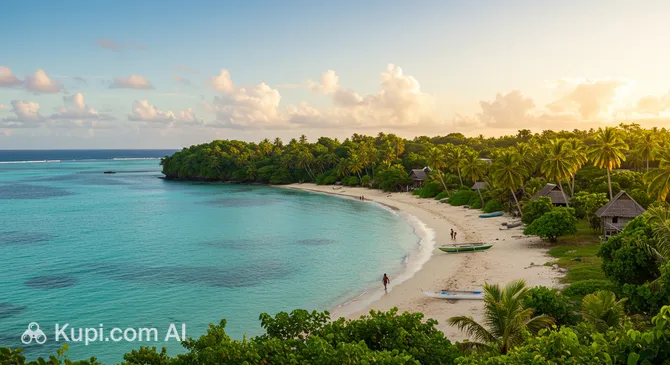
Shopping in Kagau is a reflection of its remote and tranquil atmosphere, offering a stark contrast to the commercialized retail experiences found in larger cities. Visitors should not expect bustling high streets or luxury boutiques; instead, commerce here is driven by necessity and local sustainability. The shopping opportunities are primarily limited to small, family-run trade stores known as "canteens" that stock basic provisions, canned goods, and toiletries. For tourists, the experience is less about retail therapy and more about engaging with the local community to purchase essential supplies or fresh produce.
There are no designated shopping districts or fashionable avenues on the island. The "main shopping area" is essentially the village itself, where small wooden structures serve as convenience stores for the local population. These shops are often located near the main paths or close to the waterfront where boats arrive. Walking through the village allows you to discover these humble establishments, which are often extensions of family homes, providing a glimpse into the daily life of the Solomon Islands.
Travelers looking for large shopping malls or department stores will not find them in Kagau. The island's infrastructure is undeveloped in terms of modern retail, and there are no commercial complexes. The nearest substantial shopping facilities are located in Gizo or Honiara, so it is highly advisable to purchase any specialized gear, electronics, or specific clothing items before traveling to this part of the Western Province.
While there is no formal covered market hall, the exchange of fresh food is a central part of the local culture. Informal markets often spring up near the airfield or the wharf when supplies arrive or when fishermen return with their catch. Here, you can buy organic tropical fruits like papayas, bananas, and pineapples, as well as freshly caught reef fish. These interactions are personal and direct, often involving buying straight from the grower or fisherman, ensuring that your money goes directly to supporting local families.
For those seeking souvenirs, the best items to bring back are authentic local handicrafts. The Western Province is renowned for its skilled artisans, particularly in wood carving. You may find intricate carvings made from kerosene wood or ebony, often depicting marine life or traditional motifs like the famous "Nguzunguzu" (canoe prow figurehead). Woven baskets and bags made from pandanus leaves are also beautiful and practical keepsakes. Since there are no formal souvenir shops, these items are usually purchased directly from the artisans in the village.
Understanding the local logistics for opening hours and payment is crucial. Shops typically operate on "island time," generally opening around sunrise and closing shortly after sunset, though they may close during the midday heat or if the owner is away. Cash is the only accepted method of payment throughout Kagau. Credit cards and foreign currency are not accepted, and there are no ATMs. Visitors must ensure they carry sufficient Solomon Islands Dollars (SBD) in small denominations, as change for large notes is often unavailable.
Tax-free shopping and VAT refunds are not applicable in Kagau. The informal nature of the economy means that receipts are rarely issued, and the tax refund systems found in international airports do not extend to these remote village transactions.