Support

Solomon Islands

About the Country

The Solomon Islands are a lost paradise in the south-western Pacific Ocean, an archipelago of hundreds of volcanic islands and coral atolls covered in dense tropical rainforests and surrounded by turquoise lagoons. It is a place where time flows differently, inviting travellers to immerse themselves in an atmosphere of untouched nature, ancient cultures, and exciting adventures. The country appeals with its authenticity and the opportunity to relax far from bustling tourist trails.
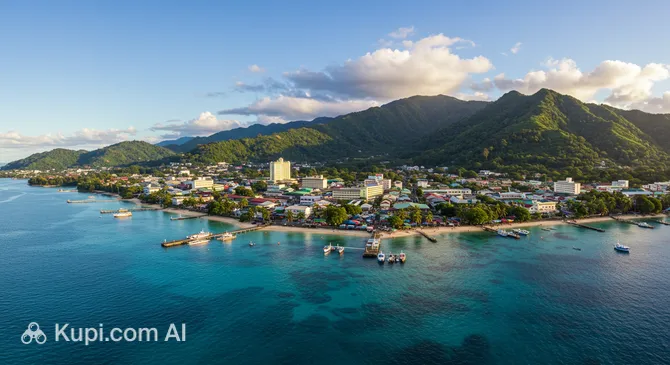
Honiara. Source: Kupi.com Binoculars

The cultural heritage of the Solomon Islands is rich and diverse, with strong Melanesian traditions evident in the art, music, dance, and daily life of local communities. The islands also hold memories of the Second World War, particularly the island of Guadalcanal, which was the site of fierce battles. The nation's capital, Honiara, located on Guadalcanal, is the main economic and transport centre, serving as the starting point for many journeys throughout the archipelago.

For nature lovers and fans of active holidays, the Solomon Islands offer incredible opportunities: from diving and snorkelling on world-renowned reefs, such as those near the town of Gizo, to exploring shipwrecks, jungle trekking to waterfalls, and discovering unique flora and fauna. The warm tropical climate makes for a comfortable holiday all year round. This is a destination for those seeking authentic experiences, seclusion in nature, and a deep immersion into another culture.

Currency

The national currency of the Solomon Islands is the Solomon Islands dollar, which has the international code SBD. The banknotes and coins of this Pacific nation are often decorated with vibrant images reflecting its rich local nature and culture: you can see exotic birds, marine life, traditional items, and portraits of prominent island figures.

It is recommended to exchange foreign currency for Solomon Islands dollars at banks or official exchange offices, which are mainly concentrated in the capital, Honiara. Major currencies like the US, Australian, and New Zealand dollars are accepted for exchange. Avoid exchanging money with unauthorised individuals to prevent unfavourable rates or fraud. Credit cards, mainly Visa and Mastercard, are accepted in major hotels, some restaurants, and shops in Honiara and other tourist centres. However, for travelling around the islands and making purchases at local markets, it is essential to carry a sufficient amount of cash. Outside of the capital, cashless payment options are less common, and ATMs are found less frequently.

Visa Requirements

When planning a trip to the Solomon Islands, it is essential to familiarise yourself with the country's visa regulations. For citizens of the United Arab Emirates, a visa is not required for short-term stays of up to 90 days. A visitor's permit is typically granted upon arrival. However, regardless of your nationality, all travellers will generally need a valid passport with at least six months of validity remaining after your intended date of departure from the country. You may also be asked to provide proof of onward or return tickets and sufficient funds for your stay.

As visa policies can change, it is highly recommended that you verify the most current information on the official immigration service website for the Solomon Islands or contact its nearest embassy or consulate before your trip. This will help you avoid any unforeseen complications and ensure your journey is as smooth as possible.

We'll tell you if you need a visa

Specify where you are going, or
Your citizenship
Destination

Time Zones

When planning a trip to the Solomon Islands, you will not need to worry about changing time zones within the country. The entire archipelago operates on a single time zone, known as SBT (Solomon Islands Time). This corresponds to UTC+11, meaning the local time is 11 hours ahead of Coordinated Universal Time.

This means the time will be the same in the nation's capital, Honiara, as it is on the other islands. This feature simplifies planning for internal travel and excursions, allowing you to focus entirely on relaxing and exploring the unique culture and nature of the Solomon Islands.

How to Get There

The most convenient way to reach the Solomon Islands, an exotic archipelago in the Pacific Ocean, is by air. The country's main international gateway is Honiara International Airport (HIR), located near the capital, Honiara. There are no direct flights from the United Arab Emirates. Travellers from the UAE will need to take connecting flights, typically with at least one stop. Common transit hubs include Brisbane (BNE), Singapore (SIN), and Nadi (NAN), with airlines like Emirates, Qantas Airways, and Solomon Airlines operating these routes.

As the Solomon Islands is an island nation, there are no land-based travel options from other countries. Sea travel is primarily limited to cruise ship port calls and private yachts; regular international ferry services are not a common method of arrival for most tourists. It is highly recommended to plan your journey and book flights well in advance, especially if you are travelling during the peak tourist season, to secure the best prices and availability.

For your reference, here is a summary of the main airports in the Solomon Islands:

Airport Name City Passenger Traffic
Honiara International AirportHoniaraMajor
Gizo AirportGizoMinor
Munda AirportMundaMinor
Kirakira AirportKirakiraMinor
Santa Cruz Island AirportSanta CruzMinor

The Solomon Islands are a remarkable destination, offering travellers a kaleidoscope of experiences, from discovering a unique culture and delving into a rich history to enjoying incredible natural beauty. The main attractions here include both bustling centres and secluded resorts. The nation's capital, Honiara, situated on the island of Guadalcanal, serves as the primary gateway to this tropical paradise and an ideal starting point for exploring the archipelago. In Honiara, you can immerse yourself in local life, visit vibrant markets, and learn more about the events of the Second World War, which left a profound mark on the area's history.

Honiara. Source: Kupi.com Binoculars

Among other notable locations is the island of Guadalcanal, which attracts visitors not only with its capital city but also with its numerous historical sites related to the war, alongside superb opportunities for diving to sunken wrecks. The town of Gizo, located in the Western Province, is renowned as a popular destination for underwater enthusiasts, thanks to its picturesque coral reefs and abundant marine life. For those dreaming of a tranquil escape on idyllic beaches, Anuha Island Resort is an excellent choice, offering comfortable accommodation and a wide array of water-based activities.

Do not overlook Tulagi, the former capital of the British Solomon Islands Protectorate. This small town has retained the atmosphere of its colonial past and also offers remarkable conditions for diving and snorkelling amidst rich marine biodiversity. Each of these destinations is unique in its own way, promising travellers unforgettable experiences as they explore the Solomon Islands.

Top Attractions

The Solomon Islands offer travellers an amazing combination of natural beauty and rich cultural heritage. From breathtaking underwater worlds to sites that preserve the memory of significant historical events, there is something for everyone to enjoy. Let's explore some of the most remarkable attractions of this island nation.

One of the archipelago's main jewels is undoubtedly Marovo Lagoon. Recognised as one of the world's largest double barrier lagoons and a candidate for the UNESCO World Heritage list, it astounds with its biodiversity. It is a true paradise for diving and snorkelling enthusiasts, where you can explore coral gardens and encounter numerous species of tropical fish. The many small islands scattered throughout the lagoon are covered in lush vegetation and offer secluded beaches.

[IMAGE entity=attraction id=att_img_marovo]

For those interested in natural wonders and hiking, a visit to Mataniko Falls is a must. Located relatively close to the capital, Honiara, these picturesque waterfalls cascade into natural pools where you can cool off. The surrounding jungle creates the atmosphere of a lost world, and the falls and nearby caves also hold historical significance related to the events of the Second World War.

[IMAGE entity=attraction id=att_img_mataniko]

History comes to life on Kennedy Island, also known as Kasolo Island. This small, now uninhabited island gained worldwide fame thanks to an episode in the life of future US President John F. Kennedy. During the Second World War, his torpedo boat, PT-109, was sunk, and Kennedy and his crew swam to this island. Today, it is a popular spot for excursions, where you can not only learn more about this historic event but also enjoy the tranquillity and beauty of a tropical island.

[IMAGE entity=attraction id=att_img_kennedy]

Best Time to Visit

The Solomon Islands is a tropical paradise where the weather remains warm and humid all year round, but the timing of your trip can significantly affect your experience. The high season typically falls between May and October or November. During this period, the weather is drier with less rainfall and lower humidity, creating ideal conditions for beach holidays, diving, snorkelling, and exploring the numerous islands. Sunny days and calm seas make this the perfect time for water sports and inter-island travel. Although the Solomon Islands remains a destination far from mass tourism, you can expect a slightly higher number of travellers and perhaps marginally higher accommodation prices during the high season.

The low season, or the rainy season, lasts approximately from November or December to April. This period sees more rainfall, often in the form of short but heavy downpours, and an increase in humidity. There is also a heightened risk of tropical cyclones, particularly from January to March. The advantages of travelling at this time include fewer tourists and potentially lower prices for accommodation. The landscapes during the rainy season become especially lush and green. When planning your trip, it is worth noting that some remote areas may be less accessible due to weather conditions. It is also recommended to check for information on local festivals, such as the Shell Money Festival on Malaita Island (usually in August) or the Independence Day celebrations on 7 July, which can add a unique flavour to your journey. The climate can vary slightly between islands, so it is always useful to check the forecast for your chosen region for specific plans.

Traditions

In the Solomon Islands, ancient traditions, known as "kastom", continue to play a huge role in daily life. Greetings here are usually warm and friendly; a simple handshake and a smile are perfectly appropriate when meeting local people. Although direct and prolonged eye contact is not always customary in deeply traditional contexts, it will not cause misunderstanding in normal conversation. The local residents highly value a respectful attitude towards their customs, elders, and traditional way of life. Do not hesitate to ask politely if you are unsure how to behave in a particular situation – this will be seen as a sign of your respect for their culture.

Hospitality in the Solomon Islands is not just a word but an important part of the lifestyle. You may be invited into a home to share a meal, and such a gesture should be accepted with gratitude, as refusal could be seen as impolite. A small souvenir from your country or a practical gift will be appreciated, although it is not strictly required. When it comes to clothing, try to be modest, especially when visiting villages or churches: women are advised to cover their shoulders and knees, and men should wear shirts. Swimwear is appropriate only on the beach or by the hotel pool. An important national holiday is Independence Day (7th July), when colourful celebrations take place across the country, offering a glimpse into the islands' rich cultural heritage. To show respect, avoid public displays of anger or loud arguments, and always ask for permission before taking photographs of people. Remember that pointing at something or someone with a single finger is considered rude – it is better to use an open palm or a slight nod of the head.

Entertainment

The Solomon Islands offers travellers a unique range of entertainment, closely linked to its incredible nature and distinctive culture. Fans of outdoor activities will be delighted by the opportunities for world-class diving and snorkelling among coral reefs, surfing on secluded waves, as well as kayaking and fishing. On land, fascinating hiking trails through tropical rainforests, bird watching, and exploring volcanic landscapes await, along with visits to Second World War battle sites for those interested in history.

Cultural experiences in the Solomon Islands are an immersion into Melanesian traditions. You can visit local villages to see traditional dances and hear unique music, and learn about the art of woodcarving and weaving. In the capital, Honiara, and other towns, there are markets selling authentic souvenirs, such as "nguzu nguzu" wooden figurines, shell products, and woven baskets. While there are few large museums or theatres, the National Museum in Honiara offers interesting exhibits on the country's history and culture. When visiting villages, it is culturally appropriate to dress modestly, covering from your thighs to your knees.

Nightlife on the islands is mostly quiet, centred around hotel restaurants and bars, especially in Honiara, where you can enjoy local cuisine and beverages in a relaxed atmosphere to the sound of live music. Many restaurants offer fresh seafood and can cater to specific dietary needs, though it is advisable to inquire about halal options in advance. Shopping, besides the markets, includes high-quality local fabrics and jewellery. For a family holiday, the islands offer safe lagoons for swimming, opportunities to watch dolphins and turtles, and fascinating stories of local legends and traditions from the residents. There are no dedicated theme parks, but the very nature of the islands is one large adventure park.

Currency rates

Planning a trip? That's wonderful! To ensure the financial aspects of your journey do not come as a surprise, it is important to remember that currency rates are constantly changing. Therefore, we strongly advise monitoring the latest exchange rates both before you depart and throughout your trip. To do this, you can use the data provided below — we monitor currency rates 24/7 and strive to provide the most up-to-date information.

Reached the end of the page?

That means the route is fully explored