Support

Fiji

About the Country

Fiji is an island nation in Melanesia, located in the southwestern Pacific Ocean and comprising over 300 islands, of which about 110 are inhabited. This country entices travellers with its paradisiacal landscapes, crystal-clear waters, and a unique, hospitable culture. Fiji is a true synonym for an exotic getaway, where one can forget the hustle and bustle of daily life and fully immerse themselves in an atmosphere of tranquillity and tropical bliss. For residents of the UAE, Fiji is accessible via connecting flights on major international airlines.

Fiji's nature is astonishing in its diversity: from white sandy beaches and vibrant coral reefs to lush tropical rainforests and picturesque waterfalls hidden in the islands' interiors. The climate here is tropical maritime, warm and humid throughout the year, making Fiji an ideal destination for beach holidays, diving, and snorkelling. Many tourists begin their journey in the city of Nadi, home to the main international airport, from which it is easy to reach numerous resorts and islands.
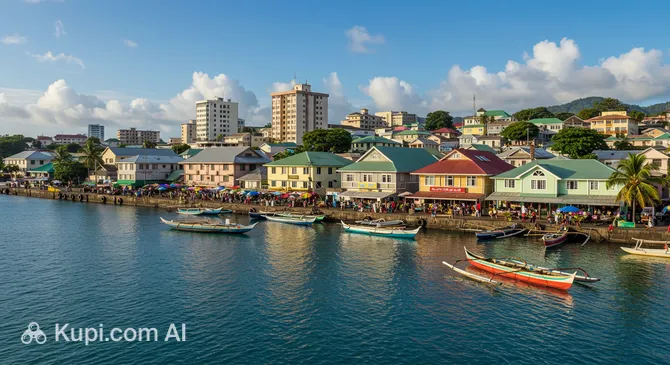
Suva. Source: Kupi.com Binoculars

Fiji's cultural heritage is no less remarkable than its natural beauty. The local people, known for their friendliness and hospitality ("Bula!" is a greeting you will hear everywhere), carefully preserve their ancient traditions, music, and dances, which are an integral part of their daily lives. The nation's capital, Suva, is a bustling port city with colonial architecture, vibrant markets, and museums. Due to Fiji's multicultural society, which includes a Muslim community, visitors will find halal food options and mosques in major towns. For a deeper insight into the islands' cultural diversity, one can visit the Sri Siva Subramaniya Temple in Nadi, a vibrant example of Fiji's rich multicultural heritage.
Currency

The national currency of Fiji is the Fijian dollar (international code FJD). Fijian dollar banknotes and coins feature colourful designs, often depicting the islands' unique flora and fauna, as well as elements of local culture. For example, some coins feature an image of a 'tabua' – a polished sperm whale's tooth, which holds significant ceremonial importance.

You can exchange foreign currency for Fijian dollars at banks, official exchange offices at airports and in major cities, as well as at some hotels. It is advisable to avoid exchanging money with private individuals. ATMs are quite common in tourist areas and cities such as Suva. Credit cards (mainly Visa and Mastercard) are accepted in most hotels, restaurants, and large shops. However, it is best to have cash on hand for smaller shops, markets, and in remote areas.

Visa Requirements

When planning a trip to Fiji, it's essential to familiarise yourself with the visa regulations in advance. For citizens of the United Arab Emirates, visa-free entry is permitted for stays of up to 90 or 120 days. However, mandatory entry requirements include a passport with at least six months of validity from your intended date of departure from Fiji. You may also be asked to provide return tickets, proof of accommodation, and evidence of sufficient funds for your stay.

Although Fiji's visa policy is generally accommodating, the rules can change. Therefore, it is highly recommended to verify the latest information on visa requirements and the list of necessary documents on the official Fiji Department of Immigration website or with the nearest Fijian embassy or consulate before you travel. This will help you avoid any unforeseen issues and ensure a smooth preparation for your paradise holiday.

We'll tell you if you need a visa

Specify where you are going, or
Your citizenship
Destination

Time Zones

When planning a trip to Fiji, you will not have to worry about changing time zones within the country. All of Fiji's islands are in a single time zone, UTC+12 (Fiji Time, FJT). For travellers from the UAE, it is useful to know that Fiji is 8 hours ahead of UAE time (UTC+4).

This single time zone makes planning your movements and activities considerably simpler. It is important to note that Fiji no longer observes Daylight Saving Time (DST), a practice that was discontinued after January 2021. The country now remains on FJT all year round, so there is no need to check for seasonal clock changes.

How to Get There

There are several ways to reach the paradise islands of Fiji, but the main and most popular method is by air travel. For travellers from the UAE, there are no direct flights to Fiji; however, convenient one-stop and two-stop flights are available. The most popular route is from Dubai International Airport (DXB) to Nadi. Major airlines like Emirates and Etihad Airways offer flights with connections through partner hubs in Australia (such as Sydney or Melbourne), or Asia (like Singapore and Hong Kong). The average flight time, including layovers, is typically over 20 hours.

Fiji's main international hub is Nadi International Airport (NAN), which receives flights from Australia, New Zealand, the USA, and several nations in Asia and the Pacific Islands. These connections make travelling to Fiji accessible from many parts of the world. The capital's Nausori Airport (SUV) in Suva also handles international flights, though on a smaller scale.

Given Fiji's island location, land transport from other countries is not possible. As for sea travel, Fiji is a popular port of call for cruise liners navigating the South Pacific. This can be an excellent way to combine a visit to Fiji with other island nations in the region. There is virtually no regular international ferry service for tourists. In any case, when planning your trip, especially during the peak season (usually June to September and during the Christmas holidays), it is advisable to book flights and accommodation in advance to secure the best prices and availability.

For clarity, here is a summary of the main airports:

Airport Name City Passenger Traffic
Nadi International AirportNadiMajor
Nausori AirportSuvaMedium
Matei AirportTaveuniSmall
Labasa AirportLabasaSmall
Savusavu AirportSavusavuSmall

Fiji is more than just an archipelago of idyllic beaches; it is a vibrant palette of experiences with something for everyone. The country offers both bustling urban centres rich in cultural heritage and secluded island resorts perfect for a relaxing getaway. Discover the diversity of Fiji by exploring its most popular destinations.

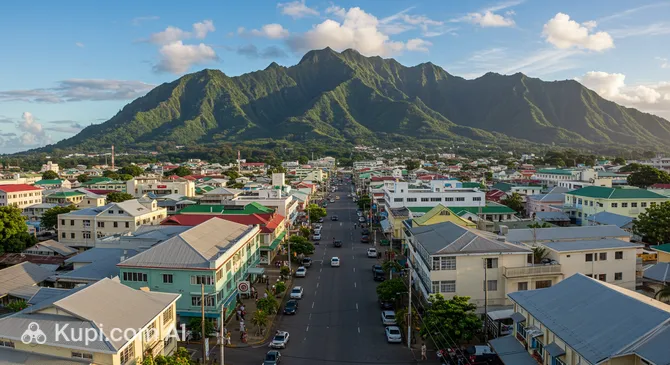
Most travellers begin their journey in Fiji in the city of Nadi, located on the main island of Viti Levu. It is not only the country's largest transport hub with an international airport but also a destination that attracts tourists with the colourful Sri Siva Subramaniya Hindu temple, bustling markets, and its proximity to the popular Denarau resort area. For Muslim travellers, Nadi offers convenient prayer facilities, including a mosque located near the international airport. Visitors to the Sri Siva Subramaniya Swami Temple should dress modestly, ensuring legs and shoulders are covered, and remove their shoes before entering. Halal food options can also be found at various local eateries.

Nadi. Source: Kupi.com Binoculars

Fiji's capital, Suva, also on Viti Levu, offers a deeper dive into the country's history and culture. Here, you can visit the Fiji Museum, stroll through colonial-era streets, and soak up the atmosphere of a lively port city. Suva is home to the Toorak Jame Masjid, among other mosques, and numerous restaurants serving halal food. If your goal is idyllic beaches and seclusion, then Yasawa Island, part of the archipelago of the same name, is your ideal choice. It is renowned for its white sandy spits and crystal-clear waters, perfect for snorkelling and diving. Equally appealing is Natadola, famous for one of the best beaches on Viti Levu, which is excellent for both swimming and surfing. When visiting local villages, it is customary to dress modestly by covering your shoulders and knees as a sign of respect for the local culture.

Top Attractions

Fiji is not just about idyllic beaches and azure waters; it is also home to incredible attractions that introduce you to the rich culture and history of the islands. There is something for everyone here, from ancient temples to bustling markets and picturesque parks, offering a unique insight into the life of this island nation.

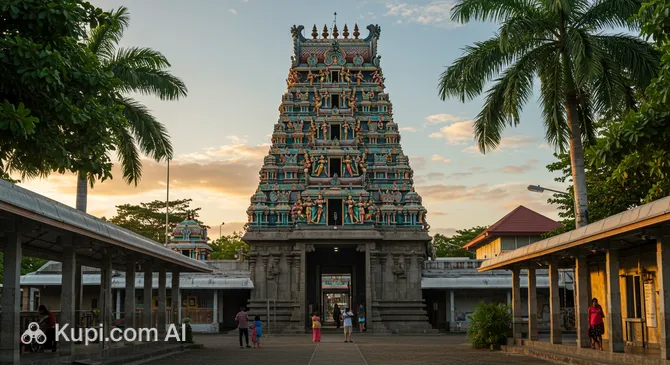
One of the most vibrant and visited attractions is the Sri Siva Subramaniya Temple in Nadi. It is the largest Hindu temple in the Southern Hemisphere, astounding visitors with its colourful architecture, detailed sculptures of deities, and serene atmosphere. A visit to the temple is an opportunity to connect with the spiritual life of Indo-Fijians and see the impressive carvings brought over by craftsmen from India. To respect the local culture, visitors are expected to dress modestly, covering their shoulders and knees, and remove their shoes before entering.

Sri Siva Subramaniya Temple. Source: Kupi.com Binoculars

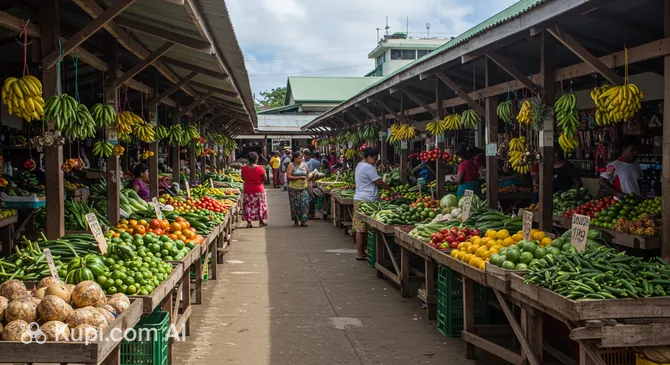
To immerse yourself in authentic local life and experience the vibrant character of Fiji, head to the Suva Municipal Market in the nation's capital, Suva. A symphony of colours, aromas, and sounds awaits you here. You can find the freshest tropical fruits, vegetables, seafood, and aromatic spices, as well as unique handmade crafts and souvenirs. It is an excellent place to get acquainted with Fijian cuisine and interact with the hospitable locals. While exploring, you will find an abundance of fresh, natural ingredients perfect for a halal meal.

Suva Municipal Market. Source: Kupi.com Binoculars

For a peaceful, family-friendly retreat and pleasant strolls, Albert Park, also located in Suva, is ideal. This historic park, named after Queen Victoria's consort, is a popular recreational spot for both locals and tourists. Here, you can wander along shaded walkways, admire the majestic government buildings nearby, and simply enjoy the peace and greenery in the heart of the bustling city.

Albert Park. Source: Kupi.com Binoculars

Best Time to Visit

Fiji is a true tropical paradise that welcomes visitors all year round, however, the weather follows a distinct seasonal pattern. The high season on the islands typically runs from May to October. During this time, you can expect dry, sunny, and warm weather with comfortable air and water temperatures, making it ideal for beach holidays, diving, snorkelling, and other water activities. Crystal-clear water and clear skies are the hallmarks of this period. However, it is worth noting that this is also the peak of tourist activity, so prices for accommodation and flights can be higher, and popular resorts may be more crowded.

The low season, or rainy season, in Fiji occurs from November to April. During these months, the weather becomes hotter and more humid, with the possibility of short but intense tropical downpours. This is also considered the cyclone season, especially from January to March. The advantages of travelling during the low season include fewer tourists, more affordable prices, and the islands' incredibly lush, emerald-green vegetation. The downsides are the unpredictable weather and high humidity. When planning your trip, take note of the local festivals: the colourful Bula Festival takes place in Nadi, usually in July or August, and the Hibiscus Festival is held in Suva in August. In autumn, the Indo-Fijian community celebrates Diwali, the festival of lights, which is a national public holiday. Although the climate across most of Fiji's islands is fairly uniform, the leeward (western) sides of the larger islands are generally drier than the windward (south-eastern) sides.

Traditions

When travelling to Fiji, you will immerse yourself in a world of unique traditions and sincere hospitality. The key word you will hear everywhere is the cheerful 'Bula!', which means not only 'hello' but also 'welcome' or 'life'. Fijians are exceptionally friendly, so a smile and an open demeanour are always appropriate. If you are invited into a village, it is a great honour. It is customary to bring a small gift called a 'sevusevu', which is traditionally the root of the yaqona (kava) plant. Before entering a home, you must always remove your shoes and any headwear. It is important to be aware of 'Fiji time'—life here is unhurried, so be patient and enjoy the relaxed pace. You should also always ask for permission before photographing local people and avoid touching anyone's head, as it is considered sacred.

Respect for local customs is also shown through your appearance. When visiting villages or religious sites, opt for modest clothing that covers your shoulders and knees; beachwear is appropriate only at the beach or by the pool. Men and women often wear a 'sulu' (a sarong), which is comfortable and adheres to local norms. During mealtimes, especially in a traditional setting, food is often served on mats on the floor. Show respect by waiting for your hosts to begin the meal or invite you to join in. It is considered impolite to point at anything with your finger—it is better to use an open hand. Fiji's cultural life is rich with festivals, most notably Fiji Day (10 October), which celebrates the country's independence with colourful parades and festivities, and Diwali, the festival of lights, which is widely celebrated by the Indo-Fijian community. Following these simple guidelines will help you to gain a deeper understanding of Fiji's culture and will make your journey even more enjoyable.

Entertainment

Fiji is a true paradise for lovers of outdoor activities, especially water sports. The crystal-clear ocean waters are an invitation to go diving and snorkelling to explore world-class coral reefs. Surfing, particularly on the outer reefs, is also popular, along with kayaking and sailing. For those who prefer to stay on land, the islands offer opportunities for hiking through tropical rainforests, discovering hidden waterfalls, and enjoying breathtaking views.

Fiji's cultural life is rich and distinctive. Tourists can experience local traditions by visiting villages, where they will be met by hospitable residents who perform traditional meke dances or offer participation in a non-alcoholic kava ceremony. In the capital, Suva, you can visit museums to learn more about the history and culture of the islands, as well as galleries featuring local artists. Shopping in Fiji is primarily about finding authentic souvenirs: wooden crafts, tapa cloth, black pearls, and colourful 'Bula' shirts. Lively markets and souvenir shops can be found in cities such as Nadi and Suva.

Nightlife in Fiji is mainly centred around the resorts, which offer themed evenings with live music and cultural performances. In larger cities like Suva, you can find bars and nightclubs with a more lively atmosphere. For family holidays, Fiji offers a multitude of options: most resorts are geared towards guests with children, providing kids' clubs, safe beaches, and a variety of entertainment programmes. The natural beauty of the islands also provides an excellent backdrop for family adventures and discovering exotic flora and fauna, while some resorts may also offer small water parks or special children's areas.

Currency rates

Planning a trip? Excellent! To ensure the financial aspects of your journey don't come as a surprise, it's important to remember that currency exchange rates are constantly changing. Therefore, we strongly advise you to monitor the latest rates both before you fly and throughout your trip. To do this, you can use the data provided below. We monitor exchange rates 24/7 and strive to provide the most up-to-date information.

Reached the end of the page?

That means the route is fully explored