Support

Savusavu

About

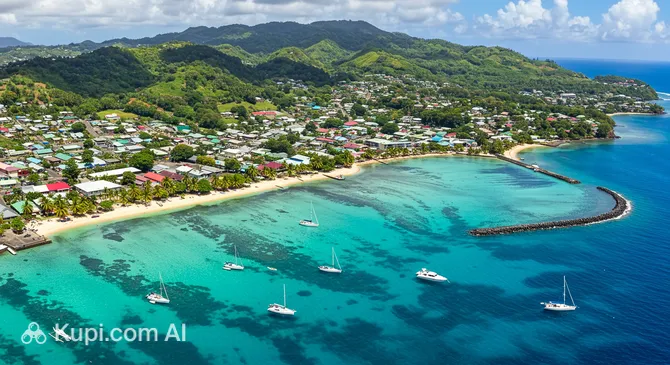
Often referred to as the "Hidden Paradise," Savusavu is a charming coastal town located on the southern coast of Vanua Levu, the second-largest island in Fiji. With a population of approximately 5,000 residents, this picturesque destination in the Cakaudrove Province offers a tranquil escape from the busier tourist hubs. Its lush green hills, sheltered bay, and laid-back atmosphere make it a favorite among travelers seeking an authentic tropical experience.

Savusavu. Source: Kupi.Binoculars

The town is renowned for its stunning natural harbor, which is a popular haven for the international yachting community. While exploring the area, visitors can delve into the fascinating history of Savusavu, which evolved from a trading post for sandalwood and beche-de-mer into a thriving copra center and tourism hotspot. Today, the town seamlessly blends its colonial heritage with the vibrant local culture, creating a welcoming environment for all who visit.

Savusavu is famous for its unique geothermal activity, most notably the Nakama Creek Hot Springs, where locals often cook food in the boiling waters. The region is also celebrated for producing some of the world's rarest pearls, and a visit to a local pearl farm is a must-do activity. For underwater enthusiasts, the surrounding waters offer spectacular diving and snorkeling opportunities amidst colorful soft corals. Whether you are looking to relax by the marina or explore nature, Savusavu promises an unforgettable journey.

Weather Overview

Savusavu enjoys a warm tropical climate year-round, making it an inviting destination for travelers seeking sun and sea, though visitors should be mindful of the region's rainfall patterns. For a more detailed breakdown for your specific travel dates, you can consult the guide to weather in Savusavu. Generally, the town experiences consistent warmth with distinct wet and dry periods.

The warmest months are typically January and February, where the average temperature hovers around 26.5°C and daily highs reach 28.5°C. This period coincides with the rainy season; January and March are particularly wet, often recording up to 30 wet days per month. Travelers visiting early in the year should expect high humidity and frequent showers.

In contrast, the months from June to August offer slightly cooler and significantly drier conditions. August is usually the coolest month, with an average temperature of 23.9°C and lows around 22.0°C. During this time, precipitation drops drastically to as low as 2mm, and the number of wet days decreases to about 14 per month, providing excellent weather for outdoor exploration.

Interesting Facts

Beyond the main attractions, Savusavu holds many fascinating secrets that reveal its rich heritage and geological wonders. This tranquil town is full of surprises, from its unique underwater treasures to its historical landmarks that have stood the test of time.

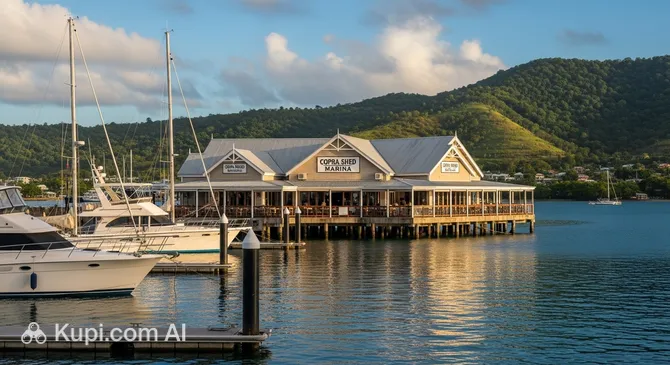
  • The Copra Shed Marina is more than just a modern yacht club; it is housed in a renovated 19th-century warehouse that stands as a testament to the town's golden era as a major center for the copra trade.

  • Savusavu Bay is often described by geologists as a submerged volcanic caldera, which explains why the water is incredibly deep and calm, earning it a reputation among sailors as one of the best "hurricane holes" in the Pacific for sheltering ships during storms.

  • The pearls cultivated in these waters are distinct from the traditional black pearls found elsewhere; the local oysters produce rare gems in spectacular hues of gold, chocolate, and pistachio due to the unique mineral composition of the bay.

  • While hot springs are common in volcanic regions, the springs here are so accessible and hot that local residents routinely bring their cooking pots to the water's edge to boil root vegetables and seafood for their daily meals.

Copra Shed Marina. Source: Kupi.Binoculars

How to Get There

Reaching the "Hidden Paradise" of Savusavu is an adventure in itself, typically involving a combination of international and domestic travel. Whether you choose a scenic flight or an overland journey across Vanua Levu, the trip offers stunning views of Fiji's landscapes. You can read more about how to get to Savusavu and the various transport options available on our detailed page.

The most convenient entry point is the local Savusavu Airport (SVU), which is situated just 2.6 km from the town center. This small regional airport receives daily flights from the main islands. Once you land, the transfer to the main town area is very quick, taking approximately 5 to 10 minutes by taxi or shuttle, allowing you to start your vacation almost immediately.

Most international travelers will first arrive at Nadi International Airport (NAN) in the city of Nadi, located about 228 km away on the main island of Viti Levu. As the country's primary gateway, it handles a large volume of passengers annually. From Nadi, you can catch a connecting domestic flight directly to Savusavu. Another viable option is to fly into Labasa Airport (LBS) in Labasa, which is approximately 35 km north of Savusavu. The drive from Labasa involves a scenic trip over the mountains, taking around 1 hour and 15 minutes by taxi or bus.

For clarity, here is a summary of the main airports facilitating travel to the region:

Airport Name City Passenger Traffic Km from City
Nadi International Airport Nadi Very High 228.6
Nausori Airport Suva High 162.5
Matei Airport Taveuni Medium 84.3
Labasa Airport Labasa Medium 34.8
Savusavu Airport Savusavu Low 2.6

Main Attractions

Savusavu may be small, but it offers a delightful array of attractions that blend history, nature, and local culture. The town's compact size allows visitors to easily explore its highlights, while the surrounding province provides lush landscapes for day trips and adventures.

A central hub for social life and history is the Copra Shed Marina. Housed in a beautifully restored 19th-century warehouse, this landmark serves as a gathering place for yachties, locals, and tourists alike. Inside, you will find a collection of waterfront restaurants, a yacht club, and boutique shops selling local crafts. It is the perfect spot to enjoy a sunset drink or a meal while watching boats gently bob in the calm waters of the bay.

For nature lovers, the Flora Tropica Gardens are a must-visit destination located just a short drive from the town center. This botanical sanctuary is situated on a hillside and offers stunning views across Savusavu Bay. The gardens specialize in palms and house one of the most extensive collections in the Pacific, including many rare and endangered species. Walking along the elevated timber boardwalks and stone paths, visitors can admire vibrant orchids, water lilies, and the lush tropical foliage that defines the island's landscape.

Another unique experience in Savusavu is a visit to the J. Hunter Pearls showroom and farm. The town is famous for producing some of the world's most exquisite pearls, known for their unusual non-traditional colors like gold, metallic green, and cranberry. Tourists can take a guided tour to learn about the intricate pearl culturing process, witness the seeding or harvesting operations depending on the season, and browse the showroom to see these gems up close.

If you are looking to explore the region's untouched wilderness, a trip to the Waisali Rainforest Reserve offers an immersive escape. Located in the mountains of Vanua Levu, this protected area preserves a patch of pristine rainforest that is home to endemic bird species and diverse plant life. A well-maintained trail leads visitors through the dense canopy to a refreshing waterfall and natural pool, providing a cool respite and a perfect setting for a swim in the heart of the jungle.

Local Cuisine

The culinary scene in Savusavu is a vibrant reflection of Fiji's diverse cultural heritage, blending indigenous traditions with distinct Indo-Fijian flavors. Thanks to its coastal location, the town is a paradise for seafood lovers, offering "sea-to-table" freshness that defines many local menus. Visitors can expect hearty, unpretentious meals prepared with organic produce grown in the fertile soils of Vanua Levu, ensuring that every bite is packed with natural flavor.

One dish that simply cannot be missed is Kokoda, often considered Fiji's national dish. It features fresh raw fish marinated in lemon or lime juice, which "cooks" the protein, before being mixed with fresh coconut cream, onions, chilies, and tomatoes. For a more traditional feast, look for a Lovo, where meats, fish, and root vegetables like taro (dalo) and cassava are slow-cooked in an underground earth oven, imparting a unique smoky taste. Additionally, savory curries served with warm roti or rice are a staple here, showcasing the region's strong Indian influence.

When it comes to beverages, the most iconic drink is Kava (or Yaqona). Made from the powdered root of a pepper plant, this non-alcoholic drink has a mild sedative effect and is central to Fijian social and ceremonial life. For something more refreshing to beat the tropical heat, fresh coconut water, known locally as Bu, is widely available at roadside stalls. Those looking for an alcoholic treat might enjoy locally produced rum or a cold bottle of Fiji Gold beer.

Dining in Savusavu ranges from casual market stalls to scenic waterfront establishments. The local market is an excellent spot to sample seasonal tropical fruits and homemade snacks in a lively atmosphere. For a relaxed meal with a view, the famous Copra Shed Marina serves as the town's social hub. Here, tourists and locals alike gather to enjoy a variety of cuisines, from fresh catch-of-the-day to international dishes, all while overlooking the yachts anchored in the tranquil bay.

Travel Tips

To help you make the most of your visit to the "Hidden Paradise" in Fiji, we have compiled a set of practical tips designed to ensure your journey is as smooth and enjoyable as the calm waters of Savusavu Bay. Whether you are here for the world-class diving or simply to unwind, a little preparation goes a long way in this laid-back tropical town.

  1. Clothing and Gear

    Given the tropical climate, lightweight and breathable fabrics like cotton or linen are best for keeping cool. Pack a raincoat or umbrella, as showers can occur even in the dry season, and bring sturdy reef shoes if you plan to explore the coral coast. While swimwear is perfect for the resort, remember to bring a sulu (sarong) or modest clothing that covers your shoulders and knees for visiting local villages or walking through town.

  2. Transportation

    Getting around Savusavu is relatively easy and affordable. Taxis are plentiful and are the most convenient way to navigate the local area; just check if the meter is running or agree on a fare beforehand. Local open-air buses offer a scenic and authentic experience for traveling between villages along the coast, though they run on a relaxed schedule. Car rentals are available but are generally not necessary unless you plan to explore remote parts of Vanua Levu independently.

  3. Finances

    The local currency is the Fijian Dollar (FJD). While major resorts and restaurants like those at the Copra Shed Marina accept credit cards, cash is king for taxis, local markets, and small shops. There are ATMs available in the main street of Savusavu town (ANZ, BSP, and Westpac), so it is wise to withdraw some cash upon arrival. Tipping is not mandatory, but leaving small change or a tip for exceptional service is always appreciated.

  4. Health and Safety

    Savusavu is a safe and friendly destination, but it is always smart to take standard precautions with your belongings. Pharmacies are available in the town center for basic needs, though they may close early and on Sundays. To stay healthy, keep hydrated (bottled water is recommended for short-term visitors) and apply plenty of high-SPF sunscreen and insect repellent, as mosquitoes can be active, especially at dusk.

  5. Communication

    English is an official language and is widely spoken, so you will have no trouble communicating. You will also hear Fijian and Fiji Hindi spoken among locals. To stay connected, you can purchase a local SIM card from Vodafone or Digicel outlets in town or at the airport. Wi-Fi is standard in most hotels and cafes, but speeds can vary, so it is a good opportunity to disconnect a little.

  6. Local Etiquette

    Locals are incredibly warm and welcoming; a friendly "Bula!" (Hello) with a smile is the standard greeting everywhere you go. When visiting a village, it is customary to present a gift of kava (yaqona) to the chief. Always remove your hat and sunglasses when entering a village or someone's home, as wearing them is considered disrespectful to the host.

  7. What to Avoid

    Avoid touching someone's head, including children, as the head is considered sacred in local culture. Additionally, do not walk around the town center or shops in bikinis or bare-chested; reserve your swimwear strictly for the beach, pool, or boat to respect local conservative standards.

  8. Sunday Planning

    Life in Savusavu slows down significantly on Sundays, which is a day of rest and church for many locals. Most shops, cafes, and services in town will be closed, and public transport is limited. It is the perfect day to relax at your resort, pre-book an excursion, or enjoy a quiet day by the sea.

By keeping these practical tips in mind, you will be well-prepared to embrace the slow pace and genuine hospitality that Savusavu is famous for. Relax into "Fiji Time," respect the local customs, and enjoy every moment of your tropical island escape.

Entertainment & Nightlife

Entertainment in Savusavu reflects the town's laid-back, "Hidden Paradise" character. Do not expect the neon lights, thumping mega-clubs, or sprawling nightlife districts found in larger cities like Suva or Nadi. Instead, the evening scene here is intimate, friendly, and revolves largely around socializing with a mix of cruising yachties, expatriates, and welcoming locals. The atmosphere is undeniably casual, where "Fiji Time" dictates the pace, and a night out usually consists of cold beers, live acoustic music, and conversations under the stars.

The epicenter of social life after dark is undoubtedly the waterfront area. The most prominent venue is the Copra Shed Marina, which serves as the town's primary gathering spot. Within this historic complex, you will find the Savusavu Yacht Club, a favorite watering hole where travelers swap stories over sunset drinks. The vibe here is relaxed and open to everyone, offering a safe and scenic environment to enjoy a glass of wine or a local rum while overlooking the bay. It is the perfect place to start your evening before deciding whether to call it a night or explore further.

For those seeking a change of scenery or a taste of local history, the options are authentic and welcoming. A standout choice is the historic Planters' Club, a long-standing institution in Savusavu that welcomes visitors. Far from a noisy nightclub, this venue offers a genuine glimpse into the town's social fabric, featuring a friendly bar, billiard tables, and a breezy veranda. It is an excellent spot to mingle with residents and enjoy beverages at affordable prices. Another option is the bar at the Hot Springs Hotel, which occasionally hosts local bands and offers a panoramic view of the harbor at night. The dress code everywhere is strictly casual; shorts and t-shirts are the norm, though a smart-casual approach is appreciated at resort bars.

Practicalities for a night out in Savusavu are simple. Most venues are located along the main street or within walking distance of the marina. However, as the town lights can be dim and sidewalks uneven, it is advisable to take a taxi if you are moving between the town center and resorts further out, such as those on Lesiaceva Road. Taxis are affordable, usually costing between 5 to 10 FJD for short local trips. Prices for drinks are reasonable, with local beers often costing significantly less than at high-end island resorts. Cash is the preferred method of payment at smaller bars, so ensure you withdraw money from an ATM during the day.

Regarding safety, Savusavu is generally very safe, but standard precautions apply. The main street is safe for walking in the early evening, but it is best to avoid unlit areas or walking alone late at night. If you need a ride, you can usually flag down a taxi on the main road or ask the bartender to call one for you. The local community is protective of its peaceful reputation, and tourists are generally looked after well.

Daytime entertainment in Savusavu stands in stark contrast to the commercialized amusement parks and multiplex cinemas of big cities. There are no large theaters, bowling alleys, or shopping malls here. Instead, daytime leisure is culturally and naturally oriented. Visitors spend their days exploring the bustling local market, visiting the J. Hunter Pearl farm, or taking excursions to nearby waterfalls. For a touch of local "amusement," watching the locals cook food in the boiling hot springs near the playing fields offers a unique cultural spectacle that replaces the need for ticketed attractions.

Parks & Museums

Savusavu is a destination where the boundaries between the outdoors and cultural exhibits blur; instead of grand indoor institutions, the entire region serves as a living museum of nature and history. The town's "green spaces" are vast, encompassing lush rainforests and botanical sanctuaries, while its cultural heritage is preserved within historic buildings and active workshops rather than static display cases.

For botany enthusiasts, the Flora Tropica Gardens is a premier attraction located just a short distance from the town center. Situated on a scenic hillside, this botanical garden is world-renowned for its extensive collection of palms, featuring over 250 species from around the globe, including many rare and endangered varieties. Visitors can wander along elevated timber boardwalks and stone paths that wind through the lush foliage, offering breathtaking panoramic views of Savusavu Bay. It is a tranquil spot perfect for a leisurely walk, birdwatching, and admiring vibrant orchids and water lilies.

Another significant natural area is the Waisali Rainforest Reserve, a protected park located in the mountains of Vanua Levu. This reserve offers a pristine glimpse into Fiji's unlogged wilderness and is a vital habitat for endemic birds and native plants. Well-maintained trails lead adventurous visitors through the dense canopy, eventually revealing a stunning waterfall and a natural swimming pool. It is an ideal location for those looking to immerse themselves in the island's raw beauty and enjoy a refreshing dip in cool, fresh mountain water.

While the town does not possess large traditional museums, the Copra Shed Marina stands as a significant historical landmark that functions as a cultural hub. The building itself is a piece of history, a renovated 19th-century warehouse that was once the center of the region's booming copra (dried coconut meat) trade. Today, it preserves the architectural charm of the colonial era while hosting a small art gallery and shops where local artisans display their crafts, effectively serving as a testament to the town's commercial heritage.

Cultural insight can also be found at the J. Hunter Pearls showroom. Although primarily a jewelry center, it offers an educational experience comparable to a specialized museum. Visitors can view displays explaining the intricate biology of pearl oysters and the unique grafting techniques used to produce Fiji's rare golden and champagne-colored pearls. The venue provides a deep dive into an industry that is culturally and economically vital to the community, allowing tourists to appreciate the skill and patience required to cultivate these marine gems.

For a truly authentic experience, look out for the Nakama Creek Hot Springs near the center of town. While not a park in the conventional sense, this geothermal area is a natural gathering place where steam rises perpetually from the ground. It offers a fascinating look at local life, as residents frequently use the boiling springs to cook root vegetables and seafood in sacks, a tradition that has continued for generations.

Getting Around

Navigating Savusavu is refreshingly simple and stress-free, reflecting the town's small size and laid-back atmosphere. Unlike bustling metropolises, there are no complex metro systems, trams, or trains here. The town center is compact enough to be explored comfortably on foot, with most shops, the market, and the marina located along the single main coastal road. For longer distances or trips to nearby resorts and villages, the transport network relies primarily on buses, taxis, and local carriers.

Public buses are the most authentic and affordable way to travel along the coast or across the island to Labasa. The local bus station is situated near the municipal market. These buses often feature open windows (or no windows at all), providing a breezy, scenic ride. However, schedules can be somewhat flexible, operating on "island time," so patience is a virtue. Buses generally run frequently during the day but service tapers off significantly in the late afternoon and is very limited on Sundays.

A crucial detail for tourists using public buses in Savusavu (and all of Fiji) is the mandatory eTransport Card system. Cash is not accepted on board. You must purchase a disposable or top-up eTransport card from authorized agents, such as Vodafone or Digicel outlets, which are easily found in the town center. Fares are incredibly low, often costing just a few dollars depending on the distance. To use the card, simply tap it on the machine near the driver when boarding; a receipt will be issued indicating your remaining balance.

Taxis are the most convenient option for visitors who prefer direct transport without waiting. They are plentiful and can be found lined up at the market taxi stand or flagged down along the main road. While taxis in Fiji are legally required to have meters, they are rarely used in smaller towns like Savusavu. It is standard practice to agree on a fare with the driver before getting in. Local trips within the town usually cost between 5 to 10 FJD. Unlike buses, taxis operate strictly on a cash-only basis, so carry small denominations.

For a more rugged local experience, you might see carriers—small trucks or vans with bench seating in the back covered by a tarp. These depart from the bus station area and serve remote villages and unpaved roads that standard buses might not reach. They are faster than buses but offer less comfort. Payment for carriers is typically in cash directly to the driver.

Car rentals are available for those who wish to explore Vanua Levu independently, with a few local and international agencies operating in town and at the airport. Driving allows you to discover hidden bays and the rainforest interior at your own pace. However, be aware that while the main Hibiscus Highway is paved, many side roads are gravel and can be rough, so a 4WD vehicle is often recommended. Traffic is light, but watch out for pedestrians and livestock on the roads.

Accommodation

Where to Stay:

Accommodation in Savusavu perfectly mirrors the town's reputation as Fiji's "Hidden Paradise." Rather than high-rise concrete hotels or massive commercial chains, the lodging landscape here is defined by intimate boutique resorts, eco-friendly lodges, and charming guesthouses. The options cater to a wide spectrum of travelers, ranging from backpackers seeking simple beds to honeymooners looking for ultra-luxury private villas tucked away in the rainforest or perched on the water's edge.

For those who prioritize convenience and budget, the town center and the immediate waterfront area are the best places to stay. Accommodations here are typically modest hotels, motels, or hostels that offer easy walking access to the market, bus station, and social hubs like the Copra Shed Marina. Staying centrally allows visitors to immerse themselves in local life without the need for constant taxi rides.

Travelers seeking tranquility and ocean views often choose properties located along Lesiaceva Point Road, which stretches west from the town. This coastal strip is home to several mid-range to high-end resorts that offer a sense of seclusion while remaining just a short drive from the town's amenities. Further afield, along the Hibiscus Highway or on nearby private islands, you will find exclusive diving resorts and eco-retreats designed for complete immersion in nature, often featuring all-inclusive packages.

Booking Tips and Prices:

Prices in Savusavu can vary significantly. Budget travelers can find dormitory beds or simple rooms for reasonable rates, while mid-range boutique hotels offer comfortable amenities at a moderate price point. The luxury segment, particularly the exclusive island resorts, commands premium prices but often includes meals, transfers, and activities. It is highly recommended to book in advance, especially if you plan to visit during the peak seasons of June to August or December and January, as the smaller size of these properties means they can fill up quickly. Most accommodations can be booked via major online platforms, though contacting smaller eco-lodges directly can sometimes yield better personalized offers.

Nearby Cities

For those looking to explore the surroundings, Savusavu serves as an excellent base for day trips to several interesting nearby locations:

City Population Distance (km)
Suva 185913 179
Nadi 71048 231
Nausori 57882 163
Lautoka 52220 220
Labasa 27949 39

Among these destinations, Labasa is the most practical choice for a road-based day trip from Savusavu. Located on the northern side of Vanua Levu, it is reached via a scenic drive over the mountains that takes approximately 90 minutes. Known as the "Sugar City," Labasa is the administrative center of the North and offers a vibrant atmosphere distinct from the tourist areas. Visitors can explore the bustling local market, which is excellent for spices and textiles, or visit the Naag Mandir Temple to see the famous Cobra Rock, a site of local spiritual significance.

For travelers willing to take a short domestic flight, the capital city of Suva on the main island of Viti Levu makes for an exciting urban excursion. As the political and cultural heart of the country, Suva offers a mix of colonial architecture and modern life. Key attractions include the Fiji Museum, which houses an impressive collection of archaeological artifacts, and the Colo-i-Suva Forest Park, a lush rainforest retreat with walking trails and waterfalls located just outside the city center.

These nearby destinations offer a glimpse into the diverse culture and landscapes of the region.

Shopping & Souvenirs

Shopping in Savusavu is a relaxed and authentic experience that reflects the town's easygoing "Hidden Paradise" atmosphere. Unlike the bustling commercial hubs of Viti Levu, you will not find sprawling shopping malls or high-end designer boutiques here. Instead, the retail scene focuses on practical essentials, locally made handicrafts, and unique island treasures, offering a chance to engage with friendly shopkeepers and discover the region's culture through its products.

The town’s commercial activity is concentrated almost entirely along the Main Street, which runs parallel to the sparkling waters of the bay. This single thoroughfare is lined with a mix of supermarkets, hardware stores, and small draperies. A stroll down this road allows visitors to browse through colorful "Bula" shirts, sulus (sarongs), and general merchandise while enjoying the sea breeze. It is a compact area where everything is within walking distance, making for a stress-free shopping excursion.

While there are no large modern malls, the Copra Shed Marina offers a sophisticated shopping experience in a historic setting. This renovated warehouse complex houses a selection of boutiques that cater specifically to tourists and yachties. Here, you can find high-quality resort wear, artisan jewelry, and distinct souvenirs in a clean and air-conditioned environment. It stands out as the town's premier spot for browsing upscale gifts before relaxing at a waterfront café.

For a true taste of local life, the Savusavu Municipal Market is the vibrant heart of the community. Located near the bus station, this bustling marketplace is filled with vendors selling mounds of fresh tropical fruits, root vegetables, and freshly caught seafood. Saturday mornings are particularly lively, as farmers from the surrounding villages bring their produce to town. It is also an excellent place to buy spices, woven mats, and bottles of pure coconut oil directly from the producers.

When searching for souvenirs, Savusavu is world-famous for its pearls. The pristine waters of the bay produce rare pearls in unique hues of gold, champagne, and chocolate. Visiting a local pearl showroom is a highlight for many, offering the chance to purchase certified jewelry that is truly unique to this part of Fiji. Other popular keepsakes include handmade wooden carvings, locally produced soaps, and kava bowls (tanoa), which make for meaningful reminders of your trip.

Stores generally open around 8:00 AM and close by 5:00 PM on weekdays. On Saturdays, many businesses, including the market, close early around 1:00 PM, and almost everything is closed on Sundays. Cash is the preferred payment method for the market, taxis, and smaller shops, so it is wise to carry Fijian Dollars. However, major supermarkets, the pearl shops, and boutiques at the marina typically accept credit cards.

Tourists should also be aware of the Tourist VAT Refund Scheme. If you purchase goods totaling over 500 FJD from registered retailers, you may be eligible to claim a refund of the Value Added Tax upon departure from Fiji. Look for the "Tax Free" signage in shop windows, particularly at jewelry stores and larger souvenir outlets, and remember to ask for the necessary forms and receipts at the time of purchase.
Reached the end of the page?

That means the route is fully explored