Support

Labasa

About

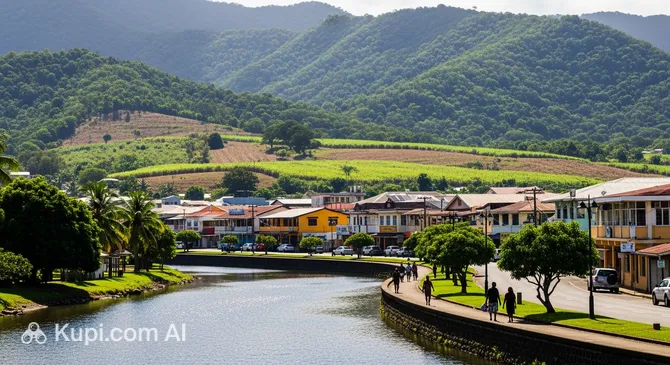
Welcome to Labasa, a vibrant and bustling town located on the northeastern coast of Vanua Levu, the second-largest island in Fiji. Often referred to as the "Friendly North," Labasa serves as the administrative center of the Macuata province and offers a distinctively authentic experience away from the typical tourist trails. With a population of approximately 28,000 residents, it is a thriving hub of commerce and culture, sitting on a fertile delta formed by the Wailevu, Labasa, and Qawa rivers.

Labasa. Source: Kupi.Binoculars

The town is predominantly known for its agricultural significance, particularly as a major center for the country's sugar cane industry. The history of Labasa is deeply intertwined with the development of sugar plantations, which has shaped the local demographics and culture over the decades. Today, the town consists of a single main street lined with shops, surrounded by rolling hills of green cane fields that create a picturesque backdrop for visitors.

Travelers visiting Labasa should not miss the opportunity to explore the Labasa Market, which is widely celebrated for its fresh produce, spices, and seafood, offering a sensory dive into local life. Another notable site is the Naag Mandir (Snake Temple), a unique spiritual landmark that attracts devotees and curious tourists alike. Whether you are passing through on your way to Savusavu or looking to experience the genuine warmth of the local community, Labasa provides a fascinating glimpse into the everyday life of the Fijian people.

Weather Overview

Labasa experiences a tropical climate characterized by consistent warmth throughout the year, making it a destination suitable for visits at any time. The average temperatures remain stable, typically hovering between 24°C and 27°C. Even during the cooler months of July and August, the minimum temperatures rarely drop below 22°C, ensuring a comfortable atmosphere for outdoor activities.

Travelers should be aware of the distinct seasonal rainfall patterns when planning their trip. The beginning of the year marks the wet season, particularly from January to March, where the number of wet days can reach up to 29 per month. In contrast, the period from June to September is significantly drier, with fewer rainy days and slightly cooler averages. For specific forecasts and monthly breakdowns, you can consult the guide to the weather in Labasa.

Expect warm days year-round with frequent rainfall in the summer months and drier, pleasant conditions during the winter period.

Interesting Facts

Beyond the bustling markets and vast sugar mills, Labasa holds intriguing secrets and local legends that many visitors overlook. From mystical natural phenomena to unique industrial heritage, this town offers stories that truly set it apart from other Fijian destinations.

  • The Growing Stone of Naag Mandir: One of the town's most curious attractions is the Naag Mandir temple, which houses a sacred cobra-shaped rock. Locals and devotees believe the stone possesses divine powers and has actually grown in height over the decades. The roof of the temple has reportedly been raised several times to accommodate the rock's increasing size, making it a site of deep spiritual significance and mystery.

  • The Legend of the Floating Island: Just a short drive from the town center lies the village of Nakoroutari, home to a small lake with a legendary "floating island." According to local folklore, this piece of land moves across the water on its own, and it is strictly forbidden to poke or damage the vegetation on it, as doing so is said to bring bad luck or illness.

  • A Railway Without Passengers: Labasa boasts an extensive narrow-gauge railway network that weaves through the countryside, but you won't find any ticket booths here. These trains are exclusively used to transport harvested sugar cane to the local mill during the crushing season. Seeing these industrial trains chugging through the green fields is a unique spectacle that defines the region's landscape.

  • The Three Rivers Delta: Unlike many coastal towns in the region that sit directly on the oceanfront, Labasa is built on a delta formed by three rivers: the Labasa, Qawa, and Wailevu. This unique geography means the town is surrounded by meandering waterways and fertile silt, which is the secret behind the area's incredibly productive agriculture.

How to Get There

Reaching the friendly town of Labasa is an adventure that typically begins with a journey to the island of Vanua Levu. While the town is tucked away from the main tourist hubs, it is well-connected by air and sea. Most visitors arrive via a short domestic flight, offering stunning aerial views of the reefs and lush landscapes below. For a detailed breakdown of routes and transport tips, you can read more about how to get to Labasa.

The most direct way to arrive is through Labasa Airport (IATA: LBS), which is conveniently located just outside the main town area. As the primary gateway for the province, it handles regular domestic connections from the main island of Viti Levu. The airport is situated approximately 5.1 km from the town center. Once you land, a trip to the heart of Labasa by taxi or shuttle is quick and easy, taking just a short drive.

For international travelers, the journey usually starts at Nadi International Airport (IATA: NAN) in the city of Nadi. This is the country's main international hub, located about 252 km away from Labasa. From here, tourists typically transfer to a domestic flight to reach the north. While overland and sea travel is possible via ferries, it is a long expedition; a theoretical trip by taxi and ferry would be a full-day journey requiring careful planning.

Another option on the same island is Savusavu Airport (IATA: SVU), located in the town of Savusavu, about 41.3 km from Labasa. This scenic route allows visitors to see more of Vanua Levu. The drive from Savusavu to Labasa is a scenic trip of over an hour by taxi or bus, winding through beautiful tropical scenery.

For clarity, here is a summary of the main airports serving the region:

Airport Name City Passenger Traffic Km from City
Nadi International Airport Nadi Large 252.1
Nausori Airport Suva Medium 198.2
Matei Airport Taveuni Small 85.4
Labasa Airport Labasa Small 5.1
Savusavu Airport Savusavu Small 41.3

Main Attractions

While Labasa is primarily an agricultural and administrative hub, it offers a selection of unique sites that provide a deep dive into the culture and natural beauty of Vanua Levu. The attractions here are less about polished tourism and more about authentic local experiences, ranging from spiritual landmarks to natural wonders.

Naag Mandir (Snake Temple) is arguably the most famous landmark in the region. Located just outside the town, this Hindu temple is dedicated to the Cobra King deity. It attracts pilgrims and curious travelers alike who come to see the sacred stone that is believed to have grown naturally over the years. The site is vibrant with colors and often filled with offerings of flowers and milk, providing a serene atmosphere for reflection and a chance to witness local religious devotion firsthand.

For a relaxing escape into nature, the Waiqele Hot Springs are a must-visit. Situated a short drive from the town center, these natural geothermal pools are tucked away amidst cane fields and lush vegetation. The springs are known for their therapeutic properties, and it is not uncommon to see locals enjoying a warm bath or even cooking root crops in the boiling sections of the water. It is a rustic and unpretentious spot that offers a genuine connection to the island's volcanic geology.

Travelers looking to cool off by the ocean should head to Korovatu Beach. Unlike the white sandy beaches found elsewhere in Fiji, Korovatu features distinct dark volcanic sand and is a popular picnic spot for local families. It offers a quiet environment to watch the waves, enjoy a sea breeze, and observe the daily life of the coastal community away from the crowds of major resorts.

Back in the heart of town, the Labasa Market is an attraction in itself. While it is a place of commerce, it is famous across Fiji for its unique "Labasa sweets" and savory snacks. Visitors can wander through the aisles to taste these local delicacies, buy fresh tropical fruits, and engage with the friendly vendors. The market captures the essence of the "Friendly North" and is the perfect place to pick up a tasty souvenir.

Local Cuisine

The culinary landscape of Labasa is a vibrant reflection of its diverse population, heavily influenced by the town's large Indo-Fijian community. Unlike the resort-heavy menus found elsewhere in Fiji, the food here is authentically local, spicy, and unpretentious. The town is widely regarded as the best place in the country to enjoy rich, homemade-style curries, particularly duck and goat curry, which are local specialties often served with fresh roti or rice. Seafood lovers will also find plenty to admire, especially the classic Fijian dish Kokoda—raw fish marinated in citrus juice and coconut cream with chilies and onions.

A trip to Labasa is incomplete without exploring its famous snacking culture. The town is renowned across Fiji for its unique "Labasa Sweets" (mithai), a variety of colorful, milk-based Indian confections that are sold in sweet shops and market stalls. Visitors should also try the savory "bean" mixes—a crunchy blend of peas, peanuts, and spices that locals munch on throughout the day. For a quick and filling meal, look for fish parcels wrapped in leaves, often sold ready-to-eat at the market, offering a smoky and savory taste of the ocean.

The heart of the food scene is undoubtedly the Labasa Market. This is not just a place to buy ingredients but a social hub where you can taste the freshest produce Vanua Levu has to offer. Locals and tourists alike flock here for seasonal tropical fruits like pineapples, watermelons, and mangoes, which are incredibly sweet and juicy in this region. While there are several sit-down restaurants in town serving Chinese and Indian cuisine, the market offers the most genuine glimpse into the daily diet of the people.

When it comes to drinks, Kava (or "grog") remains the most culturally significant beverage. It is widely consumed in social settings and ceremonies, and you will often see it being mixed in large tanoa bowls. For a non-alcoholic refresher, nothing beats an ice-cold fresh coconut (bu) or a glass of freshly squeezed fruit juice from a market vendor, providing a perfect way to cool down in Labasa's warm tropical climate.

Travel Tips

Visiting Labasa offers a unique glimpse into the authentic lifestyle of Vanua Levu, but a little preparation goes a long way in this non-touristy region. To help you navigate the "Friendly North" with ease, here are some practical tips to ensure your stay is comfortable and respectful of local customs.

  1. Clothing and Gear: Given the tropical heat, pack lightweight, breathable fabrics like cotton or linen. Since Labasa is a conservative town with a strong cultural heritage, modesty is important; avoid wearing swimwear or revealing clothes away from the pool. If you plan to visit the Naag Mandir or other religious sites, you must dress modestly, covering your shoulders and knees. Comfortable slip-on shoes are highly recommended as you will frequently need to remove them when entering homes or temples.

  2. Transportation: The most convenient way to get around the town and its outskirts is by taxi. They are abundant, affordable, and easy to flag down on the main street. While many taxis have meters, it is often a good practice to agree on a fare before starting a longer journey to attractions like the hot springs. Local open-air buses are a cheaper, more adventurous option and provide a great way to mingle with locals, though they run on a more relaxed schedule.

  3. Finances: The local currency is the Fijian Dollar (FJD). While larger hotels and supermarkets may accept credit cards, cash is absolute king in Labasa, especially at the famous market, small canteens, and convenience stores. ATMs are readily available along the main street (Naseakula Road). Tipping is not mandatory in Fiji, but leaving small change or a sincere "thank you" is always appreciated for good service.

  4. Health and Safety: Labasa is generally safe, but standard precautions apply; avoid walking alone in poorly lit areas at night. Pharmacies are available in the town center for basic supplies, but they may close by early evening. As in many tropical destinations, mosquitoes can be a nuisance, so carrying a good insect repellent is essential. It is also advisable to drink bottled or boiled water rather than tap water to avoid any stomach issues.

  5. Communication: English is widely spoken and is the official language, so you will have no trouble communicating. However, due to the large Indo-Fijian population in Labasa, Fiji Hindi is the primary language of daily life. Learning a few words like "Namaste" (Hello) or the universal Fijian greeting "Bula" (Hello/Welcome) will go a long way in earning smiles from the locals. Pre-paid SIM cards from major providers like Vodafone or Digicel can be easily purchased in town for data access.

  6. Local Etiquette: Fijians are incredibly hospitable, but they value respect. Always remove your shoes before entering a private home or a temple. When interacting with locals, be polite and patient; rushing or showing frustration is considered rude. It is also customary to ask for permission before taking close-up photos of people, particularly in the market.

  7. What to Avoid: Do not walk around the town center shirtless or in bikini tops; this is considered disrespectful in a working town like Labasa. Also, avoid touching someone's head (including children), as the head is considered sacred in iTaukei (indigenous Fijian) culture, and while Labasa is multicultural, respecting this norm is a safe bet.

  8. Sunday Shutdown: Be aware that Labasa is a quiet town on Sundays. Most shops, the market, and many restaurants will be closed as locals spend the day with family or at church. If you are visiting on a Sunday, plan your meals and activities in advance, or arrange to eat at your hotel.

By keeping these practical tips in mind, you will find it easy to settle into the relaxed rhythm of Labasa. The town's charm lies in its people and its unhurried pace, so embrace the "Labasa time" and enjoy a truly genuine travel experience.

Entertainment & Nightlife

Entertainment and nightlife in Labasa differ significantly from the tourist-heavy hubs of Viti Levu. Here, the evening scene is local, unpretentious, and centered around socializing rather than high-energy partying. The town is not famous for glitzy nightclubs or expansive entertainment districts; instead, it offers a laid-back atmosphere where visitors can enjoy a cold beer, listen to local music, and mingle with the friendly residents. The primary hub for activity is Naseakula Road, the town's main artery, where most restaurants, hotels, and shops are located.

For a relaxed evening, the hotel bars are the most popular and reliable options for travelers. The Grand Eastern Hotel is a favorite spot, featuring a poolside bar and restaurant that offers a serene setting for a sunset drink. It is an ideal place to unwind with a cocktail or a glass of wine while enjoying the cooler evening breeze coming off the river. Another notable venue is the Hotel North Pole, which is centrally located and often serves as a meeting point for both locals and business travelers. The atmosphere here is casual, and it provides a comfortable environment to experience the local social scene without the intensity of a crowded club.

If you are looking for something livelier, there are a few local clubs and upstairs bars along the main street that play a mix of Bollywood hits, Fijian tunes, and Western pop. These venues tend to be simple and loud, attracting a predominantly local crowd. The dress code throughout the town is very casual; jeans and a neat shirt are perfectly acceptable everywhere. Prices for drinks and entry are significantly lower than in Nadi or Suva, making a night out in Labasa very affordable.

When venturing out at night, safety should be a priority. While Labasa is generally safe, the streets can become very quiet and dimly lit after the shops close. It is advisable to avoid walking long distances alone late at night. Taxis are plentiful and inexpensive, so the best practice is to hail a cab or have your hotel call one for you when moving between venues or returning to your accommodation. Most nightlife wraps up relatively early compared to international standards, so don't expect parties to last until dawn.

For daytime entertainment, the options are modest but charming. The Elite Cinema on the main street is a popular pastime for locals, screening the latest Bollywood blockbusters and select Hollywood films. It offers a classic movie-going experience and a cool escape from the midday heat. Additionally, during festivals or special occasions, the local grounds may host funfairs or rugby matches, which are the true heartbeat of entertainment in this sports-loving town.

Parks & Museums

While Labasa is not defined by manicured city parks or sprawling national museums, its charm lies in its "living" heritage and the raw, unpolished beauty of its natural surroundings. Instead of ticketed galleries, the town offers open-air cultural experiences where history is etched into the architecture of temples and the rusted iron of industrial landmarks. Visitors here will find that the green spaces are functional and community-centered, offering a genuine look at how locals relax and socialize.

The Labasa Botanical Gardens is the town's primary green lung, conveniently located near the main hospital and courthouse. Unlike the floral displays found in temperate climates, this garden is a sanctuary of shade, dominated by massive rain trees (Baka trees) that provide a cool refuge from the intense Vanua Levu sun. It is a popular spot for locals to take a break during the workday and is home to the town's only public swimming pool, making it a lively hub for families on weekends. For tourists, it offers a peaceful place to observe the slow, relaxed pace of Labasa life.

For a more rugged natural experience, a trip to Korovatu Beach is essential. Located about 15 kilometers from the town center, this is not your typical white-sand resort beach but a striking stretch of dark volcanic sand that reflects the island's geological history. It serves as the main coastal park for the region, where families gather for picnics under the coconut palms. The shallow waters and distinct landscape make it an interesting spot for photography and a quiet escape from the bustle of the main street.

In terms of cultural repositories, the Naag Mandir (Snake Temple) functions as the region's most significant cultural and spiritual "gallery." While it is an active place of worship rather than a museum, the temple complex offers deep insights into the Indo-Fijian heritage that defines Labasa. Visitors can view the sacred Cobra Rock, which is adorned with flowers and offerings, and observe the vibrant statues and architectural details that tell stories of faith and migration. It provides a more vivid connection to the local history than any static exhibit could.

The Labasa Sugar Mill stands as a monumental symbol of the town's industrial past and present. Although it does not have a formal visitor center, the mill itself is a historical juggernaut that dominates the town's skyline. During the crushing season, the sight of the cane trains and the activity around the mill offers a real-time lesson in the economic history of Fiji. For those interested in architecture, the nearby Sangam Temple (Sri Subramaniya Swami Temple) showcases Dravidian-style design and serves as another key venue for cultural festivals.

For a truly unique "insider" experience, ask a local driver to take you to the viewing point for the Three Sisters Mountains. These three distinct volcanic peaks form a legendary backdrop to the town and are steeped in local folklore. Seeing them frame the emerald green sugar cane fields provides one of the most iconic and photogenic views in the Northern Division, far removed from the commercial tourism of the main islands.

Getting Around

The public transport system in Labasa is relatively simple and entirely road-based, reflecting the town's size and relaxed pace. Unlike larger global cities, there is no metro, tram, or train service for passengers. Instead, the local transport network relies heavily on a mix of open-air buses, taxis, and carrier trucks that connect the town center with the surrounding sugar cane farming communities and the airport. For tourists, this lack of complexity means getting around is straightforward, though it requires a bit of local know-how regarding schedules and payment methods.

Buses are the primary mode of public transit and offer a distinctively Fijian experience. Many of the buses operating in Labasa are of the older, open-window variety, which provides natural air conditioning and a great view of the passing scenery. These buses run along the main Naseakula Road and branch out to nearby villages. While they are an affordable way to travel, they do not operate on a strict minute-by-minute timetable like in major capitals; instead, they generally depart when they are full or according to a rough schedule known to locals.

A crucial detail for visitors is the payment system for buses. Fiji has implemented a mandatory cashless system known as the eTransport Card. You cannot pay the driver with cash. Tourists wishing to use the bus must purchase a disposable or top-up eTransport card, which can be bought at Vodafone outlets, Valuefone shops, or authorized merchants often located near the bus stand. To pay, you simply tap the card on the machine installed near the driver's seat when boarding. Fares are very low, usually costing just a few dollars depending on the distance.

For those seeking more convenience and flexibility, taxis are the most popular alternative. You will easily recognize them by their yellow number plates (starting with "LT"). Taxis in Labasa are abundant and relatively inexpensive compared to international standards. While many are equipped with meters, it is common practice to agree on a fare before starting a journey, especially for longer trips such as to the hot springs or the airport. Unlike buses, taxis operate exclusively on a cash-only basis, so it is essential to carry small denominations of Fijian dollars.

Another local form of transport is the "carrier"—small trucks with a covered seating area in the back. These are typically used by locals to transport goods and people between the market and rural villages. While adventurous tourists can use them, they can be crowded and less comfortable than standard buses. Car rentals are available but are limited compared to the main island; most visitors find that the combination of walking within the compact town center and using taxis for excursions is sufficient.

Travelers should be mindful of operating hours. Public buses run frequently during the day but services taper off significantly after 5:00 PM and are very limited on Sundays. If you plan to stay out late, be sure to have the number of a reliable taxi driver or arrange transport through your hotel. Additionally, the famous narrow-gauge railway tracks you see crossing the roads are strictly for sugar cane trains and do not carry passengers, so do not attempt to use them for travel.
Accommodation

Accommodation in Labasa is primarily designed to cater to business travelers, government officials, and visitors exploring the "Friendly North." Unlike the sprawling luxury resorts found on the main island of Fiji, the hotels here are smaller, unpretentious, and focused on providing practical comfort. Most options are conveniently located along or near the main thoroughfare, Naseakula Road, placing guests within easy walking distance of the bustling market, shops, and administrative centers.

For those seeking the most comfortable stay in town, the riverside hotels offer the best amenities. These establishments typically feature air-conditioned rooms, on-site restaurants serving fresh local cuisine, and swimming pools—a highly desirable feature given the region's warm tropical climate. The premier hotel in this category often acts as a social hub for the town, where locals and visitors gather for evening meals or a drink by the water, offering a pleasant atmosphere to unwind after a day of travel.

Travelers on a tighter budget will find several reliable motels and guest houses scattered around the town center. These venues provide clean, basic facilities and are often family-run, ensuring a warm and personal welcome. While they may lack resort-style luxuries, they offer excellent value for money and a chance to experience the genuine hospitality of the Macuata province. Wi-Fi access and secure parking are generally available, though connection speeds can vary compared to international standards.

It is important to note that accommodation capacity in Labasa is somewhat limited compared to major tourist hubs. During the peak sugar cane crushing season or major local festivals, rooms can fill up quickly with industry workers and returning families. Therefore, it is highly recommended to book your stay in advance to secure your preferred lodging. Whether you choose a riverside room or a central motel, you will find that the friendly service more than makes up for the lack of five-star opulence.

Nearby Cities

For those looking to explore the surroundings, Labasa serves as an excellent base for day trips to several interesting nearby locations. While the town acts as the commercial heart of the north, a short journey outward reveals the stunning natural diversity and distinct character of Vanua Levu island.

Savusavu is the most popular destination for a day trip, located approximately 90 minutes away by road. Often referred to as the "Hidden Paradise," this town on the southern coast offers a stark contrast to Labasa with its yacht-filled harbor, tourism-focused atmosphere, and natural geothermal hot springs. The drive itself is an attraction, winding through the central mountain range and offering panoramic views of the lush interior before descending to the sea. Visitors can enjoy lunch at the marina, snorkel in the bay, or simply soak in the relaxed vibe before heading back.

For a more nature-centric experience, the region around Natewa Bay offers incredible scenery. As the largest bay in the South Pacific, it is a haven for spinner dolphins and pristine coral reefs. A trip in this direction allows travelers to step off the beaten path, driving past traditional villages and coconut plantations. It is an ideal spot for eco-tourists looking to experience the rugged and untouched beauty of the island's coastline.

While Labasa is on the island of Vanua Levu, it is well-connected by air to the major cities on the main island of Viti Levu. The table below lists these key urban centers, which are accessible via short domestic flights, along with their approximate straight-line distances:

City Population Distance (km)
Suva 185913 214
Nadi 71048 255
Nausori 57882 198
Lautoka 52220 241
Lami 20529 212

These nearby destinations offer a glimpse into the diverse culture and landscapes of the region, ranging from the bustling capital to the serene bays of the north.

Shopping & Souvenirs

Shopping in Labasa offers a refreshing departure from the polished duty-free malls and souvenir shops found in the main tourist hubs of Fiji. Instead of luxury brands, visitors will discover a bustling, authentic commercial center that caters to the everyday needs of the Vanua Levu population. The experience here is vibrant, unpretentious, and deeply rooted in the local culture, providing a unique opportunity to engage with the community while hunting for distinct regional treasures.

The undisputed heart of the town's retail activity is the Labasa Market. Widely regarded as one of the most well-stocked and diverse markets in the country, it is a sensory delight filled with the aroma of fresh herbs and the bright colors of tropical produce. For travelers, this is the premier spot to purchase locally grown spices, homemade pickles, and potent curry powders. These culinary staples reflect the town's rich Indo-Fijian heritage and make for excellent, lightweight gifts to take home.

One specific item that puts this town on the map is its confectionery. Labasa is famous throughout the archipelago for its unique "Labasa Sweets" (mithai). These colorful, milk-based Indian treats are a local specialty, and you will find numerous sweet shops along the main street and stalls within the market selling them by the box. They are perfect for sharing and offer a sweet taste of the "Friendly North."

The town's main thoroughfare, Naseakula Road, is lined with a continuous row of general merchants, drapery stores, and jewelers. This is the best place to browse for textiles. Given the local demographics, visitors can find an impressive selection of saris, intricate fabrics, and Bollywood-inspired fashion at very reasonable prices. Additionally, shops here stock a wide variety of "Bula" shirts and sulus (sarongs), which are essential for blending in with the relaxed island style.

Before heading out, keep a few practical tips in mind to navigate the local shopping scene smoothly:

  • Cash is Essential: While a few major supermarkets may accept credit cards, the vast majority of small shops, market vendors, and sweet stalls operate on a cash-only basis. Be sure to visit an ATM on the main street before starting your spree.

  • Timing Matters: The town is busiest and most vibrant on Fridays and Saturdays when farmers from outlying areas come to sell their goods. Conversely, Labasa shuts down almost completely on Sundays, with nearly all shops and the market closing their doors.

  • Bargaining: In retail stores with price tags, prices are fixed. However, in the market, polite negotiation is acceptable, especially if you are purchasing multiple items or buying produce in bulk.

Reached the end of the page?

That means the route is fully explored