Support

Lakeba

About

Lakeba is an island of immense cultural significance and natural beauty, often considered the chiefly capital of the Lau Group. As the administrative center of the province, it holds a prestigious place in the heritage of Fiji. This limestone and volcanic island offers visitors a rare glimpse into a traditional way of life that has remained largely unchanged for generations, making it a compelling destination for those seeking an authentic Pacific experience.
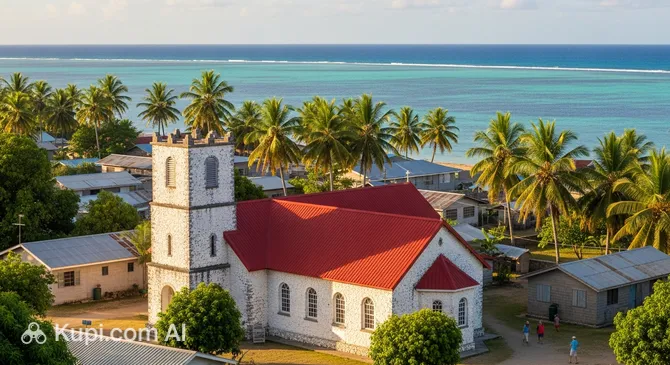
Lakeba. Source: Kupi.Binoculars

Geographically, Lakeba is characterized by its fertile soil, lush coconut plantations, and a rugged interior that contrasts beautifully with its coastal scenery. The island enjoys a tropical climate, with warm temperatures year-round that are perfect for exploring its diverse landscapes. While the population is modest, the sense of community is strong, particularly in the main village of Tubou, which serves as the seat of the paramount chief of the Lau Islands.

The island is steeped in legends and chiefly lineages. Travelers interested in the history of Lakeba will discover that it played a pivotal role in the political and social development of the nation. It was a historic meeting point between Fijian and Tongan cultures, resulting in a unique blend of traditions, architecture, and customs that can still be observed today.

Among the island's most intriguing attractions are the Oso Nabukete caves, also known as the Pregnancy Caves, which are famous for a local legend regarding their narrow passages. Additionally, the village of Tubou features impressive architecture and historic burial grounds of high chiefs, offering a solemn and respectful insight into the local hierarchy. Whether you are hiking through the green hills or relaxing by the lagoon, the island promises a serene escape.

If you are looking to venture off the beaten path and immerse yourself in the true spirit of the Lau Group, Lakeba awaits with open arms. Its combination of rich heritage, welcoming locals, and scenic beauty makes it a truly unforgettable stop on any Fijian adventure.

Weather Overview

Lakeba enjoys a consistently warm tropical climate, making it an inviting destination throughout the year. The island experiences steady temperatures, with daily averages generally hovering between 24°C and 27°C. The warmest weather typically occurs from January to March, where maximum temperatures reach roughly 28°C, while July and August offer slightly cooler and fresher conditions with averages dropping to around 24°C.

Precipitation patterns on the island are seasonal, with a distinct wet season occurring at the beginning and end of the year. March is often the wettest month in terms of frequency, seeing rain on up to 27 days, whereas the middle of the year, particularly July and August, is significantly drier with fewer rainy days. To help plan your activities around the forecast, it is helpful to consult the detailed guide to the weather in Lakeba before your trip.

Interesting Facts

Beyond its role as a provincial capital, Lakeba holds many fascinating secrets and traditions that distinguish it from the rest of the archipelago. From mystical legends to unique sporting obsessions, the island offers a rich tapestry of stories waiting to be uncovered.

  • The Shark Callers of Nasaqalau: In the village of Nasaqalau, a specific clan is renowned for the ancient ability to call sharks from the open ocean. According to local tradition, these shark callers can chant to summon the creatures into shallow waters, a mystical practice that highlights the islanders' deep spiritual connection with the sea.

  • The Legend of the Pregnancy Cave: The Oso Nabukete cave is famous for a peculiar urban legend that acts as a supernatural "lie detector." It is said that the cave's narrow entrance will magically contract to trap any woman attempting to pass through if she is concealing a pregnancy, allowing only those who are truthful or not pregnant to exit safely.

  • A Unique Architectural Style: Due to centuries of close political and family ties with Tonga, the traditional architecture on Lakeba differs significantly from the rest of Fiji. Visitors will notice that many traditional houses here feature rounded ends, a distinctive Tongan design element that contrasts with the square or rectangular structures found on other Fijian islands.

  • The Cricket Capital: While rugby is the undisputed national sport of the country, Lakeba is the spiritual home of cricket. Introduced by early missionaries in the 19th century, the sport is played here with fervent passion, and the island consistently produces some of the nation's most talented cricketers who compete at the highest levels.

  • The Cradle of Christianity: Lakeba holds the historic distinction of being the first landing site for Wesleyan missionaries David Cargill and William Cross in 1835. This event marked the beginning of the Christian faith in the nation, making the island a significant pilgrimage site for historians and believers who wish to see where this pivotal cultural transformation began.

How to Get There

Reaching the remote and beautiful island of Lakeba in the Lau Group is an adventure in itself, offering travelers a chance to experience the vastness of the Pacific. Since the island is located away from the main tourist tracks, planning your journey requires some attention to domestic connections. You can read more about how to get to Lakeba and the specific schedules in our detailed transport guide.

The city of Lakeba does not host a major international gateway, and visitors typically arrive via the country's main domestic hubs. The most significant connection point is Nausori Airport (SUV), located in the capital city of Suva, approximately 280 km from Lakeba. This airport handles a large volume of domestic traffic and serves as the primary launchpad for flights to the outer Lau Islands. Another regional option is Matei Airport (TVU) in Taveuni, which is about 205 km away. Since Lakeba is an island separated from these airports by the ocean, overland travel by taxi or bus is not possible for the final leg; travelers must transfer to a connecting domestic flight to Lakeba's local airstrip or embark on an inter-island ferry journey.

For clarity, here is a summary of the main airports in the wider region:

Airport Name City Passenger Traffic Km from City
Nausori Airport Suva Medium 280.4
Matei Airport Taveuni Small 204.6
Labasa Airport Labasa Small 277.6
Savusavu Airport Savusavu Small 252.5

Beyond air travel, the only other way to reach Lakeba is by sea. Cargo and passenger ferries service the Lau Group from Suva, though schedules can be irregular and the journey is long, often taking nearly a day. This mode of transport is popular with locals and adventurous travelers who wish to experience the maritime traditions of the region.

Main Attractions

Lakeba is a treasure trove of history, culture, and natural wonders, offering visitors a chance to explore sites that are central to the heritage of the Lau Group. From ancient fortifications to mystical caves, the island's attractions provide a deep connection to the past and the stunning landscape of this remote Pacific gem.

Tubou Village is the heartbeat of the island and a must-visit for anyone interested in Fijian history. As the seat of the Tui Nayau, the paramount chief of the Lau Islands, the village is architecturally distinct with its rounded Tongan-style houses and grand Methodist church. Visitors can respectfully observe the sacred burial grounds of the high chiefs, which serve as a solemn reminder of the island's powerful lineage. A walk through Tubou offers a peaceful yet profound insight into the living traditions that have shaped the region for centuries.

For those seeking adventure and local folklore, the Oso Nabukete caves are a highlight of any itinerary. Located near Nasaqalau, these limestone formations are woven with legends, the most famous being that the narrow entrance judges a woman's truthfulness regarding pregnancy. Beyond the myth, the caves themselves are a geological marvel, offering explorers the chance to navigate through cool, shadowed chambers that have been part of local storytelling for generations.

Another spectacular natural site is Qara Bulu, a massive cave system that once served as a fortress and shelter for villagers during times of tribal warfare. The cave is impressive in scale, featuring high ceilings and dramatic stalactites that create a cathedral-like atmosphere. Exploring Qara Bulu allows tourists to appreciate both the raw natural beauty of Lakeba's interior and the resourcefulness of its ancient inhabitants who used the landscape for protection.

History enthusiasts should not miss the archaeological site of Kedekede. This ancient hill fort represents one of the most significant historical settlements on the island. A hike to the site rewards visitors with not only a glimpse into the strategic military past of the Lauans but also panoramic views of the surrounding lush vegetation and the ocean beyond. It is an excellent spot for understanding the complex social structures that existed in Fiji long before European contact.

Local Cuisine

The culinary experience in Lakeba is a celebration of freshness and simplicity, deeply rooted in the island's fertile soil and the surrounding ocean. Unlike the commercial dining scenes found in larger cities, the food culture here is centered around organic, locally sourced ingredients prepared with traditional methods. Visitors can expect a "reef-to-table" and "farm-to-fork" lifestyle that highlights the authentic flavors of Fiji, where meals are often communal and reflect the generous hospitality of the Lauan people.

Seafood is the staple of the local diet, often caught just hours before being served. A dish you simply must try is Kokoda, the national version of ceviche, where raw fish is marinated in citrus juice and finished with fresh coconut cream, onions, and chilies. Given the Lau Group's reputation for coconuts, the coconut cream (lolo) here is exceptionally rich and flavorful. Another highlight is the Lovo feast, where meats, fish, and root crops like taro (dalo) and yams (uvi) are slow-cooked in an earth oven, infusing the food with a distinct, smoky aroma.

Due to the strong historical ties with Tonga, the cuisine in Lakeba also features unique sweet treats and baked goods that are less common in other parts of the archipelago. You might encounter dumplings cooked in coconut syrup or heavy, starchy puddings that provide sustenance for the island's farmers and fishermen. For beverages, fresh coconut water (Bu) is the ultimate thirst quencher, available in abundance. In the evenings, the social fabric of the village revolves around Yaqona (Kava). Drinking this mild, peppery root infusion is a ceremonial and social activity, offering tourists a chance to bond with locals rather than just a way to consume a drink.

Travelers should note that Lakeba does not have a conventional restaurant scene with menus and waiters. Instead, dining is typically an intimate affair hosted within guesthouses, homestays, or village community halls. This setting allows you to taste authentic home cooking that isn't tweaked for tourist palates. Whether you are sharing a meal on a woven mat in Tubou or enjoying a picnic by the lagoon, eating here is as much about cultural immersion and connection as it is about sustenance.

Travel Tips

Visiting Lakeba is a unique journey into the heart of the Lau Group's traditions, and a little preparation goes a long way in ensuring a smooth experience. These practical tips will help you navigate the island's remote charm and respect its deep-rooted cultural customs while enjoying your stay.

  1. Clothing and Gear: Pack lightweight, breathable cotton clothing suitable for a warm tropical climate. However, modesty is paramount here; when inside villages, both men and women should wear a sulu (sarong) that covers the knees, and women should keep their shoulders covered. Bring comfortable sandals for walking and sturdy reef shoes if you plan to explore the coral coastlines. Don't forget a universal travel adapter (Type I) and a portable power bank, as electricity can be intermittent.

  2. Transportation: Unlike the main islands, Lakeba does not have a formal public transport system like buses or metered taxis. Getting around is typically done by walking or hiring a local carrier (a small truck with seating in the back). It is best to arrange your transfers and day trips in advance through your guesthouse or homestay host, as finding a ride on the spot can be challenging.

  3. Finances: The island operates almost exclusively on a cash economy. There are no ATMs or currency exchange counters on Lakeba, and credit cards are rarely accepted outside of perhaps the airline office. You must withdraw sufficient Fijian Dollars (FJD) in Suva or Nadi before you travel. Carry small denominations for village shops and ensure you budget for buying yaqona (kava) for traditional gifts.

  4. Health and Safety: Medical facilities are limited to a basic hospital in Tubou, so it is vital to bring a well-stocked personal first-aid kit, including any prescription medications you need. Mosquito-borne illnesses can occur, so pack a strong insect repellent and use it generously, especially at dusk. The island is generally very safe, but always drink bottled or boiled water to avoid stomach issues.

  5. Communication: English is widely spoken and understood, but locals appreciate it if you use basic Fijian words like Bula (Hello) and Vinaka (Thank you). Mobile coverage is available via the main networks (Vodafone and Digicel), though the signal can be slower (often 3G) or spotty in remote areas. It is highly recommended to purchase a SIM card and load data on the main island before arriving.

  6. Local Etiquette: Lakeba is a place of high chiefly status, and protocol is taken seriously. Upon arriving at a village, it is customary to present a sevusevu (a bundle of kava roots) to the village head as a gesture of respect. Always remove your shoes before entering a house, and sit cross-legged on the mats; stretching your legs out towards others is considered rude.

  7. What to Avoid: Never wear a hat, cap, or sunglasses on top of your head while walking through a village, as the head is considered sacred and covering it is a privilege reserved for chiefs. Additionally, avoid making loud noises or engaging in strenuous activities on Sundays, as the Sabbath is strictly observed as a day of rest and worship.

  8. Sunday Observance: Sunday in Lakeba is a peaceful and spiritual day. Most shops will be closed, and no work or sports take place. Use this time to relax, attend a moving church service in Tubou to hear the incredible choir singing, and enjoy a quiet meal with your hosts. It is a special time to witness the community spirit in its purest form.

By keeping these tips in mind, you will be well-equipped to embrace the slow pace and genuine hospitality of Lakeba. Respecting the local ways will open doors to authentic interactions and leave you with cherished memories of this beautiful Pacific island.

Entertainment & Nightlife

Travelers expecting the neon lights, thumping bass, and bustling nightclubs found in larger cities will find a completely different definition of "nightlife" on Lakeba. Entertainment here is not commercial; it is communal, cultural, and deeply relaxing. The island does not have dedicated bars, discos, or nightlife districts in the Western sense. Instead, the evening social scene revolves around the traditional kava ceremony (known locally as yaqona), storytelling, and community gatherings that offer a warm and authentic insight into the Fijian way of life.

The hub of social activity is undoubtedly Tubou Village. As the sun sets, the atmosphere shifts from the day's work to a time of connection. The "venues" here are typically the village community halls or the verandas of local homes. The crowd is a mix of village elders, young men, and curious visitors, all seated cross-legged on woven mats. The vibe is respectful yet jovial, often accompanied by the strumming of guitars and the rich harmonies of Fijian folk songs. There is no strict opening or closing time; sessions begin when the work is done and can last late into the night, guided by the flow of conversation and the "tides" of the kava bowl.

For those looking to join these gatherings, the Tubou Community Hall is often the center of major events and celebrations. In smaller villages like Nasaqalau, the social life is more intimate but equally welcoming. If you are staying at a local guesthouse or homestay, your hosts will often invite you to join their evening circle. It is important to note that alcohol is not widely consumed or sold in the villages due to religious and cultural observances. The "drink of the night" is almost exclusively kava, a mild, peppery root infusion that relaxes the body and loosens the tongue.

Practical advice for enjoying evenings on Lakeba focuses on cultural respect and preparation. The dress code is conservative; always wear a sulu (sarong) and a shirt with sleeves. Nights can be pitch black due to the lack of streetlights, so carrying a reliable torch or headlamp is essential for navigating the village paths safely. There are no taxis to hail at night, so you will be walking back to your accommodation. The island is incredibly safe, and night walks are peaceful, offering some of the most spectacular stargazing opportunities in the Pacific, with the Milky Way clearly visible above the coconut palms.

While the nights are for socializing and rest, daytime entertainment on Lakeba is centered around nature and craftsmanship. Visitors can spend their days exploring the island's rugged interior or watching local women demonstrate the art of masi (tapa cloth) making, a craft for which the Lau Group is famous. Unlike destinations with amusement parks or cinemas, the "theaters" here are the pristine beaches and the "museums" are the living traditions practiced daily by the locals.

Parks & Museums

In Lakeba, the concept of a "museum" or "park" transcends the walls of a building or the gates of a manicured garden. The entire island functions as a living museum of Fijian culture, while its untamed interior and coastline serve as a vast, open-air natural park. Visitors will not find ticketed botanical gardens or glass-encased artifacts here; instead, they will discover a landscape where history is etched into the hills and art is created daily on the village mats.

The Interior Pine Forests and Hills

Unlike many other islands in Fiji that are covered solely in dense tropical rainforest, Lakeba is distinct for its rolling hills topped with Caribbean pine forests. These woodlands, planted decades ago, offer a unique "park-like" atmosphere perfect for hiking. Trekking through the central highlands provides a cool, shaded environment and opens up to breathtaking panoramic views of the Lau Group's azure waters. It is a serene escape where the only sounds are the wind in the pines and the distant call of seabirds.

The Coastal Lagoon and Mangroves

The island's perimeter acts as a natural aquatic reserve. The eastern coastline, in particular, features stretches of pristine beaches bordered by protective mangroves and a vibrant lagoon. This area is free for all to explore and serves as the community's playground. During low tide, the reef becomes accessible for walking, allowing visitors to observe marine life in tidal pools—a natural aquarium that rivals any man-made exhibit.

Tubou Village: A Living Museum

While there is no building labeled "Lakeba Museum," the village of Tubou effectively fills this role. As the residence of the paramount chief, the village preserves architectural styles and social hierarchies that have vanished elsewhere. Walking through the village, visitors can observe the Sau Tabu, the sacred burial grounds of the Tui Nayau (High Chiefs). Although entry to the burial mound itself is restricted to respect cultural taboos, viewing the impressive stonework and the solemn atmosphere from the perimeter offers a profound connection to the island's royal history.

The "Galleries" of Masi Making

Lakeba is renowned across the Pacific for the quality of its Masi (tapa cloth). In the absence of formal art galleries, the "studios" are the verandas and community halls where local women gather to beat, dry, and stencil the bark of the mulberry tree. Watching this intricate process is like visiting a working art gallery. The geometric patterns and natural dyes tell stories of the island's lineage and legends. Visitors are often welcomed to watch the artisans at work, providing an intimate look at a craft that has sustained the island's identity for centuries.

Historical Landmark: The Cross and Cargill Monument

For a specific historical site, travelers should visit the monument dedicated to David Cargill and William Cross. Located near the shore where the missionaries first landed in 1835, this simple yet significant memorial marks a turning point in the nation's history. It is a quiet spot for reflection, surrounded by the natural beauty of the coast, offering insight into the arrival of Christianity in the Lau Group.

Insider Tip: Ask a local guide to take you to the ruins of the old fortification at Kedekede during the "golden hour" before sunset. The light hitting the ancient stone walls amidst the overgrowth creates a magical atmosphere, and the elevation offers the best vantage point for photography on the entire island.

Getting Around

Travelers accustomed to the structured transit systems of major metropolitan areas will find the public transport landscape in Lakeba to be refreshingly simple and informal. The city and the surrounding island do not possess a metro, tram network, or even a scheduled municipal bus service. Instead, the transportation "system" is community-driven, relying on a small number of local vehicles that connect the main village of Tubou with smaller settlements like Nasaqalau and Waciwaci.

The primary mode of motorized transport is the carrier. These are typically light trucks or utility vehicles that have been modified with bench seating and a canvas cover in the rear tray. Carriers act as a hybrid between a bus and a taxi, transporting goods, livestock, and passengers simultaneously. They do not follow a strict timetable or have designated stops; instead, they operate based on demand or the driver's personal schedule, often departing only when the vehicle is full.

Regarding payment, there are no travel cards, mobile apps, or electronic ticketing machines on the island. The economy of public transport operates exclusively on cash. Fares are generally very affordable and fixed for specific distances, but it is wise to confirm the price with the driver before hopping into the back. It is essential to carry small denominations of the local currency, as drivers rarely have large amounts of change.

For tourists, the most practical advice is to arrange transport in advance through your accommodation host. Since carriers can be infrequent, relying on flagging one down by the roadside can result in long waits under the hot sun. If you are staying in a guesthouse, your host can typically call a local driver to arrange a pickup or a day trip around the island. Be prepared for "Fiji time," meaning schedules are flexible, and patience is a necessary part of the travel experience.

Alternatives to the carrier system are limited. There are no conventional metered taxis, car-sharing services, or international car rental agencies available in Lakeba. Walking is a popular and viable option for exploring the immediate surroundings of your village, offering a chance to greet locals along the way. While formal bike rental shops do not exist, some homestays may have a bicycle available for guests to borrow, which is an excellent way to navigate the flat coastal roads at your own pace.

Accommodation

Accommodation in Lakeba is a reflection of the island's remote and authentic character. Unlike the main islands of Viti Levu or the Mamanucas, you will not find international hotel chains, sprawling luxury resorts, or high-rise apartments here. Instead, the island offers a limited but welcoming selection of guesthouses and homestays. These options provide a unique opportunity to live alongside local families, experiencing the genuine warmth and hospitality of the Lauan people firsthand.

The most convenient area for visitors to stay is the main village of Tubou. As the administrative and chiefly center of the island, Tubou offers the best access to essential services, the hospital, and the airport. Staying here places you in the heart of the community, making it easier to arrange transport and interact with locals. There are also smaller, more secluded lodging options occasionally available in nearby villages like Levuka, but Tubou remains the primary hub for travelers.

Since there are no large commercial hotels, the "amenities" are simple and homely. Rooms are typically basic but clean, often with shared bathroom facilities and cold water showers, which are refreshing in the tropical heat. The true luxury here is the experience: meals are usually included and consist of fresh seafood and local root crops cooked by your hosts. It is a communal style of living that prioritizes connection over convenience.

Booking Tip: Do not expect to find these properties on major online booking platforms. Accommodation in Lakeba is almost exclusively arranged via word of mouth or by telephone. It is highly recommended to book your stay well in advance, ideally before you leave Suva. You can often get recommendations and contact numbers from the airline office or the shipping company when purchasing your travel tickets.

In terms of pricing, accommodation is generally budget-friendly. Rates are significantly lower than on the main tourist islands, often charged as a flat daily fee that includes meals. However, payment is strictly cash only. As there are no credit card facilities or ATMs for tourists to use at these guesthouses, you must ensure you bring enough physical cash to cover your entire stay, including food and any incidental expenses.

Nearby Cities

For those looking to explore the wider region beyond the Lau Group, Lakeba connects to several significant urban centers in Fiji. While the island's remote location requires travel by air or sea rather than a simple road trip, these cities serve as key gateways and offer a vibrant contrast to the tranquil village life of Lakeba.

Suva, the capital city, is the cultural and political heartbeat of the nation. Located on the main island of Viti Levu, it is a bustling metropolis known for its colonial architecture, the extensive Fiji Museum, and the lush Thurston Gardens. Visitors can explore the lively municipal market, enjoy a diverse culinary scene, and experience the modern side of Fijian life. As the primary maritime link to the outer islands, Suva is often the point of departure for those traveling by ferry to the Lau Group.

Nausori is another important town, primarily known for hosting the airport that services flights to Lakeba. Situated on the banks of the Rewa River, it is an agricultural hub with a distinct, non-touristy atmosphere. The town features the old Rewa Bridge and a busy market that offers a glimpse into the daily lives of the locals. For travelers transiting through the airport, Nausori provides an authentic look at the bustling river delta region.

Labasa, located on the island of Vanua Levu, is the center of the country's sugar industry. Known as the "Friendly North," it offers a different perspective with its rolling cane fields and predominantly Indo-Fijian culture. Although it requires a flight to reach, Labasa is a fascinating destination for those interested in seeing the industrial and rural backbone of the country away from the main resort areas.

City Population Distance (km)
Suva 185913 294
Nadi 71048 403
Nausori 57882 283
Lautoka 52220 402
Labasa 27949 278

These destinations offer a glimpse into the diverse culture and landscapes of the region, ranging from bustling capitals to quiet agricultural towns.

Shopping & Souvenirs

Shopping in Lakeba offers a distinct departure from the commercial retail experiences found in Nadi or Suva. There are no duty-free complexes, designer boutiques, or souvenir shops lined up for tourists. Instead, the shopping scene here is functional and deeply traditional, centered around basic necessities for local living. However, for those interested in authentic culture, the island provides a rare opportunity to purchase world-class handicrafts directly from the artisans, bypassing the markups of mainland gift shops.

The main commercial activity is concentrated in the village of Tubou. Here, you will not find a "high street" but rather a scattering of small, family-run general stores, often referred to as canteens. These shops are typically attached to residential homes and stock essential items such as canned foods, rice, flour, toiletries, and kerosene. For visitors, these stores are useful for picking up snacks or bottled water, but the variety of goods is limited to what can be shipped in on the infrequent cargo boats.

Travelers should be aware that there are no shopping malls or supermarkets on Lakeba. The island maintains a subsistence lifestyle where families grow much of their own food and catch their own fish. The infrastructure simply does not support large-scale retail, and visitors are expected to bring any specialized items, electronics, or specific personal care products they might need from the main islands.

Unlike the bustling municipal markets found in larger towns across Fiji, Lakeba does not have a permanent, daily market building. The trade of fresh produce is largely informal. You may occasionally find small roadside stalls or tables set up near the village center selling seasonal fruits like mangoes, papayas, and coconuts, or root crops like taro and cassava. These "pop-up" markets are irregular and depend entirely on the day's harvest, offering a charmingly unpredictable shopping experience.

Despite the lack of conventional shops, Lakeba is a treasure trove for legitimate souvenirs. The island is renowned throughout the Pacific for the quality of its Masi (tapa cloth). The women of Lakeba are skilled artisans, and you can often arrange to visit them while they work. Purchasing a piece of Masi here means buying a culturally significant item directly from the maker. Other authentic keepsakes include Magimagi (coconut sinnet) and finely woven pandanus mats (ibe), which are central to Fijian ceremonies.

Practicality is key when planning any purchases. The island operates almost exclusively on a cash-only basis. There are no credit card terminals in the village stores, and with no ATMs available, you must bring sufficient cash from the mainland. Store hours are flexible, often known as "island time." Shops typically open early in the morning but may close for a midday rest or whenever the owner needs to attend to other matters. Notably, almost all commerce ceases on Sundays in observance of the Sabbath, so be sure to stock up on any essentials on Saturday.

Reached the end of the page?

That means the route is fully explored