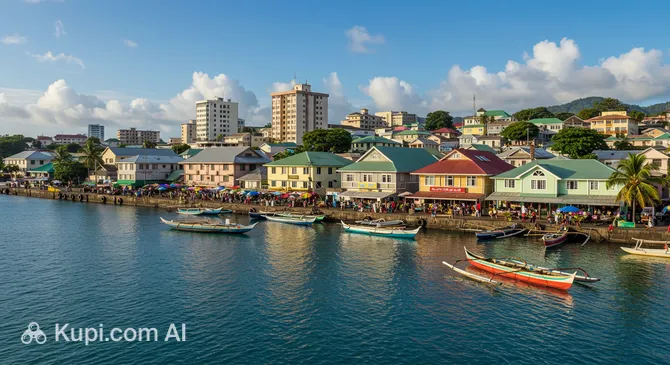
Welcome to Suva, the vibrant capital and largest city of Fiji. As the political, administrative, and commercial hub of the country, Suva offers a lively and cosmopolitan atmosphere that contrasts beautifully with the relaxed pace of the island's beach resorts. It is a city where modern life blends seamlessly with traditional South Pacific charm, making it a fascinating destination for travelers seeking an authentic urban experience.
Located on the southeast coast of the island of Viti Levu, within the Rewa Province, Suva sits on a hilly peninsula between Laucala Bay and Suva Harbour. The city is home to a diverse population of approximately 185,913 people, contributing to its multicultural energy. The local climate is tropical and humid, with frequent rainfall that keeps the city's parks and gardens incredibly lush and green throughout the year.
Suva. Illustration.
Source: Kupi.com AI
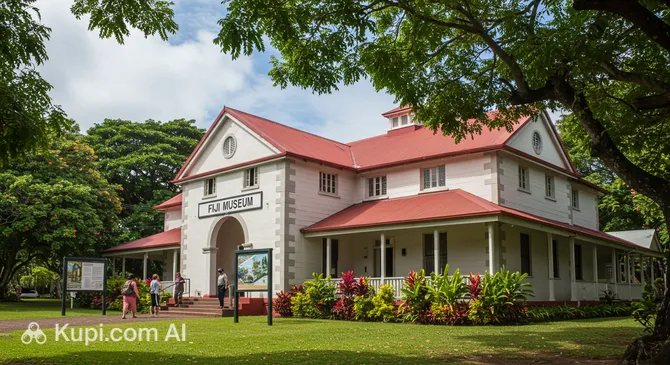
Visitors interested in the past will find the history of Suva captivating, as it is reflected in the city's grand colonial architecture and heritage sites. A must-visit attraction is the Fiji Museum, located within the serene Thurston Gardens. Here, you can explore an impressive collection of archaeological findings, maritime artifacts, and cultural exhibits that tell the story of the Fijian archipelago.
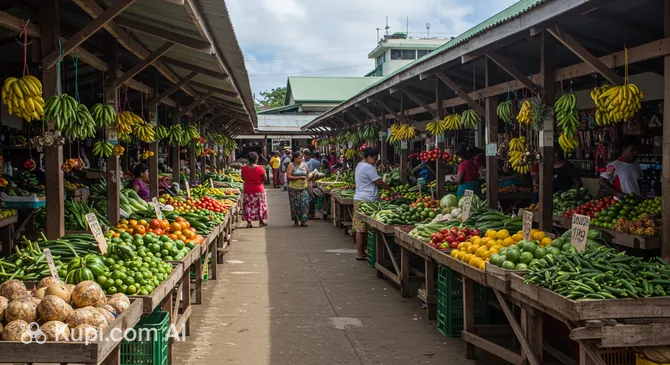
For a taste of local daily life, the bustling Suva Municipal Market is an essential stop. It is the beating heart of the city, filled with vendors selling fresh tropical fruits, vegetables, and seafood. Whether you are wandering through its historic streets, enjoying the waterfront scenery, or exploring its cultural landmarks, Suva invites you to discover the dynamic soul of the South Pacific.
Weather Overview
Suva features a warm, tropical climate characterized by consistent temperatures and high humidity year-round. Because of its location on the windward side of the island, the city is known for its lush vegetation, sustained by frequent rainfall. For travelers planning their trip, checking the detailed weather in Suva forecast is recommended to pack appropriate clothing for the conditions.
Temperatures in the city are generally pleasant, with the warmest period occurring in January and February, where average temperatures hover around 26.4°C and daily highs reach up to 28.8°C. The cooler season, centered around August, sees average temperatures dropping slightly to about 22.7°C, with lows around 20.8°C. Precipitation is a defining feature of the local weather pattern; rain is frequent throughout the year, with January experiencing up to 30 wet days, while even the relatively drier month of June typically records around 20 wet days.
Average monthly temperature
Average monthly precipitation
Interesting Facts
Beyond the bustling markets and colonial architecture, Suva holds several fascinating stories that many visitors overlook. From pivotal moments in aviation history to unique maritime relics, the city is full of intriguing details waiting to be discovered.
Fiji Museum. Illustration.
Source: Kupi.com AI
Traveler photos:
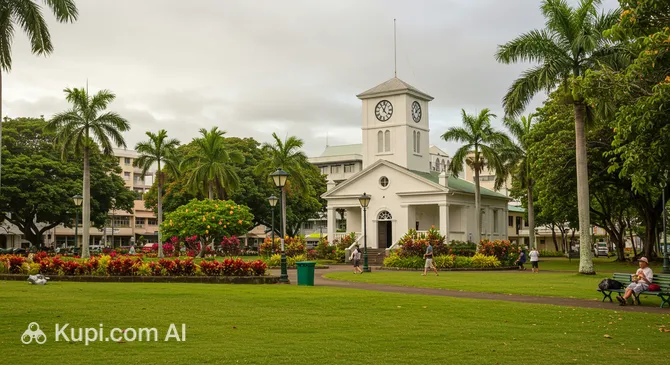
Albert Park is not just a recreational space; it is a landmark in global aviation history. In 1928, it served as the landing ground for the Southern Cross, piloted by Sir Charles Kingsford Smith, during the first-ever trans-Pacific flight from the United States to Australia.
The Fiji Museum houses a legendary artifact: the actual rudder of the HMS Bounty. This piece of the famous mutiny ship was recovered from Pitcairn Island and brought to Fiji, where it remains one of the museum's most prized exhibits.
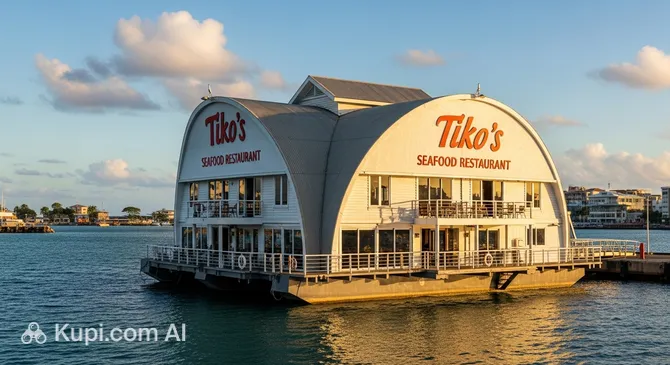
Dining in the city can be an aquatic adventure at Tiko's Seafood Restaurant. This popular eatery is located on a converted boat permanently moored in the harbour, allowing guests to enjoy their meal while gently floating on the water.
Suva was not the original capital of Fiji; it replaced the town of Levuka in 1877. The administration was forced to move the capital because Levuka, situated between steep mountains and the ocean on Ovalau Island, simply ran out of space to expand.
How to Get There
Reaching the Fijian capital is an adventure in itself, offering travelers scenic routes through the island's lush landscapes. Whether you are arriving from overseas or traveling from another part of the archipelago, there are several convenient ways to reach the city. For a detailed breakdown of all transport options, routes, and tips, you can read more about how to get to Suva.
The closest air hub to the city center is Nausori Airport (SUV), which primarily handles domestic flights and some regional connections. It is located approximately 18 km from downtown Suva. A trip from here to the city center typically takes around 50 minutes by taxi or shuttle, depending on traffic. This airport is the ideal choice for those hopping over from other islands or connecting from the western side of Viti Levu.
Most international travelers will first land at Nadi International Airport (NAN), the country's main gateway located in the city of Nadi. Although it is situated about 112 km away from Suva, it serves as the primary entry point for visitors from abroad. The journey from Nadi to the capital is a scenic drive along the coast, taking approximately 3 hours and 10 minutes by taxi or bus. Many visitors choose to rent a car or take an express coach to enjoy the beautiful views along Queens Road.
For clarity, here is a summary of the main airports serving the region:
Exploring the capital of Fiji offers a delightful mix of cultural heritage, colonial history, and modern island life. The city's attractions provide visitors with a deeper understanding of the South Pacific's traditions while showcasing the vibrant energy of its people. From ancient artifacts to bustling commercial hubs, here are some of the top places to visit.
A journey into the nation's past begins at the Fiji Museum, located within the scenic Thurston Gardens. This institution is renowned for possessing one of the most significant collections of Fijian artifacts in the world, dating back 3,700 years. Visitors can admire massive double-hulled canoes, intricate pottery, and war clubs, making it an essential stop for anyone interested in the cultural evolution of the archipelago.
For a sensory explosion of colors and scents, the Suva Municipal Market is the place to be. As the city's primary trading hub, it is always teeming with activity as farmers from the surrounding provinces arrive to sell their harvest. It is an excellent spot to discover exotic tropical fruits, fresh vegetables, and seafood, offering a genuine glimpse into the daily lives of the locals.
Suva Municipal Market. Illustration.
Source: Kupi.com AI
Traveler photos:
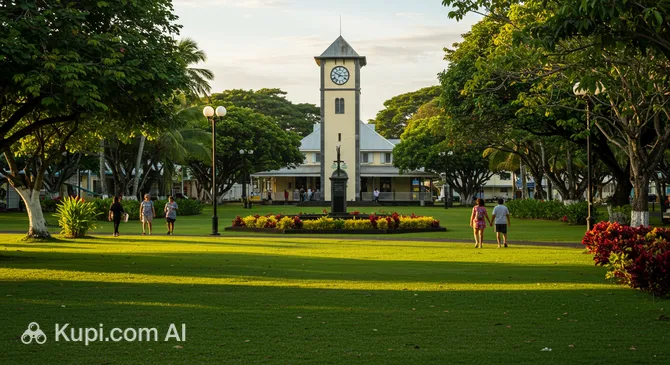
Located in the heart of the city is Albert Park, a historic green space framed by the majestic Government Buildings and the Grand Pacific Hotel. This park is a central venue for national events, parades, and local sports matches, including rugby and cricket. Its open lawns provide a relaxing atmosphere for a stroll while admiring the surrounding colonial architecture.
Albert Park. Illustration.
Source: Kupi.com AI
Traveler photos:
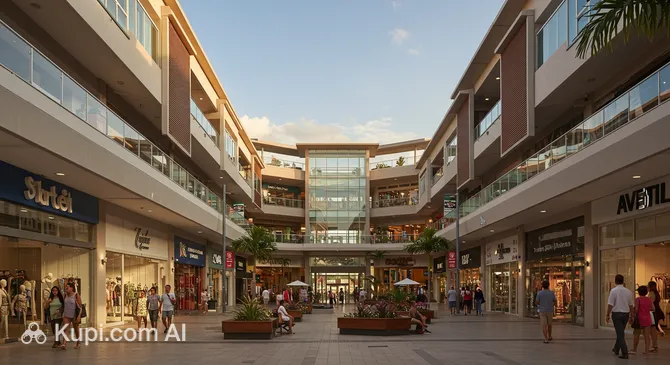
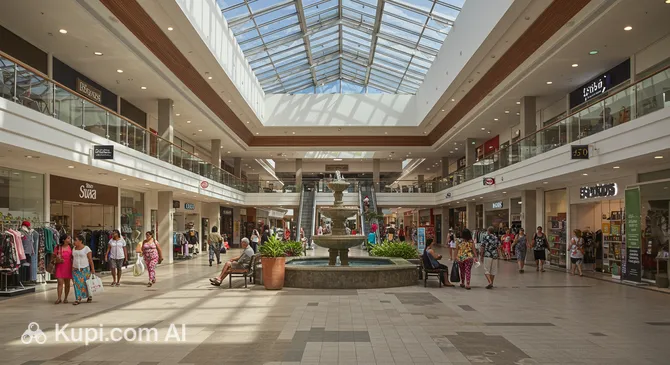
Travelers looking for contemporary entertainment and retail therapy should visit Damodar City. This modern complex is a popular gathering spot featuring a cinema, a wide range of shops, and a lively food court. It offers a comfortable environment to unwind, enjoy a meal, or pick up some souvenirs after a day of sightseeing.
Damodar City. Illustration.
Source: Kupi.com AI
Traveler photos:
Another pleasant urban retreat is Ratu Sukuna Park, named after a revered Fijian statesman. Situated near the waterfront, this park serves as a common meeting place for students and office workers seeking a break. It often hosts public performances and offers a shaded area to sit and watch the world go by in the busy capital.
Local Cuisine
The culinary landscape of Suva is a delicious reflection of its multicultural heritage, making it one of the most exciting places to eat in the South Pacific. The city serves as a gastronomic crossroads where traditional Fijian ingredients blend seamlessly with spicy Indian flavors and Chinese cooking techniques. For travelers, this means an array of dining options ranging from fresh seafood caught daily to aromatic curries served in bustling local eateries.
A must-try dish for any visitor is Kokoda, often cited as Fiji's national dish. It consists of fresh raw fish, usually Walu (Spanish mackerel), marinated in lemon or lime juice and then mixed with fresh coconut cream, diced onions, chilies, and tomatoes. It is refreshing, creamy, and perfectly suited to the tropical climate. Another traditional preparation to look out for is food cooked in a Lovo, an underground earth oven. While often reserved for feasts, many places in the city offer Lovo-style meats and root vegetables like taro and cassava, which have a distinct smoky flavor.
Moments Cafe. Illustration.
Source: Kupi.com AI
Traveler photos:
Due to the significant Indo-Fijian population, Suva is arguably the best place in the region to enjoy authentic Indian cuisine. The city is dotted with "curry houses" where you can enjoy rich lamb, chicken, or fish curries served with rice or freshly made roti. Street food is also a major part of the food culture here; keep an eye out for vendors selling "Bara" (spicy fried dough made from split peas) and savory samosas, which are popular snacks for locals on the go.
When it comes to drinks, Kava (or Yaqona) is the most culturally significant beverage. Made from the powdered root of a pepper plant, this non-alcoholic drink has a mild relaxing effect and is central to Fijian social life. For something refreshing to beat the humidity, fresh coconut water is widely available, along with locally brewed beers like Fiji Gold and Fiji Bitter, which are favorites at social gatherings.
Dining venues in the capital cater to every preference, from open-air markets to air-conditioned cafes. For a relaxed atmosphere, Moments Cafe is a welcoming spot to enjoy a meal or a good cup of coffee away from the heat. If you prefer having multiple choices in one location, Flagstaff Plaza offers a selection of eateries and provides a glimpse into the modern lifestyle of Suva's residents.
Travel Tips
To make the most of your visit to Suva, it helps to know that this bustling administrative hub operates differently from the secluded beach resorts found elsewhere in Fiji. These practical tips will help you navigate the capital's unique rhythm, ensuring a smooth and enjoyable experience in the heart of the South Pacific.
Clothing and Gear: Suva is often called the "Raincoat Capital" for good reason; sudden downpours are common regardless of the season. Pack a lightweight, waterproof jacket and a sturdy umbrella. While the vibe is tropical, Suva is a conservative business city, so dress modestly. Avoid wearing swimwear or skimpy clothing in the city center; covering your shoulders and knees is respectful and expected.
Transportation: The city has an extensive bus network, but you cannot pay with cash on board. You must purchase a disposable eTransport card, available at authorized agents and bus stands. Taxis are plentiful and affordable, but always insist that the driver uses the meter. If the meter is "broken," negotiate the fare before getting in or find another cab.
Finances: The local currency is the Fijian Dollar (FJD). While credit cards are accepted at major hotels, supermarkets, and restaurants in places like Damodar City, cash is king at the Suva Municipal Market and smaller shops. ATMs are widely available throughout the downtown area. Tipping is not mandatory in Fiji, but rounding up the bill is a kind gesture for good service.
Health and Safety: Suva is generally safe, but like any capital city, it requires common sense. Petty theft can occur, so keep your valuables secure, especially in crowded areas like the market or bus station. Avoid walking around the city outskirts or unlit areas alone at night; take a taxi instead. Pharmacies are easy to find along Victoria Parade and Cumming Street for minor ailments.
Communication: English is an official language and is widely spoken, so you will have no trouble communicating. However, locals appreciate it if you use a few Fijian words. A cheerful "Bula!" (Hello) and "Vinaka" (Thank you) go a long way. You can easily buy a local SIM card from Vodafone or Digicel outlets in the city center for affordable data access.
Local Etiquette: Fijians are incredibly hospitable, but respect for tradition is deep-rooted. If you are invited into a home or visit a village on the outskirts, you must remove your shoes before entering. It is also polite to remove your hat and sunglasses when speaking to someone of senior status or entering a village.
What to Avoid: Never touch someone's head, including children, as the head is considered sacred in Fijian culture. Additionally, avoid raising your voice or showing anger in public; maintaining a calm and friendly demeanor will resolve issues much faster than aggression.
Sunday Slowdown: Be aware that Suva almost completely shuts down on Sundays. Most shops, cafes, and businesses close as locals attend church and spend time with family. Plan your Sunday to be a relaxing day for a walk in the botanical gardens or a quiet lunch at your hotel, as the bustling city streets will be surprisingly empty.
By keeping these simple guidelines in mind, you will find it easy to blend in with the locals and appreciate the genuine warmth of Suva. Embrace the occasional rain shower, smile back when greeted, and enjoy the authentic urban pulse of Fiji.
Entertainment & Nightlife
As the sun sets over the harbour, Suva transforms from a busy administrative hub into the nightlife capital of Fiji. Unlike the quiet resort islands, the city offers a genuine urban evening experience, pulsing with music, laughter, and the energy of a diverse crowd. The nightlife here is centered largely around Victoria Parade and the Central Business District, where a concentration of nightclubs, pubs, and bars keeps the city awake well into the early morning hours.
The atmosphere in Suva's nightlife scene is unpretentious and lively. Live music is a staple of Fijian entertainment, and on weekends, you will find talented local bands performing everything from island reggae to top 40 hits in almost every venue. The crowd is a friendly mix of locals, university students, expatriates, and tourists. While the vibe is relaxed, many clubs enforce a dress code; smart casual is the standard, so it is best to leave the flip-flops and swimwear at the hotel and opt for covered shoes and neat attire.
For a memorable start to your evening, consider dining at Tiko's Seafood Restaurant. Moored permanently in the harbour, this floating venue offers a unique atmosphere where you can enjoy fresh catch while listening to the gentle lapping of waves. It is an excellent spot for a sunset dinner before heading out to explore the louder bars along the main strip.
Tiko's Seafood Restaurant. Illustration.
Source: Kupi.com AI
Traveler photos:
If you prefer a more modern and comprehensive entertainment complex, Damodar City is a popular destination in the Laucala Bay area. This bustling precinct is not just for shopping; at night, it comes alive with a state-of-the-art cinema complex, various dining options, and bars. It is a favorite hangout for families and young professionals looking for a safe and vibrant environment to socialize outside the city center.
Large-scale entertainment events, including concerts and international sports matches, are often held at the National Indoor Arena. It is worth checking the local schedule during your visit, as attending an event here provides a fantastic opportunity to cheer alongside passionate local fans and experience the community spirit of the capital.
National Indoor Arena. Illustration.
Source: Kupi.com AI
Traveler photos:
When enjoying a night out, safety should be a priority. While the main nightlife districts are generally populated, it is advisable not to walk alone on dark or quiet streets, especially after midnight. Taxis are abundant and affordable; simply flag one down or ask a venue security guard to call one for you. This is the safest and most convenient way to get back to your accommodation.
During the daylight hours, entertainment in Suva takes on a more cultural and relaxed tone. Visitors can explore the city's rich heritage at museums, enjoy a picnic in the botanical gardens, or catch a matinee movie. Whether you are seeking the thrill of a live band at 2:00 AM or a quiet cultural excursion during the day, Suva offers a dynamic array of activities to suit every traveler.
Parks & Museums
Suva is a city defined by its lush tropical greenery and deep-seated respect for heritage, offering visitors a refreshing mix of manicured gardens, wild rainforests, and rich cultural institutions. As the capital, it serves as the custodian of the nation's history, housing the most important collections of artifacts in the South Pacific amidst a backdrop of vibrant colonial architecture and verdant parks.
One of the most accessible green spaces in the city center is Ratu Sukuna Park. Located near the waterfront, this park is a popular relaxation spot for locals and a venue for various public events. It provides a welcome patch of green amidst the urban hustle, where you can sit under the shade of trees and watch the daily life of the capital unfold.
Ratu Sukuna Park. Illustration.
Source: Kupi.com AI
Traveler photos:
Just a short walk away lies the historic Thurston Gardens, the city's botanical pride. Built on the site of the ancient town of Suva, these gardens are a showcase of Fiji’s indigenous flora, featuring majestic palms, ginger plants, and water lilies. It is a peaceful sanctuary perfect for a quiet stroll. Adjacent to the gardens is the famous Albert Park, a vast recreational ground that hosts major national celebrations and sports matches, bordered by grand heritage buildings.
For those willing to venture slightly further afield, the Colo-i-Suva Forest Park is an absolute must-visit natural area. Located just a short drive from the city, this lush rainforest reserve offers hiking trails that wind past clear natural pools and waterfalls. It is a paradise for birdwatchers and anyone looking to swim in cool, fresh water surrounded by the sounds of the jungle.
When it comes to culture, the crown jewel is undoubtedly the Fiji Museum, situated within Thurston Gardens. It holds a remarkable collection that traces the history of the archipelago over the last 3,700 years. Highlights include the massive double-hulled canoe, the Ratu Finau, and exhibits detailing the impact of European contact and the Indian indenture period. It provides essential context for understanding modern Fiji.
Art enthusiasts should also seek out the Oceania Centre for Arts, Culture and Pacific Studies at the University of the South Pacific. This dynamic venue is a hub for contemporary Pacific art, featuring galleries of painting and sculpture as well as regular dance and music performances. It is a vibrant space that celebrates the living culture of the region rather than just its past.
Suva's streets themselves are a museum of colonial architecture. The imposing Government Buildings, modeled after traditional British administrative styles, dominate the skyline near Albert Park. Nearby, the Grand Pacific Hotel stands as a beautifully restored monument to the colonial era, having hosted royalty and dignitaries for over a century. Its white facade and broad verandas are iconic symbols of the city.
For a truly authentic local experience, try walking along the Nasese seawall (Queen Elizabeth Drive) in the late afternoon. It is where Suva's residents go to exercise and unwind after work, offering stunning views of the harbour and the sunset over the mountains, far removed from the typical tourist trail.
Getting Around
Public transport in Suva is heavily reliant on a comprehensive road-based network, as the city does not have a metro, tram, or railway system. The primary mode of transportation for locals and visitors alike is the public bus service, which connects the city center with suburbs and surrounding towns. These buses are frequent, open-windowed, and offer an authentic way to experience the local pace of life. The main hub for all bus routes is the bustling Suva Bus Station, conveniently located next to the municipal market and the wharf.
A crucial detail for tourists is that the bus system in Suva is entirely cashless. To travel, you must possess an electronic eTransport card. Cash payments to drivers are not accepted under any circumstances. These rechargeable cards can be purchased and topped up at Vodafone outlets, authorized value-adding agents, and specifically marked counters at the bus station. For short-term visitors, disposable cards are often available, eliminating the need for a permanent registration process.
When boarding a bus, you simply tap your card on the electronic reader located near the driver. Fares are calculated based on the distance traveled or the specific fare stage. It is advisable to carry the receipt issued by the machine for the duration of your journey. Buses typically operate from early morning until around 7:00 PM or 8:00 PM. While services run frequently during the day, they taper off significantly in the evenings and are much less frequent on Sundays and public holidays.
For those seeking more comfort or flexibility, taxis are a popular and affordable alternative. Suva’s taxis are easily identifiable by their cream or white color and yellow license plates. They can be hailed on the street or found at designated ranks throughout the city. By law, taxis within the Suva municipal area are required to use a meter. If a driver claims the meter is broken or attempts to negotiate a flat rate for a short trip within the city, it is recommended to find another vehicle.
Walking is also a viable option for exploring the compact downtown area, where many government buildings, shops, and attractions are clustered. However, for trips to the suburbs, the University of the South Pacific, or forest parks, motorized transport is necessary. While car rentals are available, traffic congestion in the city center can be heavy during peak hours, making the bus or a taxi often the more stress-free choice for navigation.
Accommodation
Finding the perfect place to stay in Suva is a different experience compared to the rest of Fiji. Unlike the sprawling beach resorts and overwater bungalows found in Nadi or the Mamanuca Islands, the accommodation scene in the capital is distinctly urban and historic. As the political and commercial hub of the country, Suva’s hotels primarily cater to business travelers, diplomats, and conference delegates, resulting in a high standard of service and amenities designed for comfort and connectivity.
The crown jewel of the city's hospitality is undoubtedly the iconic Grand Pacific Hotel. Often referred to as the "Grand Old Lady" of the South Pacific, this heritage building has been a landmark since 1914. Even if you are not staying here, it defines the upper end of the local market, blending colonial grandeur with modern luxury. It sits proudly on the waterfront, serving as a social hub where locals and visitors alike gather for high tea or sunset drinks on the veranda.
For those seeking modern conveniences, the city center offers several high-rise hotels located along or near Victoria Parade. These establishments are well-suited for travelers who want to be within walking distance of government buildings, the Fiji Museum, and the city's nightlife districts. Because Suva is known for its frequent rainfall, many of these hotels feature excellent in-house dining options, gyms, and comfortable lounges, ensuring a pleasant stay even when the weather keeps you indoors.
Travelers on a more modest budget or those planning an extended visit will find a good selection of serviced apartments and smaller inns. These are often tucked away in the quieter streets just outside the central business district, offering a more residential feel. Many converted colonial homes now serve as boutique guesthouses, providing a charming and authentic atmosphere that reflects the city's multicultural history.
When planning your trip, it is important to note that Suva frequently hosts large regional conferences and sporting events, which can cause hotels to fill up quickly. It is highly recommended to book your accommodation well in advance. Whether you choose a historic suite with harbour views or a practical city apartment, staying in Suva places you right in the beating heart of the South Pacific.
Nearby Cities
For those looking to explore the surroundings, Suva serves as an excellent base for day trips to several interesting nearby locations. While the capital offers plenty of urban excitement, the towns immediately bordering it provide a quieter glimpse into Fijian life, featuring scenic coastal views and agricultural landscapes.
Just a short drive west of the city center lies Lami, a coastal town that feels like a gateway to the islands. It is famous for the stunning "Bay of Islands," a calm harbour dotted with small, green islets that offer beautiful photo opportunities. Lami provides a relaxed atmosphere compared to the hustle of downtown Suva and serves as a starting point for maritime activities and exploring the rugged coastline of Viti Levu.
To the east, the town of Nausori sits on the banks of the mighty Rewa River. It is an important service center for the surrounding farming communities and offers a more traditional market experience. Visitors can see the old Nausori Bridge and explore the Rewa Delta, a region known for its fertile lands and rich history. It is also home to the region's second airport, making it a vital transport hub.
City
Population
Distance
Lami
20 529
4 km
Nakasi
18 919
13 km
Nausori
57 882
17 km
Blue Lagoon
—
61 km
Korolevu
—
64 km
These nearby destinations offer a glimpse into the diverse culture and landscapes of the region, ranging from industrial hubs to scenic coastal retreats.
Shopping & Souvenirs
Shopping in Suva offers a vibrant mix of experiences, ranging from bustling traditional markets to modern air-conditioned complexes. As the commercial hub of Fiji, the city provides the widest variety of goods in the country, making it the perfect place to stock up on everything from latest electronics and fashion to authentic Fijian handicrafts. Whether you are looking for duty-free bargains or unique souvenirs to take home, the capital’s diverse retail scene caters to all tastes and budgets.
The heart of the city's retail action is located downtown, particularly along Cumming Street and Victoria Parade. Cumming Street is a narrow, energetic strip famous for its duty-free shops, jewelry stores, and draperies, often crowded with locals hunting for deals. In contrast, Victoria Parade offers a more spacious shopping experience with larger department stores and boutiques selling branded clothing, handicrafts, and surfing gear. Exploring these streets on foot is the best way to soak up the lively urban atmosphere.
For a contemporary shopping experience, visitors often head to the city's major malls. Damodar City in the Laucala Bay area is a premier lifestyle destination, featuring a wide array of retail outlets, a supermarket, and a cinema, making it a favorite spot for evening entertainment and shopping combined. Closer to the residential areas, Flagstaff Plaza provides a convenient mix of shops and services, offering a modern and comfortable environment to browse for essentials or gifts.
Flagstaff Plaza. Illustration.
Source: Kupi.com AI
Traveler photos:
No shopping trip to Suva is complete without visiting the Suva Municipal Market. While it is primarily known for fresh tropical produce and seafood, it is also a fantastic place to buy spices, kava roots, and local snacks. For dedicated souvenir hunting, the Suva Flea Market, located near the bus station, is the go-to destination. Here, you will find stalls overflowing with wooden carvings, woven mats, shell jewelry, and colorful "Bula" shirts and dresses, all sold directly by local artisans.
When looking for souvenirs, authentic Fijian items are highly recommended. Look for Masi (tapa cloth) made from mulberry bark featuring traditional intricate designs, or a finely carved Tanoa (wooden kava bowl). Fiji is also renowned for its high-quality black pearls and pure coconut oil products, such as soaps and lotions, which make for excellent gifts. "Bula" wear—brightly colored floral shirts and dresses—is a fun and practical purchase that you can wear during your trip and back home.
Most shops in the city center open around 9:00 AM and close by 5:00 PM or 6:00 PM on weekdays. On Saturdays, trading hours are often shorter, closing around 1:00 PM or 2:00 PM, and almost all shops are closed on Sundays, except for some larger malls and supermarkets. While credit cards are widely accepted in department stores, malls, and duty-free shops, carrying cash is essential for the markets and smaller street-side vendors.
Tourists shopping in Fiji can also take advantage of the Tourist VAT Refund Scheme. If you purchase goods totaling over $500 FJD from registered retailers, you may be eligible to claim a refund of the Value Added Tax upon departure at the airport. Be sure to ask the shopkeeper for a proper tax invoice and the necessary refund forms at the time of purchase to present them at the customs counter when you leave the country.