Support

Nadi

About

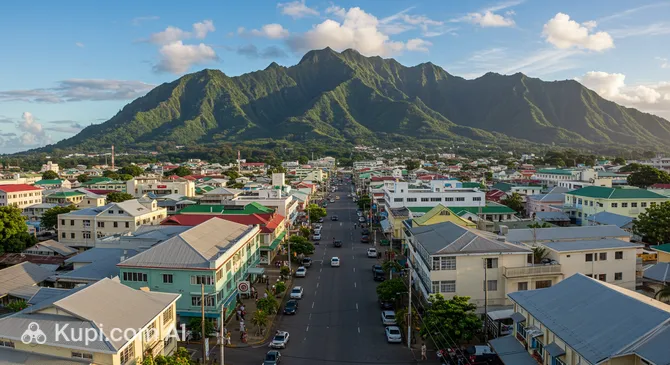
Nadi is often the very first experience travelers have when arriving in the stunning archipelago of Fiji. As the country's main transportation hub and home to the international airport, this bustling city on the western coast of Viti Levu offers a vibrant introduction to Fijian culture. With a population of approximately 71,048, it is a lively center of commerce and tourism that perfectly blends traditional island life with modern convenience.

Nadi. Source: Kupi.Binoculars

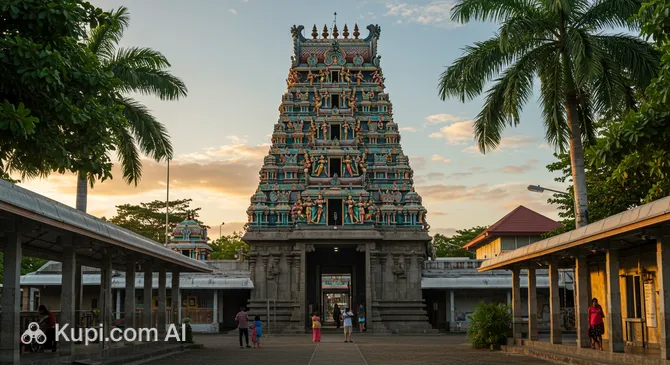
While many visitors view the city primarily as a transit point, taking a closer look reveals a rich cultural tapestry. The history of Nadi is deeply intertwined with the development of the sugar industry and the diverse communities that settled here over generations. This multicultural heritage is most visibly celebrated at the Sri Siva Subramaniya Swami Temple, the largest Hindu temple in the Southern Hemisphere, renowned for its colorful Dravidian architecture and intricate carvings.

Nature lovers will find plenty to admire just a short drive from the city center. The famous Garden of the Sleeping Giant houses a magnificent collection of orchids and native plants nestled in the shadow of a mountain that resembles a sleeping giant. For those seeking local flavors, the Nadi Market offers a sensory explosion of fresh tropical fruits, vegetables, and handicrafts, providing a genuine taste of daily life in the Ba province.

Whether you are passing through on your way to the outer islands or staying to explore the main island, Nadi welcomes you with open arms and a warm "Bula!" It is an essential stop to acclimatize to the tropical rhythm and discover the unique spirit of this Pacific nation.

Weather Overview

Nadi enjoys a warm tropical climate year-round, ensuring a comfortable atmosphere for visitors regardless of when they arrive. The weather in Nadi remains consistently pleasant, with average temperatures generally hovering between 23.5°C and 26.6°C. Even during the cooler month of August, daily maximums often reach a delightful 26.0°C, while the warmest period around December and January sees highs climbing to 28.5°C.

Rainfall patterns define the seasons more sharply than temperature changes. Expect warm, humid months with frequent rain from December through March, where there can be up to 26 wet days in a single month. In contrast, the middle of the year offers much drier conditions; June through September is significantly clearer, with July seeing as few as 5 wet days, making it an ideal time for those seeking uninterrupted sunshine.

Interesting Facts

Beyond the main attractions and bustling airport terminals, Nadi holds many fascinating secrets and unique local features that often escape the casual observer. Here are some interesting facts that reveal the deeper character of this vibrant Fijian city:
  • The city is home to the Sri Siva Subramaniya Temple, which holds the title of the largest Hindu temple in the Southern Hemisphere. Its intricate Dravidian architecture is authentic to the last detail; eight specialized craftsmen were brought specifically from India to sculpt the colorful statues and ornate carvings that adorn the structure.

  • Nadi is the beating heart of Fiji's "sugar belt," a region historically defined by sugar cane production. Travelers often spot small locomotives pulling long trains of harvested cane on narrow-gauge railway tracks that run parallel to the main roads, a sight that serves as a reminder of the industry's vital role in the local economy.

  • Overlooking the city is a mountain range with a silhouette that unmistakably resembles a sleeping human figure, earning it the name "The Sleeping Giant." Local folklore tells of a giant with an insatiable appetite who fell into an eternal slumber after overeating, and today, a famous orchid garden rests peacefully at the foot of the mountain.

  • Just a short drive inland, nature provides its own spa treatment at the Sabeto Hot Springs and Mud Pool. It is a popular local tradition to cover oneself entirely in thick, therapeutic mud and let it dry in the sun before washing it off in the warm geothermal pools, a ritual believed to have healing properties for the skin.

Sri Siva Subramaniya Temple. Source: Kupi.Binoculars

How to Get There

Reaching Nadi is the first step of the adventure for most visitors to Fiji, as the city serves as the primary transportation hub for the entire archipelago. Whether you are arriving from across the globe or hopping over from a neighboring island, the city is exceptionally well-connected. For a detailed guide on all transport options and routes, you can read more about how to get to Nadi.

The most convenient and common way to arrive is via Nadi International Airport (IATA: NAN). This is Fiji's main international gateway, handling 97% of international visitors. It is located directly in Nadi, just 3.1 km from the city center. Due to this close proximity, the transfer to your hotel or downtown is very quick; a taxi ride typically takes around 15 to 20 minutes depending on traffic.

Another option for travelers, particularly those already within the region, is Nausori Airport (IATA: SUV). However, it is important to note that this airport is located near Suva, on the other side of the island, approximately 123 km from Nadi. If you choose to land here, be prepared for a longer transfer. The journey by road from Nausori to Nadi usually takes about 3.5 hours by taxi or bus.

For clarity, here is a summary of the main airports:

Airport Name City Passenger Traffic Km from City
Nadi International AirportNadiLarge3.1
Nausori AirportSuvaMedium123.1
Labasa AirportLabasaSmall249.9
Kandavu AirportKandavuSmall160.9
Savusavu AirportSavusavuSmall230.2

Main Attractions

Nadi is more than just a gateway to the islands; it is a city teeming with cultural depth, vibrant social hubs, and culinary delights. While the area is famous for its proximity to resorts, the city itself offers several key stops that allow visitors to experience the authentic rhythm of Fijian life. From spiritual landmarks to lively gathering spots, here are some of the main attractions to explore.

Undoubtedly the most iconic landmark in the city is the Sri Siva Subramaniya Temple. This architectural masterpiece is not only a place of worship but a stunning example of traditional Dravidian design, rarely seen outside of India. Visitors are captivated by the towering gopuram (entrance tower) and the intricate, colorful carvings of deities that adorn the sanctuary. It offers a serene atmosphere for reflection and a unique opportunity to learn about the spiritual practices that are central to the local Indo-Fijian community.

Sri Siva Subramaniya Temple. Source: Kupi.Binoculars

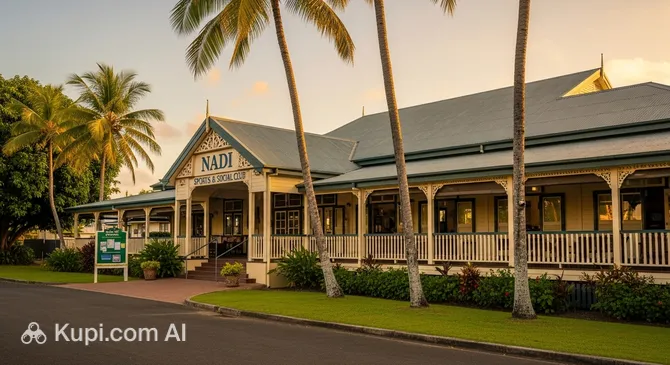
For those looking to engage with the local community and enjoy some recreational activities, the Nadi Sports & Social Club is a fantastic venue. Known for its welcoming environment, this club is a popular meeting point for both residents and expatriates. It features excellent facilities, including swimming pools, tennis courts, and a fitness center, making it a great spot for families or active travelers. The on-site bar and restaurant provide a casual setting to unwind and strike up a conversation with locals after a day of sightseeing.

Nadi Sports & Social Club. Source: Kupi.Binoculars

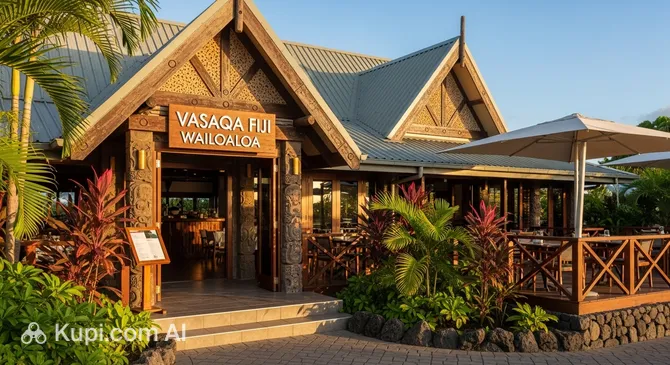
Fiji's culinary scene is evolving, and Nadi is at the forefront of this transformation. Food enthusiasts should not miss Vasaqa Fiji Wailoaloa, a celebrated eatery that brings a modern twist to local flavors. Specializing in smokehouse-style cuisine, this restaurant is renowned for using fresh Fijian ingredients and traditional charcoal techniques to create mouthwatering dishes. It is an ideal place to experience the warmth of Fijian hospitality combined with robust, smoky flavors.

Vasaqa Fiji Wailoaloa. Source: Kupi.Binoculars

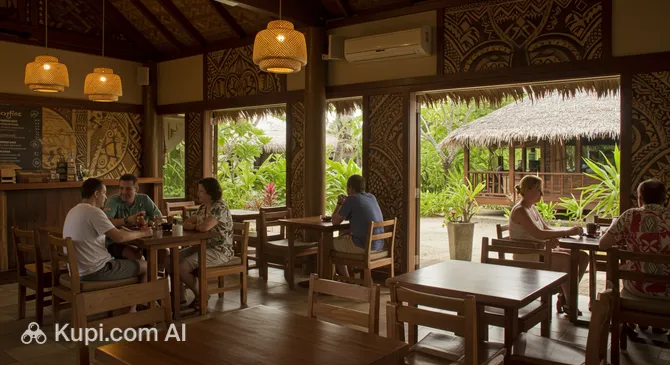
If you are in need of a relaxing break or a caffeine fix, The Coffee Hub has established itself as a favorite among travelers and locals alike. More than just a coffee shop, it offers a cozy ambiance perfect for planning your next adventure or simply escaping the tropical heat. With a reputation for serving high-quality brews and delicious light meals, it stands out as a charming spot to recharge in the heart of the city.

The Coffee Hub. Source: Kupi.Binoculars

Local Cuisine

The culinary scene in Nadi is a vibrant fusion of traditional Fijian flavors and aromatic Indian spices, reflecting the city's diverse population. For a true taste of the islands, you must try Kokoda, often cited as Fiji's national dish. It features fresh raw fish marinated in citrus juice and then mixed with coconut cream, onions, and chilies, serving as a refreshing appetizer perfect for the tropical climate. Another must-try experience is a meal cooked in a Lovo, an underground earth oven where meats and vegetables are slow-roasted over hot stones, imparting a unique smoky flavor.

Due to the significant Indo-Fijian community in Nadi, the city is also one of the best places to enjoy authentic curries. Whether it is spicy crab, goat, or duck, these dishes are typically served with rice or fresh roti flatbreads. Street food stalls and small family-run eateries often sell "parcels" of curry and roti, which are an affordable and delicious lunch option favored by locals throughout the Ba province.

When it comes to beverages, the most culturally significant drink is Kava (or Yaqona). Made from the powdered root of a pepper plant, it has a mild sedative effect and is central to Fijian social and ceremonial life. For something more refreshing to cool down in the heat, fresh coconut water is widely available at roadside stands, while those looking for alcoholic beverages can sample local lagers like Fiji Gold or Fiji Bitter.

Dining in Nadi ranges from bustling markets to relaxed cafes and modern eateries. For a contemporary take on local ingredients, travelers often visit Vasaqa Fiji Wailoaloa, which is celebrated for its smokehouse-style dishes and vibrant atmosphere near the coast. If you are looking for a more laid-back setting for brunch or a high-quality caffeine fix, The Coffee Hub offers a welcoming environment with excellent pastries and coffee, making it a popular stop for tourists exploring the city.

Travel Tips

Visiting Nadi is an exciting immersion into the warm heart of the South Pacific, but like any unique destination, a little local know-how goes a long way. To help you navigate the city with ease and respect for the local culture, here are some practical tips to ensure your stay is as smooth and enjoyable as the tropical breeze.

  1. Clothing and Gear: Given the tropical climate, pack lightweight, breathable fabrics like cotton or linen to stay cool. However, modesty is highly valued in Fijian culture. Always carry a sulu (sarong) or a scarf to cover your shoulders and knees, which is mandatory when visiting sacred sites like the Sri Siva Subramaniya Temple or entering a local village. Don't forget high-SPF sunscreen, a hat, and a reliable power adapter (Type I, the same as Australia and New Zealand).
  2. Transportation: Getting around Nadi is relatively easy. Taxis are abundant and generally affordable; look for the yellow license plates which indicate a registered taxi, and always ask the driver to turn on the meter or agree on a fare before starting. For a local experience, the open-window buses are a cheap option, but you will need to purchase a disposable "eTransport" card as cash is not accepted on board.
  3. Finances: The local currency is the Fijian Dollar (FJD). While credit cards are widely accepted at resorts, restaurants, and major supermarkets, cash is king at the Nadi Market and smaller shops. ATMs are readily available in Nadi Town and at the airport. Tipping is not customary in Fiji, but leaving small change or a heartfelt "Vinaka" for good service is always appreciated.
  4. Health and Safety: Nadi is generally safe, but standard travel precautions apply—avoid unlit areas at night and keep valuables secure. Tap water in Nadi is usually treated and safe to drink, but those with sensitive stomachs might prefer bottled water. Pharmacies (Chemists) are available in the town center for basic supplies. Be sure to pack and use insect repellent, especially at dawn and dusk, to protect against mosquitoes.
  5. Communication: English is an official language and is widely spoken, so you will have no trouble communicating. However, locals love it when you try a few Fijian words. A cheerful "Bula!" (Hello/Welcome) and "Vinaka" (Thank you) will open many doors and bring smiles to faces. SIM cards from major providers like Vodafone or Digicel can be easily purchased at the arrivals hall in the airport.
  6. Local Etiquette: Fijians are incredibly friendly and hospitable. When visiting a village or a home, it is customary to take off your hat and sunglasses as a sign of respect. "Fiji Time" is a very real concept here; things often move at a slower, more relaxed pace than you might be used to, so patience and a smile are your best assets.
  7. What to Avoid: Never touch someone's head, including children, as it is considered the most sacred part of the body in Fijian culture. Additionally, avoid walking around Nadi Town or public areas in just your swimwear; save the bikinis and board shorts for the beach or the pool deck to avoid offending local sensibilities.
  8. Sunday Closures: Sunday is largely a day of rest and church for many Fijians. Be aware that many shops, cafes, and businesses in Nadi Town may be closed or have limited operating hours, so plan your shopping or errands for other days of the week.

By keeping these simple tips in mind, you will be well-prepared to embrace the "Bula Spirit" without any hiccups. Nadi is a welcoming city where respect and a smile are the most valuable currencies, ensuring your adventure in Fiji starts on a wonderfully positive note.

Entertainment & Nightlife

Entertainment in Nadi is characterized by a laid-back island vibe rather than a high-energy nightlife scene. The city offers a variety of ways to unwind, from social clubs and cinema experiences to vibrant cultural festivals that showcase the warm spirit of the Fijian people. Visitors will find that the best evenings here are often spent enjoying good company, live music, and the cooling tropical breeze.

For a relaxing escape within the city, many travelers head to venues like Fiji Nadi Bay Resort & Spa. Places like this provide a tranquil atmosphere where guests can enjoy poolside leisure and dining. It is common for such establishments to host low-key evening entertainment, such as acoustic bands playing traditional Fijian songs, offering a perfect setting to decompress after a day of sightseeing.

Fiji Nadi Bay Resort & Spa. Source: Kupi.Binoculars

Those looking to mingle with residents and expatriates often find themselves at the Nadi Sports & Social Club. While it serves as a recreational hub during the day, in the evenings it transforms into a lively social gathering spot. It is an excellent venue to watch a rugby match, enjoy a casual drink, and experience the friendly community atmosphere that defines the town.

If your visit coincides with the middle of the year, typically around July or August, you may experience the excitement of the Bula Festival. This is the city's premier annual event, featuring a week-long celebration with colorful parades, beauty pageants, music, and food stalls. It is a charitable festival that brings the entire town together, offering tourists a unique glimpse into local traditions and community spirit.

For a more modern entertainment experience, Nadi is home to Life Cinema, where visitors can catch the latest Hollywood and Bollywood blockbusters in comfort. Additionally, the Wailoaloa Beach area is a growing hotspot for evening leisure, lined with small bars and eateries where you can watch the sunset over the ocean while enjoying a cold beverage and the sound of waves crashing on the shore.

Parks & Museums

While Nadi is primarily known as a bustling transit hub and a gateway to the islands, the city and its surroundings offer surprising pockets of tranquility and rich cultural heritage. Visitors willing to explore beyond the main roads will find lush botanical treasures and venues that vividly preserve the traditions of the Fijian people.

One of the most famous green spaces in the entire country is the Garden of the Sleeping Giant. Located at the foothills of the Nausori Highlands, this expansive garden was originally founded by the late actor Raymond Burr to house his private collection of orchids. Today, it is open to the public and features boardwalks that meander through a dense tropical rainforest, showcasing over 2,000 varieties of Asian orchids and Cattleya hybrids. It is a peaceful retreat where the air is cool and fragrant, offering a perfect contrast to the heat of the town center.

For a more interactive natural experience, the Sabeto Hot Springs and Mud Pool provides a unique way to connect with the land. Situated midway between Nadi and Lautoka, this natural attraction invites visitors to indulge in a therapeutic mud bath followed by a wash in the clear geothermal springs. It is a fun, communal activity set against a backdrop of lush vegetation, popular with both locals and tourists seeking relaxation and a bit of playful messiness.

Although Nadi does not have large traditional museums like the capital, the Fiji Culture Village serves as an excellent "living museum." Here, visitors can step back in time to experience pre-colonial Fijian lifestyle. The village features traditional bure structures and offers demonstrations of age-old crafts such as pottery making, wood carving, and tapa cloth printing. It provides an immersive educational experience that explains the history, legends, and social structures of the indigenous culture.

For art lovers, the Nadi Handicraft Market acts as a vibrant gallery of local talent. Unlike standard souvenir shops, this market is often filled with artisans working on their crafts in real-time. Visitors can observe the intricate process of weaving baskets or carving kava bowls (tanoa). It is the best place to appreciate the artistic heritage of the region and purchase authentic pieces that reflect the skills passed down through generations.

In terms of architecture, the city is dominated by the colorful grandeur of the Sri Siva Subramaniya Temple. As the largest Hindu temple in the Southern Hemisphere, it stands as a monumental testament to the Indo-Fijian community's history and spiritual devotion. The complex features traditional Dravidian architecture with towering pyramids and intricate ceiling frescoes, making it a visual and cultural landmark that is impossible to miss.

For a lesser-known escape, consider a trip to the Vuda Lookout. Located a short drive from the city, this vantage point offers a 360-degree panoramic view of Nadi Bay, the international airport, and the Yasawa Islands in the distance. It is a quiet spot, often overlooked by the bus tours, where you can enjoy a cool breeze and a stunning sunset in solitude.

Getting Around

The public transport system in Nadi is straightforward and relies entirely on road networks, as there are no subways, trams, or trains operating within the city. For most visitors, getting around involves a mix of local buses, plentiful taxis, and private transfers. The system is designed to be functional and affordable, offering an authentic glimpse into the daily lives of the locals.

Buses are the backbone of public transportation and are easily recognized by their open-window design, which allows for natural air conditioning in the tropical heat. These buses connect Nadi Town with the international airport, the resort area of Denarau Island, and surrounding villages. While they may not be the fastest mode of travel due to frequent stops, they are incredibly inexpensive and provide a scenic, leisurely way to view the city.

A crucial piece of information for tourists is that cash is generally not accepted on public buses. To travel, you must purchase a disposable or rechargeable eTransport card. These cards can be bought and topped up at Vodafone outlets, which are conveniently located at the airport arrivals hall and various shops throughout Nadi Town. You simply tap the card against the electronic reader when boarding and disembarking to pay your fare.

For those seeking a more direct and faster route, taxis are widely available and can be hailed on the street or found at designated stands. Legal taxis are easily identified by their yellow license plates. While most are equipped with meters, it is a common practice to negotiate a fixed fare before starting your journey, especially for longer trips or excursions. Taxis generally accept cash, so it is wise to carry small denominations.

Another popular alternative, particularly for getting between Nadi Town and the upscale Denarau Island, is the Bula Bus. This unique, open-air wooden bus is designed specifically for tourists. It operates on a hop-on, hop-off basis, looping between the major resorts, the marina, and the golf club. It requires a special pass which can be purchased at most resort front desks or local convenience stores in the Denarau area.

Minibuses also operate on popular routes and are often faster than the larger coaches, as they only depart once full. They can be flagged down from the roadside, but they can be crowded and are less regulated than standard buses. For travelers who prefer complete independence, car rentals are readily available at the airport and in the city center, though driving requires attentiveness due to varying road conditions and local driving habits.

Transport services generally run frequently during daylight hours, starting early in the morning around 6:00 AM. However, bus frequencies drop significantly after 6:00 PM, and services may cease relatively early in the evening. If you plan to be out late dining or exploring, it is recommended to arrange a taxi for your return trip to ensure a safe and convenient ride back to your accommodation.

Accommodation

Finding the perfect place to stay in Nadi is relatively easy, as the city caters to a wide spectrum of travelers, from backpackers on a shoestring budget to families seeking resort-style comfort. As the main entry point to Fiji, the accommodation landscape is designed to suit both short-term transit passengers and those planning a longer exploration of Viti Levu. Visitors can choose from affordable hostels, convenient airport hotels, mid-range apartments, and boutique resorts.

The location you choose largely depends on your travel plans. Wailoaloa Beach is a favorite among younger travelers and those looking for a social atmosphere; this area is lined with hostels and budget hotels that offer beachfront views and lively bars. For those who prioritize convenience, especially with early morning flights, the Airport Zone and the Namaka area provide modern hotels just minutes from the terminal. Meanwhile, Nadi Town and Martintar offer easy access to local shopping, markets, and a variety of dining options, placing you in the center of daily activity.

If you are looking for a relaxing environment that balances accessibility with leisure, Fiji Nadi Bay Resort & Spa is a well-known establishment in the area. It offers a tranquil setting with amenities that allow guests to unwind before heading out to the islands or exploring the mainland. Places like this are excellent for travelers who want a comfortable base without the higher price tag of the exclusive island resorts.

Regarding costs, Nadi is generally more affordable than the outer islands or the nearby upscale enclave of Denarau. Budget dorm beds can be found for very reasonable rates, while mid-range private rooms offer great value. However, prices can spike significantly during the peak tourist seasons of June to August and December to January. A helpful booking tip is to secure your accommodation at least a month in advance during these busy periods to ensure availability and the best rates. Most properties can be easily booked via major online platforms, though direct booking is also common for smaller local guesthouses.

Nearby Cities

For those looking to explore the surroundings, Nadi serves as an excellent base for day trips to several interesting nearby locations. While Nadi is the tourism hub, venturing out to the neighboring cities offers a deeper understanding of Fiji's industrial heritage and administrative life.

Just a short drive north lies Lautoka, affectionately known as the "Sugar City." As the second-largest city in Fiji, it is the heart of the country's sugar cane industry. Visitors can admire the wide, tree-lined avenues, visit the botanical gardens, or observe the bustling activity around the sugar mill. Its proximity makes it the easiest and most popular excursion for a quick change of scenery and some local shopping.

For a full-day adventure, a trip to the capital, Suva, is highly recommended. Located on the southeastern coast, Suva is the political and cultural center of the nation. It offers a distinct contrast to the west, featuring grand colonial architecture, the fascinating Fiji Museum located within the Thurston Gardens, and a vibrant nightlife. Although the journey takes a few hours, it provides a scenic drive along the coast and a chance to see the cosmopolitan side of the islands.

City Population Distance (km)
Suva 185913 113
Nausori 57882 120
Lautoka 52220 19
Labasa 27949 255
Lami 20529 110

These nearby destinations offer a glimpse into the diverse culture and landscapes of the region, allowing travelers to experience the true pulse of Viti Levu beyond the resort gates.

Shopping & Souvenirs

Shopping:

Shopping in Nadi offers a delightful mix of modern convenience and authentic island culture, making it a prime destination for picking up holiday essentials or unique keepsakes. As the main tourism hub of the country, the city caters well to visitors with a variety of retail options ranging from air-conditioned department stores to bustling open-air markets. Whether you are looking for high-end jewelry, locally made handicrafts, or duty-free goods, Nadi provides a comprehensive shopping experience that reflects the vibrant spirit of Fiji.

The heart of the action lies along the Main Street (Queens Road) in Nadi Town. This lively strip is lined with an array of shops selling everything from clothing and electronics to traditional artifacts. Walking down this street immerses you in the local atmosphere, where shopkeepers are friendly and the shelves are stocked with colorful fabrics and souvenirs. It is the perfect place to find a "Bula shirt" or a floral dress to wear during your stay, allowing you to blend in with the relaxed tropical style.

For a more upscale and modern retail experience, travelers often head to Port Denarau. This marina complex features a collection of high-quality boutiques, surf shops, and souvenir outlets in a relaxed, pedestrian-friendly environment. Another significant addition to the city's retail landscape is TappooCity Nadi, a multi-story complex located near the temple. It houses a department store, a food court, and specialty shops, offering a comfortable, air-conditioned escape from the midday heat.

To truly experience the local lifestyle, a visit to the Nadi Municipal Market is essential. Located near the bus station, this market is a kaleidoscope of colors and scents, overflowing with fresh tropical fruits, vegetables, and piles of kava roots. Just a short walk away is the Nadi Handicraft Market, which is specifically dedicated to local artisans. Here, you can browse through stalls filled with hand-woven baskets, wood carvings, and shell jewelry, often meeting the makers themselves.

When it comes to souvenirs, Nadi is an excellent place to purchase authentic Fijian goods. Black pearls are a prized purchase, often set in unique jewelry designs. Other popular items include Tapa cloth (Masi), which is made from tree bark and hand-painted with traditional geometric patterns, and Tanoa bowls, used for serving kava. Wooden carvings, coconut oil products, and locally grown spices also make for fantastic gifts to bring back home.

Most shops in Nadi typically open around 8:00 AM or 9:00 AM and close by 5:00 PM or 6:00 PM on weekdays. On Saturdays, hours may be shorter, often closing by 1:00 PM, and many businesses remain closed on Sundays, except for those in tourist hubs like Port Denarau which stay open later and on weekends. While major stores, hotels, and restaurants widely accept credit cards, it is highly recommended to carry cash (Fijian Dollars) when visiting local markets or smaller street-side vendors.

Tourists should also be aware of the Tourist VAT Refund Scheme. If you purchase goods totaling over $500 FJD from registered retailers, you may be eligible to claim a refund of the Value Added Tax upon your departure at Nadi International Airport. Look for stores displaying the "VAT Refund Scheme" sign and be sure to ask for the correct forms and receipts at the time of purchase to present them at the customs counter before your flight.
Reached the end of the page?

That means the route is fully explored