Support

Kandavu

About

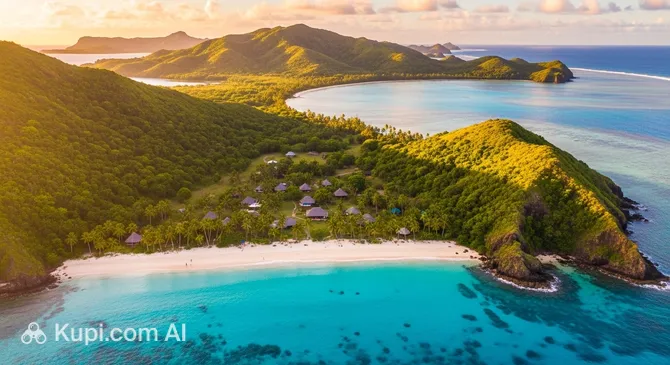
Escape to the pristine and rugged beauty of Kandavu, an island that offers a glimpse into the authentic soul of the South Pacific. As the fourth largest island in Fiji, it remains largely untouched by mass tourism, providing a tranquil sanctuary for travelers seeking adventure and serenity. The atmosphere here is laid-back and deeply rooted in traditional culture, making it a perfect destination for those wanting to disconnect from the modern world and immerse themselves in unspoiled nature.

Kandavu. Source: Kupi.Binoculars

Geographically, Kandavu is volcanic in origin, characterized by high mountains, rolling hills, and lush rainforests that cascade down to sandy beaches. Its location, just south of the main island of Viti Levu, blesses it with a tropical climate ideal for outdoor exploration. The island is surrounded by the world-famous Great Astrolabe Reef, one of the largest barrier reefs on the planet. This underwater marvel is a magnet for divers and snorkelers eager to witness vibrant coral gardens and majestic marine life, including the renowned manta rays.

Beyond the water, the island is a true haven for birdwatchers and eco-tourists. The dense forests are home to several endemic species found nowhere else on earth, such as the colorful Kadavu Crimson Shining-parrot. While the natural wonders are the main draw, the local heritage is equally captivating. Visitors can gain a deeper appreciation for the island's enduring traditions and village lifestyle by exploring the history of Kandavu, which reveals a rich tapestry of maritime skill and community resilience. Whether you are diving into the deep blue or hiking through emerald jungles, Kandavu promises an unforgettable journey.

Weather Overview

Travelers visiting this island can expect a pleasant tropical climate with consistent warmth year-round. For a detailed breakdown of seasonal conditions and forecasts, you can consult the guide to weather in Kandavu. The temperatures remain relatively stable, rarely dropping below comfortable levels, making it a suitable destination for beach lovers and divers at any time.

The year typically begins with the warmest period from January to April, where average temperatures hover around 26°C to 27°C. This season is characterized by frequent precipitation, with March often seeing up to 25 wet days. Conversely, the months from June to September bring slightly cooler air, with averages dipping to approximately 23°C, and clearer skies, as the number of wet days decreases to around 12 to 14 per month.

Interesting Facts

Beyond the main attractions, Kandavu preserves ancient traditions and legends that offer a fascinating glimpse into the island's soul. Here are a few unique aspects that make this destination truly special:

  • The Turtle Calling Ritual: In the village of Namuana, a unique and mystical tradition is kept alive by the local women. Through a specific chant, they summon giant sea turtles to rise to the surface of the water. Legend has it that these turtles are the transformed descendants of an ancient princess and her daughter who were once captured by warriors at this very spot.

  • A Roadless Paradise: Unlike the bustling main islands of Fiji, this island has an extremely limited road network. The ocean serves as the primary highway, meaning that almost all travel between villages, resorts, and hidden bays is done by small fiberglass boats, adding a sense of true adventure to every journey.

  • Guardians of Ancient Pottery: The women of Naloto and Yawe villages are among the few remaining artisans who still practice the traditional art of pottery making. They use techniques that have been passed down for centuries, crafting clay pots that are historically significant and distinct from styles found elsewhere in the archipelago.

  • The Sentinel of the West: The island is dominated by Mount Nabukelevu, also known as Mount Washington. This extinct volcano is not only the highest peak on the island but also serves as a critical navigational landmark for sailors navigating the surrounding waters, while local folklore links it to myths of shark gods and rival mountains.

How to Get There

Reaching this secluded island paradise is part of the adventure, offering travelers a transition from the bustling main islands to a more serene pace of life. While the island is relatively remote, it is well-connected to the rest of the archipelago by air and sea. For a detailed breakdown of routes and schedules, you can read more about how to get to Kandavu to plan your journey effectively.

The most convenient and direct way to arrive is via the local Kandavu Airport (KDV), which is situated right on the island. It is a small regional facility located just 5.9 km from the main settlement areas. Upon arrival, the journey to the town center or nearby resorts typically takes about 30 minutes by local transport or resort shuttle. While the airport sees relatively low traffic, it serves as the primary lifeline for visitors seeking quick access to the island's resorts and villages.

Since Kandavu does not receive direct international flights, most visitors will first land at Nadi International Airport (NAN) in the city of Nadi. This is the country's main international gateway, handling a large volume of passengers annually. It is located approximately 160 km from Kandavu. From Nadi, travelers usually catch a domestic flight directly to Kandavu or travel by road to Suva to take a ferry.

Another key transit point is Nausori Airport (SUV), located in the capital city of Suva, about 114 km from Kandavu. This airport handles a medium amount of traffic and offers frequent domestic connections. Travelers often fly from here to Kandavu or head to the nearby Suva wharf to board inter-island ferries, which provide a scenic but longer voyage across the ocean.

For clarity, here is a summary of the main airports facilitating travel to the region:

Airport Name City Passenger Traffic Km from City
Nadi International Airport Nadi High 159.9
Nausori Airport Suva Medium 114.3
Kandavu Airport Kandavu Low 5.9
Savusavu Airport Savusavu Low 273.4

Main Attractions

The primary allure of Kandavu lies in its raw, uncommercialized nature, and nowhere is this more evident than at the Great Astrolabe Reef. As one of the largest barrier reefs in the world, stretching for over 100 kilometers, it is a world-class destination for divers and snorkelers. The reef is famous for its intricate hard and soft coral gardens, steep drop-offs, and an abundance of marine life. Sites like the Naiqoro Passage offer thrilling drift dives where visitors can spot reef sharks, tuna, and giant trevally, while other areas are renowned for encounters with majestic manta rays, particularly near the Manta Reef.

For those who prefer adventures on land, a hike up Mount Nabukelevu, also known as Mount Washington, is an unforgettable experience. Standing as the highest point on the island at 805 meters, this extinct volcano dominates the western end of Kandavu. The trek to the summit takes you through dense rainforests and cloud forests, offering a prime opportunity to spot the endemic Kadavu Crimson Shining-parrot. Once at the top, hikers are rewarded with breathtaking panoramic views of the island's coastline and the sprawling blue ocean beyond.

Located just northeast of the main island, Ono Island is a serene gem that attracts travelers seeking a quieter, more intimate connection with the environment. It is geologically separated from Kandavu by a deep channel and is a hub for sea kayaking expeditions. Paddling around Ono allows visitors to explore hidden bays, visit traditional villages that are accessible only by boat, and enjoy pristine beaches that feel completely undiscovered. It serves as an excellent base for accessing the northern parts of the Great Astrolabe Reef.

Another captivating natural wonder is the Waisalima Waterfall, situated near the village of the same name. Reaching the falls usually involves a guided jungle trek, which adds to the sense of adventure. The walk leads through lush vegetation and across streams, culminating in a refreshing cascade where visitors can take a cool dip in the natural pool. It provides a perfect freshwater counterpoint to the salty adventures of the reef, allowing tourists to immerse themselves in the island's verdant interior.

Local Cuisine

The culinary experience in Kandavu is a direct reflection of its pristine environment, characterized by an "ocean-to-plate" and "farm-to-table" philosophy that is a way of life rather than a trend. Due to the island's remoteness, imported ingredients are scarce, meaning almost everything served is fresh, organic, and locally sourced. Visitors can expect a diet heavily reliant on the bounty of the Great Astrolabe Reef and the fertile volcanic soil, resulting in meals that are simple yet bursting with natural flavor.

No trip to the island is complete without trying Kokoda, arguably Fiji's most famous dish. This refreshing raw fish salad is similar to ceviche, where fresh catch—often Spanish mackerel or walu—is marinated in lemon or lime juice to "cook" it. It is then mixed with fresh coconut cream (lolo), onions, chilies, and tomatoes. Another culinary highlight is the traditional Lovo feast. This method involves cooking food in an earth oven lined with hot stones. Meats, fish, and root vegetables like taro (dalo) and cassava are wrapped in banana leaves and buried to slow-cook for hours, resulting in a distinct, smoky flavor that is tender and delicious.

When it comes to beverages, the cultural significance of Kava (or Yaqona) cannot be overstated. While it is technically a mild sedative made from the powdered root of a pepper plant, drinking it is a vital social and ceremonial activity in Kandavu. Tourists are often invited to participate in a kava ceremony when visiting villages. For a refreshing non-alcoholic option, nothing beats drinking fresh coconut water straight from the nut, known locally as bu, which is abundant across the island.

The dining scene in Kandavu is quite different from the bustling hubs of Viti Levu. You will not find a wide array of standalone restaurants, cafes, or street food markets here. Instead, the resorts and eco-lodges serve as the primary dining venues for travelers, offering menus that blend international tastes with Fijian staples. For a truly authentic experience, many visitors arrange village tours where they can enjoy a home-cooked meal, offering a genuine taste of Fijian hospitality and the chance to sample simple, hearty dishes like rourou (taro leaves cooked in coconut milk) prepared by local families.

Travel Tips

Visiting Kandavu offers a rare opportunity to experience Fiji as it was decades ago, but its remote and rugged nature requires a bit more preparation than a trip to the main islands. To help you navigate this untouched paradise with ease and respect, here are some practical tips to ensure your journey is as smooth as it is memorable.

  1. Pack Smart for Land and Sea: Since the climate is tropical and humid, bring lightweight, breathable clothing. However, modesty is highly valued here; always carry a sulu (sarong) to cover your knees and shoulders when visiting villages. Additionally, reliable reef shoes are essential for protecting your feet from coral during boat landings and snorkeling.

  2. Prepare for Boat Travel: Unlike Viti Levu, Kandavu has very few roads, and the ocean is the main highway. Most transfers between the airport, resorts, and villages are done via small fiberglass boats. Be prepared for "wet landings" where you jump into shallow water, so wear appropriate footwear and pack your electronics in waterproof dry bags to keep them safe from sea spray.

  3. Cash is King: Banking infrastructure is extremely limited on the island. While some major resorts may accept credit cards, local shops, boat captains, and village artisans deal strictly in cash. There are virtually no ATMs outside of the main administrative center in Vunisea, and even those can be unreliable, so it is crucial to withdraw ample Fijian Dollars (FJD) before leaving the mainland.

  4. Health and Safety Essentials: Medical facilities are basic and concentrated in Vunisea, so bring a well-stocked personal first aid kit, including any prescription medications you need. Mosquitoes can be active, especially at dusk, so packing a strong insect repellent is vital. Also, stick to bottled or filtered water to avoid stomach issues.

  5. Communication and Connectivity: English is widely spoken, so you will have no trouble communicating. However, mobile signal and Wi-Fi can be spotty or non-existent in remote bays. If you need to stay connected, buying a local SIM card (Vodafone or Digicel) at the international airport before arriving in Kandavu gives you the best chance of coverage.

  6. Respect Village Protocol: Kandavu is deeply traditional. If you plan to visit a village, you must present a sevusevu (a gift of kava root) to the village chief as a sign of respect. Always remove your hat and sunglasses when entering a village, as wearing them is considered disrespectful to the chief.

  7. Cultural Taboos to Avoid: Never touch a Fijian person's head, including children, as the head is considered sacred. Additionally, avoid walking around villages in swimwear or skimpy clothing; save your bikinis and board shorts for the resort or the beach, and cover up when you are near local homes.

  8. Embrace "Fiji Time": Life in Kandavu moves at a much slower pace than the rest of the world. Service might be leisurely, and schedules can be flexible depending on the tide and weather. Instead of getting frustrated, use this as an opportunity to disconnect from the clock and immerse yourself in the relaxed island rhythm.

By keeping these tips in mind, you will be well-equipped to enjoy the authentic charm and breathtaking wilderness of Kandavu. Respecting local customs and coming prepared for the remote environment will not only make your trip safer but will also deepen your connection with the friendly locals who call this beautiful island home.

Entertainment & Nightlife

Entertainment and nightlife in Kandavu are defined by the island’s secluded and serene character. Unlike the bustling party hubs of Nadi or the vibrant streets of Suva, this island offers a completely different nocturnal experience. You will not find neon-lit nightclubs, thumping discos, or crowded nightlife districts here. Instead, the evening entertainment is intimate, relaxed, and deeply connected to the natural environment and local culture. The "nightlife" centers almost exclusively around the eco-resorts and lodges, where guests gather to share stories of the day's adventures over cold drinks and fresh food.

The atmosphere is one of barefoot luxury and communal connection. Most social activity takes place in the open-air bars and dining bures (traditional thatched huts) of the various resorts. Here, the dress code is universally casual—shorts and t-shirts are the norm, though some luxury private island resorts might see guests dressing up slightly for dinner. The vibe is friendly and unpretentious, often accompanied by the gentle strumming of guitars by resort staff playing traditional Fijian songs. Opening hours are dictated by the guests; bars typically stay open as long as there is conversation flowing, but evenings tend to wrap up relatively early to prepare for early morning dives or hikes.

One of the most authentic forms of evening entertainment in Kandavu is the traditional Kava Ceremony. Almost every resort hosts these cultural nights, where guests are invited to sit on woven mats with the staff and villagers to drink yaqona (kava). It is a mild, earthy beverage that acts as a social lubricant, fostering a sense of community and relaxation. For a more romantic evening, the lack of light pollution makes Kandavu a world-class destination for stargazing. Simply walking out to the beach at night offers a dazzling view of the Milky Way that is impossible to see in more developed areas.

Since there are no independent bars or restaurants outside of the hotels, the specific "venues" are the resorts themselves. Matava - The Astrolabe Hideaway is a well-known spot where the evenings are spent in a communal dining hall, fostering a family-like atmosphere among divers and eco-travelers. For those seeking a more upscale experience, Kokomo Private Island offers sophisticated bars with curated wine lists and cocktails, providing a touch of elegance in the middle of the wilderness. Another popular option is Papageno Resort, where the oceanfront bar serves as a tranquil setting to watch the sunset and unwind.

Practical advice for nights in Kandavu revolves around preparation. Since there are no streetlights, taxis, or public transport networks operating at night, you generally stay where you are sleeping. If you are moving between a village and a resort, it is usually done by boat before sunset. Prices for drinks and food vary: eco-lodges are generally affordable, while luxury resorts charge international rates. Safety is rarely an issue regarding crime, but the physical environment can be hazardous in the dark. Always carry a sturdy flashlight or headlamp to navigate unlit paths between your room and the main lodge to avoid tripping on roots or stepping on uneven ground.

Regarding daytime entertainment, do not expect to find movie theaters, shopping malls, amusement parks, or indoor museums. The island itself is a living museum of nature and culture. "Entertainment" here means hiking through the rainforest to spot endemic birds, kayaking through mangrove forests, or visiting local villages to see traditional craft-making. The thrill of Kandavu lies in its raw, outdoor experiences rather than manufactured attractions.

Parks & Museums

Kandavu does not follow the traditional urban blueprint of manicured city parks and enclosed museums; instead, the entire island serves as a living, breathing conservation area and an open-air gallery of Fijian heritage. Here, the "parks" are sprawling ancient rainforests and protected marine zones, while the "museums" are the villages themselves, where history is preserved not in glass cases, but through oral traditions, crafts, and daily life.

For nature enthusiasts, the Nabukelevu Important Bird Area is the island's most significant green space. Encompassing the high-altitude forests around Mount Washington, this protected reserve is a sanctuary for biodiversity. It is the primary stronghold of the endemic Kadavu Crimson Shining-parrot, a vibrant gem of the forest that can often be seen flitting through the canopy. Unlike a typical park with paved paths, this is a rugged, wild environment where the dense vegetation and towering prehistoric tree ferns offer a glimpse into the Pacific's botanical past.

In the aquatic realm, the concept of a park extends to the Locally Managed Marine Areas (LMMAs), often referred to locally as Tabu zones. Communities across Kandavu, such as those near the Naiqoro Passage, have established these protected sanctuaries where fishing is restricted to allow ecosystems to regenerate. These zones function as natural aquariums, boasting a higher density of fish and pristine coral formations compared to open fishing grounds. Visiting these areas offers a respectful way to observe the underwater environment while supporting local conservation efforts.

Culturally, the island lacks formal museums, but the Villages of the Yawe District act as working galleries for one of Fiji's oldest art forms. In villages like Naloto, women continue to practice a unique style of pottery making that dates back to the Lapita era. Visitors can witness the entire process, from gathering the local clay to firing the pots in open fires. These vessels are not merely souvenirs but are deeply significant cultural artifacts, making a visit here an interactive journey into the island's artistic history.

From a historical and architectural perspective, the administrative center of Vunisea offers a window into the island's colonial past. Situated on a narrow isthmus, it has served as the government station since the late 19th century. While modest, the cluster of colonial-era government buildings, the old hospital, and the Methodist church standing prominently on the hillside reflect the architectural style of the British colonial period in the South Pacific. It remains the beating heart of the island's modern history and governance.

For a truly authentic insight, look out for the old Hill Forts (Koronivalu) that dot the island's interior ridges. largely reclaimed by the jungle, these ancient defensive sites whisper tales of the tribal warfare that once characterized the region. While they are not formally signposted as tourist sites, local guides in the villages can often point out the earthworks and terraced foundations, sharing the legends of the warriors who once defended them.

Getting Around

Public transport in Kandavu is fundamentally different from what you might expect in a typical city. There are no metros, trams, trains, or extensive municipal bus networks here. Instead, the transport system is defined by the island's geography, where the ocean serves as the primary highway and rugged tracks replace paved roads. For the vast majority of travelers, getting around involves small fiberglass boats or open-back trucks known locally as "carriers," offering a rustic and authentic island experience.

The most common form of "public" transport is the water taxi. These are typically 23-foot fiberglass skiffs powered by outboard motors, operated by local villagers or resorts. Since many villages and accommodations are inaccessible by road, these boats are the lifeline of the island. They function somewhat like a taxi service, transferring visitors from the airport in Vunisea to their respective resorts or between bays. There is no fixed schedule; trips are arranged on demand or coordinated by your accommodation host.

On land, specifically around the administrative center of Vunisea and the immediate isthmus area, you will find carriers. These are light trucks modified with bench seating in the back, covered by a tarpaulin frame. They act as the island's bus service, transporting locals and goods between the airport, the hospital, and nearby villages. They do not have numbered routes or official stops; you simply flag one down or find them waiting near the market or jetty. They usually depart only when they are full.

Payment for all forms of transport is strictly cash-based. There are no travel cards, mobile apps, or ticketing machines. You will need to pay the driver or boat captain directly in the local currency. For carriers, the fares are generally low and fixed for standard distances. However, boat transfers can be quite expensive due to fuel costs. It is essential to agree on the price before you step into the boat or truck to avoid misunderstandings later. Ensure you carry small denominations, as drivers rarely have change for large notes.

For tourists, the most practical advice is to rely on your resort to manage your logistics. Independent travel can be challenging due to the lack of scheduled services. If you need to travel by boat, always plan your movements around the daylight hours and the tides; low tide can make certain reefs impassable or require long walks through shallow water to reach the shore. Additionally, boat travel is rarely done at night due to the lack of navigational lights and the presence of coral heads, so always ensure you are at your destination before sunset.

Alternatives like standard car taxis, ride-sharing apps, or car rentals do not exist on the island. The terrain is too rough for standard sedans, and the road network is too limited to warrant rental agencies. Walking is a viable and popular alternative for short distances between coastal villages, often via scenic footpaths that cut through the jungle. For those staying in Vunisea, walking is the easiest way to access the few shops and the government station.

Accommodation

Accommodation in Kandavu is a world away from the high-rise hotels and sprawling resort chains found on Fiji’s main islands. Here, the lodging landscape is defined by intimate eco-resorts, traditional homestays, and dedicated dive lodges that blend seamlessly into the surrounding rainforest and coastline. The options generally range from budget-friendly dormitory styles within eco-lodges to mid-range beachfront bures (traditional bungalows), and reaching up to ultra-luxury private island retreats. The common thread across almost all accommodation is a strong focus on sustainability and a deep connection to nature, with many places operating "off the grid" using solar power and rainwater harvesting.

When choosing where to stay, geography plays a significant role. The vast majority of resorts are scattered along the coastline and are isolated from one another, often accessible only by boat. For divers and snorkelers, staying on the eastern or southern sides of the island is popular due to the immediate proximity to the Great Astrolabe Reef. Those who need easier access to services or the airport might prefer the few options near the administrative center of Vunisea, though most travelers willingly trade convenience for the seclusion of the remote bays. Ono Island, located just off the northeast tip, is another favored area, offering a tranquil base for kayaking and exploring the northern reef passages.

In terms of specific properties, the island offers distinct experiences for different budgets. For the ultimate in exclusivity and comfort, Kokomo Private Island stands out as a world-class luxury destination, offering sprawling residences and all-inclusive service. On the other end of the spectrum, catering to adventure seekers and nature lovers, places like Matava - The Astrolabe Hideaway provide a rustic yet comfortable "eco-adventure" experience, where traditional thatched bures allow guests to sleep to the sound of the ocean without the distractions of modern technology.

A crucial tip for booking accommodation in Kandavu is to pay close attention to meal plans and transfers. Since there are virtually no independent restaurants or shops accessible from the resorts, most stays are priced to include all meals (full board). It is highly recommended to confirm this when booking. Additionally, because boat transfers from the airport can be lengthy and fuel-dependent, you should arrange your transport directly with your hotel well in advance of your arrival to ensure a smooth connection.

Price ranges vary significantly depending on the level of luxury. Budget and mid-range eco-lodges typically charge between $150 and $400 USD per night, often including meals, while the exclusive private island resorts can cost several thousand dollars per night. Booking is best done via online travel platforms or directly through the resort's website. For the smaller, family-run homestays or niche dive lodges, direct email communication is often the most effective way to secure a reservation and arrange the necessary logistics for your remote island getaway.

Nearby Cities

Although Kandavu is a remote sanctuary ideal for disconnecting, it is situated relatively close to Viti Levu, Fiji's main island. Most travelers will pass through or visit the country's major cities as part of their broader itinerary. These key locations serve as vital transportation hubs connecting you to Kandavu and offer a lively contrast to the island's quiet, traditional lifestyle.

City Population Distance (km)
Suva 185,913 100
Nadi 71,048 158
Nausori 57,882 115
Lautoka 52,220 174
Labasa 27,949 312

Integrating these destinations into your travel plans provides a fuller picture of Fiji. The capital, Suva, and the tourism hub of Nadi are the principal gateways for domestic flights and ferries to the island. While Kandavu is cherished for its silence and nature, spending time in these urban centers allows visitors to enjoy shopping, cultural museums, and diverse dining options before or after their island retreat.

Shopping & Souvenirs

Shopping in Kandavu is a refreshing departure from the commercialized retail experiences found in major cities. Visitors should adjust their expectations accordingly; this is not a destination for designer brands, sprawling malls, or duty-free complexes. Instead, the shopping scene here is modest, practical, and deeply authentic, revolving around essential supplies for locals and unique, handmade crafts that reflect the island's rich cultural heritage. It is an opportunity to support local artisans directly rather than browsing through mass-produced goods.

The primary commercial hub of the island is Vunisea, the administrative center located on the narrow isthmus. This is the only place on the island that resembles a town center, hosting a cluster of general stores, a post office, and a few small shops. Here, you can find basic groceries, canned goods, toiletries, and simple clothing. Outside of Vunisea, "shopping" is limited to tiny village canteens that sell a very restricted range of items, or the boutique shops found within the eco-resorts, which typically stock sunscreen, sarongs, and souvenirs.

Travelers looking for shopping malls will not find them on Kandavu. The island's infrastructure is undeveloped by design to preserve its natural state. There are no department stores, electronics retailers, or fashion chains. If you require specific equipment—such as specialized camera gear, batteries, or specific pharmaceutical brands—it is highly recommended to purchase these on the main island of Viti Levu before flying or sailing to Kandavu.

The most vibrant shopping experience can be found at the local market in Vunisea, situated near the jetty. This open-air market is the lifeblood of the community, where farmers from surrounding villages bring their fresh produce to sell. While it is primarily a food market offering taro, cassava, coconuts, and freshly caught fish, it is a colorful place to observe daily life. On Saturdays, the market is particularly lively, and you may occasionally find vendors selling homemade snacks or simple woven items.

For souvenirs, Kandavu offers treasures that are culturally significant and rare. The island is famous across Fiji for its traditional pottery, particularly from the villages of Naloto and Yawe. The women here still use ancient lapita techniques to hand-mold clay pots, which make for exquisite and meaningful keepsakes. Other excellent items to look for include tapa cloth (masi), woven mats, and intricate wood carvings like kava bowls (tanoa). Most of these items are sold directly in the villages or through the gift shops at major resorts.

When it comes to opening hours and payment, cash is absolute king. The general stores in Vunisea typically open from 8:00 AM to 4:30 PM or 5:00 PM on weekdays and have shorter hours on Saturdays. Sunday is a strict day of rest and worship in Fiji, so almost all shops and markets will be closed. Credit cards are generally only accepted at the larger resorts. It is crucial to carry enough cash (Fijian Dollars) for any purchases in town or villages, as small vendors do not have card machines.

Regarding tax-free shopping, there are no facilities for tax refunds or duty-free purchases on the island itself. The Tourist VAT Refund Scheme is only available at Nadi International Airport or Suva port upon your final departure from the country. Therefore, any goods bought in Kandavu are subject to local prices without immediate tax relief.
Reached the end of the page?

That means the route is fully explored