Support

Papua New Guinea (Niugini)

About the Country

Papua New Guinea, located in Oceania to the north of Australia, comprises the eastern half of the island of New Guinea and numerous adjacent islands. It is a country of astonishing cultural diversity, home to hundreds of different ethnic groups who speak over 800 languages. Travellers will find a unique opportunity to connect with ancient traditions, distinctive customs, and art forms that have been preserved in their original state in many parts of the country.

The natural treasures of Papua New Guinea are as impressive as its cultural heritage. Here you will find dense tropical rainforests, majestic mountain ranges, active volcanoes, and some of the world's most pristine coral reefs, perfect for diving and snorkelling. The country's climate is equatorial—hot and humid year-round, which supports a vibrant array of flora and fauna. The capital, Port Moresby, is the main transport hub and the starting point for exploring this remarkable nation.
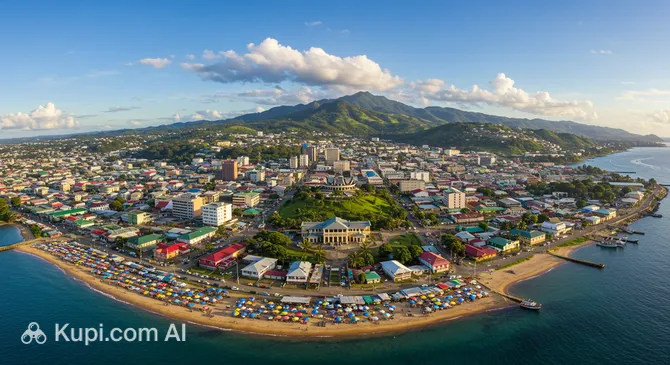
Port Moresby. Source: Kupi.com Binoculars

Papua New Guinea offers an atmosphere of true adventure and the chance to discover uncharted horizons. This is a destination for those seeking something more than a standard tourist itinerary. Whether it's trekking the famous Kokoda Track, exploring the underwater world off the coast of Madang, or visiting colourful cultural festivals like the show in Mount Hagen, Papua New Guinea promises unforgettable experiences and a deep immersion into a world where nature and ancient cultures exist in harmony.

Currency

The national currency of Papua New Guinea is the kina (PGK). One kina is subdivided into 100 toea. The banknotes are adorned with images of local fauna, flora, and cultural artefacts, making them quite colourful. For example, the banknotes feature birds-of-paradise, which are a national symbol. The coins also have a distinctive design, often featuring animals.

It is advisable to exchange foreign currency for kina at official banks or exchange offices at the airport and in major cities, such as Port Moresby. Try to avoid exchanging money with street money changers due to the risk of fraud or unfavourable rates. Credit cards (mainly Visa and MasterCard) are accepted in large hotels, restaurants, and some shops in tourist areas and the capital. However, cash is preferred in remote areas and at local markets, so it is always useful to carry some local currency with you.

Visa Requirements

To visit Papua New Guinea, travellers with UAE passports are required to obtain an electronic visa (eVisa) before their trip. While citizens of the United Arab Emirates do not need a traditional visa for short tourist stays, applying for an eVisa online is a mandatory step for entry.

In addition to the eVisa, you will need a valid passport with at least six months' validity from your planned date of arrival in Papua New Guinea. Authorities may also ask for proof of return or onward tickets and confirmation of your accommodation. As visa regulations and entry requirements can change, it is highly recommended to verify the latest information on the official Papua New Guinea Immigration and Citizenship Authority website or with the nearest embassy before your travels.

We'll tell you if you need a visa

Specify where you are going, or
Your citizenship
Destination

Time Zones

When planning a trip to Papua New Guinea, it is important to consider the local time. The country is divided into two time zones. Most of Papua New Guinea, including the capital Port Moresby, is in the UTC+10 time zone (PGT - Papua New Guinea Standard Time).

However, the Autonomous Region of Bougainville uses a different time zone – UTC+11 (BST - Bougainville Standard Time). Therefore, there is a one-hour time difference when travelling between the mainland and Bougainville. Tourists planning to visit Bougainville should take this into account when creating their itineraries and schedules.

How to Get There

Reaching the exotic nation of Papua New Guinea is most easily done by air. For travellers from the UAE, there are no direct flights, so your journey will involve at least one connection. The country's main international gateway is Jacksons International Airport (POM), located in the capital, Port Moresby.

Most international flights arrive here, typically with layovers in cities across Southeast Asia or Australia. Common connection points for those flying from Dubai or Abu Dhabi include Manila, Hong Kong, Singapore, or Australian cities like Brisbane and Sydney. Airlines such as Emirates, Philippine Airlines, and Cathay Pacific often operate these routes in partnership with other carriers. The total journey time can be significant, often averaging between 18 to 22 hours, so it is wise to plan your connections carefully.

While Papua New Guinea shares a land border with Indonesia on the island of New Guinea, crossing it is not a standard or easily accessible route for most tourists. There are no international bus or train services. Sea travel is primarily limited to cruise ships, which occasionally include ports in Papua New Guinea on their itineraries, offering a unique way to arrive. Regular international passenger ferry services are virtually non-existent. For Muslim travellers, it is worth noting that while there is a small Muslim community and at least one mosque in Port Moresby, halal food options and prayer facilities are not widely available across the country, so planning ahead for dietary needs is recommended. Regardless of your chosen mode of transport, it is highly recommended to book your tickets well in advance, especially if your trip coincides with peak tourist seasons or major local festivals, to secure the best prices and availability.

For your reference, here is a summary of the main airports in the country:

Airport Name City Passenger Traffic
Jacksons International AirportPort MoresbyMajor
Nadzab AirportLaeMedium
Madang AirportMadangMinor
Goroka AirportGorokaMinor
Tokua AirportRabaulMinor

Papua New Guinea offers travellers an amazing variety of destinations, from bustling urban centres to picturesque coastal towns and islands, each unique in its own way. The nation's capital, Port Moresby, is the main transport hub and the starting point for exploring this exotic state. Here, you can experience the country's modern culture, visit national museums and colourful markets, and enjoy views over the bay.

Port Moresby. Source: Kupi.com Binoculars

Among other popular places is Alotau, the capital of Milne Bay Province, known for its rich Second World War history and colourful cultural festivals. The town serves as a gateway to stunning islands and magnificent diving spots in Milne Bay. Equally interesting is Rabaul, located on the island of New Britain. Despite its turbulent volcanic history, the town attracts adventure seekers with opportunities to explore active volcanoes, hot springs, and shipwrecks from the war.

For those seeking breathtaking coastal scenery, Madang is a true discovery. This town is famous for having one of the most beautiful harbours in the world, surrounded by coral reefs and idyllic tropical islands, which makes it a perfect spot for snorkelling and diving. It is also worth visiting Mount Hagen, the cultural heart of the Highlands, where you can witness traditional tribal festivals, known as 'Sing-Sings', and learn about the unique customs of the local peoples. Each of these destinations offers its own unique experience and allows for a deeper understanding of the incredible culture and nature of Papua New Guinea.

Top Attractions

Papua New Guinea is a land of amazing contrasts, where ancient cultures harmoniously coexist with developing cities. In addition to its incredible nature and rich ethnic diversity, you can also find remarkable places for relaxation and getting to know the local atmosphere.

One such place is the Madang Resort Hotel. Located in picturesque Madang, this resort hotel offers guests comfortable accommodation and the opportunity to enjoy the beauty of the coast. It is an excellent place for those seeking a peaceful holiday and wanting to experience the region's hospitality.

Madang Resort Hotel. Source: Kupi.com Binoculars

If you find yourself in the capital, Port Moresby, and want a casual bite to eat, check out Buffalo Burger. This establishment is known for its hearty meals like burgers and fried chicken and is a popular choice among both locals and tourists. While the menu offers familiar fast-food options, visitors seeking halal-certified meals should confirm with the staff before ordering, as this information is not widely advertised.

Buffalo Burger. Source: Kupi.com Binoculars

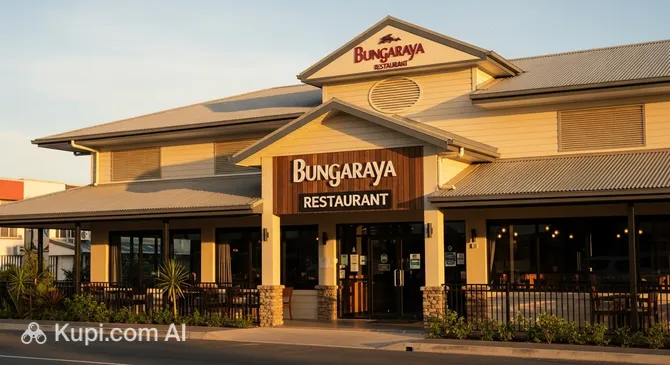
In the city of Lae, an interesting culinary spot is the Bungaraya Restaurant. This place offers visitors a cosy atmosphere and the chance to try a variety of Malay and Cantonese dishes. The menu includes seafood and vegetarian options, and given that similar restaurants in the region sometimes offer halal choices, it is advisable for Muslim diners to inquire about their food preparation methods.

Bungaraya Restaurant. Source: Kupi.com Binoculars

Best Time to Visit

The best time to visit Papua New Guinea is during the dry season, which typically lasts from May to October. During this period, you can expect sunnier weather with less rainfall and lower humidity, creating ideal conditions for outdoor activities. These range from trekking the famous Kokoda Track to exploring the rich underwater world and experiencing the unique local culture. The dry season is also when most of the country's most vibrant cultural events take place. These include the world-renowned Goroka Show (usually in September) and the Mount Hagen Show (August), as well as the colourful National Mask Festival in Rabaul (July) and the Canoe and Kundu Festival in Alotau (November, at the turn of the seasons). The advantages of this period are clear: comfortable weather and a rich cultural programme. However, it is worth noting that this is also the peak tourist season, so prices for flights and accommodation may be higher, and popular sites can be more crowded.

The rainy season, or low season, in Papua New Guinea occurs between December and March. This period sees significantly more rainfall, increased humidity, and the possibility of tropical cyclones in some coastal areas. Despite this, travelling in the low season has its perks: there are noticeably fewer tourists, and prices for accommodation and services can be lower. The landscapes are particularly lush and green at this time of year. However, be prepared for rains to disrupt your plans, especially if you intend to go trekking in mountainous regions, such as the areas around Mount Hagen or Goroka, where trails can become difficult to navigate. Some remote lodges and tour operators may have limited availability. Given the country's considerable size and diverse landscapes, the climate can vary significantly: coastal areas like Madang or Wewak are typically hot and humid year-round, while the highlands are cooler, especially at night. For cultural sensitivity, travellers should note that modest dress is recommended, particularly in rural areas where women are advised to wear long skirts and avoid shorts. While pork is a common part of the local diet, finding halal food options can be challenging outside of major cities, so planning is advised. It is always recommended to check the latest weather conditions and seasonal specifics for the regions you plan to visit before your trip.

Traditions

The culture of Papua New Guinea is strikingly diverse, as it is home to over 800 ethnic groups, each with its own unique customs. When interacting with local people, it is important to remember a few key points. A handshake is a common form of greeting, especially in cities and among those who interact with tourists. However, in some traditional communities, prolonged direct eye contact can be perceived as aggression or disrespect, so a softer gaze is preferable. Try to speak calmly and not raise your voice, as speaking loudly can be interpreted as anger. Regarding clothing, a modest style of dress is recommended, especially when visiting villages or remote areas. Women should cover their shoulders and knees, and men should wear shirts and trousers or long shorts. Beachwear is best left for appropriate places.

Hospitality holds a central place in the culture of Papua New Guinea. If you are invited into a home or village, it is considered a great sign of respect. It is customary to bring small gifts for your hosts, especially in rural areas – these can be practical items such as rice, sugar, tinned goods, or soap. Always ask for permission before photographing people or their property. Table manners can vary, but food is often eaten with the hands (usually the right hand), and it is customary to share food. Avoid public displays of affection, as this is not customary. Showing a sincere interest in local traditions and behaving respectfully will help you to better understand and appreciate the unique culture of this country.

One of the most significant events showcasing the country's cultural richness is Independence Day, celebrated on 16th September. On this day, vibrant festivals known as 'sing-sings' are held across the country, where different tribes present their traditional dances, songs, and costumes. This is a magnificent opportunity to witness the diversity of Papua New Guinea's cultures in one place. Remember that community ties (the 'wantok' system – 'one talk, one people') are very strong in the country, so respect for elders and local leaders is of great importance. Patience and a smile are your best companions when interacting with the local people.

Entertainment

Papua New Guinea offers travellers a unique range of entertainment, primarily based on its incredible nature and distinctive culture. For fans of outdoor activities, it is a true paradise: the country is famous for world-class diving and snorkelling in its coral reefs, fascinating trekking routes through tropical rainforests and highlands, and opportunities for observing exotic birds, including the famous birds-of-paradise. Surfing is also gaining popularity in certain regions during the right season.

Cultural entertainment in Papua New Guinea is an immersion into ancient traditions. Travellers can visit local villages (with permission and respect for customs), witness colourful "sing-sing" festivals with traditional dances and music, and explore art in the few museums and galleries, for example, in the capital, Port Moresby. When visiting villages or cultural sites, it is advisable to dress modestly, with clothing that covers the shoulders and knees, to show respect for local customs. Shopping here is primarily about acquiring unique handicrafts: carved wooden masks and figures, woven "bilum" bags, shell jewellery, and pottery. The best places to buy souvenirs are local markets and craft shops.

Nightlife in Papua New Guinea is quite low-key and is mainly centred in major hotels and some restaurants in large cities like Port Moresby. Here, you can spend an evening enjoying a meal with local cuisine or refreshments in a calm setting. While many restaurants serve local produce, visitors seeking halal-certified food may find options limited, and it is best to make enquiries in advance. For Muslims, the Hohola Mosque, the first to be built in the country, is located in Port Moresby and serves the local community. For a family holiday, the country offers amazing adventures in nature: discovering unique flora and fauna, gentle walks in scenic areas, and the chance to engage with a completely different culture, which can be an educational experience for older children. There are virtually no specialised theme parks or water parks; the emphasis is on natural beauty and cultural heritage.

Currency rates

Planning a trip? Excellent! To avoid any financial surprises on your journey, it is important to remember that currency rates are constantly changing. Therefore, we strongly advise you to monitor the latest rates, both on the eve of your departure and throughout your trip. To do so, you can use the data provided below — we monitor currency rates 24/7 and strive to provide the most up-to-date information.

Reached the end of the page?

That means the route is fully explored