Support

Tari

About

Welcome to Tari, the vibrant capital of the Hela Province and a gateway to some of the most fascinating cultural experiences in the Pacific. Situated in the lush highlands of Papua New Guinea (Niugini), this town offers a unique blend of breathtaking natural beauty and rich traditional heritage. With a population of approximately 15,000 residents, Tari serves as a vital hub for the region, surrounded by fertile valleys and rugged mountain peaks that create a stunning backdrop for any visitor.
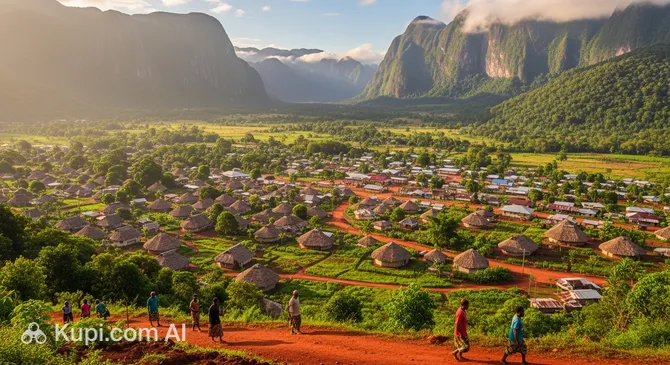
Tari. Source: Kupi.Binoculars

The geography of the area is defined by the Tari Basin, a high-altitude valley that enjoys a cooler, temperate climate compared to the coastal heat. This environment is not only perfect for agriculture but also supports a diverse ecosystem. For travelers interested in the history of Tari, the region offers a glimpse into a way of life that has remained largely unchanged for centuries, deeply connected to the land and its resources.

Tari is globally renowned as the home of the Huli Wigmen, one of the most iconic and recognizable tribes in the country. These cultural custodians are famous for their elaborate ceremonial wigs made from human hair and their vivid yellow face paint. Witnessing their traditional "sing-sing" performances is an unforgettable highlight for tourists. Additionally, the area is a premier destination for birdwatching, offering enthusiasts the rare chance to spot several species of the magnificent Bird of Paradise in their natural habitat.

Whether you are drawn by the allure of ancient tribal customs or the call of the wild highlands, Tari promises an adventure unlike any other. It is a place where tradition thrives and nature inspires, making it a must-visit destination for those seeking an authentic cultural journey.

Weather Overview

Travelers to the Hela Province should prepare for a distinct highland climate that remains remarkably stable throughout the year. The weather in Tari is characterized by mild daytime highs and crisp, cool evenings, making layers essential for comfort. Unlike the sweltering heat of the coastal regions, this high-altitude valley offers a refreshing, spring-like atmosphere regardless of when you choose to visit.

The temperature varies little from month to month, with daily averages consistently resting around 16°C to 17°C. You can generally expect daytime maximums to reach approximately 20°C, while nights typically dip to a cooler 13°C. Rainfall is a constant companion in Tari, with meteorological data indicating moisture on nearly every day of the month year-round; however, the precipitation often manifests as frequent showers or mist rather than heavy storms, keeping the landscape perpetually lush and green.

Interesting Facts

Beyond the vivid cultural displays and scenic landscapes, Tari holds many fascinating secrets that reveal the depth of its traditions and natural history. Here are some intriguing details about this unique highland sanctuary.

  • The Bachelor Cult: The famous Huli wigs are not merely costumes but the result of a rigorous tradition known as the "Bachelor Cult." Young men leave their families to live in isolation for up to 18 months, following a strict diet and performing special rituals to grow their hair, which is eventually shorn to create the ceremonial headpieces.

  • A Birdwatcher's Holy Grail: The nearby Tari Gap is world-renowned as one of the best places to spot the King of Saxony Bird of Paradise. This rare bird is distinguished by two incredibly long, enamel-blue head plumes that can be moved independently, a sight that draws nature enthusiasts from across the globe.

  • A Hidden World: The Hela region was one of the last areas in Papua New Guinea (Niugini) to be reached by international explorers. Significant contact with the outside world only began in the 1950s, which helps explain why the local customs and lifestyle remain so exceptionally preserved today.

  • Ancestral Legend: According to local oral history, the area is considered the mythical birthplace of the Hela people. Legend holds that Hela was the great-grandfather of the region's inhabitants, giving the town a legendary status as the cradle of several highland tribes.

How to Get There

Reaching the heart of the Hela Province requires some planning, but the journey is part of the adventure. The most direct route is to fly into Tari Airport, which services flights from major centers like Port Moresby. However, flight schedules can be subject to change, so it is wise to confirm availability in advance. For those seeking detailed routes and logistics, you can read more about how to get to Tari to help organize your expedition.

If a direct connection is not available, travelers often fly into airports in neighboring regions and complete the journey overland. One of the closest alternatives is Moro Airport (MXH), located approximately 65 km away. Another viable option is Mendi Airport (MDU) in Mendi, which is roughly 85 km from Tari. Transfers from these locations typically involve a drive of several hours through the highlands.

For more consistent flight connections, many visitors choose Mount Hagen Airport (IATA: HGU). Although it is situated about 149 km away, it is a significant regional hub with higher passenger traffic, offering more frequent schedules. The subsequent drive to Tari takes approximately 4 hours and offers spectacular views of the rugged landscape.

Below is a summary of the regional airports that can serve as entry points to the area:

Airport Name City Passenger Traffic Km from City
Mount Hagen AirportMount HagenMedium148.9
KiungaKiungaSmall187.4
Tabubil AirportTabubilSmall201.4
Moro AirportMoroSmall64.7
Mendi AirportMendiSmall84.7

There are no railway stations in Tari or the surrounding highlands, as the steep, mountainous terrain is unsuitable for train infrastructure. Transportation within the province is primarily conducted by road. Travelers generally rely on four-wheel-drive vehicles or local buses, known as PMVs, to navigate the unsealed and winding paths that connect the towns.

Main Attractions

To explore Tari is to step into a world where ancient traditions and pristine nature coexist in harmony. While the town itself is a modest administrative hub, the surrounding valley and highlands offer some of the most authentic cultural and ecological experiences in the Pacific. Here are the main attractions that draw travelers to this unique corner of the world.

Huli Wig Schools

Undoubtedly the most famous draw card of the region is the opportunity to visit a traditional Huli Wig School. These cultural centers are where young men of the Huli tribe undergo a rite of passage, living in seclusion to grow their hair for the iconic ceremonial wigs. A visit here offers a rare and respectful glimpse into the "Bachelor Cult" traditions. Tourists can learn about the complex rituals, the significance of the yellow face paint, and the craftsmanship involved in creating the elaborate headpieces that have become a symbol of the province.

Tari Gap

For nature enthusiasts and ornithologists, the Tari Gap is a world-class destination. Located at a higher altitude on the edge of the valley, this misty mountain pass is renowned as one of the best places on Earth to spot Birds of Paradise. The mossy cloud forests here are home to the spectacular King of Saxony Bird of Paradise and the Ribbon-tailed Astrapia. Walking the trails in this area immerses visitors in a prehistoric-looking landscape of giant ferns and orchids, offering a serene escape into the wild.

Tari Market

To experience the daily rhythm of local life, a visit to the main market in town is essential. It is a bustling hub of activity where locals from surrounding villages come to trade fresh produce, including sweet potatoes, taro, and greens. The market is a colorful and lively spot for photography and interaction, offering a chance to see the Huli people in their everyday environment, often still adorning elements of traditional dress mixed with modern clothing.

Traditional Huli Villages

Beyond the specialized wig schools, touring the broader network of traditional villages in the Tari Basin provides insight into the domestic life of the Hela people. Visitors can observe the unique architecture of the region, characterized by high mud walls and deep trenches designed for defense and agriculture. These village tours often include cultural demonstrations, such as the famous "sing-sing" dances, where the vibrant costumes and rhythmic drumming create an unforgettable atmosphere.

Local Cuisine

The culinary landscape of Tari is a direct reflection of its fertile highland geography, offering a simple yet hearty gastronomic experience rooted in agriculture. The absolute staple of the local diet is the sweet potato, known locally as kaukau. In the Hela Province, kaukau is more than just a vegetable; it is the centerpiece of daily life, traditionally roasted directly in the ashes of a fire or boiled. Visitors will find that this sweet, starchy tuber accompanies almost every meal, providing the energy needed for the cool mountain climate.

For a truly authentic taste of the region, travelers should try a Mumu. This is the traditional method of cooking used for feasts and special occasions throughout the highlands. It involves digging a pit in the ground, lining it with hot river stones, and layering ingredients such as pork, chicken, sweet potatoes, leafy greens, and bananas wrapped in banana leaves. The earth oven is then sealed, allowing the food to slow-cook in its own juices for hours. The result is a tender, smoky, and flavorful communal meal that is as much a cultural event as it is a dining experience.

Street food in Tari is modest and typically found at the bustling local markets. Here, you can sample simple snacks like fried flour balls (similar to savory doughnuts) or sausages, which are popular among locals for a quick bite. The markets are also the best place to find an abundance of fresh, organic fruit. Due to the rich volcanic soil, the region produces exceptionally sweet pineapples, passionfruit, and highland bananas, which make for a refreshing and healthy snack while exploring.

When it comes to beverages, the highlands of Papua New Guinea (Niugini) are famous for their high-quality coffee. While Hela is more remote than the major coffee-producing hubs, you can still enjoy a cup of rich, locally grown organic coffee at most guesthouses. For those looking for an alcoholic drink, SP Lager is the national beer and is widely available. It is a crisp, pale lager that serves as the standard drink for socializing across the country.

Travelers should note that Tari does not have a conventional restaurant scene with cafes or fine dining establishments. Instead, the "food culture" for tourists is centered around lodges and guesthouses. Accommodations such as the well-known wilderness lodges typically provide full-board meals, serving a mix of Western dishes and local staples prepared with fresh market produce. This communal style of dining offers a cozy atmosphere where you can swap stories with other travelers while enjoying honest, home-cooked food.

Travel Tips

Visiting Tari and the surrounding Hela Province is a true adventure that rewards the prepared traveler with unforgettable cultural encounters. To ensure your journey into the highlands is as smooth and enjoyable as possible, here are some essential practical tips to keep in mind before you pack your bags.

  1. Clothing and Gear: Unlike the coastal heat, the highlands are cool and temperate, so pack accordingly. Bring warm layers, such as fleece jackets or sweaters, for the crisp evenings and mornings. A high-quality, lightweight raincoat is indispensable, as showers can occur daily. sturdy, waterproof hiking boots are a must for navigating the often muddy and uneven terrain of the villages and nature trails.
  2. Transportation: Getting around Tari is best done through organized transfers arranged by your lodge or tour operator. Public transport consists of PMVs (Public Motor Vehicles), which are often overcrowded trucks or buses; while authentic, they are generally not recommended for tourists due to safety and reliability concerns. There are no ride-hailing apps or conventional taxi services here, so rely on your local guide for all logistical movements.
  3. Finances: The local currency is the Papua New Guinea Kina (PGK). It is critical to carry sufficient cash, as credit cards are rarely accepted outside of major lodges. While there may be an ATM in town, it is often out of service or out of cash. It is highly advisable to exchange money or withdraw cash in Port Moresby before flying into Tari to avoid being stranded without funds.
  4. Health and Safety: Safety is a primary consideration in Hela Province. Always travel with a reputable local guide and never wander alone, especially after dark. Tribal tensions can flare up, but experienced guides know the safe zones and current situation. Medical facilities in Tari are very basic, so bring a comprehensive personal first-aid kit and any prescription medications you need. Insect repellent is also recommended to protect against mosquitoes.
  5. Communication: English is the official language and is spoken by guides and lodge staff, but Tok Pisin is the most widely used language among the general population. Learning a few phrases like "Gude" (Hello) or "Tenkyu" (Thank you) goes a long way. Wi-Fi is scarce and usually limited to high-end lodges; for mobile data, a Digicel SIM card offers the most reliable coverage in the region, though signals can still be spotty in remote valleys.
  6. Local Etiquette: The Huli people are proud of their culture, but photography often comes with a protocol. Always ask for permission before taking photos of people, particularly the Huli Wigmen. In many cases, a fee is expected for posing, or it may be included in your tour package—clarify this with your guide beforehand. A friendly handshake is the standard greeting, and showing respect to elders is highly valued.
  7. What to Avoid: Avoid displaying expensive jewelry, electronics, or large amounts of cash in public places like the market. It is also important to avoid engaging in or interfering with local disputes; if you see a commotion or a large gathering that looks heated, calmly move away or follow your guide's instructions immediately.
  8. Be Prepared for "PNG Time": Life in the highlands moves at a much slower pace than in Western cities. Schedules can be flexible, and delays due to weather or road conditions are common. Embrace the relaxed atmosphere and exercise patience; rushing or showing frustration will rarely speed things up and may be seen as rude.

By respecting these local customs and coming prepared for the rugged environment, you will be well-positioned to fully immerse yourself in the magic of Tari. Safe travels as you explore the home of the Huli Wigmen and the breathtaking landscapes of the highlands!

Entertainment & Nightlife

Travelers planning a trip to Tari should set their expectations accordingly: this is not a destination for nightclubs, dance floors, or bustling party districts. In the Hela Province, life revolves around the daylight hours, and the town essentially shuts down after sunset. The "nightlife" here is an entirely different concept, centered on tranquility, relaxation, and intimate social gatherings within the safety of tourist accommodations.

The evening entertainment scene is almost exclusively confined to the lodges and guesthouses where visitors stay. Due to strict local customs and safety concerns, there are no public bars or pubs in the town center that are suitable for tourists. Instead, the social hub becomes the dining room or lounge of your lodge. Here, the atmosphere is cozy and communal, with travelers from around the world gathering around a fireplace to swap stories of their trekking adventures or birdwatching sightings while enjoying a warm meal.

For those seeking a place to unwind with a drink, Ambua Lodge is the premier venue in the region. Perched high on a ridge, its lounge area offers a safe and comfortable environment where guests can enjoy a cold SP Lager (the national beer) or a glass of wine. The lodge often features a central fireplace, creating a rustic and inviting setting that feels miles away from the rugged wilderness outside. Another spot for evening socialization is Waralis Camp, a more basic but welcoming guesthouse where the entertainment consists of engaging conversations with local hosts and fellow adventurers.

It is important to note that alcohol regulations in the Hela Province can be strict. At times, the region may enforce liquor bans or restrictions, meaning alcohol might only be available within high-end tourist facilities or not at all. Prices for drinks in the lodges will be higher than in coastal cities due to the cost of transport to the highlands. The dress code is always casual and practical; fleece jackets and comfortable trousers are the standard evening wear to combat the mountain chill.

Safety Advice: Nighttime safety is a critical consideration in Tari. Tourists are strongly advised never to walk around the town or public roads at night. The risk of crime increases significantly after dark, and tribal conflicts can make the roads unpredictable. There are no taxis or public transport options at night. Once you have returned to your accommodation for the evening, you should remain within the secure compound until morning.

While the nights are quiet, daytime entertainment in Tari is vibrant and culturally rich. There are no modern amusement parks, cinemas, or large museums. Instead, the "entertainment" is immersive and educational. Visitors spend their days attending cultural shows at local villages, watching the mesmerizing Huli Wigmen perform traditional dances, or exploring the small but colorful local markets. For nature lovers, the entertainment is the forest itself, offering endless opportunities for trekking and photography in one of the most unique ecosystems on the planet.

Parks & Museums

In Tari, the concept of parks and museums is defined not by manicured lawns or glass display cases, but by the raw, untamed beauty of the highlands and the living traditions of its people. The entire Tari Basin serves as a vast, open-air nature reserve, while the local villages function as living museums where ancient customs are preserved and practiced daily. For visitors, exploring these spaces offers a direct connection to the environment and the rich heritage of the Hela Province.

Tari Gap

While not a municipal park, the Tari Gap is the region's premier natural area and a sanctuary for biodiversity. Located at an altitude of over 2,800 meters, this mountain pass offers a dramatic landscape of montane grasslands and mossy cloud forests. It is a paradise for nature lovers, offering crisp, fresh air and a silence broken only by the calls of exotic birds. Trails here wind through ancient Antarctic beech forests and giant pandanus trees, providing a prehistoric atmosphere that feels worlds away from modern civilization. It is widely regarded as one of the best locations in the country for spotting the magnificent Birds of Paradise.

The Rainforests and Waterfalls

The wilderness surrounding the main lodges acts as a sprawling natural park for visitors. The area is crisscrossed with walking tracks that lead through lush jungle foliage to hidden waterfalls and crystal-clear mountain streams. These natural spaces are accessible primarily through guided nature walks, which allow tourists to appreciate the incredible variety of orchids, ferns, and rhododendrons native to the highlands. The experience is immersive, offering a chance to see the ecosystem that sustains the local Huli way of life up close.

Huli Wig Schools

There are no conventional history museums in Tari; instead, the culture is housed within the traditional Huli Wig Schools. These secluded sites serve as educational institutions and cultural repositories. Here, visitors can witness the "Bachelor Cult," where young men spend months or years growing their hair to create the region's iconic ceremonial wigs. A visit involves listening to the "wig master" explain the strict rules, spells, and history of the tribe. It is a fascinating, interactive experience that offers a deeper understanding of Hela identity than any static exhibit could.

Traditional Village Cultural Centers

Several local communities, such as those near the Tigibi area, operate as cultural centers or open-air museums. These villages welcome tourists to step inside traditional pit-pit cane fencing to see the unique architecture of Hela homes. Unlike a silent gallery, these venues are full of life; locals often demonstrate traditional skills like fire-making, archery, and the weaving of bilum bags. These interactions provide a tangible link to the past, showcasing tools and methods that have been used in the valley for generations.

Insider Tip

For a truly unique natural experience, ask your guide about a morning walk to spot the Ribbon-tailed Astrapia. This bird, with its incredibly long white tail feathers, is endemic to this part of the highlands. The best viewing spots are often just a short walk from the main accommodation areas, but they require an early start to catch the birds when they are most active at dawn.

Getting Around

Navigating Tari requires an understanding that the city and the surrounding Hela Province do not possess a modern public transport infrastructure found in major urban centers. There is no metro, tram, or municipal bus network with fixed schedules. Instead, the local transport system is informal, rugged, and designed primarily to serve the local population moving between villages and the town center.

The backbone of local transportation is the PMV (Public Motor Vehicle). In the highlands, these are typically 15-seater minibuses or, more commonly, open-back utility trucks and Land Cruisers fitted with wooden benches. PMVs do not have designated stops or route numbers displayed on digital screens. Instead, they operate on a "hail and ride" basis along the main road, or congregate at the central market area to wait for passengers. They are the lifeline for locals carrying produce and supplies, but they can be crowded and uncomfortable for travelers unaccustomed to rough mountain roads.

Payment is strictly a cash-only affair. There are no travel cards, mobile apps, or electronic ticketing systems. Fares are collected by a conductor, often referred to as the "crew," who rides with the driver. Prices are generally low and calculated based on the distance traveled. Tourists should carry small denominations of the local currency, as drivers rarely have change for large bills. You typically pay the fare once the vehicle is in motion or upon reaching your destination.

For tourists, relying on PMVs is generally not recommended due to safety and reliability concerns. However, if you do find yourself using one, it is important to know that they operate on a "fill-up-and-go" system. A vehicle will not depart until every seat—and often the floor space—is occupied. Consequently, travel times are unpredictable. Operations are strictly limited to daylight hours; public transport effectively ceases to exist after dusk (around 6:00 PM) due to safety risks on the roads.

Alternatives such as metered taxis, car-sharing apps (like Uber), or bike rental schemes are non-existent in Tari. The standard and safest way for visitors to explore the area is through private transfers arranged by lodges or tour operators. These services use well-maintained 4WD vehicles driven by experienced locals who know the terrain and the current security situation. Car rental is possible but is almost exclusively offered as a "vehicle with driver" package; self-driving is discouraged for those unfamiliar with the challenging highland driving conditions and local customs.

Ultimately, the "transport system" for a visitor in Tari is usually a pre-booked seat in a lodge's four-wheel-drive vehicle. This ensures not only comfort on the unsealed roads but also the guidance of a local expert who can navigate the cultural and physical landscape of the Hela Province safely.

Accommodation

Finding accommodation in Tari is a unique experience that differs significantly from staying in a typical tourist city. Due to the remote location of the Hela Province, there are no international hotel chains or large-scale luxury resorts. Instead, the region offers a select number of wilderness lodges and guesthouses designed to provide a safe and immersive base for exploring the rugged highlands. These establishments focus on eco-tourism, blending traditional architecture with essential modern comforts.

The premier accommodation choice in the region is the renowned Ambua Lodge. Perched at an altitude of approximately 2,100 meters, this award-winning eco-lodge is famous worldwide, particularly among birdwatchers and nature enthusiasts. The property features individual round bungalows with thatched roofs, mimicking the traditional style of Huli homes. Guests here can enjoy spectacular views of the Tari Valley, en-suite bathrooms, and the luxury of electric blankets to combat the chill of the mountain air. The lodge is set within its own botanical garden, making it possible to spot exotic birds right from your doorstep.

For travelers seeking a more authentic or budget-friendly experience, there are smaller, locally run options such as Waralis Camp. These facilities are far more basic than the main lodge, often offering simple rooms with shared amenities. While they lack the upscale services of Ambua, they provide a warm, hospitable environment and a closer connection to the local community. Visitors choosing this route should be prepared for rustic conditions, including limited hours of electricity and simpler meals.

When booking a stay in Tari, keep the following practical tips in mind:

  • Full Board is Standard: Since there are no suitable restaurants or cafes in the town for tourists, accommodations almost always include all meals (breakfast, lunch, and dinner) in the price. Dietary requirements should be communicated in advance.
  • Book Ahead: Capacity is very limited in the highlands. It is crucial to secure your reservation well before your arrival, especially during peak birdwatching seasons.
  • Transfers and Safety: Most reputable lodges include airport transfers and security within their packages. It is highly recommended to stay within the lodge grounds after dark and rely on their transport services for all excursions.

Nearby Cities

For those looking to explore the surroundings, Tari serves as an excellent base for day trips or short excursions to several interesting nearby locations:

City Population Distance (km)
Mount Hagen68000143
Mendi5605584
Wewak25143263
Goroka21507271
Kiunga12000185

Among the most accessible destinations for a visit is Mendi, the capital of the neighboring Southern Highlands Province. Located approximately 84 kilometers away, it offers a scenic drive through the rugged limestone ridges and fertile valleys typical of the region. Mendi is known for its relaxed atmosphere compared to other highland centers and serves as a cultural hub where visitors can appreciate local basket weaving and the stunning natural beauty of the Mendi Valley.

For travelers willing to undertake a longer journey, Mount Hagen represents the bustling commercial heart of the highlands. Although the distance is around 143 kilometers, the drive is a significant undertaking due to road conditions, making it better suited for a very long day trip or an overnight stay. As the capital of the Western Highlands, it is famous for its vibrant Saturday market and the annual Mount Hagen Cultural Show, which brings together tribes from all over the country in a spectacular display of traditional dress and dance.

These nearby destinations offer a glimpse into the diverse culture and landscapes of the region, allowing visitors to experience the broader context of life in the Papua New Guinea highlands.

Shopping & Souvenirs

Shopping in Tari offers a distinct departure from the commercialized retail experiences found in major global cities. Visitors will not find sprawling shopping malls, designer boutiques, or department stores in this remote highland town. Instead, the retail landscape is defined by small, family-run trade stores and open-air marketplaces that cater primarily to the daily needs of the local Huli population. For tourists, this presents a unique opportunity to engage with the community and discover authentic local products in a raw, unpolished setting.

The epicenter of all commercial activity is the main Tari Market, located in the heart of the town. This is not just a place to buy goods but the social lifeblood of the province. Here, vendors spread their wares on the ground or on simple wooden tables, offering a colorful array of fresh organic produce, such as sweet potatoes (kaukau), taro, and highland greens. While it is primarily a food market, it serves as the main "shopping district" where travelers can witness the vibrant hustle of daily life in Papua New Guinea (Niugini).

For those looking to take home a piece of the highlands, the best finds are handmade traditional crafts. The most iconic item to purchase is a Bilum, a durable and colorful string bag hand-woven by local women. These bags are culturally significant and come in various patterns unique to the region. Visitors may also find traditional woven caps, basketry, and occasionally, locally crafted artifacts. Since there are no dedicated souvenir shops, these items are often sold directly by the artisans at the market or near the major wilderness lodges.

Practicality is key when planning to shop in Tari. Transactions are conducted almost exclusively in cash using the Papua New Guinea Kina (PGK). Credit cards are not accepted at market stalls or small trade stores, so carrying small denominations is essential for smooth interactions. Business hours are dictated by the sun; shops and markets typically open early in the morning and close by late afternoon, usually around 4:00 PM or 5:00 PM, to allow people to return home safely before dark. There are no tax-free shopping schemes or refund counters available in this region.

Reached the end of the page?

That means the route is fully explored