Support

Mendi

About

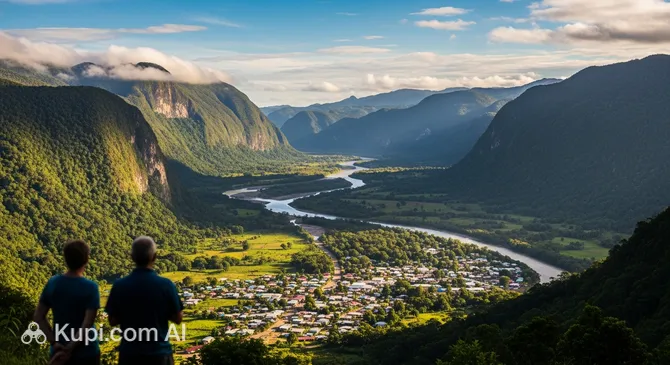
Welcome to Mendi, the vibrant capital of the Southern Highlands Province. Nestled in the lush Mendi River valley, this city serves as a crucial commercial and administrative hub for the region. It offers travelers a unique glimpse into the rugged beauty and traditional lifestyle that defines the highlands of Papua New Guinea (Niugini).

Mendi. Source: Kupi.Binoculars

The city is situated at an elevation of approximately 1,675 meters above sea level, surrounded by striking limestone mountains and green slopes. With a population of over 56,000 residents, Mendi maintains a lively atmosphere while being enveloped by the serene nature of the highlands. The climate here is generally cooler and more temperate compared to the coastal areas, making it a refreshing destination for those exploring the interior of the country.

Visitors are often drawn to the authentic local culture visible in the daily life of the town. A stroll through the bustling local markets reveals a colorful array of fresh produce and crafts, showcasing the agricultural richness of the valley. For those keen to understand the region's roots, delving into the history of Mendi provides context on how this settlement grew from a remote outpost into a provincial center. The area is also a gateway to the spectacular scenery of the Southern Highlands, including nearby peaks and traditional villages.

Whether you are passing through on an adventure across the highlands or stopping to appreciate the local customs, Mendi offers a genuine and memorable experience. The combination of dramatic landscapes and the warm hospitality of the highlanders makes it a noteworthy stop on any itinerary.

Weather Overview

The climate in Mendi is typical of the Papua New Guinea highlands, offering refreshing, spring-like temperatures throughout the year. Daily averages stay remarkably consistent at around 15°C to 16°C, with daytime highs reaching up to 20°C and nighttime lows cooling down to approximately 11°C to 12°C.

Travelers should be prepared for frequent moisture, as the region experiences rain almost every day. The data indicates a pattern of 27 to 31 wet days per month across the entire year, so clear, dry spells are rare. Since the weather in Mendi is persistently damp, packing reliable waterproof clothing and warm layers is essential for staying comfortable while exploring the Southern Highlands.

Interesting Facts

  • Provincial Capital: Mendi serves as the administrative headquarters and commercial center of the Southern Highlands Province in Papua New Guinea (Niugini).
  • Rugby League Passion: The city is renowned for its enthusiastic support of rugby league and is the home base for the Mendi Muruks, a popular team competing in the national semi-professional competition.
  • Valley Location: The town is established in the Mendi River Valley, surrounded by dramatic limestone cliffs and lush green hills that characterize the region's geography.
  • Agricultural Hub: Thanks to the fertile soil of the valley, Mendi is a key market for local farmers producing tea, coffee, and a wide variety of temperate vegetables.
  • Proximity to Peaks: The city is considered a gateway to some of the country's highest elevations, including the nearby Mount Giluwe, which is the second-highest mountain in Papua New Guinea.

How to Get There

Reaching the Southern Highlands involves navigating some of the country's most rugged and spectacular terrain. While the region is remote, there are established air links that connect travelers to this part of the country. For a comprehensive guide on planning your journey, you can read more about how to get to Mendi and the available transport options.

The most direct way to arrive is via Mendi Airport (MDU). Located just 1.1 km from the city center, this regional hub allows you to land practically on the doorstep of the town. It is a small facility, primarily handling domestic connections, so the travel time from the terminal to the main accommodations is very short, often taking less than 20 minutes by taxi or shuttle.

Alternatively, many travelers choose to fly into Mount Hagen Airport (HGU) in the neighboring city of Mount Hagen. This is a much busier transport hub with more frequent flight schedules. It is situated approximately 80 km from Mendi. The overland journey from Mount Hagen offers scenic views of the highlands and typically takes around 2 hours and 20 minutes by car or bus, depending on road conditions.

For clarity, here is a summary of the main airports serving the region:

Airport Name City Passenger Traffic Km from City
Mount Hagen Airport Mount Hagen High 80.2
Goroka Airport Goroka Medium 193.2
Madang Airport Madang Medium 259.1
Moro Airport Moro Low 51.1
Mendi Airport Mendi Low 1.1

Rail travel is not an option in this part of the world, as Mendi does not have a railway station, and there is no passenger train network operating in the highlands of Papua New Guinea. Visitors rely exclusively on air travel and road transport to navigate between provinces and towns.

Main Attractions

One of the most authentic experiences in the city is a visit to the Mendi Market. Located in the heart of the town, this bustling hub is where villagers from the surrounding valley gather to trade fresh produce, livestock, and goods. For tourists, it offers a colorful and lively introduction to the local culture, providing a perfect opportunity to see traditional dress and purchase handmade crafts, such as the iconic woven "bilum" bags that are a staple of Papua New Guinean life.

Just a short distance from the city lies the majestic Mount Giluwe, the second-highest mountain in Papua New Guinea. As an ancient volcanic plug, it presents a stunning landscape of alpine grasslands and unique high-altitude flora. It is a favored destination for trekking enthusiasts who want to explore the rugged beauty of the Southern Highlands, offering challenging hikes and breathtaking panoramic views from its slopes.

For a peaceful retreat closer to town, the gardens around Kiburu Lodge are a well-known highlight. The area is renowned for its beautifully landscaped grounds featuring a variety of exotic orchids and native plants. It is also an excellent spot for birdwatching, allowing visitors to glimpse some of the region's vibrant birdlife in a serene setting while learning about traditional architecture and local customs.

The Mendi Valley itself is a natural attraction, framed by dramatic limestone cliffs and lush green slopes. The scenic beauty of the valley, with the Mendi River winding through it, creates a spectacular backdrop for exploration. Walking through the area offers travelers a chance to appreciate the raw, untouched nature of the highlands and the striking geological formations that define the province's geography.

Local Cuisine

The local cuisine in Mendi is a reflection of the Southern Highlands' agricultural richness, characterized by hearty, organic ingredients grown in the fertile volcanic soil. The food here is unpretentious and deeply satisfying, centering on root vegetables and fresh greens. The most iconic culinary experience for any visitor is the traditional Mumu. This is not just a dish but a method of cooking where pork, sweet potatoes, leafy greens, and other vegetables are slow-cooked in an earth oven lined with hot stones. It is typically prepared for celebrations and community gatherings, offering a smoky, tender, and flavorful taste of the highlands.

The staple of the daily diet is the Kaukau, or sweet potato. In Mendi, you will find numerous varieties of this tuber, which is often roasted over an open fire or boiled. It is frequently served alongside aibika, a nutritious local spinach-like green that has a unique, slightly slippery texture when cooked. For a quick snack, roasted corn and fresh peanuts are commonly sold by street vendors and at local stalls, providing a simple yet delicious taste of local produce.

When it comes to beverages, the region's climate is perfect for growing high-quality coffee. Papua New Guinea is famous for its Arabica beans, and in the highlands, you can enjoy a fresh, locally sourced cup that is rich and aromatic. For those looking for something stronger, the most popular alcoholic drink is SP Lager, the national beer. It is widely available in hotels and social clubs and is the go-to choice for locals relaxing after a day of work.

The food culture in Mendi revolves largely around the Mendi Market and local guesthouses. Unlike major cities with diverse restaurant scenes, dining options here are often found within lodges and hotels, which serve a mix of Western dishes and local favorites. The market, however, is the best place to see the raw ingredients and try fresh seasonal fruits like passion fruit, pineapples, and bananas. Eating here is a communal affair, where the focus is on the freshness of the land's harvest rather than elaborate preparation.

Travel Tips

Visiting Mendi offers a rare opportunity to experience the raw beauty and culture of the Southern Highlands, but it is a destination that requires careful preparation. To help you navigate this remote and fascinating part of the country with confidence, here are some practical tips for your journey.

  1. Pack for the Highlands Climate: Unlike the tropical coast, Mendi is situated at high altitude, meaning temperatures are much cooler. Bring warm layers, such as fleece jackets and long trousers, especially for the evenings. Since rain is frequent throughout the year, a high-quality raincoat and waterproof hiking boots are essential. Modest clothing is recommended to respect local conservative norms.
  2. Transportation Logistics: Public transport consists mainly of PMVs (Public Motor Vehicles), which are often crowded minivans or trucks. While they are an authentic way to travel, they can be unreliable and unsafe for tourists unfamiliar with the routes. The best option is to arrange a private 4WD vehicle with a local driver through your hotel or tour operator, as road conditions can be rough and local knowledge is vital.
  3. Managing Finances: The local currency is the Papua New Guinea Kina (PGK). Cash is king in Mendi. While a few major lodges may accept credit cards, the local markets, small shops, and transport providers deal strictly in cash. There are ATMs in town, but they can occasionally be out of service or out of money, so it is wise to carry a sufficient supply of cash from a larger city like Port Moresby or Mount Hagen.
  4. Health and Safety Precautions: Medical facilities in Mendi are basic, so bring a comprehensive first-aid kit and any personal prescription medications. Drink only bottled or boiled water to avoid stomach issues. In terms of safety, the Highlands can be volatile; always stay updated on the local situation, avoid walking alone at night, and ideally, travel with a local guide who understands the tribal dynamics of the area.
  5. Staying Connected: The main language of government is English, but Tok Pisin is the most widely spoken language among locals. Learning a few phrases like "Gude" (Hello) and "Tenkyu" (Thank you) goes a long way. For mobile data, purchase a local SIM card (Digicel usually has the widest coverage in the highlands) upon arrival in the country, as Wi-Fi in Mendi is often limited to hotels and can be slow.
  6. Local Etiquette: Highlanders are generally proud and hospitable people. Always ask for permission before taking photographs of individuals, especially those in traditional dress, as this is a sign of respect. When greeting people, a handshake is common. It is also polite to avoid wearing overly revealing clothing in public spaces like the market.
  7. What to Avoid: Do not wander into rural villages or tribal lands without a local guide or an invitation. Land ownership is taken very seriously here, and trespassing can cause offense or conflict. Additionally, avoid any large public gatherings or demonstrations, as these can escalate quickly.
  8. Market Wisdom: A visit to the Mendi Market is a highlight, but it is best to go in the morning. This is when the produce is freshest, the atmosphere is most vibrant, and it is generally safer. Keep your valuables secure and close to your body while navigating the crowds.

By keeping these practicalities in mind, you can focus on the incredible landscapes and rich cultural heritage that make Mendi such a unique destination. A little foresight regarding gear and safety will ensure your adventure in the Southern Highlands is both enjoyable and memorable.

Entertainment & Nightlife

Entertainment and nightlife in Mendi differ significantly from the bustling scenes found in major global cities. In this quiet provincial capital, the concept of a "night out" is centered almost exclusively around the social hubs provided by the main hotels and lodges. There are no dedicated nightclubs, neon-lit districts, or late-night discos here. Instead, the evening atmosphere is relaxed, intimate, and focused on socializing in a secure and comfortable environment, usually accompanied by a meal and local beverages.

The primary venues for evening entertainment are the bars and restaurants within established accommodations like Kiburu Lodge and Hotel Mendi. These spots serve as the town's social gathering points where travelers, expatriates, and local officials mingle. The vibe is casual and friendly, often centered around a television screen broadcasting rugby league matches—a sport that commands almost religious devotion in the Southern Highlands. Visitors can expect a laid-back dress code, though it is respectful to dress neatly. Opening hours generally align with hotel restaurant schedules, with most places winding down by 10:00 PM or 11:00 PM.

Safety is the most critical consideration for any nightlife activity in Mendi. Walking around the town or its outskirts after dark is strongly discouraged due to security concerns and a lack of street lighting. If you plan to visit a venue different from where you are staying, you must arrange reliable transport in advance. The safest way to get around at night is via a private vehicle organized by your hotel or a trusted local guide. Taxis are not readily available for hailing on the street at night, so planning your return trip before you leave is essential.

Daytime entertainment in Mendi offers a stark contrast to the quiet evenings, focusing on cultural and natural immersion rather than urban amusements like theaters or amusement parks. Visitors spend their days exploring the vibrant outdoor markets, hiking the surrounding limestone hills, or organizing trips to see traditional cultural performances in nearby villages. For sports enthusiasts, catching a local rugby match at the town's oval during the day provides an electrifying glimpse into the local passion and community spirit.

Parks & Museums

Mendi is a destination where the boundaries between the city and the wilderness are beautifully blurred, offering visitors a wealth of natural splendor rather than manicured urban parks. While the city does not feature traditional botanical gardens or large museum complexes found in metropolitan hubs, it serves as a living gallery of high-altitude nature and vibrant indigenous culture.

The most prominent natural feature acting as a central green space is the Mendi River Valley itself. The river winds through the town, and its grassy banks provide an informal but scenic area for walking and relaxation. Surrounded by dramatic limestone cliffs, this area offers a refreshing escape where the cool highland breeze and the sound of rushing water create a peaceful atmosphere. It is a perfect spot to observe the daily rhythms of local life against a backdrop of imposing green mountains.

For those interested in flora, the grounds of the Kiburu Lodge serve as the city’s unofficial botanical garden. Located just outside the town center, this area is meticulously landscaped and famous for its collection of rare high-altitude orchids and native plants. It acts as a sanctuary for birdlife, making it an excellent location for nature lovers to spot local species without venturing deep into the bush. The gardens are a testament to the rich biodiversity of the Papua New Guinea (Niugini) highlands and offer a serene environment for a leisurely stroll.

In terms of museums and galleries, Mendi offers a "living museum" experience rather than static exhibits behind glass. There are no dedicated public museums in the city; instead, the Mendi Market acts as the primary venue for cultural display. Here, the artistry of the Southern Highlands is visible in the intricate designs of woven "bilum" bags, traditional weapons, and basketry sold by local artisans. It is an immersive gallery where visitors can engage directly with the creators and learn about the significance of these items in daily life and rituals.

Architecturally, the Mendi Cathedral stands out as a significant landmark. While modern in construction, it serves as a central pillar of the community and reflects the strong influence of Christian missions in the region's history. The structure is often surrounded by well-kept lawns and serves as a quiet place for reflection. Additionally, visitors traveling to the outskirts can observe traditional village architecture, where homes are built using bush materials like pitpit and kunai grass, showcasing centuries-old construction techniques that are still in use today.

For a truly authentic insight, look out for the Mendi Rugby League Oval on match days. While technically a sports ground, it transforms into a cultural theater where the passion of the province comes alive. The energy, the gathering of diverse clans, and the communal spirit on display offer a raw and exciting perspective on modern highland society that no museum could replicate.

Getting Around

Navigating Mendi requires a shift in expectations compared to major global cities. There is no complex network of subways, trams, or large municipal buses here. Instead, the public transport system relies almost entirely on Public Motor Vehicles (PMVs). These are typically 15-seater minivans or open-backed trucks that serve as the primary means of moving people between the town center, outlying villages, and neighboring provinces. They are an integral part of local life, offering an authentic, albeit sometimes crowded, way to travel.

The payment system is strictly cash-based and informal. You will not find travel cards, mobile apps, or ticket machines in this region. Fares are generally low and fixed for specific routes, but it is essential to carry small denominations of the local currency. You pay the driver or the "crew" (the conductor) directly, usually upon boarding or during the journey. Prices are affordable for locals, making this the most budget-friendly option, but tourists should confirm the fare before getting in to avoid confusion.

For visitors, using PMVs requires patience and a bit of local know-how. There are no official timetables or designated bus stops with maps. Vehicles typically congregate at the main market or central intersections and depart only when every seat is filled. This means you might wait five minutes or an hour depending on passenger flow. To catch a ride, you simply head to the main gathering points or flag one down along the road. It is crucial to travel only during daylight hours, as public transport services cease effectively after sunset due to safety concerns and the lack of street lighting.

Alternatives to PMVs are limited. Standard metered taxis are not a feature of the city's transport landscape. While there may be unmarked vehicles operating as taxis, they are unregulated, and fares must be negotiated in advance. Ride-sharing apps and bike rentals are non-existent. For most tourists, the most practical and comfortable alternative is hiring a private 4WD vehicle with a driver. This can usually be arranged through hotels or guesthouses. Given the rough condition of the roads in the Southern Highlands, a sturdy vehicle and an experienced local driver are highly recommended for any travel beyond the immediate town center.

Walking is a viable option for getting around the compact commercial center of the city. The main administrative buildings, the market, and several shops are within walking distance of each other. However, road infrastructure is basic, and sidewalks may be uneven or non-existent. If you choose to walk, stick to the main areas during the day and remain aware of your surroundings.

Accommodation

Accommodation in Mendi is primarily functional, catering largely to business travelers, government officials, and the adventurous tourists who make their way to the Southern Highlands. You will not find international hotel chains or sprawling luxury resorts in this remote part of the country. Instead, the options consist mainly of locally run guesthouses, lodges, and a few established hotels that offer comfortable, albeit modest, amenities suitable for a short stay.

In terms of location, most visitors choose to stay either in the heart of the town or slightly on the outskirts. Staying centrally provides easy access to the main administrative buildings and the bustling market, while the accommodations located a bit further out, particularly near the river or towards the airport, offer a more tranquil environment and scenic views of the surrounding limestone hills.

There are a few standout options that are well-known in the region. Kiburu Lodge is often the preferred choice for tourists; it is celebrated for its beautiful orchid gardens and traditional architectural style, offering a peaceful retreat just a short distance from the town center. Another prominent establishment is Hotel Mendi, which sits in the middle of town and serves as a key social hub for locals and visitors alike, providing a reliable standard of service and a convenient base for exploring the area.

When planning your trip, it is important to note that booking accommodation in Mendi requires a proactive approach. Most properties do not have a strong presence on major international online booking platforms. It is highly recommended to secure your room in advance by contacting the hotel directly via phone or email, or through a tour operator. Prices generally fall into the mid-range category, which can be higher than expected due to the logistical costs of the highlands. Additionally, while some major lodges may accept credit cards, their systems can be offline, so carrying sufficient cash to cover your stay is a wise precaution.

Nearby Cities

For those looking to explore the surroundings, Mendi serves as an excellent base for day trips to several interesting nearby locations. While the rugged terrain of the Highlands means that travel times can be longer than the distances suggest, the journey itself is often part of the adventure, offering spectacular views and cultural encounters.

One of the most popular destinations for a visit is Mount Hagen. Located approximately 73 kilometers away, it is the bustling commercial heart of the Highlands. Visitors flock here to experience the vibrant atmosphere of its markets and to witness the rich cultural heritage of the Western Highlands. It is famous for its coffee plantations and the annual cultural show, making it a fascinating contrast to the quieter pace of Mendi.

Another captivating option is Tari, situated about 84 kilometers from Mendi. This town is renowned as the home of the Huli Wigmen, one of the most iconic and recognizable tribes in Papua New Guinea. A trip to Tari offers a deep dive into traditional customs, where you can see the intricate human hair wigs and vibrant face painting that define the local identity. It is a place where ancient traditions are proudly maintained amidst the dramatic landscapes of the Hela Province.

For those willing to venture further, Goroka offers another perspective on Highland life. Although it is a longer journey, it is known for its pleasant climate and the famous Asaro Mudmen. It serves as a major center for coffee production and provides further insight into the diverse agricultural and artistic practices of the region.

City Population Distance (km)
Mount Hagen 68,000 73
Madang 62,023 259
Wewak 25,143 284
Goroka 21,507 193
Tari 15,413 84

These nearby destinations offer a glimpse into the diverse culture and landscapes of the region, allowing travelers to experience the unique tapestry of tribes and traditions that make the Highlands so special.

Shopping & Souvenirs

Shopping in Mendi offers a distinct departure from the polished retail experiences of modern metropolitan cities. Instead of high-end fashion boutiques or sprawling shopping complexes, visitors will find a commercial scene that is deeply rooted in functionality and local tradition. The retail landscape here is dominated by practical general stores and vibrant open-air markets, providing a genuine glimpse into the daily lives of the Southern Highlands' residents. For tourists, the appeal lies not in luxury goods, but in the opportunity to discover unique handmade crafts and fresh, organic produce straight from the fertile valley.

The main commercial activity is concentrated along the town's primary thoroughfare, which serves as the spine of Mendi. Here, you will find a collection of "trade stores"—the local equivalent of convenience stores or small supermarkets. These shops stock a variety of essential items, ranging from tinned foods and basic clothing to hardware and household supplies. Walking along this strip allows travelers to observe the hustle and bustle of provincial life, where locals from surrounding villages come to purchase their weekly necessities.

Travelers looking for large-scale shopping malls will not find them in Mendi. The city does not have department stores or enclosed retail centers. The closest experience to a "mall" would be the larger wholesale and retail outlets in the town center, which offer a slightly wider range of groceries and goods than the smaller roadside stalls. These establishments are purely functional, designed to supply the region rather than to provide a leisure shopping experience.

The true highlight of the local shopping scene is undoubtedly the Mendi Market. This is the beating heart of the community and the best place for visitors to spend their time and money. The market is a riot of color and activity, overflowing with mounds of sweet potatoes (kaukau), leafy greens, pineapples, and sugar cane. Apart from food, this is where the region's artistic talent is on display. It is an excellent spot to interact with local sellers, though it is always advisable to visit during the morning hours when the produce is freshest and the atmosphere is most welcoming.

When it comes to souvenirs, the Southern Highlands is famous for its exquisite craftsmanship. The most iconic item to purchase is a bilum. These traditional woven bags are made from natural fibers or wool and feature intricate patterns that often tell a story or signify the weaver's origin. In Mendi, you can find specific regional designs that make for practical and meaningful gifts. Other worthwhile keepsakes include hand-woven baskets, traditional highland hats, and occasionally, carved wooden artifacts or decorative bows and arrows, which reflect the area's rich tribal heritage.

Store opening hours in Mendi are generally dictated by daylight. Most shops and the market open early, around 8:00 AM, and tend to close by 4:00 PM or 5:00 PM. Business slows down significantly on weekends, particularly on Sundays when many places remain closed for religious observance. Regarding payment, cash is the absolute rule. Credit cards are rarely accepted outside of the main hotels. Visitors should ensure they have sufficient Papua New Guinea Kina (PGK) in smaller denominations, as vendors at the market and small stores often struggle to provide change for large banknotes.

Tax-free shopping or VAT refund schemes are not available in Mendi. The prices you see are final, and the concept of tourist tax refunds does not apply in this remote region. Bargaining is not a standard practice in trade stores, but friendly negotiation can sometimes be acceptable in the market, particularly when purchasing multiple handicraft items directly from the artisan.
Reached the end of the page?

That means the route is fully explored