Support

Madang

About

Often referred to as the "prettiest town in the South Pacific," Madang is a stunning coastal destination that captivates visitors with its breathtaking scenery and relaxed atmosphere. Located on a peninsula on the northern coast of Papua New Guinea (Niugini), the city is surrounded by deep, sheltered waters and a scattering of picturesque islands. It serves as the capital of the Madang Province and is home to approximately 62,000 residents, making it a lively yet manageable urban center.
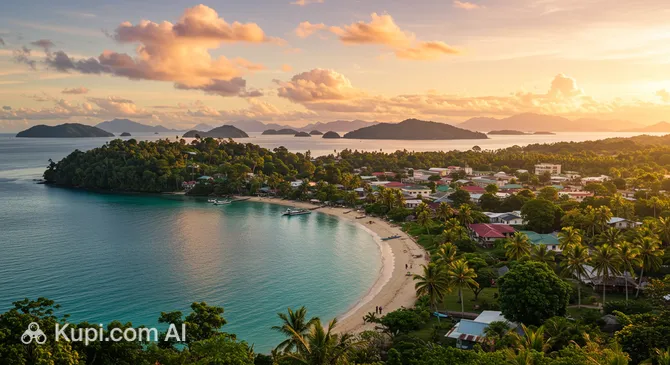
Madang. Source: Kupi.Binoculars

The geography of the area is defined by lush tropical vegetation, numerous parks, and calm waterways. Visitors strolling through the town will notice the abundance of large shade trees and lily ponds, which contribute to its garden-city reputation. While enjoying the natural beauty, one can also learn about the history of Madang, which reflects a diverse heritage ranging from early indigenous settlements to its role as a significant colonial hub.

Madang is a premier destination for diving and snorkeling, boasting some of the most accessible and pristine coral reefs in the world within the Bismarck Sea. Key landmarks include the iconic Kalibobo Lighthouse, a memorial coastwatcher beacon that dominates the harbor entrance. Nature enthusiasts will also be fascinated by the large colonies of flying foxes that can often be seen roosting in the town's tall trees, adding a unique touch to the local skyline.

With its blend of rich culture, stunning marine life, and welcoming hospitality, Madang offers a perfect introduction to the wonders of the region. Whether you are an adventurer looking to explore underwater treasures or a traveler seeking a peaceful coastal retreat, this charming city invites you to discover its many secrets.

Weather Overview

Madang experiences a consistent tropical climate characterized by warm temperatures and significant humidity throughout the year. Visitors can expect steady warmth, with daily averages hovering around 26°C to 27°C. Daytime highs typically reach up to 29°C, while nights remain mild with lows rarely dropping below 23°C.

Rainfall is a frequent occurrence in this lush coastal region, contributing to its vibrant greenery. The weather in Madang sees a high number of wet days, particularly around December and January, where rain is recorded on up to 30 days of the month. The period from June to September offers slightly more respite, with fewer wet days, though travelers should always be prepared for showers regardless of the season.

Interesting Facts

Beyond the main attractions and scenic beauty, Madang holds many fascinating secrets, from Hollywood connections to unique biological wonders.

  • Movie buffs might be surprised to learn that the 1997 film adaptation of Robinson Crusoe, starring Pierce Brosnan, was largely filmed on location here. The production utilized the pristine tropical backdrop of Madang and its surrounding islands to authentically recreate the castaway's isolated world.

  • The waters surrounding the city are recognized as a world-renowned destination for nudibranch enthusiasts. The reefs here host an exceptional biodiversity of these colorful sea slugs, attracting macro-diving enthusiasts from across the globe who come specifically to spot rare and vibrant species.

  • The historic Madang Resort Hotel is a landmark in its own right, known for its extensive orchid gardens which contain hundreds of native species. The grounds also serve as a sanctuary, featuring a traditional "Haus Tambaran" (Spirit House) and serving as a roosting site for the town's famous flying foxes.

  • Madang possesses one of the most unique harbor geographies in the Pacific, consisting of deep-water inlets that allow large ships to dock remarkably close to the shore. This landscape is dotted with numerous small islands, many of which are uninhabited and perfect for secluded day trips.

Madang Resort Hotel. Source: Kupi.Binoculars

How to Get There

Reaching this coastal gem is an adventure in itself, with air travel being the most reliable and efficient method due to the rugged terrain of the region. For a complete overview of travel options and routes, you can consult the detailed guide on how to get to Madang.

The most convenient entry point is Madang Airport (IATA: MAG), located directly in the city, just 2.4 km from the center. It is a regional hub that connects the province with the capital and other major towns. Due to its close proximity, the commute from the terminal to the main town area is very quick, typically taking just 5 to 10 minutes by taxi or hotel shuttle. While it is a smaller facility, it is the primary gateway for almost all tourists visiting the area.

For those exploring the Highlands before heading to the coast, Goroka Airport (IATA: GKA) is a potential transit point. Located in the city of Goroka, it is approximately 104.5 km away in a straight line. However, travelers should be aware that the road journey from Goroka to Madang is demanding and takes significantly longer than the distance suggests—approximately 6 to 8 hours—due to the winding mountain roads and rugged terrain. Another significant option is Nadzab Airport (IATA: LAE) in Lae, situated about 180.5 km away. As one of the country's busier airports, it sees substantial traffic; the overland trip to Madang from here usually takes around 5 hours via the Ramu Highway.

For clarity, here is a summary of the main airports:

Airport Name City Passenger Traffic Km from City
Nadzab Airport Lae High 180.5
Mount Hagen Airport Mount Hagen High 179.1
Goroka Airport Goroka Medium 104.5
Madang Airport Madang Medium 2.4
Mendi Airport Mendi Small 258.1

Madang does not have a railway station, and passenger train travel is not a mode of transport available in this part of Papua New Guinea. Visitors generally rely on domestic flights or, for the more adventurous, Public Motor Vehicles (PMVs) and hired 4x4s to navigate the road network connecting the coastal and highland regions.

Main Attractions

Madang is often celebrated for its park-like atmosphere and stunning coastal setting, offering a variety of sights that blend history, culture, and natural beauty. From iconic landmarks to secluded island getaways, the city provides diverse experiences for every type of traveler.

One of the central hubs for visitors is the Madang Resort Hotel. While it serves as a premier accommodation, it is also a significant attraction in its own right. The grounds are beautifully landscaped, featuring extensive orchid gardens and enclosures for local wildlife. It acts as a primary gateway for organizing diving expeditions and harbor cruises, making it a lively spot where tourists can arrange adventures to explore the surrounding reefs and islands.

Standing guard at the entrance to the harbor is the iconic Kalibobo Lighthouse, also known as the Coastwatchers Memorial. This striking white structure is the city's most recognizable landmark, dedicated to the Allied coastwatchers who played a crucial role during World War II. Its distinctive design and prominent location make it a favorite subject for photographers and a perfect spot for a scenic evening walk along the waterfront.

For nature lovers, the Balek Wildlife Sanctuary offers a mystical experience just a short drive from the town center. The sanctuary is famous for its "sulphur creek," a crystal-clear stream that emerges from a limestone cave and is believed by locals to have healing properties. Visitors can feed the tame eels and turtles that inhabit the water, all while surrounded by lush tropical jungle that famously served as a filming location for the movie Robinson Crusoe.

A trip to Madang would not be complete without visiting Kranket Island, located just a few minutes by boat across the harbor. It is a popular destination for day-trippers seeking relaxation and underwater exploration. The island features a stunning blue lagoon ideal for swimming and snorkeling. On weekends, local markets often spring up, offering handicrafts and fresh food, allowing visitors to mingle with the friendly local community in a laid-back island setting.

Local Cuisine

The culinary scene in Madang is a delightful reflection of its fertile volcanic soil and coastal geography, offering a vibrant mix of fresh tropical flavors and traditional Melanesian cooking. Food here is heavily reliant on locally grown produce, meaning ingredients are almost always organic and harvested daily. Visitors can expect a diet rich in root vegetables, tropical fruits, and an abundance of fresh seafood caught directly from the Bismarck Sea.

One of the most authentic dishes to try is the traditional mumu. This is not just a meal but a method of cooking where pork, chicken, or fish is combined with sweet potatoes, leafy greens, and bananas, then bathed in coconut cream and slow-cooked in an earth oven over hot stones. For seafood lovers, the catch of the day is often served grilled or steamed, but a standout favorite is kokoda. This refreshing dish consists of raw fish marinated in lime juice and finished with rich coconut cream, onions, and chili, perfectly capturing the essence of the Pacific.

When it comes to beverages, the most popular thirst-quencher is undoubtedly kulau, or fresh young coconut water, which is sold on nearly every street corner and is perfect for the humid climate. For those looking to try a local alcoholic drink, SP Lager (South Pacific Lager) is the national beer of Papua New Guinea and is widely available in hotels and clubs. Coffee enthusiasts will also appreciate the local brew; although grown in the Highlands, PNG coffee is served fresh and strong throughout Madang.

The food culture in Madang operates at two distinct paces. For a true taste of local life, the bustling town markets are the place to go. Here, you can buy fresh pineapples, pawpaws, and peanuts, or grab quick snacks from "kai bars"—small takeaways serving hearty portions of fried fish, sausages, and rice. For a more relaxed dining experience with international and fusion cuisine, tourists typically head to the hotel restaurants. A prime example is the Madang Resort Hotel, which is well-regarded for its dining options, offering fresh seafood and Western dishes in a setting that overlooks the beautiful harbor.

Travel Tips

Visiting Madang is a delightful experience, but like any tropical destination in Papua New Guinea, a little preparation goes a long way in ensuring a smooth journey. To help you navigate the "prettiest town in the South Pacific" with ease and confidence, here are some essential practical tips covering everything from packing essentials to local customs.

  1. Clothing and Gear: Given the hot and humid tropical climate, pack lightweight, breathable fabrics like cotton or linen. However, modesty is highly valued in local culture; avoid wearing swimwear or revealing clothing outside of resort areas or designated beaches. Since rain showers can occur suddenly, a sturdy umbrella or a light rain poncho is a must-have. Don't forget a Type I power adapter (the same as used in Australia) to keep your devices charged.
  2. Transportation: Public transport consists mainly of PMVs (Public Motor Vehicles), which are minibuses used by locals. While they are an inexpensive cultural experience, they can be crowded and irregular. For tourists, it is often safer and more convenient to use hotel shuttles or hire a private car with a driver. Taxis are available, but always agree on the fare before starting your journey, as meters are rarely used.
  3. Finances: The local currency is the Papua New Guinea Kina (PGK). While major hotels and supermarkets accept credit cards (Visa and Mastercard are most common), cash is absolute king in Madang, especially at local markets and small shops. ATMs are available in the town center, but they can occasionally be out of service or out of cash, so it is wise to carry enough cash for your daily needs. Tipping is not a standard practice, but a small gratuity for exceptional service is always appreciated.
  4. Health and Safety: Madang is in a malarial zone, so high-quality insect repellent and long-sleeved clothing for the evenings are essential precautions. Pharmacies are available in town, but it is best to bring your own supply of prescription medications and a basic first-aid kit. Stick to bottled water for drinking and brushing your teeth. Regarding safety, exercise common sense: avoid walking alone at night, stay in well-lit areas, and ask your hotel staff for advice on which neighborhoods to visit.
  5. Communication: English is one of the official languages and is widely spoken in businesses, hotels, and by many locals in town. However, the common language of the street is Tok Pisin. Learning a few phrases like "Moning" (Good morning) or "Tenkyu" (Thank you) will earn you warm smiles. For mobile connectivity, buying a local SIM card (Digicel is a popular provider) upon arrival is recommended for cheaper data and calls.
  6. Local Etiquette: Papua New Guineans are generally very friendly. It is polite to greet people you pass on the street with a smile or a nod. If you wish to take photos of locals, especially in villages or at the market, always ask for permission first; it is a sign of respect that goes a long way. When visiting a village, wait to be invited before entering communal areas or private homes.
  7. What to Avoid: Do not dress provocatively in public places like markets or town centers; keeping shoulders and knees covered is respectful to local conservative norms. Also, avoid public displays of anger or frustration, as this causes a "loss of face" and is considered very rude. Patience is key in the tropics!
  8. Market Tip: If you plan to visit the famous Madang markets to buy fresh fruit or handicrafts, try to go early in the morning, around 8:00 AM. This is when the produce is freshest, the atmosphere is most vibrant, and it is not yet too hot to walk around comfortably.

By keeping these practical tips in mind, you will be well-equipped to embrace the relaxed pace and genuine hospitality of Madang. Enjoy the stunning reefs, the lush greenery, and the warm welcome that awaits you in this beautiful corner of the world!

Entertainment & Nightlife

Nightlife in Madang is distinct from the bustling, neon-lit scenes found in larger capital cities. Instead of rowdy nightclubs, the evening entertainment here revolves around a relaxed, social atmosphere centered primarily within the major hotels and social clubs. The vibe is distinctly tropical and laid-back, where the focus is on enjoying a cold drink, catching a cool sea breeze, and socializing with a mix of friendly locals, expatriates, and fellow travelers.

One of the premier spots for an evening out is the Madang Resort Hotel. Its Haus Win restaurant and bar is a favorite gathering place, offering a stunning open-air setting right on the waterfront. It is the perfect location to sip a cocktail while watching the sunset over the harbor. On weekends, the atmosphere often livens up with local string bands or live music, making it a sophisticated yet comfortable venue for dinner and drinks.

For a taste of local social life, the Madang Club is a historic institution in the town center. Operating as a private social club, it typically welcomes visitors who can sign in as guests. It serves as a community hub where people gather to play billiards, darts, or simply enjoy an affordable beer at the bar. The crowd here is diverse, and it offers a genuine glimpse into the town's community spirit away from the purely tourist-focused establishments.

Another popular venue is the bar at the Coastwatchers Hotel, located near the iconic lighthouse. It is well-known among residents and visitors alike, particularly for its excellent wood-fired pizzas and casual bar setting. It’s a great spot to unwind after a day of diving or sightseeing, offering a friendly environment where the dress code is generally casual, though "tropical smart casual" is appreciated in the evenings.

When planning a night out, safety and logistics are paramount. Public transport stops running early, and walking around the town at night is strictly discouraged for safety reasons. The best way to get around is to use the secure shuttle buses provided by your hotel or to arrange a private taxi through your accommodation’s reception. Most venues close relatively early compared to international standards, with activity winding down by midnight, so it is best to start your evening around sunset.

While the nights are quiet, daytime entertainment in Madang offers its own charm. Beyond the water activities, visitors can enjoy a round of golf at the Madang Country Club, which offers a scenic course backed by the jungle. Cultural enthusiasts should also look out for local festivals or arrange village tours to see traditional "sing-sings," which showcase the region's vibrant dance and music heritage.

Parks & Museums

Known as the "Garden City," Madang takes great pride in its lush landscapes and beautifully maintained green spaces, which seamlessly blend the tropical environment with the town's urban layout. The city's dedication to preserving its natural beauty is evident in its tree-lined streets and the numerous parks that offer tranquil retreats for both locals and visitors.

One of the most famous natural attractions is the Balek Wildlife Sanctuary, located a short drive south of the town. This unique reserve is renowned for its "smelly creek," a sulfur-rich stream that flows from a limestone cave and remains crystal clear despite its name. The sanctuary is a haven for local wildlife, where visitors can feed freshwater eels and turtles while surrounded by dense tropical foliage that famously served as a filming location for Hollywood productions.

For a mix of history and seaside relaxation, Machine Gun Beach is a popular spot. Named after the World War II artillery that still stands guard on its shores, this area offers a picturesque setting for picnics and swimming. The beach provides a tangible connection to the region's wartime past while serving as a peaceful recreational area where tall palm trees provide ample shade against the Pacific sun.

While Madang does not have large-scale national museums, its cultural heritage is vibrantly displayed through smaller venues and community centers. The Madang Cultural Centre is a key institution dedicated to preserving the diverse traditions of the province. It houses a collection of artifacts, including ceremonial masks, traditional weapons, and intricate carvings that offer insight into the spiritual and daily lives of the local tribes.

Another significant venue for art and culture is found within the grounds of the Madang Resort Hotel. This establishment features a dedicated "Haus Tambaran" (Spirit House) and a gallery showcasing a wide array of Papua New Guinean art, including Sepik carvings and local pottery. It serves as an accessible cultural hub where tourists can appreciate the craftsmanship of the region without traveling to remote villages.

In terms of historical landmarks, the Coastwatchers Memorial remains the city's most prominent architectural site. Standing over 27 meters high, this functional lighthouse honors the Allied forces and local civilians who monitored enemy movements during World War II. Its surrounding gardens are a favorite place for evening strolls, offering panoramic views of the harbor and the distant mountain ranges.

For a truly authentic experience, visitors should take a short trip to Bilbil Village. Famous for its traditional pottery, which is crafted using techniques passed down through generations of women, the village allows travelers to watch the potters at work and purchase unique clay pots directly from the artisans.

Getting Around

Public transport in Madang is quite different from the structured systems found in major global metropolises. There is no metro, tram, or railway network. Instead, the primary mode of transportation for locals is the PMV (Public Motor Vehicle). These are typically minibuses or covered trucks that run on designated routes connecting the town center with surrounding villages and suburbs. While they offer an authentic glimpse into local life, they do not operate on a fixed timetable; instead, they depart only when they are full, which can sometimes require a bit of patience.

For tourists, navigating the PMV system requires carrying cash, as there are no travel cards, apps, or electronic payment systems. Fares are very affordable, usually costing just a few Kina depending on the distance. Payment is made directly to the driver or the "crew" (the conductor who manages passengers) either upon boarding or when exiting. It is essential to carry small denominations of the local currency, as drivers often have limited change for large notes.

A more comfortable and reliable alternative for visitors is the taxi service. Taxis in Madang are generally standard sedans and can be found at designated ranks near the main market, the airport, and major hotels. Unlike in many other cities, taxis here rarely use meters. Therefore, it is standard practice and highly advisable to negotiate and agree on the fare before getting into the vehicle. For safety and convenience, many tourists prefer to have their hotel reception book a trusted taxi or arrange a private hotel shuttle, especially for evening travel.

Given Madang's coastal geography and its scattering of offshore islands like Kranket and Siar, water transport is a vital part of the local infrastructure. Small, open dinghies known as "banana boats" function as water taxis. These depart from various points along the waterfront and are the standard way to reach the islands for day trips. similar to PMVs, you pay the skipper in cash. Life jackets are not always provided on these local boats, so visitors concerned about safety might prefer arranging boat transfers through a resort or dive shop.

Car rentals are available but are relatively expensive compared to other regions. Due to the variable condition of the roads and the lack of detailed signage, it is common for rental agencies to provide a vehicle with a driver. This is often the best option for those wishing to explore areas outside the immediate town center, such as the North Coast Road, without the stress of navigation. Walking is feasible within the compact town center during the day, but due to the heat and humidity, most visitors prefer motorized transport for anything beyond short distances.

Practical advice for using transport in Madang centers on timing and safety. Public transport and regular taxis tend to stop running early in the evening, often winding down around sunset. Consequently, tourists should plan to be back at their accommodation or a secure venue by dark. If you need to travel at night, always use a private transfer arranged by your hotel. Additionally, while PMVs are a colorful experience, they can get very crowded; keep your belongings close and be prepared for a bumpy but spirited ride.

Accommodation

Accommodation in Madang ranges from basic backpacker lodges and budget guesthouses to comfortable mid-range hotels and premier waterfront resorts. While the city does not have the vast selection found in major international tourist hubs, it offers a sufficient variety to cater to divers, business travelers, and holidaymakers. The hospitality standards are generally high, with a strong focus on friendly service and providing a relaxing tropical atmosphere.

The most desirable area to stay is undoubtedly along the coastline and near the harbor. Properties located here benefit from the cooling sea breeze and offer stunning views of the Bismarck Sea and the offshore islands. Staying near the waterfront also provides easy access to boat transfers for diving and snorkeling excursions, which are the primary activities for many visitors. The town center offers more functional and affordable options, though they may lack the scenic charm of the coastal establishments.

For those seeking a full-service experience, the Madang Resort Hotel is the most prominent choice in the city. Situated on the waterfront, it is widely considered the "Grand Dame" of Madang's hospitality scene. It caters to travelers looking for extensive amenities, including swimming pools, restaurants, and organized tours, making it a convenient base for exploring the wider province.

In terms of pricing, accommodation in Madang can be surprisingly expensive compared to Southeast Asian destinations, particularly for the higher-end resorts. Budget travelers should look for church-run guesthouses or CWA (Country Women’s Association) cottages, which offer safe and clean but basic facilities at a lower cost. Mid-range and luxury options are priced similarly to Western standards.

When planning your trip, it is highly recommended to book in advance, especially if you are visiting during a major festival or the peak diving season. While the larger hotels can be booked via major online platforms, many smaller guesthouses and lodges still rely on direct bookings via email or telephone. Confirming your reservation before arrival is essential to ensure a smooth check-in experience.

Nearby Cities

While Madang is a captivating destination in its own right, it also serves as a gateway to other remarkable parts of Papua New Guinea. The following cities are not just nearby points on a map but distinct destinations that offer a completely different experience, ranging from the cool, misty Highlands to bustling industrial coastal hubs. Given the rugged terrain and travel logistics, these locations are best approached as the next leg of your journey rather than simple day trips, allowing ample time to explore their unique cultures and landscapes.

Goroka is a standout option for travelers heading into the Eastern Highlands. Known for its pleasant, spring-like climate and thriving coffee industry, it offers a refreshing contrast to the tropical coastal heat of Madang. The city is a major cultural center, famous for the annual Goroka Show and the J.K. McCarthy Museum. Due to the travel time involved, a visit here is best planned as a multi-day excursion to fully appreciate the rich traditions of the Highland tribes.

Another significant destination is Lae, the second-largest city in the country and a major industrial hub. Situated at the beginning of the Highlands Highway, it is home to the beautiful National Botanic Gardens and the Lae War Cemetery, which offers a poignant look at the region's World War II history. Its bustling markets and energetic atmosphere provide a different perspective on local life compared to the relaxed resort vibe of Madang.

City Population Distance (km)
Lae 193000 212
Mount Hagen 68000 186
Mendi 56055 259
Wewak 25143 299
Goroka 21507 105

These destinations highlight the incredible diversity of the region, inviting travelers to venture beyond the coast and discover the distinct environments that define Papua New Guinea.

Shopping & Souvenirs

Shopping in Madang is less about browsing high-end fashion boutiques and more about immersing yourself in the local culture and discovering unique handcrafted treasures. The city offers a modest but vibrant retail scene where modern conveniences meet traditional Melanesian trade. For visitors, the experience is centered around bustling open-air markets and general department stores, offering a genuine glimpse into the daily lives of the local people.

The main commercial activity is concentrated along Modilon Road and the streets surrounding the town center. Here, you will not find sprawling shopping malls in the Western sense, but rather a collection of large department stores and supermarkets, such as Papindo and Andersons. These establishments serve as one-stop shops for residents and travelers alike, stocking everything from groceries and toiletries to clothing and basic electronics. They provide a cool, air-conditioned respite from the tropical heat and are the best places to purchase supplies or imported goods.

The true highlight of shopping in the city is undoubtedly the Madang Town Market. Located near the waterfront, this vibrant hub is a riot of color and activity. While it is primarily a fresh food market overflowing with tropical fruits, vegetables, and fresh seafood, it is also a fantastic place to find authentic local handicrafts. The atmosphere is generally friendly and relaxed, allowing tourists to wander through the stalls and interact with local sellers who come from surrounding villages to trade their wares.

When searching for souvenirs, the most iconic item to bring home is a Bilum. These traditional string bags are hand-woven from natural fibers or bright wool and are culturally significant across the country. In Madang, you can find distinct patterns and styles that make for practical and beautiful gifts. Another regional specialty is Bilbil pottery. Crafted by women from the nearby Bilbil village using traditional techniques without a potter's wheel, these round clay pots are unique to the province and are highly prized for their craftsmanship.

For those looking for higher-end artifacts or curated souvenirs, the gift shop at the Madang Resort Hotel is an excellent destination. The hotel houses a gallery that features a wide range of Papua New Guinean art, including intricate Sepik wood carvings, masks, and jewelry. Shopping here offers the advantage of convenience and the assurance of quality, making it ideal for finding special mementos without the hustle of the public market.

Practicality is key when shopping in Madang. Store opening hours are typically from 8:00 AM to 5:00 PM on weekdays, with shorter hours on Saturdays, often closing by 12:00 PM or 1:00 PM. Most shops and markets are closed on Sundays. While major supermarkets and hotels accept credit cards, cash is king at the markets and smaller street stalls. Visitors should ensure they carry enough local currency (Kina) in smaller denominations, as vendors often struggle to provide change for large notes. Tax-free shopping schemes are generally not available for tourists in this region.

Reached the end of the page?

That means the route is fully explored