Support

Lae

About

Welcome to Lae, the bustling industrial hub and the second-largest city in the country. Often referred to as the "Garden City," it offers a unique blend of urban energy and lush tropical beauty. As the capital of the Morobe Province, Lae serves as a vital gateway to the Highlands region and is an essential stop for travelers looking to understand the diverse character of this fascinating nation.

Geographically, the city is strategically situated at the beginning of the Highlands Highway and near the delta of the Markham River. With a population of approximately 193,000 people, it is a lively center of commerce and culture within Papua New Guinea (Niugini). The climate here is typically tropical, characterized by warm temperatures and significant rainfall, which contributes to the vibrant greenery that decorates the city's streets and parks.
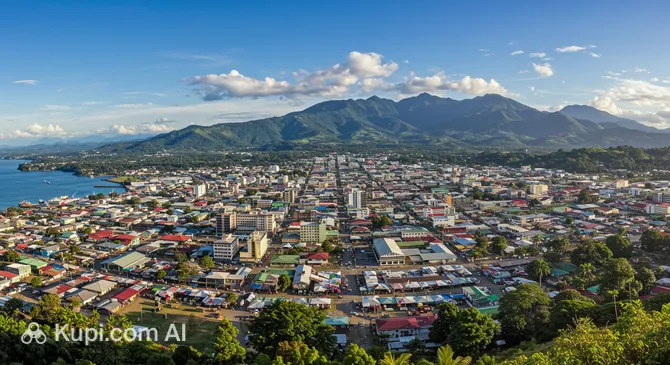
Lae. Source: Kupi.Binoculars

The city has undergone significant transformation over the decades, evolving from a small mission station into a major port and commercial center. Visitors interested in the past can delve deeper into the history of Lae to discover its pivotal role during the mid-20th century and its development into a modern economic powerhouse. This rich heritage adds a layer of depth to the modern cityscape.

For those seeking sightseeing opportunities, Lae does not disappoint. The National Botanic Gardens are a must-visit, offering a spectacular display of exotic orchids and rainforest trees that justify the city's nickname. Another significant site is the immaculately maintained Lae War Cemetery, a serene and poignant landmark dedicated to those who lost their lives in the region during World War II. These spots provide a peaceful retreat from the busy city center.

Whether you are passing through on business or starting an adventure into the Highlands, Lae offers a warm welcome and a glimpse into the dynamic life of the region. We invite you to explore its verdant gardens, pay respects at its historical monuments, and experience the hospitality of the Morobe Province.
Weather Overview

Lae experiences a consistent tropical climate characterized by steady warmth and high humidity throughout the year. The city's lush environment, which earns it the title of the "Garden City," is maintained by very frequent rainfall. Regardless of when you visit, you can expect the weather in Lae to be warm and regularly wet, so packing a raincoat or umbrella is always essential.

Temperatures show little variation from month to month, typically hovering between lows of approximately 20°C and highs reaching up to 27.7°C. The precipitation pattern is defined by its frequency rather than just intensity; you can anticipate rain on 27 to 31 days each month. This constant moisture ensures that the days are often overcast or interspersed with showers, keeping the region vibrantly green year-round.

Interesting Facts

Beyond the main attractions, Lae holds many fascinating secrets that reveal its pivotal role in aviation history and industrial development. This vibrant port city is more than just a gateway; it is a place where legends and modern life intersect in surprising ways.
  • Amelia Earhart's Last Departure: Lae holds a significant place in aviation mystery as the final departure point for the legendary pilot Amelia Earhart. In July 1937, she and her navigator Fred Noonan took off from the city's airfield heading for Howland Island, never to be seen again. This historical connection makes the city a poignant landmark for aviation enthusiasts.

  • A Record-Breaking Air Cargo Hub: Long before modern logistics took over, Lae was the center of a global aviation phenomenon in the 1930s. Due to the gold rush in the nearby Bulolo fields, the city's airfield became the busiest in the world for air freight, famously transporting massive dredging equipment piece by piece into the mountains using Junkers G 31 aircraft.

  • The Battle of the Garden City: The nickname "Garden City" is not just a reference to intentional landscaping but also to the sheer force of nature here. Due to the incredibly high rainfall and fertile volcanic soil, the vegetation grows with such ferocity that the city is in a constant, lush battle to keep the jungle from reclaiming the streets and buildings.

  • The Moving River: The nearby Markham River is known for its unpredictable and shifting nature. It carries such a massive volume of sediment that it actually extends the coastline of the Huon Gulf further into the sea over time, creating a dynamic and ever-changing waterfront geography.

How to Get There

Reaching the industrial hub of Lae is an adventure in itself, offering travelers a glimpse into the diverse landscapes of the Morobe Province. Due to the rugged terrain of the country, air travel is the most practical method for arrival. For detailed information on logistics and routes, you can read more about how to get to Lae to help plan your journey efficiently.

The primary gateway to the city is Nadzab Airport (IATA: LAE), which serves as the main aviation hub for the region. Located approximately 34 km from the city center, it handles a significant volume of domestic traffic. Once you land, the journey into town typically takes about 1 hour and 10 minutes by taxi or shuttle bus, following the main highway through the Markham Valley. As a key regional airport, it connects Lae with the capital, Port Moresby, and other major centers.

While most visitors fly directly into Nadzab, other regional airports exist, though they require a significant overland journey to reach Lae. Goroka Airport (IATA: GKA) is located in the town of Goroka, about 191 km away. Traveling from Goroka to Lae involves a scenic but long drive along the Highlands Highway, taking roughly 5 hours. Similarly, Madang Airport (IATA: MAG) in Madang is situated approximately 214 km from Lae, with a travel time of around 5.5 to 6 hours by road. These options are generally chosen by those planning a broader exploration of the Highlands or the coast rather than a direct trip to Lae.

For clarity, here is a summary of the main airports:

Airport Name City Passenger Traffic Km from City
Nadzab AirportLaeMedium34.3
Goroka AirportGorokaSmall191.2
Madang AirportMadangSmall213.9
Girua AirportPopondettaSmall272.4

Main Attractions

Lae is often called the "Garden City," and its attractions reflect a mix of lush tropical nature, poignant history, and modern local life. While it is an industrial hub, the city offers several noteworthy sites that provide insight into the region's heritage and biodiversity. Visitors can explore beautifully maintained gardens, historical monuments, and popular local establishments that define the character of this Morobe capital.

One of the most significant and moving sites in the city is the Lae War Cemetery. Managed by the Commonwealth War Graves Commission, this immaculately kept sanctuary is the final resting place for over 2,800 soldiers who fought in the New Guinea campaign during World War II. It is located adjacent to the Botanic Gardens and offers a serene atmosphere for reflection. The rows of white headstones set against the vibrant green turf create a powerful visual reminder of the region's turbulent past.

True to the city's nickname, the National Botanic Gardens are a highlight for nature lovers. After years of restoration, these gardens have reclaimed their status as a premier attraction, showcasing a vast collection of exotic orchids, tropical trees, and native plants. A walk through the grounds reveals the incredible biodiversity of the rainforest, with towering trees providing shade and a habitat for various bird species. It is a peaceful escape from the industrial noise of the city center.

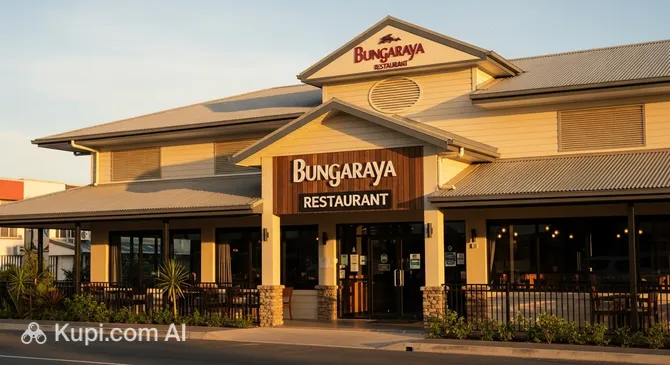
Bungaraya Restaurant. Source: Kupi.Binoculars

For a taste of the local dining scene, Bungaraya Restaurant is a well-known establishment among both locals and expatriates. Famous for its Malaysian and Chinese cuisine, it is often considered one of the best places in town to enjoy a hearty meal. The restaurant offers a welcoming atmosphere and is a popular venue for social gatherings, making it a great spot to relax after a day of sightseeing.

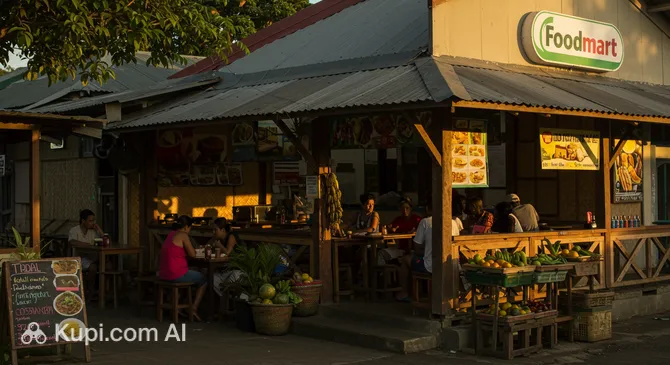
Another key location in the city's daily life is Foodmart. While primarily a major supermarket and retail center, it serves as a central landmark and a bustling hub of activity. For tourists, it is an essential stop for restocking supplies, but it also offers a glimpse into the everyday rhythm of Lae's residents. It is a convenient place to find local products and experience the commercial energy of the town.

Foodmart. Source: Kupi.Binoculars

Finally, wildlife enthusiasts should consider visiting the Rainforest Habitat, located within the campus of the Papua New Guinea University of Technology (Unitech). This facility features a large agro-forestry enclosure where visitors can see the famous Raggiana Bird of Paradise, tree kangaroos, and cassowaries in a setting that closely mimics their natural environment. It provides a unique opportunity to observe the country's iconic fauna up close without trekking deep into the jungle.

Local Cuisine

The culinary landscape of Lae reflects its unique position as a gateway between the bountiful Highlands and the coast. The city's food culture is a vibrant mix of traditional Melanesian flavors, fresh tropical produce, and international influences brought by its status as an industrial port. For visitors, dining here offers a chance to taste ingredients that are often harvested just hours before reaching the plate.

One dish that every traveler to Papua New Guinea should experience is Mumu. Considered the national dish, it is traditionally prepared in an earth oven using hot stones. In Lae, you can find variations of this hearty meal featuring pork, chicken, or fish, slow-cooked with sweet potatoes, taro, and leafy greens, all bathed in rich coconut cream. Another coastal favorite is Kokoda, a refreshing raw fish salad cured in lime juice and spiced with chili, onions, and coconut milk. It is similar to ceviche but with a distinct creamy texture that pairs perfectly with the humid tropical weather.

The city's nickname, the "Garden City," is evident in the abundance of fresh fruits and vegetables available daily. Local markets are overflowing with sweet pineapples, papayas, mangoes, and the ubiquitous Kaukau (sweet potato), which is a staple carbohydrate. Sago is also a common element in local diets, often processed into a jelly-like consistency or baked into pancakes, serving as a filling base for many meals.

When it comes to beverages, the most popular non-alcoholic drink is Kulau, or fresh young coconut water. It is sold on roadsides and markets everywhere, providing a safe and hydrating way to cool down. For those looking to enjoy a local alcoholic beverage, SP Lager is the iconic beer of the nation. Produced by the South Pacific Brewery, it is widely available in hotels and clubs and is the standard accompaniment to a social evening.

The dining scene in Lae ranges from casual "Kai bars" serving quick, fried takeaways to more formal establishments. Due to the city's commercial nature, there is a strong presence of Asian cuisine, which has become an integral part of the local food culture. For instance, Bungaraya Restaurant is a favorite among residents for its Malaysian and Chinese dishes, offering a consistent and flavorful dining experience. Meanwhile, for those self-catering or looking for quick snacks, Foodmart serves as a central hub where you can find both imported goods and local treats.

Whether you are snacking on fresh bananas from a street vendor or enjoying a seafood dinner at a hotel restaurant, the food in Lae is unpretentious and satisfying. It relies heavily on the freshness of local ingredients, making it a delightful exploration for anyone willing to try the authentic flavors of the Morobe Province.

Travel Tips

Planning a trip to Lae requires a bit of preparation to ensure your visit to the "Garden City" is both enjoyable and safe. While the city serves as a bustling industrial gateway to the Highlands, it operates on its own unique rhythm, and knowing a few local practicalities will help you navigate the Morobe Province with confidence.

  1. Clothing and Gear: Given the tropical climate and frequent rainfall, lightweight, breathable fabrics like cotton or linen are your best friends. Since Lae is notoriously wet, a sturdy umbrella and a high-quality raincoat are absolute essentials, regardless of the season. Dress is generally casual but conservative; avoid overly revealing swimwear or short skirts outside of pool areas to respect local norms. Comfortable, closed-toe walking shoes are recommended, especially if you plan to visit the Botanic Gardens.

  2. Transportation: Getting around can be challenging for first-time visitors. Public minibuses, known locally as PMVs, are the most common form of transport for locals, but they can be crowded and confusing for tourists. It is safer and more convenient to use reliable taxi services or arrange transfers directly through your hotel. If you need to travel frequently, hiring a car with a local driver is the most stress-free option.

  3. Finances: The local currency is the Papua New Guinea Kina (PGK). While major hotels, large supermarkets like Foodmart, and some restaurants accept international credit cards (Visa and Mastercard are most common), cash is king for almost everything else. Ensure you carry enough small denominations for local markets and taxis. ATMs are available in the city center, but it is wise to withdraw money during the day in secure locations, such as inside bank branches or hotels.

  4. Health and Safety: Lae is in a malaria-prone zone, so carrying strong insect repellent and wearing long sleeves in the evenings is crucial. Drink only bottled or boiled water to avoid stomach issues. In terms of safety, exercise a high degree of caution. Avoid walking alone at night, and keep valuables out of sight. It is best to stay in accommodation that provides 24-hour security and to seek local advice before exploring unfamiliar neighborhoods.

  5. Communication: English is one of the official languages and is widely used in business and government, so you will have little trouble communicating in hotels and shops. However, Tok Pisin is the lingua franca of the street. Learning a few basic phrases like "Gud moning" (Good morning) or "Tenkyu" (Thank you) goes a long way in building rapport. SIM cards from local providers are easy to buy and top up, providing decent mobile data coverage in the city.

  6. Local Etiquette: Papua New Guineans are generally very friendly and hospitable. A handshake is the standard greeting. When visiting villages or interacting with locals, a smile and a polite demeanor are highly valued. Always ask for permission before taking photographs of people or their property, as snapping pictures without consent can be considered rude or intrusive.

  7. What to Avoid: Be mindful of Buai (betel nut) chewing, which is a popular local pastime. You will likely see red stains on the ground; try to avoid stepping on fresh ones. While you might be curious to try it, be aware that it is a mild stimulant and creates a lot of red saliva that must be spat out—it's often better to just observe this cultural practice rather than participate unless guided by a local friend.

  8. Market Tip: Visiting the Lae Main Market is a vibrant experience where you can buy fresh tropical fruits and vegetables. For the best selection and a calmer atmosphere, go early in the morning. Be aware that photography is often restricted inside the market area, so keep your camera away and focus on enjoying the sights and smells of the fresh produce.

By keeping these tips in mind, you will be well-equipped to experience the warmth and vibrancy of Lae while minimizing common travel hassles. Embrace the lush environment and the friendly spirit of the people, and your time in this unique corner of Papua New Guinea (Niugini) is sure to be memorable.

Entertainment & Nightlife

Entertainment and nightlife in Lae offer a distinct experience that reflects the city's character as an industrial hub and a close-knit community. Unlike the sprawling nightlife districts found in major global capitals, the evening scene here is more concentrated and low-key, revolving primarily around major hotels, social clubs, and established restaurants. The atmosphere is generally relaxed and casual, serving as a social ground for the local business community, expatriates, and travelers looking to unwind after a busy day.

For those looking to start their evening with a meal, the city offers several reliable options. A popular choice is Bungaraya Restaurant, located in the Top Town area. It is well-regarded for its extensive menu of Asian cuisine and provides a comfortable setting for a late dinner before heading out for drinks. While the city doesn't have "bustling" nightlife streets in the traditional sense, the areas of Top Town and Eriku contain the highest concentration of commercial activity and dining spots.

The heart of Lae's social life after dark is often found within secure and well-equipped venues. The Lae Yacht Club is a prime example (entry often requires membership or a member's guest sign-in), known for its waterfront location, safe environment, and lively bar where you can enjoy a cold SP Lager while catching the sea breeze. Similarly, the Lae International Hotel serves as a major nightlife hub, featuring bars like the Sportsman's Bar, which offers a friendly pub-style atmosphere with pool tables and screens for live sports. These venues typically operate until late, with a dress code that is smart-casual—no flip-flops or singlets are usually permitted in the evenings.

Safety is the most critical consideration when planning a night out in Lae. It is strictly advised not to walk around the city at night, regardless of the distance or the neighborhood. The streets can be unpredictable, and security risks are higher after dark. Transport should always be arranged in advance; rely on hotel courtesy shuttles or reputable taxi services recommended by your accommodation. Most venues have guarded parking and security personnel to ensure the safety of their patrons.

While the focus is often on the evenings, daytime entertainment in Lae offers a different pace. Beyond the nature reserves, visitors can enjoy a round of golf at the Lae Golf Club, which offers a lush, well-maintained course that is a center for social interaction during the day. Whether you are playing a round of 18 holes under the tropical sun or enjoying a quiet drink at a hotel bar in the evening, Lae provides spaces to relax, provided you navigate with local wisdom and caution.

Parks & Museums

As the "Garden City" of Papua New Guinea, Lae is defined more by its lush, tropical outdoors than by indoor exhibition halls. While the city may not have a wide array of traditional museums or art galleries, it compensates with magnificent green spaces and historical landmarks that serve as open-air custodians of the region's heritage. Visitors here will find that the culture and history of the Morobe Province are best experienced beneath the canopy of ancient trees or at solemn memorial sites.

The crown jewel of the city's natural attractions is the National Botanic Gardens. Covering a vast area in the heart of the city, this green sanctuary is a testament to the region's incredible biodiversity. Unlike manicured European gardens, this space feels like a tamed rainforest, where towering trees create a dense canopy that shelters a creek and walking paths. It is particularly renowned for its collection of native orchids, which are a source of national pride. A walk here offers a cool, oxygen-rich escape from the tropical heat and a chance to see the jungle ecosystem thriving within an urban setting.

For a more immersive wildlife experience, the Rainforest Habitat located at the University of Technology (Unitech) is a standout ecological park. Spanning roughly 3,000 square meters, this facility is designed as a distinct agro-forestry enclosure that allows visitors to walk among the flora and fauna. It serves as a conservation center where you can observe iconic species such as the Raggiana Bird of Paradise, tree kangaroos, and hornbills. It is not just a zoo, but an educational space that highlights the delicate balance of the New Guinea rainforest.

In terms of history, the Lae War Cemetery serves as the city's most poignant historical site. While technically a cemetery, its impeccably maintained grounds function as a serene park and a monument to the past. It holds the graves of over 2,800 Allied soldiers, offering a silent but powerful narrative of the New Guinea campaign during World War II. The entrance features historical markers that provide context to the battles fought in the area, making it an essential stop for anyone interested in military history.

Another significant historical landmark is the Amelia Earhart Memorial. Situated near the former Lae airfield, this modest monument marks the location of the legendary aviator's final departure in 1937 before she vanished over the Pacific. While not a museum, the site is a place of pilgrimage for aviation history enthusiasts, anchoring the city's role in one of the 20th century's most enduring mysteries.

For an authentic local experience, consider a trip up to Mt. Lunaman. Known locally as "Lae Lookout," this hill was used by German and later Japanese forces as a strategic observation post. Today, it offers panoramic views over the Huon Gulf and the Markham Valley. It provides a unique perspective on how the city is wedged between the mountains and the sea, and the climb itself reveals the remnants of wartime tunnels, blending natural beauty with historical intrigue.

Getting Around

Public transport in Lae operates quite differently from the structured systems found in many other major cities. There is no metro, tram, or train network here. Instead, the city relies entirely on a road-based system dominated by informal services. For a tourist, understanding how this network functions is key to getting around, although it requires a sense of adventure and a good grasp of local customs.

The backbone of the city's transportation is the PMV (Public Motor Vehicle). These are typically 15 to 25-seater minibuses that ply specific routes throughout the city and to the surrounding suburbs. You can identify them by the route numbers or destinations displayed on the windshield. PMVs are the most affordable way to travel, but they are often crowded, loud, and lack air conditioning. They do not follow a strict timetable; instead, they depart from the main terminals—such as the one near the main market—only when they are full.

Payment on PMVs is strictly cash-based. There are no travel cards, mobile apps, or electronic ticketing systems. You pay your fare directly to the "crew," a conductor who rides along with the driver to collect money and manage passengers. Fares are generally very low, usually costing just a few Kina depending on the distance. It is essential to carry small denominations and coins, as the crew may not always have change for large bills. You typically pay after you board or upon reaching your destination.

For those seeking more comfort and security, taxis are a viable alternative. You can find them at designated ranks near major hotels, the airport, and shopping centers like Foodmart. Unlike PMVs, taxis can take you directly to your doorstep. However, few taxis use meters, so it is standard practice to negotiate and agree on the fare with the driver before starting your journey. For safety and reliability, it is often recommended to ask your hotel reception to call a trusted taxi service for you rather than hailing one on the street.

Another popular option for visitors who want flexibility without the hassle of driving is hiring a car with a driver. Many car rental agencies and hotels offer this service. Given that local driving conditions can be chaotic and road rules are sometimes interpreted loosely, having a local driver ensures a smoother and safer experience. This is particularly useful if you plan to visit attractions on the outskirts of the city or have a tight schedule.

Operating hours for public transport are limited. PMVs and most street taxis operate primarily during daylight hours, starting early in the morning and winding down by sunset. Public transport becomes very scarce after dark, and for safety reasons, tourists are strongly advised not to use PMVs at night. If you need to travel in the evening, stick to pre-arranged hotel transfers or private drivers.

While walking is an option for short distances within secure areas like hotel grounds or the Botanic Gardens, it is generally not recommended as a primary mode of transport across the city due to the tropical heat and safety considerations. There are no formal bike-sharing schemes, and cycling is not a common way for tourists to get around the busy industrial roads.

Accommodation

Finding the right place to stay in Lae is an important part of planning your trip, as the city serves primarily as an industrial and commercial hub rather than a traditional holiday resort destination. The accommodation landscape is designed largely to cater to business travelers and government officials, meaning that the standards in the higher-end establishments are generally quite good. Visitors can choose from a range of options, extending from secure, full-service international hotels to more modest mid-range lodges and budget-friendly guesthouses.

When it comes to location, convenience and security are the two most critical factors to consider. The most popular areas for tourists and business visitors are Top Town and Eriku. Top Town is the commercial heart of the city, offering easy access to banks, the main post office, and dining spots. It is generally considered the most convenient base for those who need to be near the center of action. Eriku, located slightly further out, is another bustling commercial district with its own shopping centers and transport links, providing a lively alternative for accommodation.

For those seeking comfort and peace of mind, the city boasts several well-known hotels that offer amenities comparable to international standards. These establishments typically feature swimming pools, on-site restaurants, fitness centers, and, most importantly, 24-hour security. While specific names vary, the top-tier hotels in Lae are often self-contained complexes where you can dine and relax without needing to leave the premises at night. On the other end of the spectrum, budget travelers can find church-run guesthouses or smaller lodges, though these may offer fewer amenities and require more careful planning regarding transport and safety.

Booking Tips: It is highly recommended to book your accommodation well in advance, especially if you are visiting during a major conference or cultural event, as the best rooms fill up quickly. A crucial tip for Lae is to confirm whether your hotel offers a complimentary airport shuttle service from Nadzab Airport. Given the distance from the airport to the city, having a pre-arranged, secure transfer is the safest and most stress-free way to arrive.

Regarding costs, travelers should be aware that accommodation prices in Lae can be higher than expected for the region. This is often due to the high cost of providing security and maintaining reliable utilities like electricity and water. Luxury and mid-range hotels can be quite pricey, while true budget options are limited. Booking can usually be done through major online travel platforms for the larger hotels, but for smaller lodges and guesthouses, contacting them directly via phone or email is often the most effective method.

Nearby Cities

For those looking to explore the surroundings, Lae serves as an excellent base for day trips or short excursions to several interesting nearby locations. While the rugged terrain of Papua New Guinea often makes travel an adventure in itself, a few key destinations offer rewarding experiences for travelers willing to venture beyond the Morobe Province.

One of the most popular coastal getaways is Madang. Often referred to as the "prettiest town in the Pacific," it is famous for its stunning harbor, crystal-clear waters, and world-class diving spots. Visitors can explore the iconic Kalibobo Lighthouse or enjoy the relaxed atmosphere of this resort town. Although the road trip from Lae is long, the scenic drive through the Ramu Valley makes it a memorable journey.

For a completely different experience, Mount Hagen in the Western Highlands offers a cool climate and a deep dive into the country's rich coffee culture. As the commercial hub of the Highlands, it is vibrant and bustling, known for its colorful markets and the famous Mount Hagen Cultural Show. It provides a stark and fascinating contrast to the coastal heat of Lae.

Although primarily accessible by air due to the lack of a connecting road, the capital city, Port Moresby, is the metropolitan center of the nation. It houses the National Museum and Art Gallery and the Port Moresby Nature Park, offering visitors a comprehensive look at the country's history and biodiversity. A short flight from Nadzab Airport connects you to this urban hub.

City Population Distance (km)
Port Moresby 700000 306
Mount Hagen 68000 319
Popondetta 65000 265
Madang 62023 212
Mendi 56055 376

These nearby destinations offer a glimpse into the diverse culture and landscapes of the region, ranging from highland valleys to pristine coastal reefs.

Shopping & Souvenirs

Shopping:

Shopping in Lae offers a functional yet culturally enriching experience that reflects the city's status as an industrial hub and a gateway to the Highlands. While you will not find sprawling luxury malls or high-end fashion boutiques here, the city provides a mix of modern convenience stores and vibrant local markets. The retail landscape is primarily concentrated in two main districts: Top Town, which serves as the central business district, and Eriku, a bustling commercial area popular with locals.

For visitors looking to immerse themselves in the local culture, the Lae Main Market is an essential stop. It is one of the liveliest spots in the city, overflowing with fresh tropical produce brought in from the fertile Markham Valley and the surrounding mountains. Here, you can wander through aisles of sweet potatoes (kaukau), bananas, taro, and an abundance of seasonal fruits like pineapples and mangoes. It is a colorful and chaotic display of daily life in the Morobe Province, offering a stark contrast to the quiet of the hotel districts.

The most iconic souvenir to purchase in Papua New Guinea is the Bilum, and Lae is an excellent place to find one. These traditional hand-woven string bags are used by everyone, from carrying babies to hauling groceries. They come in endless patterns and colors, often representing the specific region or tribe of the weaver. You can find high-quality bilums sold by women at the markets or on the streetsides near major hotels. Other popular handicrafts include wooden carvings and woven baskets, which make for unique and authentic keepsakes.

For more conventional needs, such as imported groceries, toiletries, or travel supplies, the city has several well-stocked supermarkets. Foodmart is one of the most prominent retail establishments, serving as a reliable one-stop shop for both residents and travelers. Located centrally, it offers a range of Western products that might be hard to find elsewhere in the region, making it a convenient place to restock before heading out on an excursion.

When planning a shopping trip, it is important to keep a few practicalities in mind. Cash is king in most smaller shops and absolutely necessary in the markets; credit cards are generally only accepted in major supermarkets and hotels. Business hours are relatively short, with most shops closing by 5:00 PM and many closed on Sundays. Finally, as with any busy public space in the city, it is wise to dress modestly, keep valuables secure, and avoid flashing large amounts of money while browsing.

Reached the end of the page?

That means the route is fully explored