Support

Port Moresby

About

Port Moresby serves as the vibrant capital and the primary gateway for international travelers visiting Papua New Guinea (Niugini). Situated on the southeastern coast of the New Guinea island, overlooking the sparkling waters of the Gulf of Papua, this bustling metropolis is the largest city in the nation. With a population of approximately 700,000 people, it acts as the administrative and commercial hub of the National Capital District.
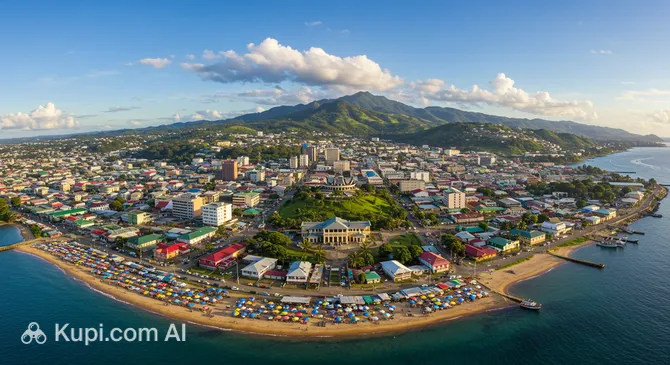
Port Moresby. Source: Kupi.Binoculars

The city presents a fascinating contrast between traditional heritage and modern urban life. Unlike many other parts of the country, Port Moresby enjoys a tropical wet and dry climate, often resulting in less rainfall and a unique local landscape. As you explore the streets and neighborhoods, you can uncover the deep history of Port Moresby, which reflects both indigenous roots and colonial influences.

There are several key attractions that offer a glimpse into the local culture and environment. The National Museum and Art Gallery is an essential stop for understanding the diverse ethnographic background of the region. Nature lovers will appreciate the Port Moresby Nature Park, a well-maintained sanctuary showcasing native orchids and wildlife, including the iconic birds of paradise. Additionally, the Parliament House stands out with its striking architecture, designed to resemble a traditional Sepik spirit house.

Whether you are passing through on your way to the highlands or staying to explore the coast, Port Moresby offers an intriguing introduction to the country. It is a city of hidden gems and warm hospitality, inviting adventurers to discover its unique character.

Weather Overview

The city experiences a consistently warm tropical climate throughout the year, making it a destination where summer clothes are appropriate in any season. Average monthly temperatures remain stable, generally hovering between 26°C and 27°C. The hottest days typically occur around December and January, where maximum temperatures reach up to 30.2°C, while the coolest period is from June to August, with minimums dipping slightly to around 23°C.

Rainfall patterns vary more significantly than the temperature. The detailed weather in Port Moresby shows a distinct wet season during the early months of the year, particularly from January to March, when you can expect up to 27 wet days per month. In contrast, the middle of the year, specifically June through August, offers drier conditions with fewer rainy days, although the total precipitation volume remains relatively low year-round.

Interesting Facts

Beyond the main attractions and government buildings, Port Moresby holds fascinating secrets that reveal its distinct character within the Pacific. The city is defined by unique geographical quirks and deep-rooted traditions that often surprise first-time visitors.

  • Unlike the lush, tropical rainforests that cover much of the country, Port Moresby sits in a distinct rain shadow. This geographical feature gives the capital a savannah-like climate with eucalyptus trees and brown hills during the dry season, a sharp contrast to the greenery found elsewhere in Papua New Guinea.

  • One of the most unusual aspects of this capital is its isolation from the rest of the nation's major urban centers. There are no roads connecting Port Moresby to other major cities like Lae or Mount Hagen; the rugged terrain means travel to other provinces is almost exclusively by air or sea.

  • The city is home to the iconic Hanuabada, which translates to "Great Village." This traditional settlement is built almost entirely on stilts over the water and retains a strong cultural identity, famously keeping the ancient Hiri trade traditions alive through annual festivals.

  • The city's name is a touching family tribute. Captain John Moresby, who explored the coast in 1873, named the settlement after his father, Admiral Sir Fairfax Moresby. Consequently, the waters are known as Fairfax Harbour, ensuring both father and son are remembered in the city's geography.

How to Get There

Reaching the capital of Papua New Guinea is an adventure in itself, with air travel being the primary and most practical method of entry. Due to the country's rugged terrain and lack of inter-city highways, flying is often the only way to navigate between regions. Visitors planning their journey can find more about how to get to Port Moresby and the available transport options on our detailed page.

The main gateway for international and domestic travelers is Jacksons International Airport (POM). Located just 8.7 km from the city center, it is the busiest transport hub in the nation. The airport handles flights from major regional cities like Brisbane, Singapore, and Manila, as well as an extensive network of domestic connections. Upon arrival, a trip to the downtown area or major hotels typically takes around 35 minutes by taxi or hotel shuttle, depending on traffic conditions.

For clarity, here is a summary of the main airports in the vicinity:

Airport Name City Passenger Traffic Km from City
Jacksons International Airport Port Moresby Large 8.7
Girua Airport Popondetta Small 147.7

Main Attractions

Port Moresby offers a compelling mix of cultural heritage, natural beauty, and modern gathering spots. While the city is a commercial hub, it also houses some of the nation's most significant landmarks where visitors can immerse themselves in the diverse traditions and biodiversity of Papua New Guinea. From lush nature reserves to architectural marvels, the capital provides a variety of experiences for travelers.

Port Moresby Nature Park is arguably the city's premier tourist facility and a must-visit for nature enthusiasts. As Papua New Guinea’s only combined botanical and zoological park, it offers a safe and accessible way to see the country's unique flora and fauna. Visitors can walk through well-maintained gardens to spot tree kangaroos, cassowaries, and the famous birds of paradise. The park is dedicated to conservation and education, making it an excellent stop for families and anyone interested in the region's ecology.

Another architectural and cultural highlight is the National Parliament House. The main building is designed in the style of a traditional Sepik spirit house (Haus Tambaran), symbolizing the unification of the country's diverse tribes. The facade features stunning mosaic work depicting indigenous motifs. Visitors are often allowed to tour the public galleries and admire the surrounding gardens, which are beautifully landscaped and offer a peaceful retreat in the heart of the administrative district.

For a deep dive into the country's history, the National Museum and Art Gallery is essential. Located near the Parliament, this institution houses an extensive collection of artifacts, including intricate masks, totem poles, and traditional canoes from various provinces. It provides a comprehensive overview of the complex ethnographic landscape of the nation, preserving the rich artistic legacy of its people.

Alibi Bar & Grill. Source: Kupi.Binoculars

After a day of exploring the cultural sights, many visitors head to the waterfront for dining and relaxation. Alibi Bar & Grill is a popular venue located within the Harbour City precinct. Known for its relaxed atmosphere and outdoor seating, it offers picturesque views of the marina, especially at sunset. It is a favorite spot for both locals and tourists to enjoy grilled dishes and refreshing beverages while soaking in the coastal breeze.

Varirata National Park, located just outside the city limits, is perfect for those willing to venture a bit further. It was the country's first national park and remains a top destination for birdwatching and hiking. The park features several trails leading to lookouts that offer panoramic views over Port Moresby and the coastline. It is particularly famous for spotting Raggiana birds of paradise performing their courtship displays in the early morning.

Local Cuisine

The culinary landscape of Port Moresby is a delightful reflection of Papua New Guinea's diverse culture and abundant natural resources. The city's location on the coast ensures a steady supply of fresh seafood, which serves as the cornerstone of many local menus. Visitors will find a fusion of traditional Melanesian flavors and international influences, particularly Australian and Asian cuisines, creating a unique dining experience that ranges from rustic street food to sophisticated waterfront dining.

A must-try dish for any visitor is Kokoda. Often compared to ceviche, this refreshing starter consists of raw fish marinated in lime juice and mixed with a rich coconut cream sauce, onions, tomatoes, and chilies. It perfectly captures the tropical essence of the region. Another significant culinary tradition is the Mumu, considered the national dish. While traditionally prepared in an earth oven for feasts, many local restaurants offer versions of this slow-cooked meal featuring pork, chicken, or fish steamed with sweet potatoes (kaukau), taro, and leafy greens wrapped in banana leaves.

When it comes to beverages, the locals have distinct favorites. To beat the tropical heat, nothing compares to a fresh Kulau (young coconut), often sold chilled by roadside vendors. For those looking for something stronger, SP Lager is the iconic local beer found in almost every bar and hotel, regarded as a national staple. Additionally, Papua New Guinea is world-renowned for its high-quality coffee, so be sure to enjoy a cup of locally grown Arabica during your stay.

Buffalo Burger. Source: Kupi.Binoculars

The dining culture in Port Moresby is quite varied. Major hotels and the Harbourside precinct offer upscale restaurants where you can enjoy fine dining with ocean views. For a more casual and authentic experience, "Kai bars" are popular takeaway spots serving hearty portions of fried fish, sausages, and rice. If you are in the mood for a relaxed atmosphere and familiar comfort food, Buffalo Burger is a well-regarded spot to grab a satisfying meal in a friendly setting.

Vegetarians will also find plenty to enjoy, as local markets overflow with organic tropical fruits and vegetables. Staples like sago, yams, and cassava are widely available, often cooked in coconut milk. Exploring the food scene here is not just about eating; it is an opportunity to taste the freshness of the Pacific and connect with the warm hospitality of the local people.

Travel Tips

Welcome to Port Moresby, a city of vibrant culture and tropical charm that rewards the well-prepared traveler. To ensure your visit is as enjoyable and smooth as possible, we have compiled a list of essential practical advice covering everything from local transport to cultural nuances.

  1. Clothing and Gear: Given the tropical heat, pack lightweight, breathable fabrics like cotton or linen to stay cool. While casual wear is generally acceptable, it is respectful to dress modestly, covering shoulders and knees, especially when visiting markets or public buildings. A sturdy pair of walking shoes is essential for exploring nature parks, and do not forget a universal travel adapter (Type I) and high-SPF sunscreen.

  2. Transportation Options: Public buses, known locally as PMVs (Public Motor Vehicles), are an inexpensive way to travel but can be crowded and confusing for first-time visitors. For safety and convenience, it is highly recommended to use hotel transfers, private hire cars with drivers, or reputable taxi services booked by your accommodation rather than hailing rides on the street.

  3. Managing Finances: The local currency is the Papua New Guinea Kina (PGK). While major hotels, restaurants, and supermarkets in Port Moresby accept international credit cards (Visa and Mastercard are most common), cash is essential for local markets and smaller shops. ATMs are available in shopping malls and hotels, but it is wise to carry small denominations for tips and minor purchases.

  4. Health and Safety: Always drink bottled or boiled water and avoid ice in drinks at smaller establishments. Malaria is a risk in the region, so bring strong insect repellent and consider prophylaxis after consulting your doctor. Regarding safety, stick to well-lit, populated areas, avoid walking alone after dark, and keep valuables out of sight; using a hotel safe for passports and excess cash is standard practice here.

  5. Communication: English is one of the official languages and is widely spoken in business and tourism sectors, making communication relatively easy. However, learning a few phrases in Tok Pisin, the most widely used creole, such as "Gude" (Good day) or "Tenkyu" (Thank you), will go a long way with locals. SIM cards from major providers are easily purchasable at the airport or shopping centers for reliable data coverage.

  6. Local Etiquette: Papua New Guineans are generally warm and friendly; a handshake and a smile are the standard greeting. Respect for elders and local customs is paramount. Always ask for explicit permission before taking photographs of people, their children, or their property, as taking photos without consent can be considered offensive.

  7. What to Avoid: Be mindful of the local habit of chewing Buai (betel nut); while common, spitting the red residue in public places, on sidewalks, or in buildings is often prohibited and can incur fines. Additionally, avoid displaying expensive jewelry or large amounts of cash in public, as this can attract unwanted attention.

  8. Market Tip: If you plan to buy souvenirs, visit the designated craft markets often held on weekends at venues like the National Museum or Ela Beach. Unlike in some other regions, aggressive bargaining is not a standard practice here; if you do negotiate, keep it friendly and respectful of the artisan's time and skill.

By keeping these practical tips in mind, you can navigate Port Moresby with confidence and respect for its unique way of life. Enjoy the warm hospitality of the locals and the rich cultural tapestry that makes this capital city a truly memorable destination.

Entertainment & Nightlife

Entertainment in Port Moresby is largely defined by its vibrant social scene, which centers around private clubs, modern shopping precincts, and hotel-based venues. For visitors, the city offers a mix of laid-back leisure activities and energetic nightlife, providing plenty of ways to unwind after a day of sightseeing. The atmosphere is generally welcoming, with a strong emphasis on socializing in secure and comfortable environments.

One of the most popular hubs for expatriates and travelers is the Royal Papua Yacht Club. Located near the harbor, it is an institution in the city’s social life, offering a relaxed setting to enjoy a drink while watching the sunset over the marina. It frequently hosts sailing events and provides a safe, friendly atmosphere for meeting people. similarly, the Port Moresby Golf Club is a favorite for sports enthusiasts, featuring a scenic 18-hole course that hosts various tournaments and offers a pleasant clubhouse for post-game relaxation.

For those seeking nightlife, the city comes alive after dark, particularly within the major hotels which house some of the country's best clubs and bars. The Lamana Gold Club is arguably the most famous nightspot in Papua New Guinea (Niugini), known for its open-air dance floors, live music performances, and multiple bars. It attracts a lively crowd and is a premier destination for partying in the capital. Another key venue is The Cosmopolitan, a large super-club located within the Vision City complex, which regularly features international DJs and local artists.

Shoppers and moviegoers will find their haven at the Vision City Mega Mall. As the largest shopping center in the country, it serves as a primary entertainment complex, housing the modern Paradise Cinema. Here, visitors can catch the latest Hollywood blockbusters in comfort. The mall also features a variety of dining options and serves as a popular gathering place for local families and youth on weekends.

If your visit coincides with mid-September, you may witness the spectacular Hiri Moale Festival. This cultural extravaganza celebrates the traditional Hiri trade voyages with giant canoe races, traditional dancing, and "Hiri Hanenamo" (queen) pageants. It is a vibrant display of indigenous culture and one of the most entertaining and significant annual events in the National Capital District.

Parks & Museums

While Port Moresby is primarily known as a bustling administrative and commercial center, the city dedicates significant space to preserving its natural beauty and cultural heritage. Visitors looking to escape the urban rhythm will find well-maintained recreational areas and institutions that safeguard the nation's complex history and artistic achievements.

Ela Beach stands out as the city's most popular recreational frontage. Recently redeveloped, this stretch of white sand offers a scenic promenade lined with basketball and volleyball courts, making it a hub of local activity, especially on weekends. It is an excellent spot for a leisurely walk, offering views of the iconic APEC Haus and the coral reefs of the harbor. Just outside the main city limits lies the Adventure Park PNG, a favorite for families. This expansive park features landscaped gardens, a small zoo, and lakes. It is particularly famous for its crocodile feeding shows and the Ferris wheel, which provides a unique perspective of the surrounding countryside.

For those interested in history and remembrance, the Bomana War Cemetery is a profoundly moving site located a short drive from the city center. As the final resting place for thousands of Allied soldiers who fought in the Southwest Pacific during World War II, it is meticulously maintained with manicured lawns and rows of white headstones. The serene atmosphere stands in stark contrast to the city's noise, offering a place for quiet reflection on the region's turbulent past. It remains one of the most visited historical sites in the country.

Although the National Museum and Art Gallery was mentioned as a main attraction, it deserves specific recognition here for its role as the custodian of Papua New Guinea's cultural soul. Beyond its ethnographic artifacts, the museum often hosts contemporary art exhibitions that showcase the evolution of local artistic expression. It serves as a vital educational resource, bridging the gap between the ancient traditions of the diverse tribes and the modern identity of the nation.

For a lesser-known experience, take a walk along the Paga Hill Ring Road. This winding coastal road offers not only fresh sea breezes but also some of the best uncrowded vantage points for photographing the city skyline and the ocean. It is a favorite route for local joggers and provides a peaceful setting to watch the sunset away from the busier tourist spots.

Getting Around

Public transport in Port Moresby is quite different from the structured systems found in many other capital cities. There is no metro, tram, or railway network serving the urban area. Instead, the city relies almost entirely on a road-based network of privately owned minibuses and a variety of taxi services. For the local population, these buses are the lifeline of daily commute, while tourists often opt for private transfers due to comfort and convenience.

The primary mode of public transportation is the PMV (Public Motor Vehicle). These are typically 25-seater minibuses, often white with a colored stripe indicating their route. PMVs operate on specific numbered routes (e.g., Route 4, Route 7, Route 9) that connect the suburbs to the main commercial hubs like Town, Boroko, and Waigani. While they are an authentic way to see local life, they do not run on fixed timetables. A bus usually departs only when it is full, and stops can be made anywhere along the designated route where it is safe to pull over.

The payment system for PMVs is strictly cash-only. There are no travel cards, passes, or mobile payment apps for the bus system. Fares are very affordable, typically costing between 1 to 2 Kina per trip depending on the distance. You pay the "boss crew" (the conductor) either upon boarding or during the journey. It is essential to carry small change, such as 1 or 2 Kina coins, as conductors may not always have change for large banknotes.

For tourists, navigating the PMV system can be challenging due to the lack of signage and the chaotic nature of the stops. If you choose to use them, it is best to travel during daylight hours, as services dwindle rapidly after sunset and safety becomes a concern. Always ask a local or hotel staff which route number you need before heading out. However, for a stress-free experience, most visitors are advised to use alternatives.

Taxis are the most recommended option for travelers. There are two main types: public taxis and private hire cars. Public taxis should have a meter, but it is common practice to negotiate the fare before starting the trip. Reputable companies like Scarlet Taxis or City Loop are generally reliable. Recently, ride-hailing apps such as Odesh have gained popularity, offering a safer and more transparent way to book a ride with tracked vehicles and fixed pricing, similar to international rideshare services.

Car rentals are available at the airport and in the city center, featuring major international brands. However, driving in Port Moresby can be intimidating due to aggressive local driving styles and varying road conditions. Consequently, many car rental agencies offer the option to hire a vehicle with a driver. This is widely considered the best way to explore the city independently, ensuring you have local knowledge at your disposal while avoiding the stress of navigating unfamiliar traffic.

Accommodation

Accommodation:

Finding the right place to stay in Port Moresby depends largely on your budget and the purpose of your visit. The city is primarily a business and administrative hub, which is reflected in its accommodation landscape. The options range from high-end luxury hotels and secure apartment complexes to mid-range motels and a limited selection of budget-friendly guesthouses. Unlike typical backpacker destinations, the emphasis here is often on security and full-service amenities.

When choosing a location, most travelers gravitate towards three main districts. Downtown (Town) is situated on the peninsula and offers spectacular views of the harbor, making it a popular choice for those seeking premium hotels near the waterfront. Waigani is the administrative heart of the city, located close to government buildings, the museum, and the golf course, ideal for business travelers and those visiting cultural sites. For those on short stopovers or early flights, the area surrounding Jacksons International Airport provides several convenient and comfortable transit hotels.

The price range for accommodation in the capital can be higher than in neighboring Southeast Asian countries, largely due to the cost of providing security and imported goods. Luxury and mid-range hotels typically charge international standard rates, while budget options are less common and more basic. Booking is best done in advance through major online platforms or directly with the hotel. A crucial tip for visitors is to prioritize hotels that offer complimentary airport transfers and 24-hour security, as these services significantly enhance the ease and safety of your stay.

Nearby Cities

Nearby Cities:

Port Moresby is situated on the southern coast of the Papuan Peninsula. Due to the rugged geography of the country, particularly the formidable Owen Stanley Range, the capital is uniquely isolated from many other major urban centers. There are no direct road links connecting Port Moresby to the cities on the northern coast or in the highlands. As a result, travel to neighboring regions is almost exclusively conducted by air, making the concept of "nearby" a matter of flight time rather than road distance.

For travelers planning to explore beyond the capital, here is an overview of the significant cities and towns located relatively close to Port Moresby, serving as key destinations for commerce and tourism:

City Population Distance (km)
Popondetta 65,000 143
Lae 193,000 306
Goroka 21,507 423
Madang 62,023 493
Mount Hagen 68,000 513

Shopping & Souvenirs

Shopping in Port Moresby presents a distinct contrast between the modern and the traditional. The city has developed significantly in recent years, offering visitors a choice between contemporary, air-conditioned shopping complexes and vibrant, open-air markets. While it may not be a global retail capital, it provides excellent opportunities to purchase daily necessities, luxury items, and, most importantly, unique cultural artifacts that reflect the diverse heritage of Papua New Guinea (Niugini).

For a modern retail experience, the Waigani district is the primary destination. This area serves as the commercial heart of the city and hosts the largest concentration of retail outlets. Here, you can find supermarkets, electronics stores, and fashion boutiques in a secure and comfortable environment. It is the best place to stock up on supplies or browse for international brands.

The crown jewel of the city's retail scene is the Vision City Mega Mall in Waigani. As the largest shopping center in the country, it offers a comprehensive experience with a wide range of clothing stores, a hypermarket, restaurants, and a cinema. It is a popular social hub where locals and tourists alike enjoy the cool air conditioning. Another notable spot is the Waterfront Foodworld area in the Harbour City precinct, which combines grocery shopping with a selection of specialty shops and cafes near the marina.

To truly experience the local culture, visiting the markets is essential. The Boroko Craft Market is one of the best places to find authentic handicrafts. Vendors here sell a colorful array of goods directly on the sidewalks or in designated areas. For a more organized experience, the Ela Beach Craft Market is a highlight, typically held on the last Saturday of every month. It attracts artisans from surrounding provinces, ensuring a high quality of goods in a safe, festival-like atmosphere.

When it comes to souvenirs, the most iconic item to bring home is a Bilum. These traditional hand-woven bags are made from natural fibers or wool and come in countless patterns, each telling a story or representing a specific region. Other popular purchases include intricate wood carvings such as Sepik masks and storyboards, as well as shell jewelry. Coffee lovers should not leave without buying a bag of PNG Highland coffee, which is world-renowned for its rich flavor and organic quality.

Regarding practicalities, trading hours vary by location. Major shopping malls like Vision City are typically open from 9:00 AM to 9:00 PM daily, providing flexibility for evening shopping. In contrast, local markets operate during daylight hours, usually starting early in the morning and winding down by 3:00 PM or 4:00 PM. While malls and large supermarkets accept major credit cards like Visa and Mastercard, cash is king at the markets. Visitors should carry smaller denominations of Kina when shopping for souvenirs to make transactions smoother.

Nearby cities

Reached the end of the page?

That means the route is fully explored