Support

Wewak

About

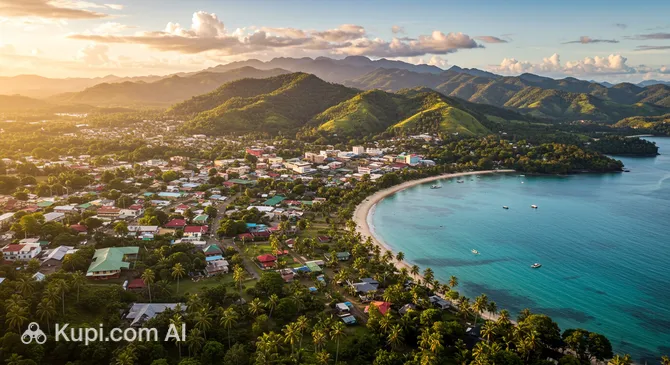
Perched on the northern coast of the East Sepik Province, Wewak is a vibrant town that serves as a crucial gateway to some of the most culturally rich regions in Papua New Guinea (Niugini). Known for its laid-back atmosphere and stunning coastal views, this town offers a unique blend of modern convenience and traditional charm. With a population of approximately 25,000 residents, it acts as a bustling hub for trade and travel while maintaining the relaxed pace of a tropical seaside settlement.

Wewak. Source: Kupi.Binoculars

Travelers are often drawn to Wewak for its significant role in World War II, with several monuments and relics scattered throughout the area. One of the most poignant sites is Cape Wom, the location where the Japanese forces surrendered, which is now a peaceful memorial park. For those interested in delving deeper into the events that shaped this town, the history of Wewak provides a fascinating narrative of resilience and transformation over the decades.

Beyond its historical importance, Wewak is famously known as the "jumping-off point" for expeditions up the mighty Sepik River. This legendary waterway is renowned globally for its intricate wood carvings, spirit houses, and diverse tribal cultures. Within the town itself, visitors can enjoy golden beaches perfect for swimming and snorkeling, or explore the local markets where fresh produce and authentic handicrafts are displayed in abundance.

Whether you are preparing for a river adventure or simply looking to unwind by the ocean, Wewak offers a warm welcome and an unforgettable experience. Its combination of natural beauty, historical depth, and cultural accessibility makes it an essential stop for any itinerary in this fascinating part of the world.

Weather Overview

Travelers planning a trip to this coastal hub should prepare for a consistent tropical climate that remains warm and humid throughout the year. The temperatures in Wewak are remarkably stable, with average daily highs hovering between 28°C and 29°C and nighttime lows rarely dropping below 24°C. This steady warmth makes lightweight, breathable clothing essential for any visit, regardless of the season.

Rainfall is a frequent occurrence in the region, playing a significant role in the lush green landscapes surrounding the town. The area experiences a high number of wet days annually, typically ranging from 25 to 29 days of rain per month. While showers are common, they are often passing tropical bursts. To get a more precise forecast and pack accordingly, it is helpful to consult the detailed weather in Wewak before your journey begins.

Interesting Facts

Beyond the main attractions, Wewak holds many fascinating secrets that reveal its deep historical scars and its pivotal role in the modern culture of the region. From hidden wartime networks to the resting place of a national icon, the city offers a layer of depth that goes far beyond its scenic coastal views.
  • The "Underground" City: Beneath the tropical surface of the town lies a forgotten network of tunnels built by Japanese forces during World War II. While many visitors know of the visible monuments, few realize that massive cave systems and bunkers were excavated into the coral headlands. Some of these were sealed shut after the war and remain largely unexplored, fueling local legends about what equipment or artifacts might still be entombed within the earth.

  • A Nation’s Shrine: Wewak is the final resting place of Grand Chief Sir Michael Somare, the "Father of the Nation" and the first Prime Minister of Papua New Guinea (Niugini). His tomb is located at Kreer Heights, a hill that overlooks the town and the ocean. It has become a site of great significance for locals, symbolizing the country's journey to independence and the enduring legacy of its most prominent leader.

  • The Meaning of "The Wind": The name "Wewak" is widely believed to be derived from a local term meaning "The Wind" or "Place of Wind." This is a fitting moniker for a town situated on an exposed headland where the cooling sea breezes are a constant feature, providing natural relief from the tropical heat that blankets the rest of the Sepik region.

  • The Vanilla Capital: While the highlands are famous for coffee, the East Sepik region around Wewak has quietly become a global powerhouse for vanilla production. The town serves as the primary trading hub for "green gold," where farmers from remote inland villages bring high-quality vanilla beans to be sold and exported to international markets, including Singapore and Europe.

  • Landscape of Scars: The geography of the town itself was permanently altered by history. Wewak was once home to the largest Japanese airbase on the mainland, and the intense bombing campaigns left hundreds of craters. Today, many of these depressions have filled with water and vegetation, appearing to the untrained eye as natural ponds or lagoons rather than the remnants of historical air raids.

How to Get There

Reaching Wewak is the first step of an adventure into the heart of the East Sepik region. Due to the rugged geography of Papua New Guinea (Niugini), air travel is the most practical and common method for arrival. For a complete overview of transport options and logistics, you can view the detailed guide on how to get to Wewak. The town is well-connected to the capital and other regional centers by its local airport.

The primary gateway for visitors is Boram Airport (WWK), conveniently located within Wewak itself. It sits just 1.3 km from the city center, making the transfer very quick. A taxi or hotel shuttle to the main town area typically takes approximately 5-10 minutes. As the main transport hub for the province, it handles regular flights and serves as the starting point for journeys to the Sepik River.

Travelers may also transit through other key airports in the country, although these are located in different provinces and do not offer direct road access to Wewak. Mount Hagen Airport (HGU), situated in Mount Hagen about 258 km away, and Madang Airport (MAG) in Madang, approximately 297 km away, are significant regional hubs. While they appear relatively close on a map, the lack of connecting highways means they function primarily as connection points for flights rather than gateways for ground transport.

For clarity, here is a summary of the main airports:

Airport Name City Passenger Traffic Km from City
Mount Hagen Airport Mount Hagen High 258.3
Madang Airport Madang Medium 297.3
Vanimo Airport Vanimo Low 279.8
Mendi Airport Mendi Low 284.2
Boram Airport Wewak - 1.3

Wewak does not have a railway station, and there are no passenger train services operating in this part of the country. Visitors typically rely on aircraft for inter-city travel, while local transport within the town and to nearby coastal villages is managed by Public Motor Vehicles (PMVs), taxis, and boats.

Main Attractions

Attractions:

For history enthusiasts, the Cape Wom Memorial Park is an essential stop and perhaps the most significant landmark in the area. Located on a peaceful peninsula about 14 kilometers west of the town center, this site marks the spot where Lieutenant General Adachi of the Japanese 18th Army officially surrendered to Australian forces in 1945, ending the New Guinea campaign. Today, the park is a serene green space featuring a stone monument and war relics, offering a quiet place for reflection amidst the echoes of World War II history.

To experience the best vistas in the region, visitors should head to Wewak Hill, also known locally as Mission Hill. This elevated vantage point provides breathtaking panoramic views of the town, the shimmering Bismarck Sea, and the offshore islands of Mushu and Kairiru. It is particularly popular in the late afternoon, where the sunset paints the sky in vibrant colors, making it a perfect location for photography and enjoying the cooling sea breeze.

Immersing yourself in local life is best done at the bustling Wewak Town Market, situated right on the waterfront. This vibrant hub is the heartbeat of the community, where villagers from the coast and the hinterlands come to trade. Travelers can wander through stalls piled high with fresh tropical fruits, vegetables, and the day's catch of seafood, or browse for locally made handicrafts and "bilums" (traditional string bags) that make for unique souvenirs.

While technically a starting point rather than a single site, Wewak serves as the primary gateway for expeditions to the Sepik River. Many tourists use the town as their base before venturing into this world-renowned region, famous for its intricate wood carvings, spirit houses, and crocodile cults. Even if you aren't taking a multi-day river cruise, local operators in town can often arrange shorter boat trips or cultural tours that offer a glimpse into the fascinating traditions of the Sepik people.

For those seeking relaxation, the coastline offers several picturesque spots such as Meni Beach. These sandy stretches are ideal for a leisurely walk or a refreshing swim in the warm tropical waters. On weekends, these beaches become popular social spots for families and locals, offering a friendly atmosphere where visitors can unwind and soak up the natural beauty of the East Sepik coast.

Local Cuisine

The culinary landscape of Wewak is heavily influenced by its location on the Bismarck Sea and its connection to the river communities. The local diet is a fascinating mix of fresh ocean bounty and traditional staples from the Sepik region. For seafood lovers, the town is a paradise where the catch of the day—often tuna, snapper, or mackerel—is served incredibly fresh, usually grilled or stewed in rich coconut cream.

No culinary exploration of the East Sepik province is complete without trying Sago, locally known as "sak sak." Extracted from the sago palm, this starch is the primary staple for the region. It is typically prepared as a jelly-like dumpling or fried into a pancake, often serving as a dense accompaniment to fish soups and curries. While it has a unique texture that might be new to some palates, it is the most authentic taste of the local culture.

Vegetables and tropical fruits are abundant and flavorful. You should look out for "greens," often aibika, which are steamed in coconut milk and served as a healthy side dish. Thanks to the region's fertile soil, the markets are overflowing with sweet bananas, papayas, and pineapples. Since the area is a major vanilla producer, you may also find that local desserts and baked goods have a distinctively aromatic quality.

When it comes to drinks, the most popular refresher is a Kulau, or young coconut. Sold on roadsides and at markets, the water is sweet, hydrating, and perfectly safe to drink straight from the shell. For those looking for something stronger, SP Lager is the national beer of Papua New Guinea (Niugini) and is widely available in hotels and bars, offering a crisp way to cool down after a hot day.

Dining in Wewak ranges from casual to rustic. Most tourists stick to the restaurants within the main hotels, which offer a blend of Western dishes, Asian cuisine, and local seafood in a comfortable setting. For a more immersive experience, the local "Kai Bars" (takeaway food shops) offer quick, hearty meals like fried chicken and chips. The town market is the best place to buy fresh fruit and snacks, allowing you to sample the produce exactly as the locals do.

Travel Tips

Welcome to Wewak, the gateway to the Sepik River and a town brimming with history and tropical charm. To help you navigate this unique corner of Papua New Guinea with confidence and ease, we have compiled a set of essential tips for a smooth journey.

  1. Clothing and Gear: Given the hot and humid tropical climate, pack lightweight, breathable fabrics like cotton or linen. A sturdy umbrella or a light raincoat is essential, as tropical downpours can occur suddenly. While swimwear is fine for the beach, dress modestly when walking around town or visiting villages; covering shoulders and knees is respectful. Don't forget comfortable walking shoes and a universal travel adapter (Type I) for your electronics.
  2. Transportation: The most common way to get around Wewak is by PMVs (Public Motor Vehicles), which are essentially minivans serving as buses. They are affordable but can be crowded and irregular. For a more comfortable and secure option, use taxis, which are readily available at the airport and major hotels. It is crucial to negotiate and agree on the fare with the driver before you start your journey, as meters are rarely used.
  3. Finances: The local currency is the Papua New Guinea Kina (PGK). While major hotels and a few large supermarkets accept international credit cards (Visa and Mastercard are best), cash is absolute king in Wewak. You will need small denominations for PMVs, local markets, and small shops. ATMs are available in the town center, but they can occasionally be out of service, so it is wise to carry a backup reserve of cash.
  4. Health and Safety: Malaria is present in the East Sepik region, so taking prophylaxis and using strong insect repellent is highly recommended. Drink only bottled or boiled water to avoid stomach issues. In terms of safety, Wewak is generally more relaxed than the capital, but you should still exercise caution. Avoid walking alone at night, and keep your valuables secure and out of sight when exploring busy areas like the market.
  5. Communication: English is the official language and is spoken in government and tourism sectors, but Tok Pisin is the most widely used language on the street. Locals appreciate it if you try a few phrases; a simple "Gude" (Good day) or "Tenkyu" (Thank you) goes a long way. SIM cards from major providers like Digicel are easy to buy and top up, providing decent 4G coverage in town, though signals may drop as you move further out.
  6. Local Etiquette: Papua New Guineans are generally very friendly and hospitable. It is customary to greet people you pass with a smile or a nod. When visiting villages or cultural sites, always ask for permission before taking photographs of people, especially elders or children. If you plan to visit a Haus Tambaran (Spirit House) in the Sepik region, strictly follow the guide's instructions, as some areas may be restricted based on gender or initiation status.
  7. What to Avoid: Do not wander into isolated areas or settlements without a local guide, as land ownership is a serious matter here and trespassing can cause offense. Additionally, avoid public displays of anger or frustration; maintaining a calm and respectful demeanor will resolve issues much faster than raising your voice.
  8. Market Insight: If you want to buy authentic souvenirs, the Wewak Town Market is the place to be. Look for bilums (traditional woven bags) and Sepik wood carvings. However, be an early bird; the freshest produce and the best handicrafts are usually available in the morning hours before the midday heat sets in.

By keeping these practical tips in mind, you will be well-prepared to embrace the laid-back rhythm of Wewak and the rich cultural tapestry of the East Sepik province. Enjoy your adventure in this fascinating part of the world!

Entertainment & Nightlife

Nightlife in Wewak is distinctively low-key and relaxed, reflecting the town's laid-back tropical atmosphere rather than a bustling urban party scene. You will not find neon-lit nightclub districts or 24-hour entertainment zones here. Instead, the evening entertainment centers almost exclusively around the major hotels and social clubs, which serve as safe and comfortable gathering spots for expatriates, travelers, and locals. The vibe is generally casual, focusing on social conversation, cold drinks, and enjoying the cooling sea breeze after a hot day.

The most popular venues are situated along the coastline, taking full advantage of the ocean views. The Wewak Yacht Club is a central hub for social life in the town. It offers a friendly, secure environment where visitors can enjoy reasonably priced drinks and meet a mix of local business owners and international travelers. Another staple of the local scene is the bar at the Windjammer Beach Hotel. Located right by the water, it is the perfect place to watch the sunset with an SP Lager in hand, offering a rustic island charm that captures the essence of the East Sepik province.

For a slightly more polished atmosphere, the Wewak Boutique Hotel offers a comfortable setting for evening cocktails and dining. The dress code across the town is casual; shorts and shirts are acceptable almost everywhere, though swimwear is restricted to the beach and pool areas. Most venues close relatively early compared to international standards, often winding down around 10:00 PM or 11:00 PM, although weekends can see activity stretching a bit later.

Safety is the most critical consideration for any night out in Wewak. Walking around the town or along the roads after dark is strongly discouraged due to security risks. Public transport (PMVs) stops running in the early evening, so you must arrange reliable transport in advance. The best advice is to use hotel shuttles or private security transport arranged by your accommodation. If you are visiting a venue like the Yacht Club, ensure you have a confirmed ride back to your hotel before you leave.

Regarding daytime entertainment, Wewak does not feature commercial amusement parks, large cinemas, or traditional theater complexes. The "entertainment" here is deeply rooted in culture and history. The town itself acts as an open-air museum, with various World War II relics and the Cape Wom Memorial Park providing educational excursions. For those seeking leisure, the main activities involve exploring the local markets or organizing boat trips to nearby islands for snorkeling, rather than visiting indoor entertainment centers.

Parks & Museums

Wewak is a destination where history and nature are inextricably linked, offering visitors a chance to explore "open-air museums" rather than traditional indoor galleries. The city’s green spaces are often sites of profound historical significance, while its cultural heritage is best experienced through the living traditions of the local people and the remnants of the past that dot the landscape.

Cape Wom Memorial Park is the most prominent green space in the region and a site of international importance. Located on a scenic peninsula, this well-maintained park preserves the exact location of the Japanese surrender in 1945. Beyond its historical weight, it serves as a tranquil recreational area for visitors. Tall casuarina trees provide shade over grassy lawns, making it an ideal spot for a quiet picnic while overlooking the ocean. The park's combination of somber history and natural coastal beauty creates a unique atmosphere for reflection.

For a more rugged natural experience, Mission Hill (Wewak Hill) offers a blend of lush vegetation and strategic geography. While not a manicured garden, this area functions as a natural viewpoint and a green retreat above the town. The slopes are covered in tropical flora, and the summit provides a cooling escape from the humidity of the coast. It is a favorite spot for locals to catch the breeze and enjoy commanding views of the Bismarck Sea and the nearby islands of Mushu and Kairiru.

Unlike capital cities with large national museums, Wewak does not possess a dedicated indoor museum complex. Instead, the town itself acts as a repository of history. The Japanese Peace Memorial is a key site that serves this purpose. Situated on a ridge with a sweeping view of the former battlefield, the memorial features stone monuments and plaques dedicated to those who lost their lives during the New Guinea campaign. It is a place of peace and reconciliation, often visited by families of veterans and history enthusiasts seeking to understand the scale of the conflict.

The cultural artistry of the region is best viewed at the various Sepik Art Depots and hotel galleries found within the town. Because Wewak is the gateway to the Sepik River, it acts as a trading post for the world-famous wood carvings, masks, and totem poles produced by the river tribes. While not a formal museum, the collections often displayed in the lobbies of major hotels or at the town market offer a museum-quality glimpse into the spiritual and artistic life of the East Sepik people. Visitors can view intricate "storyboards" and ancestral figures that narrate the legends of the region.

For a poignant look at modern history, a visit to Kreer Heights is recommended. This landscaped area houses the tomb of Grand Chief Sir Michael Somare, the founding father of the nation. It has quickly become a site of national pilgrimage. The manicured grounds and the monument offer a respectful space to learn about the country's path to independence and pay respects to its most significant political figure.

An insider tip for those interested in the "hidden" history of Wewak is to look for the bomb craters that have become permanent fixtures of the landscape near the airport and headlands. Many of these have filled with water over the decades, transforming into small ponds teeming with lilies and birdlife. These unintentional water features stand as a silent testament to the intensity of the air raids that once shook this now-peaceful coastal town.

Getting Around

The public transport system in Wewak is informal and functional, differing significantly from the structured networks found in major global cities. There are no trains, trams, or subways here. Instead, the town relies on a network of road and water vehicles that connect the central business district with residential areas, the airport, and outlying coastal villages. For tourists, navigating this system requires a bit of patience and a sense of adventure.

The backbone of local transportation is the PMV (Public Motor Vehicle). These are typically 15-seater minivans or open-back trucks with bench seating. They do not follow a strict timetable; instead, they depart from designated stops—usually near the main market or shopping areas—once they are full. PMVs are the most authentic way to travel like a local and are easily identified by their "PMV" license plates and destination placards displayed in the front window.

For those wishing to visit the nearby islands or coastal communities inaccessible by road, banana boats serve as the aquatic equivalent of the bus. These open dinghies gather at specific waterfront points, such as the beach near the town market. Like the road PMVs, they generally wait for a full load of passengers and cargo before departing. They are a vital link for the region, though travelers should ensure the operator provides life jackets before boarding.

Taxis offer a more private and comfortable alternative, though they are considerably more expensive than PMVs. You will typically find them waiting at Boram Airport, outside major hotels, and near the main commercial centers. It is important to note that taxis in Wewak generally do not use meters. You must negotiate and agree upon the fare with the driver before entering the vehicle to avoid any misunderstandings at your destination.

The payment system across all modes of transport is exclusively cash. There are no travel cards, mobile apps, or electronic ticketing machines. Fares for PMVs are government-regulated and very affordable, usually costing just a few Kina depending on the distance. Taxi fares are higher and variable. It is essential to carry small denominations (coins and small notes), as drivers often have limited change for larger bills.

Operating hours are limited compared to Western standards. PMVs and banana boats typically run from early morning until late afternoon. Services wind down rapidly as dusk approaches, and it is very difficult to find public transport after dark. Tourists are strongly advised to complete their travel during daylight hours. If you need to move around at night, rely exclusively on private transfers arranged by your hotel or a trusted security transport service.

For visitors, the best advice is to ask locals or hotel staff for the standard fare to your destination before hailing a ride. When using PMVs, it is polite to greet fellow passengers upon boarding. While car rentals exist, they are not standard "drive-yourself" services; they usually come with a hired driver, which is often the safest and most stress-free way to explore the area if you have the budget.

Accommodation

Accommodation in Wewak is generally modest but comfortable, catering primarily to business travelers, government officials, and intrepid tourists heading to the Sepik River. The range of options is not vast, consisting mostly of mid-range hotels, guest houses, and missionary lodges. You will not find large international 5-star resort chains here; instead, the hospitality scene is dominated by locally run establishments that offer a friendly, relaxed atmosphere. For budget travelers, simple backpacker-style lodges are available, though amenities can be quite basic.

When choosing where to stay, the location is a key factor. The most desirable area is undoubtedly Wewak Hill (Mission Hill). Hotels located here benefit from the cooling sea breezes, which are a relief from the tropical heat, and offer spectacular panoramic views over the Bismarck Sea and the town below. Staying on the hill also tends to be quieter and more secure than the bustling town center. Alternatively, there are options near the waterfront and town center, which provide easier access to the markets, banks, and the port, though they may lack the scenic vantage points of the hillside properties.

Among the most well-known establishments is the In Wewak Boutique Hotel, widely considered one of the best options in town. Perched on Wewak Hill, it is celebrated for its stunning ocean views, secure environment, and a restaurant known for its excellent dining atmosphere. Another notable option is the New Wewak Hotel, also situated on the headlands, offering a blend of history and comfort with a popular hotel bar that provides commanding vistas of the coast.

Booking Tip: Online booking platforms are not always reliable for properties in this region. It is often more effective to contact the hotel directly via phone or email to confirm your reservation. Additionally, always ask if the hotel provides a complimentary airport shuttle. Taxis can be scarce or expensive for tourists, so having a driver meet you at Boram Airport is the safest and most convenient way to start your visit.

Travelers should be aware that accommodation prices in Wewak—and Papua New Guinea in general—can be higher than expected for the standard of facilities provided. A standard room in a secure hotel is typically priced in the mid-to-high range compared to Southeast Asian destinations. Payment is often best made in cash (Kina), although the major hotels usually accept credit cards. It is advisable to carry some local currency just in case card machines are offline due to network issues.

Nearby Cities

For those looking to explore the surroundings, Wewak serves as an excellent base for day trips to several interesting nearby locations. While the rugged terrain of the country often makes air travel necessary for inter-provincial journeys, there are unique destinations accessible by road or a short flight that showcase the diversity of the region.

One of the most authentic day trips accessible by road is to the town of Maprik, located inland along the Sepik Highway. This area is the cultural heart of the Abelam people, renowned for their artistic heritage, particularly the towering Haus Tambarans (Spirit Houses) and intricate mask carvings. Maprik is also famous for its annual yam festivals, where long yams are cultivated and displayed as status symbols, offering visitors a fascinating glimpse into the traditional life of the East Sepik interior.

For those willing to take a short flight, Madang offers a stunning contrast to Wewak. Often referred to as the "prettiest town in the Pacific," it features a picturesque peninsula surrounded by deep blue waters and numerous islands. It is a premier destination for scuba diving and snorkeling, known for its coral reefs and World War II shipwrecks, making it an ideal spot for a short coastal visit.

Another compelling option for a short excursion is Mount Hagen, the bustling capital of the Western Highlands. A trip here transports travelers from the humid coast to the cool, misty mountains. It is the center of the country's coffee production and home to the famous Mount Hagen Cultural Show. The vibrant markets and distinct Highland culture provide a completely different experience from the coastal lifestyle of Wewak.

City Population Distance (km)
Mount Hagen 68000 260
Madang 62023 299
Mendi 56055 284
Tari 15413 263
Vanimo 11863 280

These nearby destinations offer a glimpse into the diverse culture and landscapes of the region.

Shopping & Souvenirs

Shopping in Wewak is an experience grounded in practicality and local culture rather than luxury retail. Unlike major international cities filled with high-end fashion boutiques and sprawling complexes, the shopping scene here is functional and authentic. Visitors will find a mix of general merchandise stores catering to daily needs and vibrant open-air markets that showcase the artistic and agricultural wealth of the East Sepik region. It is an excellent place to stock up on travel essentials or hunt for unique cultural artifacts directly from the artisans.

The main commercial activity is concentrated in the Town Center, located near the waterfront and the harbor. This compact district serves as the economic hub of the province, where the primary banks, pharmacies, and hardware suppliers are clustered. A walk along the main road in this area reveals a series of shops selling everything from clothing and electronics to tinned foods and camping gear. It is a bustling area during the day, filled with locals conducting their weekly trade.

While Wewak does not have "shopping malls" in the western sense, it is served by large department stores that function as one-stop shops for residents and travelers. Tang Mow is the most prominent retail establishment in town, offering a supermarket, clothing sections, and household goods under one roof. Another key player is Papindo, a well-known chain in Papua New Guinea (Niugini), which provides a similar range of products. These stores are modern, air-conditioned, and the best places to find imported groceries, toiletries, or replacement travel gear.

The true highlight of shopping in the city is undoubtedly the Wewak Main Market. Situated right by the ocean, this market is a sensory explosion of color and sound. It is the primary outlet for fresh produce, where you can buy sweet bananas, pineapples, and local greens. More importantly for tourists, it is often a gathering place for craftspeople. You can find vendors selling shell jewelry and traditional items brought in from the nearby islands and coastal villages.

When it comes to souvenirs, Wewak is the gateway to some of the finest tribal art in the Pacific. The region is world-famous for Sepik wood carvings, including intricate masks, storyboards, and totem figures. These can often be purchased at the market or from specialized dealers in town. Another must-buy item is a Bilum, a traditional hand-woven string bag that is both a cultural icon and a practical accessory. Additionally, since the East Sepik province is a major producer of vanilla, buying bundles of high-quality vanilla beans at a fraction of international prices is a popular choice for visitors.

Store opening hours generally follow a standard business schedule, with most shops opening around 8:00 AM or 9:00 AM and closing by 5:00 PM on weekdays. On Saturdays, many businesses operate on reduced hours, often closing by 1:00 PM, and almost everything is closed on Sundays except for a few small convenience stands. Regarding payment, cash (Kina) is the preferred method for almost all transactions. While the major supermarkets like Tang Mow and hotel gift shops accept credit cards, vendors at the markets and smaller street shops deal exclusively in cash.

Tourists should be aware that there is no tax-free shopping or VAT refund scheme available in Wewak. The price you see is the final price. In markets, polite bargaining is sometimes acceptable for handicrafts, but prices for food and store goods are generally fixed. Always ensure you have small denominations of cash when visiting the markets, as vendors rarely have change for large notes.
Reached the end of the page?

That means the route is fully explored